If you’re dealing with mold in your Jacksonville, FL home, understanding the costs involved is the first step toward getting it resolved. Jacksonville, FL has a high mold risk rating due to its humid subtropical climate, 74% average humidity, and 52.4 inches of annual rainfall. This guide breaks down exactly what mold removal costs in Jacksonville, what factors affect pricing, and whether you should DIY or hire a professional.
Our reviews are based on aggregated verified buyer feedback, manufacturer specifications, ingredient analysis, and published expert opinion. Products are not independently purchased or tested by our team. We may earn a commission if you purchase through our links, at no extra cost to you. How We Review
Jacksonville at a Glance: Mold Risk Profile
| Factor | Detail |
|---|---|
| Population | 949,611 (metro: 1,605,848) |
| Average Home Price | $310,000 |
| Climate Zone | Humid subtropical |
| Average Humidity | 74% |
| Annual Rainfall | 52.4 inches |
| Mold Risk Rating | High |
| Common Housing Types | Block construction, wood-frame homes, many built on fill dirt near wetlands |
Average Mold Removal Costs in Jacksonville
| Service | Cost Range |
|---|---|
| Mold Inspection | $300 – $600 |
| Small Area Remediation (under 10 sq ft) | $500 – $1,500 |
| Standard Remediation | $1,500 – $4,500 |
| Whole-House Remediation | $5,000 – $15,000+ |
| Post-Remediation Air Testing | $200 – $400 |
Why Mold Is Common in Jacksonville
Coastal humidity, frequent afternoon thunderstorms, high water table, proximity to St. Johns River marshlands
Local insight: Jacksonville is the largest city by area in the contiguous US (874 sq mi), and much of that area sits on former marshland. The high water table means ground-level moisture is a constant concern.
Jacksonville Housing and Mold: What to Know
If your Jacksonville home is built on fill dirt (common in developments near the St. Johns River), monitor your crawl space or slab for moisture year-round. The water table can be just 2-3 feet below grade.
Factors That Affect Mold Removal Cost in Jacksonville
- Size of affected area: Small bathroom mold vs. entire basement requires different approaches and costs
- Type of mold: Common mold is straightforward; suspected toxic mold (Stachybotrys) requires additional testing and containment
- Location: Accessible areas cost less than mold in crawl spaces, attics, or inside walls
- Cause of moisture: Fixing the underlying moisture issue (plumbing leak, drainage, humidity) adds to total cost
- Materials affected: Drywall replacement costs more than surface cleaning of tile or concrete
- Licensing requirements: Florida Statute 404.056 requires licensed mold assessors and remediators. Florida’s landlord-tenant law (F.S. 83.51) requires landlords to maintain premises.
DIY vs. Professional Mold Removal in Jacksonville
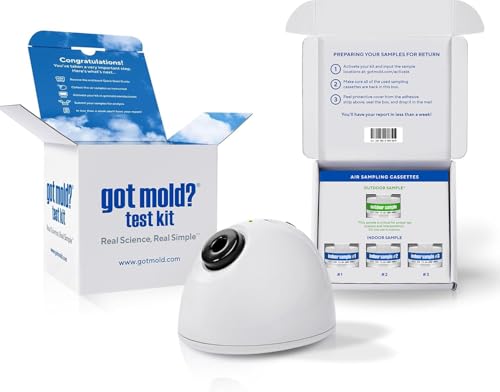
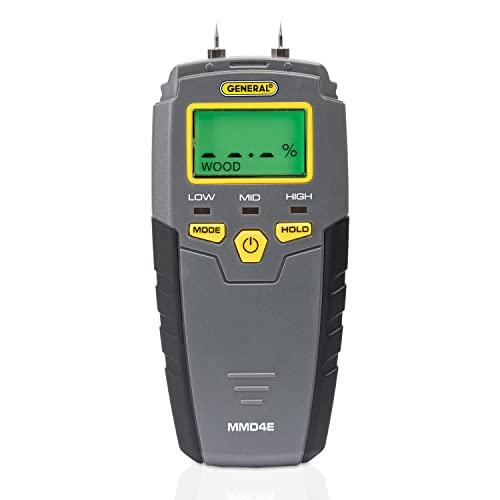
For small mold areas (under 10 square feet), DIY removal can save you $1,000-$3,000. You’ll need a N95 respirator, mold remover spray, and a moisture meter to verify the area is dry after treatment. For a basic DIY assessment, start with a home mold test.
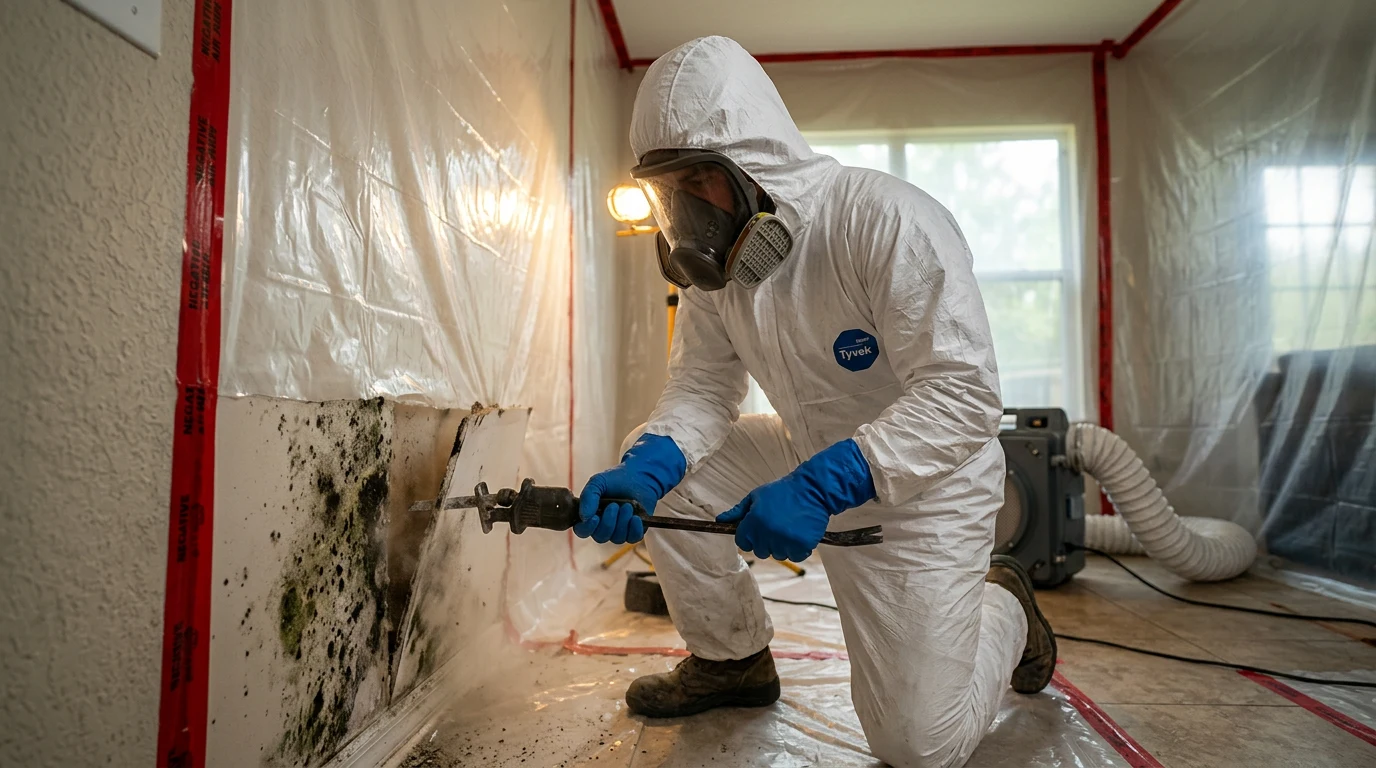
Hire a professional in Jacksonville when the affected area is larger than 10 square feet, mold is in your HVAC system, you suspect mold behind walls, or anyone in the household has respiratory health issues. Use our complete DIY mold removal guide for small projects and our guide on when to test for mold to determine if you need professional help.
How to Find a Reputable Mold Remediation Company in Jacksonville
- Verify licensing and insurance (check FL requirements)
- Get at least 3 written estimates
- Ask for references from recent Jacksonville-area jobs
- Ensure they follow IICRC S520 mold remediation standards
- Use a different company for testing and remediation (avoids conflict of interest)
- Get a written scope of work before any work begins
Common Mold Questions in Jacksonville
How does Jacksonville’s water table affect mold?
Mold Removal Cost Breakdown by Room
Different rooms in Jacksonville homes present unique challenges and costs for mold remediation. The room’s size, typical moisture levels, and accessibility all influence the total cost. Here’s what homeowners can expect to pay for professional mold removal in specific areas of their home.
| Room/Area | Cost Range | Typical Issues |
|---|---|---|
| Bathroom | $800 – $2,200 | Shower/tub surrounds, poor ventilation |
| Kitchen | $900 – $2,500 | Under-sink leaks, dishwasher issues |
| Basement/Crawl Space | $1,200 – $4,000 | High water table, poor drainage |
| Attic | $1,000 – $3,500 | Roof leaks, inadequate ventilation |
| Living Areas | $1,500 – $5,000 | HVAC issues, window leaks |
| Whole House | $5,000 – $25,000+ | Extensive water damage, HVAC contamination |
Bathroom mold removal in Jacksonville typically costs less due to the smaller square footage and tile surfaces that are easier to clean. However, costs increase when mold has spread behind shower walls or under flooring. Kitchen remediation often involves cabinet removal if mold has spread under sinks or behind appliances.
Basements and crawl spaces present the highest risk in Jacksonville due to the city’s high water table and frequent ground moisture issues. These areas often require extensive dehumidification and may need structural repairs. Attic mold removal can be challenging due to access issues and the need for proper containment in confined spaces.

Whole-house remediation becomes necessary when mold has spread through the HVAC system or when there’s been extensive flooding. This requires comprehensive mold remediation following strict protocols and often involves temporary relocation of residents.
How Jacksonville’s Climate Affects Mold Growth and Costs
Jacksonville’s humid subtropical climate creates ideal conditions for mold growth year-round. With an average humidity of 74% and 52.4 inches of annual rainfall, the city consistently ranks among the highest mold-risk areas in Florida. This climate directly impacts both the likelihood of mold problems and the cost of remediation.
The high humidity levels mean that even minor moisture issues can quickly escalate into significant mold problems. Air conditioning systems work overtime to combat humidity, but when they fail or are inadequately sized, indoor humidity can spike above the 60% threshold where mold thrives. Homeowners often need additional dehumidification equipment during remediation, adding $200-$500 to project costs.
Jacksonville’s frequent afternoon thunderstorms and proximity to the Atlantic Ocean create additional challenges. Storm-driven moisture can infiltrate homes through small gaps in roofing or siding, creating hidden moisture pockets that foster mold growth. The city’s low elevation and numerous waterways contribute to elevated groundwater levels, making basement and crawl space mold particularly common.
These climate factors typically increase remediation costs by 15-25% compared to drier regions. Projects often require more extensive drying time, additional air movement equipment, and follow-up treatments to ensure mold doesn’t return. Professional remediation companies in Jacksonville typically include extended monitoring periods in their contracts due to the persistent moisture challenges.
Seasonal Considerations for Mold Removal in Jacksonville
Mold problems in Jacksonville peak during the summer months (June through September) when humidity levels remain consistently high and afternoon storms are frequent. During this period, indoor humidity can exceed 80% without proper climate control, accelerating mold growth significantly. Summer also brings hurricane season, which can introduce extensive water damage and mold issues.
The best time to schedule mold remediation in Jacksonville is during the cooler, drier months from November through March. Lower humidity levels during this period help ensure thorough drying and reduce the risk of mold recurrence. Equipment operates more efficiently, and containment is easier to maintain when outdoor conditions are less humid.
Seasonal pricing trends show that remediation costs can increase by 20-30% during peak summer months due to high demand and challenging working conditions. Many remediation companies offer discounted rates during the winter months when demand is lower. However, emergency situations such as burst pipes or storm damage require immediate attention regardless of season.
Homeowners should consider scheduling preventive mold testing in late spring before the peak humidity season begins. This allows time to address minor issues before they become major problems during the summer months when conditions are most favorable for mold growth.
What to Expect During Professional Mold Remediation
Professional mold remediation in Jacksonville follows a systematic process designed to eliminate existing mold and prevent recurrence. The process begins with a thorough assessment and moisture mapping to identify all affected areas, including hidden mold behind walls or in HVAC systems. Remediation companies use specialized equipment like thermal imaging cameras and moisture meters to locate problem areas.
Containment setup is crucial to prevent mold spores from spreading to unaffected areas. Professionals install plastic sheeting barriers and negative air pressure systems to isolate the work area. In Jacksonville’s humid climate, additional dehumidification equipment is typically necessary to maintain proper conditions during the remediation process.
The removal phase involves safely eliminating mold-contaminated materials and cleaning salvageable surfaces with EPA-approved antimicrobial solutions. Porous materials like drywall and insulation are typically removed and replaced, while hard surfaces can often be cleaned and sanitized. The process follows IICRC standards and Florida state licensing requirements.
Timeline expectations vary based on project scope, but most residential jobs in Jacksonville take 3-5 days for standard remediation. Whole-house projects or those involving HVAC system cleaning can extend to 1-2 weeks. Final clearance testing ensures the remediation was successful before homeowners can safely reoccupy treated areas. The entire process typically includes a warranty period of 1-5 years depending on the company and scope of work.
DIY vs Professional Mold Removal in Jacksonville
Small mold problems affecting less than 10 square feet can often be handled with DIY methods in Jacksonville homes, potentially saving homeowners $1,000-$3,000 in professional fees. Basic supplies include an mold test kit for initial assessment, protective equipment, and mold remover sprays for treatment. However, Jacksonville’s high humidity requires extra attention to thorough drying and moisture control.
Professional remediation becomes necessary when mold covers more than 10 square feet, affects HVAC systems, or involves suspected toxic mold species. Jacksonville’s licensing requirements under Florida Statute 404.056 mandate that larger projects use certified professionals. The high humidity and frequent moisture issues in the area mean that improper DIY remediation often leads to recurring problems.
Cost comparison shows that professional remediation in Jacksonville averages $15-25 per square foot, while DIY costs typically run $3-7 per square foot for supplies. However, failed DIY attempts often result in larger, more expensive problems. Professional services include proper containment, industrial-grade equipment, and guarantees against recurrence that DIY methods cannot provide.
Safety considerations are particularly important in Jacksonville due to the prevalence of multiple mold species in the humid climate. Proper respiratory protection, skin protection, and containment are essential. Homeowners with respiratory conditions, compromised immune systems, or those dealing with large infestations should always consult professionals to avoid potential mold health risks.

Insurance Coverage for Mold Removal in FL
Florida homeowner’s insurance policies vary significantly in their mold coverage, with most standard policies providing limited coverage only when mold results from a covered peril such as a burst pipe or storm damage. Mold caused by long-term maintenance issues, humidity, or flooding is typically excluded from coverage. Florida law requires insurers to offer optional mold coverage, but it’s not automatically included.
Coverage limits for mold remediation in Florida typically range from $5,000 to $25,000, though some policies offer higher limits for an additional premium. Deductibles apply, and insurers often require the use of approved remediation contractors. It’s important to note that preventive mold treatments and testing are generally not covered, only actual remediation following covered damage.
When filing a mold-related claim in Jacksonville, homeowners should document the damage immediately with photos and contact their insurance company within 24-48 hours. The insurer will typically send an adjuster to assess the damage and determine if it resulted from a covered cause. Keep detailed records of all communications and expenses, as disputes over mold coverage are common in Florida’s humid climate.
For homeowners in high-risk areas like Jacksonville, purchasing additional mold coverage or a separate endorsement is often worthwhile. Given the city’s climate challenges and mold risk factors, the additional premium cost is typically modest compared to potential out-of-pocket remediation expenses that can range from $5,000-$15,000 for significant problems.
Frequently Asked Questions
How much does mold removal cost in Jacksonville?
The average mold remediation cost in Jacksonville, FL ranges from $1,500 – $4,500 depending on the size of the affected area, type of mold, and accessibility. Small bathroom mold removal may cost $500-$1,000, while whole-house remediation can exceed $10,000.
How much does a mold inspection cost in Jacksonville?
A professional mold inspection in Jacksonville, FL typically costs $300 – $600. This usually includes a visual assessment, moisture readings, and may include air or surface sampling.
Does homeowner’s insurance cover mold removal in FL?
Most homeowner’s insurance policies in FL cover mold damage if it results from a covered peril (like a burst pipe). Mold from maintenance neglect, flooding, or humidity is typically not covered. Check your specific policy.
Can I remove mold myself in Jacksonville?
For small areas (under 10 square feet), DIY removal is feasible with proper PPE. For larger areas or if you have health concerns, hire a professional mold remediation company in Jacksonville, FL. FL may require licensed professionals for certain projects.

How does Jacksonville’s water table affect mold growth?
Jacksonville’s high water table, often just 2-3 feet below grade, creates persistent ground moisture that infiltrates foundations and crawl spaces. This constant moisture source, combined with the city’s humid climate, creates ideal conditions for mold growth at the foundation level, particularly in homes built on fill dirt near the St. Johns River.
Is mold testing required when selling a home in Jacksonville?
Florida law does not require mold testing for real estate transactions, but buyers often request it as part of their inspection contingency. Given Jacksonville’s high mold risk, many real estate professionals recommend proactive mold testing before listing to avoid delays or reduced offers.
What’s the best way to ventilate a Jacksonville crawl space?
In Jacksonville’s humid climate, sealed crawl spaces with conditioned air and dehumidification work better than traditional venting. Install a vapor barrier, seal all vents and openings, and use a dedicated dehumidifier to maintain humidity below 60%. This prevents the humid outdoor air from introducing moisture that leads to crawl space mold.
How long does professional mold remediation take in Jacksonville?
Most residential mold remediation projects in Jacksonville take 3-5 days for standard jobs, though Jacksonville’s high humidity may extend drying time. Whole-house remediation or projects involving HVAC systems can take 1-2 weeks. The timeline includes containment setup, removal, cleaning, drying, and final clearance testing.
What types of mold are most common in Jacksonville homes?
Jacksonville’s humid climate commonly harbors Aspergillus, Penicillium, Cladosporium, and Stachybotrys (black mold) species. The coastal environment and frequent moisture intrusion create conditions for multiple mold types to coexist. Professional identification through air sampling or surface testing helps determine the appropriate remediation approach.
Should I use an air purifier during mold remediation in Jacksonville?
A quality HEPA air purifier can help capture airborne mold spores during and after remediation, but it’s not a substitute for professional containment. In Jacksonville’s humid conditions, combining air purification with proper dehumidification provides the best protection for unaffected areas of the home during remediation work.
What factors influence mold remediation costs in Jacksonville?
Mold remediation costs in Jacksonville are primarily influenced by the scope and location of the mold growth, with larger or harder-to-reach infestations (e.g., within walls or HVAC systems) requiring more extensive labor and specialized equipment. The type of material affected also plays a role, as porous materials like drywall often need removal and replacement, while non-porous surfaces can sometimes be cleaned.
How long does mold remediation typically take in Jacksonville?
The duration of mold remediation in Jacksonville largely depends on the severity and extent of the mold problem. Minor, localized mold issues might be resolved within 1-3 days, whereas extensive infestations requiring demolition, drying, and reconstruction could take a week or more. Professional remediation companies will provide a more accurate timeline after an initial assessment.
Related Guides
- DIY Mold Removal Guide
- Complete Mold Testing Guide
- Mold Exposure Health Risks
- How to Prevent Mold After Water Damage
These statements have not been evaluated by the Food and Drug Administration. This information is not intended to diagnose, treat, cure, or prevent any disease. Content is for informational purposes only and is not medical advice; consult a qualified healthcare provider before starting any supplement. As an Amazon Associate we earn from qualifying purchases.