If you’re dealing with mold in your Houston, TX home, understanding the costs involved is the first step toward getting it resolved. Houston, TX has a very high mold risk rating due to its humid subtropical climate, 75% average humidity, and 49.8 inches of annual rainfall. This guide breaks down exactly what mold removal costs in Houston, what factors affect pricing, and whether you should DIY or hire a professional.
Our reviews are based on aggregated verified buyer feedback, manufacturer specifications, ingredient analysis, and published expert opinion. Products are not independently purchased or tested by our team. We may earn a commission if you purchase through our links, at no extra cost to you. How We Review
Houston at a Glance: Mold Risk Profile
| Factor | Detail |
|---|---|
| Population | 2,304,580 (metro: 7,122,240) |
| Average Home Price | $295,000 |
| Climate Zone | Humid subtropical |
| Average Humidity | 75% |
| Annual Rainfall | 49.8 inches |
| Mold Risk Rating | Very High |
| Common Housing Types | Single-family homes, slab foundations, many built post-2000 with drywall construction |
Average Mold Removal Costs in Houston
| Service | Cost Range |
|---|---|
| Mold Inspection | $300 – $600 |
| Small Area Remediation (under 10 sq ft) | $500 – $1,500 |
| Standard Remediation | $1,500 – $5,000 |
| Whole-House Remediation | $5,000 – $15,000+ |
| Post-Remediation Air Testing | $200 – $400 |
Why Mold Is Common in Houston
Extreme humidity year-round, frequent flooding (Hurricane Harvey 2017 affected 300K+ structures), poor drainage in clay soil, AC condensation issues
Local insight: Houston’s combination of Gulf Coast humidity and flat terrain makes it one of America’s top mold hotspots. After Hurricane Harvey in 2017, an estimated 40% of affected homes developed mold within 48 hours.
Houston Housing and Mold: What to Know
Houston homes on slab foundations are particularly prone to moisture intrusion through expansion joints. Look for mold along baseboards where the slab meets drywall.
Factors That Affect Mold Removal Cost in Houston
- Size of affected area: Small bathroom mold vs. entire basement requires different approaches and costs
- Type of mold: Common mold is straightforward; suspected toxic mold (Stachybotrys) requires additional testing and containment
- Location: Accessible areas cost less than mold in crawl spaces, attics, or inside walls
- Cause of moisture: Fixing the underlying moisture issue (plumbing leak, drainage, humidity) adds to total cost
- Materials affected: Drywall replacement costs more than surface cleaning of tile or concrete
- Licensing requirements: Texas Property Code Sec. 92.052 requires landlords to repair conditions affecting health/safety. No specific mold statute, but mold-related habitability claims are covered under general repair obligations.
DIY vs. Professional Mold Removal in Houston
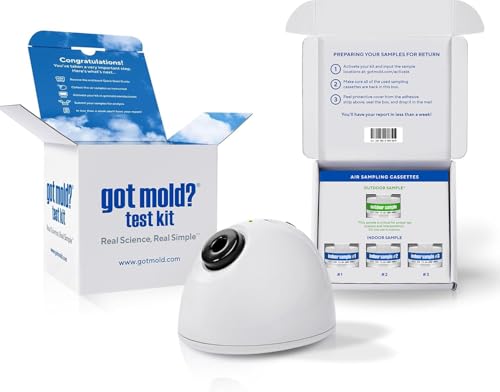
For small mold areas (under 10 square feet), DIY removal can save you $1,000-$3,000. You’ll need a N95 respirator, mold remover spray, and a moisture meter to verify the area is dry after treatment. For a basic DIY assessment, start with a home mold test kit.
Hire a professional in Houston when the affected area is larger than 10 square feet, mold is in your HVAC system, you suspect mold behind walls, or anyone in the household has respiratory health issues. Use our complete DIY mold removal guide for small projects and our guide on when to test for mold to determine if you need professional help.
How to Find a Reputable Mold Remediation Company in Houston
- Verify licensing and insurance (check TX requirements)
- Get at least 3 written estimates
- Ask for references from recent Houston-area jobs
- Ensure they follow IICRC S520 mold remediation standards
- Use a different company for testing and remediation (avoids conflict of interest)
- Get a written scope of work before any work begins
Common Mold Questions in Houston
Mold Removal Cost Breakdown by Room
Mold remediation costs in Houston vary significantly based on the specific room and its unique moisture challenges. Houston’s high humidity and frequent flooding create different mold risks throughout the home, affecting pricing for each area.
| Room | Cost Range | Typical Size Affected |
|---|---|---|
| Bathroom | $500 – $2,000 | 50-100 sq ft |
| Kitchen | $800 – $3,000 | 75-150 sq ft |
| Basement/Crawl Space | $1,500 – $6,000 | 200-500 sq ft |
| Attic | $2,000 – $8,000 | 300-800 sq ft |
| Whole House | $8,000 – $25,000+ | 1,000+ sq ft |
Bathroom mold removal in Houston typically costs $500-$2,000, with shower areas being the most problematic due to constant moisture exposure. The combination of Houston’s high humidity and poor ventilation in older homes makes bathrooms prime mold locations. Surface mold on tiles is less expensive to treat than mold behind drywall or in subflooring.

Kitchen remediation costs $800-$3,000, often involving areas around sinks, dishwashers, and refrigerators where water leaks are common. Houston’s clay soil can cause foundation settling that leads to plumbing leaks, increasing kitchen mold risks. Remediation often requires removing and replacing cabinets if mold spreads behind them.
Basement and crawl space mold presents unique challenges in Houston, where many homes are built on slab foundations. For homes with basements or crawl spaces, costs range from $1,500-$6,000 due to accessibility issues and the need for specialized moisture control systems. Learn more about crawl space mold remediation for detailed guidance.
Attic mold removal costs $2,000-$8,000 in Houston, primarily caused by AC condensation issues and poor ventilation. The extreme Texas heat creates significant temperature differentials that lead to condensation problems. Attic remediation often requires improving ventilation systems and insulation replacement.
How Houston’s Climate Affects Mold Growth and Costs
Houston’s humid subtropical climate creates ideal conditions for mold growth year-round, directly impacting remediation costs and complexity. The city’s 75% average humidity level is significantly higher than the EPA’s recommended indoor humidity of 30-50%, making mold prevention challenging and remediation more extensive.
With 49.8 inches of annual rainfall, Houston receives nearly double the national average precipitation. This excessive moisture, combined with the city’s flat terrain and poor drainage, creates persistent moisture problems in homes. The clay soil common throughout the Houston area retains water, leading to foundation moisture issues that drive up remediation costs as professionals must address both surface mold and underlying moisture sources.
The humid subtropical climate means temperatures rarely drop low enough to naturally reduce humidity levels, unlike northern cities where winter weather provides natural mold suppression. This year-round mold growth potential means Houston homeowners face higher baseline remediation costs, as mold colonies have more time to establish and spread throughout structures.
Houston’s proximity to the Gulf Coast brings additional challenges from storm surge and hurricane-related flooding. The 2017 Hurricane Harvey demonstrated how quickly widespread mold problems can develop, with 40% of affected homes developing mold within 48 hours. These catastrophic events create city-wide mold issues that increase demand for professional services and drive up pricing during peak seasons. Professional remediation companies often implement surge pricing during post-storm periods when demand exceeds capacity.
Seasonal Considerations for Mold Removal in Houston
Houston’s mold problems peak during the summer months (June through September) when humidity levels consistently exceed 80% and temperatures remain above 85°F. During these months, mold can develop within 24-48 hours of moisture exposure, making rapid response critical for cost-effective remediation.

The best season for scheduling non-emergency mold remediation in Houston is late fall through early spring (November through March) when humidity levels drop to their lowest points around 65-70%. During these months, contractors have greater availability, and homeowners may find better pricing due to reduced demand. The cooler, drier conditions also help ensure more effective remediation results as spores are less likely to immediately reestablish.
Hurricane season (June through November) creates significant pricing volatility for mold services in Houston. Pre-storm preparation drives up demand for mold prevention services, while post-storm remediation can see costs increase 25-50% due to overwhelming demand and limited contractor availability. Homeowners planning non-emergency remediation should avoid scheduling during active storm periods when emergency response takes priority.
Winter months offer the additional benefit of lower humidity levels that help prevent immediate mold regrowth during the remediation process. However, Houston’s mild winters mean humidity rarely drops below 60%, so year-round moisture control remains essential. Professional remediation during winter months often includes installation of permanent humidity control systems to prepare homes for the challenging summer season.
What to Expect During Professional Mold Remediation
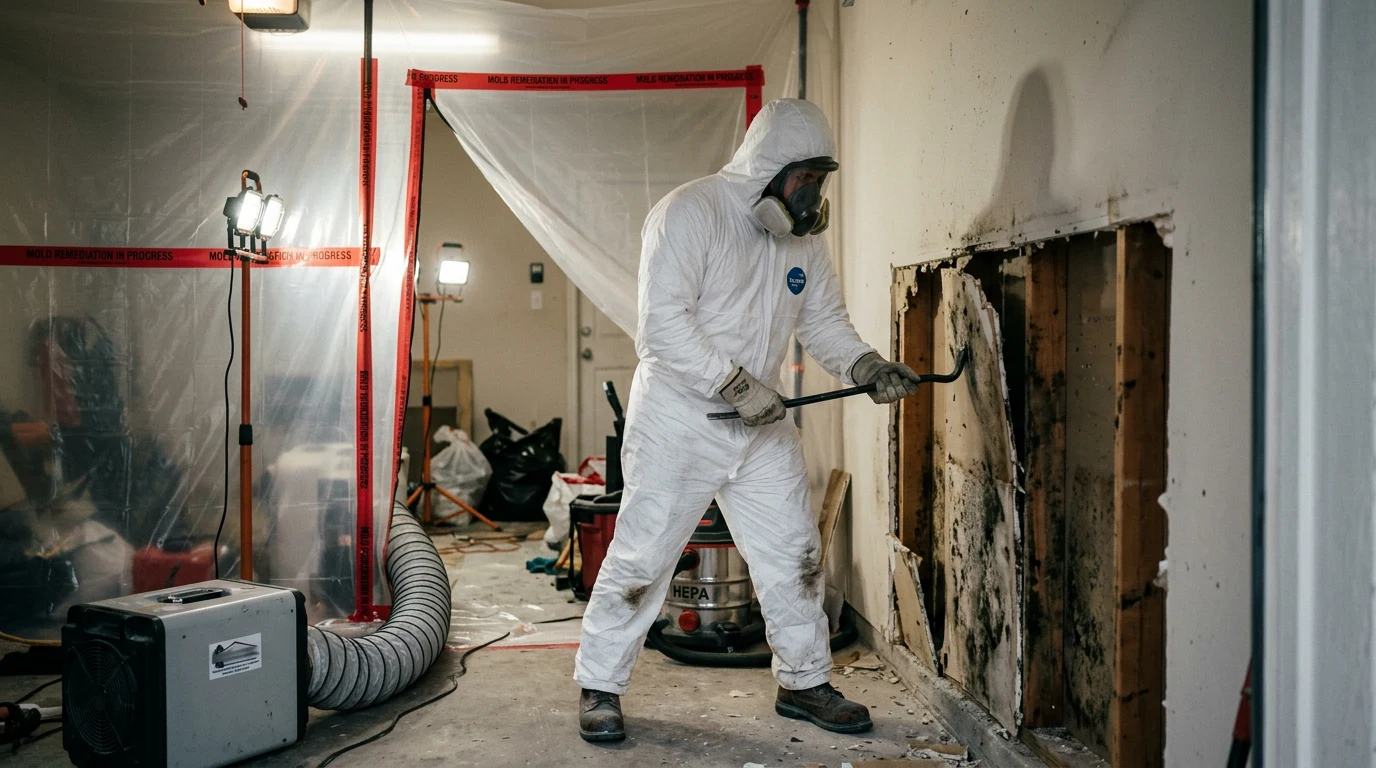
Professional mold remediation in Houston follows the IICRC S520 standards and typically begins with a comprehensive assessment and containment setup. The process starts with technicians establishing containment barriers using plastic sheeting and negative air pressure systems to prevent spore spread to unaffected areas. This initial setup takes 2-4 hours depending on the size of the affected area.
The remediation team will remove all affected porous materials such as drywall, insulation, and carpeting that cannot be effectively cleaned. In Houston’s high-humidity environment, professionals often find mold growth extends beyond the visible areas, particularly in wall cavities and behind baseboards where slab foundations meet drywall. This discovery phase can extend the timeline and costs, with projects typically taking 3-7 days for standard residential remediation.
HEPA filtration and antimicrobial treatment follow material removal, with technicians using specialized equipment to clean and treat all surfaces. The process includes addressing the underlying moisture source, which in Houston often involves foundation moisture issues, plumbing leaks, or HVAC condensation problems. Professional teams will coordinate with other specialists like plumbers or foundation repair contractors as needed.
Homeowners must temporarily relocate from affected areas during active remediation, though other parts of the house typically remain habitable with proper containment. The final step involves post-remediation verification testing by an independent third party to ensure successful mold removal. According to the EPA’s mold cleanup guidelines, clearance testing should always be performed by a different company than the remediation contractor to avoid conflicts of interest.
Insurance Coverage for Mold Removal in TX
Texas homeowner’s insurance policies typically cover mold damage only when it results from a covered peril such as burst pipes, appliance malfunctions, or storm damage. The key distinction is that the underlying cause must be sudden and accidental rather than from maintenance neglect or gradual moisture problems common in Houston’s humid climate.

Most Texas insurers exclude mold damage from flooding, humidity, or maintenance-related issues, which are the primary causes of mold in Houston homes. Standard policies may include limited mold coverage ranging from $5,000 to $10,000, though some insurers offer additional mold endorsements for higher coverage limits. Homeowners should review their specific policy language, as Texas law allows significant variation in mold coverage terms.
When filing a mold claim in Texas, documentation is critical for success. Take photographs, maintain records of moisture sources and repair attempts, and report claims promptly. Insurance companies often require independent mold testing and may mandate specific remediation contractors. The claims process typically takes 30-60 days, during which time mold problems can worsen in Houston’s humid environment.
Flood insurance through NFEMA does not cover mold remediation, even for Houston homes affected by hurricanes or flooding events. This gap in coverage has led to significant out-of-pocket expenses for many Houston homeowners, particularly after Hurricane Harvey when thousands of homes developed mold issues not covered by either homeowner’s or flood insurance policies.
Frequently Asked Questions
How much does mold removal cost in Houston?
The average mold remediation cost in Houston, TX ranges from $1,500 – $5,000 depending on the size of the affected area, type of mold, and accessibility. Small bathroom mold removal may cost $500-$1,000, while whole-house remediation can exceed $10,000.
How much does a mold inspection cost in Houston?
A professional mold inspection in Houston, TX typically costs $300 – $600. This usually includes a visual assessment, moisture readings, and may include air or surface sampling.
Does homeowner’s insurance cover mold removal in TX?
Most homeowner’s insurance policies in TX cover mold damage if it results from a covered peril (like a burst pipe). Mold from maintenance neglect, flooding, or humidity is typically not covered. Check your specific policy.
Can I remove mold myself in Houston?
For small areas (under 10 square feet), DIY removal is feasible with proper PPE. For larger areas or if you have health concerns, hire a professional mold remediation company in Houston, TX. TX may require licensed professionals for certain projects.
Is mold common in Houston apartments?
Yes, mold is extremely common in Houston apartments due to the city’s 75% average humidity, poor ventilation in older buildings, and frequent maintenance issues with HVAC systems. Tenants should report mold immediately to landlords, as Texas Property Code Sec. 92.052 requires landlords to address health and safety conditions.

Does Houston flood insurance cover mold remediation?
No, standard NFEMA flood insurance does not cover mold remediation costs, even for flood-related mold growth. This coverage gap became apparent after Hurricane Harvey when thousands of Houston homeowners faced uncovered mold expenses. Some private flood insurance policies may include limited mold coverage.
What humidity level should I keep my Houston home at?
Houston homeowners should maintain indoor humidity between 30-50% to prevent mold growth, though this requires constant dehumidification due to the city’s 75% outdoor humidity. Use a air quality monitor to track levels and run dehumidifiers or adjust AC settings as needed.
How long does mold remediation take in Houston homes?
Professional mold remediation in Houston typically takes 3-7 days for standard residential projects. Timeline depends on the size of affected areas, extent of moisture damage, and drying time needed in the humid climate. Post-remediation testing adds another 1-2 days for results.
What type of mold is most common in Houston?
Aspergillus and Penicillium are the most common mold types in Houston homes due to the humid subtropical climate. Stachybotrys (black mold) is also frequently found in water-damaged areas, particularly in homes affected by flooding or persistent moisture issues.
Do I need a mold test before remediation in Houston?
While not required by Texas law, pre-remediation testing helps determine the extent of contamination and appropriate remediation methods. A mold test kit can provide initial screening, though professional sampling is recommended for areas larger than 10 square feet or suspected toxic mold.
What factors specific to Houston’s climate influence mold growth and remediation costs?
Houston’s high humidity and frequent rainfall create an ideal environment for mold proliferation, often leading to more extensive and costly remediation projects. The subtropical climate means mold can develop rapidly, especially after events like hurricanes or tropical storms, increasing the urgency and complexity of removal.
How long does professional mold remediation typically take in a Houston home?
The duration of professional mold remediation in Houston varies significantly based on the mold’s extent and location, but a typical residential project can range from 1 to 5 days. Factors like the size of the affected area and the need for structural drying, common in Houston’s humid climate, can extend this timeline.
Related Guides
- DIY Mold Removal Guide
- Complete Mold Testing Guide
- Mold Exposure Health Risks
- How to Prevent Mold After Water Damage
These statements have not been evaluated by the Food and Drug Administration. This information is not intended to diagnose, treat, cure, or prevent any disease. Content is for informational purposes only and is not medical advice; consult a qualified healthcare provider before starting any supplement. As an Amazon Associate we earn from qualifying purchases.