Buying a house is one of the largest financial and health decisions most people ever make, yet mold rarely gets the attention it deserves during the showing process. Knowing how to check for mold when buying a house, before you fall in love with a property, can save you from costly remediation bills and serious health consequences down the road. This checklist walks you through every stage of evaluation, from a quick online listing review to what to look for the moment you step through the front door.
Start Before You Schedule a Showing
A surprising amount of mold risk can be screened out before you ever visit a property. Online listings, satellite maps, and public flood data give you a first pass that can save significant time.
Check the Location and Surroundings
Geography matters enormously when assessing mold risk. Use the following framework to categorize what you find during your pre-visit research:
| Factor | OK | Caution | Red Flag |
|---|---|---|---|
| Flood plain designation | Minimal zone | Low zone | Moderate to high zone |
| Regional flood or hurricane history | No documented impact | Flooded neighboring properties | Home itself was flooded or had significant wind damage |
| Home elevation relative to street | Above street level | At street level | Below street level |
| Underground fuel tanks | None known | Empty tanks on record | Active or undocumented tanks |
| Coal ash ponds or fill nearby | None | Nearby property | On or adjacent to property |
If a home sits in a moderate-to-high flood zone or has a documented flood history, treat it as a red flag from the start. Flood-damaged homes frequently harbor hidden mold inside wall cavities and under flooring, even years after the water recedes.
Evaluate the Property Type
The type of dwelling affects how much control you will have over moisture and mold conditions:
- Single-family detached home, spaced well from neighbors: Best overall scenario for managing your own environment.
- Attached single-family or townhome with common walls: A neighbor’s plumbing leak or mold problem can migrate into your unit.
- Condo with shared floors and ceilings: You have limited control over water intrusion from units above or below, and HOA policies may slow your ability to address issues quickly.
- Apartment: Little environmental control; avoid if mold sensitivity is a concern.
- Mobile home: Construction methods can make these especially vulnerable to moisture problems; inspect carefully.
Exterior Red Flags to Spot on Arrival
Before you go inside, walk the entire perimeter of the home slowly. This five-to-ten minute step catches a large percentage of moisture intrusion risks.
Roof and Rain Management
- Roof shape: A simple pitched roof is ideal. Multiple valleys and complex angles create zones where water pools. Flat roofs are a consistent red flag for leaks and interior moisture.
- Gutters and downspouts: Clogged, detached, or missing gutters allow water to pour directly against the foundation. Check that downspouts extend well away from the home, at least four to six feet, and are not discharging against the foundation or into a basement window well.
- No gutters at all: On a wide eave overhang in a dry climate this may be acceptable, but in most regions it is a caution flag worth noting.
Grade, Foundation, and Landscaping
| Feature | OK | Caution | Red Flag |
|---|---|---|---|
| Ground slope at foundation | Slopes away from home | Level with foundation | Slopes toward foundation |
| Foundation grade | At or above ground | At ground level | Below ground (basement or sub-grade crawlspace) |
| Foundation type | Dry slab or dry crawlspace | Crawlspace with trench drains and sump pit | Wet basement |
| Landscaping and mulch | Low mulch, no irrigation directed at home, no close bushes | Higher mulch or irrigation present | Dense bushes against siding, deep mulch against foundation, irrigation directed toward home |
Deep mulch piled against siding and foundation walls holds moisture for extended periods. Dense shrubs pressed against the house block airflow and keep siding perpetually damp, both conditions that accelerate mold growth on and behind exterior cladding.
Inside the Home: Room-by-Room Inspection
Once you are inside, slow down and use your senses deliberately. Many buyers rush through showings; a methodical 30 to 45 minutes of focused observation pays dividends.
Use Your Nose First
A musty, earthy, or sour odor is one of the most reliable early indicators of active mold growth. This smell is produced by microbial volatile organic compounds (MVOCs) and can be present even when no visible mold exists. Trust the odor. If a room or closet smells musty, document it and return to that area for a closer visual check. Be aware that sellers sometimes use scented candles or air fresheners before showings; if fragrance seems unusually heavy in a specific area, that alone warrants skepticism.
Basements and Crawlspaces
These are the highest-risk areas in most homes. The EPA’s mold guidance is clear that moisture control is the single most important factor in preventing mold indoors, and basements are where moisture control most commonly fails.
- Look for white, chalky efflorescence on concrete block or poured walls, this indicates water has been moving through the wall.
- Check for water stains along the base of walls and at floor-wall junctions.
- Feel the exposed wood framing (sill plates, floor joists) in a crawlspace. Soft, spongy, or darkened wood is a red flag.
- Look for vapor barriers on crawlspace floors. A properly installed, continuous barrier is a good sign; no barrier or a torn, wet barrier is a concern.
- Note any standing water, active condensation on pipes, or visible black or green growth on any surface.
- Check for sump pumps. Their presence is not automatically bad, it indicates the builder anticipated water, but a recently replaced or frequently running pump means the area regularly floods.
Bathrooms and Laundry Areas
- Check caulk and grout around the tub, shower, and toilet. Discolored, cracked, or missing caulk allows water behind tile.
- Gently press the wall or floor immediately adjacent to the tub and toilet. Any give or soft spots suggest water damage behind the surface.
- Open under-sink cabinets in bathrooms and kitchens. Water stains, swollen particleboard, or a musty smell inside the cabinet indicate past or current leaks.
- Look at exhaust fans. If there is no fan, or the fan is clearly inadequate (no audible draw), bathroom moisture has likely been accumulating in the ceiling and wall cavities over time.
Kitchen
- Inspect under the sink and around the dishwasher for staining, soft flooring, or swollen cabinet bases.
- Check behind and under the refrigerator if accessible, particularly if it has an ice maker line.
- Look at the ceiling above any kitchen island or peninsula for faint staining from above (possible second-floor bathroom leak).
Attic
If access is available, look into the attic even briefly. Black staining on roof sheathing is a common sign of condensation-driven mold caused by poor ventilation or improperly terminated bathroom exhaust fans venting directly into the attic space rather than through the roof. Also look for daylight coming through the roof deck, which indicates gaps where water can enter.
Windows and HVAC
- Inspect window sills and the lower corners of window frames for black spotting, paint peeling, or soft wood, all signs of chronic condensation or leaking seals.
- Look inside visible HVAC supply and return vents. Dusty black buildup or visible growth around vent edges warrants professional evaluation of the duct system.
- Ask when the HVAC system was last serviced and when the air filter was last changed. A filter that is visibly clogged or moldy is a warning sign for the whole system.
After the Showing: Next Steps
A showing-level inspection is not a substitute for professional testing. If a property passes your visual checklist and you are ready to proceed seriously, consider the following steps in order:
- Request disclosure documents. In most states, sellers are legally required to disclose known water damage and mold history. Review these carefully.
- Order a standard home inspection. A licensed home inspector will identify structural moisture issues, though they are not mold specialists.
- Hire a certified mold inspector. If you noticed any red flags, have a certified industrial hygienist or IICRC-certified mold inspector conduct air sampling and surface testing before you waive contingencies. Professional mold inspection typically costs between $300 and $700 for a standard single-family home, depending on the size and number of samples taken.
- Review lab results carefully. Spore counts alone do not tell the whole story. The types of mold present, the ratio of indoor to outdoor spore counts, and the presence of certain genera matter. Learn more at our guide on understanding mold test results.
If testing confirms a mold problem, the remediation scope and cost depend on the affected area. The IICRC S520 standard generally classifies affected areas under 10 square feet as a small remediation job, 10 to 100 square feet as medium, and over 100 square feet as a large project requiring more stringent containment protocols. Remediation costs can range from a few hundred dollars for a small isolated area to $10,000 or more for extensive basement or structural mold. Use those numbers when negotiating the purchase price or requesting a seller credit. For more detail, visit our mold removal cost guide.
For homes with crawlspaces showing moisture issues, encapsulation is often recommended. You can find a breakdown of that process at our article on crawlspace encapsulation and mold prevention.
If you have health concerns related to mold exposure, consult a physician before and after moving. For general guidance on mold-related health effects, see our overview at mold and health effects.
Frequently Asked Questions
Can I check for mold myself, or do I always need a professional?
You can do a meaningful visual and olfactory check yourself during a showing, and this guide gives you a solid framework for that. However, professional air sampling and surface testing are the only ways to identify hidden mold or confirm the presence of specific mold genera. If you see or smell anything suspicious, or if the property has a history of water damage, a certified inspector is strongly recommended before you commit to purchase.
What humidity level inside a home indicates a mold risk?
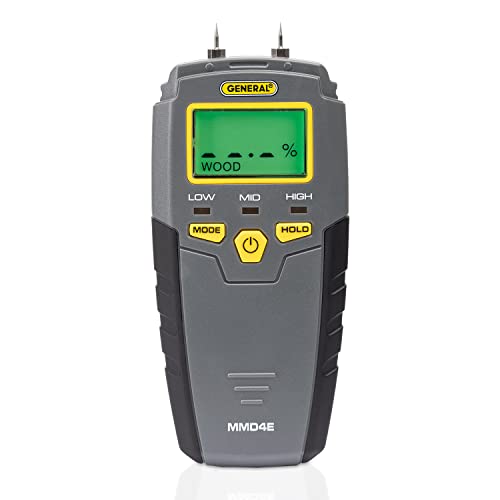
The EPA recommends keeping indoor relative humidity below 60 percent, with 30 to 50 percent being the ideal range. If you can bring a hygrometer to a showing and the indoor humidity reads above 60 percent on a moderate weather day, that is a meaningful warning sign. Persistent high humidity encourages mold growth on virtually any organic surface within 24 to 48 hours of a moisture event.
Should I walk away if a home has had mold in the past?
Not necessarily. Past mold that was properly remediated by a qualified contractor, with documentation to prove it, is not the same as active mold. Ask for the remediation report, verify the contractor was certified, and have an independent inspector confirm the area is currently clean and dry. What you want to avoid is a home where past mold was cosmetically concealed without addressing the underlying moisture source.
Are mold test kits from hardware stores reliable enough for a home purchase decision?
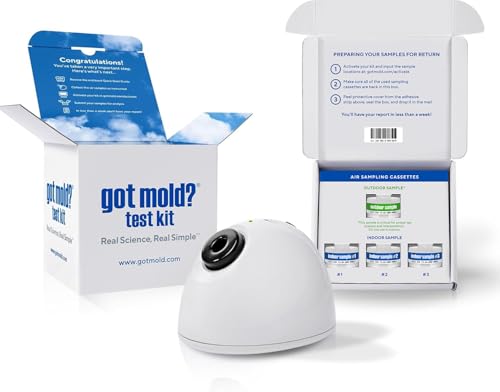
Consumer mold test kits that you place in a room and mail to a lab can detect the presence of mold spores, but they are not designed to give you the quantitative, location-specific data you need when making a major financial decision. They cannot distinguish between normal background levels and a problematic concentration, and they do not identify the source. For a home purchase, invest in a professional inspection with independently analyzed air and surface samples.
What should I do if mold is found after I have already moved in?
Document everything with photos and written notes, identify and stop the moisture source immediately, and contact a certified mold remediation professional to assess the extent of the problem. Do not attempt to paint over or bleach large areas of mold growth without professional guidance, as this can spread spores and may not address the underlying contamination. Visit our mold removal section for a step-by-step guide on next actions.
These statements have not been evaluated by the Food and Drug Administration. This information is not intended to diagnose, treat, cure, or prevent any disease. Content is for informational purposes only and is not medical advice; consult a qualified healthcare provider before starting any supplement. As an Amazon Associate we earn from qualifying purchases.