Aflatoxin is one of the most studied and dangerous mycotoxins known to science. Produced by specific mold species that can grow both indoors and on food crops, aflatoxin poses serious risks to the liver, immune system, and overall health. Understanding where it comes from, how exposure happens, and how to test for it is an important step toward protecting yourself and your home.
What Is Aflatoxin?
Aflatoxin is a mycotoxin, meaning it is a toxic chemical compound produced by certain mold species. It is classified as a Group I carcinogen by the International Agency for Research on Cancer (IARC), meaning there is sufficient evidence that it causes cancer in humans. It is widely recognized as the most potent liver carcinogen identified in mammals. Even at relatively low levels of exposure, aflatoxin can cause measurable biological harm, which is why it attracts significant attention from researchers, public health agencies, and environmental professionals alike.
For more background on how mycotoxins differ from mold spores and why both matter in an indoor environment, see our guide to mold testing fundamentals.
Which Molds Produce Aflatoxin?
Two primary mold species are responsible for aflatoxin production:
- Aspergillus flavus
- Aspergillus parasiticus
These molds typically appear light green in color, though they can range to dark green or even black depending on the substrate and growth stage. This color variability makes visual identification unreliable. You should never rely on color alone to identify mold species or assume a mold is safe because it does not look a particular way.
Indoor Building Materials Affected
Aspergillus species are opportunistic and can colonize a wide range of indoor materials when moisture is present. Surfaces known to support growth include:
- Flooring and subflooring
- Concrete
- Carpet and carpet backing
- Plywood and modified wood products
- Drywall and ceiling tiles
- Paper and cardboard
- Leather goods
Aflatoxin-producing molds also contaminate agricultural products such as corn, peanuts, tree nuts, cottonseed, and grains. Food-based exposure is a separate but equally important concern regulated by the U.S. Food and Drug Administration.
How Does Aflatoxin Affect Health?
This is informational content only and does not constitute medical advice. If you suspect mycotoxin exposure is affecting your health, consult a qualified physician and a certified mold inspector. The following information reflects current scientific understanding of aflatoxin’s biological effects.
Liver and Kidney Effects
Aflatoxin and its metabolites are primarily processed by the liver, and the liver bears the greatest burden of toxicity. Documented effects include liver injury, hepatitis, cirrhosis, and hepatocellular carcinoma (liver cancer). The kidneys share part of the toxin-clearing burden and may sustain oxidative damage that impairs their function over time.
Immune System Suppression
Aflatoxin reduces the body’s natural defenses. Research has linked aflatoxin exposure to increased susceptibility to respiratory viral infections and to the promotion of chronic viral infections, including Epstein-Barr virus. It may promote viral replication and trigger inflammation in the alveoli, the small air sacs within the lungs. Disruption of gut flora is also associated with aflatoxin, including an increase in harmful gut pathogens such as toxin-producing strains of E. coli.
Reproductive and Developmental Effects
Aflatoxin has been linked to birth defects, increased risk of anemia during pregnancy, and premature birth. Studies have also correlated aflatoxin exposure with stunted growth in children. These findings make aflatoxin a particular concern for pregnant women and young children in environments with mold problems.
Reported Symptoms Associated with Aflatoxin Exposure
The symptom profile associated with aflatoxin exposure is wide-ranging and overlaps with many other conditions, which is one reason professional testing and medical evaluation are essential. Reported signs and symptoms include:
| System Affected | Symptoms |
|---|---|
| Liver / Digestive | Liver pain or fullness, dark urine, jaundice, loss of appetite, nausea, vomiting |
| General / Systemic | Fatigue, anemia, accelerated aging, progressive inflammation, toxic metal accumulation |
| Immune / Neurological | Reduced immunity, brain fog, cognitive decline, chemical sensitivity, incoordination |
| Sleep / Sensory | Insomnia, headache, visual fatigue |
| Reproductive / Developmental | Miscarriage, preterm birth, stunted growth in children |
| Gut / Hormonal | Dysbiosis, steroidal hormone imbalance, chronic sinusitis |
None of the above should be used to self-diagnose. Many of these symptoms have multiple potential causes. A licensed healthcare provider is the appropriate person to evaluate health concerns.
Aflatoxin Testing: What You Need to Know
Testing for aflatoxin involves two separate but complementary approaches: environmental testing of your home or building, and biological testing through a healthcare provider. Both matter.
Environmental Testing
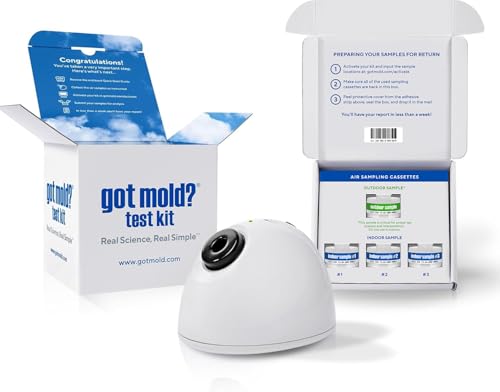
Standard air quality tests that measure spore counts may not detect aflatoxin directly. Mycotoxins are separate from spores and require specific testing methods. For indoor environments, options include:
- ERMI (Environmental Relative Moldiness Index): A DNA-based dust analysis that identifies mold species, including Aspergillus. An ERMI score above 5 is sometimes used as a threshold for further investigation, though interpretation should be done by a qualified professional.
- EMMA (Environmental Mold and Mycotoxin Assessment): Tests dust samples directly for the presence of mycotoxins, including aflatoxin.
- Surface sampling: Tape lifts or swabs from suspected mold colonies sent to an accredited mycology laboratory.
Hiring a certified mold inspector to collect samples reduces the chance of sampling errors that can skew results. Look for inspectors credentialed through organizations such as the IICRC or American Industrial Hygiene Association (AIHA). Learn more about choosing the right professional in our mold testing category.
Biological Testing
A physician specializing in environmental medicine or functional medicine can order urine mycotoxin panels that screen for aflatoxin metabolites. These tests detect whether your body has been processing aflatoxin. Results must be interpreted in clinical context alongside your symptoms and environmental data.
When to Test
Consider professional environmental testing if:
- You can see or smell mold in your home
- Your home has experienced water damage or flooding
- Indoor humidity levels consistently exceed 60 percent
- Multiple household members are experiencing unexplained health symptoms
- You are buying or selling a property and want a baseline assessment
The U.S. Environmental Protection Agency provides guidance on mold and moisture in buildings, including when testing is appropriate. You can review that guidance at EPA.gov: Introduction to Mold.
Reducing Exposure: Source Removal First
No supplement or dietary strategy replaces identifying and removing the source of mold in your environment. Aflatoxin can accumulate in building materials and continue off-gassing even when the active mold colony has dried. Remediation of Aspergillus-affected materials must be handled carefully, and in many cases professionally, to avoid spreading spores and mycotoxins during removal.
For infestations covering more than 10 square feet, the EPA recommends hiring a professional remediator. Review our resources on mold removal and remediation to understand the process and what to expect from a qualified contractor.
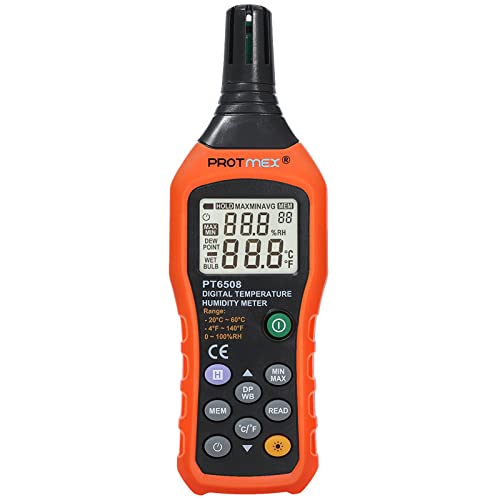
Controlling indoor humidity is the single most effective long-term prevention measure. Keeping relative humidity between 30 and 50 percent significantly limits the conditions that allow Aspergillus and other mold species to establish and produce mycotoxins. Dehumidifiers, proper ventilation, and prompt repair of any water intrusion are foundational steps.
If you are dealing with Aspergillus in the context of a larger mold problem, our overview of Aspergillus in the home covers identification and containment in more detail. For guidance on water damage as a root cause, see our article on water damage and mold prevention.
Frequently Asked Questions
Is aflatoxin only a food safety concern, or can it be a problem in buildings?
Aflatoxin is widely known as a food contaminant in crops like peanuts and corn, but Aspergillus flavus and Aspergillus parasiticus can also grow indoors on building materials when sufficient moisture is present. Indoor aflatoxin exposure through contaminated air and dust is a recognized concern, particularly in water-damaged buildings. Both food and indoor routes of exposure are worth addressing.
How do I know if the mold in my home is producing aflatoxin?
You cannot tell by looking at mold whether it is producing mycotoxins. Visual inspection alone is not sufficient. Laboratory analysis of samples collected by a qualified mold inspector, using methods such as ERMI dust testing or direct mycotoxin assays, is necessary to determine whether aflatoxin is present in your environment.
What humidity level prevents Aspergillus mold from growing indoors?
Maintaining indoor relative humidity below 60 percent significantly reduces the risk of mold growth, including Aspergillus species. The ideal range for both comfort and mold prevention is 30 to 50 percent. Use a calibrated hygrometer to monitor levels in different rooms, especially basements, bathrooms, and areas near HVAC equipment.
Can aflatoxin be cleaned up with bleach or household cleaners?
Standard cleaning agents like bleach can kill mold spores on non-porous surfaces but do not reliably neutralize or remove mycotoxins such as aflatoxin from porous building materials. Porous materials like drywall, carpet, and wood that have been contaminated typically need to be physically removed and discarded according to proper remediation protocols. A certified remediator can assess which materials can be cleaned versus which must be removed.
Should I get a mycotoxin urine test before or after environmental remediation?
Both can provide useful information, but the sequence matters clinically. A pre-remediation urine test establishes a baseline and may help your physician understand current body burden. A post-remediation test, conducted after you have had time in a cleaner environment, can help assess whether exposure has decreased. Discuss the appropriate timing with your healthcare provider, who can also help interpret results in the context of your full health picture.
These statements have not been evaluated by the Food and Drug Administration. This information is not intended to diagnose, treat, cure, or prevent any disease. Content is for informational purposes only and is not medical advice; consult a qualified healthcare provider before starting any supplement. As an Amazon Associate we earn from qualifying purchases.