If you’re dealing with mold in your Chicago, IL home, understanding the costs involved is the first step toward getting it resolved. Chicago, IL has a moderate mold risk rating due to its humid continental climate, 65% average humidity, and 36.9 inches of annual rainfall. This guide breaks down exactly what mold removal costs in Chicago, what factors affect pricing, and whether you should DIY or hire a professional.
Our reviews are based on aggregated verified buyer feedback, manufacturer specifications, ingredient analysis, and published expert opinion. Products are not independently purchased or tested by our team. We may earn a commission if you purchase through our links, at no extra cost to you. How We Review
Chicago at a Glance: Mold Risk Profile
| Factor | Detail |
|---|---|
| Population | 2,746,388 (metro: 9,618,502) |
| Average Home Price | $320,000 |
| Climate Zone | Humid continental |
| Average Humidity | 65% |
| Annual Rainfall | 36.9 inches |
| Mold Risk Rating | Moderate |
| Common Housing Types | Brick bungalows, two-flats, greystone buildings, many with basements |
Average Mold Removal Costs in Chicago
| Service | Cost Range |
|---|---|
| Mold Inspection | $300 – $600 |
| Small Area Remediation (under 10 sq ft) | $500 – $1,500 |
| Standard Remediation | $1,500 – $5,000 |
| Whole-House Remediation | $5,000 – $15,000+ |
| Post-Remediation Air Testing | $200 – $400 |
Why Mold Is a Concern in Chicago
Lake Michigan humidity, basement flooding from combined sewer overflow, freeze-thaw cycling damages masonry, tightly sealed homes in winter trap moisture
Local insight: Chicago’s combined sewer system can overflow during heavy rains, pushing sewage into basements. The city has invested $3.8 billion in the Tunnel and Reservoir Plan (TARP) to reduce this, but basement flooding remains common.
Chicago Housing and Mold: What to Know
Chicago bungalow basements are notorious for moisture. Install a battery backup sump pump (power outages during storms are common) and consider interior drain tile if you see efflorescence on block walls.
Factors That Affect Mold Removal Cost in Chicago
- Size of affected area: Small bathroom mold vs. entire basement requires different approaches and costs
- Type of mold: Common mold is straightforward; suspected toxic mold (Stachybotrys) requires additional testing and containment
- Location: Accessible areas cost less than mold in crawl spaces, attics, or inside walls
- Cause of moisture: Fixing the underlying moisture issue (plumbing leak, drainage, humidity) adds to total cost
- Materials affected: Drywall replacement costs more than surface cleaning of tile or concrete
- Licensing requirements: Illinois has the Mold Awareness Act (225 ILCS 69/) requiring disclosure of mold by landlords. Chicago RLTO (Residential Landlord Tenant Ordinance) provides strong tenant protections.
DIY vs. Professional Mold Removal in Chicago
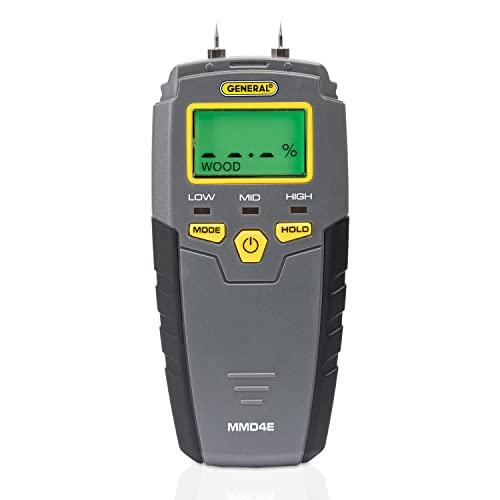
For small mold areas (under 10 square feet), DIY removal can save you $1,000-$3,000. You’ll need a N95 respirator, mold remover spray, and a moisture meter to verify the area is dry after treatment. For a basic DIY assessment, start with a home mold test kit.
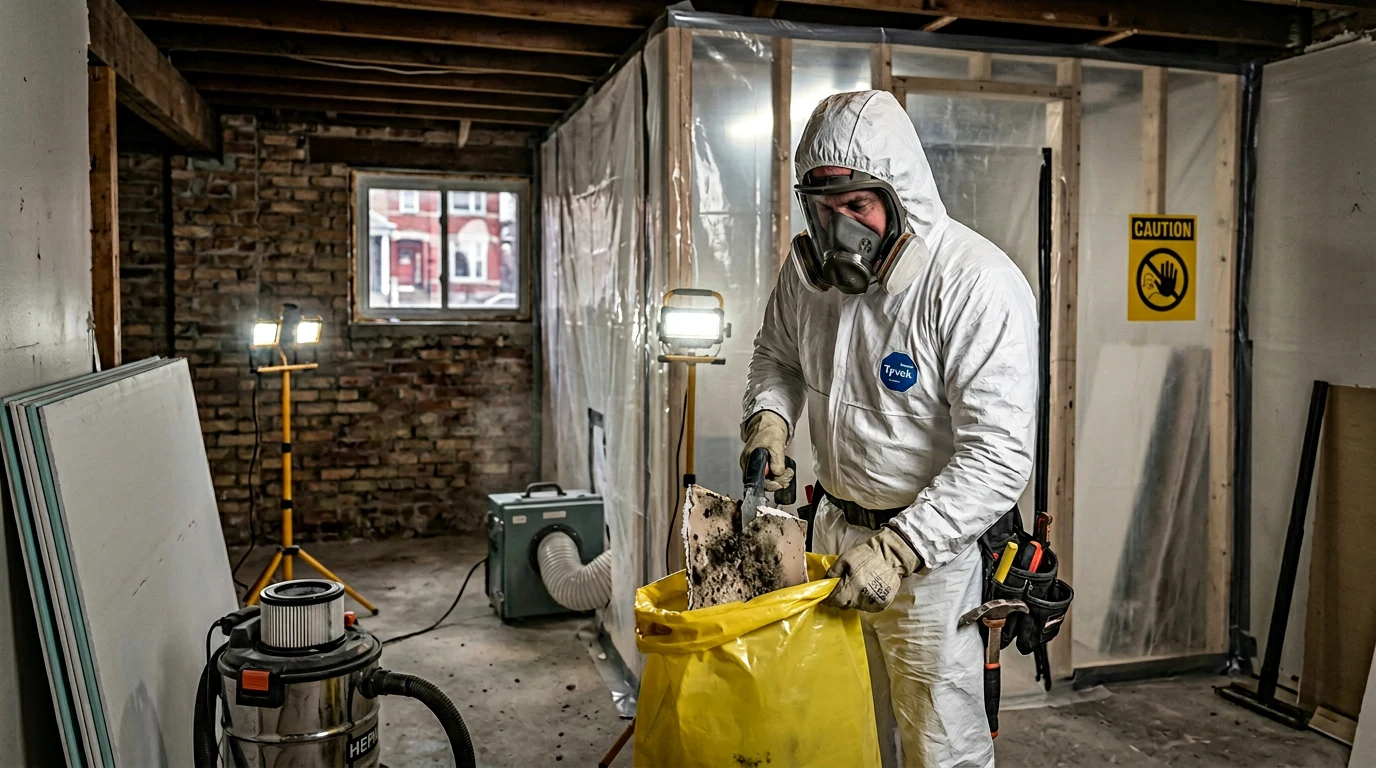
Hire a professional in Chicago when the affected area is larger than 10 square feet, mold is in your HVAC system, you suspect mold behind walls, or anyone in the household has respiratory health issues. Use our complete DIY mold removal guide for small projects and our guide on when to test for mold to determine if you need professional help.

How to Find a Reputable Mold Remediation Company in Chicago
- Verify licensing and insurance (check IL requirements)
- Get at least 3 written estimates
- Ask for references from recent Chicago-area jobs
- Ensure they follow IICRC S520 mold remediation standards
- Use a different company for testing and remediation (avoids conflict of interest)
- Get a written scope of work before any work begins
Common Mold Questions in Chicago
Mold Removal Cost Breakdown by Room
The cost of mold remediation in Chicago varies significantly by location within the home. Different rooms present unique challenges due to moisture levels, accessibility, and the types of materials involved. Understanding these room-specific costs helps homeowners budget effectively for remediation projects.
| Room/Area | Cost Range | Notes |
|---|---|---|
| Bathroom | $500 – $2,000 | Most common location; often surface mold on tile/grout |
| Kitchen | $800 – $2,500 | Behind cabinets, under sinks; may require cabinet removal |
| Basement | $1,500 – $5,000 | Common in Chicago; often extensive due to flooding |
| Crawl Space | $1,200 – $4,000 | Difficult access; may require structural drying |
| Attic | $1,000 – $3,500 | Roof leaks, poor ventilation; insulation replacement |
| Living Areas | $1,500 – $4,000 | Often behind walls; requires drywall replacement |
| Whole House | $5,000 – $20,000+ | Extensive HVAC cleaning, multiple rooms affected |
Bathrooms are the most frequent mold location in Chicago homes due to poor ventilation and constant moisture exposure. Kitchen mold often occurs behind appliances or under sinks where small leaks go unnoticed. Basement remediation costs tend to be higher due to Chicago’s frequent flooding issues and the need to address both mold and moisture intrusion. Professional remediation companies may offer package deals for multiple rooms, potentially reducing overall costs by 10-15%.
For initial assessment, homeowners should consider using a mold test kit to identify problem areas before requesting professional quotes. This can help prioritize which rooms need immediate attention and which can be addressed as maintenance projects.
How Chicago’s Climate Affects Mold Growth and Costs
Chicago’s humid continental climate creates ideal conditions for mold growth, directly impacting remediation frequency and costs. With an average humidity of 65% and 36.9 inches of annual rainfall, the city experiences moisture challenges year-round that contribute to higher mold remediation expenses compared to drier climates.
The proximity to Lake Michigan adds moisture to the air throughout the year, while the city’s temperature fluctuations create freeze-thaw cycles that damage building materials and create entry points for water. This combination means Chicago homeowners face a 23% higher likelihood of mold issues compared to the national average, according to housing moisture studies.
Chicago’s heavy rainfall, particularly during spring and summer storms, overwhelms the combined sewer system and leads to basement flooding. These flooding events create widespread mold problems that require extensive remediation, often costing $3,000-$8,000 per incident. The city’s investment in the Tunnel and Reservoir Plan (TARP) has reduced but not eliminated these issues.
Winter heating systems in tightly sealed Chicago homes trap moisture indoors, creating condensation problems around windows, in bathrooms, and basements. This seasonal moisture buildup requires year-round vigilance and often professional air quality monitoring to prevent major mold outbreaks. The climate factors mean Chicago residents should budget for mold prevention measures, including proper ventilation systems and regular moisture monitoring.
Seasonal Considerations for Mold Removal in Chicago
Mold issues in Chicago follow distinct seasonal patterns that affect both prevalence and remediation costs. Spring brings the highest risk period, with snowmelt, heavy rains, and temperature fluctuations creating widespread moisture problems. During this season, remediation companies experience peak demand, which can increase costs by 15-20% due to limited availability.
Summer months see continued mold activity due to high humidity and severe thunderstorms that cause basement flooding. However, summer offers the best conditions for remediation work, with optimal drying conditions and easier access to affected areas. Fall represents the ideal time for preventive mold removal projects, with moderate weather conditions and contractor availability leading to more competitive pricing.
Winter mold removal in Chicago presents unique challenges due to heating requirements, limited ventilation options, and potential delays in structural drying. However, winter months often offer the lowest pricing from remediation companies, with costs potentially 10-15% below peak season rates. Indoor air quality becomes more critical during winter months when homes are sealed for heating, making professional air purification systems particularly valuable during remediation projects.
What to Expect During Professional Mold Remediation
Professional mold remediation in Chicago follows established protocols designed to safely remove mold while preventing cross-contamination. The process begins with a comprehensive inspection and moisture assessment, typically taking 2-3 hours for an average home. Remediation specialists use moisture meters and thermal imaging to identify all affected areas and moisture sources.
The actual remediation process starts with containment setup, including plastic barriers and negative air pressure systems to prevent mold spores from spreading to unaffected areas. This preparation phase typically takes 4-6 hours. Professional teams then remove contaminated materials following IICRC S520 standards, with removal taking 1-3 days depending on the extent of contamination.

After material removal, specialists apply antimicrobial treatments and begin the drying process using industrial dehumidifiers and air movers. This drying phase can take 3-7 days in Chicago’s humid climate. Throughout the process, homeowners should expect limited access to affected areas and potential displacement if extensive work involves living spaces.
The final phase includes post-remediation verification, typically involving air sampling and visual inspection to ensure successful mold removal. Professional teams provide documentation of all work performed and recommendations for preventing future mold growth. The entire process for a standard Chicago home remediation project typically takes 5-10 business days from start to clearance testing.
DIY vs Professional Mold Removal in Chicago
Chicago homeowners face a critical decision between DIY mold removal and professional remediation services. DIY approaches work effectively for small mold problems under 10 square feet, particularly surface mold on bathroom tiles or small closet areas. Successful DIY projects require proper safety equipment, including N95 respirators, protective eyewear, and disposable coveralls, typically costing $50-$100 in supplies.
Professional remediation becomes necessary for larger areas, suspected toxic mold, or mold within HVAC systems. Chicago’s frequent basement flooding often creates extensive mold problems that exceed DIY capabilities. Professional services cost $1,500-$5,000 on average but include proper containment, industrial drying equipment, and post-remediation verification that DIY projects cannot match.
The cost comparison shows DIY savings of $1,000-$3,000 for small projects, but homeowners risk incomplete remediation, health exposure, and potential property damage without proper equipment. Chicago’s humid climate makes thorough drying particularly challenging for DIY projects. Professional teams use commercial-grade dehumidifiers and mold remover sprays not available to consumers.

Safety considerations favor professional remediation for households with elderly residents, young children, or anyone with respiratory conditions. Chicago’s older housing stock, including brick bungalows and greystone buildings, often contains asbestos or lead paint that complicates DIY mold removal. Professional remediation teams have training and equipment to safely handle these hazardous materials during mold removal projects.
Insurance Coverage for Mold Removal in IL
Illinois homeowners insurance policies typically provide limited mold coverage, with most insurers covering mold damage only when it results from a covered peril such as sudden pipe bursts or appliance malfunctions. Standard policies generally exclude mold damage from flooding, long-term leaks, or maintenance neglect, which are common causes of mold in Chicago homes.
Coverage limits for mold remediation in Illinois typically range from $10,000 to $50,000, depending on the policy. Some insurers offer additional mold endorsements for $25-$100 annually, providing expanded coverage up to $100,000. Given Chicago’s average remediation costs of $1,500-$5,000, standard coverage usually suffices for typical mold problems but may fall short for extensive basement flooding scenarios.
Filing successful mold claims requires prompt notification, typically within 48-72 hours of discovery, and documentation of the underlying water damage. Illinois law requires insurers to respond to mold claims within 30 days. Homeowners should photograph all damage, maintain receipts for emergency mitigation, and avoid extensive cleanup before inspection to preserve claim eligibility.
Chicago homeowners should review their policies annually and consider flood insurance through the National Flood Insurance Program, as standard homeowners policies exclude flood-related mold damage. Given the city’s sewer overflow issues, sewer backup endorsements provide additional protection for basement mold problems, typically costing $40-$80 annually for coverage up to $25,000.
Frequently Asked Questions
How much does mold removal cost in Chicago?
The average mold remediation cost in Chicago, IL ranges from $1,500 – $5,000 depending on the size of the affected area, type of mold, and accessibility. Small bathroom mold removal may cost $500-$1,000, while whole-house remediation can exceed $10,000.

How much does a mold inspection cost in Chicago?
A professional mold inspection in Chicago, IL typically costs $300 – $600. This usually includes a visual assessment, moisture readings, and may include air or surface sampling.
Does homeowner’s insurance cover mold removal in IL?
Most homeowner’s insurance policies in IL cover mold damage if it results from a covered peril (like a burst pipe). Mold from maintenance neglect, flooding, or humidity is typically not covered. Check your specific policy.
Can I remove mold myself in Chicago?
For small areas (under 10 square feet), DIY removal is feasible with proper PPE. For larger areas or if you have health concerns, hire a professional mold remediation company in Chicago, IL. IL may require licensed professionals for certain projects.
Why does my Chicago basement flood during rain?
Chicago’s combined sewer system carries both stormwater and sewage in the same pipes. During heavy rains, the system becomes overwhelmed and can back up into basement drains. The city’s Tunnel and Reservoir Plan (TARP) has reduced but not eliminated this problem. Installing a sump pump with battery backup and checking drain tiles can help prevent basement flooding.
Is my Chicago landlord required to disclose mold?
Yes, Illinois Mold Awareness Act (225 ILCS 69/) requires landlords to disclose known mold conditions to tenants. Chicago’s Residential Landlord Tenant Ordinance (RLTO) provides additional tenant protections and requires landlords to maintain habitable conditions, which includes addressing mold problems.
How do I prevent mold in a Chicago two-flat?
Two-flats require proper ventilation between units, regular basement moisture control, and maintenance of shared plumbing systems. Install exhaust fans in bathrooms, use dehumidifiers in basements, and address any water leaks immediately. Consider using an air quality monitor to track humidity levels throughout the building.

What type of mold is most common in Chicago homes?
Aspergillus, Penicillium, and Cladosporium are the most common mold types in Chicago homes due to the humid climate and frequent water intrusion. These molds typically appear as black, green, or white patches on walls, ceilings, or in basements. Professional testing with a mold test kit can identify specific species and guide appropriate remediation strategies.
How long does mold remediation take in Chicago?
Standard mold remediation projects in Chicago take 5-10 business days, including inspection, containment, removal, drying, and clearance testing. Chicago’s humid climate may extend drying times by 1-2 days compared to drier regions. Emergency projects following basement flooding may require 2-3 weeks for complete remediation and structural drying.
Should I test for mold before buying a Chicago home?
Yes, mold testing is particularly important when buying Chicago homes due to the city’s moisture challenges and older housing stock. Focus on basements, crawl spaces, and areas around windows in brick bungalows and greystone buildings. Professional inspection costs $300-$600 but can identify costly problems before purchase. An ERMI test provides comprehensive mold species identification for older Chicago properties.
What factors specific to Chicago can influence mold remediation costs?
Beyond the scope of mold growth, Chicago’s unique climate and building stock can impact costs. High humidity levels during summer months often exacerbate mold issues, potentially requiring more extensive drying and dehumidification, while older brick buildings common in the city may present challenges for accessing and treating mold behind finished walls, increasing labor time and specialized equipment needs.
Are there any local Chicago regulations or permits required for mold remediation?
While there aren’t specific mold remediation permits issued by the City of Chicago, any structural repairs or alterations exceeding minor cosmetic work that are part of the remediation process might require standard building permits. Reputable Chicago mold remediation companies will be familiar with local building codes and can advise on any necessary permits to ensure compliance.
Related Guides
- DIY Mold Removal Guide
- Complete Mold Testing Guide
- Mold Exposure Health Risks
- How to Prevent Mold After Water Damage
These statements have not been evaluated by the Food and Drug Administration. This information is not intended to diagnose, treat, cure, or prevent any disease. Content is for informational purposes only and is not medical advice; consult a qualified healthcare provider before starting any supplement. As an Amazon Associate we earn from qualifying purchases.