Mold on Window Frames and Tracks: A Complete Guide to Safe Removal and Prevention
We may earn a commission from affiliate links on this page. As an Amazon Associate, we earn from qualifying purchases. Our recommendations are based on independent research and practical experience.
You notice it one morning: a patch of black or green fuzz creeping along the bottom of your window frame, or a dark stain in the track that will not wipe away. Mold on window frames is not just unsightly. It means moisture is collecting where it should not, and that moisture is damaging your home. This guide covers when you can clean it yourself, what products actually work, the exact steps to remove it safely, and how to stop it from coming back.
Is Mold on Window Frames Dangerous? Can You Clean It Yourself?
Mold on window frames is one of the most common household mold problems. And the answer matters: mold exposure can trigger allergic reactions, asthma attacks, and respiratory irritation, especially in children, older adults, and people with compromised immune systems. Black mold (Stachybotrys chartarum) gets a lot of attention, but any mold in your living space should be addressed promptly. Common symptoms of mold exposure include sneezing, runny nose, red eyes, skin rash, and in more sensitive individuals, wheezing or shortness of breath.
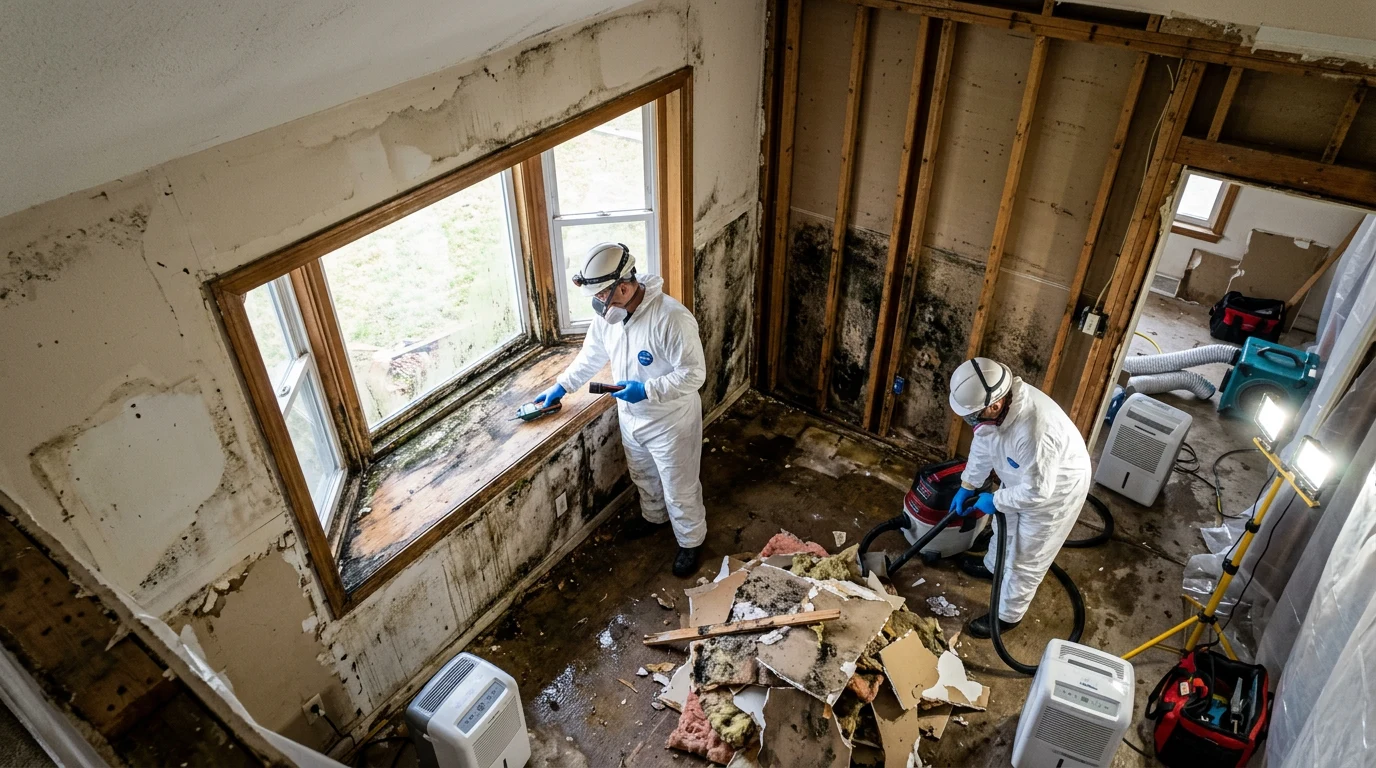
The good news: for mold growth under about 10 square feet (that is, roughly a 3 ft by 3 ft area), the EPA says most homeowners can handle the cleanup themselves. Mold on window frames and tracks almost always falls well below that threshold. You do not need a professional remediation company for a few inches of mold around a window sash or along a track.
However, do not tackle it yourself if:
- You have a pre-existing respiratory condition or compromised immune system
- The mold covers an area larger than about 10 square feet
- The water damage involved sewage or contaminated water
- You suspect mold inside the wall cavity or behind the window frame itself
In those cases, call a licensed mold remediation professional.
Why Mold Grows on Window Frames
Mold needs three things to grow: moisture, a food source, and the right temperature. Window frames provide all three, especially during colder months. Understanding why mold appears on your windows is the first step to stopping it permanently.
Condensation Is the Primary Cause
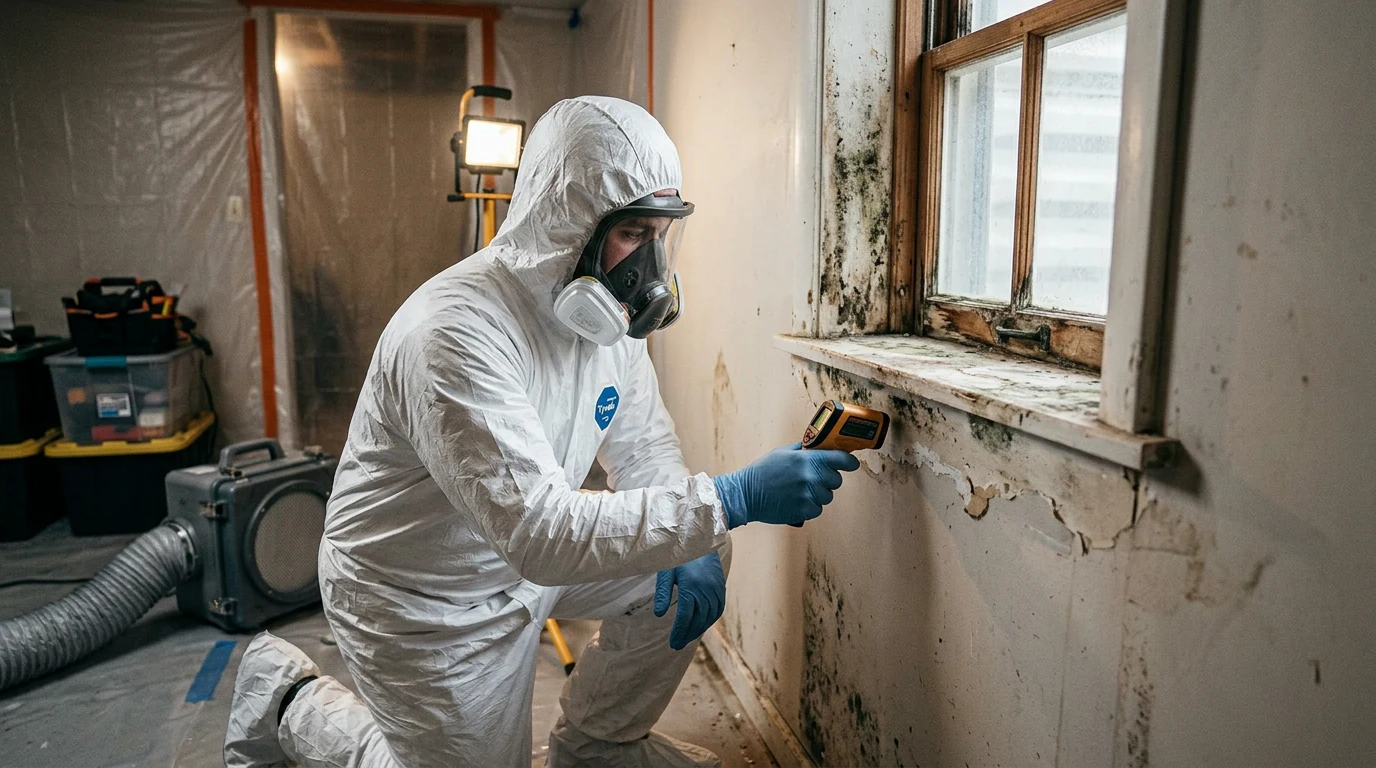
Warm, humid indoor air meets the cold surface of window glass and condenses into water. That water runs down onto the window sash, frame, and track. Wood frames absorb it like a sponge. Vinyl frames trap it in corners and channels where it pools. The moisture sits there, and mold spores, which are present in virtually all household air, find a perfect breeding ground. Single-pane windows and older double-pane windows with failed seals are the worst offenders because their glass stays colder.
Poor Ventilation Traps Moisture
Bathrooms, kitchens, and laundry rooms generate the most indoor humidity. Without an exhaust fan running during and after activities, that moisture-laden air migrates to the coolest surfaces in the room: the windows. Opening a window for just five minutes after a shower can dramatically reduce condensation.
Leaky Seals and Worn Weatherstripping
Aging window seals let in outside moisture directly. Worn weatherstripping creates gaps where warm indoor air escapes and meets cold outdoor air at the edges of the frame, increasing condensation along the sash and sill.
Dirt and Dust Provide Food
Mold feeds on organic material. Window tracks are magnets for dust, pollen, dead insects, and skin flakes. That debris, sitting in a damp environment, is a complete growth medium. This is why windows that are cleaned regularly often stay mold-free even in humid conditions.
What You Will Need: Products and PPE
Before you start scrubbing, gather the right tools. Using the wrong product can damage your window frame or fail to kill the mold at the root. The three products below are the most widely recommended by contractors and DIY reviewers.
Mold Cleaning Products
| Product | Best For | Active Ingredient | Key Feature |
|---|---|---|---|
| RMR-86 Instant Mold & Mildew Stain Remover | Hard, non-porous surfaces (vinyl, metal, painted wood, glass) | Sodium hydroxide, surfactants | Works in 15 seconds, no scrubbing needed on most stains |
| Concrobium Mold Control | Porous surfaces (unpainted wood, drywall adjacent to frames) | Sodium carbonate, trisodium phosphate | No bleach, leaves a protective film that prevents regrowth |
| CLR Mold & Mildew Clear Spray | Bathroom window frames, shower tracks, tile | Sodium hypochlorite (bleach), sodium hydroxide | Bleach-based formula, good on visible mold stains |
Pro tip about bleach: Do not use straight household bleach on wood window frames. Bleach is mostly water. The water soaks into the wood and feeds future mold growth, while the chlorine that does the killing evaporates within minutes. On porous wood surfaces, a dedicated mold control product like Concrobium or a simple detergent-and-water solution leaves no food behind.
PPE (Personal Protective Equipment)
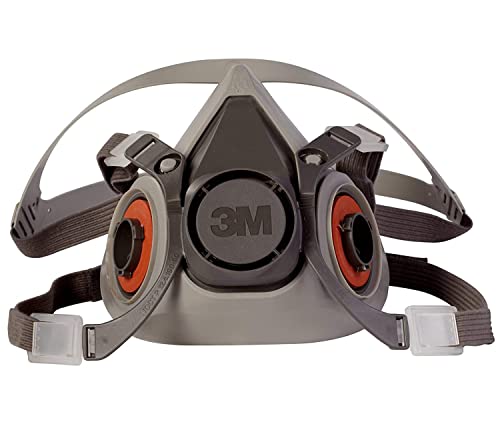
- 3M Half Facepiece Respirator 6200 with P100 filters. An N95 mask is better than nothing, but a half-face respirator with P100 cartridges gives proper protection against mold spores. The respirator creates a seal around your face that disposable masks cannot match.
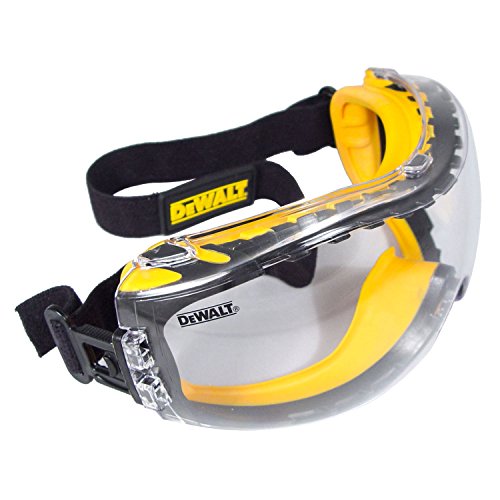
- Safety goggles that seal around the eyes. Mold spores can irritate eyes, and cleaning products can splash. Standard glasses are not enough.
- Disposable nitrile gloves. Do not use latex. Nitrile resists cleaning chemicals and mold contaminants better than latex or vinyl.
- Long sleeves and pants that you can wash in hot water after the job, or disposable coveralls for heavy mold.
Other Supplies
- Bucket of warm water with dish detergent. The EPA recommends detergent and water as the first and safest cleaning approach for most household mold.
- Stiff nylon scrub brush (not wire, which scratches surfaces and can damage window frame finishes)
- Microfiber cloths (lint-free, disposable preferred)
- White vinegar (for light surface mold on non-porous surfaces between deep cleanings)
- Shop vacuum with HEPA filter (for dry debris and loose spores before wet cleaning)
- Dehumidifier or fans (for thorough drying afterward)
Step-by-Step Mold Removal for Window Frames
Follow these steps in order. The most common mistake homeowners make is rushing the drying step, which leaves enough moisture behind for the mold to regrow within days.
Step 1: Prepare the Area
- Open windows if weather permits. Otherwise, run an exhaust fan to pull airborne spores outside.
- Lay down a drop cloth to catch debris and drips. Tape plastic sheeting over nearby vents to prevent spore spread.
- Remove any curtains, blinds, or window treatments and wash them in hot water.
- Put on your respirator, goggles, and gloves before you disturb the mold. This is not optional.
Step 2: Dry-Vacuum Loose Debris (Optional but Recommended)
If the window track has visible dust, dead insects, or loose mold particles, vacuum with a HEPA-filter shop vacuum first. Do not use a regular household vacuum or a broom; both will kick spores into the air where they can settle elsewhere. A HEPA vac traps the spores inside the filter and keeps them out of your breathing air.
Step 3: Choose Your Cleaner by Surface Type
Vinyl, metal, or painted wood frames: Spray RMR-86 directly onto the mold. Wait 15 to 30 seconds. The stain should begin to dissolve almost immediately. Wipe with a damp microfiber cloth. Rinse with clean water. For heavy staining, repeat the application.
Unpainted or bare wood frames: Do not use bleach or a high-pH product like RMR-86 without testing a small hidden spot first. Mix a solution of mild dish detergent and warm water. Scrub with a stiff nylon brush. Rinse and dry immediately. For stubborn spots, use Concrobium, which is gentler on wood and leaves a protective barrier.
Window tracks (any material): Tracks are the hardest area because they trap standing water and debris. Spray your chosen cleaner into the track channels. Let it sit for the full recommended time, then scrub with a narrow brush. An old toothbrush works well for corners and tight spaces. Wipe with a damp cloth, then use a dry cloth or paper towel to soak up all remaining moisture from the bottom of the track.
Step 4: Scrub and Wipe
Work the cleaner into the moldy area with your brush. For textured vinyl or wood grain, scrub in the direction of the texture so you do not miss the crevices. Wipe away the residue with a clean, damp cloth. Change cloths or rinse them frequently so you are not spreading mold from one area to another. Used cloths should go into a sealed plastic bag for washing in hot water.
Step 5: Rinse and Dry Completely
Rinse the cleaned area with a damp cloth and clean water. Then dry it thoroughly with a dry microfiber cloth. This is the single most important step. Mold cannot grow on a dry surface, period. Use a fan or hair dryer on a cool setting for hard-to-reach track areas where water pools. Leave the window open for at least an hour if the weather allows. Check the track with a paper towel afterward; if it comes away damp, keep drying.
Step 6: Apply a Mold Inhibitor (Optional but Recommended)
After the surface is completely dry, spray Concrobium or another mold control product onto the frame and track. Let it air dry without wiping. This leaves a microscopic alkaline barrier that resists future mold growth. Reapply every three to six months as a preventive measure, especially on windows in bathrooms and kitchens.
When the Window Material Must Be Replaced vs. Cleaned
Not every moldy window can be saved. Trying to clean rotted or disintegrated material wastes time and leaves a health hazard in place. Use this guide to decide.
Cleanable (Do Not Replace)
- Non-porous surfaces: vinyl, metal, aluminum, glass, painted wood with intact finish
- Surface mold that has not penetrated or stained the material deeply
- Minor discoloration on caulk or weatherstripping that can be scrubbed away
- Windows where the moisture source has been fixed and the frame is structurally sound
Must Be Replaced
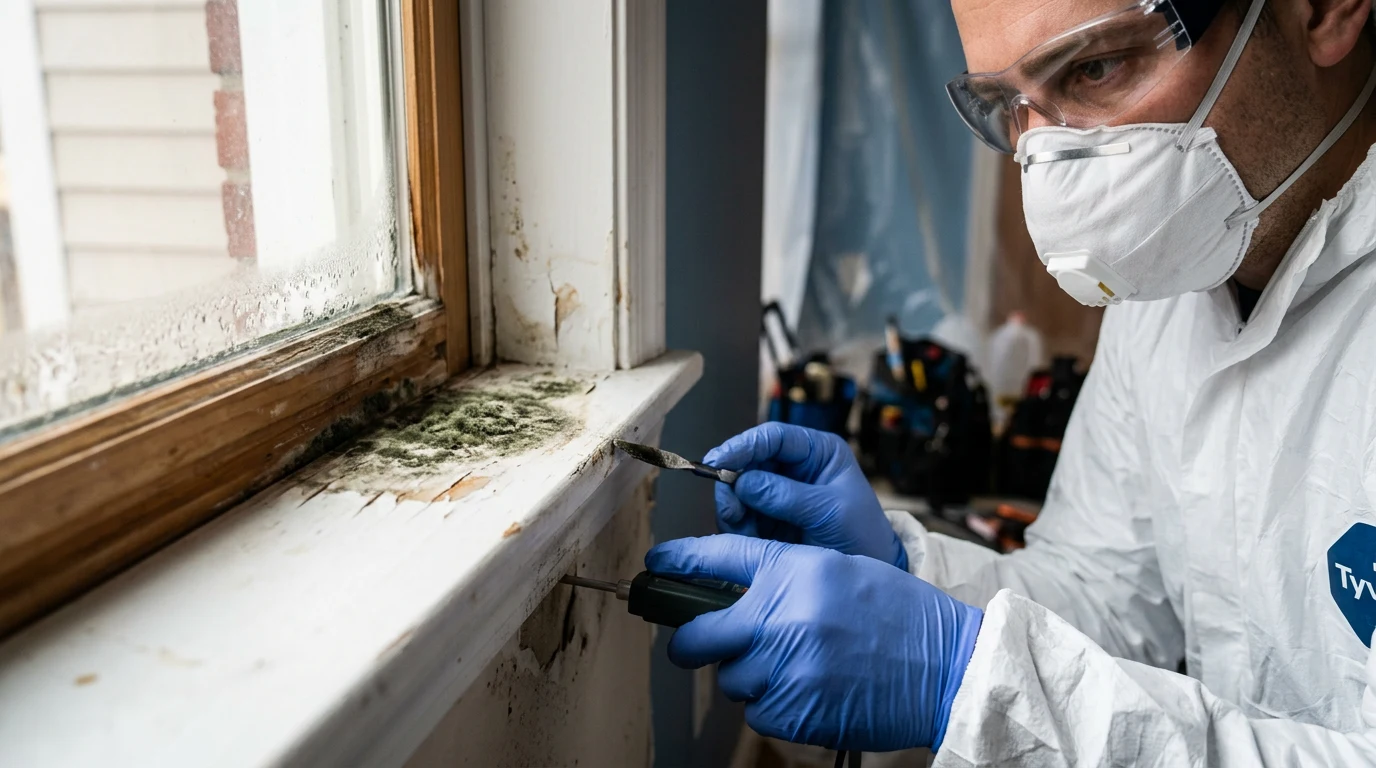
- Wood frames that are soft, crumbly, or rotted from prolonged moisture. If a screwdriver pushes in more than 1/8 inch with light pressure, the wood is compromised and cannot be saved.
- Drywall adjacent to the window that has been wet for more than 48 hours and shows mold growing through both sides.
- Particleboard or MDF window frames and sills. These materials disintegrate when wet and mold penetrates too deep for any cleaner to reach.
- Window seals (the rubber gasket between panes) that show visible mold inside the sealed cavity. If the seal is broken, moisture is already trapped between the panes and replacement is the only option.
Preventing Mold from Coming Back
Cleaning mold is only half the job. If you do not fix the moisture problem, the mold will return within days or weeks. Prevention is about controlling humidity, fixing air leaks, and maintaining the window itself.
Control Humidity
- Keep indoor humidity below 60 percent, ideally between 30 and 50 percent. A simple hygrometer costs about $10 and tells you exactly where you stand.
- Run a dehumidifier in basements and in naturally humid climates. Check and empty the collection bucket daily during humid months.
- Use exhaust fans in bathrooms and kitchens every time you shower or cook. Run them for at least 20 minutes afterward to clear the moisture.
- Dry laundry outdoors or in a vented dryer. Indoor drying racks release gallons of moisture into the air each week.
Improve Air Circulation
- Open windows for a few minutes each day, even in winter, to exchange humid indoor air with drier outdoor air. Winter air is actually much drier than summer air, so a short venting helps.
- Use ceiling fans on low setting year-round to keep air moving across windows and prevent stagnant pockets of humid air.
- Keep furniture and curtains away from windows so air can circulate freely around the glass and frame.
Fix Your Windows
- Replace worn weatherstripping around the sash. New foam or silicone strips cost under $10 per window and pay for themselves in reduced condensation.
- Re-caulk gaps between the window frame and the wall. Use a mold-resistant silicone caulk rather than standard acrylic caulk.
- Consider storm windows or window insulation film for single-pane windows. These raise the glass temperature and dramatically reduce condensation.
- Wipe condensation off window glass every morning during cold months with a dry cloth. A 30-second wipe every day prevents hours of scrubbing later.
Maintain Window Tracks Regularly
- Vacuum window tracks monthly with a brush attachment. Remove dust and debris before it becomes mold food.
- Wipe tracks dry after rain or after washing windows. Standing water in a track is a mold nursery.
- Spray tracks with a mold inhibitor such as Concrobium twice a year: once in fall before heating season and once in spring before humid weather arrives.
When to Call a Professional
Most mold on window frames is a straightforward DIY job. But certain situations require a licensed mold remediation professional:
- The mold covers more than 10 square feet (roughly a 3 ft by 3 ft section)
- You cannot find or fix the moisture source, and the mold returns within a week of cleaning
- The window frame wood is rotted and needs structural repair or replacement
- You see mold on both sides of drywall or inside the wall cavity around the window
- Household members are experiencing persistent allergy or asthma symptoms that coincide with time spent in the affected room
- The mold appeared after sewage backup or flood water damage, which introduces bacteria along with mold
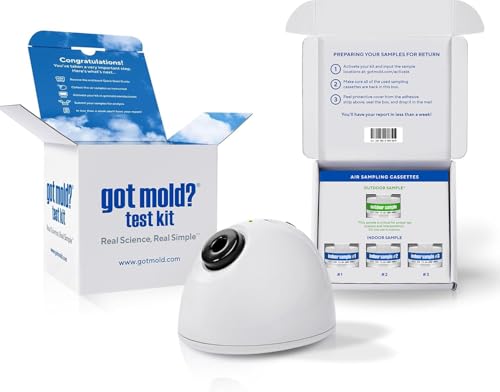
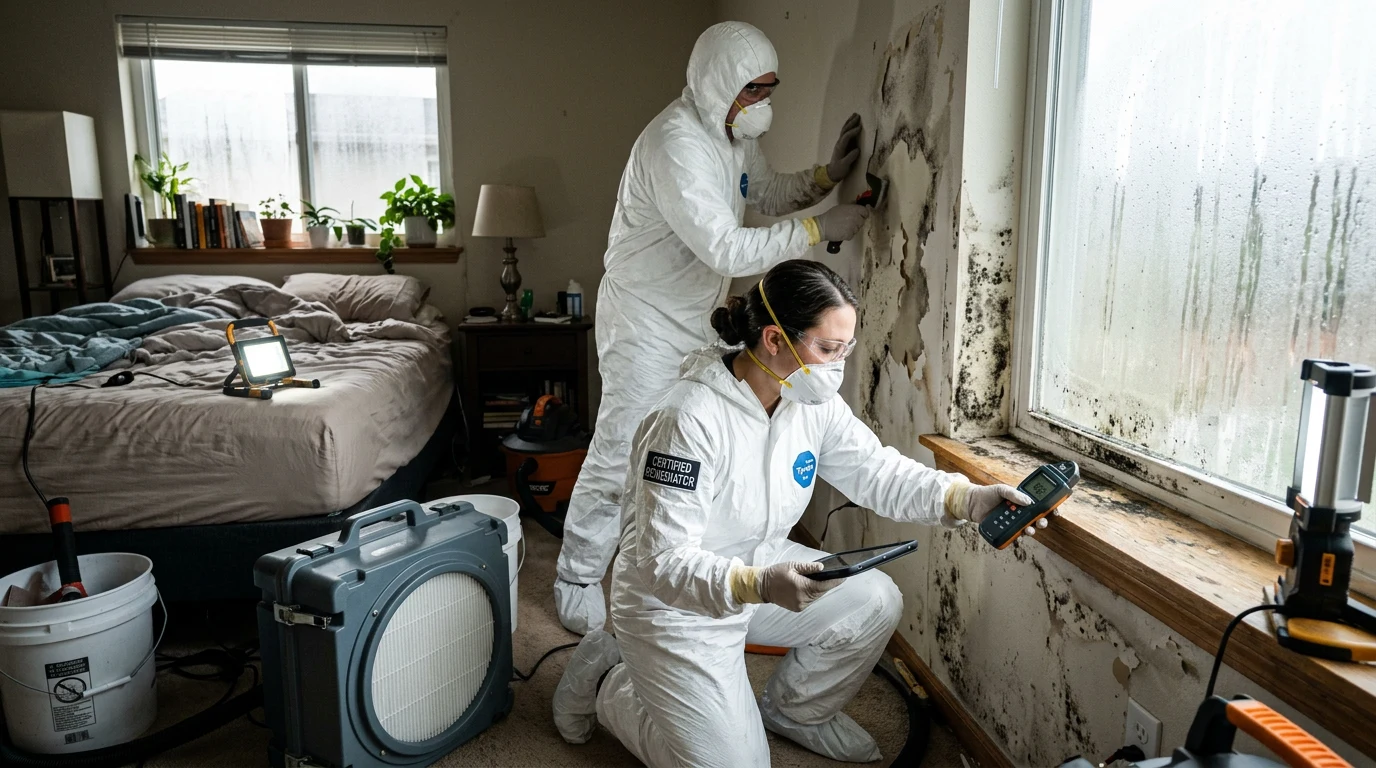
A professional will use moisture meters, thermal imaging cameras, and air sampling to find hidden mold and identify the moisture source. They also have commercial-grade HEPA air scrubbers and negative air pressure containment that a homeowner cannot set up safely. The cost of a professional inspection ranges from $300 to $600, but it is money well spent if you suspect hidden mold or cannot solve the moisture problem on your own.
Frequently Asked Questions
Can I use bleach to clean mold off window frames?
Bleach works on non-porous surfaces like glass and metal but is not recommended for wood frames. Bleach is mostly water; the water soaks into the wood and can feed future mold growth. For wood window frames, use a dedicated mold control product like Concrobium or a mild detergent solution. The EPA recommends detergent and water as the first approach for most household mold cleanup.
Is black mold on window frames dangerous?
Any mold can cause allergic reactions and respiratory issues in sensitive people. The mold commonly found on window frames is often Cladosporium or Penicillium species, not Stachybotrys (black mold). But color alone is not a reliable way to identify mold species. Treat all mold growth the same way: clean it promptly with proper PPE and fix the moisture source that allowed it to grow.
How do I get mold out of window tracks?
Window tracks are the most difficult area because they trap standing water and debris. Start by removing loose debris with a HEPA vacuum. Spray the track with a mold cleaner, let it sit per product instructions, then scrub with a narrow brush such as an old toothbrush. Wipe with a damp cloth, then dry completely. Use a paper towel or a cotton swab to reach tight corners. Finish by directing a fan at the track for 30 minutes to ensure every drop of moisture is gone.
Why does mold keep coming back on my windows after I clean it?
Mold returns because the moisture problem was not fixed. If you clean mold but the window still condensates every morning, the mold will regrow within days. To stop the cycle: lower indoor humidity with a dehumidifier or exhaust fan, wipe condensation off the glass daily during cold months, replace worn weatherstripping, and consider window insulation film for problem windows that condensate heavily.
Does vinegar kill mold on window frames?
White vinegar (acetic acid) can kill some surface mold on non-porous surfaces. It is less effective on porous surfaces such as wood and does not kill all mold species. The EPA and CDC recommend detergent and water for most household mold cleanup. Vinegar is best used as a maintenance spray between deep cleanings, not as a primary treatment for established mold growth.
Frequently Asked Questions
Can I use bleach to clean mold off window frames?
Bleach works on non-porous surfaces like glass and metal but is not recommended for wood frames. Bleach is mostly water; the water soaks into the wood and can feed future mold growth. For wood window frames, use a dedicated mold control product like Concrobium or a mild detergent solution.
Is black mold on window frames dangerous?
Any mold can cause allergic reactions and respiratory issues in sensitive people. The mold commonly found on window frames is often Cladosporium or Penicillium species, not Stachybotrys (black mold). Treat all mold growth the same way: clean it promptly with proper PPE and fix the moisture source.

How do I get mold out of window tracks?
Window tracks are the most difficult area because they trap standing water and debris. Start by removing loose debris with a HEPA vacuum. Spray the track with a mold cleaner, let it sit per product instructions, then scrub with a narrow brush such as an old toothbrush. Wipe with a damp cloth, then dry completely. Finish by directing a fan at the track for 30 minutes to ensure every drop of moisture is gone.

Why does mold keep coming back on my windows after I clean it?
Mold returns because the moisture problem was not fixed. If you clean mold but the window still condensates every morning, the mold will regrow within days. To stop the cycle: lower indoor humidity with a dehumidifier or exhaust fan, wipe condensation off the glass daily, replace worn weatherstripping, and consider window insulation film.

Does vinegar kill mold on window frames?
White vinegar (acetic acid) can kill some surface mold on non-porous surfaces. It is less effective on porous surfaces and does not kill all mold species. The EPA and CDC recommend detergent and water for most household mold cleanup. Vinegar is best used as a maintenance spray, not a primary treatment.
What’s the best way to prevent mold from growing on my window frames and sills?
The most effective prevention involves controlling humidity and ensuring good ventilation. Regularly wipe down condensation from windows and sills, and consider using a dehumidifier in rooms with high moisture levels. Additionally, ensure your window frames are properly sealed and free of leaks to prevent water intrusion that can fuel mold growth.
For authoritative background, see the EPA’s guidance on mold and health.

These statements have not been evaluated by the Food and Drug Administration. This information is not intended to diagnose, treat, cure, or prevent any disease. Content is for informational purposes only and is not medical advice; consult a qualified healthcare provider before starting any supplement. As an Amazon Associate we earn from qualifying purchases.