Mold on Houseplant Soil: Is It Harmful and How to Get Rid of It
Disclosure: As an Amazon Associate, I earn from qualifying purchases. This article contains affiliate links marked with tag=moldaction-20.
Is Mold on Houseplant Soil Dangerous?
Finding white, fuzzy, or green growth on the surface of your houseplant soil is unsettling, but in most cases it is not a health emergency. The mold you see on potting soil is usually a saprophytic fungus that feeds on organic matter in the soil, not the kind that attacks living tissue. Common types include white mold (saprophytic fungi), green mold (often Trichoderma or Penicillium), and yellow slime mold (a different organism entirely).
For healthy adults, the risk from surface mold on potting soil is low. The real concern is for people with allergies, asthma, or compromised immune systems. In those cases, mold spores can trigger respiratory irritation. The mold itself is also a sign that your plant’s growing conditions need adjustment, usually because the soil stays too wet.
You can absolutely handle this yourself. Professional remediation is rarely needed for mold on houseplant soil. The steps below cover everything from simple surface removal to treating the underlying cause.
Why Mold Grows on Houseplant Soil
Mold needs three things to grow: moisture, organic food, and still air. Potting soil provides all three by default. Understanding why mold appears helps you fix the root cause instead of just treating the symptom.
Overwatering
This is the number one cause. When the top inch of soil never dries out, mold spores that are always present in the air land on the damp surface and colonize it. Most houseplants prefer the soil to dry partially between waterings. A common mistake is watering on a fixed schedule rather than checking soil moisture first.
Poor Drainage
Soil that stays soggy because the pot lacks drainage holes, or because the potting mix is too dense, creates a perfect mold habitat. Standard potting soil can compact over time, trapping moisture at the surface. Pots without drainage holes are especially problematic because excess water has nowhere to go.
Low Air Circulation
Indoor corners, closed rooms, and winter conditions reduce airflow around the pot. Still air allows spores to settle and germinate without being disturbed. Plants grouped closely together also trap humidity and reduce air movement at the soil level.
High Humidity
Bathrooms, kitchens, and humidifiers raise the ambient moisture level. Combined with damp soil, this keeps the surface wet long enough for mold to establish. During winter months, indoor humidity from heating systems can also contribute.
Organic Debris on the Soil
Fallen leaves, dead plant matter, and even the peat or bark in the potting mix itself provide food for saprophytic fungi. When these materials stay wet, mold blooms. This is why regular cleanup of the soil surface matters.
What You Will Need
Most of these items are probably already in your home. For the products you may need to buy, I have included Amazon links for each product.
Basic Supplies
- Rubber or nitrile gloves to protect your hands
- N95 or similar dust mask if you are sensitive to spores
- Small garden trowel or a sturdy spoon for scraping
- Clean pot and fresh potting soil if repotting is needed
- Spray bottle for applying treatments
- Small fan for improving air circulation
Treatment Products
| Product | Type | Active Ingredient | Best For |
|---|---|---|---|
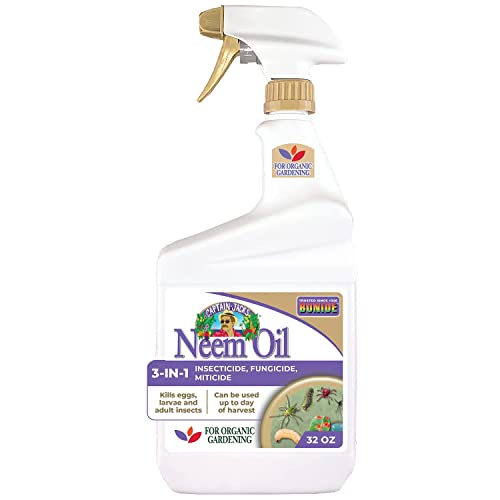
| Bonide Captain Jack’s Neem Oil RTU (32 oz) | Ready-to-use spray | Clarified hydrophobic extract of neem oil | Organic prevention, mild cases |
| Bonide Fung-onil RTU (32 oz) | Ready-to-use spray | Chlorothalonil | Stubborn mold, broad-spectrum control |
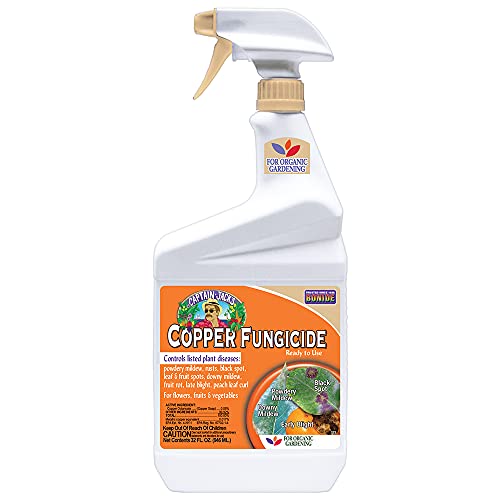
| Bonide Captain Jack’s Copper Fungicide RTU (32 oz) | Ready-to-use spray | Copper octanoate (copper soap) | Organic gardening, fungal prevention |
| Garden Safe Fungicide 3 (32 oz) | Ready-to-use spray | Neem oil (0.9%) | 3-in-1 fungicide, insecticide, miticide |
| Essential Oxygen Food Grade Hydrogen Peroxide 3% (16 oz) | Dilutable solution | Hydrogen peroxide 3% | Gentle soil drench, household staple |
Step-by-Step: How to Remove Mold from Houseplant Soil
Step 1: Isolate the Plant
Move the affected plant away from other houseplants to prevent spores from spreading. Work in a well-ventilated area, preferably outdoors or near an open window. If you have multiple plants with mold, treat them one at a time and clean your tools between each plant to avoid cross-contamination.
Step 2: Scrape Off Surface Mold
Put on gloves and a mask. Use a small trowel or spoon to gently scrape away the top 1 to 2 inches of soil where the mold is visible. Be thorough but careful not to damage the plant’s roots near the surface. Dispose of this soil in a sealed bag, not in your compost bin, because the spores can survive and spread to other areas.
Step 3: Apply a Treatment
Choose one of the following methods based on what you have available and how severe the mold is.
Option A: Hydrogen Peroxide Soil Drench (Gentle, Household)
Mix 1 part 3% hydrogen peroxide with 3 parts water. Water the plant with this solution until it drains from the bottom. The peroxide breaks down into water and oxygen, killing mold spores on contact without harming the plant. This is the safest first-line treatment for most houseplants and uses an ingredient many people already have in their home. Repeat once a week until the mold stops returning.
Option B: Neem Oil Spray (Organic, Preventive)
If using a ready-to-use neem oil product like Bonide Captain Jack’s Neem Oil, spray the soil surface and the lower leaves lightly. Neem oil works by disrupting the fungus’s life cycle and also repels common houseplant pests. Apply every 7 to 14 days until the mold is gone. Neem oil is approved for organic gardening and is safe for use around pets and children when used as directed.
Option C: Copper Fungicide (Organic, Stubborn Cases)
For mold that keeps returning after gentler treatments, use a copper fungicide like Bonide Captain Jack’s Copper Fungicide. Spray the soil surface according to the label directions. Copper is effective against a broad range of fungi and is approved for organic gardening. It works by disrupting enzyme processes in fungal cells. It is a common choice for plant owners.
Option D: Chlorothalonil Fungicide (Heavy Duty)
If the mold is widespread and other treatments have failed, a chlorothalonil-based product like Bonide Fung-onil provides broad-spectrum control. Use this as a last resort and follow all label safety instructions. Chlorothalonil is a synthetic fungicide, so avoid using it on edible plants unless the label specifically allows it. This product is known for handling tough fungal problems that natural treatments cannot resolve.
Step 4: Let the Soil Dry
After treatment, do not water the plant again until the top 1 to 2 inches of soil feel dry to the touch. This may take several days depending on your home’s humidity and temperature. The drying period is critical because it breaks the moisture cycle that mold needs to survive. If the soil stays wet for more than a week after treatment, consider repotting with fresh dry soil.
Step 5: Improve Air Circulation
Place a small fan nearby on low speed, or move the plant to a spot with better airflow. Avoid placing plants in corners or on the floor where air moves less. Good air movement keeps the soil surface dry between waterings and makes it much harder for mold to re-establish. Even opening a window for a few hours each day can help.
When the Soil Must Be Replaced vs. Cleaned
Surface mold can almost always be handled with scraping and treatment. But there are situations where replacing the soil entirely is the better choice. Knowing the difference saves you time and prevents the problem from coming back.
Replace the Soil When:
- The mold has penetrated deep into the pot. You see it on the drainage holes or throughout the root ball when you lift the plant out.
- The plant shows signs of root rot: yellowing leaves, mushy stems, or a sour smell from the soil. Root rot is a serious condition that can kill the plant if not addressed.
- The mold keeps returning after three treatment cycles. This indicates the mold is established deep in the soil where surface treatments cannot reach it.
- The plant is in a pot without drainage holes and the soil is waterlogged. In this case, the entire root system is likely sitting in stagnant water.
Cleaning Is Enough When:
- The mold is only on the top surface and the soil below looks healthy and smells normal.
- The plant is otherwise healthy with firm green leaves and no signs of stress or wilting.
- You caught it early and treated it promptly before the mold could spread deep into the pot.
How to Repot Safely
If you need to replace the soil, remove the plant from its pot and gently shake off as much old soil as possible. Trim any brown or mushy roots with clean scissors, cutting back to healthy white tissue. Wash the pot with hot soapy water and rinse thoroughly to remove any remaining spores. Repot with fresh, sterile potting mix. Do not reuse the old soil. Water lightly after repotting and wait until the top inch is dry before watering again. Keep the newly potted plant in a spot with good airflow for the first week to help it adjust.
Preventing Mold from Coming Back
Prevention is more effective than treatment. Once you have removed the mold, these steps will keep it from returning.
Water Less Frequently
Most houseplants do best when the top inch of soil dries out between waterings. Stick your finger into the soil up to your first knuckle. If it feels dry, water. If it feels damp, wait. Overwatering is the single most common cause of mold on houseplant soil. Different plants have different water needs, so research your specific plant’s requirements.
Use a Well-Draining Potting Mix
Standard potting soil can be amended with perlite, pumice, or coarse sand to improve drainage. A mix of 2 parts potting soil to 1 part perlite works well for most houseplants. Make sure every pot has drainage holes. Avoid using garden soil indoors, as it is too dense and may contain mold spores already.
Improve Airflow
Keep plants spaced apart so air can move between them. A small oscillating fan on low for a few hours a day can make a significant difference in preventing mold. Good airflow also strengthens plant stems and reduces the risk of other fungal diseases on leaves.
Add a Top Dressing
A layer of pebbles, gravel, or coarse sand on top of the soil creates a physical barrier that makes it harder for mold spores to reach the damp soil underneath. This also helps keep fungus gnats away. A 1/2-inch layer is usually sufficient. Avoid using materials that hold moisture, like moss, as a top dressing.
Remove Organic Debris
Pick up fallen leaves and dead plant matter from the soil surface promptly. These materials decompose and feed mold. Check your plants weekly for dead or dying leaves and remove them before they become a food source for fungi.
Water from the Bottom
For plants that are prone to mold, try bottom watering. Place the pot in a tray of water for 15 to 30 minutes so the soil absorbs moisture from below. This keeps the top layer of soil dry and less hospitable to mold. Bottom watering also encourages deeper root growth because the roots reach downward for moisture.
When to Call a Professional
Professional mold remediation is almost never needed for mold on houseplant soil. However, you should call a professional if:
- The mold spreads beyond the plant pot to walls, carpets, or furniture. This indicates a larger moisture problem in your home that needs professional assessment.
- You or someone in your household has a compromised immune system and the mold keeps returning despite treatment. In these cases, it is better to remove the plant entirely rather than risk ongoing exposure.
- You smell a persistent musty odor that does not go away after removing the moldy soil. This could indicate hidden mold growth elsewhere in the room.
- You suspect the mold is not just on the soil but inside walls or under flooring, which requires professional assessment and possibly moisture testing.
For the vast majority of cases, the steps above will solve the problem completely. Mold on houseplant soil is a symptom of a watering or airflow issue, not a sign that your home has a dangerous mold problem. Adjust your care routine, and the mold will stay away.
Frequently Asked Questions
Is white mold on houseplant soil dangerous to humans?
For healthy adults, white mold on potting soil is not dangerous. The common saprophytic fungi that grow on soil do not infect humans. However, people with allergies, asthma, or weakened immune systems may experience respiratory irritation from spores. Wearing a mask and gloves during cleanup is a good precaution. If you have a known mold allergy, ask someone else to handle the cleanup or work in a well-ventilated area.
Can moldy soil kill my houseplant?
Surface mold alone rarely kills a healthy plant. The mold itself is usually harmless to the plant. The real danger is the overwatering that caused the mold, which can lead to root rot. Root rot damages the roots and prevents them from absorbing water and nutrients. If you address the watering issue, both the mold and the risk to the plant go away. Watch for yellowing leaves as an early warning sign.
Should I throw away a plant with moldy soil?
No. In almost every case, mold on houseplant soil can be treated without throwing the plant away. Scrape off the top layer of soil, treat the remaining soil with hydrogen peroxide or a fungicide, and adjust your watering routine. Only discard the plant if it has advanced root rot with extensive root damage and the leaves are mostly yellow or brown. Even then, you can often save the plant by taking a healthy cutting and propagating it in fresh water or soil.
Does cinnamon kill mold on houseplant soil?
Cinnamon has mild antifungal properties, but it is not strong enough to eliminate an active mold problem on its own. Sprinkling cinnamon on the soil may help prevent mold from returning after you have removed the visible growth, but it should not be your primary treatment. Use hydrogen peroxide or a commercial fungicide for active mold, then consider cinnamon as a preventive measure. A light dusting after treatment can help keep the surface dry and less inviting to spores.
How often should I water houseplants to prevent mold?
There is no single schedule that works for all plants. The best rule is to check the soil moisture before watering. Insert your finger about an inch into the soil. If it feels dry, water. If it feels damp, wait. Most common houseplants need water every 7 to 14 days, but this varies with pot size, plant type, season, and home conditions. Plants in small pots dry out faster than those in large pots. During winter, most plants need less water because they grow more slowly.


These statements have not been evaluated by the Food and Drug Administration. This information is not intended to diagnose, treat, cure, or prevent any disease. Content is for informational purposes only and is not medical advice; consult a qualified healthcare provider before starting any supplement. As an Amazon Associate we earn from qualifying purchases.