Mold in the Attic: Causes and Removal
Affiliate disclosure: As an Amazon Associate, we earn from qualifying purchases. This means we may earn a commission if you click an Amazon link and make a purchase, at no extra cost to you.
Can You Remove Attic Mold Yourself? And Is It Dangerous?
Finding mold in your attic is unsettling. The short answer is that many attic mold problems can be tackled by a careful homeowner. The slightly longer answer is that it depends on the size of the infestation, the type of mold, and the condition of your attic’s building materials.
Mold in an attic is most often caused by a moisture problem. The health risks depend on your sensitivity and the duration of exposure. According to the EPA, most common indoor molds are not hazardous to healthy people in small amounts, but prolonged exposure in a confined attic space can trigger allergic reactions, asthma symptoms, and respiratory irritation. People with compromised immune systems, existing respiratory conditions, or mold allergies should not do attic mold removal themselves.
As a general rule, you can handle a patch smaller than about 10 square feet yourself using proper PPE and the right cleaning products. Larger infestations, mold that has penetrated deeply into wood sheathing, or visible growth on HVAC equipment all call for a professional remediation contractor.
Why Mold Grows in Attics
Attics create the perfect conditions for mold. The three things mold needs to grow are moisture, a food source (wood, paper, dust), and temperatures between about 40 and 100 degrees Fahrenheit. Your attic supplies all three most of the year.
The Moisture Sources
Mold in an attic is almost always a moisture problem first. The most common sources are:
- Bathroom and kitchen exhaust fans venting into the attic. This is the single most common cause. Warm, humid air from showers and cooking is pumped directly into the attic space, where it condenses on cold roof sheathing in winter.
- Poor attic ventilation. Ridge vents, soffit vents, or gable vents that are blocked by insulation or improperly installed trap moisture inside the attic.
- Ice dams. In cold climates, ice dams force meltwater under shingles where it soaks into roof sheathing and insulation.
- Roof leaks. Missing shingles, damaged flashing around chimneys and vents, or worn-out rubber boot seals on plumbing vent pipes let rainwater in.
- HVAC equipment in the attic. Leaky AC condensate lines or uninsulated ductwork that sweats in summer add moisture directly to the attic air.
- Improperly sealed attic hatches. Warm, moist air from the living space below rises into the attic through gaps around access hatches, light fixtures, and ceiling penetrations.
Why Attic Mold Is Different From Basement Mold
Basement mold comes from damp concrete and groundwater. Attic mold comes from condensation and trapped humidity. The surface is wood roof sheathing (OSB or plywood), which is porous and absorbs moisture easily. The temperature swings in an attic accelerate condensation cycles. Warm daytime air meets cold nighttime rafters, and water droplets form on the wood just like on a cold soda can.
What You Will Need for Attic Mold Removal
Before you start, gather the right products and safety gear. Working in an attic is physically demanding, cramped, and dusty. Having everything on hand before you climb up will save you from having to come back down for supplies.
Safety Gear (PPE)
- N95 respirator or half-mask with P100 filters. A basic dust mask is not enough. Mold spores are airborne and small enough to bypass a loose mask. A P100 half-mask respirator gives you real protection.
- Safety goggles. Mold spores and cleaning chemicals can irritate your eyes. Use sealed goggles, not glasses.
- Disposable coveralls or old clothing you can throw away. Mold spores stick to fabric. Shower and change immediately after finishing.
- Gloves. Heavy-duty nitrile or rubber gloves protect your hands from both mold and cleaning chemicals.
Cleaning Products
Not all mold cleaners are the same. You need a product that kills mold on porous wood surfaces without damaging the material or creating toxic fumes in an enclosed space. Here are the top options:
| Product | Type | Active Ingredient | EPA Reg. Number | Best For |
|---|---|---|---|---|
| RMR-86 Instant Mold Stain Remover | Spray-on stain remover | Sodium hypochlorite with surfactants | 55852-5 (Upshur Chemical) | Fast stain removal on non-porous and semi-porous surfaces; visible results in 15-30 seconds |
| Concrobium Mold Control | Spray-on fungistat | Sodium carbonate | 82552-1 | Kills and prevents mold without bleach; creates an invisible antimicrobial barrier; safe on wood |
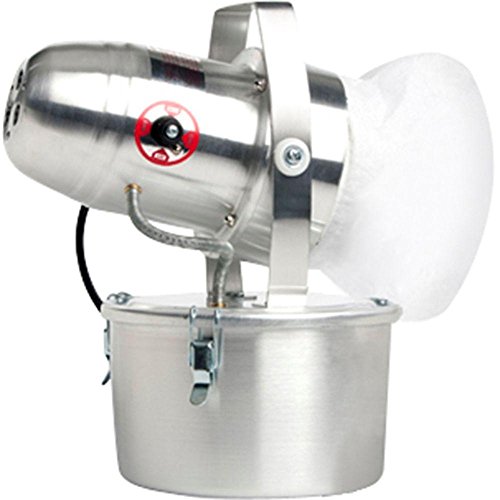
| Concrobium Mold Control Fogger | Aerosol fogger | Sodium carbonate | 82552-1 | Hard-to-reach areas and large attic spaces; no scrubbing required |
| Zinsser Mold Killing Primer | Primer/sealer | Mildewcide additive | N/A (paint product) | Sealing residual stains after cleaning; encapsulating embedded mold on wood |
Understanding the Product Options
RMR-86 is the fastest option for visible mold stains. It uses sodium hypochlorite (the active ingredient in household bleach) combined with surfactants that penetrate the stain and lift it rapidly. Many users report seeing black mold stains disappear within 15 to 30 seconds of application. It works well on roof sheathing, rafters, and trusses. The 32-ounce spray bottle covers roughly 100 to 150 square feet depending on the severity of the growth. It costs approximately $13 to $20 per 32-ounce bottle. See it on Amazon here.
Concrobium Mold Control takes a different approach. Its active ingredient is sodium carbonate, not bleach. It kills mold by altering the pH of the surface, then dries to leave a crystalline barrier that prevents future growth. It has no harsh chemical smell, which is a real advantage when working in a hot attic. The 32-ounce trigger spray covers about 80 to 100 square feet. It costs approximately $10 to $15 per bottle. See it on Amazon here.
Concrobium Mold Control Fogger is an aerosol version that is useful for reaching mold on trusses, between rafters, and in tight corners where you cannot get a spray bottle to reach. It also works well for maintenance fogging after the main cleanup. See it on Amazon here.
Zinsser Mold Killing Primer is not a cleaner. It is a water-based primer that you apply after cleaning to seal any residual mold stains into the wood. This prevents spores from re-entering the air and blocks the remaining stain from showing through paint. It is especially useful when you have removed the mold but the wood is still discolored. See it on Amazon here.
Tools and Equipment
- Stiff-bristle scrub brush (for heavy growth on accessible surfaces)
- Garden sprayer or pump sprayer (for large areas)
- Shop vacuum with HEPA filter (never vacuum mold with a regular vacuum)
- Drop cloths or plastic sheeting to protect anything below the attic
- Work light or headlamp (attics are dark, and you need to see what you are doing)
- Trash bags for disposing of contaminated materials
- Fan to create cross-ventilation (point it to blow air out of an attic vent)
Step by Step Attic Mold Removal
Follow these steps in order. Do not skip the moisture source identification. If you clean the mold without fixing the moisture problem, it will return within weeks.
Step 1: Identify and Fix the Moisture Source
Before you clean anything, find out why the mold is growing. Check every bathroom and kitchen exhaust vent to make sure it terminates outside the attic through a roof vent or gable vent, not just into the attic space. Clear any blocked soffit vents. Seal any roof leaks. Fix any HVAC condensation problems. If you skip this step, you are wasting your time.
Step 2: Set Up Safety and Containment
Wear your PPE before you enter the attic. Open any attic windows or vents for cross-ventilation. Lay plastic sheeting below the attic hatch to catch debris. If the mold is heavy, you may want to seal off the attic hatch from the living space below with plastic sheeting and tape.
Step 3: Dry Vacuum (Optional for Heavy Growth)
If there is heavy, thick mold growth, you can use a HEPA-filtered shop vacuum to remove loose spores and debris before spraying. Use a soft brush attachment to avoid gouging the wood. Dispose of the vacuum bag or empty the canister into a sealed trash bag immediately.
Step 4: Apply Mold Cleaner
For most attic surfaces, apply your chosen mold cleaner following the product instructions. If you are using RMR-86, spray it on the moldy areas and watch the stains disappear within 15 to 30 seconds. If using Concrobium, spray liberally and allow it to dry completely. For heavy growth, use a stiff brush to agitate the surface after applying the cleaner. Work in sections so the product does not dry out before you can scrub.
Step 5: Wipe or Rinse (Follow Product Instructions)
Some products need to be rinsed off. Others leave a protective residue. RMR-86 can be wiped with a damp cloth after the stain has lifted. Concrobium should be left to dry on the surface, as it forms the antimicrobial barrier. Read the label on your specific product and follow it exactly.
Step 6: Apply Mold-Killing Primer (Optional but Recommended)
After the surface is clean and dry, apply Zinsser Mold Killing Primer to any areas that still show discoloration or where mold had penetrated the wood. This seals any remaining mold spores into the coating so they cannot become airborne. It also gives you a clean surface if you want to paint the attic later.
Step 7: Dry Everything Completely
Attic mold needs moisture to return. Run a fan or dehumidifier in the attic for 24 to 48 hours after cleaning. Check the wood with a moisture meter if you have one. Wood moisture content should be below 16 percent. Above that, you are still at risk for regrowth.
When the Material Must Be Replaced Instead of Cleaned
Not all moldy attic materials can be cleaned. You need to remove and replace materials when:
- Wood is soft, crumbly, or rotted. If the mold has been growing long enough to rot the wood fibers, cleaning will not restore the structural integrity. Rotted roof sheathing, rafters, or trusses must be cut out and replaced by a contractor.
- Fiberglass insulation is moldy. You cannot clean fiberglass insulation. It is porous and traps mold spores throughout its depth. Remove and replace any insulation that has visible mold growth. Use rigid foam board or mineral wool insulation as a replacement, as these are less susceptible to mold.
- Cardboard or paper-faced insulation is moldy. Paper-faced fiberglass batt insulation is a perfect food source for mold. If the paper facing shows mold, remove the batts and replace them.
- OSB or plywood shows deep black staining that will not scrub away. Surface mold can be cleaned, but mold that has penetrated deep into the wood fibers has compromised the material. In this case, replace the affected panels.
Preventing Mold From Coming Back
Prevention is more important than the cleanup itself. Without changing the conditions that caused the mold, you will be back in the attic with a spray bottle within a year.
Ventilation Fixes That Work
- Vent bathroom and kitchen fans to the outside. This is the single most impactful fix. If your fans discharge into the attic, reroute them through a roof cap or wall vent. This costs between $100 and $300 for a roofer or handyman to do, and it solves the root cause of most attic mold problems.
- Ensure proper attic ventilation. Your attic should have a balanced system of intake (soffit vents) and exhaust (ridge vents or gable vents). The rule of thumb is one square foot of vent area for every 300 square feet of attic floor space. Keep soffit vents clear of insulation.
- Install baffles. Cardboard or foam baffles keep blown-in insulation from blocking soffit vents. They are cheap and easy to install during any attic work.
- Seal attic hatches and ceiling penetrations. Weatherstrip the attic access hatch. Use caulk or spray foam to seal gaps around pipes, wires, and recessed light fixtures that penetrate the ceiling below.
Humidity Control
- Use a dehumidifier in the attic during humid summer months if you have easy access to power.
- In cold climates, maintain indoor humidity below 50 percent during winter to reduce condensation on cold roof sheathing.
- Consider a solar-powered attic fan to move warm, humid air out on sunny days.
Ongoing Monitoring
- Inspect your attic at least twice a year (late spring and late fall).
- Look for signs of moisture: water stains on wood, dripping pipes, wet insulation, or condensation on nails.
- Check your roof after heavy storms for leaks.
- Keep an eye on areas around chimneys, plumbing vents, and roof valleys where flashing is prone to fail.
When to Call a Professional
Some attic mold problems require professional remediation. You should call a licensed mold remediation contractor if:
- The mold covers more than 10 square feet of surface area.
- You suspect the mold is toxic black mold (Stachybotrys chartarum), which appears dark greenish-black and slimy, not just dark.
- The mold is inside HVAC ductwork or on the HVAC unit itself.
- The wood is rotted or structurally compromised.
- You have health conditions that could be worsened by mold exposure (asthma, allergies, immune suppression).
- The moisture source is a hidden leak or a complex roof problem that you are not equipped to fix.
- You have cleaned the mold before and it has returned within a year, indicating an unresolved moisture issue.
A professional remediation typically costs between $500 and $3,000 for attic mold, depending on the size of the affected area and the complexity of the repairs. This includes identifying and fixing the moisture source, removing contaminated materials, HEPA vacuuming, and applying antimicrobial treatments. Always get at least three quotes and ask for proof of certification (IICRC or NORMI).
Frequently Asked Questions
Does attic mold mean my roof is leaking?
Not necessarily. While roof leaks are one possible cause, the most common cause of attic mold is condensation from warm, humid air meeting cold roof sheathing. This typically results from bathroom and kitchen fans venting into the attic or from poor ventilation. A roof leak produces a concentrated water stain. Condensation mold tends to be more evenly distributed across the underside of the roof sheathing.
Can I use bleach to clean attic mold?
Household bleach can kill mold on non-porous surfaces like tiles and countertops, but it is not the best choice for attic wood. Bleach is mostly water, and the water soaks into the wood, potentially contributing to further moisture problems. Commercial products like RMR-86 (sodium hypochlorite with surfactants) or Concrobium (sodium carbonate) are formulated specifically for mold on porous surfaces and are more effective in attic conditions.

How much does professional attic mold remediation cost?
Professional remediation for attic mold typically ranges from $500 to $3,000. The cost depends on the size of the affected area, whether insulation needs to be replaced, and whether the roof needs repair. Small, accessible infestations run $500 to $1,000. Large or complex jobs involving extensive insulation removal, roof repairs, or ductwork cleaning can reach $3,000 or more.

Will painting over attic mold kill it?
No. Painting over active mold without cleaning it first will not kill it. The mold will continue to grow underneath the paint, potentially causing the paint to peel and bubble. However, after you have cleaned and killed the mold, applying a mold-killing primer like Zinsser Mold Killing Primer seals in any remaining spores and stains. This is a legitimate final step in the cleaning process, not a shortcut.
Can attic mold spread to the rest of the house?
Yes. Attic mold spores can enter the living space through gaps around attic hatches, recessed light fixtures, plumbing and electrical penetrations, and unsealed ductwork. Once spores enter the living space, they can settle on surfaces and begin growing if the conditions are right. Sealing the attic floor and hatch properly is an important part of both preventing mold growth and stopping it from spreading.

These statements have not been evaluated by the Food and Drug Administration. This information is not intended to diagnose, treat, cure, or prevent any disease. Content is for informational purposes only and is not medical advice; consult a qualified healthcare provider before starting any supplement. As an Amazon Associate we earn from qualifying purchases.