Children breathe faster than adults, taking in more air relative to their body weight every minute. That biological fact alone makes mold exposure children face a significantly greater health concern than what adults experience in the same environment. Developing lungs, immature immune systems, and a tendency to crawl and play on floors where mold spores settle all combine to create elevated risk. Understanding exactly how indoor mold affects young bodies, recognizing the warning signs early, and taking preventive action can help parents and caregivers protect the health of infants, toddlers, and school-age children.
Why Children Are More Vulnerable to Mold Than Adults
The vulnerability of children to indoor mold stems from several overlapping physiological and behavioral factors. According to the American Academy of Pediatrics (AAP), children are disproportionately affected by environmental hazards because their organ systems are still developing and their exposure patterns differ substantially from those of adults.
Developing Respiratory Systems
Infant and toddler lungs are not miniature versions of adult lungs. The airways are narrower, meaning even mild inflammation from mold spore inhalation can cause noticeable breathing difficulty. Alveoli, the tiny air sacs where gas exchange occurs, continue developing well into childhood. Repeated exposure to airborne mycotoxins and allergenic mold particles during this critical growth window can alter lung development and potentially set the stage for chronic respiratory conditions.
Immature Immune Response
A child’s immune system is still learning to distinguish between harmless and harmful substances. This immunological immaturity means that mold exposure can trigger exaggerated allergic responses or, conversely, fail to mount an adequate defense against fungal antigens. Infants younger than 12 months are particularly susceptible because their adaptive immune system is still calibrating. Repeated mold contact during this period may increase the likelihood of developing mold allergies that persist into adulthood.
Behavioral Exposure Patterns
Babies crawl on floors. Toddlers put objects in their mouths. Children spend more time indoors than many adults realize, particularly in bedrooms where they sleep 10 to 14 hours per day. These behaviors increase both the duration and intensity of mold exposure. Mold spores are heavier than air and tend to settle on surfaces closer to the ground, exactly where young children spend most of their time. A child playing on a carpet in a room with hidden mold behind the walls may inhale significantly more spores than an adult standing in the same room.
Common Types of Mold That Affect Children
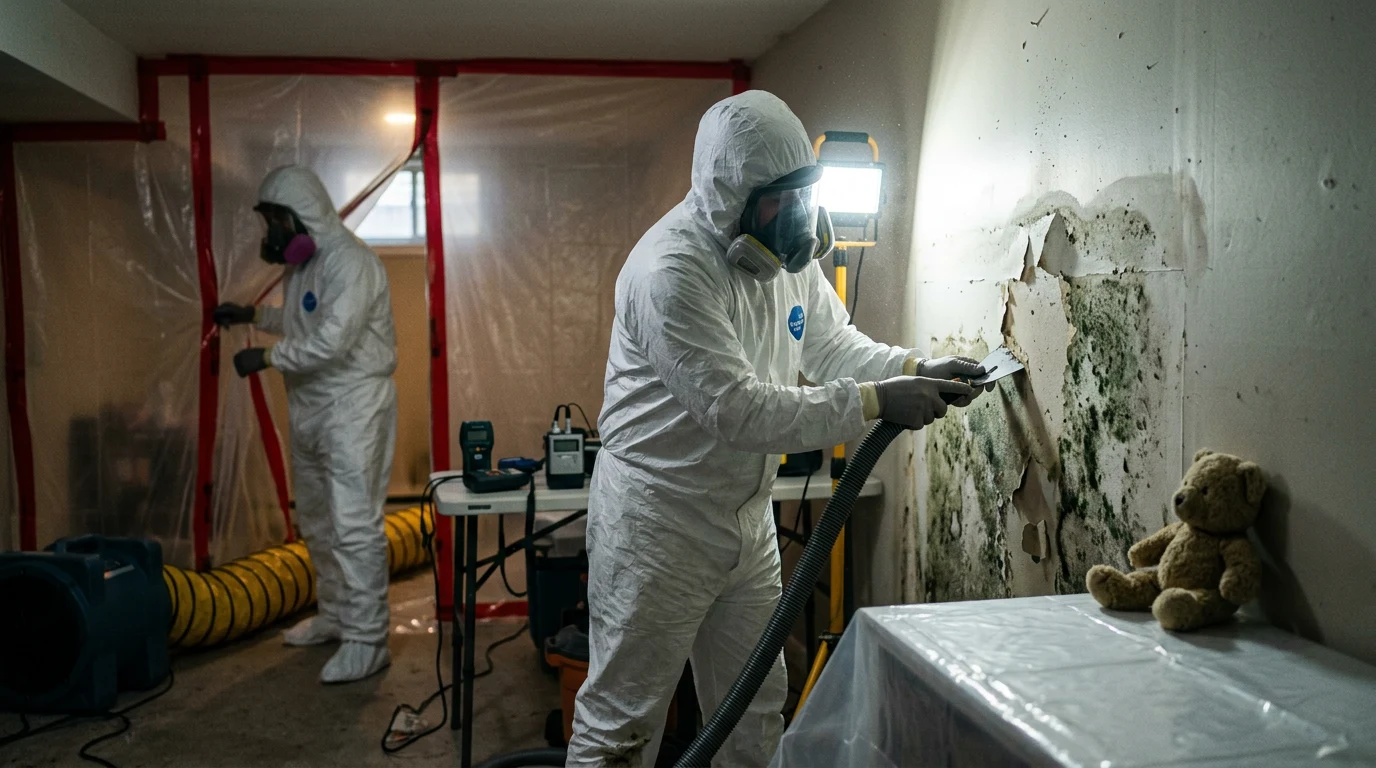
Not all mold species pose the same level of risk. However, several common household molds are particularly concerning when children are present. Knowing which species tend to colonize homes helps parents understand the specific health risks involved.
- Aspergillus – One of the most common indoor molds, Aspergillus species can trigger allergic reactions and, in immunocompromised children, may cause a serious lung infection called aspergillosis.
- Cladosporium – Frequently found on fabrics, carpets, and under sinks, this mold is a potent allergen that commonly aggravates childhood asthma symptoms.
- Penicillium – Often growing on water-damaged materials, Penicillium releases large quantities of airborne spores that irritate the respiratory tract of young children.
- Stachybotrys chartarum (black mold) – This toxigenic mold produces mycotoxins called satratoxins and is associated with more severe health outcomes, including pulmonary hemorrhage in infants in some reported case clusters.
- Alternaria – A common outdoor mold that readily enters homes, Alternaria is one of the leading triggers of mold-related asthma in children.
Any visible mold growth in a child’s living space warrants attention, regardless of species. Color alone cannot determine toxicity, and even “harmless” molds release enough allergenic material to cause symptoms in sensitive children.
Health Risks of Mold Exposure in Babies
Infants face the highest risk category among children because of their complete dependence on indoor environments and their rapidly developing organ systems. The health effects of mold on babies range from mild allergic irritation to potentially life-threatening respiratory complications.
Respiratory Symptoms in Infants
The most common early signs of mold exposure in babies include persistent nasal congestion, wheezing, and a cough that does not respond to typical cold remedies. Because infants cannot describe their symptoms, parents often mistake mold-related breathing issues for recurring colds or seasonal allergies. A baby who seems perpetually congested, especially in a specific room, should prompt an investigation into indoor air quality and potential mold growth.
More serious respiratory effects include bronchiolitis-like symptoms, rapid breathing, and audible crackling sounds during respiration. These signs require immediate pediatric evaluation. Prolonged mold exposure during infancy has been linked in epidemiological studies to an increased risk of developing asthma by age seven.
Skin Reactions
Baby skin is thinner and more permeable than adult skin, making it more susceptible to irritation from mold contact. Eczema flare-ups, unexplained rashes, and persistent diaper-area irritation that does not improve with standard treatment can all be associated with mold exposure. Mold spores that settle on bedding, clothing, and soft toys can cause direct skin contact reactions in sensitive infants.
Gastrointestinal Effects
Babies who mouth objects contaminated with mold may experience gastrointestinal symptoms including nausea, reduced appetite, and digestive discomfort. While oral mold ingestion in small amounts is generally not considered dangerous, mycotoxin exposure through this route in very young children is not well studied, and caution is warranted.
Mold Exposure Symptoms in Toddlers and Older Children
As children grow, their ability to communicate symptoms improves, but the health effects of mold exposure remain significant. The full range of mold exposure symptoms can manifest differently in children compared to adults.
Respiratory and Allergy Symptoms
- Chronic coughing, especially at night or upon waking
- Sneezing fits and persistent runny nose
- Itchy, watery, or red eyes
- Throat irritation and hoarseness
- Wheezing or shortness of breath during physical activity
- Frequent upper respiratory infections
- Worsening of existing asthma symptoms
Neurological and Behavioral Signs
Emerging research suggests that mycotoxin exposure may affect cognitive function and behavior in children. Parents and teachers have reported difficulty concentrating, increased irritability, fatigue, and headaches in children living in mold-affected homes. While the direct causal mechanisms are still being studied, these neurocognitive symptoms often resolve or improve significantly after mold remediation and relocation to clean environments.
Immune System Effects
Children exposed to high levels of indoor mold frequently experience what parents describe as “always being sick.” Recurrent ear infections, sinus infections, and bronchitis that cycle every few weeks can indicate that mold-related immune suppression or chronic inflammation is preventing full recovery between illnesses. If a child seems perpetually unwell and standard medical treatment provides only temporary relief, environmental mold should be investigated as a contributing factor.
The Connection Between Childhood Mold Exposure and Asthma
The relationship between mold and childhood asthma is one of the most thoroughly documented connections in environmental health research. Multiple large-scale studies, including the landmark NHLBI inner-city asthma study, have established that dampness and mold in the home are independent risk factors for both the development and exacerbation of asthma in children.
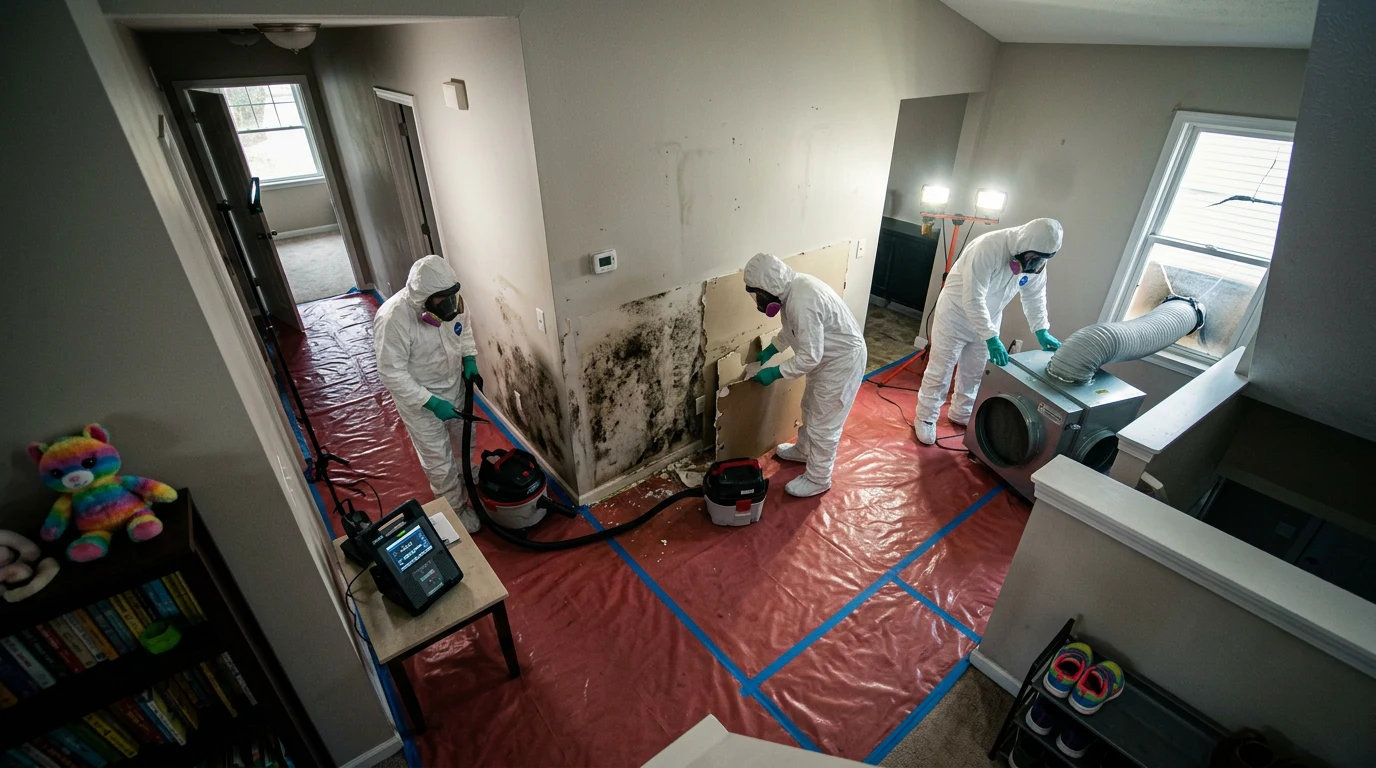
Children living in homes with visible mold or persistent dampness are approximately 1.5 to 2 times more likely to develop asthma compared to children in dry, mold-free homes. For children who already have asthma, mold exposure increases emergency room visits, hospitalizations, and the frequency of symptom flare-ups. The mechanism involves both allergic sensitization, where the immune system produces IgE antibodies against mold proteins, and non-allergic irritation of the airways by fungal volatile organic compounds (MVOCs) and mycotoxins.
Early intervention matters enormously. Studies tracking children from infancy through school age demonstrate that reducing mold exposure in the first three years of life significantly lowers the cumulative risk of asthma development. This makes mold prevention in nurseries and early childhood environments a public health priority.
How to Identify Mold in Your Child’s Environment
Mold does not always announce itself with visible black patches. In many homes, mold grows hidden behind walls, under flooring, inside HVAC ducts, and beneath furniture. Recognizing the signs of mold in a house requires attention to both visual and sensory clues.
Visual Indicators
- Discoloration on walls, ceilings, or window frames (may appear as spots of green, black, white, or gray)
- Peeling or bubbling paint and wallpaper
- Warped baseboards or flooring near bathrooms and kitchens
- Condensation on windows, especially in bedrooms
- Water stains on ceiling tiles
Smell-Based Detection
A persistent musty or earthy odor in a room, even when no mold is visible, strongly suggests hidden mold growth. This smell comes from microbial volatile organic compounds (MVOCs) released during active mold metabolism. Pay particular attention to closets, basements, crawl spaces, and areas around the child’s crib or bed. If a nursery consistently smells musty despite cleaning, professional mold inspection is recommended.
Testing for Mold
When visual inspection and smell are inconclusive, mold testing provides objective data. Air sampling measures the concentration of airborne mold spores in specific rooms, while surface testing identifies mold species growing on materials. For homes with children showing unexplained respiratory symptoms, professional indoor air quality testing offers the most comprehensive assessment.
A home mold test kit can serve as a useful initial screening tool, though professional interpretation of results is recommended for actionable conclusions. Pairing test kits with a continuous air quality monitor provides ongoing surveillance of particulate matter and humidity levels in children’s rooms.
Preventing Mold Exposure in Children: A Room-by-Room Guide
Prevention is far more effective and less costly than remediation. The following strategies target the conditions that mold needs to grow: moisture, organic material, and stagnant air.
Nursery and Bedrooms
Bedrooms are where children spend the most time, making them the highest priority for mold prevention. Maintain relative humidity between 30% and 50% using a dehumidifier rated for mold prevention. Monitor levels continuously with a digital hygrometer placed at crib or bed height, not mounted high on a wall where readings will differ from the breathing zone.
- Position cribs and beds away from exterior walls, which are more prone to condensation
- Use moisture-resistant paint on nursery walls
- Wash bedding weekly in hot water (130 degrees Fahrenheit) to kill mold spores
- Avoid placing mattresses directly on the floor, which traps moisture underneath
- Ensure adequate ventilation by keeping the door open or running a ceiling fan on low
- Run a HEPA-rated air purifier designed for mold spore removal continuously in the child’s bedroom
Bathrooms
Bathrooms generate the highest humidity levels in most homes. Run exhaust fans during baths and for at least 30 minutes afterward. If the bathroom lacks an exhaust fan, open a window or use a portable fan to circulate air. Squeegee shower walls and glass doors after each use. Inspect caulk and grout monthly for signs of mold growth, replacing deteriorated sealant promptly. Hang bath toys to dry rather than leaving them in standing water, as many hollow bath toys harbor internal mold growth that children then put in their mouths.
Kitchen
Use the range hood when cooking to vent steam and moisture outside. Check under the sink regularly for leaks, as slow drips create ideal mold conditions in enclosed cabinet spaces. Empty drip trays under refrigerators and clean refrigerator door gaskets where mold commonly grows unnoticed. Dispose of moldy food immediately rather than leaving it in open trash containers.
Basement and Crawl Spaces
Basements are the most common site of significant mold growth in homes. If children play or sleep in basement rooms, invest in a high-capacity dehumidifier that can maintain humidity below 50% even during wet seasons. Ensure sump pumps are functional and that the exterior grading directs water away from the foundation. Avoid storing children’s clothing, toys, or books in unfinished basement areas where humidity cannot be controlled.
HVAC System
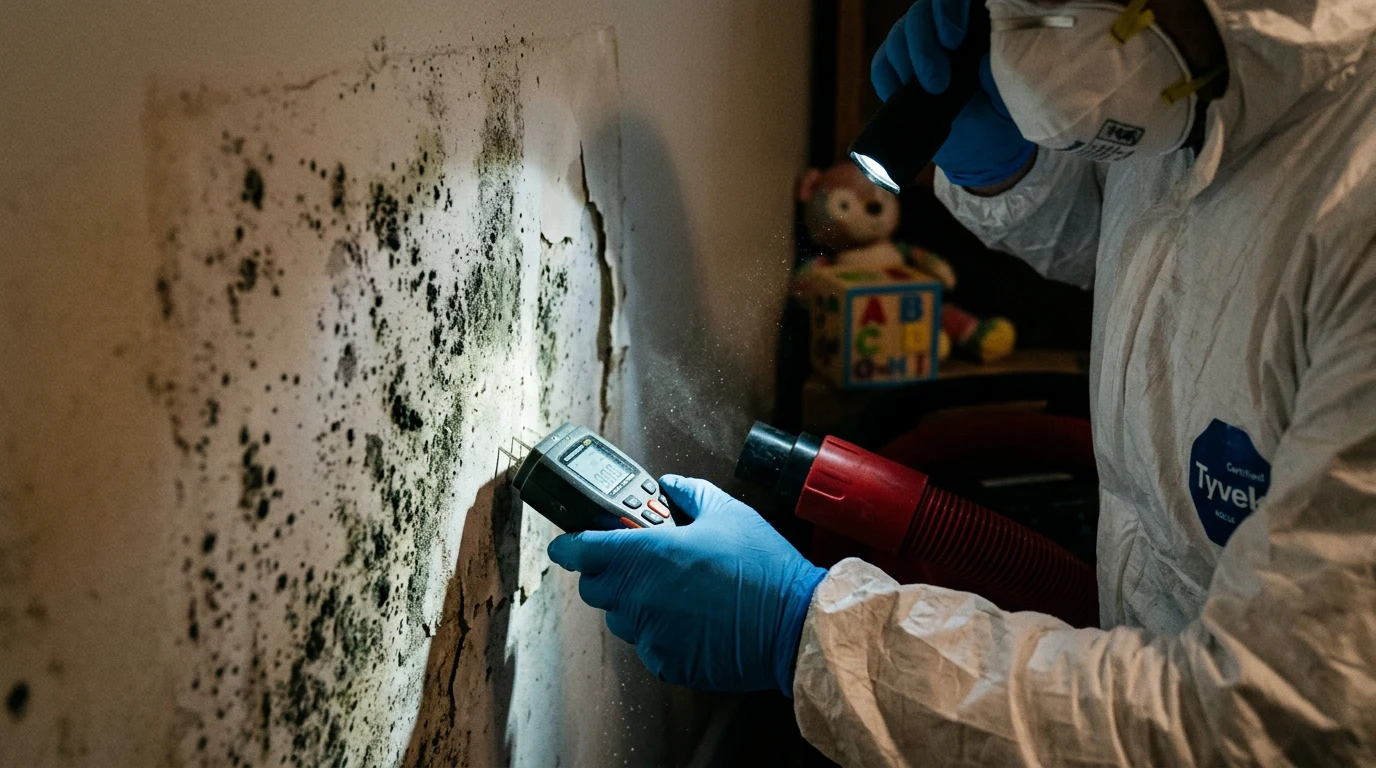
The heating and cooling system distributes air throughout the entire home, making it a potential mold distribution network if contaminated. Replace HVAC filters every 60 to 90 days with MERV 11 or higher rated filters that capture mold spores. Have ductwork professionally inspected and cleaned if mold is suspected. Ensure condensate drain lines are clear, as clogged drains create standing water inside the air handler where mold thrives.
What to Do If You Find Mold in Your Child’s Room
Discovering mold in a space where a child sleeps or plays understandably causes alarm. A calm, systematic response protects the child while addressing the contamination effectively.
Immediate Steps
- Relocate the child to a different room immediately. Do not wait for test results or professional assessment to remove the child from direct exposure.
- Close the door to the affected room and place a towel at the base to limit spore migration to other areas of the home.
- Avoid disturbing the mold. Scrubbing, sweeping, or vacuuming visible mold without proper containment spreads spores throughout the house.
- Document the mold with photographs before any cleaning or remediation begins. This documentation may be needed for insurance claims or landlord communications.
- Run HEPA air purifiers in the rooms where the child has been relocated, specifically air purifiers rated for mold spore capture.
Professional Remediation vs. DIY
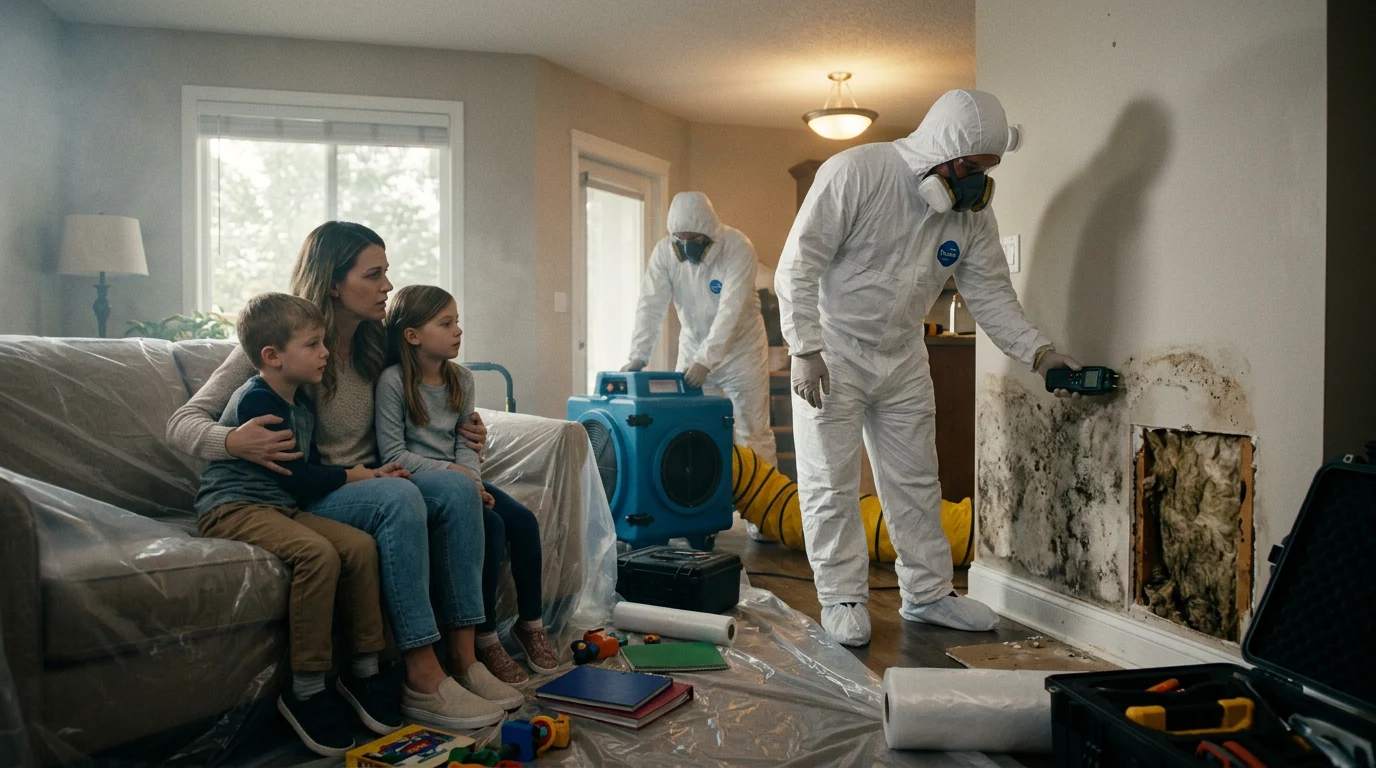
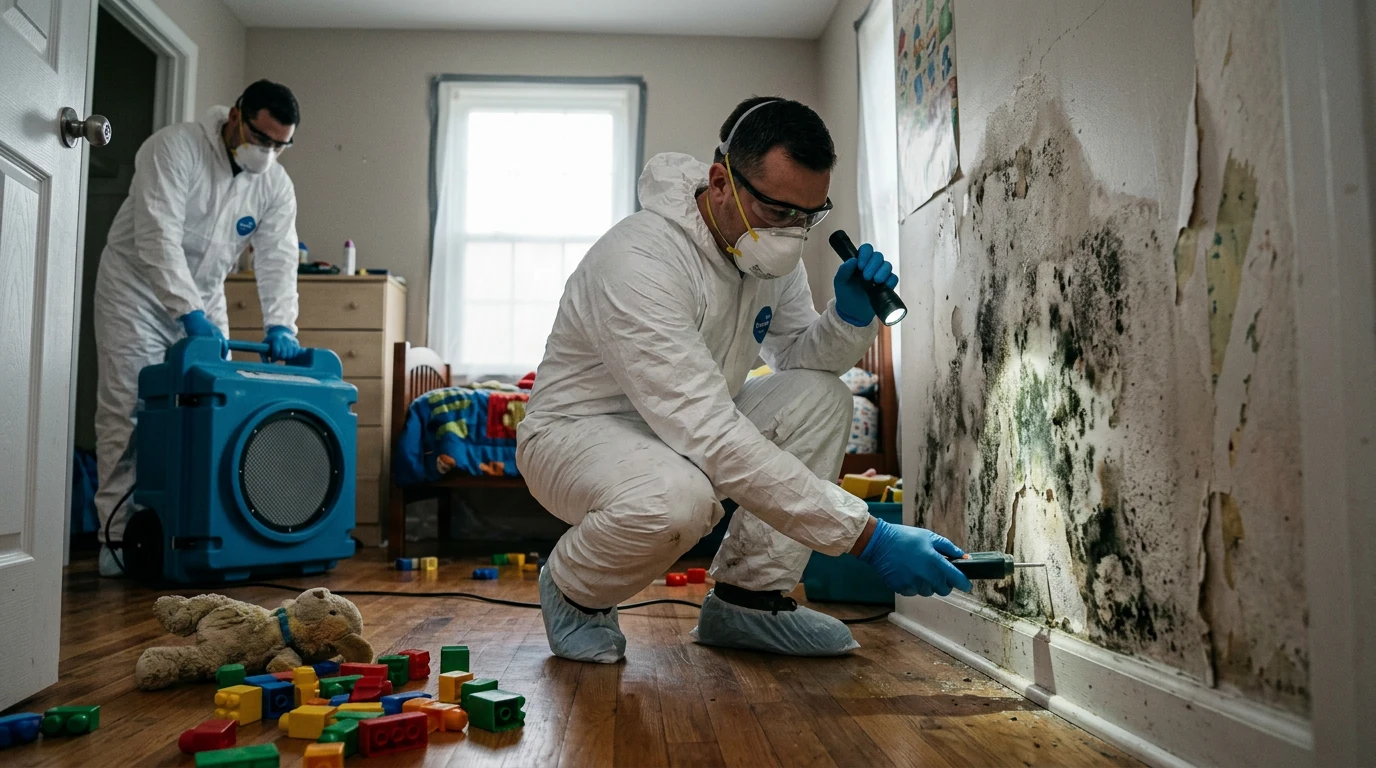
For small areas of surface mold (less than 10 square feet) on non-porous surfaces, careful cleaning with appropriate antimicrobial solutions may suffice. However, when mold is found in a child’s room, the conservative approach is professional remediation. Professionals use containment barriers, negative air pressure, HEPA filtration, and proper disposal methods that prevent cross-contamination. For mold covering more than 10 square feet, affecting HVAC systems, or growing behind walls, professional remediation is not optional.
Children should not return to the room until remediation is complete, post-remediation air testing confirms acceptable spore levels, and the underlying moisture source has been permanently resolved.
When to See a Pediatrician About Mold Exposure
Not every mold exposure requires medical intervention, but certain symptoms and situations warrant prompt pediatric evaluation.
Seek Medical Attention When:
- A child develops new-onset wheezing, persistent cough, or difficulty breathing
- Asthma symptoms worsen despite proper medication use
- An infant shows signs of respiratory distress (nasal flaring, rib retractions, grunting)
- Skin rashes persist or spread despite standard treatment
- A child experiences recurrent infections (more than 4 to 6 per year)
- Nosebleeds occur frequently without other explanation
- Behavioral or cognitive changes coincide with known or suspected mold exposure
When visiting the pediatrician, bring information about the home environment, including any mold testing results, photographs of visible mold, and a timeline of when the child’s symptoms began relative to potential exposure. This context helps the physician differentiate mold-related symptoms from other common childhood conditions.
Diagnostic Testing
Pediatricians may order allergy skin prick testing or blood tests for mold-specific IgE antibodies to confirm mold sensitization. Pulmonary function testing (spirometry) in children old enough to cooperate, typically age five and above, can document airway obstruction related to mold-triggered inflammation. In severe or prolonged exposure cases, a referral to a pediatric pulmonologist or allergist may be appropriate for specialized evaluation and management.
Special Considerations for Children with Existing Conditions
Certain children face elevated risk from mold exposure due to pre-existing health conditions that compromise their respiratory or immune defenses.
Children with Asthma
Mold is classified as a major asthma trigger by every leading respiratory health organization. Children with diagnosed asthma who live in mold-affected homes use rescue inhalers more frequently, miss more school days, and have higher rates of emergency department visits. For these children, aggressive indoor mold prevention is a medical necessity, not merely a household improvement project.
Immunocompromised Children
Children undergoing chemotherapy, organ transplant recipients on immunosuppressive medications, and those with primary immunodeficiency disorders face the risk of invasive fungal infections from mold exposure. Aspergillus species are the primary concern, as they can colonize the lungs and spread to other organs when immune defenses are inadequate. For these children, the home environment must be maintained at the highest standard of air quality, often requiring hospital-grade HEPA filtration and strict humidity control.
Premature Infants
Babies born prematurely often have underdeveloped lungs and may have existing bronchopulmonary dysplasia (BPD). These infants are exceptionally sensitive to any airborne irritant, including mold spores and MVOCs. Homes receiving a premature infant from the NICU should undergo thorough mold inspection and maintain indoor humidity below 50% before the baby arrives.
Mold in Schools and Daycare Facilities
Children spend 6 to 8 hours per day in schools and daycare centers, making these environments equally important for mold exposure prevention. Unfortunately, aging infrastructure, deferred maintenance, and poor ventilation make many educational buildings vulnerable to mold problems.
Warning Signs at School
Parents should be alert to patterns suggesting school-based mold exposure: symptoms that worsen on school days and improve on weekends or during breaks, multiple children in the same classroom developing respiratory complaints simultaneously, and visible water damage or musty odors in the building. Schools with flat roofs, older HVAC systems, and limited custodial budgets are statistically more likely to have mold issues.
Advocating for Your Child
If school-based mold exposure is suspected, document the child’s symptom patterns with dates and times. Request a meeting with school administration to discuss indoor air quality concerns. Many school districts have environmental health departments or can arrange independent indoor air quality assessments. Parents of children with asthma or allergies can request accommodations through 504 plans or IEPs, including classroom reassignment away from affected areas.
Essential Products for Protecting Children from Mold
Several categories of products help maintain the clean, dry indoor environment that prevents mold growth in children’s living spaces. The following recommendations are based on aggregated buyer reviews, manufacturer specifications, and expert analysis of performance characteristics relevant to mold prevention.
HEPA Air Purifiers
A true HEPA filter captures 99.97% of particles 0.3 microns and larger, including mold spores (typically 1 to 30 microns). For a child’s bedroom, select a unit with an appropriate CADR (Clean Air Delivery Rate) for the room size. Look for models with activated carbon pre-filters that also capture MVOCs, the gaseous compounds responsible for musty mold odors. Running the purifier continuously on a low setting maintains consistently clean air. Compare top-rated air purifiers for mold protection.
Dehumidifiers
Maintaining indoor humidity between 30% and 50% is the single most effective mold prevention strategy. Dehumidifiers with built-in humidistats automatically maintain target humidity levels. For nurseries, choose units rated for the room size (or slightly oversized for faster response) with quiet operation below 50 decibels. Units with continuous drain options eliminate the need to empty water tanks manually. See recommended dehumidifiers for mold prevention.
Humidity Monitoring
A digital hygrometer placed at the child’s breathing height provides real-time humidity data. Many modern hygrometers include temperature readings and min/max memory, allowing parents to track overnight humidity levels in the bedroom. Place one in each room where children spend significant time.
Long-Term Health Outlook After Childhood Mold Exposure
Parents naturally worry about lasting effects from childhood mold exposure. The long-term consequences of mold exposure depend on several factors: the duration and intensity of exposure, the child’s genetic predisposition to allergic disease, the specific mold species involved, and how quickly the exposure was identified and eliminated.
Research tracking children from mold-affected homes into adolescence and adulthood shows that those whose exposure was identified and terminated early generally fare well. Allergic sensitization developed during childhood may persist, but symptoms become manageable with appropriate medical care and environmental control. Children who experienced prolonged, severe mold exposure without intervention are more likely to develop chronic respiratory conditions, including persistent asthma.
The encouraging takeaway is that the body, particularly a child’s resilient and adaptable body, has remarkable capacity for recovery once the harmful exposure is removed. Combining environmental remediation with appropriate medical follow-up gives children the best foundation for healthy lung development going forward.
Frequently Asked Questions
Can mold in a house make a baby sick?
Yes. Babies are among the most vulnerable populations for mold-related illness because of their developing lungs, immature immune systems, and behavioral patterns that increase exposure (crawling on floors, mouthing objects). Common symptoms in babies include persistent congestion, wheezing, coughing, skin rashes, and disrupted sleep. If a baby shows these symptoms and the home has moisture problems, dampness, or visible mold, the living environment should be assessed promptly.
What are the first signs of mold exposure in children?
The earliest signs typically involve the upper respiratory system: persistent sneezing, runny or stuffy nose, and itchy or watery eyes. Many parents initially attribute these to seasonal allergies or frequent colds. The distinguishing pattern is that mold-related symptoms tend to be constant (not seasonal), worsen in specific rooms, and do not fully resolve with standard cold medications. A chronic nighttime cough that develops after moving to a new home or following water damage is a particularly strong indicator.
How long does it take for mold to affect a child’s health?
Some children develop symptoms within hours of significant mold exposure, particularly those with existing allergies or asthma. For children without pre-existing sensitivity, symptoms may take days to weeks of continuous exposure to become noticeable. Allergic sensitization, the process by which the immune system begins reacting to mold proteins, typically develops after repeated exposure over weeks to months. The timeline varies considerably based on individual susceptibility and the concentration of mold spores in the environment.
Is black mold more dangerous to children than other types?
Stachybotrys chartarum (commonly called black mold) produces mycotoxins that are associated with more severe health effects than many other common household molds. However, all mold species can cause allergic reactions and respiratory irritation in children. The color of mold does not reliably indicate its species or toxicity. Several harmless molds appear black, and some highly allergenic molds are green or white. The safest approach is to treat all indoor mold growth as a health concern when children are present.
Should I test my home for mold if my child has recurring respiratory infections?
Mold testing is a reasonable step when a child experiences recurrent respiratory symptoms that do not respond adequately to medical treatment, especially if the home has a history of water damage, high humidity, or visible mold. A professional air quality test provides the most comprehensive data. For initial screening, a home mold test kit can indicate whether elevated spore levels are present. Testing is particularly important before investing in remediation, as it establishes a baseline for comparison after cleanup.
Can children outgrow mold allergies?
Unlike some food allergies, mold allergies generally do not resolve spontaneously with age. However, the severity of symptoms can decrease over time, particularly if ongoing exposure is eliminated and the child receives appropriate allergy management. Some children experience significant improvement in symptoms during adolescence as their immune systems mature. Immunotherapy (allergy shots) is an option for children with severe mold allergy that does not respond to environmental controls and medication.
Frequently Asked Questions
What are the common signs of mold exposure in babies and children?
Common signs of mold exposure in infants and children often include respiratory issues like persistent coughing, wheezing, and nasal congestion. They may also experience skin rashes, eye irritation, or a general increase in allergy symptoms.
Are babies and children more susceptible to health problems from mold than adults?
Yes, babies and children are generally more susceptible to health problems from mold exposure due to their developing immune systems and smaller airways. Their higher respiratory rate also means they inhale more air, and potentially more mold spores, per pound of body weight.

What specific health risks does mold exposure pose to infants and young children?
Mold exposure in infants and young children can exacerbate asthma, trigger new asthma development, and lead to chronic respiratory infections. It can also cause allergic reactions and, in rare cases, more severe health issues like hypersensitivity pneumonitis.

How can I prevent mold growth in my home to protect my children?
To prevent mold growth and protect your children, it’s crucial to control indoor humidity levels, ideally keeping them below 60%. Promptly fix any water leaks, ensure adequate ventilation, and regularly clean and dry damp areas in your home.

If I suspect mold in my home, what steps should I take to protect my child?
If you suspect mold, immediately remove your child from the affected area if possible and ensure good ventilation. Contact a qualified mold remediation professional to assess and safely remove the mold, as disturbing it can release more spores.

Can mold exposure in early childhood have long-term health consequences?
Evidence suggests that early childhood exposure to mold can contribute to the development or worsening of chronic respiratory conditions like asthma and allergies. Long-term health consequences may include persistent respiratory symptoms and a heightened sensitivity to environmental allergens.

These statements have not been evaluated by the Food and Drug Administration. This information is not intended to diagnose, treat, cure, or prevent any disease. Content is for informational purposes only and is not medical advice; consult a qualified healthcare provider before starting any supplement. As an Amazon Associate we earn from qualifying purchases.