Mold Removal Cost in Washington, DC: 2026 Pricing Guide
If you’re dealing with mold in your Washington, DC home, understanding the costs involved is the first step toward getting it resolved. Washington, DC has a moderate-high mold risk rating due to its humid subtropical climate, 64% average humidity, and 40.8 inches of annual rainfall. This guide breaks down exactly what mold removal costs in Washington, what factors affect pricing, and whether you should DIY or hire a professional.
Our reviews are based on aggregated verified buyer feedback, manufacturer specifications, ingredient analysis, and published expert opinion. Products are not independently purchased or tested by our team. We may earn a commission if you purchase through our links, at no extra cost to you. How We Review
Washington at a Glance: Mold Risk Profile
| Factor | Detail |
|---|---|
| Population | 689,545 (metro: 6,385,162) |
| Average Home Price | $635,000 |
| Climate Zone | Humid subtropical |
| Average Humidity | 64% |
| Annual Rainfall | 40.8 inches |
| Mold Risk Rating | Moderate-High |
| Common Housing Types | Row houses, brownstones, garden-level apartments, many with stone/brick foundations |
Average Mold Removal Costs in Washington
| Service | Cost Range |
|---|---|
| Mold Inspection | $350 – $700 |
| Small Area Remediation (under 10 sq ft) | $500 – $1,500 |
| Standard Remediation | $2,000 – $6,000 |
| Whole-House Remediation | $5,000 – $15,000+ |
| Post-Remediation Air Testing | $200 – $400 |
Why Mold Is a Concern in Washington
Humid summers, many below-grade garden apartments, aging row house construction with shared walls, Potomac River proximity increases humidity
Local insight: Washington DC was literally built on a swamp. The city’s Foggy Bottom neighborhood gets its name from the fog that rose from the marshy terrain, and below-grade apartments in this area remain highly mold-prone.
Washington Housing and Mold: What to Know
DC row houses share party walls, meaning moisture issues in one home can migrate to neighbors. If your adjoining neighbor has water damage, inspect your shared wall for moisture.
Factors That Affect Mold Removal Cost in Washington
- Size of affected area: Small bathroom mold vs. entire basement requires different approaches and costs
- Type of mold: Common mold is straightforward; suspected toxic mold (Stachybotrys) requires additional testing and containment
- Location: Accessible areas cost less than mold in crawl spaces, attics, or inside walls
- Cause of moisture: Fixing the underlying moisture issue (plumbing leak, drainage, humidity) adds to total cost
- Materials affected: Drywall replacement costs more than surface cleaning of tile or concrete
- Licensing requirements: DC Code § 42-3501 covers tenant rights. DC Housing Code requires landlords to maintain habitable conditions. DC has some of the strongest tenant protection laws in the US.
DIY vs. Professional Mold Removal in Washington
For small mold areas (under 10 square feet), DIY removal can save you $1,000-$3,000. You’ll need a N95 respirator, mold remover spray, and a moisture meter to verify the area is dry after treatment. For a basic DIY assessment, start with a home mold test kit.
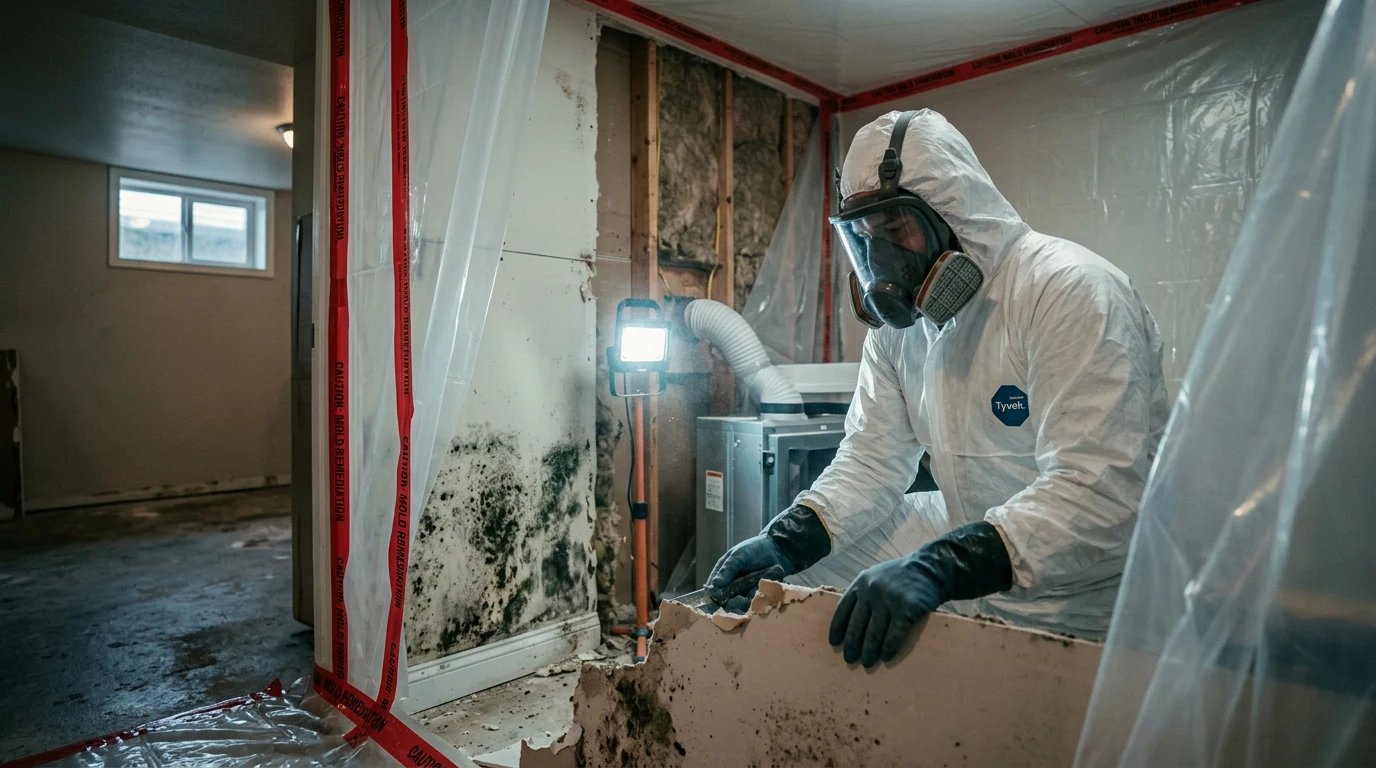
Hire a professional in Washington when the affected area is larger than 10 square feet, mold is in your HVAC system, you suspect mold behind walls, or anyone in the household has respiratory health issues. Use our complete DIY mold removal guide for small projects and our guide on when to test for mold to determine if you need professional help.
How to Find a Reputable Mold Remediation Company in Washington
- Verify licensing and insurance (check DC requirements)
- Get at least 3 written estimates
- Ask for references from recent Washington-area jobs
- Ensure they follow IICRC S520 mold remediation standards
- Use a different company for testing and remediation (avoids conflict of interest)
- Get a written scope of work before any work begins
Common Mold Questions in Washington
Can I withhold rent for mold in DC?
Is mold common in DC garden-level apartments?
How does the Potomac affect indoor humidity in DC?
Mold Removal Cost Breakdown by Room
Mold removal costs in Washington DC vary significantly depending on the room affected and the extent of contamination. Bathrooms are typically the most affordable to remediate due to their small size and non-porous surfaces, while basements and attics present more complex challenges that drive up costs.
| Room/Area | Cost Range | Typical Timeframe |
|---|---|---|
| Bathroom (shower/toilet area) | $500 – $1,500 | 1-2 days |
| Kitchen (under sink/cabinet) | $800 – $2,500 | 2-3 days |
| Basement/Crawl Space | $1,500 – $5,000 | 3-5 days |
| Attic | $1,200 – $4,000 | 2-4 days |
| Living Areas (per room) | $1,000 – $3,500 | 2-3 days |
| Whole House | $5,000 – $25,000 | 1-2 weeks |
Bathroom mold remediation typically costs less because these areas often have tile or other non-porous surfaces that can be cleaned rather than replaced. Kitchen mold behind cabinets or under sinks may require cabinet removal, increasing costs. Basement and crawl space mold remediation is more expensive due to moisture control challenges and potentially contaminated insulation or structural materials.
Attic mold in Washington homes often stems from roof leaks or inadequate ventilation. The confined space and insulation removal requirements drive costs higher. Whole-house remediation may be necessary in severe cases or when HVAC systems have distributed mold spores throughout the property. Homeowners should expect additional costs for moisture control improvements and air quality testing after remediation is complete.
How Washington’s Climate Affects Mold Growth and Costs
Washington DC’s humid subtropical climate creates ideal conditions for mold growth, directly impacting remediation costs throughout the year. The city’s 64% average humidity level exceeds the EPA’s recommended indoor humidity range of 30-50%, making mold prevention challenging and remediation more complex.
The district’s 40.8 inches of annual rainfall, combined with its location on the Potomac River, maintains elevated moisture levels that penetrate building materials. This consistent moisture exposure means mold often grows deeper into porous materials like drywall and wood framing, requiring more extensive removal and replacement. Garden-level apartments, common in DC’s row house architecture, are particularly susceptible due to their below-grade position and proximity to groundwater.
Summer months bring additional challenges as hot, humid air infiltrates cooler basements and lower levels, creating condensation on surfaces. This seasonal pattern often leads to discovery of mold problems in late summer or early fall, when the contrast between indoor and outdoor temperatures is greatest. Remediation costs increase during these peak seasons due to higher demand for professional services and the need for more aggressive moisture control measures.
The humid subtropical climate also extends remediation timelines, as materials take longer to dry completely. Professional remediators must use additional dehumidification equipment and may need to make multiple visits to ensure moisture levels have stabilized before reconstruction begins. This extended process typically adds 20-30% to overall project costs compared to drier climates.
Seasonal Considerations for Mold Removal in Washington
Mold problems in Washington DC follow distinct seasonal patterns that affect both discovery timing and remediation costs. Spring brings increased moisture from rainfall and melting, often revealing winter damage from ice dams or frozen pipes. This is typically when homeowners first notice mold growth that developed during the dormant winter months.
Summer represents peak mold season in Washington, with high humidity levels creating optimal growth conditions. However, summer is also the most expensive time for remediation services due to increased demand. Homeowners may wait 2-3 weeks for professional availability during July and August, potentially allowing mold problems to worsen.
Fall and early winter offer the most cost-effective timing for mold remediation in Washington. Professional companies have greater availability and may offer seasonal discounts. The lower humidity levels also help materials dry more quickly, reducing project timelines and associated costs. Additionally, addressing mold issues before winter heating season begins prevents spore circulation through HVAC systems.
Emergency remediation during winter months can cost 15-25% more due to heating requirements and potential weather delays. However, waiting until spring risks allowing mold to spread further throughout the property, ultimately increasing total remediation costs.
What to Expect During Professional Mold Remediation
Professional mold remediation in Washington DC follows established protocols to ensure safe and effective removal. The process begins with a thorough inspection and mold testing to identify contaminated areas and determine the extent of remediation required.
The remediation team establishes containment barriers using plastic sheeting and negative air pressure to prevent spore distribution to unaffected areas. Workers wear protective equipment including respirators, gloves, and disposable suits. All contaminated materials are carefully removed and disposed of according to EPA guidelines.
HEPA filtration units run continuously during the remediation process to capture airborne spores. Surfaces are cleaned with antimicrobial solutions, and the area is thoroughly dried using commercial-grade dehumidifiers and fans. The underlying moisture source must be addressed before reconstruction begins.
Most residential mold remediation projects in Washington take 2-5 days to complete, depending on the affected area size. Homeowners typically need to vacate the immediate work area but can often remain in other parts of the home. The final step involves post-remediation air quality testing to verify successful removal before reconstruction work begins. Professional teams provide detailed documentation of the entire process for insurance and health department requirements.
DIY vs Professional Mold Removal in Washington
DIY mold removal can be cost-effective for small areas under 10 square feet in Washington DC homes, potentially saving $1,500-$3,000 compared to professional services. Homeowners attempting DIY remediation should start with a mold test kit to identify the type and extent of contamination before beginning work.
Essential DIY equipment includes N95 or P100 respirators, disposable coveralls, rubber gloves, and plastic sheeting for containment. A moisture meter helps identify affected materials, while antimicrobial cleaning solutions treat surface contamination. Total DIY supply costs typically range from $150-$400.
Professional remediation becomes necessary when mold affects more than 10 square feet, involves HVAC systems, or appears behind walls. Washington DC’s humid climate often means mold problems are more extensive than initially visible. Professional teams have commercial-grade equipment and expertise to address moisture sources that DIY efforts often miss.
Safety considerations favor professional remediation when household members have respiratory conditions, compromised immune systems, or known mold sensitivities. The health risks of improper DIY remediation, including increased exposure to spores and mycotoxins, often outweigh potential cost savings. Additionally, improper DIY work may void insurance coverage or create liability issues if mold problems persist or worsen.
Insurance Coverage for Mold Removal in DC
Homeowner’s insurance coverage for mold removal in Washington DC depends on the underlying cause of the moisture problem and specific policy language. Most standard policies cover mold damage resulting from sudden, accidental water damage such as burst pipes or appliance leaks, but exclude coverage for gradual seepage or maintenance-related moisture issues.
DC insurance policies typically include mold coverage limits ranging from $5,000 to $25,000, though some insurers offer higher limits as optional endorsements. Flood-related mold damage requires separate flood insurance through the National Flood Insurance Program, as standard homeowner’s policies exclude flood damage entirely.
To maximize insurance coverage for mold claims, homeowners should document the moisture source and mold growth with photographs, obtain professional inspection reports, and notify their insurer promptly. Claims adjusters often require proof that the mold resulted from a covered peril rather than long-term maintenance neglect or humidity issues.
Successful mold insurance claims in DC typically require prompt action to mitigate damage and professional remediation following industry standards. Homeowners should review their specific policy terms and consider additional mold coverage endorsements given Washington’s high humidity and mold risk factors.
Frequently Asked Questions
How much does mold removal cost in Washington?
The average mold remediation cost in Washington, DC ranges from $2,000 – $6,000 depending on the size of the affected area, type of mold, and accessibility. Small bathroom mold removal may cost $500-$1,000, while whole-house remediation can exceed $10,000.
How much does a mold inspection cost in Washington?
A professional mold inspection in Washington, DC typically costs $350 – $700. This usually includes a visual assessment, moisture readings, and may include air or surface sampling.
Does homeowner’s insurance cover mold removal in DC?
Most homeowner’s insurance policies in DC cover mold damage if it results from a covered peril (like a burst pipe). Mold from maintenance neglect, flooding, or humidity is typically not covered. Check your specific policy.
Can I remove mold myself in Washington?
For small areas (under 10 square feet), DIY removal is feasible with proper PPE. For larger areas or if you have health concerns, hire a professional mold remediation company in Washington, DC. DC may require licensed professionals for certain projects.
Can I withhold rent for mold in DC?
Under DC Code § 42-3501, tenants may withhold rent for habitability issues including mold, but must follow specific legal procedures. Tenants should notify landlords in writing, allow reasonable time for repairs, and may need to deposit rent payments with the court. Consult a tenant rights attorney for proper procedures.
Is mold common in DC garden-level apartments?
Yes, garden-level apartments in Washington DC are highly susceptible to mold due to their below-grade location, proximity to groundwater, and poor ventilation. The city’s swampy origins and high humidity levels make these units particularly prone to moisture problems and subsequent mold growth.
How does the Potomac affect indoor humidity in DC?
The Potomac River contributes to Washington DC’s elevated humidity levels, particularly in neighborhoods near the waterfront. The river creates a microclimate that maintains higher moisture levels year-round, increasing the risk of indoor humidity problems and mold growth in nearby homes and buildings.
What are the health risks of mold exposure in Washington?
Mold exposure can cause respiratory symptoms, allergic reactions, and aggravate asthma conditions. Washington’s high humidity environment often supports toxic mold species like Stachybotrys (black mold). Individuals with compromised immune systems or existing respiratory conditions face higher risks and should seek immediate professional remediation.
How long does professional mold remediation take in DC?
Professional mold remediation in Washington DC typically takes 2-5 days for residential projects, depending on the extent of contamination. Large-scale remediation may require 1-2 weeks. Washington’s high humidity can extend drying times, potentially adding 1-2 additional days to ensure complete moisture removal before reconstruction.
Should I use an air purifier after mold remediation?
Yes, running a HEPA air purifier after mold remediation helps capture any remaining airborne spores and maintains better indoor air quality. Given Washington DC’s high humidity, continued air filtration can help prevent future mold problems by improving air circulation and reducing moisture buildup.