Mold Removal Cost in Tucson, AZ: 2026 Pricing Guide
If you’re dealing with mold in your Tucson, AZ home, understanding the costs involved is the first step toward getting it resolved. Tucson, AZ has a low mold risk rating due to its hot desert (semi-arid) climate, 33% average humidity, and 11.6 inches of annual rainfall. This guide breaks down exactly what mold removal costs in Tucson, what factors affect pricing, and whether you should DIY or hire a professional.
Our reviews are based on aggregated verified buyer feedback, manufacturer specifications, ingredient analysis, and published expert opinion. Products are not independently purchased or tested by our team. We may earn a commission if you purchase through our links, at no extra cost to you. How We Review
Tucson at a Glance: Mold Risk Profile
| Factor | Detail |
|---|---|
| Population | 542,629 (metro: 1,043,433) |
| Average Home Price | $330,000 |
| Climate Zone | Hot desert (semi-arid) |
| Average Humidity | 33% |
| Annual Rainfall | 11.6 inches |
| Mold Risk Rating | Low |
| Common Housing Types | Adobe and stucco construction, slab foundations, many older homes with evaporative coolers |
Average Mold Removal Costs in Tucson
| Service | Cost Range |
|---|---|
| Mold Inspection | $200 – $400 |
| Small Area Remediation (under 10 sq ft) | $500 – $1,500 |
| Standard Remediation | $800 – $2,500 |
| Whole-House Remediation | $5,000 – $15,000+ |
| Post-Remediation Air Testing | $200 – $400 |
Why Mold Is a Concern in Tucson
Desert climate limits mold, but monsoon season (July-September) brings intense moisture, evaporative coolers raise indoor humidity, adobe walls can absorb monsoon moisture
Local insight: Tucson’s monsoon season can dump 2-3 inches of rain in an hour, more than the city gets in most individual months. These sudden deluges can overwhelm flat roofs and desert landscaping drainage.
Tucson Housing and Mold: What to Know
Tucson’s traditional flat roofs with parapets can pool water during monsoons. Ensure roof drains (scuppers) are clear before monsoon season, and check for ponding within 24 hours after storms.
Factors That Affect Mold Removal Cost in Tucson
- Size of affected area: Small bathroom mold vs. entire basement requires different approaches and costs
- Type of mold: Common mold is straightforward; suspected toxic mold (Stachybotrys) requires additional testing and containment
- Location: Accessible areas cost less than mold in crawl spaces, attics, or inside walls
- Cause of moisture: Fixing the underlying moisture issue (plumbing leak, drainage, humidity) adds to total cost
- Materials affected: Drywall replacement costs more than surface cleaning of tile or concrete
- Licensing requirements: Arizona has no specific mold statute. A.R.S. § 33-1324 covers landlord obligations.
DIY vs. Professional Mold Removal in Tucson
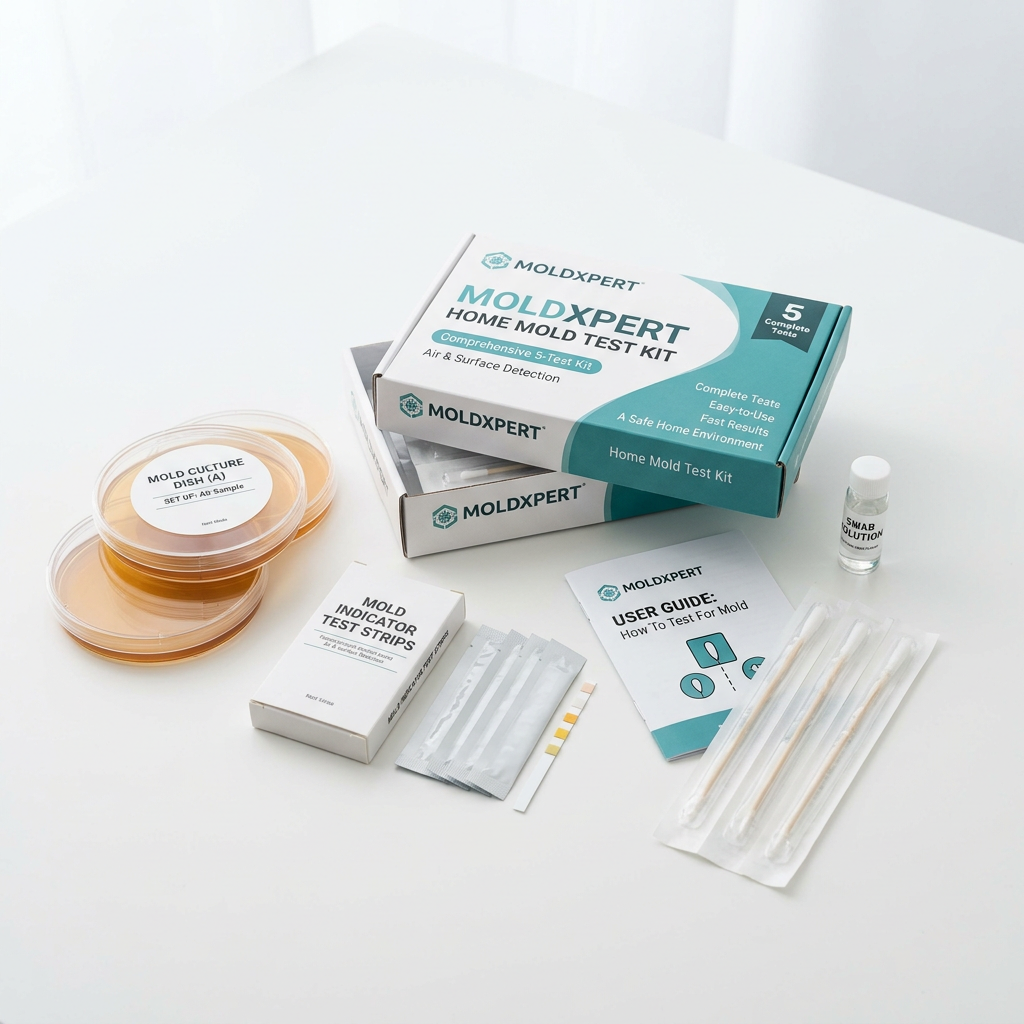
For small mold areas (under 10 square feet), DIY removal can save you $1,000-$3,000. You’ll need a N95 respirator, mold remover spray, and a moisture meter to verify the area is dry after treatment. For a basic DIY assessment, start with a home mold test kit.
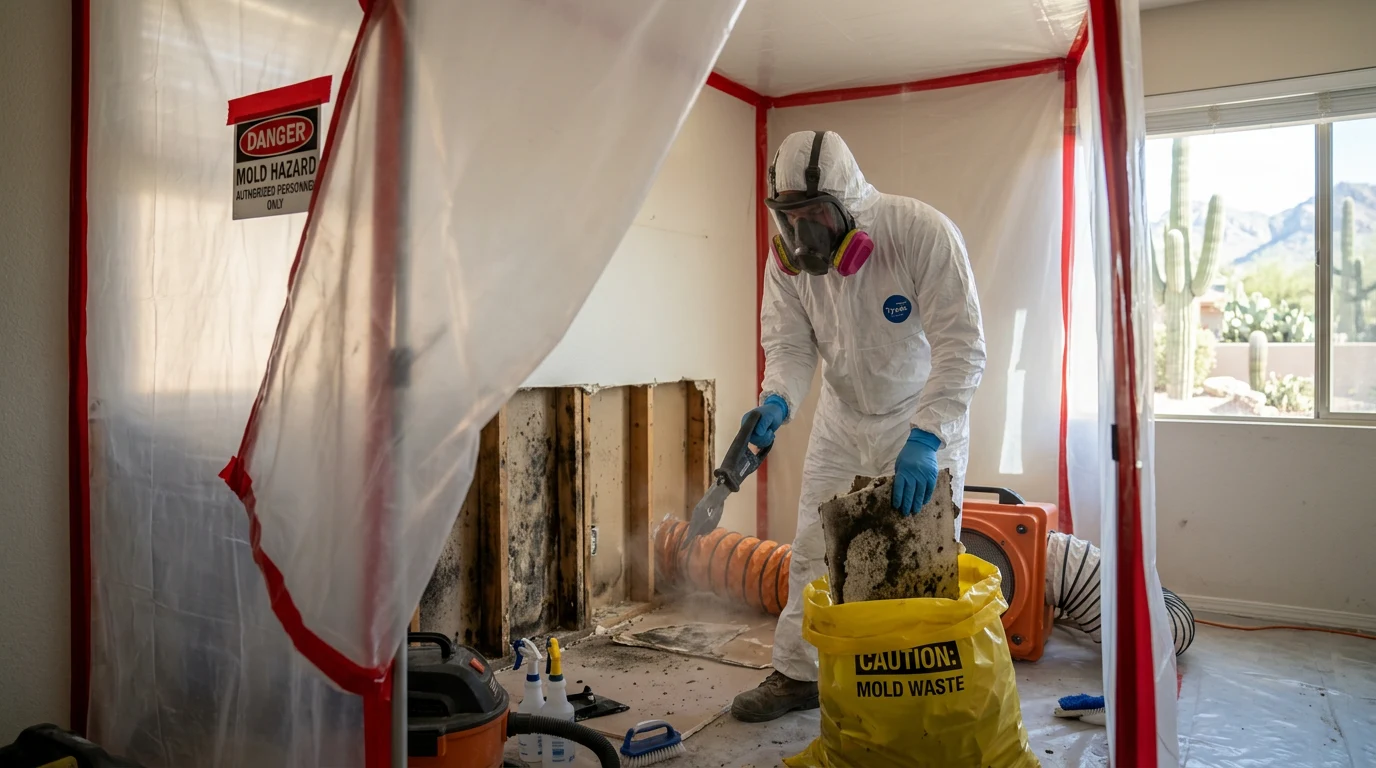
Hire a professional in Tucson when the affected area is larger than 10 square feet, mold is in your HVAC system, you suspect mold behind walls, or anyone in the household has respiratory health issues. Use our complete DIY mold removal guide for small projects and our guide on when to test for mold to determine if you need professional help.
How to Find a Reputable Mold Remediation Company in Tucson
- Verify licensing and insurance (check AZ requirements)
- Get at least 3 written estimates
- Ask for references from recent Tucson-area jobs
- Ensure they follow IICRC S520 mold remediation standards
- Use a different company for testing and remediation (avoids conflict of interest)
- Get a written scope of work before any work begins
Common Mold Questions in Tucson
Does monsoon season cause mold in Tucson?
Can mold grow in Tucson’s dry climate?
How does my Tucson swamp cooler affect mold risk?
Mold Removal Cost Breakdown by Room
The location of mold growth significantly impacts remediation costs in Tucson homes. Different rooms present unique challenges based on accessibility, moisture sources, and building materials commonly found in desert construction. Adobe and stucco homes with slab foundations have different cost considerations compared to traditional construction methods.
| Room/Area | Cost Range | Common Issues |
|---|---|---|
| Bathroom | $800 – $2,200 | Shower tiles, ventilation issues, swamp cooler moisture |
| Kitchen | $1,000 – $2,800 | Under-sink leaks, poor ventilation, adobe wall absorption |
| Basement/Crawl Space | $1,500 – $4,000 | Rare in Tucson due to slab foundations, but monsoon flooding |
| Attic | $1,200 – $3,500 | Roof leaks from monsoon storms, poor insulation |
| Living Areas | $1,000 – $3,000 | Wall cavities, HVAC systems, evaporative cooler issues |
| Whole House | $5,000 – $15,000+ | Comprehensive HVAC cleaning, multiple moisture sources |
Bathroom mold removal in Tucson typically costs less than national averages due to the low ambient humidity. However, homes with evaporative coolers may experience higher humidity levels that promote mold growth around bathroom fixtures. Kitchen remediation often involves adobe or stucco wall sections that can absorb moisture during monsoon season, requiring specialized drying techniques.
Most Tucson homes built on slab foundations eliminate traditional basement mold issues, but crawl space mold can still occur in older homes or those with poor drainage systems. Attic mold problems typically stem from roof leaks during intense monsoon storms, where flat roofs with inadequate drainage allow water pooling.
How Tucson’s Climate Affects Mold Growth and Costs
Tucson’s hot desert climate with 33% average humidity and only 11.6 inches of annual rainfall creates unique mold growth patterns that directly impact remediation costs. The semi-arid environment naturally inhibits mold growth for most of the year, keeping overall remediation costs lower than humid climates. However, the intense monsoon season from July through September can create rapid mold growth conditions that require immediate attention.
During monsoon season, outdoor humidity can spike to 60-80% during storms, while indoor humidity in homes with evaporative coolers can reach 50-60%. These sudden moisture increases can overwhelm Tucson’s traditional adobe and stucco construction, which naturally absorbs and releases moisture. When combined with poor ventilation, these conditions create perfect environments for rapid mold growth.
The desert climate also affects remediation costs through material considerations. Adobe walls require specialized drying techniques and longer remediation timelines compared to standard drywall construction. The extreme temperature variations between day and night can cause building materials to expand and contract, creating new moisture entry points that must be sealed during remediation.
Tucson’s low rainfall means that when water intrusion does occur, building materials and residents are less prepared for rapid moisture management. Preventing mold after water damage becomes critical during the brief but intense monsoon period. The dry climate also means that mold spores can remain dormant for extended periods, only becoming active when moisture conditions improve, making regular mold testing important even in this low-risk environment.
Seasonal Considerations for Mold Removal in Tucson
Mold remediation timing in Tucson follows distinct seasonal patterns due to the desert climate and monsoon weather system. The optimal time for mold remediation occurs during the dry months from October through June, when humidity levels remain consistently low and outdoor temperatures are manageable for extensive indoor work.
Monsoon season (July-September) presents the highest risk period for mold growth, as sudden storm systems can dump 2-3 inches of rain in hours. During this period, emergency mold remediation services may charge 15-25% premiums due to high demand and challenging working conditions. Scheduling preventive inspections in June allows homeowners to address potential moisture problems before the monsoon season begins.
Post-monsoon remediation in October typically offers the best pricing and contractor availability. The dry fall and winter months provide ideal conditions for thorough moisture removal and proper curing of building materials. Many Tucson remediation companies offer seasonal discounts during slower winter months, potentially saving homeowners 10-20% on standard pricing.
Spring scheduling (March-May) allows homeowners to complete remediation before summer heat makes indoor work more challenging and expensive. HVAC systems receive heavy use during hot months, so addressing any mold issues in ductwork before peak cooling season ensures better indoor air quality and system efficiency.
What to Expect During Professional Mold Remediation
Professional mold remediation in Tucson follows established protocols that account for the unique desert climate and local construction methods. The process typically begins with a comprehensive inspection using moisture meters to identify all affected areas, including hidden moisture in adobe walls that may not be immediately visible.
Containment setup involves sealing affected areas with plastic sheeting and establishing negative air pressure using HEPA filtration systems. In Tucson’s dry climate, this process may take longer than in humid environments because building materials release moisture slowly. Remediation teams will establish proper ventilation while avoiding contamination of HVAC systems, particularly important for homes using evaporative cooling.
The actual removal process varies by affected materials. Porous materials like drywall, insulation, and carpeting are typically removed and disposed of safely. Semi-porous materials such as concrete and adobe may be cleaned using specialized techniques including HEPA vacuuming, antimicrobial treatments, and controlled drying. Non-porous surfaces are cleaned and disinfected following EPA mold cleanup guidelines.
The timeline for professional remediation typically ranges from 3-7 days for standard projects, with larger or more complex cases taking 1-2 weeks. Post-remediation verification includes air quality testing and moisture readings to ensure successful completion. Homeowners should expect to relocate during active remediation and plan for temporary housing if whole-house treatment is necessary. Final clearance testing ensures the home meets safe air quality standards before reoccupation.
DIY vs Professional Mold Removal in Tucson
DIY mold removal in Tucson can be effective for small areas under 10 square feet, particularly given the desert climate’s natural mold-inhibiting properties. Homeowners can safely handle surface mold on non-porous materials like tile, glass, or painted surfaces using commercial mold remover sprays and proper protective equipment including N95 respirators and gloves.
The cost difference between DIY and professional remediation in Tucson ranges from $500-2,000 for small projects. DIY supplies including cleaning solutions, protective gear, and disposal materials typically cost $50-150, while professional services for the same area range from $800-1,500. However, DIY projects require significant time investment and carry risks if mold extends beyond visible areas or involves electrical systems.
Professional remediation becomes necessary when mold affects more than 10 square feet, involves HVAC systems, or occurs in hard-to-reach areas like wall cavities. Tucson’s adobe and stucco construction often requires specialized knowledge to properly dry and treat affected materials without causing structural damage. Professional services also include proper disposal of contaminated materials and post-remediation testing to verify successful treatment.
Safety considerations are particularly important for Tucson homeowners with respiratory conditions, as desert dust combined with mold spores can create serious health risks. Professional remediation teams have specialized equipment including industrial-grade HEPA air purifiers and containment systems that prevent cross-contamination. Consulting our DIY mold removal guide can help homeowners determine whether professional assistance is necessary for their specific situation.
Insurance Coverage for Mold Removal in AZ
Arizona homeowner’s insurance policies typically provide limited mold coverage, with most insurers covering mold damage only when it results from a covered peril such as burst pipes, appliance leaks, or storm damage. Mold growth from maintenance neglect, humidity issues, or gradual moisture problems is generally excluded from standard policies. Arizona’s dry climate means many policies assume lower mold risk, potentially affecting coverage limits.
Tucson homeowners should review their policies for specific mold coverage limits, which typically range from $1,000-10,000 per incident. Some insurers offer additional mold endorsements for $25-100 annually that can increase coverage limits to $25,000 or more. Given Tucson’s monsoon season risks, this additional coverage may be worthwhile for homes with flat roofs or poor drainage systems.
Filing successful mold claims requires prompt reporting and documentation of the initial water damage event. Insurance companies typically require professional assessment and may specify approved remediation contractors. Homeowners should photograph damage immediately, maintain records of the moisture source, and avoid extensive cleanup before the adjuster’s inspection. Claims for monsoon-related flooding may be excluded unless specific flood insurance is in place.
Arizona’s landlord-tenant laws under A.R.S. § 33-1324 require landlords to address mold issues that affect habitability, but tenant insurance typically excludes mold coverage. Renters should document mold issues immediately and notify landlords in writing to establish timeline requirements for remediation. Understanding policy exclusions and coverage limits helps Tucson residents prepare for potential mold remediation costs and make informed decisions about additional coverage options.
Frequently Asked Questions
How much does mold removal cost in Tucson?
The average mold remediation cost in Tucson, AZ ranges from $800 – $2,500 depending on the size of the affected area, type of mold, and accessibility. Small bathroom mold removal may cost $500-$1,000, while whole-house remediation can exceed $10,000.
How much does a mold inspection cost in Tucson?
A professional mold inspection in Tucson, AZ typically costs $200 – $400. This usually includes a visual assessment, moisture readings, and may include air or surface sampling.
Does homeowner’s insurance cover mold removal in AZ?
Most homeowner’s insurance policies in AZ cover mold damage if it results from a covered peril (like a burst pipe). Mold from maintenance neglect, flooding, or humidity is typically not covered. Check your specific policy.
Can I remove mold myself in Tucson?
For small areas (under 10 square feet), DIY removal is feasible with proper PPE. For larger areas or if you have health concerns, hire a professional mold remediation company in Tucson, AZ. AZ may require licensed professionals for certain projects.
Does monsoon season cause mold in Tucson?
Yes, monsoon season (July-September) is the primary time when mold problems develop in Tucson. Intense storms can dump 2-3 inches of rain in hours, overwhelming drainage systems and creating moisture conditions that promote rapid mold growth, especially in adobe and stucco construction.
Can mold grow in Tucson’s dry climate?
While Tucson’s 33% average humidity naturally limits mold growth, it can still occur when moisture sources are present. Evaporative coolers, plumbing leaks, monsoon storms, and poor ventilation can create localized humidity conditions that support mold growth even in the desert climate.
How does my Tucson swamp cooler affect mold risk?
Evaporative coolers (swamp coolers) increase indoor humidity levels and can promote mold growth if not properly maintained. Regular cleaning, pad replacement, and ensuring adequate ventilation are essential. Mold commonly develops in the cooling unit itself or in areas with poor air circulation.
When is the best time to schedule mold remediation in Tucson?
The optimal time for mold remediation in Tucson is October through June, when humidity is consistently low and temperatures are moderate. Post-monsoon scheduling (October) often provides the best contractor availability and pricing, while avoiding the challenging conditions of summer heat and monsoon storms.
What should I do if I find mold after a monsoon storm?
Act quickly by documenting the damage with photos, stopping the moisture source if possible, and contacting a professional for areas larger than 10 square feet. Use a mold test kit to assess air quality and avoid disturbing visible mold growth until professional help arrives.
Are there licensed mold remediation requirements in Arizona?
Arizona has no specific mold remediation licensing requirements, but contractors should follow IICRC S520 standards and maintain proper business licenses and insurance. Look for certifications from recognized organizations and always verify insurance coverage before hiring any remediation company in Tucson.