Mold Removal Cost in St. Louis, MO: 2026 Pricing Guide
If you’re dealing with mold in your St. Louis, MO home, understanding the costs involved is the first step toward getting it resolved. St. Louis, MO has a moderate-high mold risk rating due to its humid continental/subtropical transition climate, 68% average humidity, and 42.2 inches of annual rainfall. This guide breaks down exactly what mold removal costs in St. Louis, what factors affect pricing, and whether you should DIY or hire a professional.
Our reviews are based on aggregated verified buyer feedback, manufacturer specifications, ingredient analysis, and published expert opinion. Products are not independently purchased or tested by our team. We may earn a commission if you purchase through our links, at no extra cost to you. How We Review
St. Louis at a Glance: Mold Risk Profile
| Factor | Detail |
|---|---|
| Population | 293,310 (metro: 2,820,253) |
| Average Home Price | $195,000 |
| Climate Zone | Humid continental/subtropical transition |
| Average Humidity | 68% |
| Annual Rainfall | 42.2 inches |
| Mold Risk Rating | Moderate-High |
| Common Housing Types | Brick homes, older multi-family buildings, many with stone basements |
Average Mold Removal Costs in St. Louis
| Service | Cost Range |
|---|---|
| Mold Inspection | $250 – $500 |
| Small Area Remediation (under 10 sq ft) | $500 – $1,500 |
| Standard Remediation | $1,200 – $4,000 |
| Whole-House Remediation | $5,000 – $15,000+ |
| Post-Remediation Air Testing | $200 – $400 |
Why Mold Is a Concern in St. Louis
Mississippi River proximity, humid summers, many older brick homes with deteriorating mortar, combined sewer system causes basement flooding, vacant properties affect neighbors
Local insight: St. Louis sits at the confluence of the Missouri and Mississippi Rivers, and the metro area experienced the ‘Great Flood’ of 1993, one of the worst floods in US history, which left lasting moisture issues in thousands of homes.
St. Louis Housing and Mold: What to Know
St. Louis brick homes built before 1950 often have lime mortar that erodes over time. Repointing with modern Portland cement mortar can trap moisture inside the brick. Use lime-based mortar for repairs.
Factors That Affect Mold Removal Cost in St. Louis
- Size of affected area: Small bathroom mold vs. entire basement requires different approaches and costs
- Type of mold: Common mold is straightforward; suspected toxic mold (Stachybotrys) requires additional testing and containment
- Location: Accessible areas cost less than mold in crawl spaces, attics, or inside walls
- Cause of moisture: Fixing the underlying moisture issue (plumbing leak, drainage, humidity) adds to total cost
- Materials affected: Drywall replacement costs more than surface cleaning of tile or concrete
- Licensing requirements: Missouri has no specific mold statute. Missouri Landlord-Tenant Act (RSMO 441.234) covers habitability. St. Louis City has additional building code enforcement.
DIY vs. Professional Mold Removal in St. Louis
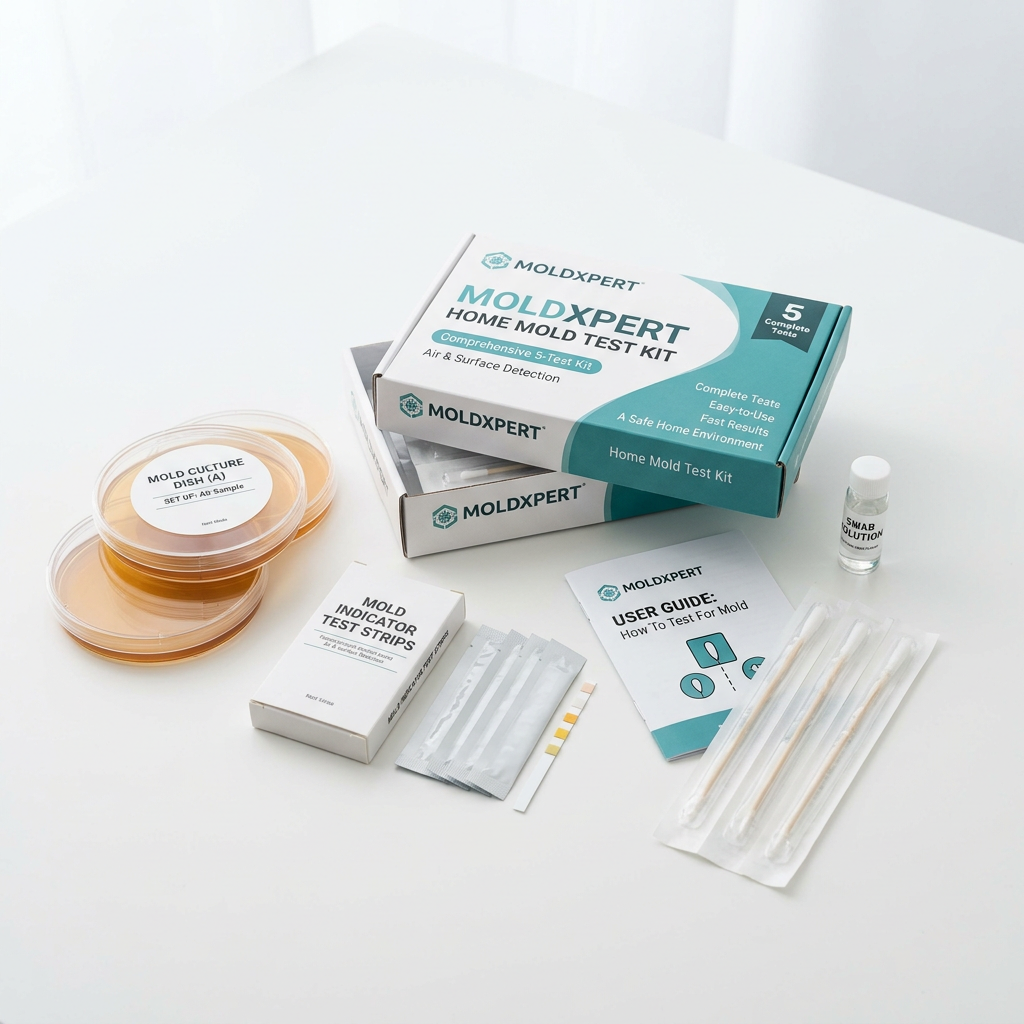
For small mold areas (under 10 square feet), DIY removal can save you $1,000-$3,000. You’ll need a N95 respirator, mold remover spray, and a moisture meter to verify the area is dry after treatment. For a basic DIY assessment, start with a home mold test kit.
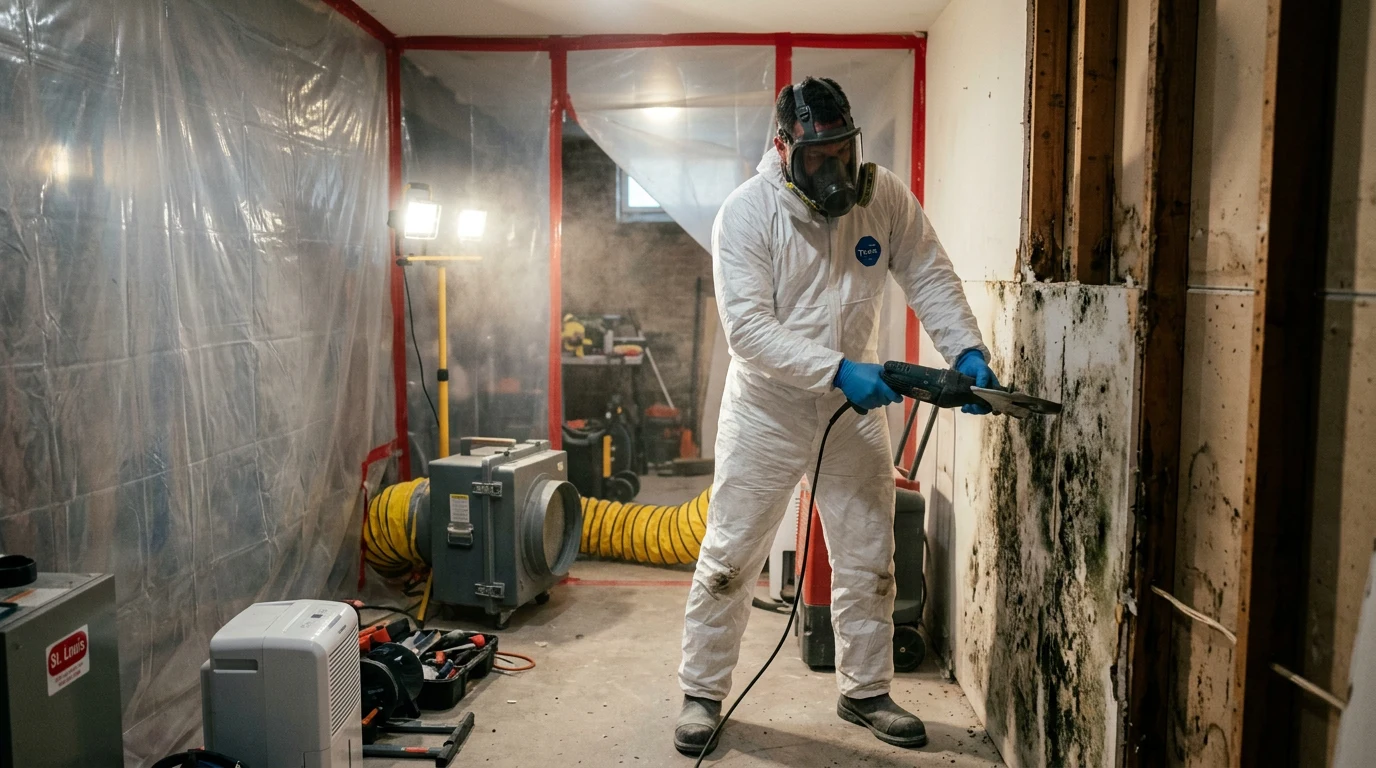
Hire a professional in St. Louis when the affected area is larger than 10 square feet, mold is in your HVAC system, you suspect mold behind walls, or anyone in the household has respiratory health issues. Use our complete DIY mold removal guide for small projects and our guide on when to test for mold to determine if you need professional help.
How to Find a Reputable Mold Remediation Company in St. Louis
- Verify licensing and insurance (check MO requirements)
- Get at least 3 written estimates
- Ask for references from recent St. Louis-area jobs
- Ensure they follow IICRC S520 mold remediation standards
- Use a different company for testing and remediation (avoids conflict of interest)
- Get a written scope of work before any work begins
Common Mold Questions in St. Louis
How does the Mississippi River affect mold in St. Louis?
Is mold common in St. Louis brick homes?
What should I do about mold in my St. Louis basement?
Mold Removal Cost Breakdown by Room
Understanding mold removal costs by room type helps St. Louis homeowners budget more effectively. Different rooms present unique challenges that affect pricing, from accessibility to typical moisture sources. Here’s what homeowners can expect to pay for mold remediation in various areas of their home.
| Room Type | Typical Size Range | Cost Range | Common Issues |
|---|---|---|---|
| Bathroom | 10-50 sq ft | $500 – $2,000 | Shower/tub areas, poor ventilation |
| Kitchen | 20-100 sq ft | $800 – $3,500 | Under sink, dishwasher leaks |
| Basement/Crawl Space | 100-800 sq ft | $1,500 – $8,000 | Foundation moisture, flooding history |
| Attic | 50-300 sq ft | $1,000 – $4,000 | Roof leaks, poor ventilation |
| Whole House | 1,000+ sq ft | $5,000 – $20,000+ | HVAC contamination, widespread moisture |
Bathrooms often require mold removal behind tiles and in shower enclosures, where moisture consistently accumulates. Kitchen remediation frequently involves removing cabinets to access areas under sinks where plumbing leaks create ideal mold conditions. Basement and crawl space mold presents the biggest challenge in St. Louis due to stone foundations and the city’s history of flooding. These areas may require structural drying, foundation sealing, and extensive containment procedures.
Attic mold removal costs vary significantly based on accessibility and insulation type. Many St. Louis homes have blown-in insulation that must be removed and replaced during remediation. Whole-house remediation becomes necessary when mold spreads through HVAC systems or when multiple moisture events affect various areas simultaneously.
How St. Louis’s Climate Affects Mold Growth and Costs
St. Louis’s humid continental/subtropical transition climate creates optimal conditions for mold growth, directly impacting remediation costs throughout the year. The city’s 68% average humidity level consistently exceeds the 60% threshold where mold thrives, while the 42.2 inches of annual rainfall provides additional moisture sources that penetrate building envelopes.
Summer humidity regularly reaches 80-90%, causing condensation issues in poorly ventilated spaces like basements and attics. This persistent moisture means mold problems often become extensive before detection, increasing remediation costs. The city’s location at the confluence of two major rivers creates additional atmospheric moisture that affects indoor humidity levels even with proper HVAC systems.
Winter freeze-thaw cycles common in St. Louis cause expansion and contraction in building materials, creating entry points for moisture. Ice dams on older homes with inadequate insulation lead to water infiltration that may not be discovered until spring, when warmer temperatures activate mold growth. These delayed discoveries typically result in higher remediation costs due to extended exposure time.
The climate also affects drying times during remediation. High humidity periods require additional dehumidification equipment and longer drying cycles, increasing labor and equipment rental costs. Professional remediation companies in St. Louis often charge 10-15% more during peak humidity months (June through September) due to extended project timelines and increased equipment needs.
Seasonal Considerations for Mold Removal in St. Louis
Mold discovery and remediation patterns in St. Louis follow distinct seasonal trends that affect both availability and pricing. Spring typically brings the highest number of mold discoveries as homeowners inspect basements and attics after winter moisture issues. The melting snow and spring rains often reveal water damage that occurred during winter months, leading to increased demand for remediation services.
Summer represents the peak season for active mold growth due to high humidity and frequent thunderstorms. However, this is also when remediation work faces the greatest challenges. Extended drying times due to ambient humidity can add 2-3 days to project timelines, and cooling costs for containment areas increase overall project expenses. Many remediation companies implement seasonal pricing during June through August, with costs typically 10-20% higher than off-season rates.
Fall offers optimal conditions for mold remediation work in St. Louis. Lower humidity levels allow for faster drying, and mild temperatures reduce heating and cooling costs for containment areas. Many homeowners schedule remediation during September and October to prepare homes for winter, making this a busy but efficient season for contractors.
Winter remediation presents unique challenges but often the best pricing. While heating containment areas increases costs slightly, the low humidity accelerates drying processes. Many companies offer 10-15% discounts during January through March due to reduced demand. However, emergency remediation from burst pipes or ice dam damage may carry premium pricing due to urgency and limited contractor availability.
What to Expect During Professional Mold Remediation
Professional mold remediation in St. Louis follows established protocols designed to safely remove mold while preventing cross-contamination. The process begins with a comprehensive assessment where technicians identify all affected areas, moisture sources, and develop a remediation plan. This initial phase typically takes 2-4 hours and includes moisture mapping and documentation photography.
Containment setup follows IICRC standards and involves sealing affected areas with plastic sheeting and creating negative air pressure using HEPA filtration units. In St. Louis homes with forced-air heating systems, HVAC shutdown and ductwork sealing prevents spore distribution throughout the house. This containment phase usually takes 3-6 hours depending on area size and complexity.
The removal phase involves physically removing contaminated materials like drywall, insulation, or carpeting that cannot be effectively cleaned. Salvageable surfaces undergo HEPA vacuuming and antimicrobial treatment. St. Louis’s older brick homes often require specialized techniques for cleaning masonry surfaces without damaging historic mortar. This phase typically requires 1-3 days for standard residential projects.
Final cleaning and verification include HEPA vacuuming all surfaces, air scrubbing, and post-remediation testing to confirm successful mold removal. Homeowners should expect the entire process to take 3-7 days for typical projects, with larger or complex jobs requiring additional time. Most reputable companies provide daily progress updates and maintain detailed documentation throughout the process.
Insurance Coverage for Mold Removal in MO
Missouri homeowner’s insurance policies vary significantly in mold coverage, with most standard policies providing limited protection. Typically, insurers cover mold damage that results directly from a covered peril, such as a burst pipe or storm damage, but exclude mold from maintenance neglect, flooding, or ongoing humidity issues. The key distinction lies in whether the mold resulted from a sudden, accidental water loss versus gradual moisture accumulation.
Most Missouri policies include mold coverage caps ranging from $10,000 to $50,000, which may not cover extensive remediation in larger homes. Some insurers offer additional mold endorsements for $50-200 annually that increase coverage limits and expand covered scenarios. Given St. Louis’s flood history, many policies specifically exclude flood-related mold damage, requiring separate flood insurance through NFIP.
When filing a mold claim in Missouri, homeowners must document the initial water source and demonstrate prompt action to mitigate damage. Insurance companies typically require professional assessment and may send independent adjusters to verify coverage applicability. The claims process often takes 30-60 days, during which continued mold growth can worsen the situation and potentially void coverage if not properly managed.
St. Louis homeowners should review their policy annually and consider additional mold coverage if their home has risk factors like basement moisture, previous flooding, or aging plumbing systems. Maintaining detailed maintenance records and addressing moisture issues promptly helps support insurance claims and may prevent coverage denials due to perceived neglect.
Frequently Asked Questions
How much does mold removal cost in St. Louis?
The average mold remediation cost in St. Louis, MO ranges from $1,200 – $4,000 depending on the size of the affected area, type of mold, and accessibility. Small bathroom mold removal may cost $500-$1,000, while whole-house remediation can exceed $10,000.
How much does a mold inspection cost in St. Louis?
A professional mold inspection in St. Louis, MO typically costs $250 – $500. This usually includes a visual assessment, moisture readings, and may include air or surface sampling.
Does homeowner’s insurance cover mold removal in MO?
Most homeowner’s insurance policies in MO cover mold damage if it results from a covered peril (like a burst pipe). Mold from maintenance neglect, flooding, or humidity is typically not covered. Check your specific policy.
Can I remove mold myself in St. Louis?
For small areas (under 10 square feet), DIY removal is feasible with proper PPE. For larger areas or if you have health concerns, hire a professional mold remediation company in St. Louis, MO. MO may require licensed professionals for certain projects.
How does the Mississippi River affect mold in St. Louis homes?
The Mississippi River’s proximity increases ambient humidity levels throughout St. Louis, creating conditions that promote mold growth. The river system also contributes to groundwater levels that affect basement moisture, and historic flooding events like 1993’s Great Flood created lasting moisture issues in thousands of homes that still impact mold remediation costs today.
Is mold more common in St. Louis brick homes?
Yes, St. Louis’s older brick homes are particularly susceptible to mold due to deteriorating lime mortar that allows moisture penetration. Homes built before 1950 often have repointing issues where modern Portland cement mortar traps moisture inside brick walls. Using a moisture meter can help detect these issues before mold develops.
What should I do about mold in my St. Louis basement?
Basement mold in St. Louis requires immediate attention due to the city’s flooding history and high groundwater levels. Start with a professional mold test to identify the extent of contamination, address moisture sources like foundation leaks or poor drainage, and consider professional remediation for areas larger than 10 square feet.
How long does mold remediation take in St. Louis?
Typical mold remediation projects in St. Louis take 3-7 days, though the city’s high humidity can extend drying times. Small bathroom projects may complete in 1-2 days, while basement remediation in older homes can take 5-10 days due to stone foundations and accessibility challenges. Summer projects often take 1-2 days longer due to ambient humidity.
Do I need a permit for mold remediation in St. Louis?
Missouri has no specific mold licensing requirements, but St. Louis City building codes may require permits for extensive remediation involving structural modifications. Contact the St. Louis Building Division for projects involving electrical work, plumbing changes, or structural repairs. Most surface mold remediation does not require permits.
What’s the best time of year for mold remediation in St. Louis?
Fall (September-November) offers optimal conditions for mold remediation in St. Louis due to lower humidity levels that accelerate drying times and reduce project duration. Winter provides the best pricing with 10-15% discounts, while summer remediation faces extended timelines and higher costs due to humidity. Spring often has the highest demand following winter moisture discoveries.