Mold Removal Cost in Savannah, GA: 2026 Pricing Guide
If you’re dealing with mold in your Savannah, GA home, understanding the costs involved is the first step toward getting it resolved. Savannah, GA has a high mold risk rating due to its humid subtropical climate, 74% average humidity, and 49.6 inches of annual rainfall. This guide breaks down exactly what mold removal costs in Savannah, what factors affect pricing, and whether you should DIY or hire a professional.
Our reviews are based on aggregated verified buyer feedback, manufacturer specifications, ingredient analysis, and published expert opinion. Products are not independently purchased or tested by our team. We may earn a commission if you purchase through our links, at no extra cost to you. How We Review
Savannah at a Glance: Mold Risk Profile
| Factor | Detail |
|---|---|
| Population | 147,780 (metro: 404,798) |
| Average Home Price | $310,000 |
| Climate Zone | Humid subtropical |
| Average Humidity | 74% |
| Annual Rainfall | 49.6 inches |
| Mold Risk Rating | High |
| Common Housing Types | Historic townhomes, antebellum mansions, many with crawl spaces and raised foundations |
Average Mold Removal Costs in Savannah
| Service | Cost Range |
|---|---|
| Mold Inspection | $300 – $600 |
| Small Area Remediation (under 10 sq ft) | $500 – $1,500 |
| Standard Remediation | $1,800 – $5,500 |
| Whole-House Remediation | $5,000 – $15,000+ |
| Post-Remediation Air Testing | $200 – $400 |
Why Mold Is Common in Savannah
Extreme coastal humidity, Savannah River proximity, many preserved historic buildings with limited modern HVAC, Spanish moss indicates ambient moisture, high water table
Local insight: Savannah’s famous Spanish moss draped on live oaks is actually an air plant (Tillandsia usneoides) that thrives in humidity above 70%. Its presence indicates the ambient moisture levels that make mold ubiquitous in the area.
Savannah Housing and Mold: What to Know
In Savannah’s Historic District, many homes have been divided into apartments with insufficient HVAC for each unit. Check window air conditioner drip pans and wall penetrations for moisture intrusion.
Factors That Affect Mold Removal Cost in Savannah
- Size of affected area: Small bathroom mold vs. entire basement requires different approaches and costs
- Type of mold: Common mold is straightforward; suspected toxic mold (Stachybotrys) requires additional testing and containment
- Location: Accessible areas cost less than mold in crawl spaces, attics, or inside walls
- Cause of moisture: Fixing the underlying moisture issue (plumbing leak, drainage, humidity) adds to total cost
- Materials affected: Drywall replacement costs more than surface cleaning of tile or concrete
- Licensing requirements: Georgia has no specific mold statute. O.C.G.A. § 44-7-13 covers landlord repair obligations.
DIY vs. Professional Mold Removal in Savannah
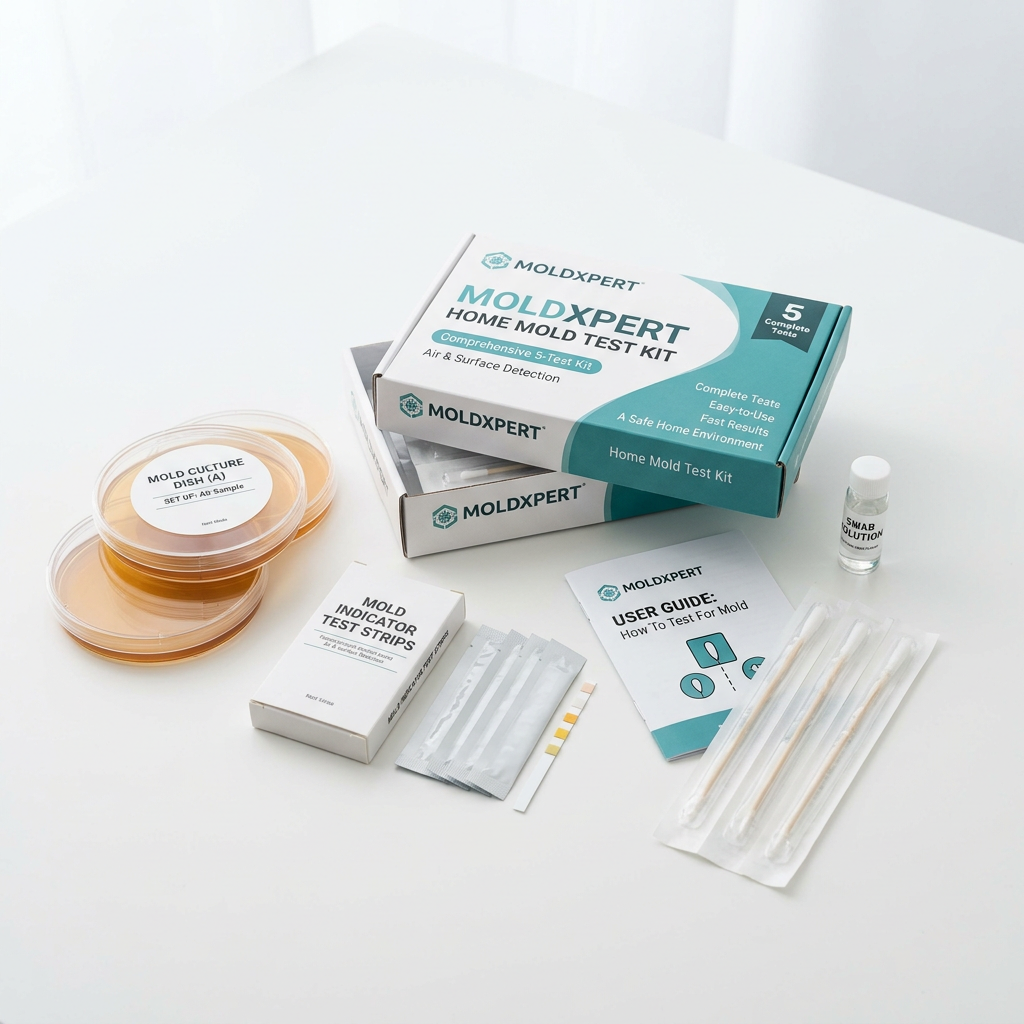
For small mold areas (under 10 square feet), DIY removal can save you $1,000-$3,000. You’ll need a N95 respirator, mold remover spray, and a moisture meter to verify the area is dry after treatment. For a basic DIY assessment, start with a home mold test kit.
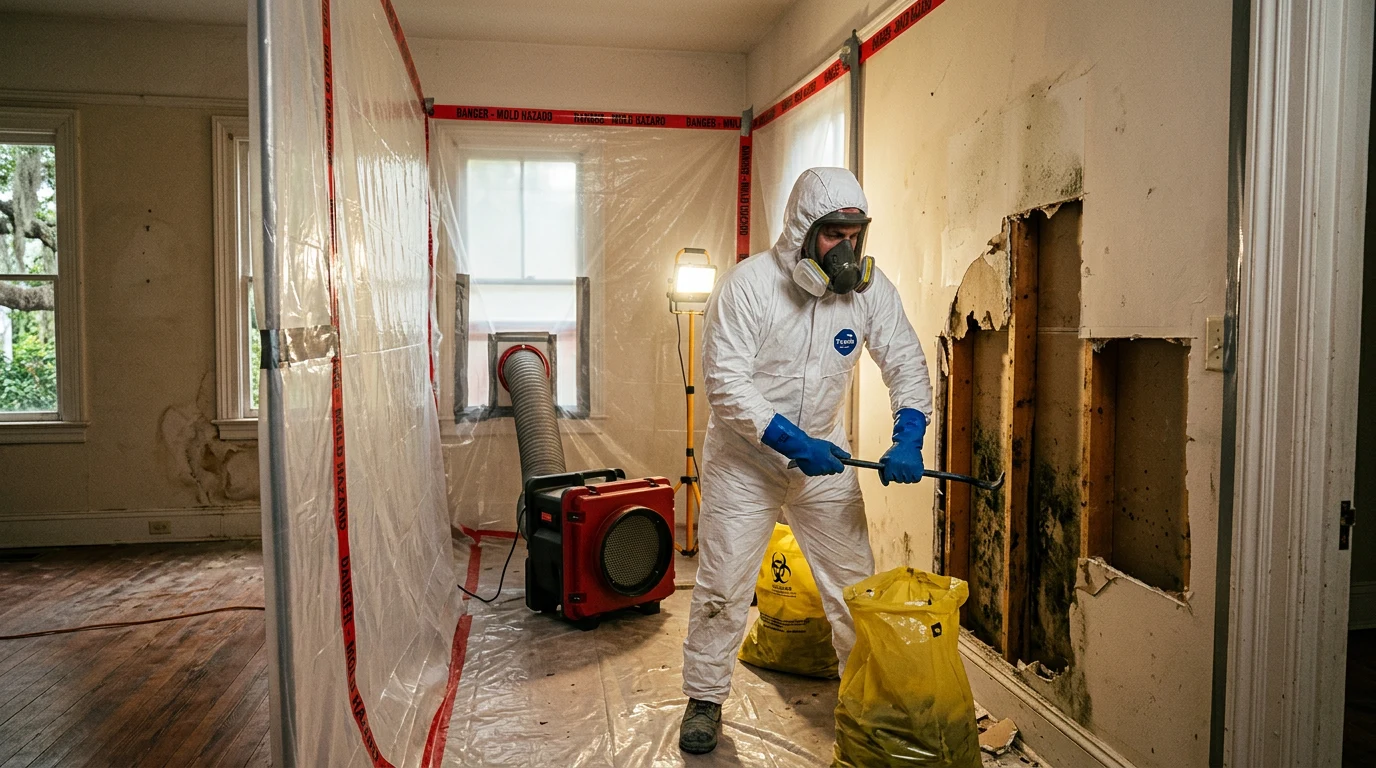
Hire a professional in Savannah when the affected area is larger than 10 square feet, mold is in your HVAC system, you suspect mold behind walls, or anyone in the household has respiratory health issues. Use our complete DIY mold removal guide for small projects and our guide on when to test for mold to determine if you need professional help.
How to Find a Reputable Mold Remediation Company in Savannah
- Verify licensing and insurance (check GA requirements)
- Get at least 3 written estimates
- Ask for references from recent Savannah-area jobs
- Ensure they follow IICRC S520 mold remediation standards
- Use a different company for testing and remediation (avoids conflict of interest)
- Get a written scope of work before any work begins
Common Mold Questions in Savannah
Why is mold so prevalent in Savannah?
How do I dehumidify a Savannah historic home?
Is mold an issue in Savannah rental apartments?
Mold Removal Cost Breakdown by Room
Different rooms in Savannah homes present unique challenges for mold remediation, affecting costs significantly. Bathrooms typically experience the highest humidity levels and present ongoing moisture issues that require both remediation and preventive measures. Kitchens face similar challenges with cooking moisture and potential plumbing leaks near appliances.
| Room/Area | Typical Cost Range | Common Issues |
|---|---|---|
| Bathroom | $800 – $2,500 | Shower tiles, behind vanity, ventilation issues |
| Kitchen | $1,000 – $3,000 | Under sink, behind appliances, poor ventilation |
| Basement/Crawl Space | $2,000 – $8,000 | Foundation moisture, poor ventilation, flooding |
| Attic | $1,500 – $4,500 | Roof leaks, insulation contamination, ventilation |
| Living Areas | $1,200 – $4,000 | Window leaks, HVAC issues, humidity |
| Whole House | $8,000 – $25,000+ | Systematic moisture problems, HVAC contamination |
In Savannah’s historic homes, crawl space mold remediation often costs more due to limited access and the need for moisture barriers. Many antebellum mansions have elevated foundations that trap moisture, requiring specialized equipment and techniques. Professional remediation companies often need to install vapor barriers and improve ventilation systems, adding $1,500-$3,000 to the base remediation cost.
Attic mold removal in Savannah homes frequently involves replacing contaminated insulation and addressing roof leaks common in older structures. The high humidity means mold can spread rapidly through porous materials, requiring more extensive removal and replacement. Homeowners should budget an additional 20-30% for historic homes due to accessibility challenges and the need to preserve architectural integrity while addressing moisture issues.
How Savannah’s Climate Affects Mold Growth and Costs
Savannah’s humid subtropical climate creates ideal conditions for mold growth year-round, with average humidity levels of 74% significantly exceeding the 60% threshold where mold thrives. The city receives 49.6 inches of annual rainfall, concentrated heavily during summer months when temperatures and humidity peak simultaneously. This combination creates persistent moisture conditions that drive both the frequency and severity of mold problems in local homes.
The coastal location near the Savannah River adds an additional moisture burden through ground saturation and elevated water tables. Many Savannah homes experience higher baseline humidity levels simply due to proximity to water sources, requiring more aggressive moisture control measures. Professional remediation companies often need to install HEPA air purifiers and commercial-grade dehumidification systems, adding $800-$2,000 to typical remediation costs.
The climate also affects material selection during remediation. Standard building materials may not perform adequately in Savannah’s moisture-rich environment, requiring upgraded moisture-resistant products. Remediation companies increasingly recommend mold-resistant drywall, antimicrobial treatments, and enhanced ventilation systems. These climate-specific upgrades typically add 15-25% to base remediation costs but provide better long-term protection against recurring mold issues.
Seasonal Considerations for Mold Removal in Savannah
Mold growth peaks in Savannah during summer months (June through September) when humidity regularly exceeds 80% and temperatures remain consistently warm. Hurricane season brings additional moisture challenges through storm-related flooding and wind-driven rain infiltration. Many homeowners discover mold problems in late summer when air conditioning systems struggle to control indoor humidity levels in older homes with inadequate insulation.
The optimal time for mold remediation in Savannah is during fall and winter months (November through March) when lower humidity levels facilitate faster drying and reduce recontamination risk. Professional companies often offer better scheduling availability and slightly lower rates during these slower months. However, emergency remediation following water damage should proceed immediately regardless of season to prevent extensive mold colonization.
Spring presents unique challenges with increased rainfall and rapid temperature fluctuations that create condensation issues in poorly ventilated spaces. Homeowners planning preventive measures should schedule mold testing and minor remediation work during winter months. Companies typically experience 30-40% higher demand during summer months, potentially extending project timelines and increasing costs due to emergency surcharges.
What to Expect During Professional Mold Remediation
Professional mold remediation in Savannah follows IICRC S520 standards with specific adaptations for local climate conditions. The process begins with containment setup using plastic sheeting and negative air pressure to prevent spore spread to unaffected areas. Remediation specialists establish staging areas for equipment and debris removal, typically requiring homeowner cooperation for furniture relocation and utility access.
The actual remediation involves HEPA filtration, antimicrobial treatment, and material removal as necessary. In Savannah’s humid environment, professionals often extend drying periods beyond standard timelines to ensure complete moisture elimination. Affected materials receive thorough cleaning or disposal, with porous materials like drywall and insulation frequently requiring replacement due to deep mold penetration facilitated by high ambient humidity.
Timeline expectations for Savannah projects typically range from 3-7 days for standard remediation, with larger projects extending 1-2 weeks. Post-remediation verification includes air quality testing and visual inspection before final clearance. Homeowners should plan for temporary displacement during active remediation and maintain alternative accommodations, especially for families with respiratory sensitivities. Professional companies provide detailed progress updates and coordinate with insurance adjusters when applicable.
DIY vs Professional Mold Removal in Savannah
DIY mold removal in Savannah proves effective for small areas under 10 square feet, potentially saving homeowners $1,500-$4,000 compared to professional services. Essential supplies include N95 respirators, mold remover sprays, and moisture meters to verify complete drying. Savannah’s high humidity requires extra attention to moisture control, often necessitating rental dehumidifiers costing $50-$100 weekly during treatment periods.
Professional remediation becomes necessary when mold affects areas larger than 10 square feet, appears in HVAC systems, or occurs behind walls where structural damage may exist. Savannah’s historic homes frequently require professional expertise due to unique architectural challenges and preservation requirements. Professional costs range from $1,800-$5,500 for standard projects, but include specialized equipment, proper containment, and post-remediation verification that DIY efforts cannot match.
Safety considerations favor professional remediation for households with respiratory conditions, elderly residents, or young children. Savannah’s coastal environment can harbor aggressive mold strains that release higher spore concentrations during disturbance. Professional companies maintain proper containment and use industrial-grade air purifiers to minimize exposure risks. For initial assessment, homeowners can start with a mold test kit to determine contamination levels before deciding between DIY or professional approaches.
Insurance Coverage for Mold Removal in GA
Georgia homeowner’s insurance policies typically cover mold remediation when resulting from covered perils such as burst pipes, storm damage, or appliance malfunctions. However, mold damage from maintenance neglect, long-term leaks, or flooding generally falls outside standard coverage. Many Savannah homeowners discover coverage limitations during claims, particularly for mold associated with humidity control failures or deferred maintenance issues common in historic properties.
Insurance companies increasingly require prompt reporting and immediate action to prevent mold growth following water damage events. Delays exceeding 48-72 hours may void coverage, making rapid response critical after incidents like roof leaks or plumbing failures. Successful claims typically require professional documentation, including moisture readings, photographic evidence, and detailed remediation proposals from licensed contractors following EPA guidelines.
Filing effective mold claims requires comprehensive documentation and adherence to insurer protocols. Homeowners should immediately notify insurers, document damage extensively, and obtain professional assessments before beginning remediation work. Many policies cap mold coverage at $10,000-$25,000, potentially insufficient for extensive remediation in larger Savannah homes. Homeowners may purchase additional mold endorsements for $100-$300 annually to increase coverage limits and broaden protection scope.
Frequently Asked Questions
How much does mold removal cost in Savannah?
The average mold remediation cost in Savannah, GA ranges from $1,800 – $5,500 depending on the size of the affected area, type of mold, and accessibility. Small bathroom mold removal may cost $500-$1,000, while whole-house remediation can exceed $10,000.
How much does a mold inspection cost in Savannah?
A professional mold inspection in Savannah, GA typically costs $300 – $600. This usually includes a visual assessment, moisture readings, and may include air or surface sampling.
Does homeowner’s insurance cover mold removal in GA?
Most homeowner’s insurance policies in GA cover mold damage if it results from a covered peril (like a burst pipe). Mold from maintenance neglect, flooding, or humidity is typically not covered. Check your specific policy.
Can I remove mold myself in Savannah?
For small areas (under 10 square feet), DIY removal is feasible with proper PPE. For larger areas or if you have health concerns, hire a professional mold remediation company in Savannah, GA. GA may require licensed professionals for certain projects.
Why is mold so common in historic Savannah homes?
Historic Savannah homes often lack modern moisture control systems, have aged building materials, and feature architectural elements that trap humidity. Combined with Savannah’s 74% average humidity and coastal location, these factors create ideal conditions for mold growth in older structures.
How long does mold remediation take in Savannah?
Standard mold remediation in Savannah takes 3-7 days for typical projects, with larger remediation extending 1-2 weeks. Savannah’s high humidity may require extended drying periods, potentially adding 1-2 days to standard timelines to ensure complete moisture elimination.
What types of mold are most common in Savannah homes?
Common mold types in Savannah include Aspergillus, Penicillium, and Cladosporium, which thrive in humid conditions. Stachybotrys (black mold) also occurs frequently in water-damaged areas. A professional mold test can identify specific species present in your home.
Do I need to leave my home during mold remediation?
Temporary relocation is recommended during active remediation, especially for households with respiratory conditions, children, or elderly residents. Professional companies use containment barriers, but sensitive individuals should avoid exposure to disturbed mold spores during the remediation process.
How can I prevent mold growth in my Savannah home?
Maintain indoor humidity below 60% using dehumidifiers, ensure proper ventilation in bathrooms and kitchens, fix water leaks promptly, and regularly inspect areas prone to moisture accumulation. Installing air quality monitors can help track humidity levels and prevent conditions favorable to mold growth.
What should I do immediately after discovering mold in my Savannah home?
Stop using the affected area, avoid disturbing the mold, document the damage with photographs, identify and stop the moisture source if possible, and contact a professional for assessment. For small areas, begin with a home mold test to determine the extent of contamination before planning remediation steps.