Mold Removal Cost in Salt Lake City, UT: 2026 Pricing Guide
If you’re dealing with mold in your Salt Lake City, UT home, understanding the costs involved is the first step toward getting it resolved. Salt Lake City, UT has a low-moderate mold risk rating due to its semi-arid continental climate, 48% average humidity, and 16.5 inches of annual rainfall. This guide breaks down exactly what mold removal costs in Salt Lake City, what factors affect pricing, and whether you should DIY or hire a professional.
Our reviews are based on aggregated verified buyer feedback, manufacturer specifications, ingredient analysis, and published expert opinion. Products are not independently purchased or tested by our team. We may earn a commission if you purchase through our links, at no extra cost to you. How We Review
Salt Lake City at a Glance: Mold Risk Profile
| Factor | Detail |
|---|---|
| Population | 200,133 (metro: 1,257,936) |
| Average Home Price | $530,000 |
| Climate Zone | Semi-arid continental |
| Average Humidity | 48% |
| Annual Rainfall | 16.5 inches |
| Mold Risk Rating | Low-Moderate |
| Common Housing Types | Older bungalows, newer subdivisions, many with basements, brick construction in older areas |
Average Mold Removal Costs in Salt Lake City
| Service | Cost Range |
|---|---|
| Mold Inspection | $250 – $500 |
| Small Area Remediation (under 10 sq ft) | $500 – $1,500 |
| Standard Remediation | $1,200 – $3,500 |
| Whole-House Remediation | $5,000 – $15,000+ |
| Post-Remediation Air Testing | $200 – $400 |
Why Mold Is a Concern in Salt Lake City
Generally dry but Great Salt Lake raises ambient humidity, spring snowmelt overwhelms drainage, finished basements trap moisture, inversion layer traps pollution and moisture in valley
Local insight: Salt Lake City’s winter inversions trap cold, moist air in the valley while warm air sits above. This creates weeks of foggy, humid conditions that increase indoor condensation in tightly sealed winter homes.
Salt Lake City Housing and Mold: What to Know
During Salt Lake City winter inversions, indoor humidity can spike as trapped moisture condenses on cold windows and walls. Use exhaust fans aggressively and consider a dehumidifier in finished basements during inversion events.
Factors That Affect Mold Removal Cost in Salt Lake City
- Size of affected area: Small bathroom mold vs. entire basement requires different approaches and costs
- Type of mold: Common mold is straightforward; suspected toxic mold (Stachybotrys) requires additional testing and containment
- Location: Accessible areas cost less than mold in crawl spaces, attics, or inside walls
- Cause of moisture: Fixing the underlying moisture issue (plumbing leak, drainage, humidity) adds to total cost
- Materials affected: Drywall replacement costs more than surface cleaning of tile or concrete
- Licensing requirements: Utah has no specific mold statute. Utah Code § 57-22-3 covers landlord obligations for habitability.
DIY vs. Professional Mold Removal in Salt Lake City
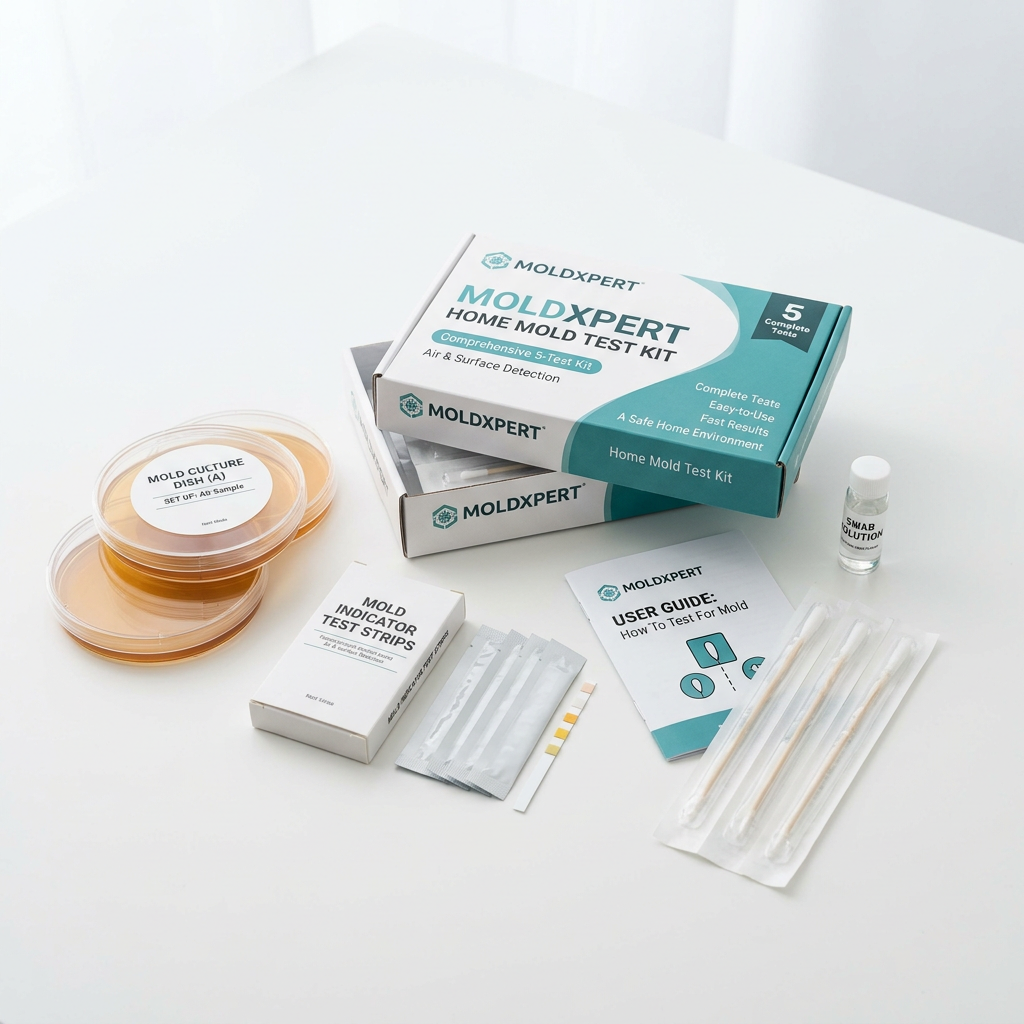
For small mold areas (under 10 square feet), DIY removal can save you $1,000-$3,000. You’ll need a N95 respirator, mold remover spray, and a moisture meter to verify the area is dry after treatment. For a basic DIY assessment, start with a home mold test kit.
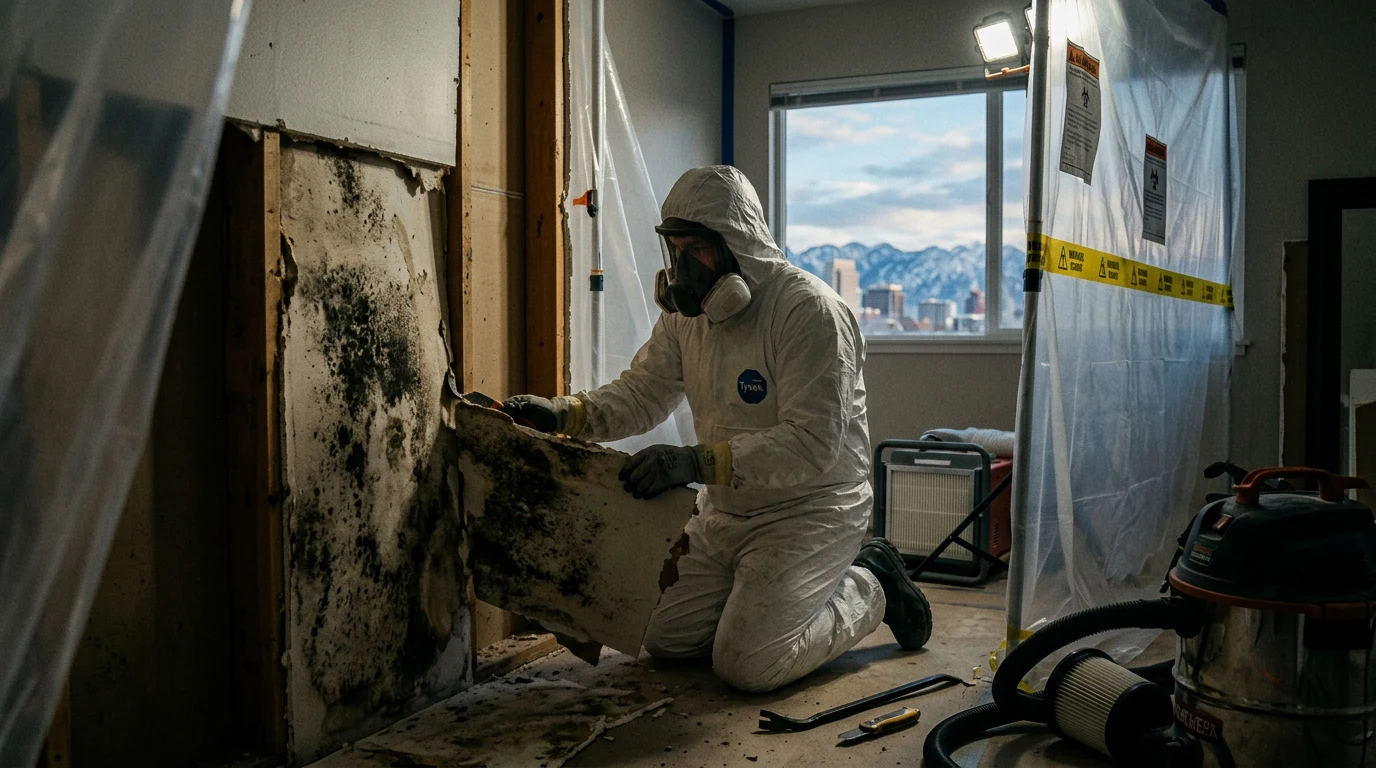
Hire a professional in Salt Lake City when the affected area is larger than 10 square feet, mold is in your HVAC system, you suspect mold behind walls, or anyone in the household has respiratory health issues. Use our complete DIY mold removal guide for small projects and our guide on when to test for mold to determine if you need professional help.
How to Find a Reputable Mold Remediation Company in Salt Lake City
- Verify licensing and insurance (check UT requirements)
- Get at least 3 written estimates
- Ask for references from recent Salt Lake City-area jobs
- Ensure they follow IICRC S520 mold remediation standards
- Use a different company for testing and remediation (avoids conflict of interest)
- Get a written scope of work before any work begins
Common Mold Questions in Salt Lake City
Do winter inversions cause mold in Salt Lake City?
Is mold common in Salt Lake City basements?
How does snowmelt affect mold in Utah?
Mold Removal Cost Breakdown by Room
Salt Lake City homeowners experience varying mold remediation costs depending on the location and extent of the problem. The type of room affects pricing due to moisture levels, materials involved, and accessibility challenges that are unique to the area’s housing stock.
| Room/Area | Cost Range | Notes |
|---|---|---|
| Bathroom | $600 – $2,000 | Common due to high humidity; often requires tile/grout replacement |
| Kitchen | $800 – $2,500 | Under-sink areas most affected; may need cabinet removal |
| Basement | $1,500 – $5,000 | Very common in Salt Lake City homes; finished basements cost more |
| Crawl Space | $1,200 – $4,000 | Access issues increase labor costs; vapor barrier installation often needed |
| Attic | $1,000 – $3,500 | Poor ventilation in older homes; insulation replacement required |
| Whole House | $8,000 – $25,000 | Extensive water damage or HVAC contamination |
Bathroom mold remediation in Salt Lake City typically involves dealing with moisture issues around tubs, showers, and toilets. The city’s older bungalows often have outdated ventilation systems that contribute to bathroom humidity problems. Kitchen remediation usually focuses on areas under sinks and around dishwashers, where plumbing leaks can go unnoticed for extended periods.
Basement mold removal is particularly common in Salt Lake City due to the prevalence of finished basements in both older and newer homes. Spring snowmelt can overwhelm drainage systems, leading to moisture intrusion through foundation walls. The cost increases significantly when dealing with finished basements because drywall, flooring, and insulation often require replacement. For comprehensive basement assessment, consider using a mold test kit before beginning remediation to determine the extent of contamination.
How Salt Lake City’s Climate Affects Mold Growth and Costs
Salt Lake City’s semi-arid continental climate creates unique conditions that influence both mold growth patterns and remediation costs. With an average humidity of 48% and only 16.5 inches of annual rainfall, the city experiences lower mold risk compared to more humid regions, but specific local factors create problem areas.
The Great Salt Lake raises ambient humidity levels, particularly in areas closer to the lake. This increased moisture, combined with the city’s winter inversion pattern, creates periods when trapped humid air increases indoor condensation. During these inversion events, which can last for weeks, moisture accumulates on cold surfaces, creating ideal conditions for mold growth behind walls and in poorly ventilated areas.
The relatively dry climate means that when mold problems do occur, they’re often more concentrated and severe because homeowners may not notice them until significant growth has occurred. This delayed detection can increase remediation costs by 30-50% compared to areas where regular moisture issues keep homeowners more vigilant. Professional remediation companies in Salt Lake City report that basement and crawl space projects typically require more extensive structural drying due to the sudden nature of moisture intrusion from snowmelt and poor drainage.
The city’s elevation and dry air also affect the effectiveness of certain remediation techniques. Air movers and dehumidifiers work more efficiently in the low-humidity environment, potentially reducing drying time and labor costs. However, the sudden temperature fluctuations can cause building materials to expand and contract, sometimes revealing hidden moisture damage that wasn’t initially apparent. Homeowners should consider using an air quality monitor to track humidity levels during different seasons, especially during inversion periods when indoor moisture can spike unexpectedly.
Seasonal Considerations for Mold Removal in Salt Lake City
Salt Lake City experiences distinct seasonal patterns that affect both mold growth and remediation timing. Spring represents the highest risk period for mold development due to snowmelt overwhelming drainage systems and increasing soil moisture around foundations. March through May sees the majority of basement water intrusion issues, making this the peak season for mold discovery and remediation scheduling.
Winter inversions create the second-highest risk period, typically occurring between December and February. During these events, trapped moisture and reduced air circulation lead to condensation problems in tightly sealed homes. However, winter can be an ideal time for scheduled remediation work since indoor humidity is generally lower outside of inversion periods, allowing for faster drying times.
Summer and early fall offer the best conditions for mold remediation in Salt Lake City. The dry air and consistent temperatures allow for optimal drying conditions and faster project completion. Remediation companies often offer slight pricing advantages during these slower periods, with potential savings of 10-15% compared to peak spring rates. Late summer also provides the best window for exterior drainage improvements and foundation waterproofing to prevent future moisture issues.
Homeowners planning remediation should avoid scheduling major projects during inversion forecasts, as high humidity and poor ventilation can extend drying times and increase project costs. The Utah Department of Environmental Quality provides air quality forecasts that can help time remediation work for optimal conditions.
What to Expect During Professional Mold Remediation
Professional mold remediation in Salt Lake City follows a standardized process that typically begins with a comprehensive assessment and testing phase. The initial inspection includes moisture mapping using thermal imaging and moisture meters to identify all affected areas, including hidden moisture behind walls and in HVAC systems. Most Salt Lake City remediation companies provide detailed written protocols that comply with IICRC S520 standards for professional mold remediation.
The containment phase involves sealing off affected areas with plastic sheeting and creating negative air pressure to prevent spore spread to uncontaminated areas. This step is crucial in Salt Lake City homes due to the prevalence of central air systems that can quickly distribute contamination throughout the house. HEPA air filtration units run continuously during the entire process to capture airborne spores.
Material removal and cleaning follow strict protocols, with porous materials like drywall and insulation typically requiring disposal if contamination exceeds 10 square feet. Non-porous surfaces undergo thorough cleaning with antimicrobial solutions. The drying phase takes advantage of Salt Lake City’s dry climate but may require 3-7 days depending on the extent of moisture intrusion and the season.
The final phase includes post-remediation verification testing to ensure spore levels have returned to normal ranges. Timeline expectations for most residential projects range from 3-5 days for small areas to 1-2 weeks for whole-house remediation. Homeowners typically need to relocate during active remediation, especially if HVAC systems are involved. The remediation team handles most logistics, but homeowners should remove personal items from affected areas and arrange temporary accommodations if needed.
Insurance Coverage for Mold Removal in Utah
Utah homeowners’ insurance policies generally follow national standards for mold coverage, covering mold damage when it results from a covered peril such as burst pipes, roof leaks from storms, or appliance malfunctions. However, mold damage from maintenance-related issues, flooding, or long-term humidity problems typically falls outside standard coverage.
Utah insurance regulations require companies to clearly state mold coverage limitations in policies. Most insurers provide coverage limits between $1,000-$10,000 for mold remediation, with higher-end policies offering more comprehensive protection. Some policies exclude mold coverage entirely unless specifically added as an endorsement, making it essential for Salt Lake City homeowners to review their specific policy language.
When filing a mold claim in Utah, documentation is critical. Insurance adjusters typically require proof that the mold resulted from a sudden, accidental event rather than gradual moisture intrusion. This includes photographs, moisture readings, and professional assessments that establish the timeline and cause of the damage. Salt Lake City’s spring snowmelt issues often qualify for coverage when they result from sudden drainage failures, but chronic basement moisture problems may not.
Homeowners should report potential water damage immediately, even before mold appears, as delays in reporting can complicate claims. Insurance companies often require the use of preferred contractors and may dictate specific remediation protocols. Understanding policy limits and working with public adjusters when necessary can help maximize coverage for significant mold remediation projects in Salt Lake City homes.
Frequently Asked Questions
How much does mold removal cost in Salt Lake City?
The average mold remediation cost in Salt Lake City, UT ranges from $1,200 – $3,500 depending on the size of the affected area, type of mold, and accessibility. Small bathroom mold removal may cost $500-$1,000, while whole-house remediation can exceed $10,000.
How much does a mold inspection cost in Salt Lake City?
A professional mold inspection in Salt Lake City, UT typically costs $250 – $500. This usually includes a visual assessment, moisture readings, and may include air or surface sampling.
Does homeowner’s insurance cover mold removal in UT?
Most homeowner’s insurance policies in UT cover mold damage if it results from a covered peril (like a burst pipe). Mold from maintenance neglect, flooding, or humidity is typically not covered. Check your specific policy.
Can I remove mold myself in Salt Lake City?
For small areas (under 10 square feet), DIY removal is feasible with proper PPE. For larger areas or if you have health concerns, hire a professional mold remediation company in Salt Lake City, UT. UT may require licensed professionals for certain projects.
Do winter inversions cause mold in Salt Lake City?
Yes, Salt Lake City’s winter inversions trap cold, moist air in the valley, creating weeks of high humidity conditions. This increases indoor condensation on windows and walls in tightly sealed homes, potentially leading to mold growth in poorly ventilated areas. Using exhaust fans and dehumidifiers during inversion events helps prevent moisture buildup.
Is mold common in Salt Lake City basements?
Basement mold is relatively common in Salt Lake City due to spring snowmelt overwhelming drainage systems and finished basements trapping moisture. Many homes have below-grade living spaces that experience moisture intrusion during heavy snowmelt periods. Proper drainage, vapor barriers, and ventilation help prevent basement mold issues.
How does snowmelt affect mold in Utah?
Spring snowmelt in Utah can overwhelm drainage systems and cause water intrusion through foundations, creating ideal conditions for mold growth. The rapid melting often saturates soil around foundations faster than it can drain away, leading to basement moisture problems. Peak mold discovery occurs in March through May following heavy snow years.
How long does mold remediation take in Salt Lake City?
Most residential mold remediation projects in Salt Lake City take 3-5 days for small areas and 1-2 weeks for extensive remediation. The city’s dry climate can speed drying times compared to more humid regions, but projects may take longer during winter inversions when humidity levels spike.
What type of mold is most common in Salt Lake City homes?
The most common molds in Salt Lake City homes include Aspergillus, Penicillium, and Cladosporium, which thrive in the semi-arid climate. Stachybotrys (black mold) is less common but can occur in areas with persistent moisture problems. A professional mold test can identify specific species present in affected areas.
Are there Utah state licensing requirements for mold remediation contractors?
Utah does not have specific mold remediation licensing requirements, but contractors must follow general contractor licensing rules and building codes. Reputable companies voluntarily follow EPA guidelines and IICRC S520 standards. Always verify contractor insurance, references, and adherence to industry standards before hiring.