Mold Removal Cost in Richmond, VA: 2026 Pricing Guide
If you’re dealing with mold in your Richmond, VA home, understanding the costs involved is the first step toward getting it resolved. Richmond, VA has a moderate-high mold risk rating due to its humid subtropical climate, 67% average humidity, and 43.6 inches of annual rainfall. This guide breaks down exactly what mold removal costs in Richmond, what factors affect pricing, and whether you should DIY or hire a professional.
Our reviews are based on aggregated verified buyer feedback, manufacturer specifications, ingredient analysis, and published expert opinion. Products are not independently purchased or tested by our team. We may earn a commission if you purchase through our links, at no extra cost to you. How We Review
Richmond at a Glance: Mold Risk Profile
| Factor | Detail |
|---|---|
| Population | 226,610 (metro: 1,314,434) |
| Average Home Price | $325,000 |
| Climate Zone | Humid subtropical |
| Average Humidity | 67% |
| Annual Rainfall | 43.6 inches |
| Mold Risk Rating | Moderate-High |
| Common Housing Types | Historic row houses, Colonial-era homes, Fan District victorians, many with crawl spaces |
Average Mold Removal Costs in Richmond
| Service | Cost Range |
|---|---|
| Mold Inspection | $300 – $550 |
| Small Area Remediation (under 10 sq ft) | $500 – $1,500 |
| Standard Remediation | $1,500 – $4,500 |
| Whole-House Remediation | $5,000 – $15,000+ |
| Post-Remediation Air Testing | $200 – $400 |
Why Mold Is a Concern in Richmond
James River humidity, aging housing stock (some pre-Civil War), many homes with inadequate vapor barriers, summer humidity consistently high
Local insight: Richmond was the capital of the Confederacy and has some of the oldest continuously inhabited housing stock in the US. Many Fan District and Church Hill homes have foundations from the 1800s with no modern moisture protection.
Richmond Housing and Mold: What to Know
Richmond’s Fan District homes (built 1890s-1920s) often have original slate or clay tile roofs. While durable, the flashing around dormers and chimneys deteriorates, causing hidden moisture intrusion in attic spaces.
Factors That Affect Mold Removal Cost in Richmond
- Size of affected area: Small bathroom mold vs. entire basement requires different approaches and costs
- Type of mold: Common mold is straightforward; suspected toxic mold (Stachybotrys) requires additional testing and containment
- Location: Accessible areas cost less than mold in crawl spaces, attics, or inside walls
- Cause of moisture: Fixing the underlying moisture issue (plumbing leak, drainage, humidity) adds to total cost
- Materials affected: Drywall replacement costs more than surface cleaning of tile or concrete
- Licensing requirements: Virginia Residential Landlord and Tenant Act (VRLTA) requires habitable premises. Virginia requires mold disclosure in residential real estate transactions.
DIY vs. Professional Mold Removal in Richmond
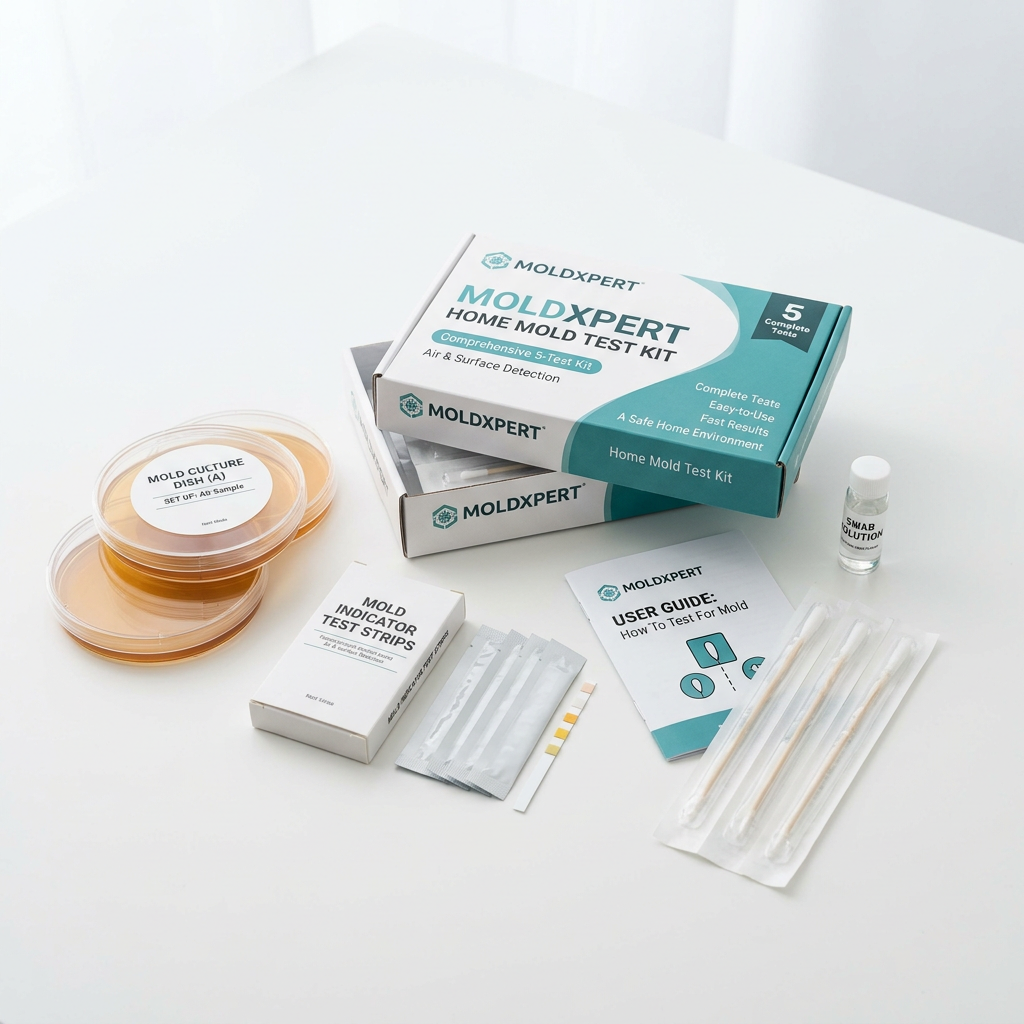
For small mold areas (under 10 square feet), DIY removal can save you $1,000-$3,000. You’ll need a N95 respirator, mold remover spray, and a moisture meter to verify the area is dry after treatment. For a basic DIY assessment, start with a home mold test kit.
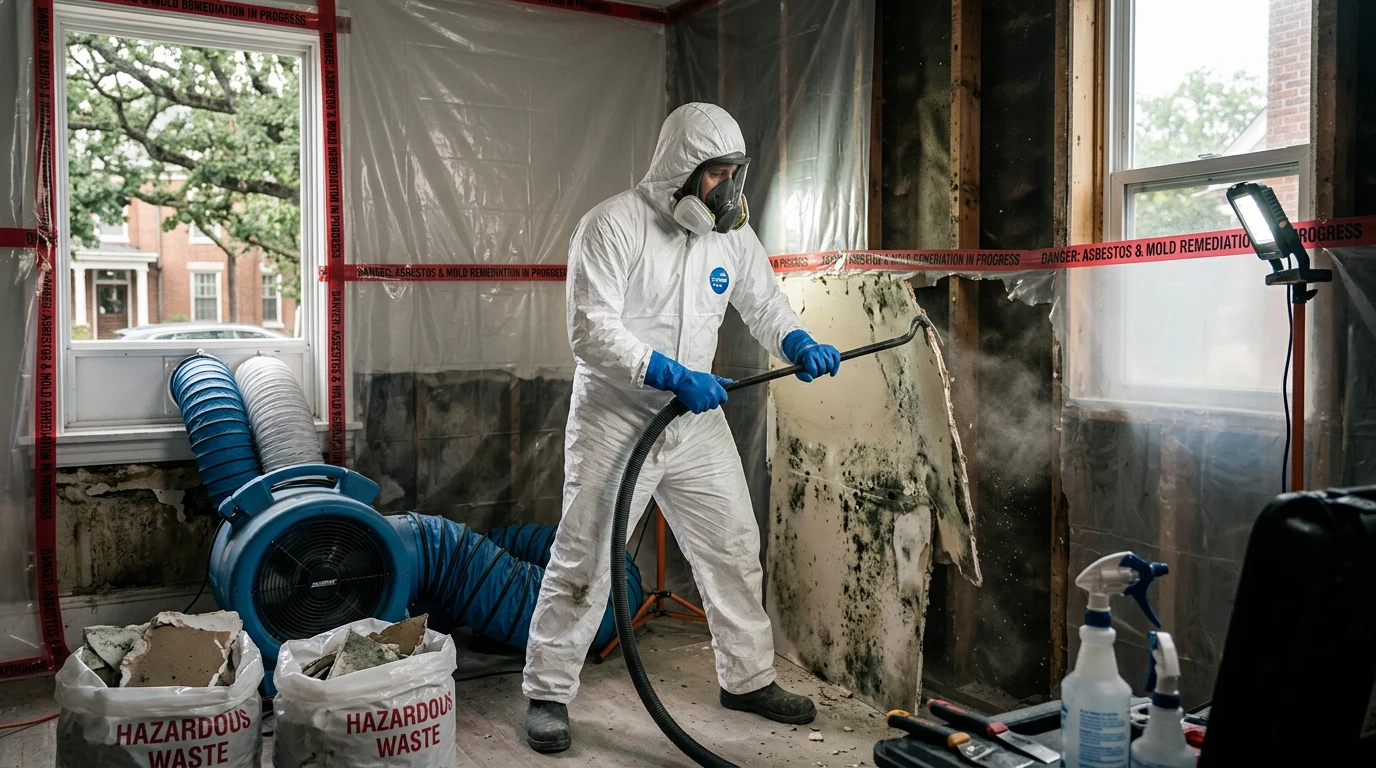
Hire a professional in Richmond when the affected area is larger than 10 square feet, mold is in your HVAC system, you suspect mold behind walls, or anyone in the household has respiratory health issues. Use our complete DIY mold removal guide for small projects and our guide on when to test for mold to determine if you need professional help.
How to Find a Reputable Mold Remediation Company in Richmond
- Verify licensing and insurance (check VA requirements)
- Get at least 3 written estimates
- Ask for references from recent Richmond-area jobs
- Ensure they follow IICRC S520 mold remediation standards
- Use a different company for testing and remediation (avoids conflict of interest)
- Get a written scope of work before any work begins
Mold Removal Cost Breakdown by Room
Richmond homeowners face varying mold removal costs depending on which room is affected. The location impacts both accessibility for remediation crews and the extent of work required. Historic Richmond homes often present unique challenges, particularly in areas with original construction materials that may require specialized handling.
| Room/Area | Cost Range | Richmond-Specific Notes |
|---|---|---|
| Bathroom | $600 – $1,800 | Common in old Fan District homes with poor ventilation |
| Kitchen | $800 – $2,200 | Often behind cabinets; original plaster walls complicate removal |
| Basement | $1,200 – $4,500 | Stone foundations in historic homes retain moisture |
| Crawl Space | $1,500 – $5,000 | Very common; many Richmond homes lack vapor barriers |
| Attic | $1,000 – $3,500 | Slate roof leaks create hidden damage |
| Whole House | $8,000 – $25,000 | Historic homes may require specialized materials |
Bathroom mold remediation in Richmond’s older homes often involves dealing with original tile and plaster walls that can harbor moisture for extended periods. Kitchen mold removal frequently requires working around historic cabinetry and original wood floors that homeowners want to preserve. Crawl space mold is particularly prevalent in Richmond due to the high water table near the James River and the lack of modern moisture control systems in historic properties.
How Richmond’s Climate Affects Mold Growth and Costs
Richmond’s humid subtropical climate creates ideal conditions for mold growth throughout most of the year. With an average humidity level of 67% and annual rainfall of 43.6 inches, the city experiences prolonged periods where indoor moisture levels exceed the 60% threshold that promotes mold proliferation. This climate factor significantly impacts both the likelihood of mold problems and the cost of remediation services.
The James River’s proximity adds moisture to the air year-round, while Richmond’s location in the Virginia Piedmont creates natural humidity retention. Summer months see humidity levels regularly exceed 70%, particularly in older homes without modern HVAC systems designed for moisture control. These conditions mean Richmond homeowners face higher baseline risks compared to drier climates, leading to more frequent remediation needs and consequently higher annual maintenance costs.
Professional remediation companies in Richmond factor these climate conditions into their pricing structure. Extended drying times due to high ambient humidity mean longer equipment rental periods and more thorough moisture testing. The need for HEPA air purifiers and dehumidification equipment for extended periods drives up service costs by 15-25% compared to drier regions. Additionally, the climate necessitates more comprehensive post-remediation monitoring to ensure moisture levels remain controlled.
Seasonal Considerations for Mold Removal in Richmond
Richmond experiences distinct seasonal patterns in mold activity, with peak growth occurring during the humid summer months from June through September. During this period, indoor humidity levels often exceed 70% in homes without adequate climate control, creating optimal conditions for mold proliferation. Homeowners typically discover mold issues most frequently in late summer and early fall when returning from vacations or preparing homes for winter.
The best time to schedule professional mold remediation in Richmond is during the cooler, drier months of October through March. Lower humidity levels and reduced rainfall create ideal conditions for thorough drying and prevent rapid re-colonization during the remediation process. Many local remediation companies offer seasonal discounts during these slower months, potentially reducing costs by 10-20% compared to peak summer pricing.
Spring brings unique challenges as Richmond’s heavy rainfall season begins, often revealing winter moisture damage from ice dams and poor ventilation. Scheduling remediation before the humid summer season ensures homes remain mold-free during peak growth periods. Emergency services during summer months command premium pricing due to high demand, making preventive spring remediation a cost-effective strategy for Richmond homeowners.
What to Expect During Professional Mold Remediation
Professional mold remediation in Richmond follows IICRC S520 standards and typically begins with a comprehensive assessment using moisture meters and thermal imaging to identify all affected areas. The process starts with containment setup, where plastic sheeting and negative air pressure systems isolate the work area to prevent spore spread throughout the home. This initial phase usually takes 2-4 hours and is crucial for protecting unaffected areas of the house.
The actual remediation process involves removing contaminated materials, HEPA vacuuming all surfaces, and applying antimicrobial treatments to affected areas. In Richmond’s historic homes, this phase requires extra care to preserve original architectural features while ensuring complete mold removal. The work typically takes 1-3 days for standard residential projects, though extensive contamination in large historic properties may require up to a week of continuous work.
Homeowners should plan to relocate temporarily if the contamination is extensive or if family members have mold sensitivities. The final phase includes thorough cleaning, air quality testing, and moisture verification to ensure successful remediation. Professional companies provide detailed documentation of the work performed and post-remediation testing results, which are essential for insurance claims and future home sales in Virginia where mold disclosure is required.
Insurance Coverage for Mold Removal in VA
Virginia homeowners’ insurance policies typically cover mold damage that results from sudden and accidental water incidents, such as burst pipes or storm damage. However, coverage exclusions are common for mold resulting from long-term maintenance issues, flooding, or high humidity levels. Given Richmond’s climate challenges, many insurers have added specific mold coverage limits, often capping benefits at $10,000-$50,000 per incident.
The Virginia State Corporation Commission regulates insurance practices and requires insurers to clearly disclose mold coverage limitations in policy documents. Richmond homeowners should review their policies annually, as coverage terms have evolved significantly in recent years. Some insurers offer additional mold coverage riders for an extra premium, which can be valuable for owners of historic properties or homes in flood-prone areas near the James River.
When filing a mold-related claim, documentation is crucial. Virginia insurers typically require proof that the mold resulted from a covered peril, professional assessment reports, and detailed remediation estimates. Working with a professional remediation company that understands Virginia insurance requirements can significantly improve claim success rates. Keep detailed records of all moisture issues and maintenance performed, as insurers may investigate whether proper home maintenance could have prevented the mold growth.
Common Mold Questions in Richmond
How do I prevent mold in an old Richmond home?
Preventing mold in Richmond’s historic homes requires controlling moisture through improved ventilation, dehumidification, and addressing structural issues. Install exhaust fans in bathrooms and kitchens, maintain humidity below 50% using dehumidifiers, and ensure proper drainage around the foundation. Regular inspection of slate roofs for damaged flashing and monitoring crawl spaces with moisture meters are essential preventive measures.
Does Virginia require mold disclosure?
Yes, Virginia law requires disclosure of known mold issues in residential real estate transactions. The Virginia Residential Property Disclosure Act mandates that sellers inform buyers of any material defects, including mold problems. Additionally, landlords under the Virginia Residential Landlord and Tenant Act must maintain habitable premises free from mold hazards.
Is mold common in Richmond’s Fan District?
Mold is particularly common in Fan District homes due to their age (1890s-1920s construction) and original building materials that lack modern moisture barriers. The area’s Victorian architecture often features basements and crawl spaces with stone foundations that retain moisture. Many Fan District properties require upgraded ventilation systems and moisture control measures to prevent recurring mold issues.
Frequently Asked Questions
How much does mold removal cost in Richmond?
The average mold remediation cost in Richmond, VA ranges from $1,500 – $4,500 depending on the size of the affected area, type of mold, and accessibility. Small bathroom mold removal may cost $500-$1,000, while whole-house remediation can exceed $10,000.
How much does a mold inspection cost in Richmond?
A professional mold inspection in Richmond, VA typically costs $300 – $550. This usually includes a visual assessment, moisture readings, and may include air or surface sampling.
Does homeowner’s insurance cover mold removal in VA?
Most homeowner’s insurance policies in VA cover mold damage if it results from a covered peril (like a burst pipe). Mold from maintenance neglect, flooding, or humidity is typically not covered. Check your specific policy.
Can I remove mold myself in Richmond?
For small areas (under 10 square feet), DIY removal is feasible with proper PPE. For larger areas or if you have health concerns, hire a professional mold remediation company in Richmond, VA. VA may require licensed professionals for certain projects.
What type of mold is most common in Richmond homes?
Richmond homes commonly experience Aspergillus and Penicillium species due to the humid climate. Stachybotrys (black mold) is less common but can occur in areas with chronic moisture problems. A professional mold test kit can identify specific species present in your home.
How long does mold remediation take in Richmond?
Standard mold remediation in Richmond takes 1-3 days for typical residential projects. Historic homes may require additional time due to specialized materials and preservation concerns. Large-scale remediation projects can take up to a week, depending on the extent of contamination and drying time required in Richmond’s humid climate.
Should I test for mold before hiring a remediation company?
If visible mold is present, testing is often unnecessary before remediation. However, if you suspect hidden mold or need documentation for insurance claims, consider professional testing or a home mold test. The EPA recommends focusing resources on remediation rather than extensive testing when mold is visible.
What should I do immediately after discovering mold in my Richmond home?
Immediately isolate the area to prevent spore spread, avoid disturbing the mold, and address any active moisture sources. Document the damage with photos for insurance purposes and contact a professional if the affected area exceeds 10 square feet. Use an air purifier in adjacent rooms to minimize exposure while arranging for professional assessment.
Are there Richmond-specific building codes for mold prevention?
Richmond follows Virginia Building Code requirements for moisture control and ventilation. Historic district properties may have additional preservation requirements that affect remediation approaches. New construction and major renovations must include proper vapor barriers and ventilation systems to prevent future mold issues. Consult local building officials for specific requirements in historic districts.
Can mold affect my home’s resale value in Richmond?
Yes, undisclosed mold problems can significantly impact resale value and create legal liability under Virginia disclosure laws. However, properly remediated mold with documentation typically has minimal impact on value. Historic Richmond properties that have undergone professional mold remediation and moisture control upgrades may actually see increased value due to improved habitability and reduced future risk.