Mold Removal Cost in Portland, OR: 2026 Pricing Guide
If you’re dealing with mold in your Portland, OR home, understanding the costs involved is the first step toward getting it resolved. Portland, OR has a high mold risk rating due to its oceanic (marine west coast) climate, 73% average humidity, and 43.5 inches of annual rainfall. This guide breaks down exactly what mold removal costs in Portland, what factors affect pricing, and whether you should DIY or hire a professional.
Our reviews are based on aggregated verified buyer feedback, manufacturer specifications, ingredient analysis, and published expert opinion. Products are not independently purchased or tested by our team. We may earn a commission if you purchase through our links, at no extra cost to you. How We Review
Portland at a Glance: Mold Risk Profile
| Factor | Detail |
|---|---|
| Population | 635,067 (metro: 2,512,859) |
| Average Home Price | $520,000 |
| Climate Zone | Oceanic (marine west coast) |
| Average Humidity | 73% |
| Annual Rainfall | 43.5 inches |
| Mold Risk Rating | High |
| Common Housing Types | Craftsman bungalows, Victorian homes, newer condos, many with basements and crawl spaces |
Average Mold Removal Costs in Portland
| Service | Cost Range |
|---|---|
| Mold Inspection | $300 – $600 |
| Small Area Remediation (under 10 sq ft) | $500 – $1,500 |
| Standard Remediation | $1,800 – $5,500 |
| Whole-House Remediation | $5,000 – $15,000+ |
| Post-Remediation Air Testing | $200 – $400 |
Why Mold Is Common in Portland
Pacific Northwest rain pattern (Oct-May), many older homes lack modern moisture barriers, basement water intrusion common in older neighborhoods, urban heat island effect creates condensation
Local insight: Portland receives measurable rainfall on average 154 days per year, nearly half the year. The city’s Eastside neighborhoods, built in the early 1900s on former wetlands, have some of the highest mold rates.
Portland Housing and Mold: What to Know
Portland basements in Eastside neighborhoods (Hawthorne, Division, Foster) often have water intrusion from the high water table. French drains and sump pumps are essential, not optional.
Factors That Affect Mold Removal Cost in Portland
- Size of affected area: Small bathroom mold vs. entire basement requires different approaches and costs
- Type of mold: Common mold is straightforward; suspected toxic mold (Stachybotrys) requires additional testing and containment
- Location: Accessible areas cost less than mold in crawl spaces, attics, or inside walls
- Cause of moisture: Fixing the underlying moisture issue (plumbing leak, drainage, humidity) adds to total cost
- Materials affected: Drywall replacement costs more than surface cleaning of tile or concrete
- Licensing requirements: Oregon ORS 90.320 requires landlords to maintain habitable premises. Oregon courts have ruled mold constitutes a habitability defect. No specific mold licensing statute.
DIY vs. Professional Mold Removal in Portland
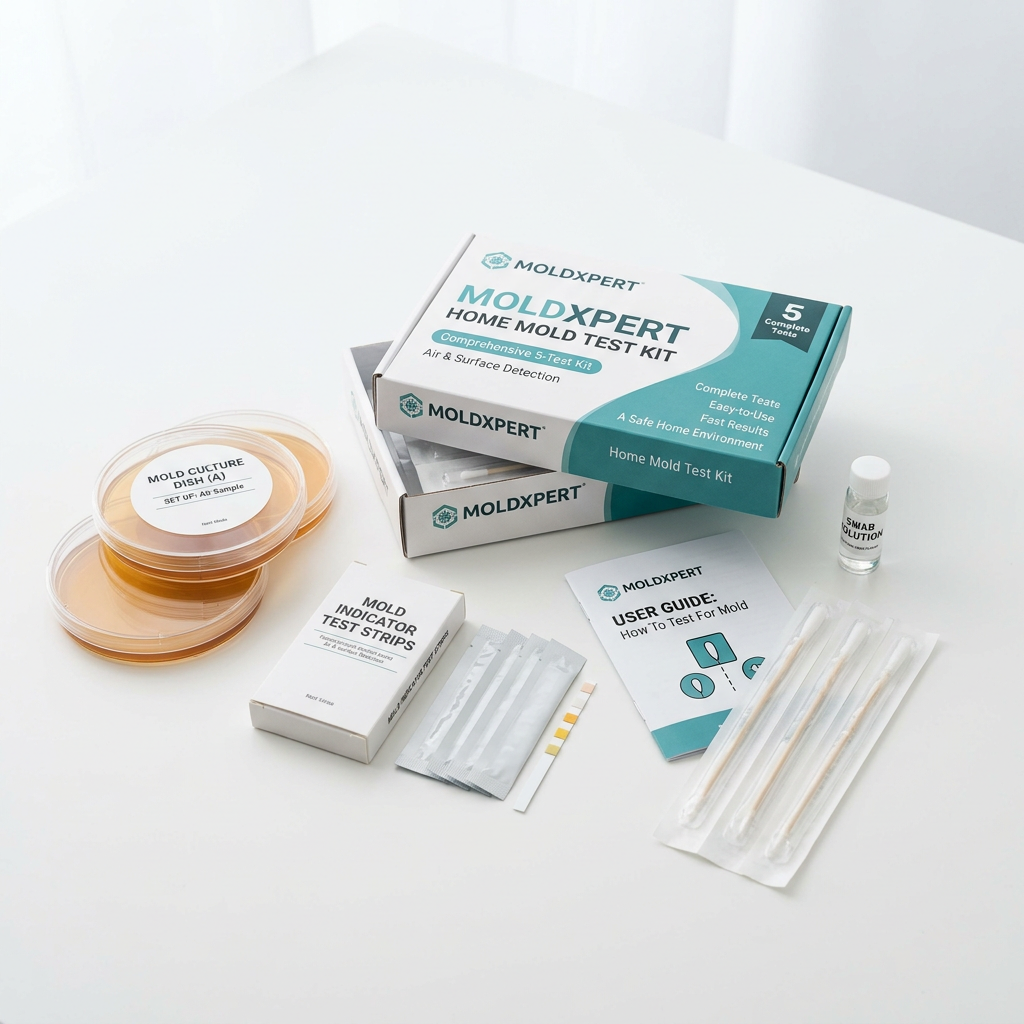
For small mold areas (under 10 square feet), DIY removal can save you $1,000-$3,000. You’ll need a N95 respirator, mold remover spray, and a moisture meter to verify the area is dry after treatment. For a basic DIY assessment, start with a home mold test kit.
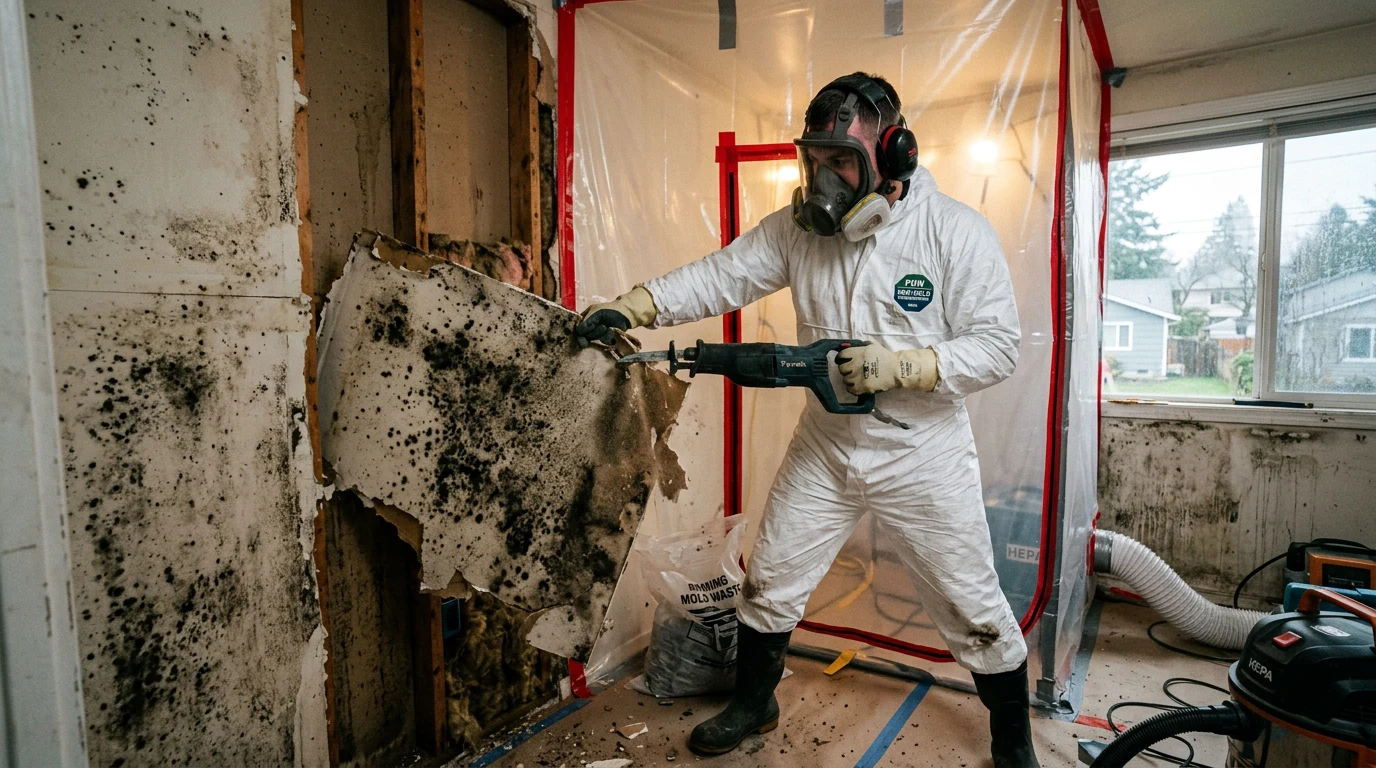
Hire a professional in Portland when the affected area is larger than 10 square feet, mold is in your HVAC system, you suspect mold behind walls, or anyone in the household has respiratory health issues. Use our complete DIY mold removal guide for small projects and our guide on when to test for mold to determine if you need professional help.
How to Find a Reputable Mold Remediation Company in Portland
- Verify licensing and insurance (check OR requirements)
- Get at least 3 written estimates
- Ask for references from recent Portland-area jobs
- Ensure they follow IICRC S520 mold remediation standards
- Use a different company for testing and remediation (avoids conflict of interest)
- Get a written scope of work before any work begins
Common Mold Questions in Portland
How do I keep my Portland basement dry?
Is mold in Portland rentals the landlord’s responsibility?
What time of year is mold worst in Portland?
Mold Removal Cost Breakdown by Room
The location of mold within your Portland home significantly impacts remediation costs. Different rooms present unique challenges based on moisture sources, ventilation, and structural materials. Portland’s high humidity levels and frequent rainfall affect all areas of the home, but some rooms are more susceptible than others.
| Room | Cost Range | Common Causes |
|---|---|---|
| Bathroom | $800 – $2,500 | Poor ventilation, shower steam, tile grout |
| Kitchen | $1,000 – $3,200 | Cooking humidity, plumbing leaks, cabinet condensation |
| Basement | $2,000 – $6,500 | Foundation moisture, poor drainage, high water table |
| Crawl Space | $1,500 – $4,800 | Ground moisture, inadequate vapor barriers |
| Attic | $1,200 – $4,000 | Roof leaks, inadequate ventilation, ice dams |
| Whole House | $8,000 – $25,000+ | HVAC contamination, widespread water damage |
Bathroom mold remediation typically involves removing contaminated drywall, treating structural materials, and improving ventilation. Kitchen projects often require cabinet removal and addressing plumbing issues behind appliances. Basement and crawl space mold remediation costs more due to difficult access and the need for moisture barrier installation. Whole-house remediation requires extensive containment protocols and HVAC system cleaning, driving costs significantly higher.
Portland’s Eastside neighborhoods, built on former wetlands, frequently experience basement water intrusion that requires comprehensive waterproofing solutions in addition to mold removal. These projects often include French drain installation, sump pump systems, and foundation sealing, adding $3,000-$8,000 to total remediation costs.
How Portland’s Climate Affects Mold Growth and Costs
Portland’s oceanic climate creates ideal conditions for mold growth, directly impacting remediation complexity and costs. The city’s 73% average humidity level exceeds the 60% threshold where mold thrives, while the 43.5 inches of annual rainfall saturates building materials and creates persistent moisture problems.
The Pacific Northwest’s extended wet season from October through May creates continuous moisture challenges that compound mold growth. During this period, outdoor humidity remains elevated, making it difficult for buildings to dry out naturally. Portland receives measurable rainfall on 154 days per year, creating persistent moisture conditions that allow mold colonies to establish deep root systems in building materials.
These climate factors increase remediation costs in several ways. Extended moisture exposure allows mold to penetrate deeper into porous materials, requiring more extensive removal and replacement. The oceanic climate also supports diverse mold species, some requiring specialized treatment protocols. Portland’s temperature fluctuations between wet and dry seasons create condensation cycles that drive mold growth into wall cavities and structural components, increasing the scope of remediation work.
Professional remediation companies in Portland often recommend enhanced moisture control systems, including upgraded ventilation, dehumidification, and waterproofing measures. These additions can increase project costs by 15-25% compared to drier climates, but they’re essential for preventing mold recurrence in Portland’s challenging environment.
Seasonal Considerations for Mold Removal in Portland
Mold problems in Portland peak during the wet season from October through May, when humidity levels remain consistently high and rainfall saturates building materials. The worst mold growth typically occurs between December and February when indoor heating systems create temperature differentials that promote condensation.
The optimal time for mold remediation in Portland is during the drier summer months from July through September. Lower humidity levels and minimal rainfall allow building materials to dry more effectively during and after treatment. Remediation companies can achieve better results when outdoor conditions support the drying process, reducing the risk of mold recurrence.
Seasonal pricing trends in Portland show premium rates during peak mold season (October-March) when demand for remediation services increases. Homeowners can save 10-20% on remediation costs by scheduling work during the summer months, though urgent health hazards shouldn’t be delayed for cost savings. Winter remediation projects often require additional drying equipment and extended timelines, increasing overall project costs.
Emergency remediation following water damage should proceed immediately regardless of season, as mold can begin growing within 24-48 hours. Portland’s wet climate makes rapid response even more critical, as prolonged moisture exposure dramatically increases remediation complexity and costs.
What to Expect During Professional Mold Remediation
Professional mold remediation in Portland follows established protocols to ensure safe and effective treatment. The process begins with a comprehensive assessment using moisture meters and visual inspection to determine the full extent of contamination.
The remediation team establishes containment barriers using plastic sheeting and negative air pressure systems to prevent mold spores from spreading to unaffected areas. All HVAC systems are sealed off, and air scrubbers with HEPA filtration run continuously throughout the project. Technicians wear full protective equipment including respirators, coveralls, and gloves when working in contaminated areas.
Contaminated materials are removed systematically, starting with the most affected areas. Porous materials like drywall, insulation, and carpeting are typically discarded, while non-porous surfaces undergo thorough cleaning with antimicrobial solutions. The underlying moisture source must be addressed simultaneously, whether through plumbing repairs, improved ventilation, or waterproofing measures.
Most Portland remediation projects take 3-7 days depending on the scope of work. Homeowners should expect limited access to affected areas during treatment and plan temporary accommodations if necessary. The process concludes with post-remediation verification testing to confirm successful mold removal before reconstruction begins. According to IICRC standards, all affected areas must pass clearance testing before being deemed safe for reoccupation.
DIY vs Professional Mold Removal in Portland
Portland homeowners can handle small mold problems under 10 square feet using DIY methods, potentially saving $1,500-$4,000 in professional fees. Essential supplies include N-95 respirators, protective clothing, mold remover sprays, and containment materials. A mold test kit can help identify the extent of contamination before beginning DIY remediation.
Professional remediation becomes necessary when mold covers more than 10 square feet, affects HVAC systems, or grows behind walls and in structural components. Portland’s high moisture environment makes professional expertise particularly valuable, as improper DIY treatment often leads to mold recurrence. Professional teams have specialized equipment including commercial dehumidifiers, air scrubbers, and negative air machines that aren’t available to consumers.
Safety considerations favor professional treatment when household members have respiratory conditions, compromised immune systems, or known mold allergies. Portland’s diverse mold species, including potentially toxic varieties, require professional identification and specialized treatment protocols. DIY projects also lack the post-remediation verification testing that ensures successful mold elimination.
Cost comparison shows DIY supplies typically cost $200-$500 for small projects, while professional treatment ranges from $1,800-$5,500. However, failed DIY attempts often result in more extensive contamination, ultimately increasing total remediation costs. Portland homeowners should consult our DIY mold removal guide to determine if their project is suitable for self-treatment.
Insurance Coverage for Mold Removal in OR
Oregon homeowner’s insurance policies typically provide limited mold coverage, with most insurers covering mold damage only when it results from a covered peril such as burst pipes or storm damage. Gradual mold growth from humidity, poor ventilation, or maintenance neglect is usually excluded from standard policies.
Portland homeowners should review their policies for specific mold coverage limits, which often range from $10,000-$50,000. Some insurers offer optional mold coverage endorsements for additional premiums. Flood-related mold damage requires separate flood insurance, as standard homeowner’s policies exclude flood damage entirely.
When filing mold-related claims in Oregon, documentation is critical. Homeowners should photograph damage, maintain records of moisture sources, and obtain professional mold testing results. Insurance adjusters often require proof that mold resulted from a sudden, accidental event rather than ongoing maintenance issues.
Successful claim strategies include prompt notification to insurers, professional damage assessment, and detailed remediation estimates from licensed contractors. Oregon’s high mold risk has led some insurers to restrict coverage or increase deductibles for mold-related claims, making prevention and early intervention increasingly important for Portland homeowners.
Frequently Asked Questions
How much does mold removal cost in Portland?
The average mold remediation cost in Portland, OR ranges from $1,800 – $5,500 depending on the size of the affected area, type of mold, and accessibility. Small bathroom mold removal may cost $500-$1,000, while whole-house remediation can exceed $10,000.
How much does a mold inspection cost in Portland?
A professional mold inspection in Portland, OR typically costs $300 – $600. This usually includes a visual assessment, moisture readings, and may include air or surface sampling.
Does homeowner’s insurance cover mold removal in OR?
Most homeowner’s insurance policies in OR cover mold damage if it results from a covered peril (like a burst pipe). Mold from maintenance neglect, flooding, or humidity is typically not covered. Check your specific policy.
Can I remove mold myself in Portland?
For small areas (under 10 square feet), DIY removal is feasible with proper PPE. For larger areas or if you have health concerns, hire a professional mold remediation company in Portland, OR. OR may require licensed professionals for certain projects.
How do I keep my Portland basement dry?
Portland basements require proper drainage, vapor barriers, and dehumidification. Install French drains around the foundation perimeter, use sump pumps in high water table areas, and maintain indoor humidity below 60% with dehumidifiers. Seal foundation cracks and improve ventilation to prevent moisture buildup.
Is mold in Portland rentals the landlord’s responsibility?
Under Oregon ORS 90.320, landlords must maintain habitable premises, and Oregon courts have ruled that mold constitutes a habitability defect. Landlords are responsible for mold caused by structural issues, but tenants may be liable for mold resulting from lifestyle factors like poor ventilation or unreported leaks.
What time of year is mold worst in Portland?
Mold problems peak in Portland from October through May during the wet season. The worst growth occurs December through February when heating systems create condensation. Summer months (July-September) have the lowest mold activity and are optimal for remediation work.
How long does mold remediation take in Portland?
Most Portland mold remediation projects take 3-7 days depending on the affected area size and moisture source complexity. Small bathroom projects may complete in 2-3 days, while whole-house remediation can take 1-2 weeks. Extended drying time during wet season may add 1-3 additional days.
What type of mold is common in Portland homes?
Portland’s humid climate supports various mold species including Aspergillus, Penicillium, Cladosporium, and Stachybotrys (black mold). Basements and crawl spaces commonly have Chaetomium due to water damage, while bathrooms typically harbor Aspergillus and Penicillium species. Professional testing with a mold test kit can identify specific species.
Should I test for mold before remediation in Portland?
Pre-remediation testing helps determine the extent of contamination and guides treatment strategies. Portland homeowners should consider an air quality test if mold isn’t visible but musty odors persist, or if family members experience unexplained health symptoms. Post-remediation clearance testing is essential to verify successful treatment.