Mold Removal Cost in Pittsburgh, PA: 2026 Pricing Guide
If you’re dealing with mold in your Pittsburgh, PA home, understanding the costs involved is the first step toward getting it resolved. Pittsburgh, PA has a moderate mold risk rating due to its humid continental climate, 67% average humidity, and 38.3 inches of annual rainfall. This guide breaks down exactly what mold removal costs in Pittsburgh, what factors affect pricing, and whether you should DIY or hire a professional.
Our reviews are based on aggregated verified buyer feedback, manufacturer specifications, ingredient analysis, and published expert opinion. Products are not independently purchased or tested by our team. We may earn a commission if you purchase through our links, at no extra cost to you. How We Review
Pittsburgh at a Glance: Mold Risk Profile
| Factor | Detail |
|---|---|
| Population | 302,971 (metro: 2,370,930) |
| Average Home Price | $225,000 |
| Climate Zone | Humid continental |
| Average Humidity | 67% |
| Annual Rainfall | 38.3 inches |
| Mold Risk Rating | Moderate |
| Common Housing Types | Row houses, older single-family homes built on hillsides, many with basements, stone foundations |
Average Mold Removal Costs in Pittsburgh
| Service | Cost Range |
|---|---|
| Mold Inspection | $300 – $550 |
| Small Area Remediation (under 10 sq ft) | $500 – $1,500 |
| Standard Remediation | $1,500 – $4,500 |
| Whole-House Remediation | $5,000 – $15,000+ |
| Post-Remediation Air Testing | $200 – $400 |
Why Mold Is a Concern in Pittsburgh
Three Rivers area humidity, hillside construction causes water to flow toward foundations, aging housing stock, stone basement walls absorb and release moisture
Local insight: Pittsburgh is built on steep hillsides at the confluence of three rivers (Allegheny, Monongahela, Ohio), and homes on slopes face water running downhill toward their foundations during every rainfall.
Pittsburgh Housing and Mold: What to Know
Pittsburgh hillside homes need aggressive drainage management. Install a curtain drain uphill from your foundation to intercept groundwater before it reaches your walls.
Factors That Affect Mold Removal Cost in Pittsburgh
- Size of affected area: Small bathroom mold vs. entire basement requires different approaches and costs
- Type of mold: Common mold is straightforward; suspected toxic mold (Stachybotrys) requires additional testing and containment
- Location: Accessible areas cost less than mold in crawl spaces, attics, or inside walls
- Cause of moisture: Fixing the underlying moisture issue (plumbing leak, drainage, humidity) adds to total cost
- Materials affected: Drywall replacement costs more than surface cleaning of tile or concrete
- Licensing requirements: Pennsylvania has no specific mold statute. The PA Landlord Tenant Act (68 P.S. § 250.101) and implied warranty of habitability apply. Pittsburgh has additional housing code through PLI.
DIY vs. Professional Mold Removal in Pittsburgh
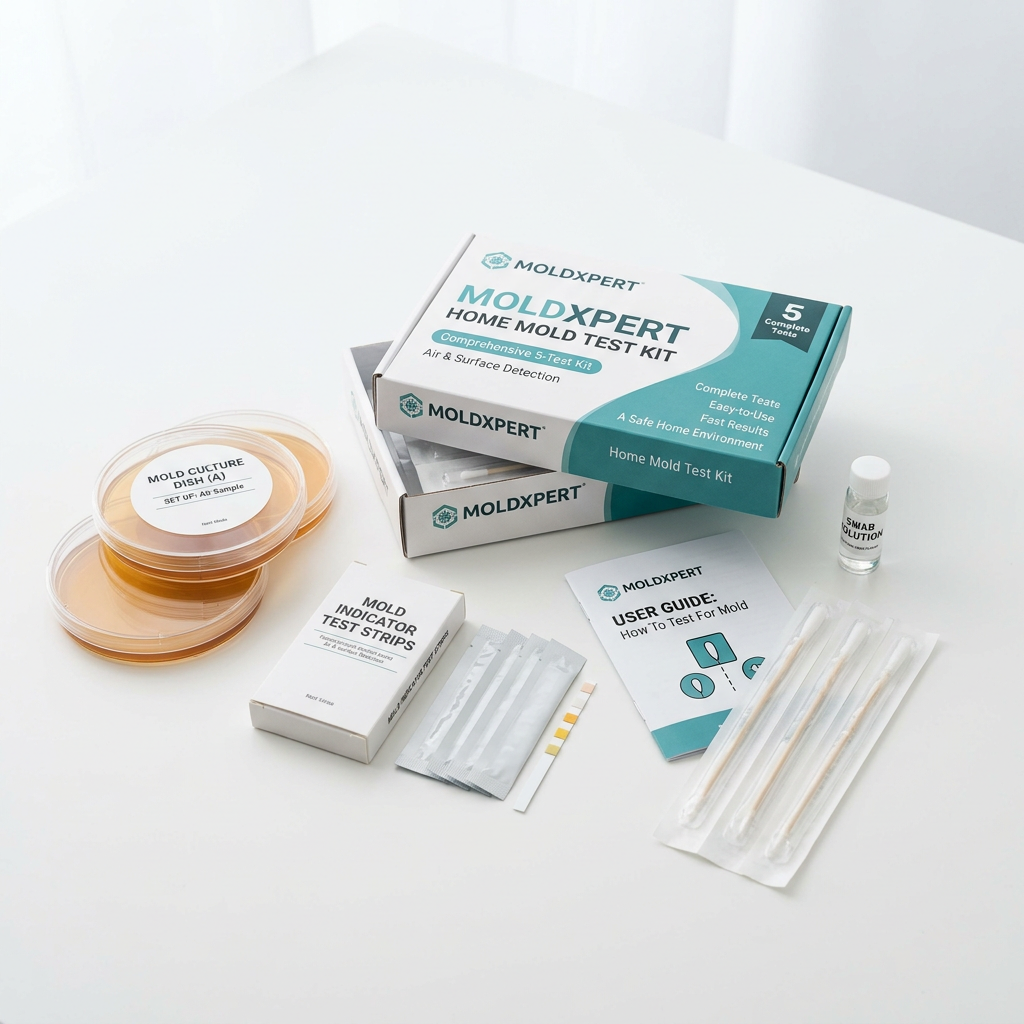
For small mold areas (under 10 square feet), DIY removal can save you $1,000-$3,000. You’ll need a N95 respirator, mold remover spray, and a moisture meter to verify the area is dry after treatment. For a basic DIY assessment, start with a home mold test kit.
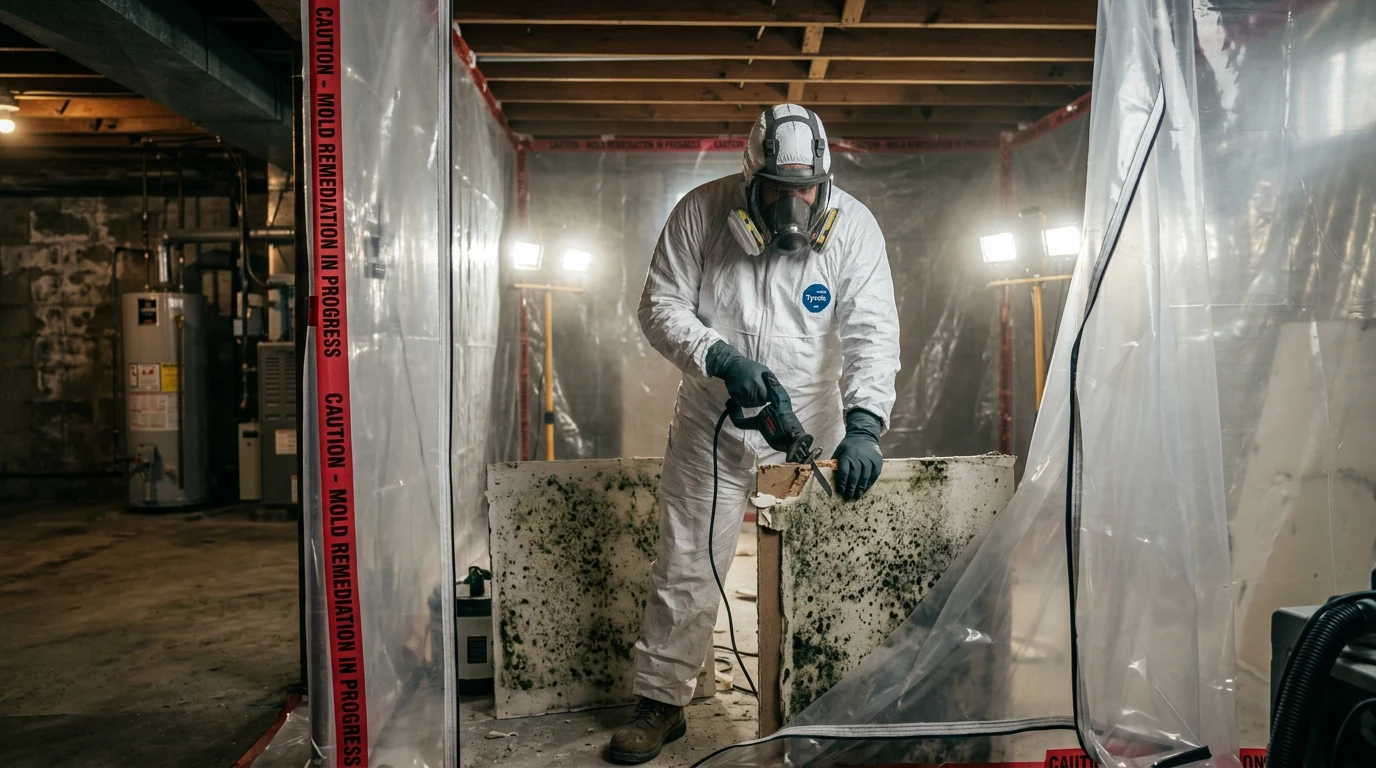
Hire a professional in Pittsburgh when the affected area is larger than 10 square feet, mold is in your HVAC system, you suspect mold behind walls, or anyone in the household has respiratory health issues. Use our complete DIY mold removal guide for small projects and our guide on when to test for mold to determine if you need professional help.
How to Find a Reputable Mold Remediation Company in Pittsburgh
- Verify licensing and insurance (check PA requirements)
- Get at least 3 written estimates
- Ask for references from recent Pittsburgh-area jobs
- Ensure they follow IICRC S520 mold remediation standards
- Use a different company for testing and remediation (avoids conflict of interest)
- Get a written scope of work before any work begins
Common Mold Questions in Pittsburgh
How does Pittsburgh’s terrain affect mold risk?
Is mold common in Pittsburgh’s older neighborhoods?
How do I manage moisture in a Pittsburgh hillside home?
Mold Removal Cost Breakdown by Room
Mold removal costs in Pittsburgh vary significantly depending on the room and accessibility. Pittsburgh’s unique hillside geography and aging housing stock create specific challenges for certain areas of the home, particularly basements and lower levels where water naturally accumulates.
| Room/Area | Cost Range | Pittsburgh-Specific Factors |
|---|---|---|
| Bathroom | $500 – $1,500 | Common due to poor ventilation in older homes |
| Kitchen | $800 – $2,000 | Behind cabinets, under sinks with old plumbing |
| Basement | $1,500 – $5,000 | Stone foundations, hillside water intrusion |
| Crawl Space | $1,000 – $3,500 | Limited access, moisture from sloped terrain |
| Attic | $1,200 – $3,000 | Roof leaks common in older Pittsburgh homes |
| Whole House | $5,000 – $15,000+ | Comprehensive remediation for widespread issues |
Basement mold removal represents the highest percentage of Pittsburgh remediation calls due to the city’s hillside construction and stone foundation walls that naturally absorb and release moisture. Many Pittsburgh homes built before 1950 have fieldstone foundations that were never properly waterproofed, leading to chronic moisture issues that require both mold remediation and structural moisture control solutions.
Kitchen mold issues in Pittsburgh often occur behind cabinets and around older plumbing fixtures. Row houses and older single-family homes frequently have galvanized plumbing that develops small leaks over time, creating hidden moisture sources. A moisture meter can help identify these hidden problem areas before they require expensive remediation.
How Pittsburgh’s Climate Affects Mold Growth and Costs
Pittsburgh’s humid continental climate creates ideal conditions for mold growth throughout most of the year. With an average humidity of 67% and annual rainfall of 38.3 inches, the city experiences moisture levels that consistently exceed the 60% threshold where mold begins to thrive. This climate reality directly impacts both the frequency and cost of mold remediation services in the area.
The combination of high humidity and Pittsburgh’s unique topography creates a perfect storm for mold issues. Homes built on the city’s characteristic steep hillsides face water runoff that flows directly toward foundations during each of the area’s frequent rainfall events. This consistent moisture exposure means Pittsburgh homeowners often deal with recurring mold issues rather than isolated incidents, driving up long-term remediation costs.
Pittsburgh’s climate also affects the types of mold commonly found in homes. The consistent moisture and moderate temperatures favor black mold (Stachybotrys) growth, particularly in basements and crawl spaces. This type of mold requires more extensive containment procedures and specialized removal techniques, increasing costs compared to surface molds. Homeowners should consider using a mold test kit to identify the specific types present before beginning remediation.
The humid conditions also mean that inadequate remediation often leads to rapid mold return, making proper moisture control essential. Professional remediation companies in Pittsburgh typically include moisture management recommendations in their scope of work, which can add $500-$2,000 to the project cost but prevents recurring problems that would be more expensive to address long-term.
Seasonal Considerations for Mold Removal in Pittsburgh
Mold problems in Pittsburgh peak during late spring and early summer when rising temperatures combine with high humidity and frequent rainfall. The months of May through August see the highest number of remediation calls, as basement flooding and humidity-related growth become most apparent during this period.
Fall represents the optimal time for mold remediation in Pittsburgh. September through November offers lower humidity levels and minimal rainfall, allowing for thorough drying and proper curing of remediation materials. Professional companies often offer slight discounts during this slower season, potentially saving homeowners 10-15% on project costs. Additionally, addressing mold issues in fall prevents winter freeze-thaw cycles from exacerbating moisture problems in stone foundations.
Winter remediation in Pittsburgh presents unique challenges due to the city’s harsh weather conditions and the need to keep homes sealed. Indoor air circulation becomes limited, making containment more critical and potentially extending project timelines. However, winter’s low humidity can aid in preventing mold spread during the remediation process. Spring scheduling should be avoided when possible, as this season brings snowmelt and increased groundwater that can interfere with basement and foundation work.
Homeowners planning remediation should consider that emergency services during peak mold season (May-August) can cost 20-30% more than scheduled work during slower periods. Using an air quality monitor year-round can help detect problems early, allowing for better timing of professional intervention.
What to Expect During Professional Mold Remediation
Professional mold remediation in Pittsburgh follows IICRC S520 standards and typically begins with a comprehensive assessment of both visible mold and hidden moisture sources. Due to Pittsburgh’s unique hillside geography and older housing stock, professionals often spend extra time evaluating foundation walls and drainage patterns that contribute to recurring moisture problems.
The remediation process starts with containment setup using plastic sheeting and negative air pressure to prevent spore spread throughout the home. In Pittsburgh’s densely packed neighborhoods, particularly in areas with row houses, contractors pay special attention to preventing cross-contamination between units. The actual remediation involves removing contaminated materials, HEPA vacuuming all surfaces, and applying antimicrobial treatments to affected areas.
Timeline expectations for Pittsburgh projects typically range from 3-7 days for standard basement or bathroom remediation. However, projects involving stone foundation moisture issues may extend to 10-14 days to allow for proper drying and moisture barrier installation. Whole-house remediation can take 2-3 weeks, particularly in older Pittsburgh homes where accessing mold behind walls requires careful navigation around original architectural elements.
Homeowners can expect to vacate treated areas during active remediation but typically don’t need to leave the entire home unless the project involves HVAC system contamination. Post-remediation verification includes air quality testing using methods similar to a professional air quality test to ensure spore levels have returned to normal ranges before the area is returned to regular use.
DIY vs Professional Mold Removal in Pittsburgh
DIY mold removal in Pittsburgh is appropriate for small surface areas under 10 square feet, such as bathroom tile mold or small wall patches. However, the city’s chronic moisture issues mean that even small visible mold patches often indicate larger hidden problems, particularly in basement and foundation areas. Homeowners attempting DIY removal should first use a mold test kit to confirm the extent and type of contamination before proceeding.
Professional removal becomes necessary when dealing with Pittsburgh’s most common mold scenarios: basement contamination from hillside water intrusion, crawl space mold in homes built on slopes, or widespread contamination in older row houses. Professional services in Pittsburgh cost $1,500-$4,500 on average, but attempting DIY remediation on these complex problems often leads to incomplete removal and rapid regrowth, ultimately costing more.
Cost comparison for a typical Pittsburgh bathroom shows DIY materials and equipment rental totaling $200-$400, while professional service ranges $800-$1,500. However, professionals include moisture source identification and correction, warranty on their work, and proper disposal of contaminated materials. For hillside homes with recurring moisture issues, the professional approach typically provides better long-term value.
Safety considerations in Pittsburgh homes are particularly important due to the prevalence of older construction materials and potential asbestos exposure. Professional contractors carry proper insurance and follow OSHA mold safety standards, while DIY remediation requires significant investment in protective equipment including respirators, protective suits, and proper containment materials that can quickly approach the cost of professional service.
Insurance Coverage for Mold Removal in PA
Pennsylvania homeowners insurance policies typically cover mold damage that results from a sudden, accidental water loss such as a burst pipe or roof leak. However, gradual water damage from Pittsburgh’s common issues like foundation seepage or poor drainage is generally excluded from coverage. Most PA insurers limit mold coverage to $10,000-$25,000 per incident, with some policies requiring separate mold endorsements for coverage.
Pittsburgh’s unique hillside construction creates specific challenges for insurance claims related to water intrusion and subsequent mold growth. Insurers often classify water damage from surface runoff or groundwater seepage as gradual damage, making it difficult to obtain coverage for the city’s most common mold scenarios. Homeowners should review their policies carefully and consider additional endorsements for water backup and gradual damage coverage.
When filing a mold-related claim in Pennsylvania, documentation becomes crucial. Homeowners should photograph all damage, maintain records of the initial water source, and obtain professional mold testing results to support their claim. Insurance companies may require independent verification of both the mold extent and the cause of moisture before approving coverage.
Successfully navigating insurance claims for Pittsburgh mold issues often requires demonstrating that the water source was sudden rather than gradual. This makes immediate response to water intrusion events critical, as delayed reporting can lead to claim denials. Homeowners should also understand that insurance may cover mold remediation but not the underlying moisture control improvements needed to prevent recurrence in hillside locations.
Frequently Asked Questions
How much does mold removal cost in Pittsburgh?
The average mold remediation cost in Pittsburgh, PA ranges from $1,500 – $4,500 depending on the size of the affected area, type of mold, and accessibility. Small bathroom mold removal may cost $500-$1,000, while whole-house remediation can exceed $10,000.
How much does a mold inspection cost in Pittsburgh?
A professional mold inspection in Pittsburgh, PA typically costs $300 – $550. This usually includes a visual assessment, moisture readings, and may include air or surface sampling.
Does homeowner’s insurance cover mold removal in PA?
Most homeowner’s insurance policies in PA cover mold damage if it results from a covered peril (like a burst pipe). Mold from maintenance neglect, flooding, or humidity is typically not covered. Check your specific policy.
Can I remove mold myself in Pittsburgh?
For small areas (under 10 square feet), DIY removal is feasible with proper PPE. For larger areas or if you have health concerns, hire a professional mold remediation company in Pittsburgh, PA. PA may require licensed professionals for certain projects.
Why is basement mold so common in Pittsburgh homes?
Pittsburgh’s hillside construction causes water to flow downhill toward home foundations during rainfall events. Many older Pittsburgh homes have stone foundations that absorb moisture, and the city’s 67% average humidity creates ideal conditions for basement mold growth. Poor drainage around hillside properties exacerbates these moisture issues.
What types of mold are most common in Pittsburgh?
Pittsburgh’s humid climate and frequent moisture issues commonly produce Aspergillus, Penicillium, and Stachybotrys (black mold) species. Basement areas frequently develop black mold due to consistent moisture from foundation issues, while bathroom and kitchen areas typically see Aspergillus and Penicillium growth. A mold test can identify specific species present.
How long does professional mold removal take in Pittsburgh?
Standard mold remediation projects in Pittsburgh take 3-7 days for single rooms like bathrooms or basements. Whole-house remediation can require 2-3 weeks, particularly in older homes with accessibility challenges. Projects involving moisture control improvements for hillside drainage may extend timelines by several additional days for proper drying and curing.
Do I need a permit for mold removal in Pittsburgh?
Pennsylvania has no statewide mold licensing requirements, but Pittsburgh may require permits through the Department of Permits, Licenses and Inspections (PLI) for extensive remediation involving structural changes. Small-scale remediation typically doesn’t require permits, but homeowners should check with PLI for projects involving wall removal or major moisture control modifications.
How can I prevent mold in my Pittsburgh hillside home?
Install curtain drains uphill from your foundation to intercept groundwater, maintain proper grading to direct water away from the house, and use dehumidifiers to keep indoor humidity below 50%. Regular inspection with a moisture meter can help detect problems early. Ensure proper ventilation in basements and crawl spaces, and address any plumbing leaks immediately.
What health risks does mold pose in Pittsburgh homes?
Mold exposure can cause respiratory issues, allergic reactions, and worsen asthma symptoms. Pittsburgh’s common black mold species can produce mycotoxins that pose additional health risks, particularly for children, elderly residents, and those with compromised immune systems. Mold health risks increase with prolonged exposure, making prompt remediation important for household safety.