Mold Removal Cost in Orlando, FL: 2026 Pricing Guide
If you’re dealing with mold in your Orlando, FL home, understanding the costs involved is the first step toward getting it resolved. Orlando, FL has a high mold risk rating due to its humid subtropical climate, 73% average humidity, and 50.7 inches of annual rainfall. This guide breaks down exactly what mold removal costs in Orlando, what factors affect pricing, and whether you should DIY or hire a professional.
Our reviews are based on aggregated verified buyer feedback, manufacturer specifications, ingredient analysis, and published expert opinion. Products are not independently purchased or tested by our team. We may earn a commission if you purchase through our links, at no extra cost to you. How We Review
Orlando at a Glance: Mold Risk Profile
| Factor | Detail |
|---|---|
| Population | 307,573 (metro: 2,673,376) |
| Average Home Price | $375,000 |
| Climate Zone | Humid subtropical |
| Average Humidity | 73% |
| Annual Rainfall | 50.7 inches |
| Mold Risk Rating | High |
| Common Housing Types | Block construction, stucco finish, many newer communities, townhomes and condos |
Average Mold Removal Costs in Orlando
| Service | Cost Range |
|---|---|
| Mold Inspection | $300 – $600 |
| Small Area Remediation (under 10 sq ft) | $500 – $1,500 |
| Standard Remediation | $1,500 – $5,000 |
| Whole-House Remediation | $5,000 – $15,000+ |
| Post-Remediation Air Testing | $200 – $400 |
Why Mold Is Common in Orlando
Summer rainy season with daily afternoon storms, high water table, many lakes raise ambient humidity, AC systems run 8+ months per year
Local insight: Orlando averages 233 sunny days per year, but also receives more rain than Seattle. The daily summer thunderstorm pattern creates a cycle of intense moisture and heat that’s ideal for mold growth.
Orlando Housing and Mold: What to Know
Orlando’s afternoon thunderstorms raise humidity dramatically. If your AC struggles to keep up, it may not be removing enough moisture. Consider adding a whole-home dehumidifier supplementing your HVAC.
Factors That Affect Mold Removal Cost in Orlando
- Size of affected area: Small bathroom mold vs. entire basement requires different approaches and costs
- Type of mold: Common mold is straightforward; suspected toxic mold (Stachybotrys) requires additional testing and containment
- Location: Accessible areas cost less than mold in crawl spaces, attics, or inside walls
- Cause of moisture: Fixing the underlying moisture issue (plumbing leak, drainage, humidity) adds to total cost
- Materials affected: Drywall replacement costs more than surface cleaning of tile or concrete
- Licensing requirements: Florida Statute 404.056 requires licensed mold assessors and remediators. Condo associations have specific mold disclosure obligations.
DIY vs. Professional Mold Removal in Orlando
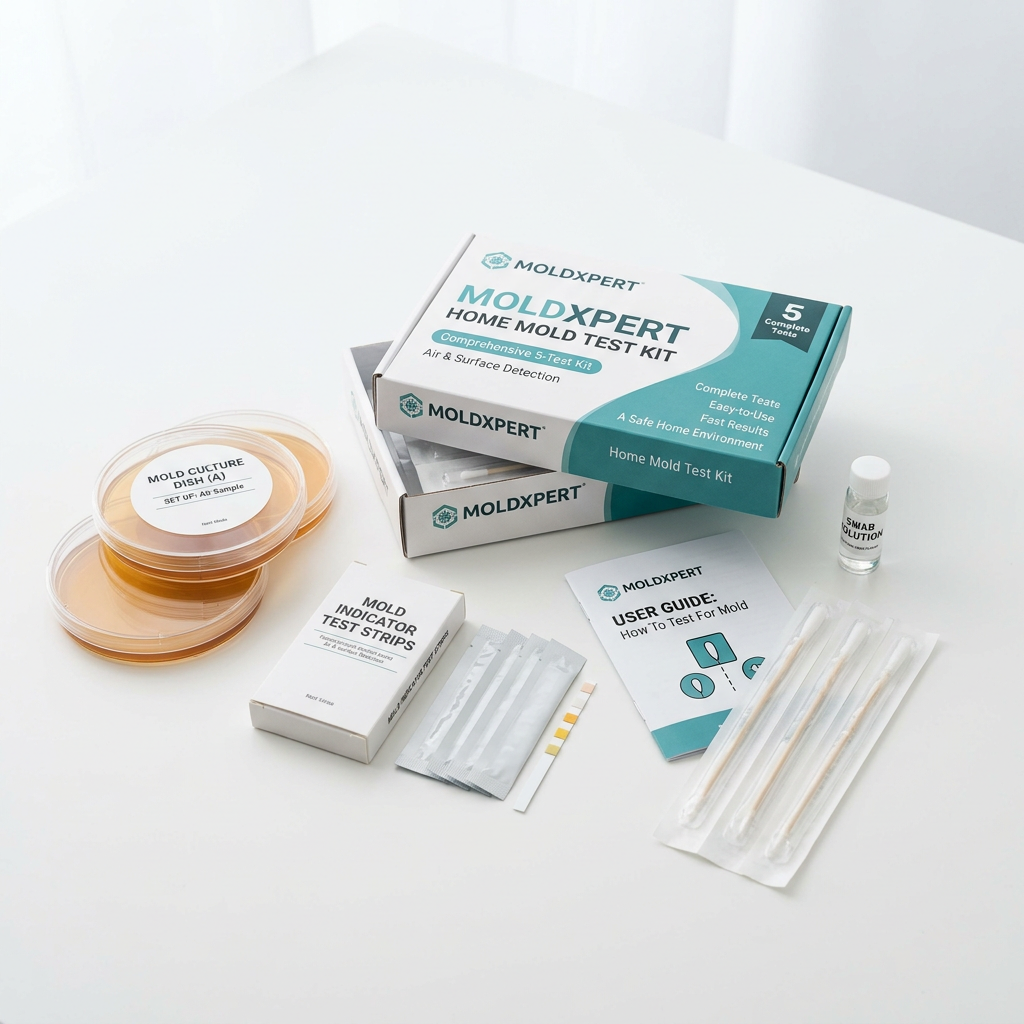
For small mold areas (under 10 square feet), DIY removal can save you $1,000-$3,000. You’ll need a N95 respirator, mold remover spray, and a moisture meter to verify the area is dry after treatment. For a basic DIY assessment, start with a home mold test kit.
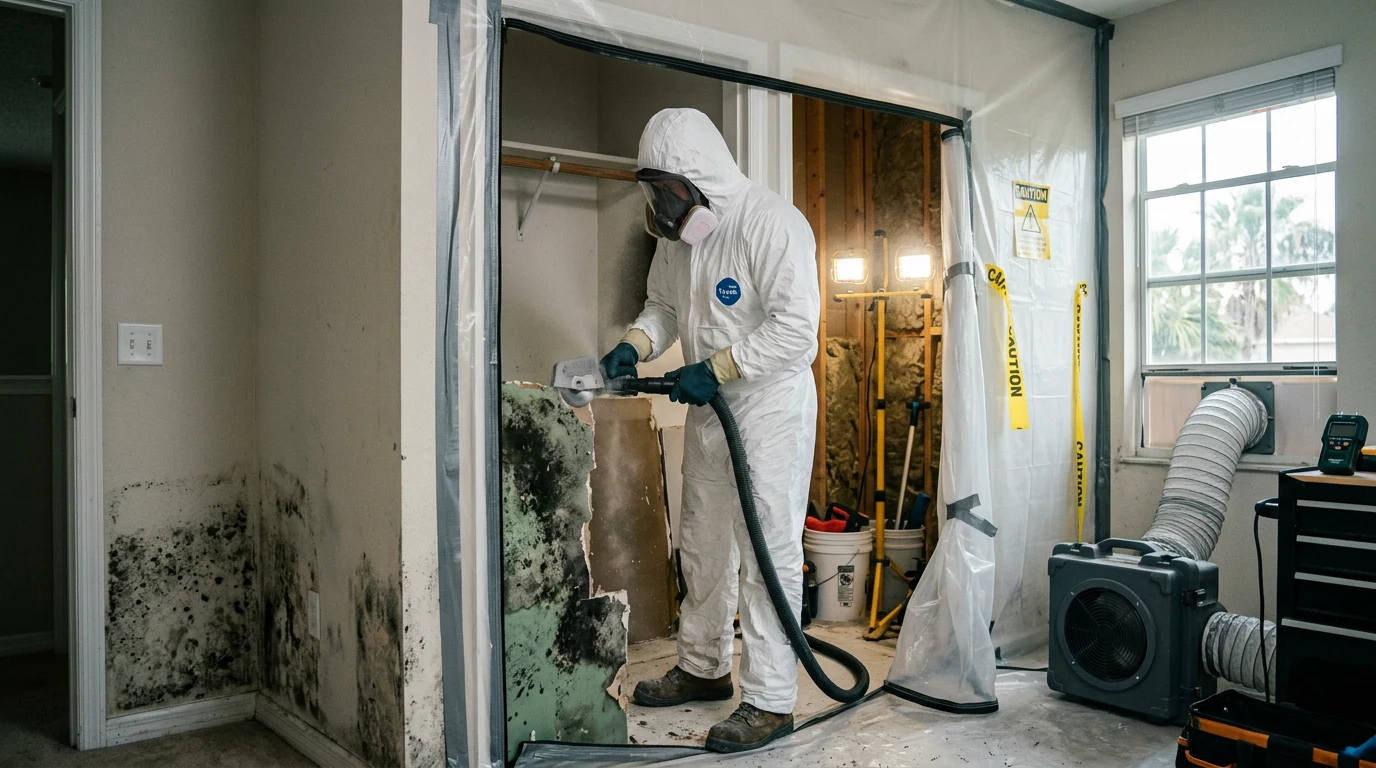
Hire a professional in Orlando when the affected area is larger than 10 square feet, mold is in your HVAC system, you suspect mold behind walls, or anyone in the household has respiratory health issues. Use our complete DIY mold removal guide for small projects and our guide on when to test for mold to determine if you need professional help.
How to Find a Reputable Mold Remediation Company in Orlando
- Verify licensing and insurance (check FL requirements)
- Get at least 3 written estimates
- Ask for references from recent Orlando-area jobs
- Ensure they follow IICRC S520 mold remediation standards
- Use a different company for testing and remediation (avoids conflict of interest)
- Get a written scope of work before any work begins
Common Mold Questions in Orlando
Why is mold so common in Orlando homes?
Does my Orlando condo association handle mold issues?
How do I prevent mold during Orlando’s rainy season?
Mold Removal Cost Breakdown by Room
Mold removal costs in Orlando vary significantly depending on the room and accessibility. Bathrooms are the most common location for mold growth due to constant moisture exposure, while basements and crawl spaces present unique challenges in Central Florida’s humid climate.
| Room/Area | Typical Size | Cost Range | Special Considerations |
|---|---|---|---|
| Bathroom | 40-60 sq ft | $800 – $2,500 | Tile removal, ventilation issues |
| Kitchen | 100-200 sq ft | $1,200 – $3,500 | Cabinet removal, appliance area access |
| Basement/Crawl Space | 500-1000 sq ft | $2,500 – $8,000 | Limited access, structural concerns |
| Attic | 800-1200 sq ft | $2,000 – $6,000 | Insulation removal, ventilation |
| Living Areas | 200-400 sq ft | $1,500 – $4,000 | Furniture relocation, drywall replacement |
| Whole House | 1500+ sq ft | $8,000 – $25,000 | Complete containment, HVAC treatment |
Orlando homeowners should expect higher costs for crawl space mold remediation due to the high water table and frequent moisture intrusion. Block construction homes may require specialized treatment methods that add 20-30% to standard pricing. Before beginning any remediation project, consider using a mold test kit to identify the extent of contamination and specific mold types present.
How Orlando’s Climate Affects Mold Growth and Costs
Orlando’s humid subtropical climate creates ideal conditions for mold proliferation, directly impacting remediation costs throughout the metro area. The city’s 73% average humidity level exceeds the EPA’s recommended indoor humidity threshold of 60%, making year-round moisture control essential for mold prevention.
The area’s 50.7 inches of annual rainfall, combined with frequent afternoon thunderstorms during summer months, creates persistent moisture challenges. This climate pattern means Orlando air conditioning systems operate 8+ months annually, leading to increased condensation issues and higher utility costs for proper dehumidification. When AC systems fail to maintain adequate moisture control, mold can develop rapidly in wall cavities, ductwork, and other hidden areas.
These environmental factors drive remediation costs higher in several ways. Professional companies must use more aggressive containment protocols due to rapid spore reproduction in high humidity. Projects often require extended drying periods using commercial dehumidifiers, adding 15-25% to labor costs. The prevalence of mold throughout Orlando means higher demand for certified remediators, keeping prices elevated compared to drier climates. Homeowners should invest in a quality air quality monitor to track humidity levels and prevent recurring mold issues after professional remediation.
Seasonal Considerations for Mold Removal in Orlando
Mold growth peaks in Orlando during the summer rainy season from June through September, when daily afternoon storms combine with high temperatures to create optimal growth conditions. During these months, indoor humidity levels frequently exceed 80% without proper climate control, leading to widespread mold issues throughout Central Florida homes.
The optimal timing for mold remediation in Orlando is during the drier winter months from November through March. Lower ambient humidity makes containment more effective and reduces the risk of spore spread during treatment. Professional availability is typically better during these months, and some companies offer seasonal discounts of 10-15% for non-emergency projects scheduled between December and February.
Summer remediation projects face unique challenges including higher humidity that extends drying times, increased containment requirements due to active spore production, and peak season pricing that can add 20-30% to standard costs. Homeowners planning preventive mold testing should schedule inspections in early spring to identify and address issues before the challenging summer season begins.
What to Expect During Professional Mold Remediation
Professional mold remediation in Orlando follows strict protocols established by the IICRC S520 standards and Florida state regulations. The process begins with a thorough assessment using moisture meters and air sampling to determine the extent of contamination. Certified technicians establish containment barriers using plastic sheeting and negative air pressure to prevent spore dispersal to unaffected areas.
The removal phase involves HEPA-filtered air scrubbers running continuously while technicians remove contaminated materials. Porous materials like drywall and insulation typically require complete removal, while semi-porous surfaces undergo specialized cleaning with antimicrobial solutions. All debris is double-bagged and disposed of according to Florida environmental regulations.
Most Orlando residential projects require 3-7 days for completion, depending on affected area size and humidity levels. Homeowners should expect noise from industrial equipment, temporary loss of access to treated areas, and potential odors from cleaning agents. The final step includes post-remediation verification testing and a clearance report confirming successful mold removal. Following the complete remediation process ensures long-term success and prevents recurring contamination issues common in Orlando’s challenging climate.
DIY vs Professional Mold Removal in Orlando
Orlando homeowners can safely handle small mold areas under 10 square feet using proper safety protocols and equipment. DIY projects typically save $1,500-$3,000 compared to professional services, making this approach cost-effective for minor bathroom or kitchen surface mold. Essential safety equipment includes N95 respirators, protective eyewear, waterproof gloves, and adequate ventilation to prevent spore inhalation.
Professional remediation becomes necessary when mold affects areas larger than 10 square feet, involves HVAC systems, or occurs in structural materials like wall cavities. Orlando’s high humidity means DIY mistakes can lead to rapid recontamination, potentially doubling remediation costs. Professional companies have specialized equipment including HEPA air scrubbers, commercial dehumidifiers, and moisture detection tools not available to homeowners.
The safety considerations are particularly important in Orlando due to the prevalence of Stachybotrys and other potentially toxic mold species. Homeowners with respiratory conditions, compromised immune systems, or pregnant family members should always hire professionals regardless of project size. Begin any DIY assessment with a reliable home mold test to identify mold types and concentration levels before deciding on the appropriate removal method. Consider professional services when dealing with recurring mold issues, as Orlando’s climate often requires specialized moisture control solutions beyond typical DIY capabilities.
Insurance Coverage for Mold Removal in FL
Florida homeowner’s insurance policies vary significantly in mold coverage, with most standard policies excluding mold damage from gradual moisture problems like humidity or minor leaks. Coverage typically applies only when mold results from a sudden, covered peril such as burst pipes, storm damage, or appliance failures. The average mold coverage limit in Florida ranges from $10,000-$50,000, which may not cover extensive remediation in Orlando’s challenging climate.
Florida law requires insurance companies to offer mold coverage as an optional endorsement, though this additional protection comes with higher premiums. Homeowners should review their policies annually, as some insurers have reduced mold coverage or increased deductibles in response to Florida’s high claim frequency. Documentation is critical for successful claims – maintain detailed records of moisture control efforts, regular HVAC maintenance, and any previous mold issues.
To maximize insurance coverage potential, Orlando homeowners should address moisture issues promptly and maintain detailed maintenance records. Consider scheduling annual mold inspections to document proactive prevention efforts. When filing claims, emphasize the sudden nature of the moisture source rather than gradual humidity problems, and work with experienced public adjusters familiar with Florida mold coverage complexities.
Frequently Asked Questions
How much does mold removal cost in Orlando?
The average mold remediation cost in Orlando, FL ranges from $1,500 – $5,000 depending on the size of the affected area, type of mold, and accessibility. Small bathroom mold removal may cost $500-$1,000, while whole-house remediation can exceed $10,000.
How much does a mold inspection cost in Orlando?
A professional mold inspection in Orlando, FL typically costs $300 – $600. This usually includes a visual assessment, moisture readings, and may include air or surface sampling.
Does homeowner’s insurance cover mold removal in FL?
Most homeowner’s insurance policies in FL cover mold damage if it results from a covered peril (like a burst pipe). Mold from maintenance neglect, flooding, or humidity is typically not covered. Check your specific policy.
Can I remove mold myself in Orlando?
For small areas (under 10 square feet), DIY removal is feasible with proper PPE. For larger areas or if you have health concerns, hire a professional mold remediation company in Orlando, FL. FL may require licensed professionals for certain projects.
Why is mold so common in Orlando homes?
Orlando’s humid subtropical climate with 73% average humidity and 50.7 inches of annual rainfall creates ideal mold growth conditions. Daily summer thunderstorms, high water tables, and nearby lakes maintain elevated moisture levels year-round, making mold prevention challenging without proper climate control.
Does my Orlando condo association handle mold issues?
Condo association responsibility for mold varies by building documents and Florida Statute 404.056. Associations typically handle mold in common areas, building envelope issues, and shared HVAC systems. Individual unit owners are usually responsible for mold within their units unless caused by association maintenance failures. Review your condo documents and consult association management for specific coverage details.
How do I prevent mold during Orlando’s rainy season?
Maintain indoor humidity below 50% using air conditioning and dehumidifiers, ensure proper ventilation in bathrooms and kitchens, fix water leaks immediately, and clean gutters regularly. Consider installing a whole-home dehumidifier to supplement your HVAC system during Orlando’s intense summer storm season when outdoor humidity reaches 90%+.
How long does mold remediation take in Orlando?
Most Orlando residential mold remediation projects require 3-7 days, depending on affected area size and local humidity conditions. Small bathroom projects may complete in 1-2 days, while whole-house remediation can take 1-2 weeks. Orlando’s high humidity often extends drying times, particularly during summer months when ambient moisture levels exceed 80%.
What type of mold is most common in Orlando?
Aspergillus and Penicillium are the most prevalent mold types in Orlando homes, thriving in the city’s humid conditions. Stachybotrys (black mold) occurs frequently in areas with chronic moisture problems. Use a professional mold test kit or ERMI test to identify specific species before beginning remediation.
Do I need a licensed mold remediator in Orlando?
Florida Statute 404.056 requires licensed mold assessors and remediators for most commercial projects and residential work exceeding 10 square feet. While homeowners can perform DIY removal on small areas, using licensed professionals ensures compliance with state regulations and proper safety protocols. Verify contractor licensing through the Florida Department of Business and Professional Regulation before hiring.