Mold Removal Cost in New York, NY: 2026 Pricing Guide
If you’re dealing with mold in your New York, NY home, understanding the costs involved is the first step toward getting it resolved. New York, NY has a moderate-high mold risk rating due to its humid subtropical/continental transition climate, 63% average humidity, and 49.9 inches of annual rainfall. This guide breaks down exactly what mold removal costs in New York, what factors affect pricing, and whether you should DIY or hire a professional.
Our reviews are based on aggregated verified buyer feedback, manufacturer specifications, ingredient analysis, and published expert opinion. Products are not independently purchased or tested by our team. We may earn a commission if you purchase through our links, at no extra cost to you. How We Review
New York at a Glance: Mold Risk Profile
| Factor | Detail |
|---|---|
| Population | 8,336,817 (metro: 20,140,470) |
| Average Home Price | $680,000 |
| Climate Zone | Humid subtropical/continental transition |
| Average Humidity | 63% |
| Annual Rainfall | 49.9 inches |
| Mold Risk Rating | Moderate-High |
| Common Housing Types | Pre-war apartments, brownstones, high-rise condos, housing projects, co-ops |
Average Mold Removal Costs in New York
| Service | Cost Range |
|---|---|
| Mold Inspection | $400 – $800 |
| Small Area Remediation (under 10 sq ft) | $500 – $1,500 |
| Standard Remediation | $3,000 – $10,000 |
| Whole-House Remediation | $5,000 – $15,000+ |
| Post-Remediation Air Testing | $200 – $400 |
Why Mold Is a Concern in New York
Dense construction limits airflow, aging pre-war buildings, steam heat creates moisture, many buildings have combined HVAC issues, bathroom exhaust often inadequate
Local insight: New York City’s Local Law 55 is one of the strongest mold laws in the US, requiring landlords to remediate mold within 30 days of notice. NYCHA (public housing) has faced billions in mold-related repair costs.
New York Housing and Mold: What to Know
In NYC pre-war apartments, check behind radiators and along window sills. Steam heating systems create dramatic temperature differentials that cause condensation, and original single-pane windows are condensation magnets.
Factors That Affect Mold Removal Cost in New York
- Size of affected area: Small bathroom mold vs. entire basement requires different approaches and costs
- Type of mold: Common mold is straightforward; suspected toxic mold (Stachybotrys) requires additional testing and containment
- Location: Accessible areas cost less than mold in crawl spaces, attics, or inside walls
- Cause of moisture: Fixing the underlying moisture issue (plumbing leak, drainage, humidity) adds to total cost
- Materials affected: Drywall replacement costs more than surface cleaning of tile or concrete
- Licensing requirements: NYC Local Law 55 (2018) mandates landlords remediate mold conditions in rental units. NYC Housing Maintenance Code includes mold as a Class B violation. NYS Real Property Law requires mold disclosure at sale.
DIY vs. Professional Mold Removal in New York
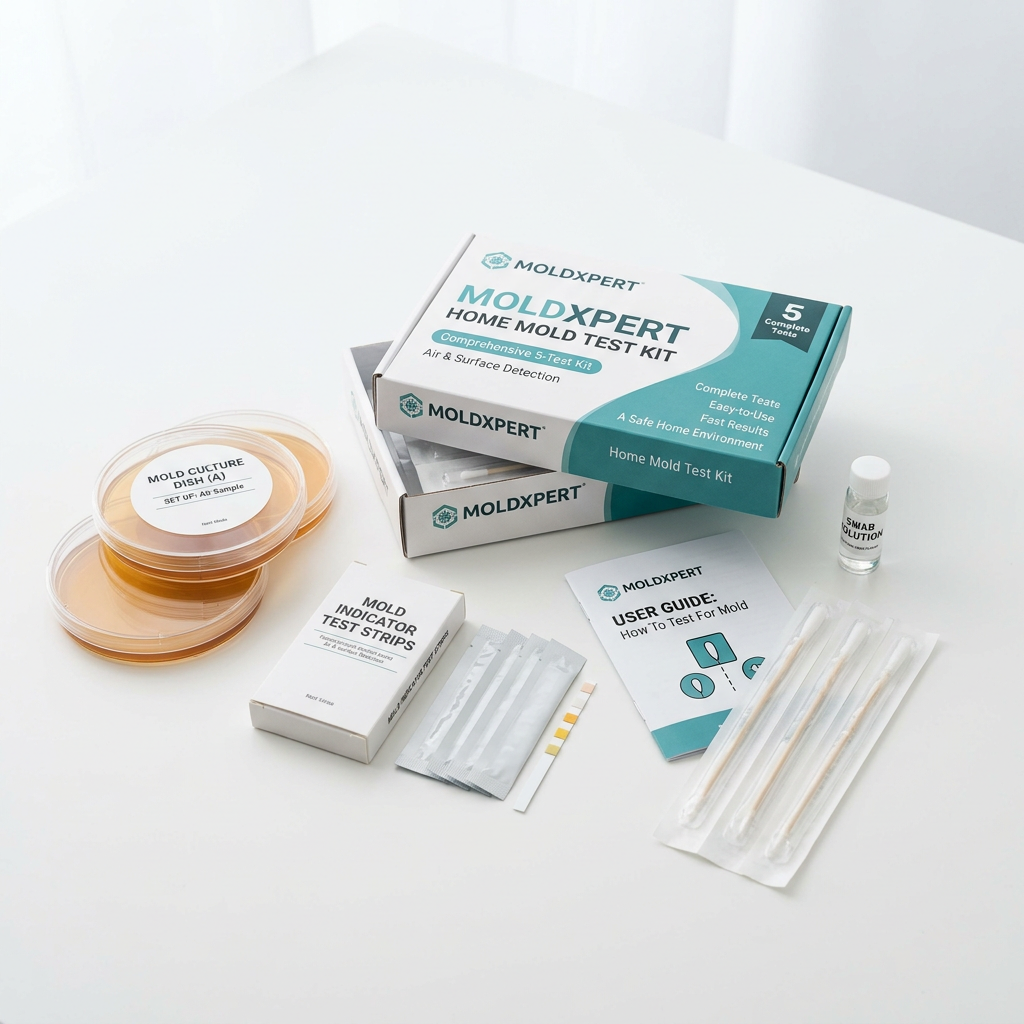
For small mold areas (under 10 square feet), DIY removal can save you $1,000-$3,000. You’ll need a N95 respirator, mold remover spray, and a moisture meter to verify the area is dry after treatment. For a basic DIY assessment, start with a home mold test kit.
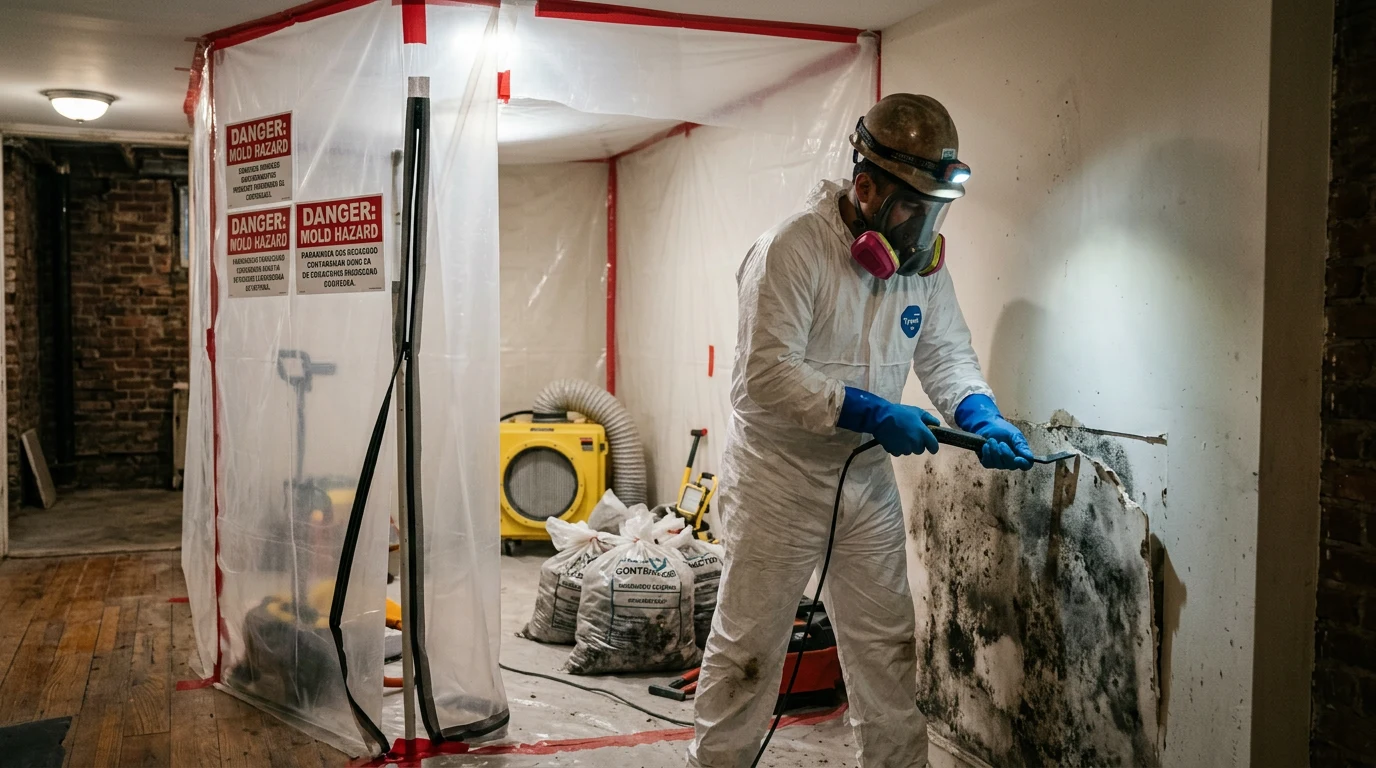
Hire a professional in New York when the affected area is larger than 10 square feet, mold is in your HVAC system, you suspect mold behind walls, or anyone in the household has respiratory health issues. Use our complete DIY mold removal guide for small projects and our guide on when to test for mold to determine if you need professional help.
How to Find a Reputable Mold Remediation Company in New York
- Verify licensing and insurance (check NY requirements)
- Get at least 3 written estimates
- Ask for references from recent New York-area jobs
- Ensure they follow IICRC S520 mold remediation standards
- Use a different company for testing and remediation (avoids conflict of interest)
- Get a written scope of work before any work begins
Mold Removal Cost Breakdown by Room
Mold removal costs in New York vary significantly depending on which room is affected. Each area presents unique challenges that influence the final price. Bathroom mold remediation typically costs between $800-$2,500 due to high moisture levels and frequent tile or grout replacement needs. The prevalence of mold behind bathroom tiles in older NYC apartments often requires extensive demolition work.
Kitchen mold removal ranges from $1,000-$3,500, with costs driven by moisture from cooking, dishwashing, and potential plumbing leaks under sinks. In New York’s compact kitchens, mold often spreads behind cabinets and appliances, making detection and remediation more complex. Basement and crawl space remediation is typically the most expensive at $2,000-$8,000, particularly common in NYC’s older buildings where poor ventilation and foundation moisture create ideal mold conditions.
| Room/Area | Typical Cost Range | Common Challenges |
|---|---|---|
| Bathroom | $800 – $2,500 | Tile replacement, moisture control |
| Kitchen | $1,000 – $3,500 | Cabinet removal, appliance areas |
| Basement/Crawl Space | $2,000 – $8,000 | Foundation moisture, poor ventilation |
| Attic | $1,500 – $4,000 | Insulation replacement, roof leaks |
| Whole House | $5,000 – $25,000+ | HVAC contamination, structural work |
Attic mold remediation costs $1,500-$4,000, often caused by roof leaks or inadequate ventilation in NYC’s varied housing stock. Whole-house remediation represents the most significant investment at $5,000-$25,000+, typically required when mold spreads through HVAC systems or results from major water damage events like flooding or burst pipes.
How New York’s Climate Affects Mold Growth and Costs
New York’s humid subtropical/continental transition climate creates ideal conditions for mold growth, directly impacting remediation costs. With an average humidity level of 63%, the city consistently exceeds the 60% threshold where mold thrives. This high humidity, combined with 49.9 inches of annual rainfall, means mold problems tend to be more persistent and widespread than in drier climates.
The climate zone’s temperature fluctuations create condensation issues, particularly in the city’s aging building stock. Steam heating systems, common in pre-war buildings, generate significant moisture that combines with poor ventilation to accelerate mold growth. These conditions often require more extensive remediation work, including moisture control systems and improved ventilation, increasing project costs by 20-40% compared to drier regions.
New York’s coastal location also means salt air can accelerate building material deterioration, making mold removal more complex. The combination of high humidity, frequent precipitation, and temperature swings means homeowners often face recurring mold issues if underlying moisture problems aren’t addressed. Professional remediation companies must factor in these environmental challenges when developing treatment plans, often recommending HEPA air purifiers and dehumidification systems to prevent future growth.
Seasonal Considerations for Mold Removal in New York
Mold growth in New York follows distinct seasonal patterns that affect both prevalence and remediation costs. Spring and summer months see peak mold activity due to increased humidity and frequent thunderstorms. The combination of warm temperatures and moisture from the 49.9 inches of annual rainfall creates optimal growing conditions, making this the busiest season for remediation companies.
Fall represents the ideal time for scheduling mold remediation in New York. Lower humidity levels and stable temperatures provide better working conditions, while reduced demand often translates to lower prices and better contractor availability. Winter remediation can be challenging due to heating system operation and limited ventilation options, but indoor humidity from steam heat can exacerbate existing mold problems.
Seasonal pricing trends show cost increases of 15-25% during peak summer months when demand surges. Contractors recommend using mold test kits during spring to identify problems early, allowing for remediation scheduling during the more cost-effective fall season. Emergency winter remediation often carries premium pricing due to weather-related complications and reduced contractor availability.
What to Expect During Professional Mold Remediation
Professional mold remediation in New York follows established protocols to ensure safe and effective removal. The process begins with containment setup, where technicians seal off affected areas using plastic sheeting and negative air pressure systems to prevent spore spread. This initial phase typically takes 2-4 hours and is crucial in NYC’s dense housing where cross-contamination between units is a major concern.
Removal work involves careful demolition of contaminated materials, HEPA filtration, and antimicrobial treatment following IICRC S520 standards. In New York’s older buildings, this often reveals additional moisture damage requiring structural repairs. The timeline varies from 2-3 days for small areas to 1-2 weeks for extensive remediation projects, with most residential jobs completed within a week.
Homeowners should expect to vacate treated areas during active remediation and prepare for temporary displacement of furniture and belongings. Post-remediation verification includes visual inspection, moisture testing using professional-grade moisture meters, and air quality testing to confirm successful remediation. The final step involves clearance testing by an independent third party, ensuring the space meets safety standards before reoccupation.
Insurance Coverage for Mold Removal in NY
Homeowners insurance coverage for mold removal in New York depends on the underlying cause of the moisture problem. Most policies cover mold damage resulting from sudden water events like burst pipes or appliance failures, but exclude damage from long-term moisture issues, flooding, or maintenance neglect. New York insurance companies typically limit mold coverage to $10,000-$50,000, though higher limits are available through endorsements.
The state’s disclosure requirements under NYS Real Property Law add complexity to insurance claims, as previous mold issues must be reported during home sales. Successful claims require prompt notification, detailed documentation including photos and mold testing results, and proof that the damage resulted from a covered peril. Many NYC residents purchase separate water damage riders to ensure adequate mold coverage given the city’s aging infrastructure.
When filing claims, homeowners should document everything with photos, maintain receipts for emergency repairs, and obtain professional assessments before beginning cleanup. Insurance adjusters often require independent mold testing and may dispute coverage for pre-existing conditions, making thorough documentation essential for claim approval.
Common Mold Questions in New York
Can I break my NYC lease because of mold?
Under NYC Local Law 55 and the Housing Maintenance Code, tenants can potentially break their lease if landlords fail to remediate mold conditions within 30 days of written notice. Mold constitutes a Class B violation that affects habitability, giving tenants legal grounds for lease termination if the landlord doesn’t comply with remediation requirements.
How do I report mold in a NYC apartment to 311?
Report mold issues in NYC rental units by calling 311 or using the NYC311 app to file a housing maintenance complaint. Provide detailed information including photos, location of mold growth, and any health effects. HPD will schedule an inspection and issue violations if mold conditions violate housing codes, compelling landlord action.
Is NYCHA responsible for mold in public housing?
NYCHA is legally responsible for mold remediation in public housing units and has established specific protocols following federal litigation. Tenants should report mold through NYCHA’s customer contact center and document all communications. NYCHA must investigate within 24 hours and begin remediation based on severity, with emergency situations addressed immediately.
Frequently Asked Questions
How much does mold removal cost in New York?
The average mold remediation cost in New York, NY ranges from $3,000 – $10,000 depending on the size of the affected area, type of mold, and accessibility. Small bathroom mold removal may cost $500-$1,000, while whole-house remediation can exceed $10,000.
How much does a mold inspection cost in New York?
A professional mold inspection in New York, NY typically costs $400 – $800. This usually includes a visual assessment, moisture readings, and may include air or surface sampling.
Does homeowner’s insurance cover mold removal in NY?
Most homeowner’s insurance policies in NY cover mold damage if it results from a covered peril (like a burst pipe). Mold from maintenance neglect, flooding, or humidity is typically not covered. Check your specific policy.
Can I remove mold myself in New York?
For small areas (under 10 square feet), DIY removal is feasible with proper PPE. For larger areas or if you have health concerns, hire a professional mold remediation company in New York, NY. NY may require licensed professionals for certain projects.
What are the health risks of mold exposure in NYC apartments?
Mold exposure can cause respiratory problems, allergic reactions, and worsen asthma symptoms. In NYC’s densely populated buildings, poor ventilation can concentrate spores. Vulnerable populations including children, elderly, and immunocompromised individuals face higher risks. Consult our mold health risks guide for detailed information.
How long does mold remediation take in New York homes?
Small mold remediation projects in NYC typically take 2-3 days, while extensive whole-house remediation can require 1-2 weeks. Timeline factors include area size, moisture source complexity, and material replacement needs. NYC’s building density may extend timelines due to containment requirements and neighbor considerations.
Do I need permits for mold remediation in New York?
Mold remediation itself typically doesn’t require permits in NYC, but related work like plumbing repairs, electrical work, or structural modifications may need permits. Large-scale projects involving building envelope changes require DOB permits. Consult with your remediation contractor about permit requirements for your specific situation.
How can I prevent mold in NYC’s humid climate?
Control humidity below 50% using dehumidifiers, ensure proper ventilation especially in bathrooms and kitchens, fix leaks promptly, and improve air circulation. In NYC’s older buildings, consider upgrading exhaust fans and using air quality monitors to track humidity levels. Regular maintenance is essential in the city’s challenging climate.
What should I look for when hiring a mold remediation company in NYC?
Verify licensing, insurance, and IICRC certification. Get multiple written estimates, check references from recent NYC projects, and ensure they follow EPA guidelines. Avoid companies that offer both testing and remediation services to prevent conflicts of interest. Confirm they understand NYC building codes and Local Law 55 requirements.
When should I use professional mold testing in New York?
Professional testing is recommended when you smell musty odors without visible mold, after water damage, before purchasing property, or when family members experience unexplained respiratory symptoms. Start with a home mold test for initial screening, then pursue professional testing if results indicate contamination or for legal documentation needs.