Mold Removal Cost in New Orleans, LA: 2026 Pricing Guide
If you’re dealing with mold in your New Orleans, LA home, understanding the costs involved is the first step toward getting it resolved. New Orleans, LA has a very high mold risk rating due to its humid subtropical climate, 77% average humidity, and 63.5 inches of annual rainfall. This guide breaks down exactly what mold removal costs in New Orleans, what factors affect pricing, and whether you should DIY or hire a professional.
Our reviews are based on aggregated verified buyer feedback, manufacturer specifications, ingredient analysis, and published expert opinion. Products are not independently purchased or tested by our team. We may earn a commission if you purchase through our links, at no extra cost to you. How We Review
New Orleans at a Glance: Mold Risk Profile
| Factor | Detail |
|---|---|
| Population | 383,997 (metro: 1,271,845) |
| Average Home Price | $255,000 |
| Climate Zone | Humid subtropical |
| Average Humidity | 77% |
| Annual Rainfall | 63.5 inches |
| Mold Risk Rating | Very High |
| Common Housing Types | Shotgun houses, Creole cottages, raised foundations, many pre-1950 wood-frame homes |
Average Mold Removal Costs in New Orleans
| Service | Cost Range |
|---|---|
| Mold Inspection | $300 – $600 |
| Small Area Remediation (under 10 sq ft) | $500 – $1,500 |
| Standard Remediation | $1,800 – $5,500 |
| Whole-House Remediation | $5,000 – $15,000+ |
| Post-Remediation Air Testing | $200 – $400 |
Why Mold Is Common in New Orleans
Below sea level elevation, extreme humidity, frequent flooding, aging housing stock with poor ventilation, Hurricane Katrina legacy moisture issues
Local insight: After Hurricane Katrina in 2005, an estimated 46% of New Orleans homes had visible mold growth. The city’s average elevation is 1-2 feet below sea level, making moisture intrusion a constant challenge.
New Orleans Housing and Mold: What to Know
In classic New Orleans shotgun houses, check the shared wall between rooms where air circulation is poorest. The long, narrow layout restricts airflow and traps moisture.
Factors That Affect Mold Removal Cost in New Orleans
- Size of affected area: Small bathroom mold vs. entire basement requires different approaches and costs
- Type of mold: Common mold is straightforward; suspected toxic mold (Stachybotrys) requires additional testing and containment
- Location: Accessible areas cost less than mold in crawl spaces, attics, or inside walls
- Cause of moisture: Fixing the underlying moisture issue (plumbing leak, drainage, humidity) adds to total cost
- Materials affected: Drywall replacement costs more than surface cleaning of tile or concrete
- Licensing requirements: Louisiana does not have specific mold statutes. General landlord obligations under La. Civil Code Art. 2691-2695 require habitable premises. Courts have ruled mold can constitute an uninhabitable condition.
DIY vs. Professional Mold Removal in New Orleans
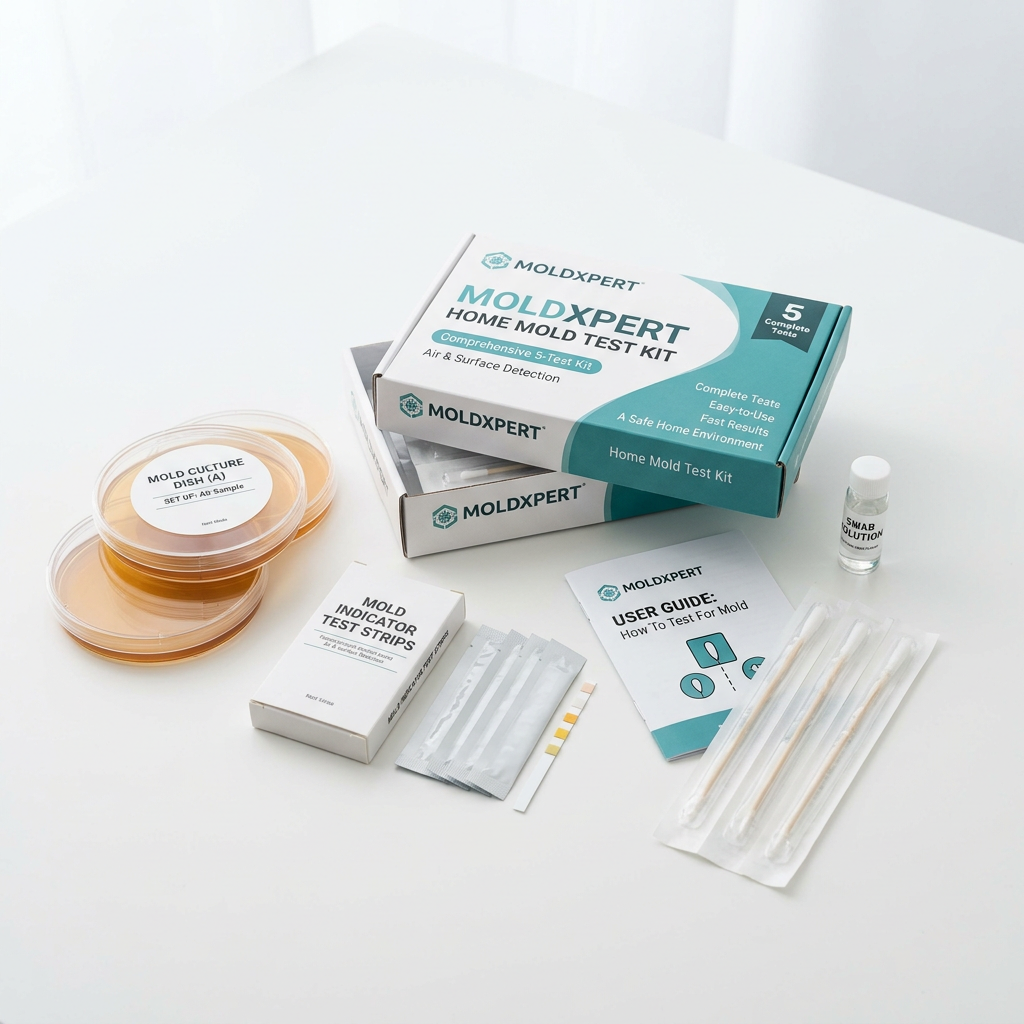
For small mold areas (under 10 square feet), DIY removal can save you $1,000-$3,000. You’ll need a N95 respirator, mold remover spray, and a moisture meter to verify the area is dry after treatment. For a basic DIY assessment, start with a home mold test kit.
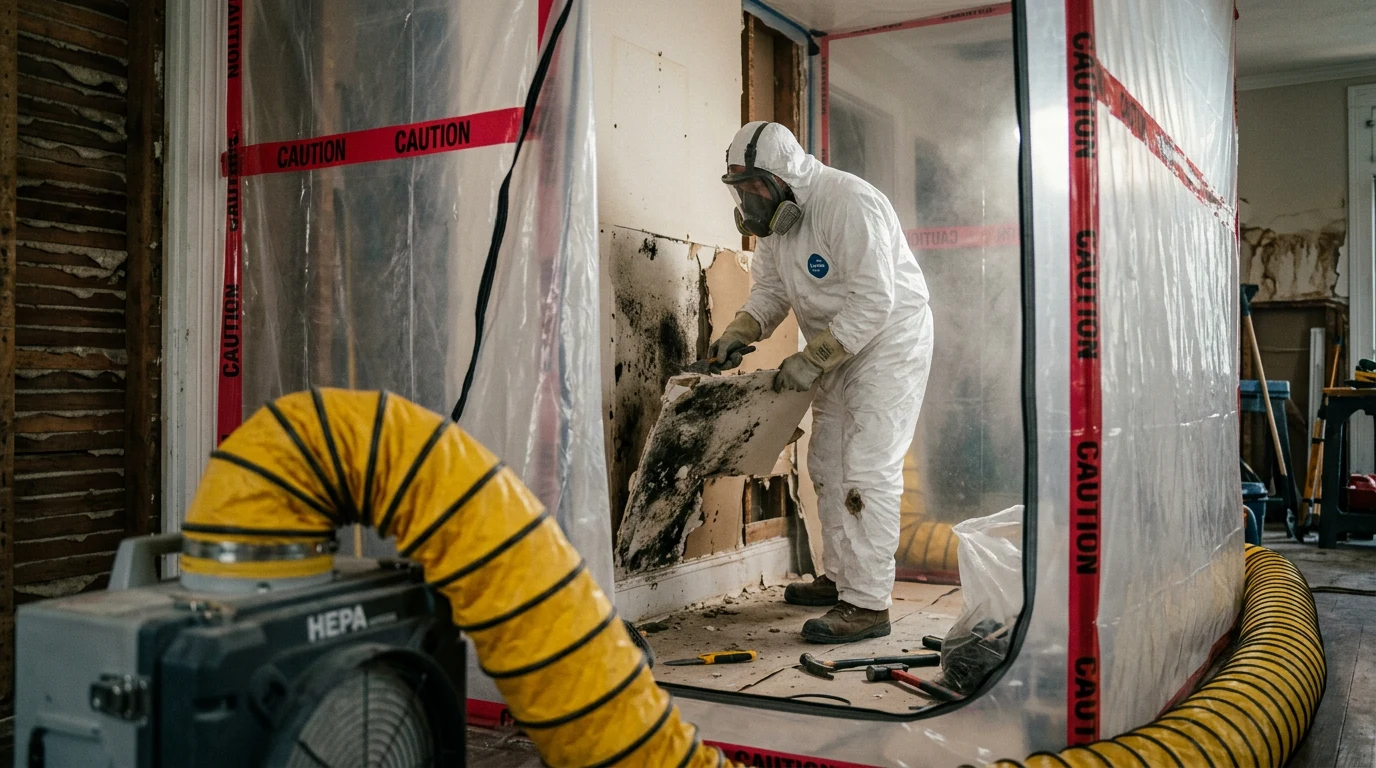
Hire a professional in New Orleans when the affected area is larger than 10 square feet, mold is in your HVAC system, you suspect mold behind walls, or anyone in the household has respiratory health issues. Use our complete DIY mold removal guide for small projects and our guide on when to test for mold to determine if you need professional help.
How to Find a Reputable Mold Remediation Company in New Orleans
- Verify licensing and insurance (check LA requirements)
- Get at least 3 written estimates
- Ask for references from recent New Orleans-area jobs
- Ensure they follow IICRC S520 mold remediation standards
- Use a different company for testing and remediation (avoids conflict of interest)
- Get a written scope of work before any work begins
Mold Removal Cost Breakdown by Room
Mold remediation costs in New Orleans vary significantly depending on the specific room and conditions. The city’s unique housing stock, including historic shotgun houses and Creole cottages, presents distinct challenges for each area of the home. Understanding room-specific pricing helps homeowners budget appropriately for their specific situation.
| Room/Area | Cost Range | Typical Issues |
|---|---|---|
| Bathroom | $800 – $2,500 | Poor ventilation, moisture accumulation behind tiles |
| Kitchen | $1,200 – $3,500 | Plumbing leaks, cabinet moisture, inadequate exhaust |
| Basement/Crawl Space | $1,500 – $4,500 | Below sea level moisture, poor drainage, limited access |
| Attic | $1,000 – $3,000 | Roof leaks, insulation moisture, ventilation issues |
| Living Room/Bedroom | $1,500 – $4,000 | HVAC moisture, window leaks, wall penetration |
| Whole House | $8,000 – $25,000+ | Systemic moisture, structural issues, extensive damage |
Bathroom mold removal in New Orleans typically costs less due to smaller square footage, but the high humidity can make recurring issues common. Kitchen remediation often involves appliance areas and cabinet replacement, driving up costs. For homes with crawl space mold, the below-sea-level elevation creates unique moisture challenges that require specialized drainage solutions. Whole-house projects in older New Orleans homes may require extensive structural work due to the legacy moisture issues from hurricanes and flooding.
How New Orleans’s Climate Affects Mold Growth and Costs
New Orleans operates in a humid subtropical climate zone with an average humidity level of 77%, significantly higher than the national average of 60-65%. This extreme humidity, combined with 63.5 inches of annual rainfall (nearly double the U.S. average), creates ideal conditions for mold growth year-round. The city’s position 1-2 feet below sea level means groundwater constantly threatens foundations and crawl spaces.
These climate factors directly impact remediation costs in several ways. Higher humidity requires more aggressive dehumidification during the remediation process, extending project timelines by 20-30%. The constant moisture means professionals must use stronger containment measures and more thorough drying protocols. Additionally, the risk of mold returning is elevated, requiring enhanced preventive treatments that add $200-$500 to most projects.
The subtropical climate also means HVAC systems work harder and accumulate more moisture, making ductwork cleaning and treatment essential in most cases. This adds approximately $800-$1,500 to comprehensive remediation projects. Professional companies in New Orleans typically recommend installing HEPA air purifiers and commercial-grade dehumidifiers as part of the remediation process, adding to overall costs but providing long-term protection against recurrence.
Seasonal Considerations for Mold Removal in New Orleans
Mold growth in New Orleans peaks during the summer months (June through September) when humidity regularly exceeds 80% and frequent thunderstorms create additional moisture. Hurricane season, running from June through November, brings the highest risk of water intrusion and subsequent mold issues. Many homeowners discover mold problems in late summer when air conditioning systems work hardest and indoor humidity spikes.
The optimal time for mold remediation in New Orleans is during the cooler, drier months from December through February when humidity drops to 65-70%. During this period, dehumidification is more effective, drying times are shorter, and the risk of immediate recontamination is reduced. Remediation companies often offer 10-15% discounts during these slower winter months, making it an ideal time for non-emergency projects.
Spring months (March through May) present moderate conditions for remediation but come with higher demand as homeowners prepare for hurricane season. Summer remediation, while sometimes unavoidable, requires extended drying periods and may cost 15-20% more due to challenging working conditions and increased equipment needs. Emergency remediation after storm events typically carries premium pricing of 25-40% above standard rates.
What to Expect During Professional Mold Remediation
Professional mold remediation in New Orleans follows established protocols but adapts to local conditions. The process begins with a comprehensive inspection and mold test to determine the extent and type of contamination. Given New Orleans’s moisture challenges, testing typically includes humidity mapping and moisture meter readings throughout the structure.
The remediation phase starts with containment setup to prevent spores from spreading to unaffected areas. In New Orleans’s older homes with interconnected rooms, this often requires more extensive plastic sheeting and negative air pressure systems. Removal of affected materials follows EPA guidelines, with special attention to the porous materials common in historic construction like wood lath and horsehair plaster.
Most residential projects take 3-7 days depending on size and complexity. The final phase includes thorough cleaning with HEPA vacuums, antimicrobial treatments, and extended drying periods to account for the high ambient humidity. Post-remediation verification testing ensures the space meets safety standards before containment removal. Homeowners should plan to stay elsewhere during active remediation and for 24-48 hours after completion while final air clearance tests are conducted.
DIY vs Professional Mold Removal in New Orleans
DIY mold removal in New Orleans is only recommended for small areas under 10 square feet where the mold is clearly surface-level on non-porous materials. The city’s extreme humidity makes proper drying challenging for homeowners without commercial equipment. Essential DIY supplies include N95 respirators, protective clothing, mold remover sprays, and moisture meters to verify complete drying.
Professional remediation becomes necessary when mold covers more than 10 square feet, appears in multiple locations, affects HVAC systems, or involves porous materials like drywall and insulation. New Orleans’s older homes often have mold growth hidden behind walls or in inaccessible crawl spaces that require professional equipment and expertise. The cost difference between DIY and professional treatment ranges from $1,500-$4,000 for typical projects.
Safety considerations are particularly important in New Orleans due to the prevalence of Stachybotrys (black mold) in water-damaged homes. Professional remediation companies carry liability insurance and follow strict safety protocols that protect both workers and occupants. For homeowners with respiratory conditions or immune system concerns, professional treatment is always recommended regardless of the affected area size.
Insurance Coverage for Mold Removal in LA
Louisiana insurance law does not require mold coverage, but most homeowner policies include limited mold remediation benefits when mold results from a covered peril like burst pipes or appliance malfunctions. Standard coverage typically ranges from $10,000-$50,000 depending on the policy. Mold damage from maintenance issues, humidity, or flooding is generally excluded from coverage.
Given New Orleans’s flood risk, many homeowners carry separate flood insurance through NFIP, but this coverage specifically excludes mold damage unless it results directly from flood waters within the covered period. Some insurers offer mold endorsements for an additional premium, which can be valuable in high-risk areas like New Orleans. These endorsements typically cost $50-$200 annually and provide $25,000-$100,000 in additional coverage.
To maximize insurance coverage, document mold issues immediately with photos and professional inspection reports. File claims promptly, as Louisiana law requires insurers to respond within 30 days. Working with a public adjuster familiar with mold claims can help ensure fair settlement, particularly for larger losses. Keep all remediation receipts and follow insurer requirements for contractor selection to avoid coverage disputes.
Seasonal Considerations for Mold Removal in New Orleans
New Orleans’s year-round warm climate means mold growth never truly stops, but certain seasons present better conditions for effective remediation. Summer months from June through September bring the highest humidity levels, often exceeding 85%, which can extend drying times and increase the risk of recontamination during the remediation process. Many professionals recommend waiting until cooler months unless the situation is urgent.
Winter months (December through February) offer the most favorable conditions for mold remediation in New Orleans. Humidity levels drop to their annual low of 65-70%, equipment operates more efficiently, and drying times are significantly reduced. This seasonal advantage often translates to cost savings of 10-15% as projects complete faster and require less equipment runtime.
Hurricane season creates unique timing challenges, with emergency remediation often necessary immediately after storm damage to prevent mold after water damage. During these peak demand periods, remediation costs can increase 20-30% due to high demand and challenging working conditions. Planning non-urgent remediation projects during off-peak months helps homeowners avoid premium pricing and ensures better availability of qualified contractors.
Common Mold Questions in New Orleans
Is mold in New Orleans rental properties the landlord’s problem?
Under Louisiana Civil Code Articles 2691-2695, landlords must maintain rental properties in habitable condition, which courts have ruled includes addressing mold issues that pose health risks. Tenants should document mold problems immediately and notify landlords in writing. If mold results from tenant negligence or poor housekeeping, responsibility may shift to the tenant.
How does living below sea level affect mold risk?
New Orleans’s below-sea-level elevation creates constant groundwater pressure against foundations and basement walls, leading to chronic moisture intrusion. This geographic challenge means even well-maintained homes face ongoing mold risk, particularly in crawl spaces and lower levels. Proper drainage, vapor barriers, and consistent dehumidification become essential rather than optional in below-sea-level areas.
What’s the best dehumidifier setting for New Orleans climate?
Indoor humidity in New Orleans homes should be maintained between 45-50% to prevent mold growth while avoiding over-drying that can damage wood floors and furniture. During summer months, this typically requires running dehumidifiers continuously and may need multiple units in larger homes. Air quality monitors help track humidity levels and optimize dehumidifier settings for local conditions.
Frequently Asked Questions
How much does mold removal cost in New Orleans?
The average mold remediation cost in New Orleans, LA ranges from $1,800 – $5,500 depending on the size of the affected area, type of mold, and accessibility. Small bathroom mold removal may cost $500-$1,000, while whole-house remediation can exceed $10,000.
How much does a mold inspection cost in New Orleans?
A professional mold inspection in New Orleans, LA typically costs $300 – $600. This usually includes a visual assessment, moisture readings, and may include air or surface sampling.
Does homeowner’s insurance cover mold removal in LA?
Most homeowner’s insurance policies in LA cover mold damage if it results from a covered peril (like a burst pipe). Mold from maintenance neglect, flooding, or humidity is typically not covered. Check your specific policy.
Can I remove mold myself in New Orleans?
For small areas (under 10 square feet), DIY removal is feasible with proper PPE. For larger areas or if you have health concerns, hire a professional mold remediation company in New Orleans, LA. LA may require licensed professionals for certain projects.
How long does mold remediation take in New Orleans?
Most residential mold remediation projects in New Orleans take 3-7 days depending on the size and complexity. The city’s high humidity can extend drying times, potentially adding 1-2 days to the typical timeline. Emergency flood-related remediation may take 1-2 weeks for extensive damage.
What types of mold are most common in New Orleans homes?
The most common molds in New Orleans include Aspergillus, Penicillium, Cladosporium, and Stachybotrys (black mold). The humid climate and frequent water damage create ideal conditions for these species. Professional mold testing can identify specific species and guide appropriate treatment approaches.
Should I test for mold before hiring a remediation company?
If mold is visible, testing isn’t always necessary before remediation. However, when to test for mold includes situations with musty odors but no visible growth, health symptoms with unknown causes, or post-remediation verification. Use a mold test kit for initial screening or hire a professional inspector for comprehensive analysis.
How can I prevent mold growth in my New Orleans home?
Prevent mold in New Orleans by maintaining indoor humidity below 50% with dehumidifiers, ensuring proper ventilation in bathrooms and kitchens, fixing leaks promptly, and improving drainage around the foundation. Regular HVAC maintenance and using air purifiers also help reduce mold spores in the indoor environment.
Are there health risks from mold exposure in New Orleans?
Mold health risks include respiratory symptoms, allergic reactions, and potential toxic effects from certain species like Stachybotrys. New Orleans residents may face higher exposure risks due to the prevalence of mold in the local environment. Individuals with asthma, allergies, or compromised immune systems should take extra precautions and seek professional remediation for any mold issues.
What should I do if I find mold after a hurricane or flood?
After water damage from hurricanes or flooding, act quickly to prevent mold after water damage. Remove standing water immediately, dry affected areas within 24-48 hours, and document damage for insurance claims. For extensive water damage, hire professional remediation services immediately as mold can begin growing within 24 hours in New Orleans’s humid climate.