Mold Removal Cost in Milwaukee, WI: 2026 Pricing Guide
If you’re dealing with mold in your Milwaukee, WI home, understanding the costs involved is the first step toward getting it resolved. Milwaukee, WI has a moderate mold risk rating due to its humid continental (cold) climate, 67% average humidity, and 34.8 inches of annual rainfall. This guide breaks down exactly what mold removal costs in Milwaukee, what factors affect pricing, and whether you should DIY or hire a professional.
Our reviews are based on aggregated verified buyer feedback, manufacturer specifications, ingredient analysis, and published expert opinion. Products are not independently purchased or tested by our team. We may earn a commission if you purchase through our links, at no extra cost to you. How We Review
Milwaukee at a Glance: Mold Risk Profile
| Factor | Detail |
|---|---|
| Population | 577,222 (metro: 1,574,731) |
| Average Home Price | $195,000 |
| Climate Zone | Humid continental (cold) |
| Average Humidity | 67% |
| Annual Rainfall | 34.8 inches |
| Mold Risk Rating | Moderate |
| Common Housing Types | Older duplexes, bungalows, many with basements, cream city brick construction |
Average Mold Removal Costs in Milwaukee
| Service | Cost Range |
|---|---|
| Mold Inspection | $250 – $500 |
| Small Area Remediation (under 10 sq ft) | $500 – $1,500 |
| Standard Remediation | $1,200 – $4,000 |
| Whole-House Remediation | $5,000 – $15,000+ |
| Post-Remediation Air Testing | $200 – $400 |
Why Mold Is a Concern in Milwaukee
Lake Michigan humidity, basement flooding from snowmelt and rain, older housing stock, tightly sealed homes in winter trap moisture, cream city brick absorbs water
Local insight: Milwaukee’s signature cream city brick (made from local Menomonee Valley clay) is softer and more porous than common red brick, absorbing more moisture and making walls more susceptible to hidden mold.
Milwaukee Housing and Mold: What to Know
Milwaukee’s iconic cream city brick homes absorb moisture like a sponge. Never pressure wash cream city brick, as it forces water deep into the porous material. Use gentle cleaning and ensure tuckpointing is maintained.
Factors That Affect Mold Removal Cost in Milwaukee
- Size of affected area: Small bathroom mold vs. entire basement requires different approaches and costs
- Type of mold: Common mold is straightforward; suspected toxic mold (Stachybotrys) requires additional testing and containment
- Location: Accessible areas cost less than mold in crawl spaces, attics, or inside walls
- Cause of moisture: Fixing the underlying moisture issue (plumbing leak, drainage, humidity) adds to total cost
- Materials affected: Drywall replacement costs more than surface cleaning of tile or concrete
- Licensing requirements: Wisconsin has no specific mold statute. Wis. Stat. § 704.07 covers landlord repair obligations. Milwaukee’s Department of Neighborhood Services enforces housing code.
DIY vs. Professional Mold Removal in Milwaukee
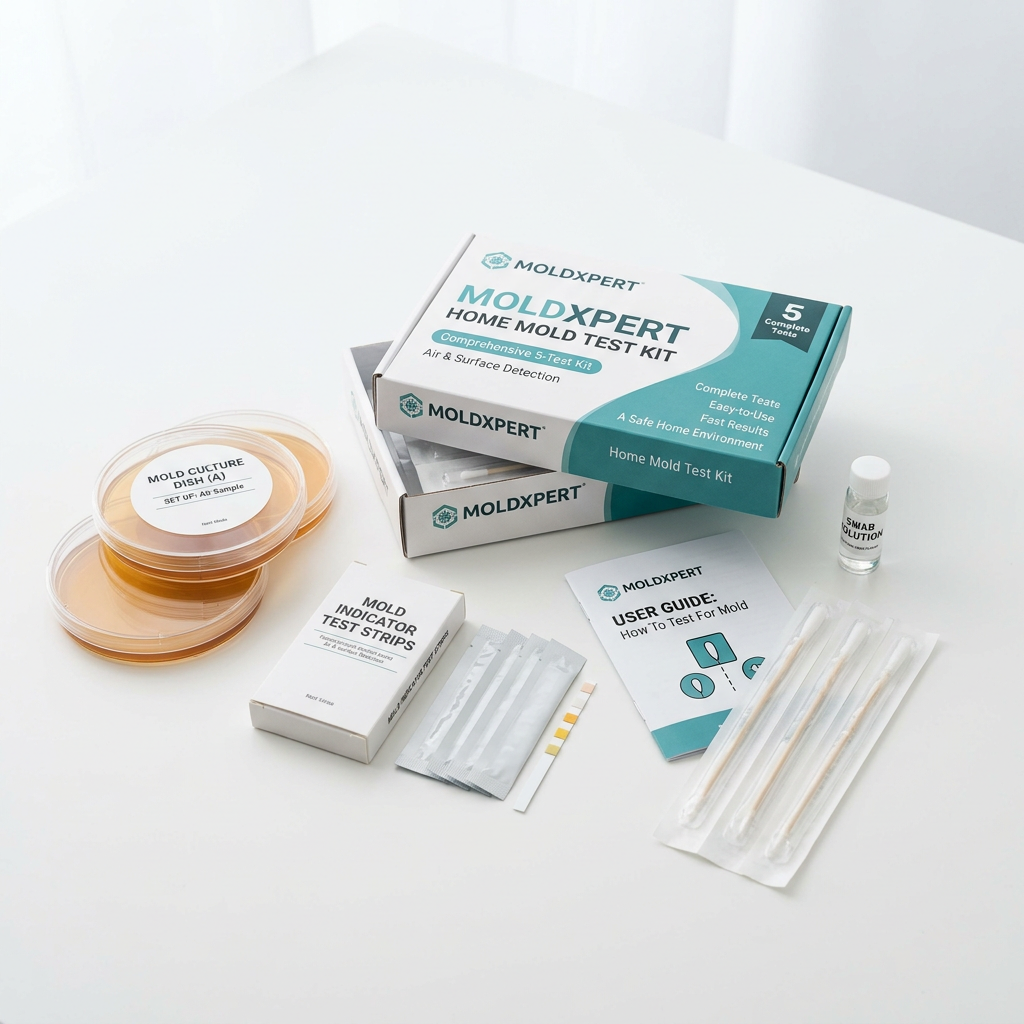
For small mold areas (under 10 square feet), DIY removal can save you $1,000-$3,000. You’ll need a N95 respirator, mold remover spray, and a moisture meter to verify the area is dry after treatment. For a basic DIY assessment, start with a home mold test kit.
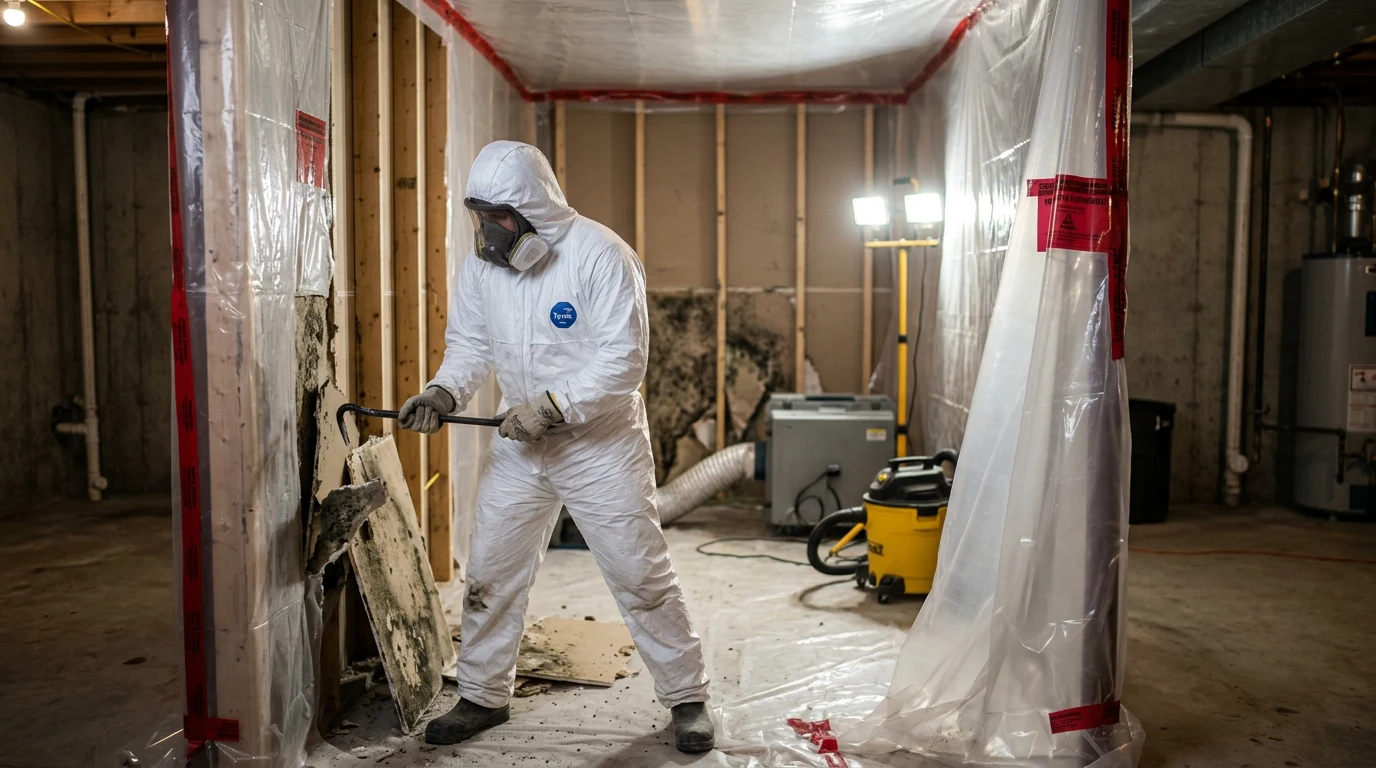
Hire a professional in Milwaukee when the affected area is larger than 10 square feet, mold is in your HVAC system, you suspect mold behind walls, or anyone in the household has respiratory health issues. Use our complete DIY mold removal guide for small projects and our guide on when to test for mold to determine if you need professional help.
How to Find a Reputable Mold Remediation Company in Milwaukee
- Verify licensing and insurance (check WI requirements)
- Get at least 3 written estimates
- Ask for references from recent Milwaukee-area jobs
- Ensure they follow IICRC S520 mold remediation standards
- Use a different company for testing and remediation (avoids conflict of interest)
- Get a written scope of work before any work begins
Mold Removal Cost Breakdown by Room
Mold removal costs in Milwaukee vary significantly based on the location within your home. Different rooms present unique challenges, from moisture sources to accessibility issues. Understanding these room-specific costs helps homeowners budget appropriately and prioritize remediation efforts.
| Room/Area | Cost Range | Typical Issues |
|---|---|---|
| Bathroom | $500 – $2,000 | High humidity, tile grout, ventilation issues |
| Kitchen | $800 – $3,000 | Under-sink leaks, appliance moisture, cabinet mold |
| Basement | $1,500 – $6,000 | Foundation moisture, poor ventilation, concrete walls |
| Crawl Space | $1,200 – $4,500 | Ground moisture, limited access, structural concerns |
| Attic | $1,000 – $4,000 | Roof leaks, insulation contamination, ventilation |
| Whole House | $5,000 – $20,000+ | HVAC contamination, multiple rooms, extensive damage |
Basements represent the most common mold issue in Milwaukee homes, particularly those with cream city brick foundations. The porous nature of this local brick material absorbs moisture from ground contact and seasonal flooding. Crawl spaces present unique challenges due to limited access and often require specialized equipment, increasing labor costs. Bathroom mold remediation typically costs less due to smaller areas and easier access, though tile and grout replacement can add expenses. Kitchen mold often involves cabinet removal and appliance disconnection, contributing to higher costs. Professional mold testing should precede any extensive remediation to identify the full scope of contamination.
How Milwaukee’s Climate Affects Mold Growth and Costs
Milwaukee’s humid continental climate creates specific conditions that drive mold growth and affect remediation costs. The city experiences an average humidity level of 67%, which exceeds the 60% threshold where mold growth accelerates. Combined with 34.8 inches of annual rainfall, these conditions create persistent moisture challenges for homeowners.
The climate zone’s temperature fluctuations contribute to condensation issues, particularly in basements and attics of older homes. Winter heating systems dry indoor air, but poor ventilation traps moisture in bathrooms and kitchens. Spring snowmelt and summer thunderstorms frequently cause basement flooding, especially in homes with aging drainage systems. Lake Michigan’s proximity adds atmospheric moisture, creating microclimates where humidity remains elevated even during drier seasons.
These climate factors drive higher remediation costs in Milwaukee compared to drier climates. Persistent moisture requires more extensive dehumidification during remediation, extending project timelines. The need for moisture source correction often involves basement waterproofing, improved ventilation systems, and HVAC modifications. Professional contractors typically recommend air quality monitoring during and after remediation to ensure humidity levels remain below 50%. The combination of high humidity and temperature swings means Milwaukee homeowners should budget for comprehensive moisture control measures beyond basic mold removal to prevent recurrence.
Seasonal Considerations for Mold Removal in Milwaukee
Mold problems in Milwaukee peak during specific seasons, affecting both the urgency and cost of remediation. Spring presents the highest risk period due to snowmelt, basement flooding, and increased humidity as temperatures warm. Many homeowners discover mold issues during spring cleaning or when reactivating basements after winter dormancy.
Summer offers optimal conditions for mold remediation projects. Lower humidity periods in late summer allow faster drying times, reducing project duration and costs. Contractors can open windows and doors for natural ventilation, eliminating the need for expensive mechanical drying equipment. However, summer is peak season for remediation companies, potentially increasing prices due to higher demand.
Fall remediation projects should be completed before winter weather arrives. Milwaukee’s harsh winters can delay projects and increase costs due to heating requirements and limited ventilation options. Winter remediation requires mechanical drying systems and climate control, adding 15-25% to typical project costs. Scheduling remediation during shoulder seasons (late spring or early fall) often provides the best balance of favorable conditions and contractor availability. Homeowners should consider using a mold test kit seasonally to identify problems before they escalate during high-risk periods.
What to Expect During Professional Mold Remediation
Professional mold remediation in Milwaukee follows the IICRC S520 standards and typically spans 3-7 days depending on the project scope. The process begins with containment setup, where technicians seal off affected areas using plastic sheeting and negative air pressure systems. This prevents spore distribution to clean areas during removal activities.
Initial air sampling establishes baseline contamination levels, followed by affected material removal. Non-porous surfaces undergo cleaning with antimicrobial solutions, while porous materials like drywall or insulation require disposal. HEPA filtration systems run continuously during active remediation to capture airborne spores. Structural drying follows removal, often requiring 24-48 hours with commercial dehumidifiers and air movers.
Homeowners should relocate during active remediation, especially those with respiratory sensitivities. Essential preparations include removing personal belongings from work areas, securing pets, and arranging temporary housing if whole-house remediation occurs. Post-remediation verification includes clearance testing and a final walkthrough. The contractor provides documentation of all work performed, disposal certificates for contaminated materials, and recommendations for preventing recurrence. Following prevention guidelines helps ensure long-term success of the remediation investment.
Insurance Coverage for Mold Removal in Wisconsin
Wisconsin homeowner’s insurance policies typically exclude mold damage unless it results from a covered peril like sudden water damage from burst pipes or storm damage. Gradual moisture problems, maintenance neglect, and flooding are generally excluded from standard coverage. Most policies include limited mold coverage, often capped at $1,000-$10,000 for remediation costs.
Successfully filing a mold claim requires documenting the water source and demonstrating it qualifies as a covered peril. Prompt reporting is essential – delays can result in claim denial if the insurer determines damage worsened due to delayed notification. Policyholders should photograph all damage, maintain records of temporary repairs, and avoid extensive cleanup before adjuster inspection.
Some Wisconsin insurers offer optional mold coverage endorsements for additional premium. These riders typically provide higher coverage limits and broader protection scenarios. Review policy language carefully, as coverage varies significantly between carriers. Consider purchasing additional coverage if your home has risk factors like basement susceptibility or previous water damage. For extensive mold problems exceeding insurance limits, payment plans with remediation contractors may provide affordable options for necessary work.
Common Mold Questions in Milwaukee
Does cream city brick cause mold in Milwaukee?
Cream city brick itself doesn’t cause mold, but its porous nature absorbs moisture more readily than standard brick, creating conditions favorable for mold growth. The brick’s high absorption rate allows water to penetrate deeper into walls, where it can remain trapped and support mold growth in adjacent materials like drywall or insulation.
How do I prevent basement mold in Milwaukee?
Prevent basement mold by controlling moisture through proper drainage, waterproofing, and dehumidification. Install and maintain gutters, grade soil away from the foundation, seal basement walls, and use a dehumidifier to keep humidity below 50%. Ensure adequate ventilation and address any plumbing leaks immediately.
Is mold testing required to sell a home in Wisconsin?
Wisconsin law doesn’t require mold testing for home sales, but sellers must disclose known mold issues. Many buyers request mold inspections during the due diligence period, especially for older homes or properties with water damage history. Proactive testing can identify issues before listing and prevent deal complications.
Frequently Asked Questions
How much does mold removal cost in Milwaukee?
The average mold remediation cost in Milwaukee, WI ranges from $1,200 – $4,000 depending on the size of the affected area, type of mold, and accessibility. Small bathroom mold removal may cost $500-$1,000, while whole-house remediation can exceed $10,000.
How much does a mold inspection cost in Milwaukee?
A professional mold inspection in Milwaukee, WI typically costs $250 – $500. This usually includes a visual assessment, moisture readings, and may include air or surface sampling.
Does homeowner’s insurance cover mold removal in WI?
Most homeowner’s insurance policies in WI cover mold damage if it results from a covered peril (like a burst pipe). Mold from maintenance neglect, flooding, or humidity is typically not covered. Check your specific policy.
Can I remove mold myself in Milwaukee?
For small areas (under 10 square feet), DIY removal is feasible with proper PPE. For larger areas or if you have health concerns, hire a professional mold remediation company in Milwaukee, WI. WI may require licensed professionals for certain projects.
What are the health risks of mold exposure in Milwaukee?
Mold exposure can cause respiratory issues, allergic reactions, and aggravate asthma. Milwaukee’s high humidity can worsen these effects as mold spore counts remain elevated longer. Individuals with compromised immune systems, allergies, or respiratory conditions face higher risks and should avoid mold-contaminated areas. Learn more about mold health risks.
How long does mold remediation take in Milwaukee?
Most mold remediation projects in Milwaukee take 3-7 days depending on the affected area size and severity. Small bathroom projects may complete in 1-2 days, while basement or whole-house remediation can take 1-2 weeks. Milwaukee’s climate may extend drying times during humid periods, potentially adding 1-2 days to the project timeline.
Should I test for mold before buying a home in Milwaukee?
Yes, especially for older Milwaukee homes with basements and cream city brick construction. These homes have higher mold risk due to porous materials and moisture susceptibility. A professional inspection costs $250-$500 but can identify expensive problems before purchase. Consider using an ERMI test for comprehensive mold species identification.
What’s the difference between mold inspection and mold testing?
Mold inspection involves visual assessment and moisture detection, while mold testing identifies specific species and spore concentrations through air or surface samples. Inspection costs $250-$500 in Milwaukee, while comprehensive testing adds $200-$400. Many professionals recommend inspection first, followed by targeted testing if issues are found.
How do I choose a mold remediation company in Milwaukee?
Select Milwaukee mold remediation companies that are properly licensed, insured, and follow IICRC S520 standards. Get multiple written estimates, check references from recent local projects, and verify they use independent testing companies for clearance verification. Avoid companies that offer unusually low bids or high-pressure sales tactics.
When should I call a professional for mold removal in Milwaukee?
Call a professional for mold areas larger than 10 square feet, mold in HVAC systems, suspected toxic mold, or when anyone in the household has health issues. Milwaukee’s cream city brick homes often have hidden mold behind walls that requires professional assessment. Consult our guide on when to test for mold for warning signs.