Mold Removal Cost in Memphis, TN: 2026 Pricing Guide
If you’re dealing with mold in your Memphis, TN home, understanding the costs involved is the first step toward getting it resolved. Memphis, TN has a high mold risk rating due to its humid subtropical climate, 69% average humidity, and 53.7 inches of annual rainfall. This guide breaks down exactly what mold removal costs in Memphis, what factors affect pricing, and whether you should DIY or hire a professional.
Our reviews are based on aggregated verified buyer feedback, manufacturer specifications, ingredient analysis, and published expert opinion. Products are not independently purchased or tested by our team. We may earn a commission if you purchase through our links, at no extra cost to you. How We Review
Memphis at a Glance: Mold Risk Profile
| Factor | Detail |
|---|---|
| Population | 633,104 (metro: 1,337,779) |
| Average Home Price | $175,000 |
| Climate Zone | Humid subtropical |
| Average Humidity | 69% |
| Annual Rainfall | 53.7 inches |
| Mold Risk Rating | High |
| Common Housing Types | Older single-family homes, many with crawl spaces, some shotgun houses |
Average Mold Removal Costs in Memphis
| Service | Cost Range |
|---|---|
| Mold Inspection | $250 – $450 |
| Small Area Remediation (under 10 sq ft) | $500 – $1,500 |
| Standard Remediation | $1,200 – $3,800 |
| Whole-House Remediation | $5,000 – $15,000+ |
| Post-Remediation Air Testing | $200 – $400 |
Why Mold Is Common in Memphis
Mississippi River humidity, heavy rainfall, affordable but older housing stock, many homes with deferred maintenance, high water table in some areas
Local insight: Memphis receives more annual rainfall (53.7 inches) than any other major city in the mid-South, and its proximity to the Mississippi River creates persistently high humidity year-round.
Memphis Housing and Mold: What to Know
Memphis crawl spaces are often inadequately vented and lack vapor barriers. Given the city’s high rainfall and humidity, encapsulating your crawl space is one of the best investments for mold prevention.
Factors That Affect Mold Removal Cost in Memphis
- Size of affected area: Small bathroom mold vs. entire basement requires different approaches and costs
- Type of mold: Common mold is straightforward; suspected toxic mold (Stachybotrys) requires additional testing and containment
- Location: Accessible areas cost less than mold in crawl spaces, attics, or inside walls
- Cause of moisture: Fixing the underlying moisture issue (plumbing leak, drainage, humidity) adds to total cost
- Materials affected: Drywall replacement costs more than surface cleaning of tile or concrete
- Licensing requirements: Tennessee Uniform Residential Landlord Tenant Act (T.C.A. § 66-28-304) requires habitable premises. No specific mold statute.
DIY vs. Professional Mold Removal in Memphis
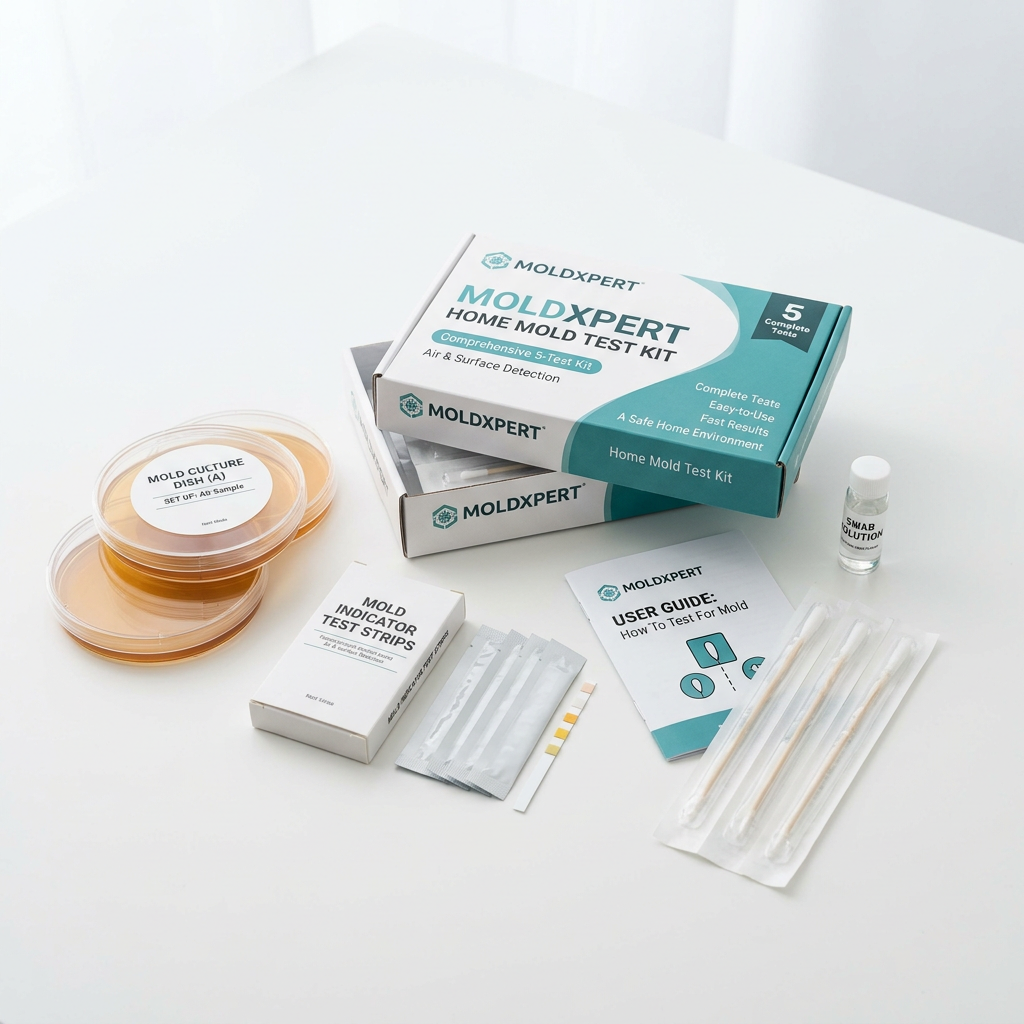
For small mold areas (under 10 square feet), DIY removal can save you $1,000-$3,000. You’ll need a N95 respirator, mold remover spray, and a moisture meter to verify the area is dry after treatment. For a basic DIY assessment, start with a home mold test kit.
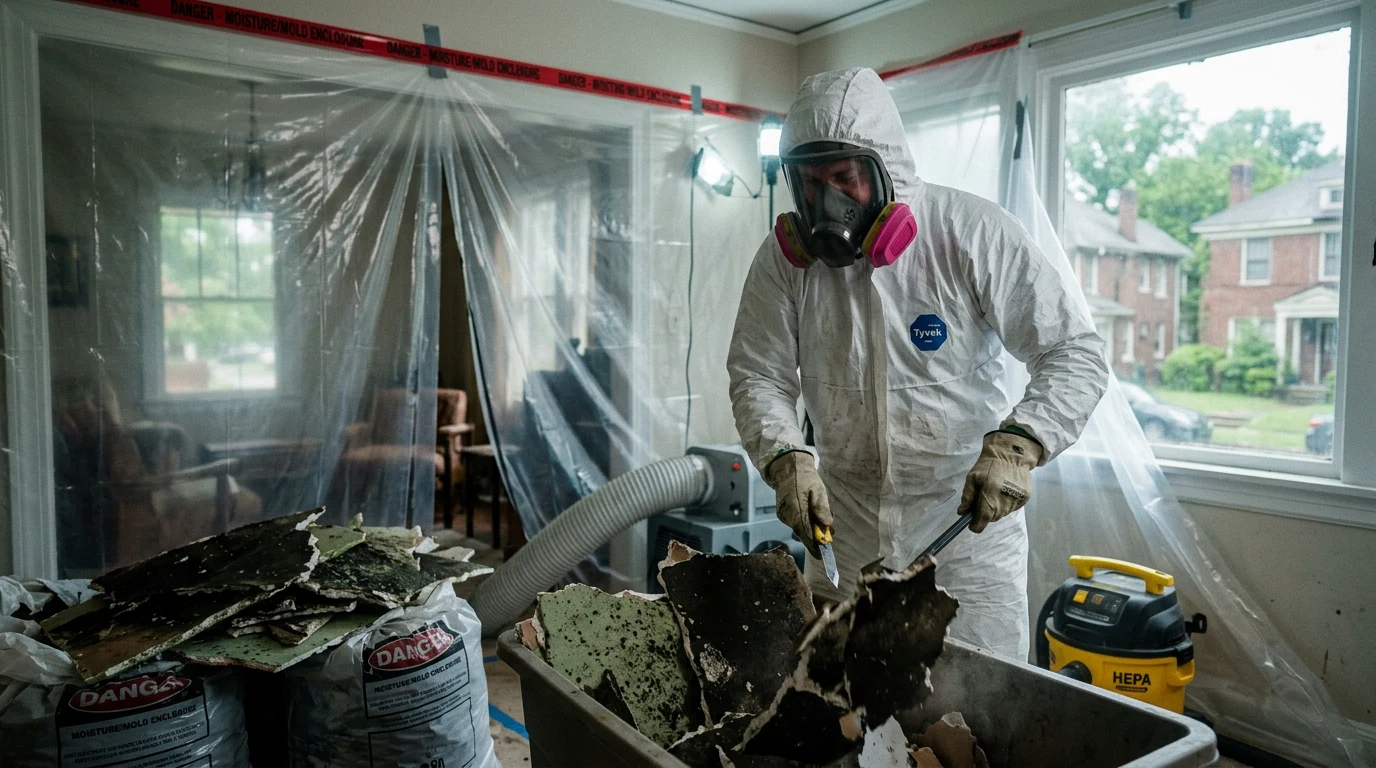
Hire a professional in Memphis when the affected area is larger than 10 square feet, mold is in your HVAC system, you suspect mold behind walls, or anyone in the household has respiratory health issues. Use our complete DIY mold removal guide for small projects and our guide on when to test for mold to determine if you need professional help.
How to Find a Reputable Mold Remediation Company in Memphis
- Verify licensing and insurance (check TN requirements)
- Get at least 3 written estimates
- Ask for references from recent Memphis-area jobs
- Ensure they follow IICRC S520 mold remediation standards
- Use a different company for testing and remediation (avoids conflict of interest)
- Get a written scope of work before any work begins
Mold Removal Cost Breakdown by Room
Mold removal costs in Memphis vary significantly by room due to differences in accessibility, materials, and typical extent of contamination. Bathrooms often see the lowest costs since mold is usually surface-level on tile or caulk, while crawl space mold remediation costs the most due to difficult access and encapsulation requirements.
| Room Type | Typical Cost Range | Average Time |
|---|---|---|
| Bathroom (small) | $500 – $1,200 | 1-2 days |
| Kitchen | $800 – $2,000 | 2-3 days |
| Bedroom/Living Room | $1,000 – $2,500 | 2-4 days |
| Basement | $1,500 – $4,000 | 3-5 days |
| Attic | $1,800 – $5,000 | 3-6 days |
| Crawl Space | $2,500 – $8,000 | 4-7 days |
| Whole House | $8,000 – $25,000 | 1-3 weeks |
Memphis homeowners should expect higher costs for crawl spaces due to the city’s specific challenges. Most older Memphis homes have unencapsulated crawl spaces that retain moisture, requiring vapor barrier installation and improved ventilation. The high water table in some Memphis neighborhoods also increases the likelihood of recurring moisture issues, which may require additional waterproofing measures during remediation.
Bathroom mold removal typically costs less because it’s often limited to surface cleaning with mold remover sprays and recaulking. However, if mold has penetrated behind tile or into subflooring due to long-term moisture exposure, costs can quickly escalate to $2,000-$3,500 for tile removal and replacement.
How Memphis’s Climate Affects Mold Growth and Costs
Memphis’s humid subtropical climate creates ideal conditions for mold growth year-round, directly impacting both the frequency and cost of remediation services. The city’s 69% average humidity level consistently exceeds the 60% threshold that promotes mold growth, while the annual 53.7 inches of rainfall provides frequent moisture intrusion opportunities.
The proximity to the Mississippi River creates a unique microclimate that maintains high humidity levels even during drier periods. This persistent moisture means Memphis homes experience more extensive mold growth that penetrates deeper into building materials, increasing remediation complexity and costs. Professional remediators in Memphis report that jobs often require more aggressive containment and longer drying times compared to drier climates.
The combination of high humidity and frequent rainfall also accelerates mold growth rates, meaning problems identified early can become extensive infestations within weeks. Memphis homeowners who delay remediation often face 50-100% higher costs as mold spreads from initial problem areas to adjacent rooms. Using a moisture meter for regular monitoring can help catch problems before they escalate.
Additionally, Memphis’s clay soil has poor drainage characteristics, leading to foundation moisture issues and hydrostatic pressure against basement walls. This geological factor increases the likelihood of recurring mold problems and may require specialized waterproofing solutions that add $2,000-$5,000 to remediation costs.
Seasonal Considerations for Mold Removal in Memphis
Memphis experiences peak mold activity during late spring through early fall, with May through September seeing the highest humidity levels and thunderstorm frequency. During these months, remediation companies report 40-60% higher demand, which can increase costs and extend scheduling timelines by 1-2 weeks.
The optimal time for mold remediation in Memphis is late fall through early spring (November through March) when humidity levels drop to 55-65% and rainfall decreases. During these months, homeowners can expect faster project completion, better availability of contractors, and potentially 10-15% lower costs due to reduced demand. The drier conditions also improve remediation effectiveness since materials dry more thoroughly.
Summer remediation projects in Memphis face unique challenges due to the combination of outdoor humidity and air conditioning usage. When AC systems are turned off during remediation, indoor humidity can spike to 80-90%, requiring additional dehumidification equipment that adds $200-$400 to project costs. Professional remediators recommend using an air purifier during and after remediation to maintain air quality.
Spring flooding from Mississippi River basin storms creates seasonal spikes in mold remediation needs. Homeowners who experience water damage during Memphis’s wet season (March-May) should expect higher costs and longer wait times as the entire region deals with moisture-related issues simultaneously.
What to Expect During Professional Mold Remediation
Professional mold remediation in Memphis follows the IICRC S520 standards and typically begins with a comprehensive assessment using moisture detection equipment and visual inspection. The remediation team will establish containment barriers using plastic sheeting and negative air pressure to prevent mold spores from spreading to unaffected areas of the home.
The actual mold remediation process involves removing contaminated materials, HEPA vacuuming all surfaces, antimicrobial treatment, and thorough drying using industrial dehumidifiers. In Memphis’s humid climate, the drying phase often takes 2-3 days longer than in drier regions, extending total project timelines to 5-7 days for standard jobs.
During remediation, homeowners should expect limited access to affected areas and potential disruption to HVAC systems. Professional teams will seal off work areas and may require shutting off central air systems to prevent spore circulation. Most Memphis remediation projects require the homeowner to relocate temporarily if the work affects main living areas or if anyone in the household has respiratory sensitivities.
Post-remediation verification includes visual inspection, moisture testing, and air quality sampling to ensure successful remediation. Memphis projects often require additional air quality testing due to the challenge of achieving complete dryness in the humid climate. The final step involves recommendations for preventing future mold growth, typically including improved ventilation and humidity control measures.
Insurance Coverage for Mold Removal in TN
Tennessee homeowner’s insurance policies typically cover mold damage only when it results from a covered peril such as burst pipes, appliance malfunctions, or storm damage. Most policies exclude mold damage from maintenance neglect, flooding, or long-term humidity issues, which are common problems in Memphis homes due to the city’s climate conditions.
Memphis homeowners should review their policy’s mold coverage limits, which typically range from $1,000 to $10,000. Many insurers offer additional mold coverage riders for $100-$300 annually, which can increase coverage limits to $25,000-$50,000. Given Memphis’s high mold risk, this additional coverage often proves worthwhile for homeowners in older properties or flood-prone areas.
When filing a mold-related insurance claim in Tennessee, documentation is critical. Homeowners should photograph all damage, maintain records of moisture sources, and obtain professional mold testing results. Insurance adjusters often require proof that the mold resulted from a sudden, covered event rather than ongoing maintenance issues, making quick response and proper documentation essential for successful claims.
Tennessee law requires insurers to clearly disclose mold coverage limitations in policy documents. Homeowners should specifically ask about coverage for mold remediation, temporary relocation expenses, and personal property replacement when reviewing or purchasing policies in Memphis’s high-risk environment.
Common Mold Questions in Memphis
Why is mold so common in Memphis homes?
Memphis experiences ideal mold growth conditions due to its 69% average humidity, 53.7 inches of annual rainfall, and proximity to the Mississippi River. The city’s older housing stock often lacks adequate moisture control systems, with many homes featuring unencapsulated crawl spaces and insufficient ventilation. Additionally, Memphis’s clay soil provides poor drainage, leading to foundation moisture issues that create persistent mold problems.
How much does crawl space encapsulation cost in Memphis?
Crawl space encapsulation in Memphis typically costs $3,000-$8,000 for an average 1,200 square foot space. This includes vapor barrier installation, sealing vents, installing a dehumidifier, and addressing any existing moisture issues. Given Memphis’s high humidity and frequent rainfall, encapsulation is often the most effective long-term solution for preventing recurring mold problems in homes with crawl spaces.
Is my Memphis landlord required to fix mold?
Under Tennessee’s Uniform Residential Landlord Tenant Act (T.C.A. § 66-28-304), landlords must maintain habitable premises, which includes addressing mold issues that affect habitability. While Tennessee has no specific mold statute, landlords are generally responsible for mold problems caused by structural issues, plumbing leaks, or inadequate ventilation. Tenants may be responsible if mold results from their actions, such as failing to use exhaust fans or report water leaks promptly.
Frequently Asked Questions
How much does mold removal cost in Memphis?
The average mold remediation cost in Memphis, TN ranges from $1,200 – $3,800 depending on the size of the affected area, type of mold, and accessibility. Small bathroom mold removal may cost $500-$1,000, while whole-house remediation can exceed $10,000.
How much does a mold inspection cost in Memphis?
A professional mold inspection in Memphis, TN typically costs $250 – $450. This usually includes a visual assessment, moisture readings, and may include air or surface sampling.
Does homeowner’s insurance cover mold removal in TN?
Most homeowner’s insurance policies in TN cover mold damage if it results from a covered peril (like a burst pipe). Mold from maintenance neglect, flooding, or humidity is typically not covered. Check your specific policy.
Can I remove mold myself in Memphis?
For small areas (under 10 square feet), DIY removal is feasible with proper PPE. For larger areas or if you have health concerns, hire a professional mold remediation company in Memphis, TN. TN may require licensed professionals for certain projects.
What type of mold is most common in Memphis homes?
Memphis homes most commonly experience Aspergillus, Penicillium, and Cladosporium due to the city’s high humidity levels. These molds thrive in moisture-rich environments and are frequently found in bathrooms, crawl spaces, and areas with poor ventilation. Professional testing with a mold test kit can identify specific species and guide appropriate remediation strategies.
How long does mold remediation take in Memphis?
Mold remediation in Memphis typically takes 3-7 days for standard projects, with additional time needed due to the city’s humid climate requiring extended drying periods. Small bathroom jobs may complete in 1-2 days, while whole-house remediation can take 2-3 weeks. Memphis’s high humidity often extends drying times by 1-2 days compared to drier climates.
Should I test for mold before hiring a remediation company?
Yes, independent testing helps determine the extent and type of mold present, which guides remediation strategy and costs. Use different companies for testing and remediation to avoid conflicts of interest. Start with a mold test kit for initial assessment, then hire a professional testing company for detailed analysis if mold is confirmed.
What health risks does mold pose in Memphis homes?
Mold exposure can cause respiratory issues, allergic reactions, and aggravate asthma, particularly concerning in Memphis where high humidity promotes extensive growth. Common symptoms include coughing, sneezing, eye irritation, and skin rashes. Individuals with compromised immune systems face higher risks and should avoid DIY remediation. Learn more about mold health risks to understand when professional removal is necessary.
How can I prevent mold growth in my Memphis home?
Control humidity levels below 60% using dehumidifiers, ensure proper ventilation in bathrooms and kitchens, fix water leaks promptly, and consider crawl space encapsulation. Memphis homeowners should use exhaust fans during cooking and showering, maintain gutters and drainage systems, and consider whole-house HEPA air purifiers. Regular monitoring with moisture meters helps catch problems early before they require expensive remediation.
When should I call a professional for mold problems in Memphis?
Call a professional when mold covers more than 10 square feet, affects HVAC systems, appears after flooding, or if anyone in the household has respiratory issues. Also seek professional help for recurring mold problems, suspected toxic mold (black mold), or when mold appears in hard-to-reach areas like inside walls or crawl spaces. Memphis’s humid climate makes professional remediation particularly important for preventing regrowth.