Mold Removal Cost in Los Angeles, CA: 2026 Pricing Guide
If you’re dealing with mold in your Los Angeles, CA home, understanding the costs involved is the first step toward getting it resolved. Los Angeles, CA has a moderate mold risk rating due to its mediterranean climate, 64% average humidity, and 14.9 inches of annual rainfall. This guide breaks down exactly what mold removal costs in Los Angeles, what factors affect pricing, and whether you should DIY or hire a professional.
Our reviews are based on aggregated verified buyer feedback, manufacturer specifications, ingredient analysis, and published expert opinion. Products are not independently purchased or tested by our team. We may earn a commission if you purchase through our links, at no extra cost to you. How We Review
Los Angeles at a Glance: Mold Risk Profile
| Factor | Detail |
|---|---|
| Population | 3,898,747 (metro: 13,200,998) |
| Average Home Price | $950,000 |
| Climate Zone | Mediterranean |
| Average Humidity | 64% |
| Annual Rainfall | 14.9 inches |
| Mold Risk Rating | Moderate |
| Common Housing Types | Stucco homes, Spanish-style construction, older apartments, hillside homes with retaining walls |
Average Mold Removal Costs in Los Angeles
| Service | Cost Range |
|---|---|
| Mold Inspection | $350 – $700 |
| Small Area Remediation (under 10 sq ft) | $500 – $1,500 |
| Standard Remediation | $2,500 – $7,500 |
| Whole-House Remediation | $5,000 – $15,000+ |
| Post-Remediation Air Testing | $200 – $400 |
Why Mold Is a Concern in Los Angeles
Coastal fog (marine layer), rare but intense rainstorms overwhelm drainage, hillside homes face runoff, older apartments lack ventilation, atmospheric rivers bring extreme moisture events
Local insight: California passed the Toxic Mold Protection Act in 2001, but over 20 years later, the state has still not established permissible mold exposure limits as the law required.
Los Angeles Housing and Mold: What to Know
LA’s stucco homes are vulnerable at window and door flashing points. After atmospheric river events (becoming more frequent), inspect stucco below windows for bulging or discoloration, which signals trapped moisture.
Factors That Affect Mold Removal Cost in Los Angeles
- Size of affected area: Small bathroom mold vs. entire basement requires different approaches and costs
- Type of mold: Common mold is straightforward; suspected toxic mold (Stachybotrys) requires additional testing and containment
- Location: Accessible areas cost less than mold in crawl spaces, attics, or inside walls
- Cause of moisture: Fixing the underlying moisture issue (plumbing leak, drainage, humidity) adds to total cost
- Materials affected: Drywall replacement costs more than surface cleaning of tile or concrete
- Licensing requirements: California Health and Safety Code § 26100-26156 (Toxic Mold Protection Act of 2001) required the state to develop permissible mold exposure limits (still pending). CA Civil Code § 1941 requires habitable conditions. LA has additional enforcement via LAHD.
DIY vs. Professional Mold Removal in Los Angeles
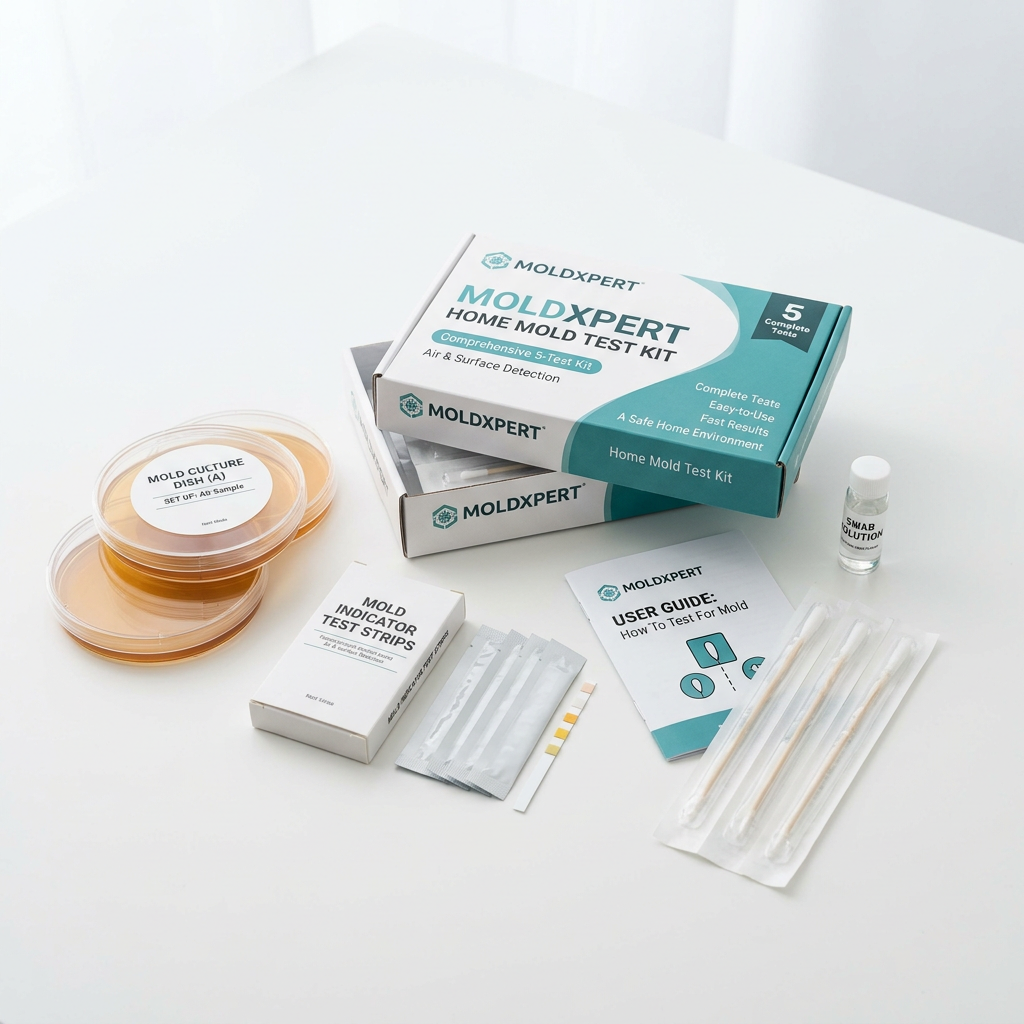
For small mold areas (under 10 square feet), DIY removal can save you $1,000-$3,000. You’ll need a N95 respirator, mold remover spray, and a moisture meter to verify the area is dry after treatment. For a basic DIY assessment, start with a home mold test kit.
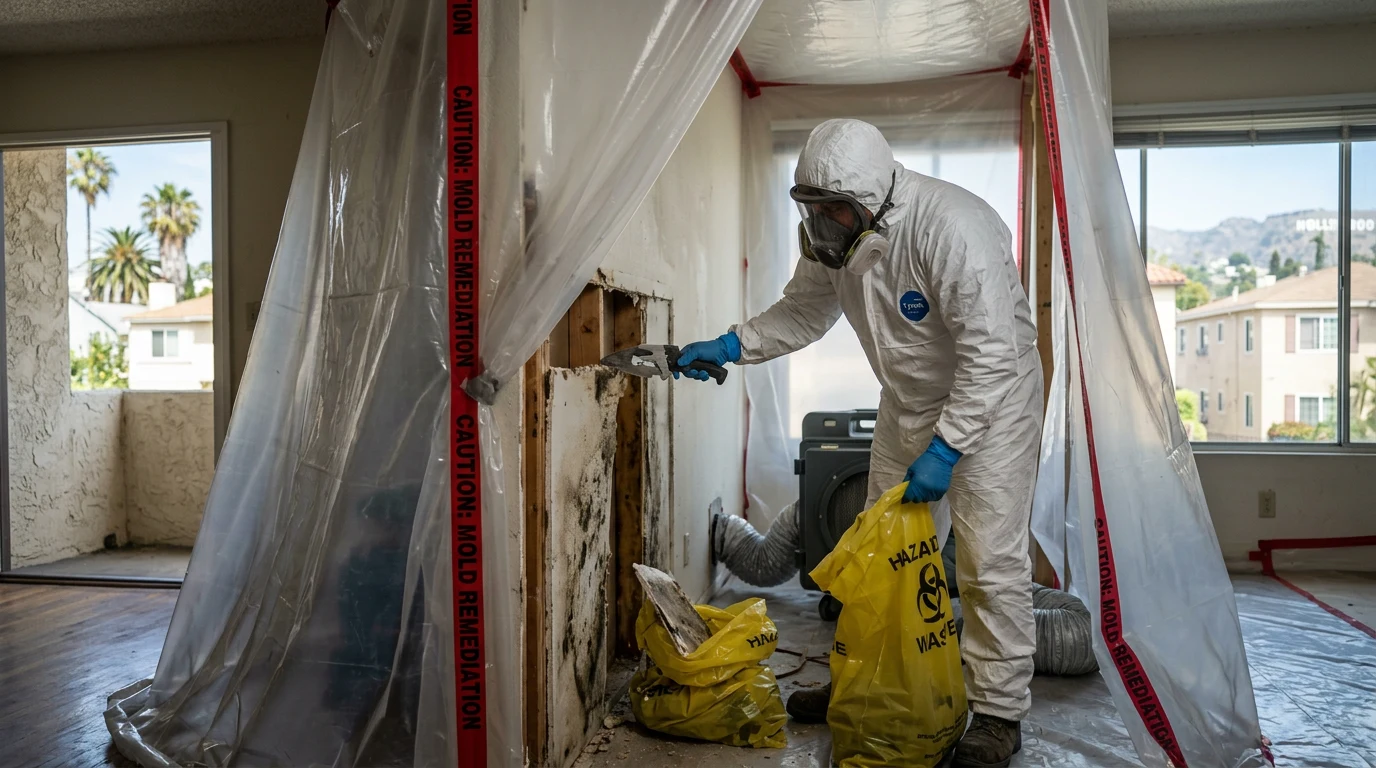
Hire a professional in Los Angeles when the affected area is larger than 10 square feet, mold is in your HVAC system, you suspect mold behind walls, or anyone in the household has respiratory health issues. Use our complete DIY mold removal guide for small projects and our guide on when to test for mold to determine if you need professional help.
How to Find a Reputable Mold Remediation Company in Los Angeles
- Verify licensing and insurance (check CA requirements)
- Get at least 3 written estimates
- Ask for references from recent Los Angeles-area jobs
- Ensure they follow IICRC S520 mold remediation standards
- Use a different company for testing and remediation (avoids conflict of interest)
- Get a written scope of work before any work begins
Common Mold Questions in Los Angeles
Does LA’s marine layer cause mold?
How do atmospheric rivers affect mold in LA homes?
What are tenant mold rights in Los Angeles?
Mold Removal Cost Breakdown by Room
The cost of mold removal in Los Angeles varies significantly based on which room is affected. Different rooms present unique challenges due to moisture levels, ventilation, and accessibility. Understanding room-specific pricing helps homeowners budget appropriately for their mold remediation project.
| Room | Cost Range | Typical Issues |
|---|---|---|
| Bathroom | $800 – $2,500 | Tile grout, shower walls, poor ventilation |
| Kitchen | $1,200 – $3,000 | Under sink, around appliances, backsplash |
| Basement/Crawl Space | $1,500 – $5,000 | Foundation moisture, limited access |
| Attic | $1,000 – $4,000 | Roof leaks, insulation contamination |
| Living Areas | $2,000 – $6,000 | HVAC-related, water damage |
| Whole House | $5,000 – $20,000+ | Multiple contaminated areas |
Bathrooms typically require the most frequent mold remediation in Los Angeles homes due to high humidity and inadequate ventilation. Many older LA apartments lack proper exhaust fans, creating ideal conditions for mold growth behind tiles and in shower enclosures. Kitchen mold removal costs increase when mold spreads behind cabinetry or under flooring near appliances.
Basement and crawl space mold removal costs more per square foot due to accessibility challenges and the need for specialized equipment. In hillside Los Angeles homes, crawl spaces often experience moisture intrusion from groundwater, requiring comprehensive remediation including moisture barriers and improved ventilation systems.
How Los Angeles’s Climate Affects Mold Growth and Costs
Los Angeles’s Mediterranean climate creates unique conditions that influence both mold growth patterns and remediation costs. With an average humidity of 64% and annual rainfall of 14.9 inches concentrated in winter months, the city experiences distinct seasonal variations in mold risk. This climate pattern affects pricing throughout the year as demand for mold services fluctuates.
The coastal marine layer brings consistent moisture to western LA neighborhoods, maintaining humidity levels that can support mold growth even during dry months. Homes in areas like Santa Monica, Venice, and the Westside experience higher baseline humidity compared to inland valleys. This persistent moisture means mold remediation companies often find more extensive contamination in coastal properties, driving up treatment costs.
Atmospheric rivers, California’s version of severe weather events, deliver intense rainfall that can overwhelm drainage systems and cause water intrusion in LA homes. These events typically occur between November and March, creating peak demand for mold remediation services. The concentrated nature of LA’s rainfall means homes can go from dry conditions to significant water damage within hours, often requiring emergency response services that command premium pricing.
The Mediterranean climate also means extended dry periods where humidity drops significantly, potentially masking underlying moisture problems until the next wet season. This pattern can lead to delayed mold discovery and more extensive damage requiring comprehensive remediation. Professional companies in Los Angeles often recommend moisture monitoring systems to detect problems before they become major issues.
Seasonal Considerations for Mold Removal in Los Angeles
The timing of mold remediation in Los Angeles significantly impacts both effectiveness and cost. Winter months from December through March represent peak mold season due to increased rainfall and reduced ventilation as homes remain closed. During this period, remediation companies experience highest demand, often resulting in premium pricing and longer scheduling delays.
Spring and early summer months (April through June) offer optimal conditions for mold remediation in Los Angeles. Lower humidity levels and minimal rainfall create ideal conditions for thorough drying and prevent recontamination during the remediation process. Many professional companies offer seasonal discounts during these months when demand decreases and weather conditions support faster project completion.
Late summer and fall present challenges due to wildfire smoke and indoor air quality concerns. While humidity remains low, smoke infiltration can complicate air quality testing and require additional filtration measures. Homeowners should consider combining HEPA air purification with mold remediation during these months. Planning remediation before winter rains arrive helps ensure homes are properly sealed and dried before the next wet season begins.
What to Expect During Professional Mold Remediation
Professional mold remediation in Los Angeles follows established protocols designed to safely remove contamination and prevent spread to clean areas. The process begins with a detailed assessment and containment setup, typically taking 1-2 days for preparation depending on the scope of work. Remediation companies will establish negative air pressure zones using HEPA filtration equipment to prevent cross-contamination.
The actual removal process involves physically removing contaminated materials, cleaning salvageable surfaces with EPA-approved antimicrobials, and thoroughly drying all affected areas. This phase typically takes 2-5 days for standard residential projects, though extensive contamination may require longer timeframes. Companies follow IICRC S520 standards for proper remediation procedures and safety protocols.
Post-remediation verification includes clearance testing to confirm successful mold removal and restoration of normal indoor air quality. Professional companies will provide detailed documentation of work performed and test results. Homeowners can expect to vacate affected areas during active remediation but can typically remain in other parts of the home with proper containment measures in place.
The final phase involves reconstruction of removed materials and addressing underlying moisture sources that contributed to the original mold growth. This may include improved ventilation, waterproofing, or plumbing repairs. Total project timelines range from 5-10 days for typical residential remediation, with larger or more complex projects extending several weeks.
DIY vs Professional Mold Removal in Los Angeles
DIY mold removal remains a viable option for Los Angeles homeowners dealing with small, isolated mold problems under 10 square feet. Basic surface mold on bathroom tiles or small areas of drywall can often be safely addressed using proper safety equipment and EPA-approved mold removal products. Essential supplies include N95 respirators, protective eyewear, disposable coveralls, and containment plastic to prevent spore dispersion.
Cost savings for DIY projects range from $1,500-$3,500 compared to professional services, making this approach attractive for budget-conscious homeowners. However, DIY removal requires careful attention to safety protocols and thorough moisture elimination to prevent recurrence. Homeowners should use mold test kits before and after treatment to verify complete removal and consider professional consultation for guidance.
Professional remediation becomes necessary when mold coverage exceeds 10 square feet, contamination involves HVAC systems, or household members have respiratory sensitivities. Los Angeles’s older housing stock often presents complex mold situations requiring specialized equipment and expertise. Hidden mold behind walls or in structural materials demands professional assessment to determine the full extent of contamination.
The decision between DIY and professional approaches should consider California’s regulatory environment and potential liability issues. While state law doesn’t require licensing for small residential projects, professional remediation provides insurance coverage and warranties that protect homeowners from future problems. Professional services also include comprehensive moisture source identification and correction, essential for preventing mold recurrence in LA’s variable climate conditions.
Insurance Coverage for Mold Removal in CA
California homeowners insurance policies typically provide limited coverage for mold damage, with specific exclusions and conditions that vary by insurer. Most policies cover mold remediation when it results from a covered peril such as burst pipes, appliance malfunctions, or storm damage. However, mold from maintenance neglect, humidity, or gradual moisture intrusion is generally excluded from coverage.
California insurance law requires companies to offer mold coverage endorsements, though these come with additional premiums and coverage limits typically ranging from $10,000-$50,000. Given Los Angeles’s high property values and remediation costs, homeowners should carefully review their policy limits and consider purchasing additional coverage. Documentation of regular home maintenance and prompt water damage response strengthens insurance claims when mold coverage disputes arise.
Filing successful mold claims requires immediate notification to insurance companies and professional documentation of damage extent and causation. Insurers often require independent adjusters and mold assessments before approving coverage. Homeowners should avoid beginning remediation work before insurance approval, as this can void coverage. Working with experienced mold remediation companies familiar with California insurance requirements helps ensure proper claim handling and maximum coverage benefits.
Frequently Asked Questions
How much does mold removal cost in Los Angeles?
The average mold remediation cost in Los Angeles, CA ranges from $2,500 – $7,500 depending on the size of the affected area, type of mold, and accessibility. Small bathroom mold removal may cost $500-$1,000, while whole-house remediation can exceed $10,000.
How much does a mold inspection cost in Los Angeles?
A professional mold inspection in Los Angeles, CA typically costs $350 – $700. This usually includes a visual assessment, moisture readings, and may include air or surface sampling.
Does homeowner’s insurance cover mold removal in CA?
Most homeowner’s insurance policies in CA cover mold damage if it results from a covered peril (like a burst pipe). Mold from maintenance neglect, flooding, or humidity is typically not covered. Check your specific policy.
Can I remove mold myself in Los Angeles?
For small areas (under 10 square feet), DIY removal is feasible with proper PPE. For larger areas or if you have health concerns, hire a professional mold remediation company in Los Angeles, CA. CA may require licensed professionals for certain projects.
Does LA’s marine layer cause mold?
Yes, LA’s marine layer increases humidity levels in coastal areas, creating conditions that can support mold growth. The persistent moisture from coastal fog affects neighborhoods like Santa Monica and Venice more than inland areas, often requiring additional ventilation and moisture control measures in homes.
How do atmospheric rivers affect mold in LA homes?
Atmospheric rivers bring intense rainfall that can overwhelm drainage systems and cause water intrusion in LA homes. These weather events, occurring primarily between November and March, create peak conditions for mold growth and often result in emergency remediation needs with higher associated costs.
What are tenant mold rights in Los Angeles?
Under California Civil Code § 1941 and LA Housing Department regulations, landlords must maintain habitable conditions including addressing mold problems. Tenants can request mold remediation, withhold rent for serious habitability issues, or move out if landlords fail to address mold problems within reasonable timeframes.
When is the best time to schedule mold remediation in Los Angeles?
Spring and early summer (April-June) offer optimal conditions for mold remediation in Los Angeles due to lower humidity and minimal rainfall. This timing allows for thorough drying and often results in lower costs due to decreased demand compared to peak winter season.
How long does professional mold remediation take in Los Angeles?
Professional mold remediation typically takes 3-7 days for standard residential projects in Los Angeles, including assessment, containment, removal, and clearance testing. Extensive contamination or whole-house remediation may require 2-3 weeks depending on the scope of work and necessary reconstruction.
What should I do if I suspect mold in my LA home?
Start with a professional mold test kit to confirm presence and identify mold types. Avoid disturbing suspected areas, improve ventilation, and contact a certified mold inspector if contamination appears extensive. Address any visible moisture sources immediately to prevent further growth.