Mold Removal Cost in Detroit, MI: 2026 Pricing Guide
If you’re dealing with mold in your Detroit, MI home, understanding the costs involved is the first step toward getting it resolved. Detroit, MI has a moderate-high mold risk rating due to its humid continental climate, 65% average humidity, and 33.5 inches of annual rainfall. This guide breaks down exactly what mold removal costs in Detroit, what factors affect pricing, and whether you should DIY or hire a professional.
Our reviews are based on aggregated verified buyer feedback, manufacturer specifications, ingredient analysis, and published expert opinion. Products are not independently purchased or tested by our team. We may earn a commission if you purchase through our links, at no extra cost to you. How We Review
Detroit at a Glance: Mold Risk Profile
| Factor | Detail |
|---|---|
| Population | 639,111 (metro: 4,392,041) |
| Average Home Price | $85,000 |
| Climate Zone | Humid continental |
| Average Humidity | 65% |
| Annual Rainfall | 33.5 inches |
| Mold Risk Rating | Moderate-High |
| Common Housing Types | Older single-family homes, many distressed/foreclosed properties, brick and wood construction |
Average Mold Removal Costs in Detroit
| Service | Cost Range |
|---|---|
| Mold Inspection | $200 – $450 |
| Small Area Remediation (under 10 sq ft) | $500 – $1,500 |
| Standard Remediation | $1,000 – $3,500 |
| Whole-House Remediation | $5,000 – $15,000+ |
| Post-Remediation Air Testing | $200 – $400 |
Why Mold Is a Concern in Detroit
Many vacant and abandoned properties with open windows/roofs, aging infrastructure, Great Lakes humidity, affordable but poorly maintained housing stock, basement flooding
Local insight: Detroit has an estimated 24,000+ vacant structures, and neighboring abandoned homes are a major source of mold spores that spread to occupied properties.
Detroit Housing and Mold: What to Know
If you’re buying an affordable home in Detroit, budget for a comprehensive mold inspection. Many properties have been vacant and exposed to the elements, creating extensive hidden mold.
Factors That Affect Mold Removal Cost in Detroit
- Size of affected area: Small bathroom mold vs. entire basement requires different approaches and costs
- Type of mold: Common mold is straightforward; suspected toxic mold (Stachybotrys) requires additional testing and containment
- Location: Accessible areas cost less than mold in crawl spaces, attics, or inside walls
- Cause of moisture: Fixing the underlying moisture issue (plumbing leak, drainage, humidity) adds to total cost
- Materials affected: Drywall replacement costs more than surface cleaning of tile or concrete
- Licensing requirements: Michigan has no specific mold statute. The landlord-tenant act (MCL 554.139) requires landlords to keep premises fit for habitation. Detroit has additional housing code enforcement.
DIY vs. Professional Mold Removal in Detroit
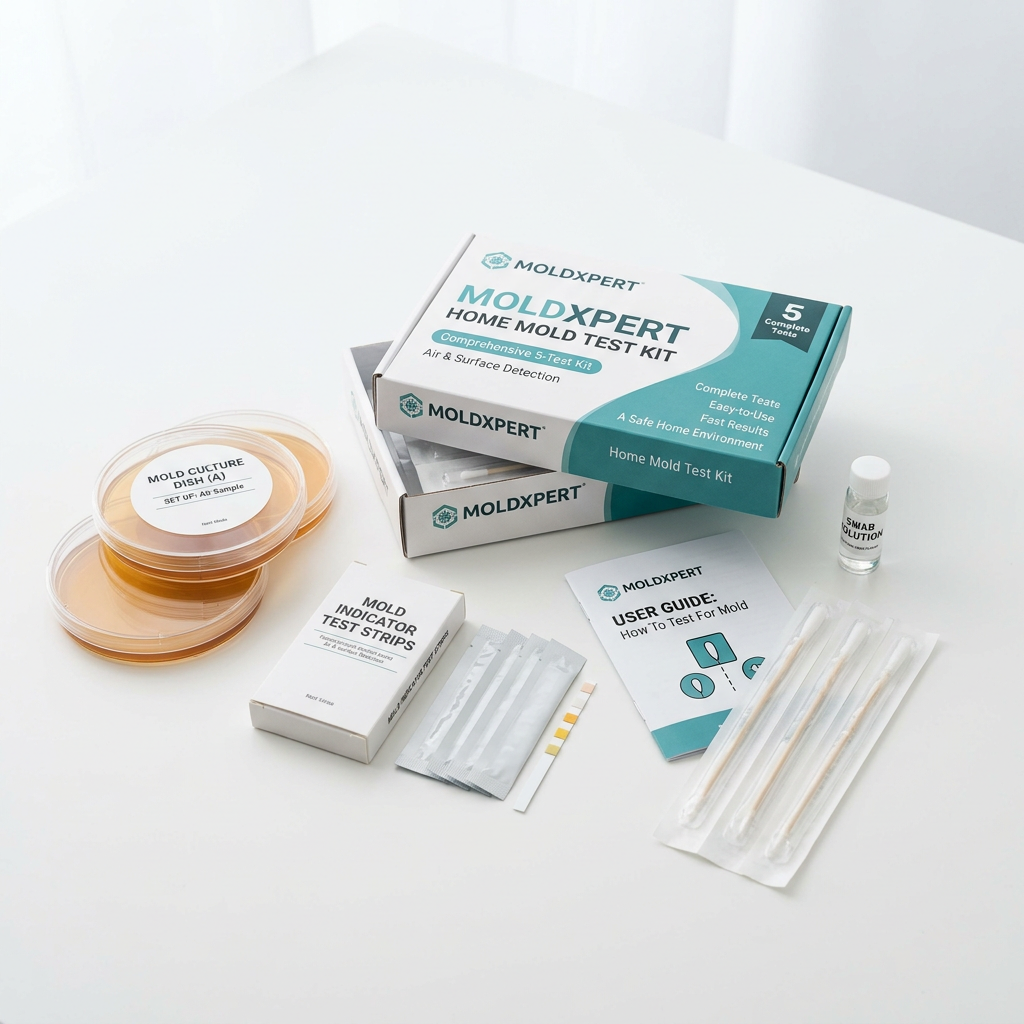
For small mold areas (under 10 square feet), DIY removal can save you $1,000-$3,000. You’ll need a N95 respirator, mold remover spray, and a moisture meter to verify the area is dry after treatment. For a basic DIY assessment, start with a home mold test kit.
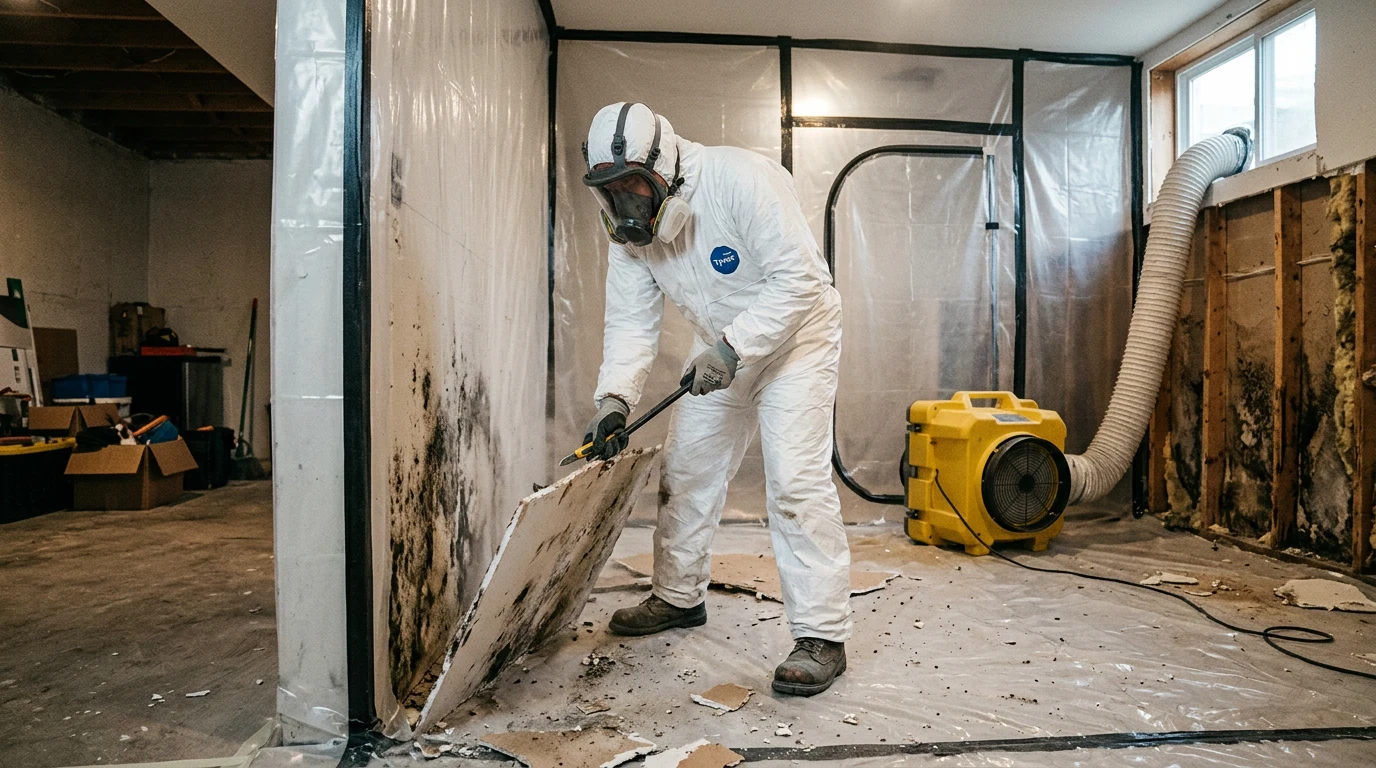
Hire a professional in Detroit when the affected area is larger than 10 square feet, mold is in your HVAC system, you suspect mold behind walls, or anyone in the household has respiratory health issues. Use our complete DIY mold removal guide for small projects and our guide on when to test for mold to determine if you need professional help.
How to Find a Reputable Mold Remediation Company in Detroit
- Verify licensing and insurance (check MI requirements)
- Get at least 3 written estimates
- Ask for references from recent Detroit-area jobs
- Ensure they follow IICRC S520 mold remediation standards
- Use a different company for testing and remediation (avoids conflict of interest)
- Get a written scope of work before any work begins
Common Mold Questions in Detroit
Should I test for mold before buying a Detroit home?
How do vacant Detroit homes affect my property’s mold risk?
What are Detroit’s mold disclosure requirements?
Mold Removal Cost Breakdown by Room
Understanding mold removal costs by specific room helps Detroit homeowners budget accurately. Different rooms present unique challenges due to moisture levels, ventilation, and accessibility. Here’s what homeowners typically pay for mold remediation in each area:
| Room | Cost Range | Common Issues |
|---|---|---|
| Bathroom | $500 – $1,500 | High humidity, poor ventilation, behind tiles |
| Kitchen | $700 – $2,000 | Plumbing leaks, behind cabinets, appliance moisture |
| Basement/Crawl Space | $1,500 – $5,000 | Flooding, poor drainage, structural moisture |
| Attic | $1,000 – $3,000 | Roof leaks, insulation contamination, ventilation issues |
| Living Areas | $800 – $2,500 | Behind drywall, carpet contamination, HVAC spread |
| Whole House | $5,000 – $15,000+ | Extensive contamination, multiple rooms, structural issues |
Bathroom mold removal in Detroit typically costs $500-$1,500, primarily affecting areas around tubs, showers, and poorly ventilated spaces. Kitchen remediation ranges from $700-$2,000, often involving mold behind cabinets or under sinks where plumbing leaks occur. Basement and crawl space mold presents the highest costs at $1,500-$5,000 due to Detroit’s common basement flooding issues and poor drainage in older homes.
Attic mold removal costs $1,000-$3,000 in Detroit, frequently caused by roof leaks in the city’s aging housing stock. Living area remediation ranges from $800-$2,500, depending on whether mold is surface-level or requires drywall replacement. Whole-house remediation represents the most significant investment at $5,000-$15,000+, often necessary in Detroit’s vacant properties that have experienced prolonged moisture exposure. Before beginning any remediation project, homeowners should use a home mold test to confirm the presence and extent of contamination.
How Detroit’s Climate Affects Mold Growth and Costs
Detroit’s humid continental climate creates ideal conditions for mold growth, directly impacting remediation costs throughout the year. With 65% average humidity levels and 33.5 inches of annual rainfall, homeowners face persistent moisture challenges that can escalate mold problems quickly if left unaddressed.
The city’s proximity to the Great Lakes contributes to elevated humidity levels, particularly during summer months when humidity can exceed 80%. This sustained moisture creates ongoing mold risk, requiring more frequent monitoring with tools like an air quality monitor to detect problems early. Detroit’s rainfall patterns, concentrated in spring and fall months, often overwhelm aging drainage systems in older neighborhoods.
These climate factors increase mold remediation costs in several ways. Higher humidity levels mean mold spreads faster, potentially affecting larger areas before detection. The city’s freeze-thaw cycles can crack foundations and create entry points for moisture, leading to hidden mold growth that requires extensive investigation. Detroit’s humid conditions also mean longer drying times after remediation, potentially extending project timelines and labor costs.
Professional companies often recommend installing dehumidification systems as part of the remediation process, adding $800-$2,500 to total costs. The persistent moisture also means more thorough post-remediation monitoring is necessary, typically requiring additional air quality testing to ensure successful elimination. Homeowners should budget for ongoing moisture control measures to prevent recurring mold issues in Detroit’s challenging climate.
Seasonal Considerations for Mold Removal in Detroit
Detroit’s seasonal weather patterns significantly impact both mold growth cycles and optimal timing for remediation projects. Spring represents the highest risk period, as snowmelt and increased rainfall create ideal conditions for mold development, particularly in basements and crawl spaces of the city’s older homes.
Summer months offer the best conditions for mold remediation in Detroit. Lower precipitation, increased ventilation opportunities, and longer daylight hours facilitate faster drying times and more efficient work conditions. Professional companies report 20-30% faster project completion during summer months, potentially reducing labor costs. However, summer also represents peak demand season, which can increase pricing by 10-15% compared to winter rates.
Fall presents mixed conditions, with increased rainfall creating new moisture intrusion risks while temperatures remain conducive to remediation work. Winter remediation faces challenges from limited ventilation options and longer drying times, but offers the advantage of lower contractor demand and potentially reduced pricing. Detroit’s harsh winters can also mask moisture problems that emerge once heating systems begin operating consistently.
Homeowners should schedule mold testing in early spring to identify winter moisture damage before conditions become optimal for mold growth. Emergency remediation may be necessary regardless of season, but planning non-urgent projects for late summer or early fall can optimize both cost and effectiveness while avoiding peak demand periods.
What to Expect During Professional Mold Remediation
Professional mold remediation in Detroit follows established protocols to ensure safe and effective removal while protecting occupants and preventing cross-contamination. Understanding the process helps homeowners prepare appropriately and recognize quality workmanship from certified professionals.
The process begins with thorough inspection and testing to determine the extent of contamination and identify moisture sources. Professionals will establish containment barriers using plastic sheeting and negative air pressure systems to prevent mold spores from spreading to unaffected areas. This containment phase typically takes 2-4 hours depending on the project size. Workers will use HEPA air purifiers to filter airborne particles during the remediation process.
Actual removal involves carefully removing contaminated materials, cleaning salvageable surfaces with EPA-approved antimicrobials, and treating affected areas to prevent regrowth. The process follows IICRC S520 standards for professional remediation. Timeline expectations vary: small bathroom projects take 1-2 days, while basement remediation can require 3-7 days depending on severity and drying requirements.
Homeowners need to vacate treated areas during active remediation and may need temporary housing for extensive projects. After remediation, independent testing confirms successful removal before reoccupation. The final step involves moisture source correction and preventive measures to avoid recurrence. Professional companies provide documentation of all work performed and post-remediation test results for insurance and resale purposes.
Insurance Coverage for Mold Removal in MI
Michigan homeowner’s insurance policies typically provide limited mold coverage, with specific conditions that determine whether claims will be approved. Understanding state-specific insurance regulations helps Detroit homeowners navigate the claims process and set realistic expectations for coverage.
Most Michigan policies cover mold damage resulting from “covered perils” such as burst pipes, storm damage, or sudden appliance failures. However, mold resulting from maintenance neglect, long-term leaks, flooding, or humidity issues typically receives no coverage. Michigan insurers often include mold coverage limits ranging from $1,000 to $10,000, significantly less than total remediation costs for extensive contamination.
To file successful claims, homeowners must document the initial water damage incident, provide professional mold inspection reports, and demonstrate prompt action to mitigate damage. Insurance companies require proof that mold resulted from a sudden, accidental event rather than gradual moisture intrusion. Detroit homeowners should photograph damage immediately, contact insurers within 24-48 hours of discovery, and obtain written estimates from licensed remediation companies.
Many Detroit homeowners purchase additional mold coverage endorsements, costing $100-$300 annually but providing $25,000-$50,000 in coverage limits. Given Detroit’s mold risk factors and aging housing stock, this additional coverage often proves worthwhile. Homeowners should review their policies annually and document regular maintenance efforts to strengthen potential claims. Professional mold testing can provide valuable documentation for insurance purposes when moisture problems are suspected.
Frequently Asked Questions
How much does mold removal cost in Detroit?
The average mold remediation cost in Detroit, MI ranges from $1,000 – $3,500 depending on the size of the affected area, type of mold, and accessibility. Small bathroom mold removal may cost $500-$1,000, while whole-house remediation can exceed $10,000.
How much does a mold inspection cost in Detroit?
A professional mold inspection in Detroit, MI typically costs $200 – $450. This usually includes a visual assessment, moisture readings, and may include air or surface sampling.
Does homeowner’s insurance cover mold removal in MI?
Most homeowner’s insurance policies in MI cover mold damage if it results from a covered peril (like a burst pipe). Mold from maintenance neglect, flooding, or humidity is typically not covered. Check your specific policy.
Can I remove mold myself in Detroit?
For small areas (under 10 square feet), DIY removal is feasible with proper PPE. For larger areas or if you have health concerns, hire a professional mold remediation company in Detroit, MI. MI may require licensed professionals for certain projects.
Should I test for mold before buying a Detroit home?
Yes, mold testing is highly recommended before purchasing a Detroit home, especially given the city’s 24,000+ vacant structures and aging housing stock. Many affordable properties have been vacant and exposed to elements, creating extensive hidden mold. Budget $300-$600 for comprehensive pre-purchase mold inspection and testing.
How do vacant Detroit homes affect my property’s mold risk?
Vacant Detroit homes significantly increase mold spore levels in surrounding areas through airborne transmission. Properties with open windows, damaged roofs, or broken plumbing create mold reservoirs that contaminate neighboring homes. Consider using an air purifier and monitor indoor air quality if vacant properties are nearby.
What are Detroit’s mold disclosure requirements?
Michigan has no specific mold disclosure statute, but Detroit’s housing code requires landlords to maintain habitable conditions. Sellers must disclose known material defects, which could include mold issues. Real estate professionals recommend voluntary disclosure of any known mold problems to avoid future liability issues.
How long does mold remediation take in Detroit?
Mold remediation timelines in Detroit vary by project scope: small bathroom projects take 1-2 days, basement remediation requires 3-7 days, and whole-house projects can take 1-3 weeks. Detroit’s high humidity levels may extend drying times, particularly during spring and fall months when moisture levels peak.
What type of mold is most common in Detroit homes?
Detroit homes commonly harbor Aspergillus, Penicillium, and Cladosporium due to the city’s humid climate and aging housing stock. Stachybotrys (black mold) occurs frequently in water-damaged properties, particularly in basements and crawl spaces. Professional mold testing can identify specific species and guide appropriate remediation methods.
Do I need to move out during mold remediation in Detroit?
Temporary relocation depends on project scope and household health considerations. Small, contained projects may allow continued occupancy in unaffected areas. Extensive remediation involving multiple rooms or HVAC contamination typically requires temporary housing. Individuals with respiratory conditions, compromised immunity, or mold allergies should relocate regardless of project size.