Mold Removal Cost in Dallas, TX: 2026 Pricing Guide
If you’re dealing with mold in your Dallas, TX home, understanding the costs involved is the first step toward getting it resolved. Dallas, TX has a moderate-high mold risk rating due to its humid subtropical climate, 64% average humidity, and 37.6 inches of annual rainfall. This guide breaks down exactly what mold removal costs in Dallas, what factors affect pricing, and whether you should DIY or hire a professional.
Our reviews are based on aggregated verified buyer feedback, manufacturer specifications, ingredient analysis, and published expert opinion. Products are not independently purchased or tested by our team. We may earn a commission if you purchase through our links, at no extra cost to you. How We Review
Dallas at a Glance: Mold Risk Profile
| Factor | Detail |
|---|---|
| Population | 1,304,379 (metro: 7,637,387) |
| Average Home Price | $350,000 |
| Climate Zone | Humid subtropical |
| Average Humidity | 64% |
| Annual Rainfall | 37.6 inches |
| Mold Risk Rating | Moderate-High |
| Common Housing Types | Slab foundations, brick veneer, many newer subdivisions, some pier-and-beam in older neighborhoods |
Average Mold Removal Costs in Dallas
| Service | Cost Range |
|---|---|
| Mold Inspection | $275 – $550 |
| Small Area Remediation (under 10 sq ft) | $500 – $1,500 |
| Standard Remediation | $1,300 – $4,200 |
| Whole-House Remediation | $5,000 – $15,000+ |
| Post-Remediation Air Testing | $200 – $400 |
Why Mold Is a Concern in Dallas
Expansive clay soil causes foundation movement and gaps, AC duct condensation, severe spring storms and occasional flooding
Local insight: Dallas-Fort Worth’s expansive clay soil (known locally as ‘black gumbo’) swells when wet and shrinks when dry, causing foundation movement that creates gaps where moisture enters.
Dallas Housing and Mold: What to Know
Check your foundation for gaps during seasonal transitions. Dallas clay soil can shift your slab by 1-2 inches between wet and dry seasons, creating entry points for moisture.
Factors That Affect Mold Removal Cost in Dallas
- Size of affected area: Small bathroom mold vs. entire basement requires different approaches and costs
- Type of mold: Common mold is straightforward; suspected toxic mold (Stachybotrys) requires additional testing and containment
- Location: Accessible areas cost less than mold in crawl spaces, attics, or inside walls
- Cause of moisture: Fixing the underlying moisture issue (plumbing leak, drainage, humidity) adds to total cost
- Materials affected: Drywall replacement costs more than surface cleaning of tile or concrete
- Licensing requirements: Texas Property Code Sec. 92.052 requires landlords to repair conditions affecting health/safety. Texas Mold Assessment and Remediation Rules (TAC Title 25, Part 1, Chapter 295) require licensed professionals.
DIY vs. Professional Mold Removal in Dallas
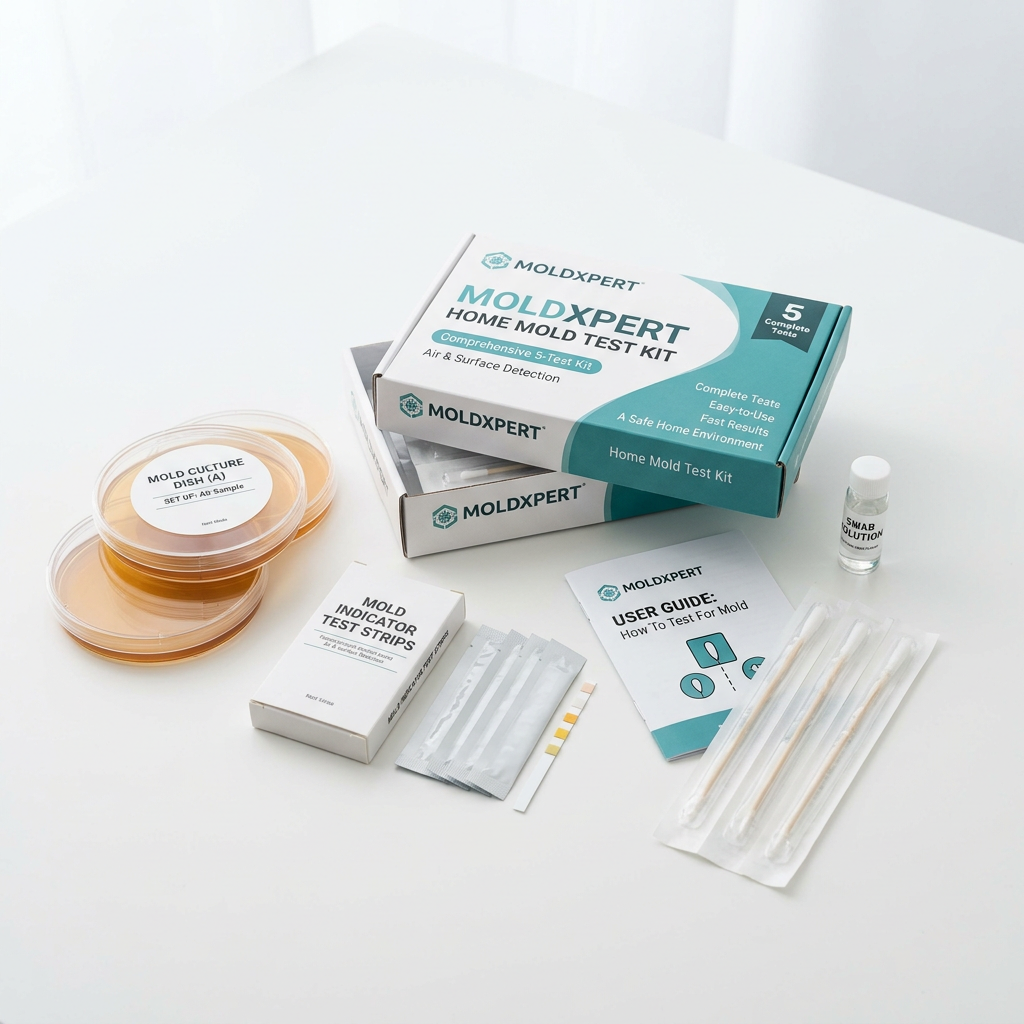
For small mold areas (under 10 square feet), DIY removal can save you $1,000-$3,000. You’ll need a N95 respirator, mold remover spray, and a moisture meter to verify the area is dry after treatment. For a basic DIY assessment, start with a home mold test kit.
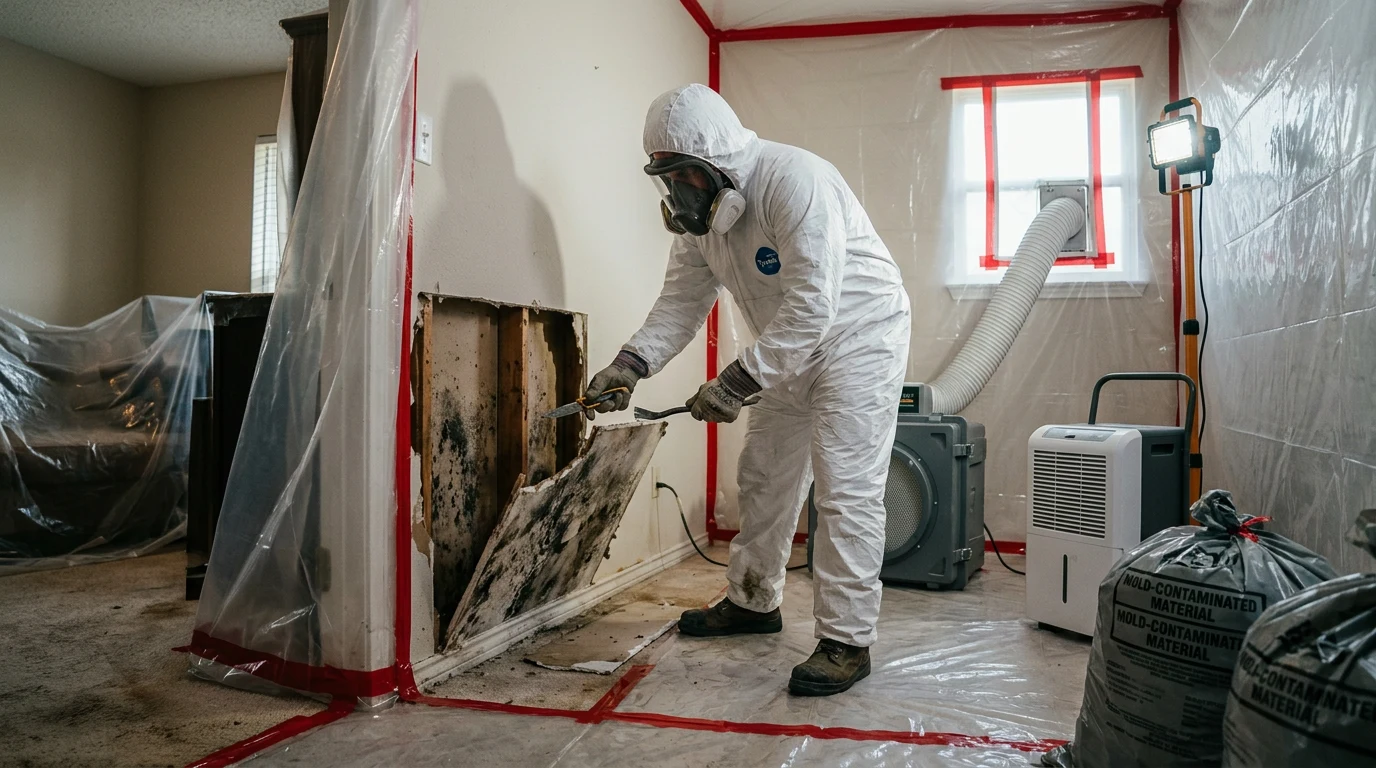
Hire a professional in Dallas when the affected area is larger than 10 square feet, mold is in your HVAC system, you suspect mold behind walls, or anyone in the household has respiratory health issues. Use our complete DIY mold removal guide for small projects and our guide on when to test for mold to determine if you need professional help.
How to Find a Reputable Mold Remediation Company in Dallas
- Verify licensing and insurance (check TX requirements)
- Get at least 3 written estimates
- Ask for references from recent Dallas-area jobs
- Ensure they follow IICRC S520 mold remediation standards
- Use a different company for testing and remediation (avoids conflict of interest)
- Get a written scope of work before any work begins
Mold Removal Cost Breakdown by Room
The location of mold significantly affects remediation costs in Dallas homes. Different rooms present unique challenges based on moisture sources, ventilation, and accessibility. Understanding these room-specific costs helps homeowners budget appropriately and recognize when professional help is necessary.
| Room/Area | Cost Range | Common Factors |
|---|---|---|
| Bathroom | $500 – $1,800 | Poor ventilation, shower/tub leaks, humid conditions |
| Kitchen | $600 – $2,200 | Sink leaks, dishwasher issues, steam from cooking |
| Basement/Crawl Space | $1,200 – $4,500 | Foundation moisture, limited ventilation, access challenges |
| Attic | $1,000 – $3,800 | Roof leaks, insulation replacement, temperature extremes |
| Living Areas | $800 – $2,800 | HVAC condensation, window leaks, carpet replacement |
| Whole House | $5,000 – $20,000+ | Multiple sources, extensive containment, full remediation |
Bathrooms are the most common mold locations in Dallas homes due to consistent moisture and often inadequate ventilation. Kitchen mold typically develops around sinks, behind dishwashers, or under refrigerators with leaking water lines. Crawl space mold is particularly challenging in Dallas due to the expansive clay soil creating moisture entry points beneath homes.
Attic mold in Dallas often results from roof damage during severe spring storms or ice dams during occasional winter weather. The cost includes not only mold removal but often insulation replacement and improved ventilation systems. For accurate assessment of suspected mold areas, homeowners should consider using an air quality test before beginning remediation efforts.
How Dallas’s Climate Affects Mold Growth and Costs
Dallas’s humid subtropical climate creates ideal conditions for mold growth throughout much of the year. With 64% average humidity and 37.6 inches of annual rainfall, the city experiences consistent moisture levels that promote mold development. This climate directly impacts both the frequency of mold problems and the associated remediation costs.
The high humidity levels mean that mold can develop rapidly once moisture intrusion occurs. Dallas homeowners often discover extensive mold growth within 48-72 hours of water damage events, requiring immediate professional intervention. The consistent moisture in the air also means that HEPA air purifiers are essential tools for preventing mold recurrence after remediation.
Spring storms and occasional flooding events drive seasonal spikes in mold remediation demand, which can increase costs by 15-25% during peak periods. The expansive clay soil unique to the Dallas-Fort Worth area compounds these climate challenges by creating foundation movement that allows moisture entry points. This geological factor often requires additional waterproofing and sealing work beyond standard mold remediation, adding $500-$2,000 to typical project costs.
Air conditioning systems work overtime in Dallas’s hot, humid summers, creating condensation issues that promote mold growth in HVAC ducts and around units. Professional HVAC system mold remediation typically adds $800-$2,500 to total project costs, making it one of the most expensive aspects of whole-house mold treatment in the Dallas market.
Seasonal Considerations for Mold Removal in Dallas
Mold problems in Dallas follow distinct seasonal patterns that affect both the likelihood of discovery and the optimal timing for remediation. Spring brings the highest risk period, with severe thunderstorms, occasional tornadoes, and heavy rainfall events creating ideal conditions for water damage and subsequent mold growth.
Summer months see increased HVAC-related mold issues as air conditioning systems struggle with high humidity levels. The constant temperature differential between cooled indoor air and hot, humid outdoor conditions creates condensation problems in ductwork and around AC units. Many Dallas homeowners discover mold problems during summer when musty odors become more noticeable in closed, air-conditioned spaces.
Fall and early winter represent the optimal seasons for scheduling mold remediation in Dallas. Lower humidity levels and stable weather patterns allow for more thorough drying and reduced risk of immediate re-contamination. Remediation companies often offer slightly lower rates during these slower periods, potentially saving homeowners 10-15% on project costs.
Winter mold issues typically stem from heating system problems, pipe freezing incidents, or roof leaks from ice dam formation during rare freezing events. While less common than spring and summer mold problems, winter remediation can be more expensive due to heating costs required to maintain proper drying temperatures and limited ventilation options during cold periods.
What to Expect During Professional Mold Remediation
Professional mold remediation in Dallas follows strict protocols established by the IICRC and Texas state regulations. The process begins with a comprehensive inspection and assessment, including moisture mapping and air quality testing to determine the full extent of contamination.
Containment setup is the next critical step, involving plastic sheeting barriers and negative air pressure systems to prevent mold spores from spreading to unaffected areas. Professional crews use commercial-grade HEPA air filtration units throughout the remediation process. In Dallas homes with open floor plans common in newer subdivisions, containment can be particularly challenging and may require additional setup time and materials.
The actual remediation process includes removal of contaminated materials, HEPA vacuuming of all surfaces, antimicrobial treatment, and structural drying. Projects typically take 2-5 days depending on the affected area size, though whole-house remediation can extend to 7-10 days. Homeowners may need to relocate temporarily, especially if bedroom or kitchen areas are involved.
Post-remediation verification includes clearance testing to ensure spore counts have returned to normal levels. Reputable Dallas companies provide detailed documentation of the remediation process and test results, which may be required for insurance claims or future property transactions. The final step involves recommendations for preventing future mold growth, often including improved ventilation, humidity control measures, and regular monitoring with moisture meters.
DIY vs Professional Mold Removal in Dallas
Dallas homeowners can safely handle small mold problems under 10 square feet using proper safety equipment and techniques. DIY remediation requires N95 or P100 respirators, protective clothing, and appropriate cleaning products. Start with a mold test kit to identify the type and extent of contamination before beginning any removal efforts.
Professional remediation becomes necessary when mold covers more than 10 square feet, appears in HVAC systems, or affects structural materials like drywall or insulation. Dallas’s expansive clay soil creates unique foundation challenges that often require professional assessment to identify hidden moisture sources. Attempting DIY remediation without addressing underlying moisture problems typically results in mold recurrence within 30-60 days.
Cost comparison shows DIY projects ranging from $50-$300 for small bathroom areas, while professional remediation for the same space costs $500-$1,500. However, improper DIY attempts can lead to cross-contamination, requiring professional remediation of previously unaffected areas. Dallas homeowners with health conditions, particularly respiratory issues, should always choose professional remediation regardless of area size.
Texas licensing requirements add complexity to the DIY versus professional decision. While homeowners can perform their own remediation, insurance claims and property sales often require documentation from licensed professionals. Using mold remover sprays and following proper mold removal guide procedures can be effective for minor issues, but professional oversight ensures compliance with state regulations and insurance requirements.
Insurance Coverage for Mold Removal in TX
Texas homeowners insurance policies vary significantly in mold coverage, with most standard policies providing limited coverage only when mold results from a covered peril such as burst pipes or storm damage. Mold resulting from maintenance neglect, flooding, or chronic humidity issues is typically excluded from coverage.
Many Texas insurers offer optional mold coverage endorsements ranging from $5,000 to $50,000 in additional protection. These endorsements typically cost $100-$400 annually and can be valuable given Dallas’s moderate-high mold risk rating. Homeowners should review their policies carefully, as some insurers have reduced mold coverage or increased deductibles following major weather events.
Filing a successful mold claim requires prompt notification, professional documentation, and proof that the mold resulted from a covered water damage event. Claims must typically be filed within one year of discovery, and insurers often require professional assessment and remediation by licensed contractors. Proper documentation includes photos, mold testing guide results, and receipts for emergency mitigation efforts.
Prevention measures can help avoid coverage disputes, including regular maintenance, prompt repair of water leaks, and proper ventilation. Dallas homeowners should document maintenance activities and consider annual inspections in high-risk areas like basements and attics. Understanding how to prevent mold after water damage can help protect both property and insurance coverage.
Common Mold Questions in Dallas
Does foundation movement cause mold in Dallas homes?
Yes, Dallas’s expansive clay soil causes foundation movement that creates gaps allowing moisture entry. This geological factor is a leading cause of mold problems in Dallas area homes, particularly affecting slab foundations common in newer subdivisions.
Are Dallas mold inspectors required to be licensed?
Yes, Texas Mold Assessment and Remediation Rules (TAC Title 25, Part 1, Chapter 295) require licensing for professional mold assessment and remediation. Always verify your contractor’s license status before hiring.
How do I prevent mold in my Dallas pier-and-beam home?
Ensure proper crawl space ventilation, install vapor barriers, maintain gutters and drainage, and monitor moisture levels regularly. Pier-and-beam homes in Dallas require extra attention to foundation moisture control due to clay soil movement.
Frequently Asked Questions
How much does mold removal cost in Dallas?
The average mold remediation cost in Dallas, TX ranges from $1,300 – $4,200 depending on the size of the affected area, type of mold, and accessibility. Small bathroom mold removal may cost $500-$1,000, while whole-house remediation can exceed $10,000.
How much does a mold inspection cost in Dallas?
A professional mold inspection in Dallas, TX typically costs $275 – $550. This usually includes a visual assessment, moisture readings, and may include air or surface sampling.
Does homeowner’s insurance cover mold removal in TX?
Most homeowner’s insurance policies in TX cover mold damage if it results from a covered peril (like a burst pipe). Mold from maintenance neglect, flooding, or humidity is typically not covered. Check your specific policy.
Can I remove mold myself in Dallas?
For small areas (under 10 square feet), DIY removal is feasible with proper PPE. For larger areas or if you have health concerns, hire a professional mold remediation company in Dallas, TX. TX may require licensed professionals for certain projects.
What are the health risks of mold exposure in Dallas homes?
Mold exposure can cause respiratory issues, allergic reactions, and other health problems. Dallas’s high humidity increases exposure risk. Individuals with asthma, allergies, or compromised immune systems are particularly vulnerable and should seek professional remediation immediately.
How long does mold remediation take in Dallas?
Small-scale mold remediation typically takes 1-3 days, while larger projects can take 5-10 days. Dallas’s humid climate may extend drying times, particularly during summer months when humidity levels are highest.
Do I need to leave my home during mold remediation?
For extensive remediation projects or if household members have health sensitivities, temporary relocation may be recommended. Professional containment systems can often allow occupancy of unaffected areas during small to moderate remediation projects.
What type of mold testing is most accurate for Dallas homes?
Professional air sampling and surface testing provide the most comprehensive results. For initial assessment, homeowners can start with a mold test kit, but professional testing is recommended for insurance claims or extensive contamination. ERMI testing can be valuable for identifying specific mold species common to the Dallas area.
How do I prevent mold growth after remediation in Dallas?
Maintain indoor humidity below 50%, ensure proper ventilation, fix leaks promptly, and monitor high-risk areas regularly. Use an air quality monitor to track humidity levels and consider annual inspections given Dallas’s moderate-high mold risk rating.
Are there specific building codes in Dallas that affect mold remediation costs?
Dallas follows Texas state building codes and licensing requirements for mold remediation. Projects must meet EPA guidelines and IICRC S520 standards. Licensed contractors are required for projects over certain thresholds, which can increase costs but ensures proper remediation and documentation for insurance purposes.