Mold Removal Cost in Corpus Christi, TX: 2026 Pricing Guide
If you’re dealing with mold in your Corpus Christi, TX home, understanding the costs involved is the first step toward getting it resolved. Corpus Christi, TX has a very high mold risk rating due to its humid subtropical (coastal) climate, 78% average humidity, and 30.5 inches of annual rainfall. This guide breaks down exactly what mold removal costs in Corpus Christi, what factors affect pricing, and whether you should DIY or hire a professional.
Our reviews are based on aggregated verified buyer feedback, manufacturer specifications, ingredient analysis, and published expert opinion. Products are not independently purchased or tested by our team. We may earn a commission if you purchase through our links, at no extra cost to you. How We Review
Corpus Christi at a Glance: Mold Risk Profile
| Factor | Detail |
|---|---|
| Population | 317,863 (metro: 476,500) |
| Average Home Price | $215,000 |
| Climate Zone | Humid subtropical (coastal) |
| Average Humidity | 78% |
| Annual Rainfall | 30.5 inches |
| Mold Risk Rating | Very High |
| Common Housing Types | Slab foundations, stucco and brick, coastal construction, older homes near Bay |
Average Mold Removal Costs in Corpus Christi
| Service | Cost Range |
|---|---|
| Mold Inspection | $250 – $500 |
| Small Area Remediation (under 10 sq ft) | $500 – $1,500 |
| Standard Remediation | $1,200 – $4,000 |
| Whole-House Remediation | $5,000 – $15,000+ |
| Post-Remediation Air Testing | $200 – $400 |
Why Mold Is Common in Corpus Christi
Gulf Coast humidity consistently above 75%, salt air accelerates building deterioration, Hurricane Harvey damage (2017), constant wind-driven moisture
Local insight: Corpus Christi has one of the highest average humidity levels of any US city at 78%. The constant Gulf breeze, while pleasant, continuously drives salt-laden moisture into building envelopes.
Corpus Christi Housing and Mold: What to Know
In Corpus Christi, salt spray corrodes metal fasteners in exterior walls, creating gaps where moisture enters. Inspect your stucco and siding for rust staining around screws and nails, which indicates moisture pathways.
Factors That Affect Mold Removal Cost in Corpus Christi
- Size of affected area: Small bathroom mold vs. entire basement requires different approaches and costs
- Type of mold: Common mold is straightforward; suspected toxic mold (Stachybotrys) requires additional testing and containment
- Location: Accessible areas cost less than mold in crawl spaces, attics, or inside walls
- Cause of moisture: Fixing the underlying moisture issue (plumbing leak, drainage, humidity) adds to total cost
- Materials affected: Drywall replacement costs more than surface cleaning of tile or concrete
- Licensing requirements: Texas Property Code Sec. 92.052 applies. Texas requires licensed mold professionals.
DIY vs. Professional Mold Removal in Corpus Christi
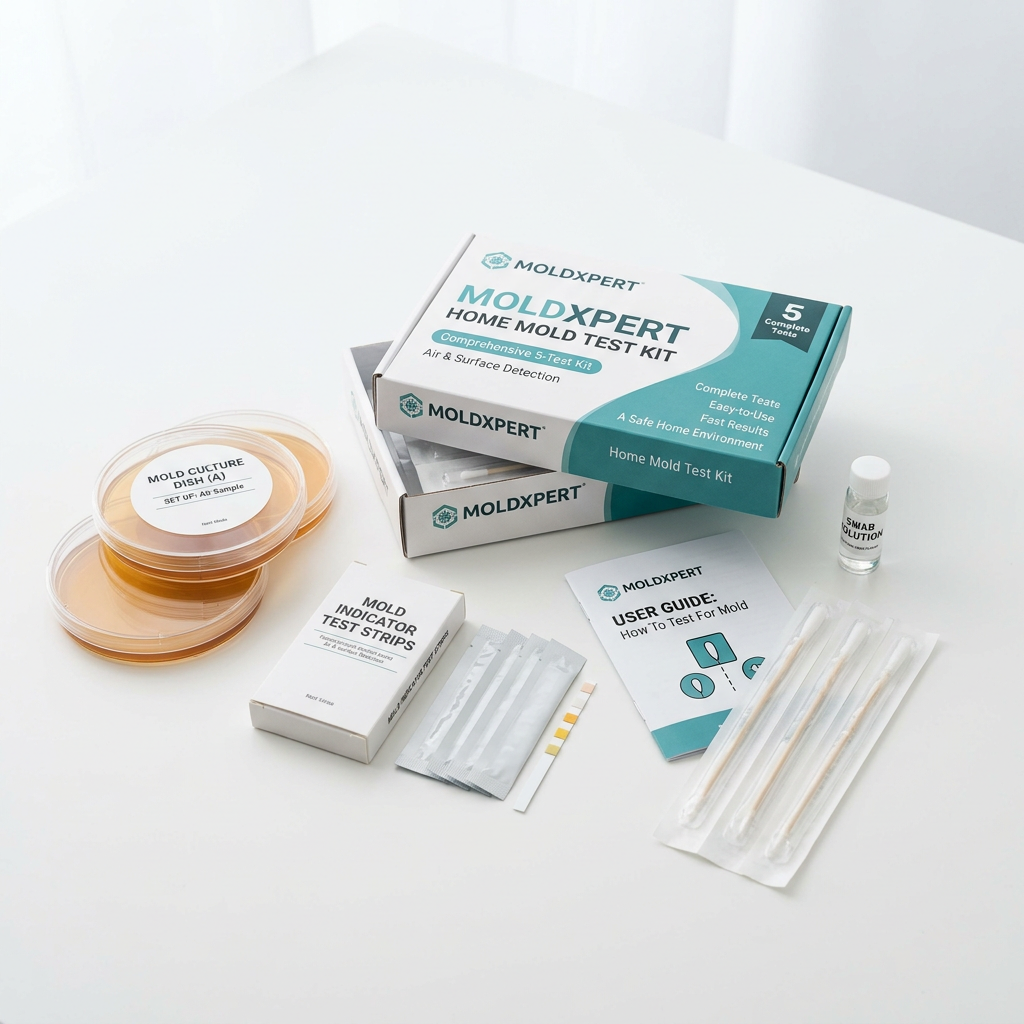
For small mold areas (under 10 square feet), DIY removal can save you $1,000-$3,000. You’ll need a N95 respirator, mold remover spray, and a moisture meter to verify the area is dry after treatment. For a basic DIY assessment, start with a home mold test kit.
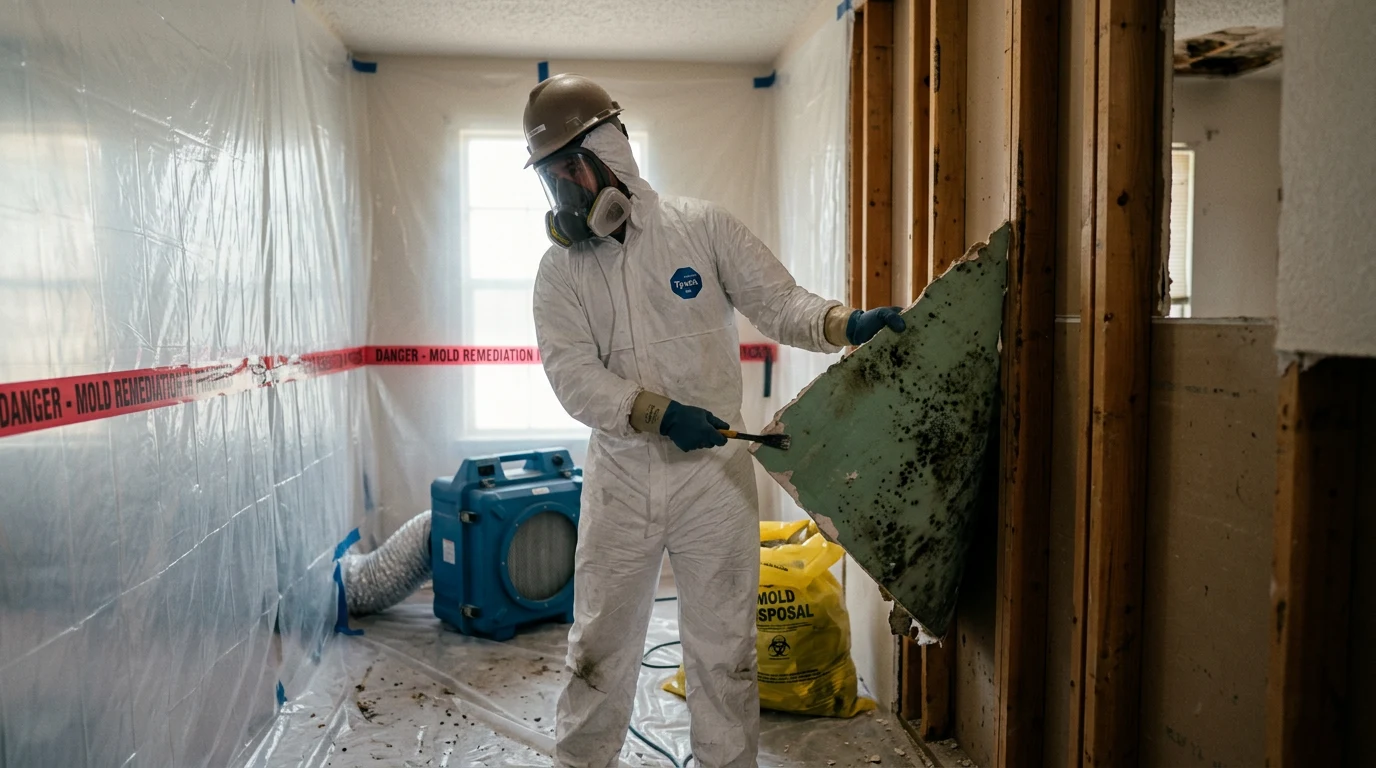
Hire a professional in Corpus Christi when the affected area is larger than 10 square feet, mold is in your HVAC system, you suspect mold behind walls, or anyone in the household has respiratory health issues. Use our complete DIY mold removal guide for small projects and our guide on when to test for mold to determine if you need professional help.
How to Find a Reputable Mold Remediation Company in Corpus Christi
- Verify licensing and insurance (check TX requirements)
- Get at least 3 written estimates
- Ask for references from recent Corpus Christi-area jobs
- Ensure they follow IICRC S520 mold remediation standards
- Use a different company for testing and remediation (avoids conflict of interest)
- Get a written scope of work before any work begins
Common Mold Questions in Corpus Christi
Why is mold so bad in Corpus Christi?
How does salt air affect mold in coastal Texas?
What humidity level should I maintain in Corpus Christi?
Mold Removal Cost Breakdown by Room
Different rooms in Corpus Christi homes present unique mold challenges due to varying moisture levels and accessibility. The coastal humidity and salt air affect some areas more than others, impacting both the likelihood of mold growth and the cost to remediate.
| Room/Area | Typical Cost Range | Factors Affecting Cost |
|---|---|---|
| Bathroom | $800 – $2,500 | Poor ventilation, frequent moisture, tile removal needed |
| Kitchen | $1,000 – $3,000 | Plumbing leaks, cabinet removal, appliance access |
| Basement/Crawl Space | $1,500 – $4,500 | Limited access, foundation moisture, structural materials |
| Attic | $1,200 – $3,500 | Roof leaks, insulation replacement, ventilation issues |
| Living Areas | $1,000 – $2,800 | Furniture moving, flooring replacement, wall repairs |
| Whole House | $8,000 – $25,000+ | HVAC system involvement, extensive materials, temporary housing |
In Corpus Christi’s coastal environment, bathrooms typically require the most frequent mold remediation due to poor ventilation combined with high ambient humidity. The salt air can corrode exhaust fans, reducing their effectiveness and creating conditions where mold thrives. Kitchen mold often stems from plumbing issues exacerbated by the city’s older housing stock near the Bay area.
Basement and crawl space mold remediation costs are higher in Corpus Christi due to the city’s slab foundation construction and proximity to the water table. Many homes built on slab foundations experience moisture wicking, while older homes near Corpus Christi Bay face additional challenges from storm surge and flooding history. Professional remediation in these areas often requires specialized equipment and longer drying times due to the persistent coastal humidity.
How Corpus Christi’s Climate Affects Mold Growth and Costs
Corpus Christi’s humid subtropical coastal climate creates one of the most challenging environments for mold prevention in the United States. With an average humidity level of 78%, the city consistently exceeds the EPA’s recommended indoor humidity threshold of 30-50%, making mold growth almost inevitable without proper prevention measures.
The annual rainfall of 30.5 inches, while moderate compared to other Gulf Coast cities, combines with the constant salt-laden moisture from the Gulf of Mexico to create persistent dampness in building materials. This coastal moisture doesn’t just come from rain – the continuous Gulf breeze carries microscopic salt particles that penetrate building envelopes and attract additional moisture from the air.
These climate factors directly impact remediation costs in several ways. First, the high baseline humidity means that drying times are extended, requiring remediation companies to run dehumidification equipment longer than in drier climates. Second, the salt air accelerates the deterioration of building materials, meaning that by the time mold is discovered, underlying structural damage often requires more extensive repairs. Third, the year-round growing conditions for mold mean that remediation must be more thorough to prevent immediate regrowth.
According to the EPA’s mold cleanup guidelines, coastal environments like Corpus Christi require additional moisture control measures that can add 15-25% to standard remediation costs. Professional remediation companies in the area typically need to install more powerful dehumidification systems and may recommend whole-house humidity control solutions to prevent future problems.
Seasonal Considerations for Mold Removal in Corpus Christi
Mold growth in Corpus Christi follows distinct seasonal patterns that affect both the urgency of remediation and pricing. Hurricane season (June through November) brings the highest risk periods, with increased humidity, potential flooding, and storm damage creating ideal conditions for rapid mold growth.
The optimal time for mold remediation in Corpus Christi is typically during the winter months (December through February), when humidity levels drop to their lowest point – though still averaging around 70%. During these months, remediation companies can achieve faster drying times and homeowners are less likely to experience immediate regrowth. Winter scheduling also often results in 10-15% lower pricing due to reduced demand.
Summer months present the greatest challenges and highest costs. From May through September, the combination of peak humidity, frequent afternoon storms, and heavy use of air conditioning systems creates a perfect storm for mold development. Remediation during this period requires more aggressive moisture control measures and longer treatment times. Many homeowners report that mold testing conducted in summer reveals more extensive contamination than the same issues would show in winter months.
Post-hurricane periods require immediate attention regardless of season. The city’s experience with Hurricane Harvey in 2017 demonstrated how quickly mold can establish after flooding events. Emergency remediation services during these periods can cost 25-40% more than standard pricing, but delaying treatment can result in exponentially higher costs as contamination spreads throughout the structure.
What to Expect During Professional Mold Remediation
Professional mold remediation in Corpus Christi follows a systematic process designed to address both the visible mold and the underlying moisture issues that allowed it to develop. The process typically begins with a comprehensive assessment using moisture meters to identify all affected areas, including hidden moisture behind walls and under flooring.
The remediation team will establish containment barriers using plastic sheeting and negative air pressure to prevent spores from spreading to clean areas. In Corpus Christi’s humid environment, this step is particularly critical as the high ambient moisture can cause spores to remain airborne longer than in drier climates. Professional-grade HEPA air purifiers run continuously during the process to capture airborne contaminants.
Material removal follows, with contaminated drywall, insulation, and other porous materials being carefully bagged and disposed of according to local regulations. Non-porous surfaces are cleaned using specialized antimicrobial solutions designed to work effectively in high-humidity environments. The team will then address the moisture source – whether it’s a plumbing leak, poor ventilation, or structural issues allowing salt air infiltration.
The final steps include thorough drying using industrial dehumidifiers and air movers, followed by post-remediation testing to verify successful treatment. In Corpus Christi, this drying phase typically takes 3-5 days longer than in drier climates due to the ambient humidity. Homeowners should expect the entire process to take 5-10 days for standard remediation projects, with larger jobs potentially requiring 2-3 weeks. Most reputable companies provide daily progress updates and maintain containment throughout the process to allow continued occupancy of unaffected areas.
DIY vs Professional Mold Removal in Corpus Christi
The decision between DIY and professional mold removal in Corpus Christi depends heavily on the size of the affected area and the unique challenges posed by the coastal environment. For small areas under 10 square feet – such as minor bathroom mold around tub caulking – homeowners can often handle remediation safely with proper equipment and techniques.
DIY remediation requires specific safety equipment including N95 or P100 respirators, eye protection, and disposable coveralls. Essential tools include a mold test kit to confirm the extent of contamination, mold remover sprays designed for the specific surface type, and a moisture meter to verify complete drying. The total cost for DIY supplies typically ranges from $150-$400, compared to professional remediation costs of $1,200-$4,000 for similar-sized areas.
However, Corpus Christi’s persistent humidity creates several challenges for DIY remediation. The high ambient moisture makes it difficult to achieve the thorough drying necessary to prevent regrowth. Additionally, the salt air corrosion common in coastal homes often means that visible mold is accompanied by hidden moisture problems requiring professional equipment to locate and address.
Professional remediation becomes necessary when the affected area exceeds 10 square feet, when mold is suspected in HVAC systems, or when anyone in the household has respiratory sensitivities. Licensed professionals in Texas have access to industrial-grade dehumidifiers capable of handling the coastal humidity, can identify and address hidden moisture sources, and provide warranties on their work. For homeowners dealing with post-storm damage or suspected toxic mold varieties, professional assessment is essential for both safety and insurance purposes.
Insurance Coverage for Mold Removal in TX
Texas homeowner’s insurance policies have specific provisions regarding mold coverage that differ significantly from other states. Under Texas Insurance Code, insurers must offer mold coverage as an optional endorsement, but it’s not automatically included in standard policies. Most basic policies in Texas include minimal mold coverage – typically $5,000 to $10,000 – and only when the mold results from a covered peril such as a burst pipe or storm damage.
In Corpus Christi, where Hurricane Harvey caused extensive water damage in 2017, many homeowners discovered that flood-related mold damage requires separate flood insurance coverage. Standard homeowner’s policies explicitly exclude mold resulting from flooding, continuous seepage, or maintenance-related moisture issues. Given the city’s high humidity and coastal location, this means that much of the common mold growth – such as that resulting from poor ventilation or chronic condensation – is not covered under basic policies.
When filing a mold claim in Texas, documentation is crucial. Insurance companies typically require professional mold testing to verify the extent of contamination and proof that the mold resulted from a covered event rather than maintenance neglect. Many insurers also require that water damage be reported within 48 hours to maintain coverage eligibility. Corpus Christi homeowners should review their policies annually and consider purchasing additional mold coverage, particularly if their home is in a flood-prone area or has a history of moisture issues.
For homes affected by Hurricane Harvey or other major storms, separate disaster relief programs may provide additional mold remediation assistance beyond standard insurance coverage. The Texas General Land Office and FEMA have historically provided supplemental funding for mold issues resulting from declared disasters, though eligibility requirements and coverage limits apply.
Frequently Asked Questions
How much does mold removal cost in Corpus Christi?
The average mold remediation cost in Corpus Christi, TX ranges from $1,200 – $4,000 depending on the size of the affected area, type of mold, and accessibility. Small bathroom mold removal may cost $500-$1,000, while whole-house remediation can exceed $10,000.
How much does a mold inspection cost in Corpus Christi?
A professional mold inspection in Corpus Christi, TX typically costs $250 – $500. This usually includes a visual assessment, moisture readings, and may include air or surface sampling.
Does homeowner’s insurance cover mold removal in TX?
Most homeowner’s insurance policies in TX cover mold damage if it results from a covered peril (like a burst pipe). Mold from maintenance neglect, flooding, or humidity is typically not covered. Check your specific policy.
Can I remove mold myself in Corpus Christi?
For small areas (under 10 square feet), DIY removal is feasible with proper PPE. For larger areas or if you have health concerns, hire a professional mold remediation company in Corpus Christi, TX. TX may require licensed professionals for certain projects.
Why is mold so bad in Corpus Christi?
Corpus Christi has one of the highest mold risk levels in the US due to its 78% average humidity, coastal salt air that accelerates building deterioration, and constant Gulf moisture. The combination of high humidity, moderate rainfall, and salt spray creates ideal conditions for year-round mold growth in building materials.
How does salt air affect mold in coastal Texas?
Salt air in Corpus Christi corrodes metal fasteners in exterior walls, creating gaps where moisture enters buildings. The salt particles also attract moisture from the air and can damage building materials over time, making structures more susceptible to water infiltration and subsequent mold growth.
What humidity level should I maintain in Corpus Christi?
Despite Corpus Christi’s 78% outdoor humidity, indoor humidity should be maintained between 30-50% to prevent mold growth. This requires robust dehumidification systems and may significantly impact energy costs. An air quality monitor can help track indoor humidity levels.
What’s the best time of year for mold remediation in Corpus Christi?
Winter months (December-February) offer the best conditions for mold remediation in Corpus Christi, with lower humidity levels allowing faster drying times and reduced costs. Summer remediation takes longer due to high humidity and may cost 15-25% more due to extended drying requirements.
Do I need a licensed mold professional in Texas?
Texas Property Code Section 92.052 requires licensed mold professionals for remediation projects over certain thresholds. While homeowners can perform small DIY projects, any professional mold remediation work must be performed by properly licensed and insured contractors who follow state regulations.
How long does mold remediation take in Corpus Christi’s humid climate?
Mold remediation in Corpus Christi typically takes 3-5 days longer than in drier climates due to the high ambient humidity. Standard projects require 5-10 days, while extensive whole-house remediation can take 2-3 weeks. The drying phase is extended due to the coastal environment’s persistent moisture.