Mold Removal Cost in Cincinnati, OH: 2026 Pricing Guide
If you’re dealing with mold in your Cincinnati, OH home, understanding the costs involved is the first step toward getting it resolved. Cincinnati, OH has a moderate-high mold risk rating due to its humid continental climate, 67% average humidity, and 42.5 inches of annual rainfall. This guide breaks down exactly what mold removal costs in Cincinnati, what factors affect pricing, and whether you should DIY or hire a professional.
Our reviews are based on aggregated verified buyer feedback, manufacturer specifications, ingredient analysis, and published expert opinion. Products are not independently purchased or tested by our team. We may earn a commission if you purchase through our links, at no extra cost to you. How We Review
Cincinnati at a Glance: Mold Risk Profile
| Factor | Detail |
|---|---|
| Population | 309,317 (metro: 2,256,884) |
| Average Home Price | $220,000 |
| Climate Zone | Humid continental |
| Average Humidity | 67% |
| Annual Rainfall | 42.5 inches |
| Mold Risk Rating | Moderate-High |
| Common Housing Types | Older single-family homes on hillsides, row houses, many with basements and stone foundations |
Average Mold Removal Costs in Cincinnati
| Service | Cost Range |
|---|---|
| Mold Inspection | $250 – $500 |
| Small Area Remediation (under 10 sq ft) | $500 – $1,500 |
| Standard Remediation | $1,300 – $4,000 |
| Whole-House Remediation | $5,000 – $15,000+ |
| Post-Remediation Air Testing | $200 – $400 |
Why Mold Is a Concern in Cincinnati
Ohio River Valley humidity, hillside construction channels water to foundations, aging housing stock, combined sewer overflow causes basement flooding
Local insight: Cincinnati’s ‘basin’ geography (surrounded by hills) traps humidity in the valley, and the Ohio River adds moisture to the air. The city’s hillside neighborhoods face constant water drainage challenges.
Cincinnati Housing and Mold: What to Know
Cincinnati hillside homes (Mt. Adams, Price Hill, Clifton) need retaining wall maintenance. Check your retaining walls for leaning, cracking, or clogged weep holes that cause water to saturate the soil behind them.
Factors That Affect Mold Removal Cost in Cincinnati
- Size of affected area: Small bathroom mold vs. entire basement requires different approaches and costs
- Type of mold: Common mold is straightforward; suspected toxic mold (Stachybotrys) requires additional testing and containment
- Location: Accessible areas cost less than mold in crawl spaces, attics, or inside walls
- Cause of moisture: Fixing the underlying moisture issue (plumbing leak, drainage, humidity) adds to total cost
- Materials affected: Drywall replacement costs more than surface cleaning of tile or concrete
- Licensing requirements: Ohio has no specific mold statute. Ohio Revised Code 5321.04 covers landlord obligations. Cincinnati has additional housing code enforcement.
DIY vs. Professional Mold Removal in Cincinnati
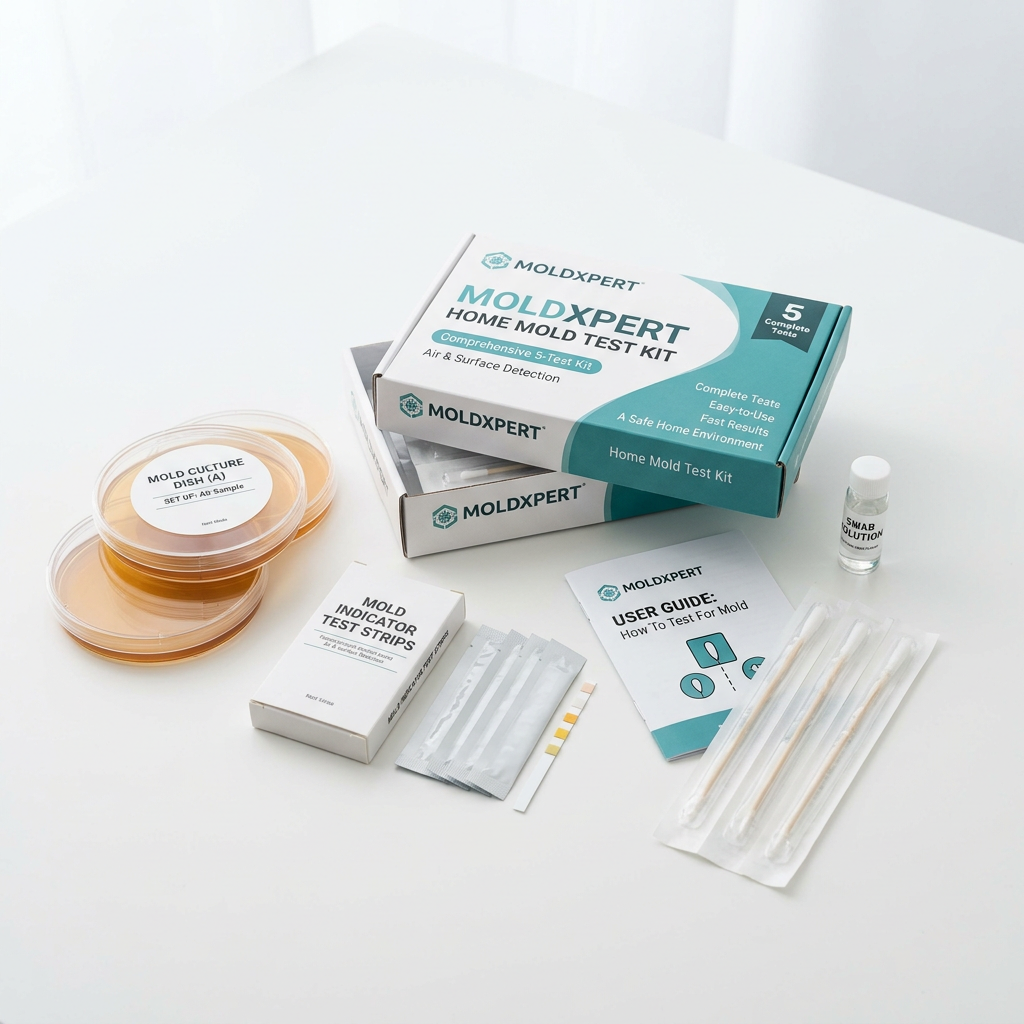
For small mold areas (under 10 square feet), DIY removal can save you $1,000-$3,000. You’ll need a N95 respirator, mold remover spray, and a moisture meter to verify the area is dry after treatment. For a basic DIY assessment, start with a home mold test kit.
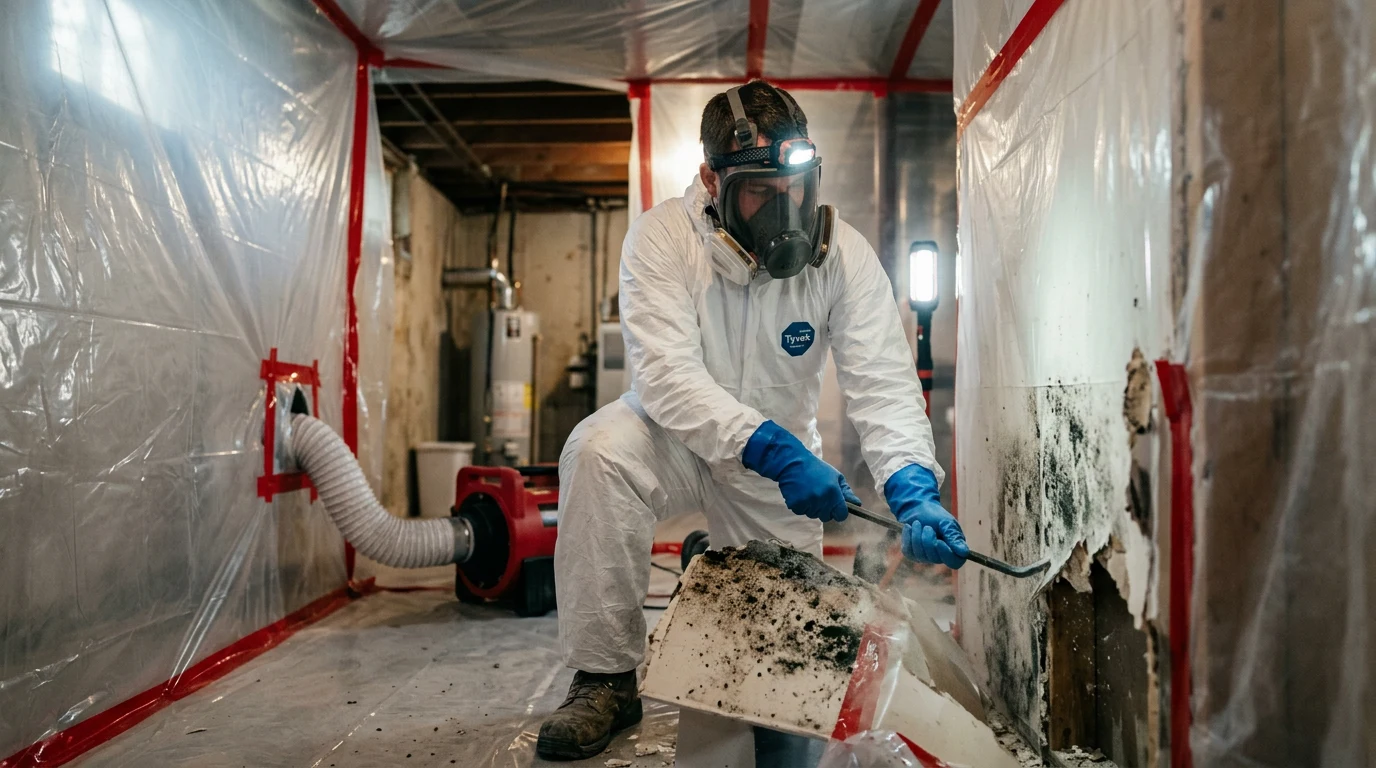
Hire a professional in Cincinnati when the affected area is larger than 10 square feet, mold is in your HVAC system, you suspect mold behind walls, or anyone in the household has respiratory health issues. Use our complete DIY mold removal guide for small projects and our guide on when to test for mold to determine if you need professional help.
How to Find a Reputable Mold Remediation Company in Cincinnati
- Verify licensing and insurance (check OH requirements)
- Get at least 3 written estimates
- Ask for references from recent Cincinnati-area jobs
- Ensure they follow IICRC S520 mold remediation standards
- Use a different company for testing and remediation (avoids conflict of interest)
- Get a written scope of work before any work begins
Mold Removal Cost Breakdown by Room
Mold removal costs in Cincinnati vary significantly based on the affected room and its accessibility. Bathrooms typically present the most affordable remediation due to their hard surfaces and accessible locations, while basements and attics pose greater challenges due to confined spaces and potential structural complications. Cincinnati’s hillside homes often experience unique challenges with basement moisture intrusion that can drive costs higher than the national average.
| Room/Area | Typical Cost Range | Factors Affecting Price |
|---|---|---|
| Bathroom | $500 – $1,800 | Tile surfaces, ventilation issues, shower/tub access |
| Kitchen | $800 – $2,500 | Behind appliances, under sinks, cabinet removal |
| Basement/Crawl Space | $1,200 – $6,000 | Foundation moisture, accessibility, ventilation |
| Attic | $1,000 – $4,000 | Roof leaks, insulation replacement, ventilation |
| Living Areas | $1,500 – $3,500 | Drywall replacement, flooring, HVAC system |
| Whole House | $8,000 – $25,000+ | Structural damage, multiple systems affected |
In Cincinnati’s older homes, basement mold remediation often requires additional waterproofing measures due to the city’s unique topography and aging infrastructure. Homeowners frequently need to address both the mold issue and underlying drainage problems, which can add $2,000-$5,000 to the total project cost. Professional assessment with a moisture meter is essential to identify all affected areas before beginning remediation work.
How Cincinnati’s Climate Affects Mold Growth and Costs
Cincinnati’s humid continental climate creates optimal conditions for mold growth throughout much of the year. With an average humidity level of 67% and annual rainfall of 42.5 inches, the city experiences moisture levels that consistently exceed the 60% threshold where mold thrives. The Ohio River Valley location traps humid air in the basin, while surrounding hills channel rainwater toward foundations and create persistent dampness issues in many neighborhoods.
These climate factors directly impact remediation costs in several ways. Higher baseline humidity means mold problems often affect larger areas before detection, increasing the scope of necessary work. The extended humid season from May through September creates multiple opportunities for mold growth, while winter heating cycles can drive moisture deeper into building materials. Cincinnati homeowners typically face 15-20% higher remediation costs compared to drier climates due to the need for more extensive dehumidification and moisture control measures.
Professional remediation companies in Cincinnati often recommend installing permanent dehumidification systems and improved ventilation as part of the remediation process. These preventive measures add $1,500-$3,000 to initial costs but significantly reduce the likelihood of recurring mold issues. Using an air quality monitor can help homeowners track humidity levels and prevent future problems.
Seasonal Considerations for Mold Removal in Cincinnati
Mold growth in Cincinnati follows distinct seasonal patterns that affect both the urgency and cost of remediation. Spring and early summer present the highest risk periods, as warming temperatures combine with increased rainfall and rising humidity levels. The city’s combined sewer system can overflow during heavy spring rains, creating basement flooding that leads to extensive mold growth within 24-48 hours.
The optimal time for mold remediation in Cincinnati is typically late fall through early spring when humidity levels are naturally lower and contractors have greater availability. Scheduling remediation during these months can result in 10-15% cost savings and faster project completion times. However, emergency remediation should never be delayed regardless of season, as mold can spread rapidly in Cincinnati’s climate conditions.
Summer remediation projects often require additional dehumidification equipment and extended drying times, which can increase costs by $500-$1,500. Winter work may be complicated by heating system integration and the need to maintain indoor air quality while systems are offline. For non-emergency situations, fall scheduling allows contractors to prepare homes for the upcoming humid season while taking advantage of lower seasonal pricing.
What to Expect During Professional Mold Remediation
Professional mold remediation in Cincinnati follows the IICRC S520 standards and typically begins with a comprehensive assessment using moisture detection equipment and air sampling. The initial inspection identifies all affected areas and develops a detailed remediation plan that addresses both visible mold and hidden growth behind walls or in building cavities. Most Cincinnati projects require 3-7 days to complete, depending on the scope of work and drying requirements.
The remediation process starts with containment setup using plastic sheeting and negative air pressure to prevent spore spread. All affected materials are carefully removed and disposed of according to Ohio environmental regulations. Professional teams use specialized equipment including HEPA vacuums, air scrubbers, and commercial dehumidifiers to clean and dry the affected areas thoroughly. Following material removal, surfaces are treated with antimicrobial solutions and allowed to dry completely.
Homeowners should expect temporary disruption to normal household activities and may need to relocate during major projects. The final step involves post-remediation testing to verify successful mold removal and air quality restoration. Most reputable Cincinnati companies provide a limited warranty on their work and detailed documentation for insurance claims. Throughout the process, maintaining proper ventilation and humidity control is essential for preventing recontamination.
Insurance Coverage for Mold Removal in OH
Homeowners insurance coverage for mold removal in Ohio varies significantly between policies and circumstances. Most standard policies cover mold damage resulting from covered perils such as burst pipes, appliance malfunctions, or storm damage, but exclude mold from maintenance neglect, flooding, or long-term moisture issues. Ohio does not mandate specific mold coverage requirements, leaving coverage decisions to individual insurance companies and policy terms.
Cincinnati homeowners should review their policies carefully, as many insurers have added mold exclusions or caps on coverage amounts. Typical coverage limits range from $5,000 to $25,000 for mold remediation, though some policies offer higher limits as optional endorsements. Documentation is crucial for successful claims – homeowners should photograph all damage, maintain records of any water intrusion events, and obtain professional assessments when mold is suspected.
For flood-related mold damage, standard homeowners policies typically provide no coverage, and separate flood insurance through FEMA may have limited mold provisions. Given Cincinnati’s susceptibility to basement flooding from combined sewer overflows, homeowners should consider additional coverage options and maintain detailed documentation of any water damage incidents. Professional mold testing before and after remediation can provide essential documentation for insurance claims and verify successful treatment.
Common Mold Questions in Cincinnati
How does the Ohio River affect mold in Cincinnati?
The Ohio River significantly contributes to Cincinnati’s high ambient humidity levels, creating conditions that promote mold growth throughout the year. The river acts as a massive moisture source that increases atmospheric humidity, especially during warmer months. Combined with Cincinnati’s basin geography, this creates a natural humidity trap that keeps indoor moisture levels elevated even with proper ventilation. Homes within a few miles of the river typically experience 5-10% higher baseline humidity levels, requiring more aggressive moisture control measures and increasing the likelihood of mold problems.
Is mold common in Cincinnati hillside homes?
Mold is particularly common in Cincinnati’s hillside neighborhoods including Mt. Adams, Price Hill, and Clifton due to unique drainage challenges. Hillside construction naturally channels water toward foundations, creating persistent moisture issues that promote mold growth. Many of these homes feature stone foundations and inadequate drainage systems that allow water infiltration during heavy rains. Retaining wall failures and improper grading compound these problems, making hillside homes 2-3 times more likely to experience basement mold issues compared to homes on level lots.
What should I do about my Cincinnati basement mold?
Cincinnati basement mold requires immediate attention due to the city’s high humidity and frequent groundwater issues. Start by identifying and stopping the moisture source – check for foundation cracks, failed sump pumps, or drainage problems. For small areas under 10 square feet, homeowners can attempt DIY removal using proper protective equipment and mold remover sprays. However, basement mold often indicates larger moisture problems that require professional assessment and remediation, especially in Cincinnati’s older homes with stone foundations and inadequate waterproofing.
Frequently Asked Questions
How much does mold removal cost in Cincinnati?
The average mold remediation cost in Cincinnati, OH ranges from $1,300 – $4,000 depending on the size of the affected area, type of mold, and accessibility. Small bathroom mold removal may cost $500-$1,000, while whole-house remediation can exceed $10,000.
How much does a mold inspection cost in Cincinnati?
A professional mold inspection in Cincinnati, OH typically costs $250 – $500. This usually includes a visual assessment, moisture readings, and may include air or surface sampling.
Does homeowner’s insurance cover mold removal in OH?
Most homeowner’s insurance policies in OH cover mold damage if it results from a covered peril (like a burst pipe). Mold from maintenance neglect, flooding, or humidity is typically not covered. Check your specific policy.
Can I remove mold myself in Cincinnati?
For small areas (under 10 square feet), DIY removal is feasible with proper PPE. For larger areas or if you have health concerns, hire a professional mold remediation company in Cincinnati, OH. OH may require licensed professionals for certain projects.
How long does mold remediation take in Cincinnati?
Most mold remediation projects in Cincinnati take 3-7 days to complete, depending on the size and scope of the affected area. Small bathroom projects may be completed in 1-2 days, while whole-house remediation can take 2-3 weeks. Cincinnati’s high humidity often requires extended drying times, which can add 1-2 days to the typical timeline.
What type of mold is most common in Cincinnati homes?
The most common molds in Cincinnati homes include Cladosporium, Penicillium, and Aspergillus species, which thrive in the city’s humid climate. Black mold (Stachybotrys) is less common but can occur in areas with persistent moisture problems, particularly in basements and areas affected by flooding. A mold test kit can help identify specific species present in your home.
Are there specific regulations for mold remediation in Cincinnati?
Ohio has no specific state mold licensing requirements, but Cincinnati has additional housing code enforcement that may apply to rental properties. Professional remediators should follow EPA guidelines and IICRC S520 standards. Some projects may require permits through the Cincinnati Building Department, particularly if structural modifications are necessary during remediation.
How can I prevent mold in my Cincinnati home?
Preventing mold in Cincinnati requires aggressive humidity control due to the city’s climate. Keep indoor humidity below 50% using dehumidifiers and proper ventilation. Address water intrusion immediately, maintain gutters and drainage systems, and ensure proper basement waterproofing. Regular use of an air quality monitor can help detect elevated humidity levels before mold problems develop.
What health risks are associated with mold exposure in Cincinnati?
Mold exposure can cause respiratory symptoms, allergic reactions, and asthma exacerbation, particularly problematic in Cincinnati’s humid climate where mold concentrations can remain elevated. Individuals with compromised immune systems, allergies, or respiratory conditions face higher risks. Common symptoms include coughing, sneezing, throat irritation, and skin reactions. For detailed information about mold health risks, consult healthcare professionals if symptoms persist.
When is the best time to test for mold in Cincinnati?
The best time to test for mold in Cincinnati is during periods of normal humidity, typically late fall through early spring when natural moisture levels are lower. Avoid testing immediately after heavy rains or during peak humidity periods, as this may produce artificially elevated readings. However, testing should be conducted immediately if musty odors, visible growth, or water damage are present, regardless of season. Professional testing provides more accurate results than DIY options for serious concerns.