Mold Removal Cost in Charleston, SC: 2026 Pricing Guide
If you’re dealing with mold in your Charleston, SC home, understanding the costs involved is the first step toward getting it resolved. Charleston, SC has a high mold risk rating due to its humid subtropical climate, 72% average humidity, and 51.5 inches of annual rainfall. This guide breaks down exactly what mold removal costs in Charleston, what factors affect pricing, and whether you should DIY or hire a professional.
Our reviews are based on aggregated verified buyer feedback, manufacturer specifications, ingredient analysis, and published expert opinion. Products are not independently purchased or tested by our team. We may earn a commission if you purchase through our links, at no extra cost to you. How We Review
Charleston at a Glance: Mold Risk Profile
| Factor | Detail |
|---|---|
| Population | 150,277 (metro: 802,122) |
| Average Home Price | $475,000 |
| Climate Zone | Humid subtropical |
| Average Humidity | 72% |
| Annual Rainfall | 51.5 inches |
| Mold Risk Rating | High |
| Common Housing Types | Historic single houses, raised foundations, piazzas (side porches), antebellum architecture |
Average Mold Removal Costs in Charleston
| Service | Cost Range |
|---|---|
| Mold Inspection | $350 – $650 |
| Small Area Remediation (under 10 sq ft) | $500 – $1,500 |
| Standard Remediation | $2,000 – $6,000 |
| Whole-House Remediation | $5,000 – $15,000+ |
| Post-Remediation Air Testing | $200 – $400 |
Why Mold Is Common in Charleston
Coastal humidity, frequent flooding (king tides), historic building preservation limits modern moisture interventions, salt air, high water table
Local insight: Charleston experiences ‘king tide’ flooding 40-60 times per year, where tidal water backs up through storm drains and floods streets. This saltwater flooding accelerates corrosion and creates persistent moisture in buildings.
Charleston Housing and Mold: What to Know
Charleston’s iconic ‘single houses’ (one room wide, oriented sideways to the street) rely on their piazzas for ventilation. If piazza screens or shutters are closed, moisture builds up. Keep airflow moving through the piazza.
Factors That Affect Mold Removal Cost in Charleston
- Size of affected area: Small bathroom mold vs. entire basement requires different approaches and costs
- Type of mold: Common mold is straightforward; suspected toxic mold (Stachybotrys) requires additional testing and containment
- Location: Accessible areas cost less than mold in crawl spaces, attics, or inside walls
- Cause of moisture: Fixing the underlying moisture issue (plumbing leak, drainage, humidity) adds to total cost
- Materials affected: Drywall replacement costs more than surface cleaning of tile or concrete
- Licensing requirements: South Carolina has no specific mold statute. SC Residential Landlord and Tenant Act (§ 27-40-440) requires habitable conditions.
DIY vs. Professional Mold Removal in Charleston
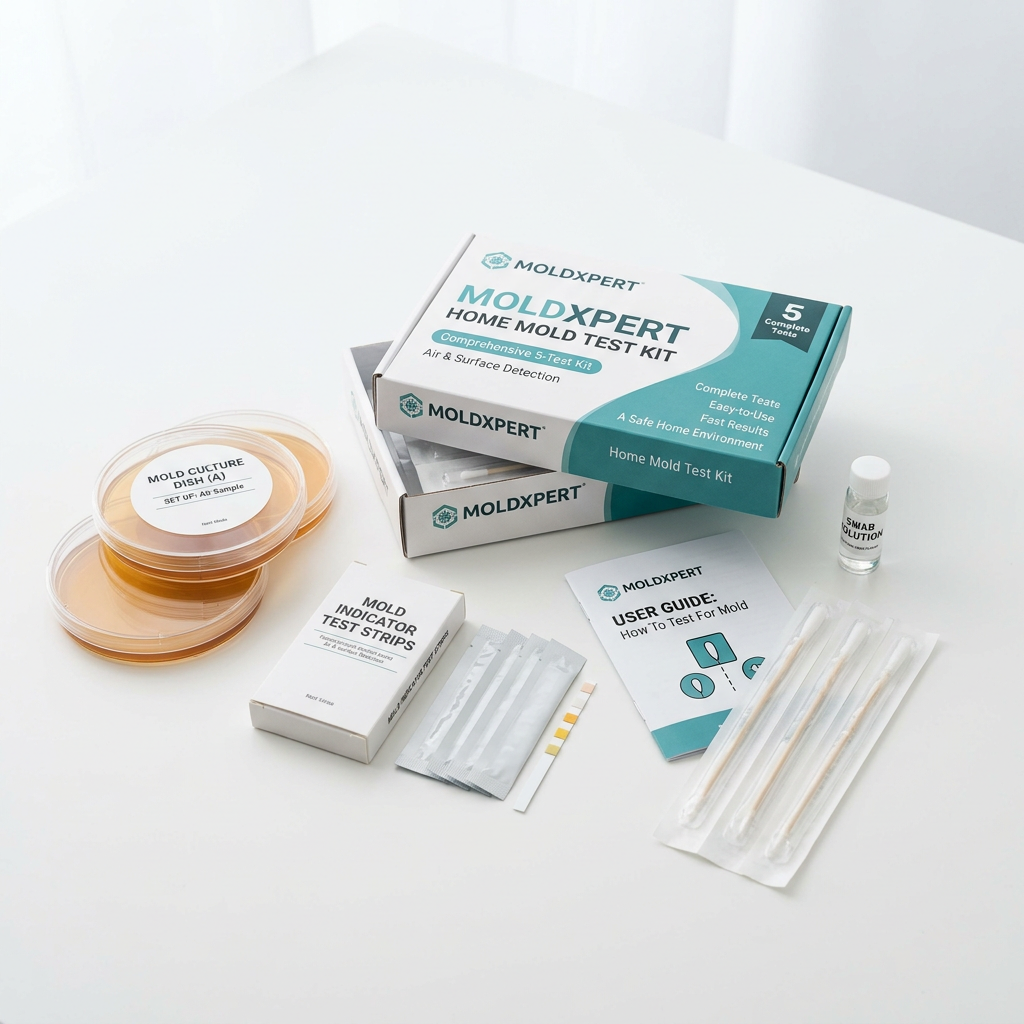
For small mold areas (under 10 square feet), DIY removal can save you $1,000-$3,000. You’ll need a N95 respirator, mold remover spray, and a moisture meter to verify the area is dry after treatment. For a basic DIY assessment, start with a home mold test kit.
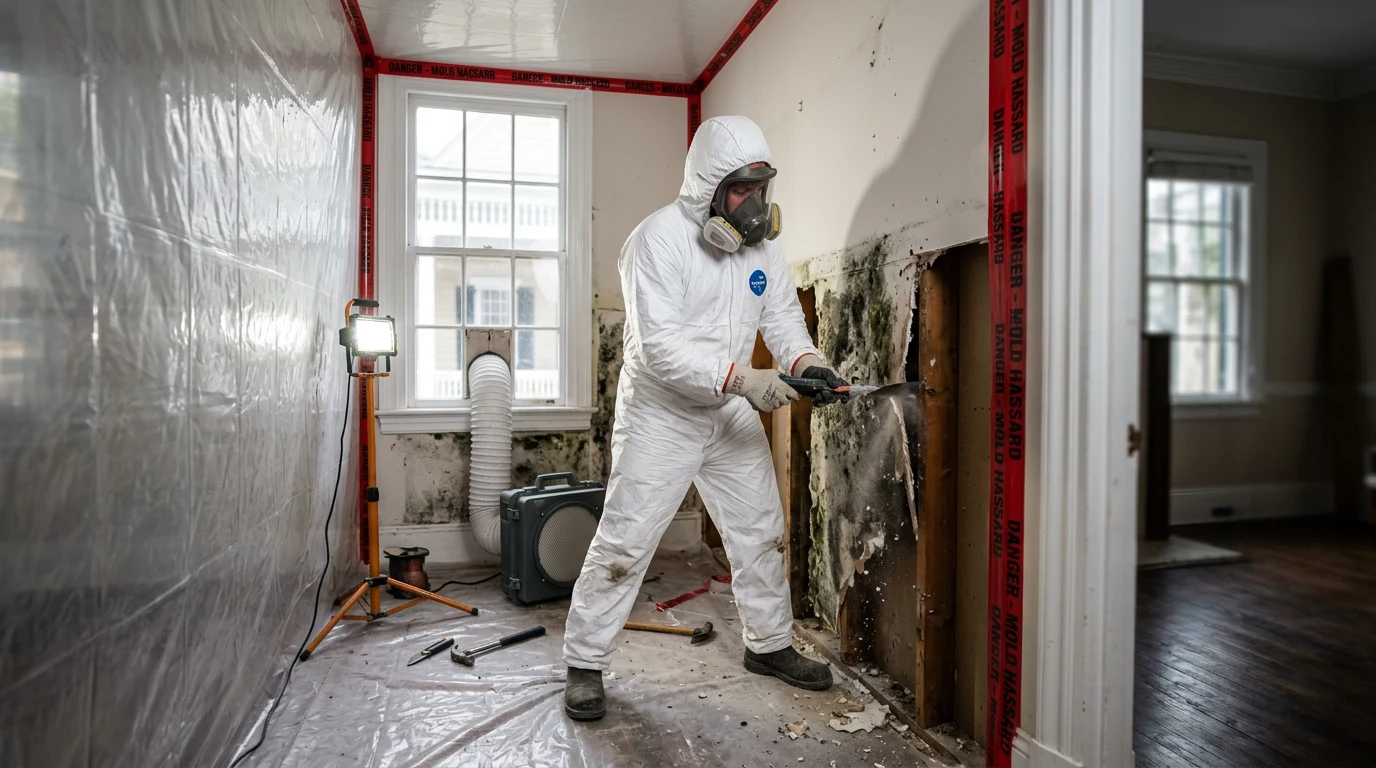
Hire a professional in Charleston when the affected area is larger than 10 square feet, mold is in your HVAC system, you suspect mold behind walls, or anyone in the household has respiratory health issues. Use our complete DIY mold removal guide for small projects and our guide on when to test for mold to determine if you need professional help.
How to Find a Reputable Mold Remediation Company in Charleston
- Verify licensing and insurance (check SC requirements)
- Get at least 3 written estimates
- Ask for references from recent Charleston-area jobs
- Ensure they follow IICRC S520 mold remediation standards
- Use a different company for testing and remediation (avoids conflict of interest)
- Get a written scope of work before any work begins
Mold Removal Cost Breakdown by Room
Mold removal costs in Charleston vary significantly based on the room affected. Bathrooms are the most common location for mold growth due to high humidity and poor ventilation, while attics and crawl spaces present unique challenges due to access limitations and structural concerns.
| Room | Cost Range | Typical Issues |
|---|---|---|
| Bathroom | $800 – $2,500 | Tile grout, shower areas, poor ventilation |
| Kitchen | $1,000 – $3,500 | Under sink leaks, appliance moisture, cabinet interiors |
| Basement | $1,500 – $5,000 | Foundation moisture, poor drainage, flooding damage |
| Crawl Space | $2,000 – $6,000 | High humidity, structural wood, access difficulties |
| Attic | $1,800 – $4,500 | Roof leaks, insulation replacement, ventilation issues |
| Whole House | $8,000 – $25,000 | HVAC system contamination, multiple rooms affected |
Charleston’s historic homes often require additional care during remediation to preserve architectural features. Single houses with their unique piazza structures may need specialized approaches that can increase costs by 15-25%. The raised foundation design common in Charleston can help with ventilation but also creates additional spaces where moisture can accumulate.
Basement and crawl space remediation costs are particularly high in Charleston due to the city’s high water table and frequent flooding. These areas often require structural drying, waterproofing, and installation of proper drainage systems to prevent future mold growth. A professional mold test kit can help identify problem areas before they become major remediation projects.
How Charleston’s Climate Affects Mold Growth and Costs
Charleston’s humid subtropical climate creates ideal conditions for mold growth year-round. With an average humidity of 72% and annual rainfall of 51.5 inches, the city experiences moisture levels well above the 60% threshold where mold thrives. This persistent humidity means that mold remediation projects in Charleston often require more extensive dehumidification and moisture control measures than in drier climates.
The coastal location adds another layer of complexity through salt air exposure, which accelerates corrosion of building materials and HVAC systems. This corrosion can create entry points for moisture and compromise the effectiveness of climate control systems. Remediation companies in Charleston typically factor in additional costs for treating salt-damaged materials and improving ventilation systems.
Summer months bring the highest humidity levels, often exceeding 80%, which can accelerate mold growth during remediation if proper containment isn’t maintained. Professional remediation teams use industrial-grade dehumidifiers and HEPA air purifiers to maintain controlled environments during treatment. The persistent moisture also means that post-remediation monitoring is crucial, with many companies recommending follow-up inspections after 30 and 90 days.
King tide flooding, occurring 40-60 times annually, creates unique challenges that increase remediation complexity and costs. The saltwater intrusion can penetrate building materials and leave behind salt deposits that continue to attract moisture long after flooding subsides. This phenomenon often requires specialized cleaning and treatment protocols that can add 20-30% to standard remediation costs.
Seasonal Considerations for Mold Removal in Charleston
Spring and summer months in Charleston present the highest risk for mold growth, with humidity levels consistently above 75% and frequent thunderstorms adding moisture to already saturated conditions. However, these warmer months also provide optimal conditions for remediation work, as increased ventilation and natural air circulation help accelerate drying processes.
Fall offers the best window for major mold remediation projects in Charleston. Humidity levels drop to more manageable levels around 65-70%, and the reduced rainfall creates stable conditions for thorough drying and treatment. Many remediation companies offer lower rates during fall months due to decreased demand, potentially saving homeowners 10-15% on project costs.
Winter in Charleston remains relatively mild, but increased heating system use can reveal hidden mold problems in ductwork and HVAC systems. While outdoor humidity decreases, indoor moisture from cooking, showering, and heating can still support mold growth. Emergency remediation during winter months may carry premium pricing due to heating requirements and longer drying times.
Hurricane season, running from June through November, significantly impacts mold remediation scheduling and pricing. Preventing mold after water damage becomes critical during this period, as storm-related moisture intrusion can lead to widespread contamination within 24-48 hours. Many Charleston residents schedule preventive inspections and moisture assessments before hurricane season to identify vulnerable areas.
What to Expect During Professional Mold Remediation
Professional mold remediation in Charleston follows established protocols designed to address the city’s unique moisture challenges. The process begins with a comprehensive assessment that includes visual inspection, moisture mapping using specialized meters, and air quality testing to establish baseline contamination levels.
Containment setup is crucial in Charleston’s humid environment. Remediation teams establish negative air pressure zones using industrial fans and plastic sheeting to prevent spore migration to clean areas. In historic Charleston homes, this process requires special care to protect architectural features and antique materials. The containment phase typically takes 4-6 hours for standard rooms but can extend to a full day for complex historic properties.
The actual remediation process involves removing contaminated materials, treating affected surfaces with antimicrobial solutions, and thoroughly drying all areas using industrial dehumidifiers. Charleston projects often require extended drying periods due to the high ambient humidity. A typical bathroom remediation takes 3-5 days, while larger projects can extend to 2-3 weeks including drying time.
Post-remediation verification includes clearance air testing and visual inspection to ensure successful treatment. In Charleston, many companies recommend installing improved ventilation systems or dehumidification equipment as part of the remediation process to prevent future problems. Homeowners should expect final documentation including before/after photos, air test results, and recommendations for ongoing moisture control. The EPA’s mold cleanup guidelines provide additional detail on proper remediation procedures.
Insurance Coverage for Mold Removal in SC
South Carolina insurance laws regarding mold coverage vary significantly between insurers and policy types. Most standard homeowner’s policies in SC provide limited mold coverage, typically only when mold results from a covered peril such as a burst pipe or storm damage. The average coverage limit ranges from $5,000 to $10,000, which may not cover extensive remediation in Charleston’s challenging climate.
Flood-related mold damage presents particular challenges in Charleston, as standard homeowner’s insurance excludes flood damage. Homeowners with separate flood insurance through the National Flood Insurance Program (NFIP) may have limited mold coverage, but king tide flooding often falls into a gray area between standard water damage and flood coverage.
When filing a mold-related insurance claim in SC, documentation is critical. Insurance adjusters typically require professional mold testing results, moisture readings, and proof that the mold resulted from a sudden, accidental event rather than long-term maintenance neglect. Using a professional mold test before calling the insurance company can help establish the extent and type of contamination.
Many Charleston homeowners opt for additional mold endorsements on their policies, which can increase coverage limits to $25,000 or more for an additional premium of $100-300 annually. Given Charleston’s high mold risk, this additional coverage often proves worthwhile for protecting against the city’s unique moisture challenges.
Common Mold Questions in Charleston
How do king tides affect mold in Charleston?
King tides in Charleston occur 40-60 times per year when tidal water backs up through storm drains and floods streets with saltwater. This flooding penetrates building foundations, crawl spaces, and lower levels of structures, creating persistent moisture that promotes mold growth. The saltwater leaves behind salt deposits that continue to attract moisture from the air long after the flooding recedes, creating ongoing mold risk. Property owners should monitor basements and crawl spaces after king tide events and use moisture meters to check for elevated humidity levels.
Is mold common in Charleston’s historic homes?
Yes, mold is particularly common in Charleston’s historic homes due to several factors. These older structures often lack modern vapor barriers and climate control systems, while historic preservation requirements limit moisture intervention options. The traditional “single house” design with piazzas relies on natural ventilation that can be compromised when windows and doors are sealed for modern comfort. Additionally, original building materials like horsehair plaster and old wood framing are more susceptible to moisture retention and mold growth than modern materials.
How do I protect a Charleston home from moisture?
Protecting a Charleston home from moisture requires a multi-faceted approach. Install and maintain proper drainage around the foundation, ensure gutters and downspouts direct water away from the structure, and use dehumidifiers to maintain indoor humidity below 60%. In historic homes, preserve natural ventilation by keeping piazza areas open and functioning. Regular maintenance of HVAC systems, prompt repair of leaks, and installation of exhaust fans in bathrooms and kitchens are essential. Consider using an air quality monitor to track humidity levels and identify problem areas before mold develops.
Frequently Asked Questions
How much does mold removal cost in Charleston?
The average mold remediation cost in Charleston, SC ranges from $2,000 – $6,000 depending on the size of the affected area, type of mold, and accessibility. Small bathroom mold removal may cost $500-$1,000, while whole-house remediation can exceed $10,000.
How much does a mold inspection cost in Charleston?
A professional mold inspection in Charleston, SC typically costs $350 – $650. This usually includes a visual assessment, moisture readings, and may include air or surface sampling.
Does homeowner’s insurance cover mold removal in SC?
Most homeowner’s insurance policies in SC cover mold damage if it results from a covered peril (like a burst pipe). Mold from maintenance neglect, flooding, or humidity is typically not covered. Check your specific policy.
Can I remove mold myself in Charleston?
For small areas (under 10 square feet), DIY removal is feasible with proper PPE. For larger areas or if you have health concerns, hire a professional mold remediation company in Charleston, SC. SC may require licensed professionals for certain projects.
What type of mold is most common in Charleston homes?
The most common molds in Charleston homes are Aspergillus, Penicillium, and Cladosporium, which thrive in the city’s humid subtropical climate. These molds typically appear as black, green, or white growth on surfaces with moisture exposure. Stachybotrys (black mold) is less common but can occur in areas with severe water damage or persistent leaks. A professional mold test can identify the specific types present and guide appropriate treatment methods.
How long does mold remediation take in Charleston?
Mold remediation timeframes in Charleston depend on the scope of work and drying requirements. Small bathroom projects typically take 3-5 days, while larger remediation can take 1-3 weeks. Charleston’s high humidity often extends drying times compared to other climates. Emergency water damage situations require immediate attention within 24-48 hours to prevent mold growth, as outlined in our guide on preventing mold after water damage.
Should I test for mold before buying a home in Charleston?
Yes, mold testing is highly recommended when buying a home in Charleston due to the city’s high mold risk rating. Historic homes are particularly susceptible to hidden mold issues behind walls or in crawl spaces. A pre-purchase inspection should include moisture readings, visual assessment, and air quality testing. Consider using an ERMI test for comprehensive mold species identification in older homes, as this can reveal long-term contamination patterns.
What health risks are associated with mold exposure in Charleston?
Mold exposure in Charleston can cause various health issues, particularly for individuals with allergies, asthma, or compromised immune systems. Common symptoms include respiratory irritation, coughing, nasal congestion, skin irritation, and headaches. Charleston’s year-round mold exposure due to climate conditions can lead to chronic symptoms. Children and elderly residents are at higher risk for severe reactions. For detailed information about symptoms and health risks, consult our comprehensive guide on mold exposure health risks.
How can I prevent mold growth in my Charleston home?
Preventing mold growth in Charleston requires consistent moisture control and ventilation management. Maintain indoor humidity below 60% using dehumidifiers and ensure proper ventilation in bathrooms, kitchens, and laundry areas. Address water leaks immediately, improve drainage around your foundation, and clean gutters regularly. In historic homes, maintain natural ventilation through piazzas and windows when possible. Regular monitoring with moisture meters can help identify problem areas before mold develops.
Are there any Charleston-specific regulations for mold remediation?
South Carolina has no specific mold licensing requirements for remediation contractors, but the SC Residential Landlord and Tenant Act requires habitable conditions in rental properties. Charleston’s Board of Architectural Review may have special requirements for historic properties that limit remediation methods to preserve architectural integrity. Professional remediation companies should follow IICRC S520 standards regardless of local requirements. Always verify that contractors carry proper insurance and follow established industry protocols for safe and effective mold removal.