Mold Removal Cost in Boston, MA: 2026 Pricing Guide
If you’re dealing with mold in your Boston, MA home, understanding the costs involved is the first step toward getting it resolved. Boston, MA has a moderate mold risk rating due to its humid continental climate, 63% average humidity, and 43.8 inches of annual rainfall. This guide breaks down exactly what mold removal costs in Boston, what factors affect pricing, and whether you should DIY or hire a professional.
Our reviews are based on aggregated verified buyer feedback, manufacturer specifications, ingredient analysis, and published expert opinion. Products are not independently purchased or tested by our team. We may earn a commission if you purchase through our links, at no extra cost to you. How We Review
Boston at a Glance: Mold Risk Profile
| Factor | Detail |
|---|---|
| Population | 675,647 (metro: 4,941,632) |
| Average Home Price | $730,000 |
| Climate Zone | Humid continental |
| Average Humidity | 63% |
| Annual Rainfall | 43.8 inches |
| Mold Risk Rating | Moderate |
| Common Housing Types | Triple-deckers, brownstones, Victorian homes, many with unfinished basements |
Average Mold Removal Costs in Boston
| Service | Cost Range |
|---|---|
| Mold Inspection | $350 – $650 |
| Small Area Remediation (under 10 sq ft) | $500 – $1,500 |
| Standard Remediation | $2,000 – $6,000 |
| Whole-House Remediation | $5,000 – $15,000+ |
| Post-Remediation Air Testing | $200 – $400 |
Why Mold Is a Concern in Boston
Nor’easter storms cause flooding, aging housing stock, triple-decker construction allows moisture to migrate between units, harbor proximity increases humidity
Local insight: Boston’s iconic triple-decker homes (three-family wood-frame buildings) make up about one-third of the city’s housing stock. Moisture issues in one unit frequently spread to all three through shared walls and plumbing chases.
Boston Housing and Mold: What to Know
In Boston triple-deckers, the middle unit is often most mold-prone because it has less exterior wall surface for drying. Check behind kitchen and bathroom walls where plumbing from all three units converges.
Factors That Affect Mold Removal Cost in Boston
- Size of affected area: Small bathroom mold vs. entire basement requires different approaches and costs
- Type of mold: Common mold is straightforward; suspected toxic mold (Stachybotrys) requires additional testing and containment
- Location: Accessible areas cost less than mold in crawl spaces, attics, or inside walls
- Cause of moisture: Fixing the underlying moisture issue (plumbing leak, drainage, humidity) adds to total cost
- Materials affected: Drywall replacement costs more than surface cleaning of tile or concrete
- Licensing requirements: Massachusetts Sanitary Code (105 CMR 410) covers mold as a condition affecting habitability. Boston’s Inspectional Services Department enforces housing code violations including mold.
DIY vs. Professional Mold Removal in Boston
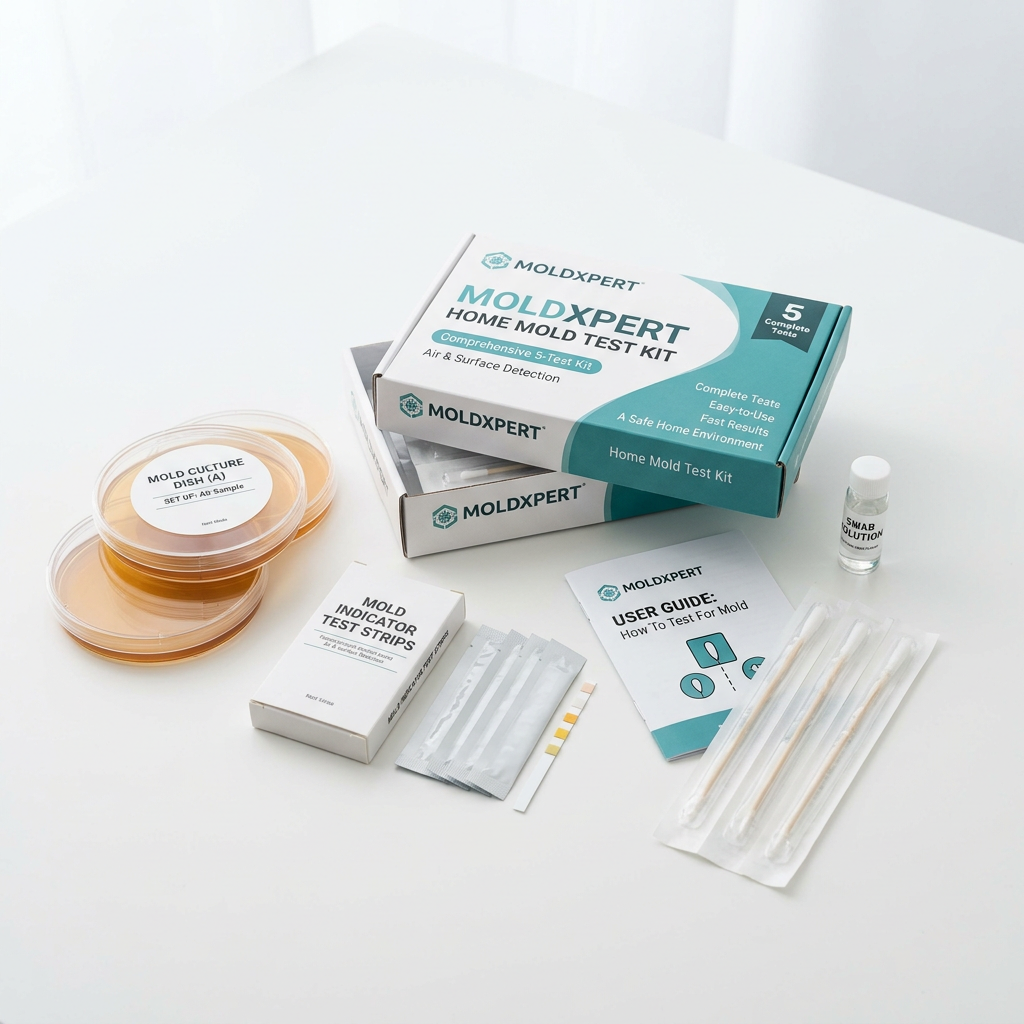
For small mold areas (under 10 square feet), DIY removal can save you $1,000-$3,000. You’ll need a N95 respirator, mold remover spray, and a moisture meter to verify the area is dry after treatment. For a basic DIY assessment, start with a home mold test kit.
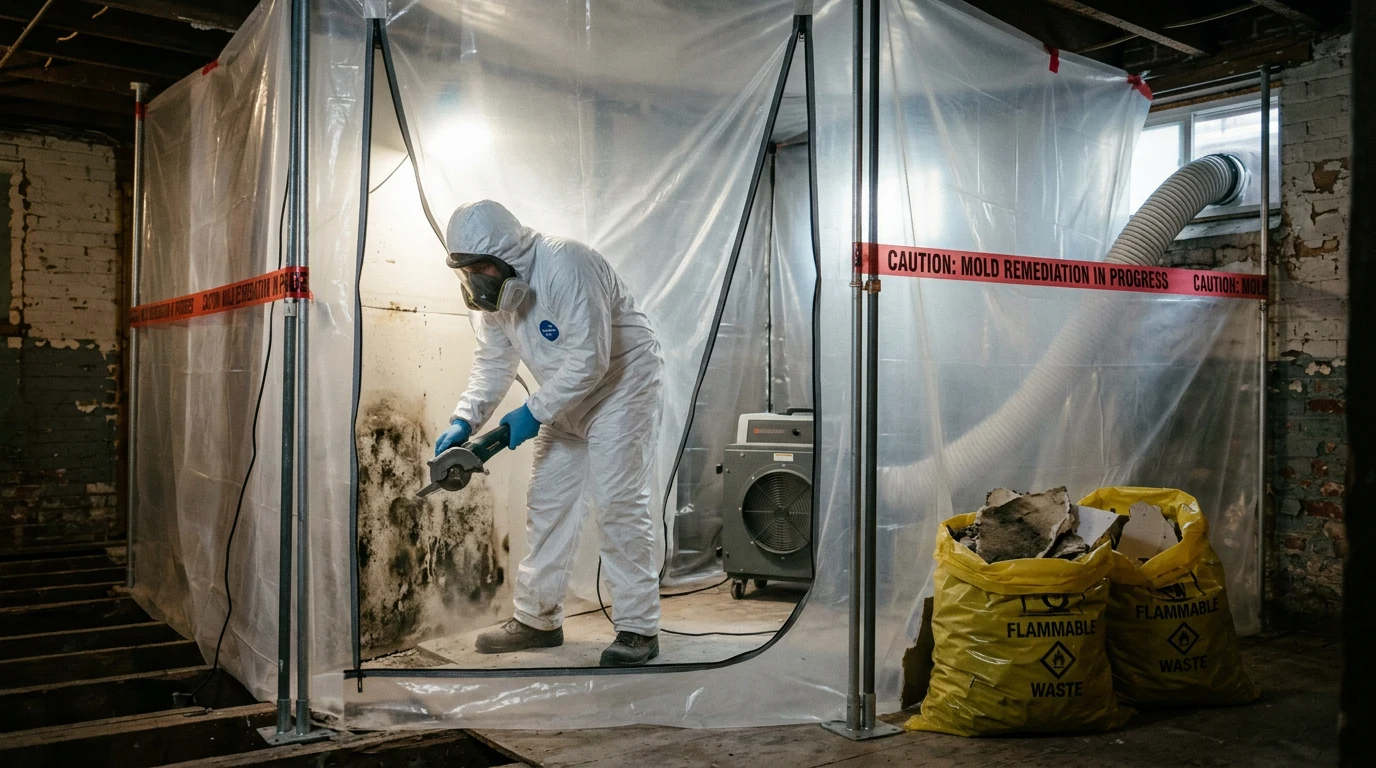
Hire a professional in Boston when the affected area is larger than 10 square feet, mold is in your HVAC system, you suspect mold behind walls, or anyone in the household has respiratory health issues. Use our complete DIY mold removal guide for small projects and our guide on when to test for mold to determine if you need professional help.
How to Find a Reputable Mold Remediation Company in Boston
- Verify licensing and insurance (check MA requirements)
- Get at least 3 written estimates
- Ask for references from recent Boston-area jobs
- Ensure they follow IICRC S520 mold remediation standards
- Use a different company for testing and remediation (avoids conflict of interest)
- Get a written scope of work before any work begins
Common Mold Questions in Boston
How do I handle mold in a Boston triple-decker?
Does Boston Inspectional Services enforce mold complaints?
Is mold testing required when selling in Massachusetts?
Mold Removal Cost Breakdown by Room
The location of mold growth in Boston homes significantly impacts remediation costs. Different rooms present unique challenges based on humidity levels, construction materials, and accessibility. Understanding these room-specific costs helps homeowners budget appropriately for professional remediation or assess whether DIY approaches are feasible.
| Room/Area | Cost Range | Common Causes |
|---|---|---|
| Bathroom | $800 – $2,500 | Poor ventilation, leaky fixtures, steam accumulation |
| Kitchen | $1,000 – $3,000 | Plumbing leaks, cooking steam, inadequate exhaust |
| Basement/Crawl Space | $1,500 – $4,500 | Foundation moisture, flooding, poor drainage |
| Attic | $1,200 – $3,500 | Roof leaks, condensation, poor ventilation |
| Living Areas | $2,000 – $5,000 | HVAC issues, window leaks, flooding |
| Whole House | $5,000 – $25,000+ | Major water damage, systemic moisture issues |
Bathroom mold remediation in Boston typically costs less than other areas because the affected space is usually contained and surfaces are often non-porous. However, mold behind shower tiles or inside walls can increase costs significantly. Kitchen remediation costs more due to the need to work around appliances and the common issue of mold spreading behind cabinets where plumbing connects.
Basement and crawl space mold remediation often represents the highest cost per square foot in Boston homes. The city’s aging foundation systems and proximity to the harbor create persistent moisture issues. Professional remediation may require structural drying, foundation sealing, and installation of proper drainage systems. Before beginning any basement project, consider using an air quality test to assess the full extent of contamination.
How Boston’s Climate Affects Mold Growth and Costs
Boston’s humid continental climate creates ideal conditions for mold growth throughout much of the year. With an average humidity of 63% and annual rainfall of 43.8 inches, the city experiences moisture levels that consistently exceed the 60% threshold where mold begins to thrive. This persistent humidity means that minor water intrusions can quickly develop into major mold problems without proper intervention.
The climate data shows that Boston experiences significant seasonal variation in moisture levels. Summer months see humidity levels often exceeding 70%, while winter brings different challenges as heating systems can create condensation in poorly insulated areas. This year-round moisture stress on building materials means that mold testing should be considered an annual maintenance activity for Boston homeowners.
Boston’s proximity to the Atlantic Ocean adds another layer of complexity to mold remediation costs. Nor’easter storms can drive moisture into building envelopes in ways that standard construction doesn’t anticipate. Professional remediation companies in Boston often need to address not just the visible mold, but also the underlying moisture pathways created by these severe weather events. This comprehensive approach typically adds 15-25% to standard remediation costs compared to drier climates.
The combination of high humidity and aging housing stock means that Boston homeowners should consider investing in preventive measures like HEPA air purifiers and regular moisture monitoring. The upfront cost of these preventive measures often proves less expensive than dealing with recurring mold issues in Boston’s challenging climate.
Seasonal Considerations for Mold Removal in Boston
Mold growth patterns in Boston follow distinct seasonal trends that directly impact both the urgency and cost of remediation. Spring months typically see the highest incidence of new mold growth as melting snow, increased rainfall, and warming temperatures create ideal conditions for spore germination. Many Boston homeowners discover winter-hidden mold problems during April and May when warmer weather activates dormant growth.
Summer represents the peak season for mold remediation in Boston, with humidity levels consistently above 65% and frequent thunderstorms. However, this high demand period also means higher costs and longer scheduling delays. Professional remediation companies often charge premium rates during June through August, and availability may be limited to 2-4 week wait times. Homeowners who can delay non-emergency remediation may find better pricing in fall or early winter.
Fall offers the optimal window for mold remediation in Boston homes. September through November typically provides stable weather conditions that allow for proper drying and curing of treated areas. Additionally, addressing mold issues before winter heating season begins prevents the spread of spores through HVAC systems. Winter remediation is possible but may face challenges with extended drying times and limited ventilation options in cold weather.
Emergency remediation following water damage should never be delayed regardless of season. The EPA recommends beginning water damage cleanup within 24-48 hours to prevent mold growth, and this timeline becomes even more critical in Boston’s humid climate.
What to Expect During Professional Mold Remediation
Professional mold remediation in Boston follows a systematic process designed to completely eliminate mold growth while preventing cross-contamination to unaffected areas. The process begins with a comprehensive assessment that includes visual inspection, moisture readings, and often air sampling to determine the extent of contamination. This initial phase typically takes 2-4 hours and helps establish the scope of work.
Containment represents the most critical phase of professional remediation. Technicians establish negative air pressure zones using industrial fans and HEPA filtration systems to prevent spores from spreading during removal. In Boston’s multi-unit buildings like triple-deckers, containment becomes even more important to protect neighboring units. This setup phase can take 4-8 hours depending on the size of the affected area.
The actual remediation work involves removing contaminated materials, HEPA vacuuming all surfaces, and applying antimicrobial treatments. Professional teams use specialized equipment including air scrubbers, dehumidifiers, and EPA-registered biocides. The removal phase typically progresses at a rate of 100-200 square feet per day, though this varies significantly based on the type of materials affected and accessibility.
After physical remediation is complete, the area undergoes thorough cleaning and post-remediation verification testing. This final phase includes clearance air sampling to ensure spore levels have returned to normal background levels. The entire process for a typical Boston basement remediation project spans 3-7 days, while whole-house projects may require 1-3 weeks depending on the extent of damage and weather conditions affecting drying times.
DIY vs Professional Mold Removal in Boston
DIY mold removal in Boston makes financial sense for small, contained areas under 10 square feet where the mold growth is surface-level and the underlying moisture source has been addressed. Homeowners can effectively handle bathroom tile mold or small basement wall areas using proper protective equipment and EPA-approved mold remover sprays. The total cost for DIY supplies typically ranges from $50-$200, compared to $800-$1,500 for professional treatment of the same area.
However, Boston’s unique housing characteristics often make DIY remediation more challenging than in other cities. The prevalence of triple-decker construction means that mold in one unit can easily spread through shared wall cavities and plumbing chases. Additionally, many Boston homes have knob-and-tube wiring or asbestos-containing materials that require special handling during mold remediation. Before beginning any DIY project, homeowners should conduct a home mold test to identify the specific types of mold present.
Professional remediation becomes necessary when mold covers more than 10 square feet, affects HVAC systems, or occurs in areas with potential structural damage. Boston’s aging housing stock often hides extensive mold growth behind walls or under flooring that requires specialized detection equipment and containment procedures. Professional teams also carry the insurance and licensing required to handle hazardous materials that may be encountered during remediation in older Boston homes.
The cost comparison strongly favors professional remediation for larger projects. While DIY approaches may seem to save money upfront, incomplete remediation often leads to recurring mold problems that ultimately cost more than proper initial treatment. Professional remediation in Boston includes warranty coverage and post-remediation testing that provides homeowners with confidence that the problem has been fully resolved.
Insurance Coverage for Mold Removal in MA
Massachusetts homeowner’s insurance policies typically cover mold damage when it results from a covered peril such as burst pipes, storm damage, or sudden appliance failures. However, coverage for mold damage in Massachusetts is often limited to $10,000-$25,000 unless homeowners have purchased additional mold coverage endorsements. The key factor in coverage determination is whether the mold resulted from a sudden, accidental event or from ongoing maintenance neglect.
Boston homeowners should be aware that flood-related mold damage is typically excluded from standard homeowner’s policies and requires separate flood insurance through the National Flood Insurance Program. Given Boston’s coastal location and susceptibility to nor’easter flooding, this distinction becomes particularly important. Mold growth from basement seepage, humidity, or condensation is almost universally excluded from coverage as these are considered maintenance issues.
To successfully file a mold-related insurance claim in Massachusetts, documentation is critical. Homeowners should photograph all damage before cleanup begins, maintain records of the initial moisture event, and obtain professional estimates for remediation costs. Many insurance companies require that policyholders use licensed remediation contractors and may specify particular testing protocols. Working with companies familiar with Massachusetts insurance requirements can significantly improve claim success rates.
Boston homeowners considering mold coverage should review their policies annually and consider purchasing additional mold endorsements, particularly if their home has a history of moisture issues or is located in a flood-prone area. The additional premium for enhanced mold coverage typically ranges from $100-$300 annually but can provide coverage limits up to $100,000 or more.
Frequently Asked Questions
How much does mold removal cost in Boston?
The average mold remediation cost in Boston, MA ranges from $2,000 – $6,000 depending on the size of the affected area, type of mold, and accessibility. Small bathroom mold removal may cost $500-$1,000, while whole-house remediation can exceed $10,000.
How much does a mold inspection cost in Boston?
A professional mold inspection in Boston, MA typically costs $350 – $650. This usually includes a visual assessment, moisture readings, and may include air or surface sampling.
Does homeowner’s insurance cover mold removal in MA?
Most homeowner’s insurance policies in MA cover mold damage if it results from a covered peril (like a burst pipe). Mold from maintenance neglect, flooding, or humidity is typically not covered. Check your specific policy.
Can I remove mold myself in Boston?
For small areas (under 10 square feet), DIY removal is feasible with proper PPE. For larger areas or if you have health concerns, hire a professional mold remediation company in Boston, MA. MA may require licensed professionals for certain projects.
How do I handle mold in a Boston triple-decker?
Mold in Boston triple-deckers requires special attention because moisture can spread between units through shared walls and plumbing chases. Notify all tenants, address the moisture source in all affected units, and consider professional remediation to prevent cross-contamination. The middle unit is often most vulnerable due to limited exterior wall exposure for natural drying.
Does Boston Inspectional Services enforce mold complaints?
Yes, Boston’s Inspectional Services Department enforces housing code violations including mold under the Massachusetts Sanitary Code (105 CMR 410). They can issue violation notices requiring landlords to address mold issues that affect habitability. Tenants can file complaints through the city’s 311 system.
Is mold testing required when selling in Massachusetts?
Massachusetts does not legally require mold testing when selling a home. However, sellers must disclose known mold issues on the Property Condition Disclosure Statement. Many buyers request mold testing during home inspections, particularly in older Boston homes with moisture history.
What type of mold is most common in Boston homes?
The most common molds in Boston homes include Aspergillus, Penicillium, and Cladosporium, which thrive in the city’s humid climate. These molds typically appear as black, green, or white growth on damp surfaces. Stachybotrys (black mold) is less common but requires immediate professional attention due to potential health risks.
How long does professional mold remediation take in Boston?
Professional mold remediation in Boston typically takes 3-7 days for standard projects, though larger or complex cases may require 1-3 weeks. The timeline depends on the size of affected area, materials involved, weather conditions for drying, and accessibility. Boston’s humid climate may extend drying times compared to other regions.
Should I use an air purifier after mold remediation?
Yes, using a HEPA air purifier after mold remediation helps capture any remaining airborne spores and improves overall air quality. In Boston’s humid climate, air purifiers with dehumidification features provide additional protection against future mold growth. Run the unit continuously for at least 2-4 weeks post-remediation.