Mold Removal Cost in Baltimore, MD: 2026 Pricing Guide
If you’re dealing with mold in your Baltimore, MD home, understanding the costs involved is the first step toward getting it resolved. Baltimore, MD has a moderate-high mold risk rating due to its humid subtropical climate, 65% average humidity, and 42.7 inches of annual rainfall. This guide breaks down exactly what mold removal costs in Baltimore, what factors affect pricing, and whether you should DIY or hire a professional.
Our reviews are based on aggregated verified buyer feedback, manufacturer specifications, ingredient analysis, and published expert opinion. Products are not independently purchased or tested by our team. We may earn a commission if you purchase through our links, at no extra cost to you. How We Review
Baltimore at a Glance: Mold Risk Profile
| Factor | Detail |
|---|---|
| Population | 585,708 (metro: 2,844,510) |
| Average Home Price | $195,000 |
| Climate Zone | Humid subtropical |
| Average Humidity | 65% |
| Annual Rainfall | 42.7 inches |
| Mold Risk Rating | Moderate-High |
| Common Housing Types | Row houses (Formstone-covered), brick townhomes, some with unfinished basements |
Average Mold Removal Costs in Baltimore
| Service | Cost Range |
|---|---|
| Mold Inspection | $300 – $550 |
| Small Area Remediation (under 10 sq ft) | $500 – $1,500 |
| Standard Remediation | $1,500 – $4,500 |
| Whole-House Remediation | $5,000 – $15,000+ |
| Post-Remediation Air Testing | $200 – $400 |
Why Mold Is a Concern in Baltimore
Chesapeake Bay humidity, aging housing stock, many Formstone facades trap moisture behind them, legacy lead paint removal often reveals mold, vacant adjacent properties cause moisture migration
Local insight: Baltimore’s iconic Formstone facades (faux stone veneer applied to brick row houses from the 1940s-1970s) can actually trap moisture behind them, creating hidden mold colonies on the original brick.
Baltimore Housing and Mold: What to Know
If you live in a Baltimore row house with Formstone siding, be alert to musty smells. The veneer prevents the original brick from breathing, trapping moisture that feeds mold growth between the Formstone and the brick.
Factors That Affect Mold Removal Cost in Baltimore
- Size of affected area: Small bathroom mold vs. entire basement requires different approaches and costs
- Type of mold: Common mold is straightforward; suspected toxic mold (Stachybotrys) requires additional testing and containment
- Location: Accessible areas cost less than mold in crawl spaces, attics, or inside walls
- Cause of moisture: Fixing the underlying moisture issue (plumbing leak, drainage, humidity) adds to total cost
- Materials affected: Drywall replacement costs more than surface cleaning of tile or concrete
- Licensing requirements: Maryland Mold Remediation Services Act requires licensing for mold remediation companies. Maryland Code, Real Property § 8-211.1 addresses lead paint but courts have extended principles to mold.
DIY vs. Professional Mold Removal in Baltimore
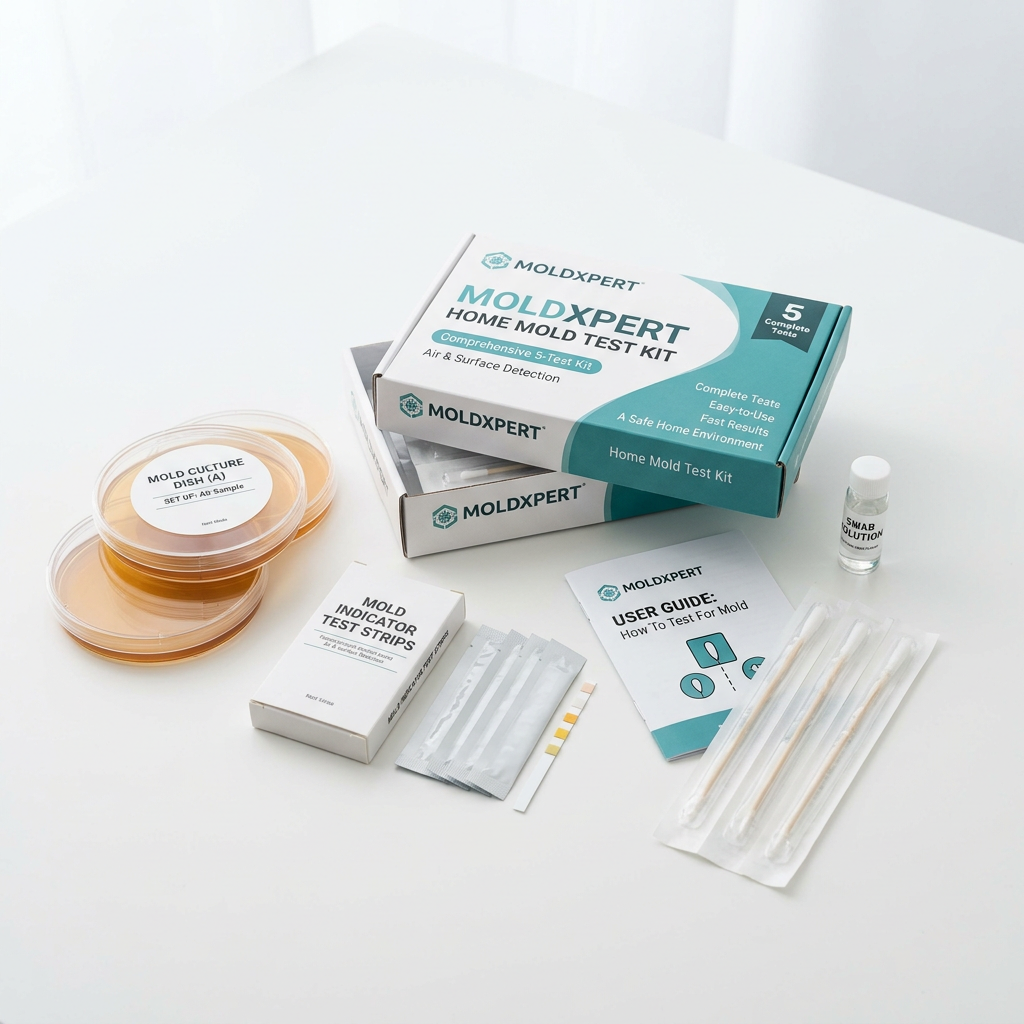
For small mold areas (under 10 square feet), DIY removal can save you $1,000-$3,000. You’ll need a N95 respirator, mold remover spray, and a moisture meter to verify the area is dry after treatment. For a basic DIY assessment, start with a home mold test kit.
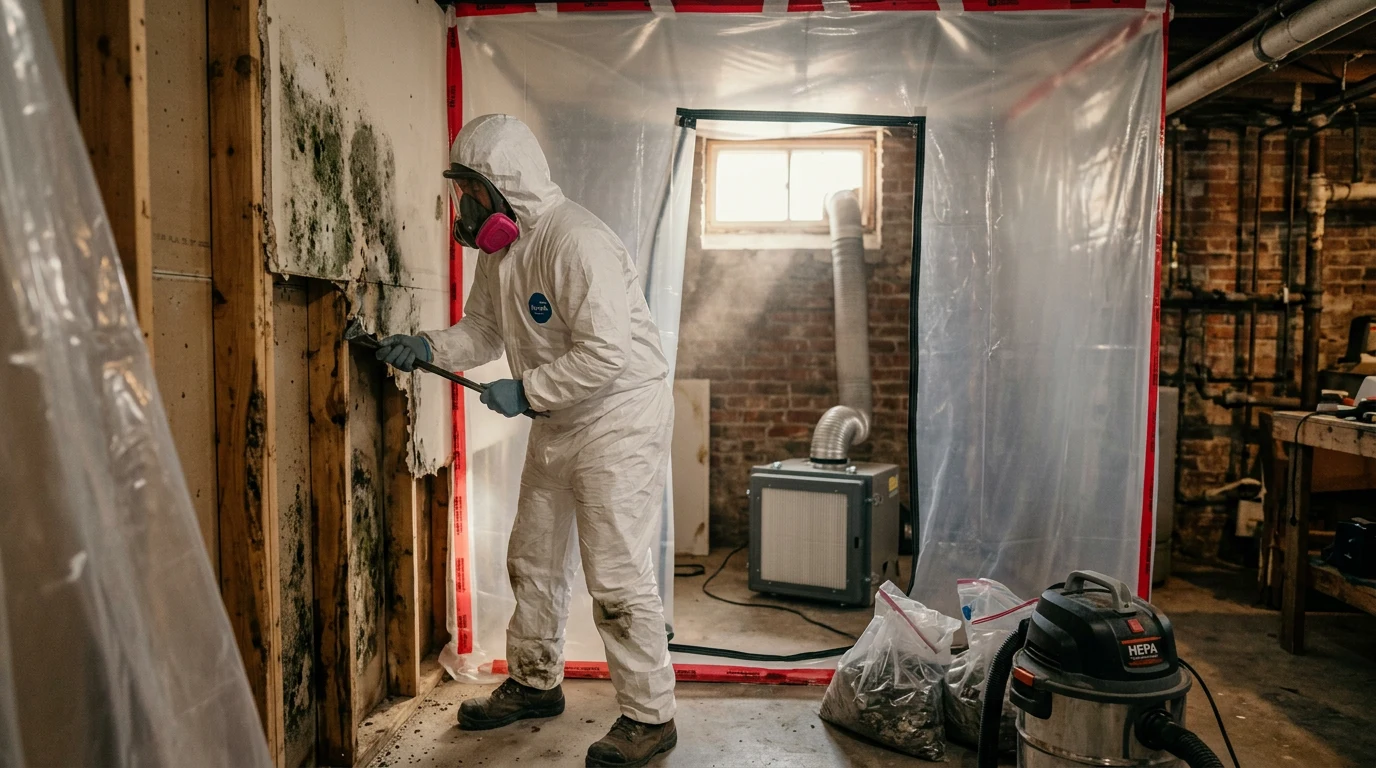
Hire a professional in Baltimore when the affected area is larger than 10 square feet, mold is in your HVAC system, you suspect mold behind walls, or anyone in the household has respiratory health issues. Use our complete DIY mold removal guide for small projects and our guide on when to test for mold to determine if you need professional help.
How to Find a Reputable Mold Remediation Company in Baltimore
- Verify licensing and insurance (check MD requirements)
- Get at least 3 written estimates
- Ask for references from recent Baltimore-area jobs
- Ensure they follow IICRC S520 mold remediation standards
- Use a different company for testing and remediation (avoids conflict of interest)
- Get a written scope of work before any work begins
Common Mold Questions in Baltimore
Does Formstone cause mold in Baltimore row houses?
Are Baltimore mold remediators required to be licensed?
How do vacant neighboring properties affect mold in Baltimore?
Mold Removal Cost Breakdown by Room
Understanding mold remediation costs by room type helps Baltimore homeowners budget for treatment. Different rooms present unique challenges based on moisture sources, accessibility, and construction materials common in Baltimore housing.
| Room | Cost Range | Typical Cause |
|---|---|---|
| Bathroom | $500 – $1,800 | Poor ventilation, shower humidity |
| Kitchen | $800 – $2,200 | Sink leaks, dishwasher issues |
| Basement/Crawl Space | $1,200 – $4,800 | Foundation moisture, flooding |
| Attic | $1,000 – $3,500 | Roof leaks, poor ventilation |
| Living Areas | $800 – $2,500 | HVAC issues, water damage |
| Whole House | $5,000 – $25,000+ | Major water event, HVAC contamination |
Bathroom mold remediation in Baltimore typically costs between $500-$1,800, as these spaces frequently develop mold behind tiles and in grout lines due to poor ventilation. Kitchen remediation ranges from $800-$2,200, often involving cabinet removal and addressing moisture from plumbing fixtures. Basement and crawl space mold remediation is more expensive at $1,200-$4,800 due to access difficulties and the prevalence of unfinished basements in Baltimore row houses. Attic remediation costs $1,000-$3,500, with higher costs when roof decking requires replacement.
Whole-house remediation, often necessary when HVAC systems spread mold throughout Baltimore homes, can exceed $25,000 for extensive contamination. The cost depends on whether ductwork replacement is needed and if structural materials like drywall require removal. Baltimore’s older housing stock often requires additional structural work, increasing overall remediation costs compared to newer construction.
How Baltimore’s Climate Affects Mold Growth and Costs
Baltimore’s humid subtropical climate creates ideal conditions for mold growth, directly impacting remediation frequency and costs. With 65% average humidity and 42.7 inches of annual rainfall, the city experiences moisture levels that consistently exceed the 60% threshold where mold thrives.
The proximity to Chesapeake Bay adds another layer of atmospheric moisture that penetrates Baltimore homes year-round. This constant humidity means mold problems often develop more quickly than in drier climates, sometimes requiring more aggressive remediation approaches. Homeowners frequently need to address recurring moisture issues, not just the visible mold, adding $500-$2,000 to typical remediation costs for waterproofing and ventilation improvements.
Summer months bring the highest humidity levels, often exceeding 70%, which accelerates mold growth in poorly ventilated areas. Winter heating can create condensation issues in Baltimore’s brick row houses, particularly where modern HVAC systems interact with older building envelopes. These climate factors mean Baltimore residents often require more frequent mold testing and may need ongoing moisture control solutions, increasing long-term costs beyond initial remediation.
The combination of high humidity and aging housing stock means professional remediation companies in Baltimore often recommend comprehensive moisture management systems, including dehumidifiers, improved ventilation, and foundation waterproofing. These preventive measures add $1,500-$5,000 to initial remediation costs but prove cost-effective in preventing future mold problems.
Seasonal Considerations for Mold Removal in Baltimore
Mold problems in Baltimore follow distinct seasonal patterns that affect both prevalence and remediation costs. Spring brings increased rainfall and flooding risks, making March through May peak season for water damage-related mold discoveries. Summer’s high humidity levels, often exceeding 70%, create optimal growth conditions, particularly in poorly ventilated basements and attics common in Baltimore housing.
Fall represents the ideal time for scheduling mold remediation in Baltimore. September through November offers moderate humidity levels, making drying and restoration more effective. Remediation companies often offer competitive pricing during these slower months, with potential savings of 10-15% compared to peak demand periods. This timing also allows homeowners to address moisture issues before winter heating creates condensation problems.
Winter remediation presents unique challenges in Baltimore’s climate. Frozen pipes can cause sudden water damage, leading to emergency mold situations with premium pricing. However, heating systems running consistently can aid in drying affected areas more quickly. Professional companies may charge 15-20% more for emergency winter services, but routine remediation scheduled during mild winter periods can offer cost savings similar to fall pricing.
What to Expect During Professional Mold Remediation
Professional mold remediation in Baltimore follows established protocols to ensure safe and effective removal. The process begins with a comprehensive assessment where technicians identify moisture sources, map affected areas, and develop a containment strategy specific to your property’s layout and the extent of contamination.
Initial containment involves sealing off affected areas with plastic sheeting and establishing negative air pressure using HEPA-filtered air scrubbers. This prevents mold spores from spreading to uncontaminated areas during removal. Baltimore remediation companies typically complete small bathroom projects in 1-2 days, while basement remediation can take 3-5 days depending on the scope of work required.
The removal phase includes disposing of contaminated materials like drywall, insulation, or carpet that cannot be salvaged. Salvageable surfaces undergo thorough cleaning with EPA-approved antimicrobials. Companies then address the underlying moisture source, whether through plumbing repairs, improved ventilation, or moisture barrier installation. Final steps include post-remediation verification testing and restoration of removed materials.
Homeowners should expect to vacate treated areas during active remediation and for 24-48 hours after completion while air quality returns to normal. Professional companies provide detailed documentation of the process, including before and after photos, air quality test results, and warranty information for completed work. The entire process typically takes 3-7 days for standard residential projects in Baltimore.
DIY vs Professional Mold Removal in Baltimore
DIY mold removal in Baltimore homes makes financial sense for small affected areas under 10 square feet, potentially saving homeowners $1,000-$3,000 compared to professional services. Common DIY scenarios include minor bathroom tile mold or small areas of surface growth on painted walls. Essential supplies include N95 or P100 respirators, protective clothing, mold remover sprays, and moisture meters to verify complete drying.
However, Baltimore’s unique housing characteristics often require professional intervention. Formstone-covered row houses can hide extensive mold growth behind the veneer, making DIY assessment inadequate. Professional remediation becomes necessary when mold affects HVAC systems, appears in multiple rooms, involves suspected toxic species like Stachybotrys, or when household members have respiratory sensitivities.
Professional remediation costs $1,500-$4,500 for standard projects but includes proper containment, industrial equipment, and adherence to Maryland’s licensing requirements under the Mold Remediation Services Act. Professionals also address underlying moisture sources that DIY approaches often miss, preventing costly recurrence. For Baltimore homeowners, the decision often depends on accessibility – basement and attic mold typically require professional expertise due to structural complexities.
Safety considerations favor professional remediation in Baltimore’s older housing stock, where mold often coexists with lead paint or asbestos. Professional companies carry proper insurance and follow IICRC standards for safe removal. DIY approaches work best for surface mold on non-porous materials, while any suspicion of hidden growth warrants professional assessment using mold test kits or comprehensive inspection services.
Insurance Coverage for Mold Removal in MD
Maryland homeowner’s insurance policies typically cover mold remediation when the growth results from a sudden, accidental water event like burst pipes or storm damage. However, coverage excludes mold from maintenance neglect, chronic leaks, or flooding, which are common causes in Baltimore’s aging housing stock. Most policies cap mold coverage at $5,000-$10,000, often insufficient for extensive remediation in Baltimore row houses.
Insurance companies in Maryland may require prompt notification of water damage – usually within 24-48 hours – to maintain mold coverage eligibility. Policyholders should document damage immediately with photos and contact their insurer before beginning any cleanup efforts. Some insurers offer additional mold coverage riders for $50-$200 annually, raising coverage limits to $25,000 or more.
When filing mold-related claims in Maryland, homeowners should obtain professional documentation linking the mold growth to a covered peril. Insurance adjusters often require evidence that proper maintenance was maintained and that the mold resulted from a sudden event rather than ongoing moisture problems. Professional mold assessments cost $300-$550 but provide crucial documentation for successful claims.
Baltimore homeowners should review their specific policy language regarding mold coverage and consider additional protection given the city’s high humidity and aging infrastructure. Flood insurance through NFIP does not cover mold remediation, making separate mold coverage riders particularly valuable for properties near the Chesapeake Bay or in flood-prone areas of the city.
Frequently Asked Questions
How much does mold removal cost in Baltimore?
The average mold remediation cost in Baltimore, MD ranges from $1,500 – $4,500 depending on the size of the affected area, type of mold, and accessibility. Small bathroom mold removal may cost $500-$1,000, while whole-house remediation can exceed $10,000.
How much does a mold inspection cost in Baltimore?
A professional mold inspection in Baltimore, MD typically costs $300 – $550. This usually includes a visual assessment, moisture readings, and may include air or surface sampling.
Does homeowner’s insurance cover mold removal in MD?
Most homeowner’s insurance policies in MD cover mold damage if it results from a covered peril (like a burst pipe). Mold from maintenance neglect, flooding, or humidity is typically not covered. Check your specific policy.
Can I remove mold myself in Baltimore?
For small areas (under 10 square feet), DIY removal is feasible with proper PPE. For larger areas or if you have health concerns, hire a professional mold remediation company in Baltimore, MD. MD may require licensed professionals for certain projects.
Does Formstone siding cause mold problems in Baltimore row houses?
Yes, Formstone facades can trap moisture between the veneer and original brick walls, creating ideal conditions for mold growth. The synthetic stone prevents brick from breathing naturally, leading to hidden mold colonies that often require professional assessment and remediation.
Are mold remediation companies required to be licensed in Maryland?
Yes, Maryland’s Mold Remediation Services Act requires professional mold remediation companies to obtain state licensing. Always verify that your chosen company holds current Maryland licensing and insurance before beginning work.
How do vacant neighboring properties affect mold risk in Baltimore?
Vacant properties often develop moisture problems from broken pipes, roof leaks, or poor ventilation. In Baltimore’s dense row house neighborhoods, moisture can migrate between connected properties through shared walls or foundations, potentially causing mold problems in occupied adjacent homes.
What should I do if I suspect mold behind Formstone siding?
Contact a professional mold inspector immediately if you notice musty odors, water stains, or unexplained respiratory symptoms. Hidden mold behind Formstone requires specialized detection equipment and professional remediation to avoid releasing spores during removal.
How long does mold remediation take in Baltimore homes?
Small bathroom projects typically take 1-2 days, while basement remediation requires 3-5 days. Whole-house remediation can take 1-2 weeks depending on the extent of contamination and required repairs. Timeline depends on moisture levels, materials affected, and drying conditions.
When is the best time of year to schedule mold remediation in Baltimore?
Fall (September-November) offers optimal conditions for mold remediation in Baltimore, with moderate humidity levels and competitive pricing from contractors. Spring and summer present higher humidity challenges, while winter may involve emergency pricing but can offer scheduling advantages during slower periods.