Mold Removal Cost in Austin, TX: 2026 Pricing Guide
If you’re dealing with mold in your Austin, TX home, understanding the costs involved is the first step toward getting it resolved. Austin, TX has a moderate-high mold risk rating due to its humid subtropical climate, 66% average humidity, and 34.3 inches of annual rainfall. This guide breaks down exactly what mold removal costs in Austin, what factors affect pricing, and whether you should DIY or hire a professional.
Our reviews are based on aggregated verified buyer feedback, manufacturer specifications, ingredient analysis, and published expert opinion. Products are not independently purchased or tested by our team. We may earn a commission if you purchase through our links, at no extra cost to you. How We Review
Austin at a Glance: Mold Risk Profile
| Factor | Detail |
|---|---|
| Population | 961,855 (metro: 2,283,371) |
| Average Home Price | $475,000 |
| Climate Zone | Humid subtropical |
| Average Humidity | 66% |
| Annual Rainfall | 34.3 inches |
| Mold Risk Rating | Moderate-High |
| Common Housing Types | Mix of older homes near downtown, massive new subdivisions, many slab foundations |
Average Mold Removal Costs in Austin
| Service | Cost Range |
|---|---|
| Mold Inspection | $275 – $550 |
| Small Area Remediation (under 10 sq ft) | $500 – $1,500 |
| Standard Remediation | $1,500 – $4,500 |
| Whole-House Remediation | $5,000 – $15,000+ |
| Post-Remediation Air Testing | $200 – $400 |
Why Mold Is a Concern in Austin
Flash flooding (Barton Creek, Onion Creek), rapid construction growth, humid summers, AC condensation, Hill Country terrain channels water
Local insight: Austin experiences more flash floods per capita than almost any US city. The 2015 Memorial Day flood and 2018 Onion Creek flood displaced thousands and left widespread mold damage.
Austin Housing and Mold: What to Know
Austin’s Hill Country terrain creates ‘flash flood alley.’ If your home is near a creek or in a low-lying area, check whether it’s in a FEMA flood zone (many Austin homeowners don’t realize they are).
Factors That Affect Mold Removal Cost in Austin
- Size of affected area: Small bathroom mold vs. entire basement requires different approaches and costs
- Type of mold: Common mold is straightforward; suspected toxic mold (Stachybotrys) requires additional testing and containment
- Location: Accessible areas cost less than mold in crawl spaces, attics, or inside walls
- Cause of moisture: Fixing the underlying moisture issue (plumbing leak, drainage, humidity) adds to total cost
- Materials affected: Drywall replacement costs more than surface cleaning of tile or concrete
- Licensing requirements: Texas Property Code Sec. 92.052 covers landlord repair obligations. Texas requires licensed mold assessment and remediation professionals.
DIY vs. Professional Mold Removal in Austin
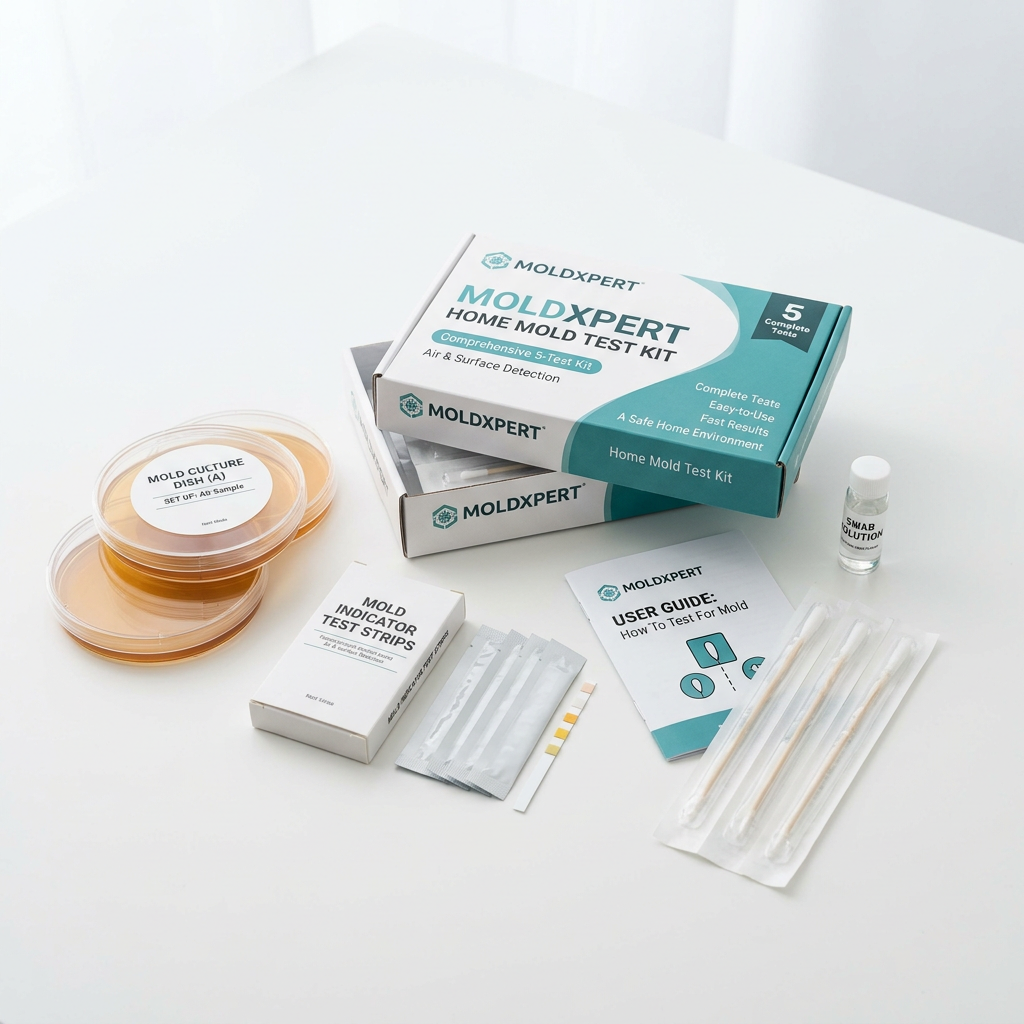
For small mold areas (under 10 square feet), DIY removal can save you $1,000-$3,000. You’ll need a N95 respirator, mold remover spray, and a moisture meter to verify the area is dry after treatment. For a basic DIY assessment, start with a home mold test kit.
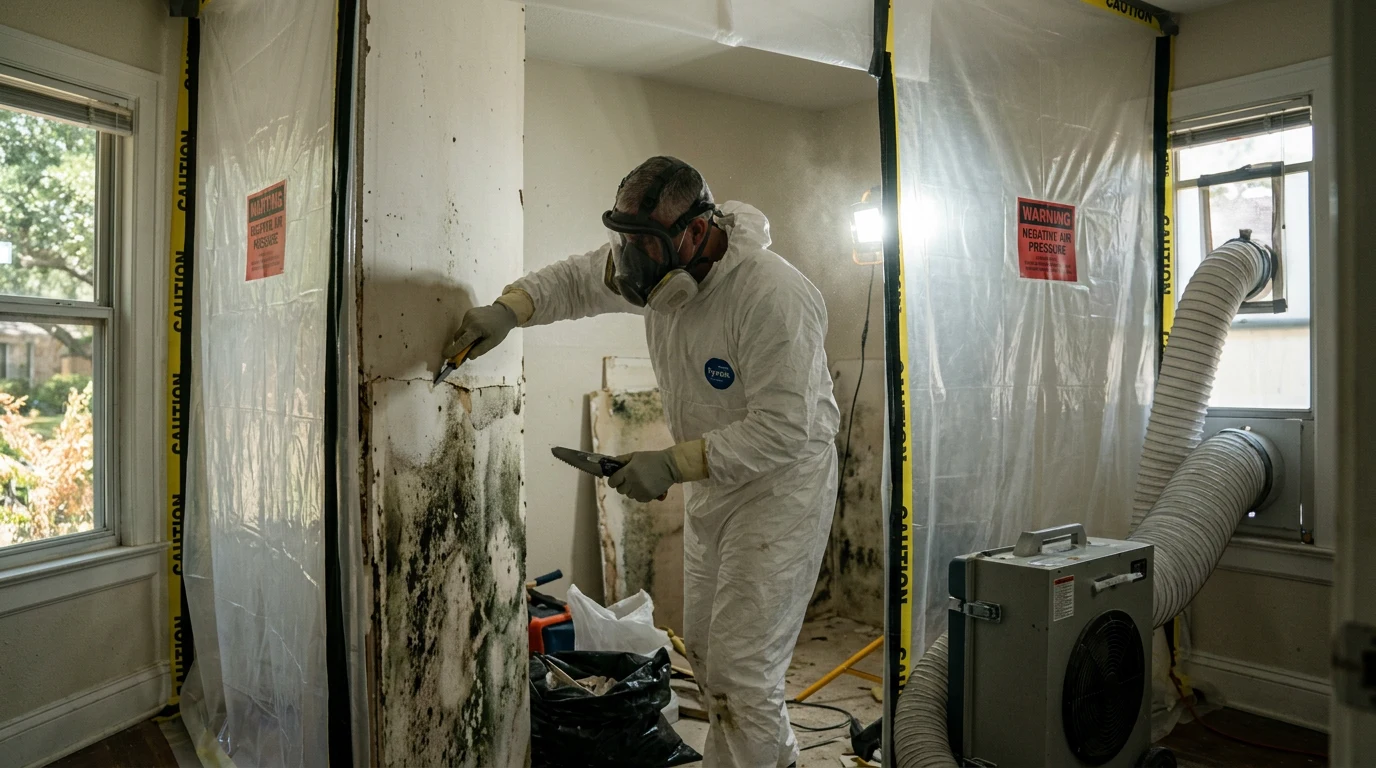
Hire a professional in Austin when the affected area is larger than 10 square feet, mold is in your HVAC system, you suspect mold behind walls, or anyone in the household has respiratory health issues. Use our complete DIY mold removal guide for small projects and our guide on when to test for mold to determine if you need professional help.
How to Find a Reputable Mold Remediation Company in Austin
- Verify licensing and insurance (check TX requirements)
- Get at least 3 written estimates
- Ask for references from recent Austin-area jobs
- Ensure they follow IICRC S520 mold remediation standards
- Use a different company for testing and remediation (avoids conflict of interest)
- Get a written scope of work before any work begins
Common Mold Questions in Austin
How do Austin flash floods affect mold?
Is mold common in Austin new construction?
What should I do about mold after Austin flooding?
Mold Removal Cost Breakdown by Room
The cost of mold remediation in Austin varies significantly based on the room type and accessibility. Bathrooms represent the most common mold problems due to high humidity and poor ventilation, while basements and crawl spaces present unique challenges due to Austin’s clay soil and flooding potential.
| Room Type | Cost Range | Notes |
|---|---|---|
| Bathroom | $600 – $2,500 | Most common; shower/tub areas require special attention |
| Kitchen | $800 – $3,200 | Behind cabinets, under sinks add complexity |
| Basement | $1,200 – $5,500 | Less common in Austin due to clay soil |
| Crawl Space | $1,500 – $4,000 | Common in older Austin homes; access challenges |
| Attic | $1,000 – $4,500 | AC condensation issues; insulation replacement |
| Living Areas | $1,200 – $6,000 | Often involves drywall and flooring replacement |
| Whole House | $8,000 – $25,000+ | Usually flood-related in Austin’s high-risk areas |
Bathroom mold remediation typically involves addressing moisture sources around tubs, showers, and poorly ventilated areas. Kitchen projects often require removing cabinets to access areas behind sinks and appliances. In Austin’s newer subdivisions, crawl space mold problems frequently stem from poor vapor barriers and drainage issues related to the area’s expansive clay soils.
Attic mold in Austin homes is commonly caused by AC condensation problems during the hot, humid summers. When HVAC systems work overtime in 100-degree heat with 66% humidity, condensation can accumulate in ductwork and around units, creating ideal conditions for mold growth. Professional remediation may require insulation replacement and ductwork cleaning, significantly impacting costs.
How Austin’s Climate Affects Mold Growth and Costs
Austin’s humid subtropical climate creates ideal conditions for mold growth, directly impacting remediation costs throughout the year. With average humidity levels at 66% and annual rainfall of 34.3 inches, the city experiences prolonged periods where indoor moisture levels exceed the 60% threshold that promotes mold growth.
The climate zone classification means Austin experiences hot, humid summers with temperatures regularly exceeding 95°F, combined with high humidity that can push indoor moisture levels above optimal ranges even with air conditioning. This creates a perfect storm for mold growth, particularly in homes with inadequate ventilation or older HVAC systems that struggle to maintain proper humidity control.
These climatic factors drive higher remediation costs in several ways. First, the persistent humidity means mold problems are often more extensive by the time they’re discovered, requiring larger-scale remediation. Second, the combination of heat and humidity can accelerate mold growth rates, meaning problems can escalate quickly from minor surface issues to structural concerns requiring complete material replacement.
Austin’s rainfall patterns, including intense thunderstorms and flash flooding events, contribute to sudden moisture intrusion that can trigger rapid mold growth. Properties in flood-prone areas like those near Barton Creek or Onion Creek face recurring moisture challenges that may require ongoing mold prevention measures and potentially higher insurance premiums for coverage.
Seasonal Considerations for Mold Removal in Austin
Mold problems in Austin peak during the summer months (May through September) when temperatures soar above 95°F and humidity levels remain consistently high. During these months, air conditioning systems run continuously, creating condensation issues that can lead to mold growth in ductwork, around vents, and in poorly insulated areas.
The optimal season for scheduling mold remediation in Austin is fall (October through December) or early spring (February through April). During these periods, lower humidity levels and milder temperatures create better working conditions for remediation crews and reduce the likelihood of immediate re-contamination. Additionally, opening windows for ventilation during remediation is more practical when outdoor temperatures are comfortable.
Seasonal pricing trends show that remediation costs may be 10-15% higher during peak summer months due to increased demand and challenging working conditions. Many Austin homeowners discover mold problems after summer’s end when they begin using their homes’ natural ventilation again. Winter months (December through February) often see the lowest pricing, though cold snaps can create plumbing issues that lead to new moisture problems.
Spring in Austin brings its own challenges with severe weather season, including thunderstorms and potential flooding from March through May. Homeowners should consider scheduling mold testing in early spring to address any moisture issues before the humid summer season begins, potentially preventing larger problems and higher costs later in the year.
What to Expect During Professional Mold Remediation
Professional mold remediation in Austin follows strict protocols established by the Institute of Inspection, Cleaning and Restoration Certification (IICRC). The process begins with containment setup, where technicians seal off the affected area using plastic sheeting and negative air pressure systems to prevent spore spread to uncontaminated areas of the home.
The remediation timeline typically spans 3-7 days for standard projects, though extensive contamination or structural issues can extend this to 2-3 weeks. Day one involves assessment confirmation and containment setup. Days 2-4 focus on removal of contaminated materials, cleaning, and treatment. The final days include thorough cleaning, post-remediation verification testing, and restoration planning.
Homeowners should expect significant disruption during the process. Affected areas will be completely inaccessible, and HVAC systems may need to be shut down to prevent contamination spread. Professional crews will use specialized equipment including HEPA air purifiers, negative air machines, and commercial dehumidifiers that operate continuously during remediation.
Post-remediation verification is crucial and should always be conducted by an independent testing company, not the remediation contractor. This involves visual inspection, air quality testing, and surface sampling to ensure spore levels have returned to normal ranges. According to EPA guidelines, proper verification prevents recurring problems and ensures the remediation was successful.
DIY vs Professional Mold Removal in Austin
DIY mold removal is appropriate for Austin homeowners when the affected area is smaller than 10 square feet, the mold appears to be surface-level, and no one in the household has respiratory conditions or compromised immune systems. Small bathroom mold around shower caulking or minor kitchen cabinet moisture issues often fall into this category, potentially saving $800-$2,500 in professional fees.
Essential DIY supplies include N95 or P100 respirators, disposable coveralls, eye protection, and mold remover sprays specifically designed for the surface type. Austin’s high humidity means that proper drying is crucial – homeowners should invest in a quality moisture meter to verify materials are completely dry before declaring the job complete.
Professional remediation becomes necessary when mold covers areas larger than 10 square feet, appears in HVAC systems, involves structural materials like framing or subflooring, or when home mold tests indicate potentially toxic species. Austin’s clay soil foundation issues and flash flood history mean that basement or crawl space mold almost always requires professional attention due to potential structural concerns.
The cost comparison shows DIY projects ranging from $50-$300 for supplies and equipment, compared to professional services at $1,500-$4,500 for similar areas. However, inadequate DIY remediation can lead to recurring problems and potentially higher costs long-term. Professional remediation includes warranties and proper disposal of contaminated materials according to Texas environmental regulations.
Insurance Coverage for Mold Removal in TX
Texas homeowner’s insurance policies vary significantly in mold coverage, but most standard policies include limited coverage for mold damage that results from a covered peril such as burst pipes, appliance leaks, or sudden plumbing failures. However, mold damage from gradual leaks, poor maintenance, flooding, or high humidity is typically excluded from coverage.
Many Texas insurers offer additional mold coverage as an endorsement, typically ranging from $10,000 to $50,000 in coverage limits. This additional coverage usually costs $100-$500 annually but can provide significant financial protection for Austin homeowners given the area’s high mold risk factors including flash flooding and humid climate conditions.
When filing a mold-related insurance claim in Texas, documentation is crucial. Homeowners should immediately photograph all damage, maintain records of any water intrusion events, and obtain professional air quality testing to establish the extent of contamination. Insurance companies often require proof that the mold damage resulted from a sudden, covered event rather than ongoing moisture problems or maintenance neglect.
It’s important to note that flood-related mold damage is excluded from standard homeowner’s policies and requires separate flood insurance through FEMA. Given Austin’s designation as a flash flood alley, homeowners in FEMA flood zones should carefully review their flood insurance policies to understand mold coverage limitations and consider additional protection for their specific situation.
Frequently Asked Questions
How much does mold removal cost in Austin?
The average mold remediation cost in Austin, TX ranges from $1,500 – $4,500 depending on the size of the affected area, type of mold, and accessibility. Small bathroom mold removal may cost $500-$1,000, while whole-house remediation can exceed $10,000.
How much does a mold inspection cost in Austin?
A professional mold inspection in Austin, TX typically costs $275 – $550. This usually includes a visual assessment, moisture readings, and may include air or surface sampling.
Does homeowner’s insurance cover mold removal in TX?
Most homeowner’s insurance policies in TX cover mold damage if it results from a covered peril (like a burst pipe). Mold from maintenance neglect, flooding, or humidity is typically not covered. Check your specific policy.
Can I remove mold myself in Austin?
For small areas (under 10 square feet), DIY removal is feasible with proper PPE. For larger areas or if you have health concerns, hire a professional mold remediation company in Austin, TX. TX may require licensed professionals for certain projects.
How do Austin flash floods affect mold risk?
Austin’s flash floods create immediate mold risks by introducing large amounts of contaminated water into homes. Mold can begin growing within 24-48 hours after water intrusion. Properties near Barton Creek, Onion Creek, and other flood-prone areas face recurring moisture challenges that significantly increase long-term mold risks and remediation costs.
Is mold common in Austin’s new construction homes?
Mold can occur in new Austin construction due to rapid building schedules, moisture trapped during construction, and inadequate drying time for materials. Common issues include improperly sealed vapor barriers, AC condensation problems, and poor drainage around slab foundations on Austin’s expansive clay soils.
What should I do immediately after flooding in Austin?
After Austin flooding, remove standing water within 24-48 hours, document all damage with photos, contact your insurance company immediately, and begin drying affected areas with fans and dehumidifiers. Professional water extraction and mold remediation services should be contacted within 72 hours to prevent extensive mold growth.
Are there specific Austin neighborhoods with higher mold risks?
Yes, areas near waterways like Onion Creek, Barton Creek, and Shoal Creek have elevated mold risks due to flooding history. East Austin’s older housing stock and areas with poor drainage in newer subdivisions also show higher mold incidence. Properties in FEMA flood zones face the highest risk and may require additional preventive measures.
How long does professional mold remediation take in Austin?
Standard mold remediation projects in Austin take 3-7 days, including containment setup, material removal, cleaning, and post-remediation verification. Larger projects or those involving structural damage can take 2-3 weeks. Weather conditions and humidity levels can affect drying times and extend the overall timeline.
Should I test for mold before buying a home in Austin?
Yes, especially for homes in flood-prone areas, older properties, or those showing signs of moisture issues. A pre-purchase mold test costs $275-$550 but can identify potentially expensive remediation needs before closing. Consider testing even newer homes if they’re located in high-risk flood zones or have visible moisture issues.