Mold Removal Cost in Atlanta, GA: 2026 Pricing Guide
If you’re dealing with mold in your Atlanta, GA home, understanding the costs involved is the first step toward getting it resolved. Atlanta, GA has a high mold risk rating due to its humid subtropical climate, 68% average humidity, and 50.2 inches of annual rainfall. This guide breaks down exactly what mold removal costs in Atlanta, what factors affect pricing, and whether you should DIY or hire a professional.
Our reviews are based on aggregated verified buyer feedback, manufacturer specifications, ingredient analysis, and published expert opinion. Products are not independently purchased or tested by our team. We may earn a commission if you purchase through our links, at no extra cost to you. How We Review
Atlanta at a Glance: Mold Risk Profile
| Factor | Detail |
|---|---|
| Population | 498,715 (metro: 6,144,050) |
| Average Home Price | $385,000 |
| Climate Zone | Humid subtropical |
| Average Humidity | 68% |
| Annual Rainfall | 50.2 inches |
| Mold Risk Rating | High |
| Common Housing Types | Mix of brick ranch homes, newer subdivisions, many with crawl spaces and basements |
Average Mold Removal Costs in Atlanta
| Service | Cost Range |
|---|---|
| Mold Inspection | $300 – $550 |
| Small Area Remediation (under 10 sq ft) | $500 – $1,500 |
| Standard Remediation | $1,500 – $4,500 |
| Whole-House Remediation | $5,000 – $15,000+ |
| Post-Remediation Air Testing | $200 – $400 |
Why Mold Is Common in Atlanta
Red clay soil retains moisture, frequent summer storms, many homes have vented crawl spaces that trap humidity, rapid construction growth leads to building envelope issues
Local insight: Atlanta’s red clay soil can hold up to 50% of its weight in water, creating persistent moisture around foundations. The city receives more annual rainfall than Seattle.
Atlanta Housing and Mold: What to Know
Atlanta homes with vented crawl spaces are mold magnets in summer. Warm, humid air enters the crawl space and condenses on cooler surfaces. Consider encapsulating the crawl space.
Factors That Affect Mold Removal Cost in Atlanta
- Size of affected area: Small bathroom mold vs. entire basement requires different approaches and costs
- Type of mold: Common mold is straightforward; suspected toxic mold (Stachybotrys) requires additional testing and containment
- Location: Accessible areas cost less than mold in crawl spaces, attics, or inside walls
- Cause of moisture: Fixing the underlying moisture issue (plumbing leak, drainage, humidity) adds to total cost
- Materials affected: Drywall replacement costs more than surface cleaning of tile or concrete
- Licensing requirements: Georgia landlord-tenant law (O.C.G.A. § 44-7-13) requires landlords to keep premises in repair. No specific mold statute, but mold falls under general habitability requirements.
DIY vs. Professional Mold Removal in Atlanta
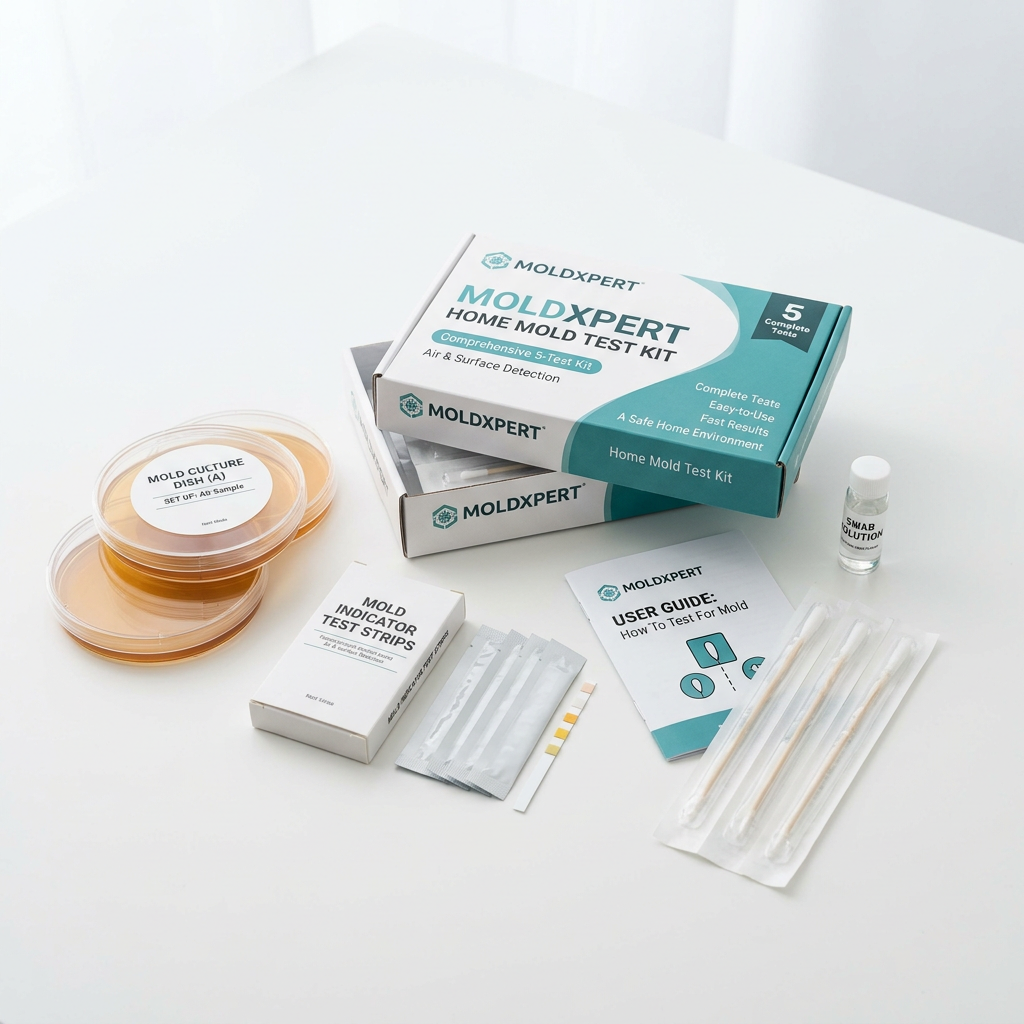
For small mold areas (under 10 square feet), DIY removal can save you $1,000-$3,000. You’ll need a N95 respirator, mold remover spray, and a moisture meter to verify the area is dry after treatment. For a basic DIY assessment, start with a home mold test kit.
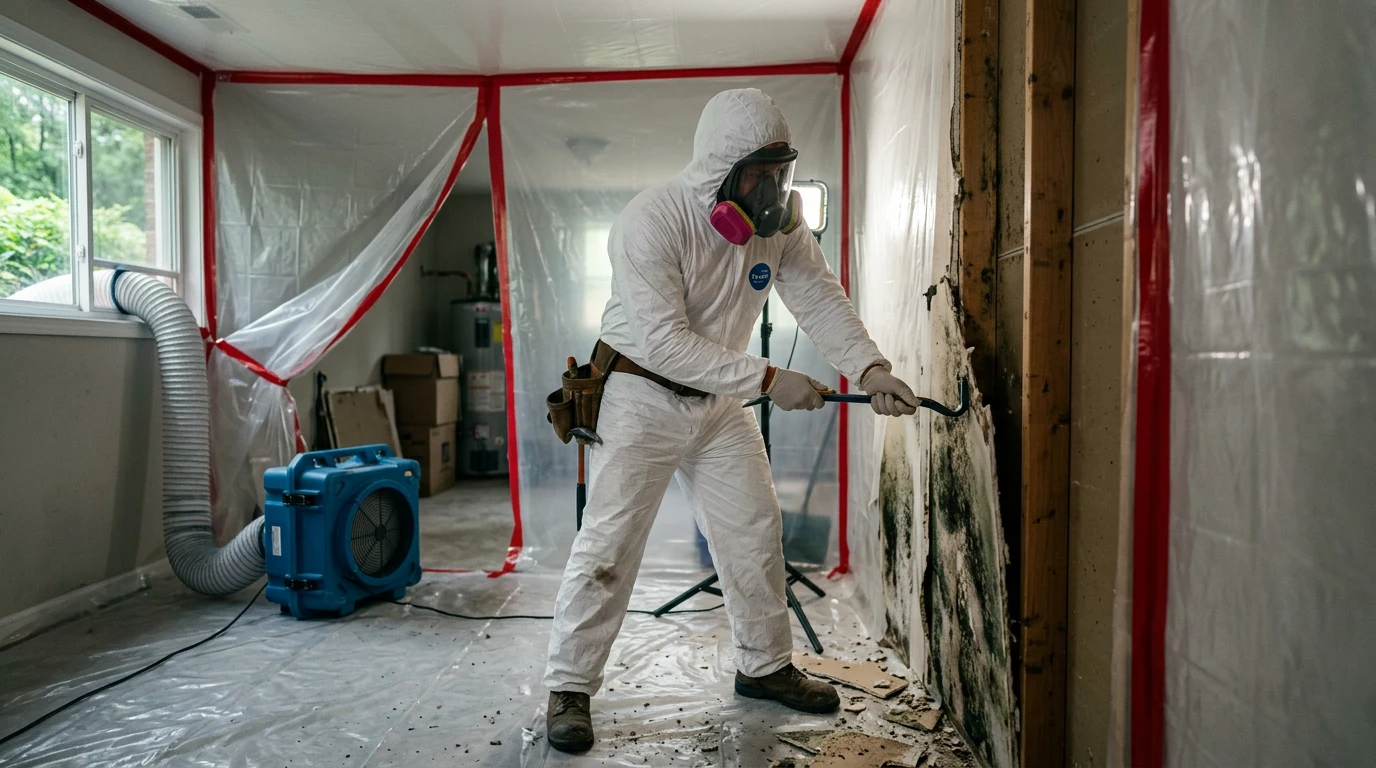
Hire a professional in Atlanta when the affected area is larger than 10 square feet, mold is in your HVAC system, you suspect mold behind walls, or anyone in the household has respiratory health issues. Use our complete DIY mold removal guide for small projects and our guide on when to test for mold to determine if you need professional help.
How to Find a Reputable Mold Remediation Company in Atlanta
- Verify licensing and insurance (check GA requirements)
- Get at least 3 written estimates
- Ask for references from recent Atlanta-area jobs
- Ensure they follow IICRC S520 mold remediation standards
- Use a different company for testing and remediation (avoids conflict of interest)
- Get a written scope of work before any work begins
Common Mold Questions in Atlanta
Should I encapsulate my crawl space in Atlanta?
Is mold worse in older Atlanta neighborhoods?
How much does a mold inspection cost in metro Atlanta?
Mold Removal Cost Breakdown by Room
Atlanta homeowners face different remediation costs depending on which room is affected. The location impacts accessibility, containment requirements, and materials that need replacement. Here’s a room-by-room breakdown of typical mold removal costs in Atlanta, GA:
| Room/Area | Cost Range | Typical Issues |
|---|---|---|
| Bathroom (small) | $500 – $1,200 | Shower tile, exhaust fan issues |
| Kitchen | $800 – $2,500 | Under sink, behind appliances |
| Bedroom/Living Room | $1,000 – $3,000 | Window condensation, HVAC issues |
| Basement | $1,500 – $5,000 | Foundation moisture, flooding |
| Crawl Space | $2,000 – $6,000 | Humidity, soil moisture |
| Attic | $1,200 – $4,000 | Roof leaks, ventilation issues |
| Whole House | $8,000 – $25,000 | HVAC contamination, flooding |
Bathroom mold removal in Atlanta typically costs less because the affected area is smaller and more accessible. However, tile replacement and proper ventilation upgrades can increase costs. Kitchen remediation varies significantly based on whether mold has spread behind cabinetry or into wall cavities.
Basement and crawl space mold remediation costs more in Atlanta due to the city’s red clay soil and drainage challenges. These areas often require extensive moisture control measures, including vapor barriers, dehumidification systems, and sometimes structural repairs. Attic mold removal costs depend on roof accessibility and whether insulation replacement is needed.
Whole-house remediation becomes necessary when mold spreads through the HVAC system or after significant water damage. Atlanta’s humid climate means contaminated ductwork must be professionally cleaned and sealed, which adds $2,000-$5,000 to the total project cost.
How Atlanta’s Climate Affects Mold Growth and Costs
Atlanta’s humid subtropical climate creates ideal conditions for mold growth year-round, directly impacting remediation costs and complexity. The city’s 68% average humidity exceeds the 60% threshold where mold thrives, while 50.2 inches of annual rainfall provides constant moisture sources that penetrate building envelopes.
The combination of high humidity and warm temperatures means mold grows faster in Atlanta than in drier climates, often spreading to larger areas before detection. This leads to higher remediation costs because more materials require replacement and larger containment areas are needed during cleanup. Summer months see humidity levels reach 85-90%, creating condensation issues in air-conditioned homes that have inadequate vapor barriers.
Atlanta’s red clay soil compounds the problem by retaining water around foundations for extended periods after rainfall. This persistent ground moisture creates ongoing humidity in basements and crawl spaces, requiring more extensive moisture control systems during remediation. Properties without proper drainage may need French drains, sump pumps, or foundation waterproofing, adding $3,000-$10,000 to mold remediation projects.
The city’s frequent summer thunderstorms create sudden moisture intrusion events that can trigger rapid mold growth within 24-48 hours. This means Atlanta homeowners often face emergency remediation situations that cost 20-30% more than planned projects due to the need for immediate containment and faster drying equipment deployment.
Seasonal Considerations for Mold Removal in Atlanta
Mold problems in Atlanta peak during summer months (June-September) when humidity levels consistently exceed 80% and frequent thunderstorms create moisture intrusion. The combination of air conditioning and outdoor humidity creates condensation issues, particularly in poorly insulated homes or those with inadequate vapor barriers.
Fall and winter offer the best conditions for mold remediation in Atlanta. Lower humidity levels (40-60%) allow materials to dry more effectively, and cooler temperatures reduce mold spore activity during cleanup. Professional companies often offer lower rates during these slower seasons, potentially saving homeowners 10-15% compared to peak summer pricing.
Spring presents unique challenges as warming temperatures reactivate dormant mold while pollen and outdoor allergens can complicate health symptoms. However, this season offers moderate humidity levels that facilitate effective remediation work. Many Atlanta homeowners schedule mold testing in early spring to address winter moisture accumulation before summer humidity returns.
Emergency remediation cannot wait for ideal seasons, but planned projects benefit from timing. Winter scheduling allows contractors more flexibility for thorough moisture source correction, including exterior waterproofing that’s impractical during Georgia’s wet summers. Additionally, HVAC system cleaning is most effective when systems aren’t running constantly for cooling.
What to Expect During Professional Mold Remediation
Professional mold remediation in Atlanta follows the IICRC S520 standards and typically takes 3-7 days for standard projects. The process begins with containment setup using plastic sheeting and negative air pressure to prevent mold spores from spreading to unaffected areas of your home.
Day one involves establishing containment zones and removing contaminated materials like drywall, insulation, and flooring. Crew members wear full protective equipment including respirators, and use HEPA-filtered vacuums for debris removal. In Atlanta’s humid climate, dehumidifiers and air movers run continuously to maintain proper drying conditions throughout the process.
Days 2-4 focus on cleaning and treating remaining structures with antimicrobial solutions. Surfaces are HEPA vacuumed, wet wiped with approved cleaners, and treated to prevent regrowth. The remediation team addresses moisture sources simultaneously, which may include plumbing repairs, ventilation improvements, or vapor barrier installation common in Atlanta homes.
Final steps include post-remediation verification testing and restoration planning. An independent testing company should verify that spore counts have returned to normal levels before reconstruction begins. Homeowners should expect to stay elsewhere during active remediation if the affected area is large or if anyone has mold sensitivity. The contractor provides daily updates and photo documentation of progress throughout the project.
DIY vs Professional Mold Removal in Atlanta
Atlanta homeowners can tackle small mold problems (under 10 square feet) using DIY methods, potentially saving $800-$2,500 compared to professional services. Essential supplies include N95 respirators, protective eyewear, rubber gloves, and plastic sheeting for containment. A reliable mold test kit helps identify the extent of contamination before beginning work.
DIY approaches work best for surface mold on non-porous materials like tile, glass, or metal fixtures. Atlanta’s high humidity requires thorough drying after cleaning, making moisture meters essential to verify complete drying. Use fans and dehumidifiers for at least 48 hours after cleaning, and consider an air purifier to capture airborne spores during the process.
Professional remediation becomes necessary for areas larger than 10 square feet, mold in HVAC systems, or contamination behind walls. Atlanta’s building codes may require licensed professionals for extensive work, particularly in rental properties or homes built before 1978. Professional companies have specialized equipment like negative air machines and commercial-grade dehumidifiers essential for Atlanta’s humid conditions.
Consider professional help if anyone in the household has asthma, allergies, or immune system issues. The cost difference between DIY mistakes and professional remediation can be substantial – improper containment can spread mold throughout a home, turning a $500 DIY project into a $10,000+ whole-house remediation. Our DIY mold removal guide provides step-by-step instructions for appropriate projects.
Insurance Coverage for Mold Removal in GA
Georgia homeowner’s insurance policies typically cover mold damage resulting from a covered peril, such as a burst pipe or storm damage, but exclude mold from maintenance neglect or long-term humidity issues. Most policies in Georgia include mold coverage limits of $10,000-$50,000, which may not cover extensive remediation in Atlanta’s high-cost market.
Filing a successful mold claim requires documenting the covered water source and proving the mold resulted from that specific incident. Insurance adjusters often require professional mold testing to establish the scope of damage and confirm the presence of elevated mold levels. Take photos immediately after water damage and contact your insurance company within 24-48 hours for the best claim outcomes.
Common exclusions in Georgia include flood damage (requires separate flood insurance), gradual seepage, and mold from poor ventilation or maintenance issues. Atlanta homeowners should review their policies for specific mold endorsements and consider additional coverage if living in flood-prone areas or homes with known moisture challenges like vented crawl spaces.
To maximize insurance coverage, address water damage immediately and document all remediation efforts. Keep receipts for emergency mitigation services and temporary housing if displacement is necessary. Work with reputable contractors who understand insurance requirements and can provide detailed documentation supporting your claim throughout the restoration process.
Frequently Asked Questions
How much does mold removal cost in Atlanta?
The average mold remediation cost in Atlanta, GA ranges from $1,500 – $4,500 depending on the size of the affected area, type of mold, and accessibility. Small bathroom mold removal may cost $500-$1,000, while whole-house remediation can exceed $10,000.
How much does a mold inspection cost in Atlanta?
A professional mold inspection in Atlanta, GA typically costs $300 – $550. This usually includes a visual assessment, moisture readings, and may include air or surface sampling.
Does homeowner’s insurance cover mold removal in GA?
Most homeowner’s insurance policies in GA cover mold damage if it results from a covered peril (like a burst pipe). Mold from maintenance neglect, flooding, or humidity is typically not covered. Check your specific policy.
Can I remove mold myself in Atlanta?
For small areas (under 10 square feet), DIY removal is feasible with proper PPE. For larger areas or if you have health concerns, hire a professional mold remediation company in Atlanta, GA. GA may require licensed professionals for certain projects.
Should I encapsulate my crawl space in Atlanta?
Yes, crawl space encapsulation is highly recommended in Atlanta due to the humid subtropical climate and red clay soil that retains moisture. Encapsulation costs $3,000-$8,000 but prevents recurring mold issues and reduces energy costs by controlling humidity infiltration.
Is mold worse in older Atlanta neighborhoods?
Older Atlanta neighborhoods often have higher mold risk due to aging building materials, inadequate vapor barriers, and original vented crawl spaces. However, newer subdivisions with rapid construction may have building envelope issues. Both require different remediation approaches.
How long does mold remediation take in Atlanta?
Most mold remediation projects in Atlanta take 3-7 days, depending on the size and complexity. Atlanta’s high humidity may extend drying times by 1-2 days compared to drier climates. Whole-house remediation can take 2-3 weeks including reconstruction.
What type of mold is most common in Atlanta homes?
Atlanta homes commonly develop Aspergillus, Penicillium, and Cladosporium due to the humid climate. Stachybotrys (black mold) occurs in chronically wet areas like flooded basements or long-term roof leaks. Professional testing identifies specific mold types for targeted treatment.
Do I need to leave my home during mold remediation?
For small projects with proper containment, staying home may be possible. However, Atlanta’s humid conditions require extensive air filtration, and individuals with respiratory issues should relocate during active remediation. Whole-house projects require temporary housing for 3-7 days.
How can I prevent mold in my Atlanta home?
Control indoor humidity below 50% using dehumidifiers, ensure proper ventilation in bathrooms and kitchens, repair plumbing leaks immediately, and consider crawl space encapsulation. Regular home mold testing helps catch problems early in Atlanta’s high-risk climate.