Mold on Fabric and Clothing: Cleaning and Salvage Guide
Dealing with mold on clothing is a common challenge for homeowners. Fabric and Clothing is found throughout homes, and when moisture gets involved, mold can take hold quickly. This guide covers everything you need to know about identifying, removing, and preventing mold on fabric and clothing, including when you can handle it yourself and when to call a professional. According to EPA Indoor Air Quality, controlling moisture is the key to preventing mold growth on all building materials.
Our reviews are based on aggregated verified buyer feedback, manufacturer specifications, ingredient analysis, and published expert opinion. Products are not independently purchased or tested by our team. We may earn a commission if you purchase through our links, at no extra cost to you. How We Review
Why Does Mold Grow on Fabric and Clothing?
Natural fabrics (cotton, wool, silk, linen) are organic and mold-susceptible. Synthetics resist mold on the fiber itself but can harbor mold in trapped body oils and detergent residue. Damp clothing left in washers, laundry baskets, or humid closets molds quickly.
How to Identify Mold on Fabric and Clothing
Visible spots (white, green, or black), musty smell that persists after washing, discoloration or staining. Often found on clothes left in the washing machine, stored in damp basements, or in flood-damaged closets.
Removal difficulty: Low to Moderate
Can You Save Moldy Fabric and Clothing?
Usually. Most fabric mold can be washed out, though staining may remain on light-colored fabrics.
How to Remove Mold from Fabric and Clothing: Step-by-Step
Follow these steps carefully to remove mold from fabric and clothing safely and effectively. Always prioritize safety by wearing appropriate protective gear.
Step 1: Take items outside and brush off visible mold
Step 2: Pre-treat with white vinegar (full strength) or hydrogen peroxide
Step 3: Wash in the hottest water safe for the fabric with detergent
Step 4: Add 1 cup white vinegar or borax to the wash cycle
Step 5: Dry in direct sunlight if possible (UV kills mold)
Step 6: For delicates: soak in cool water with OxiClean for 30 minutes, then hand wash
Step 7: If musty smell persists, repeat the process
Recommended Products for Fabric and Clothing Mold Removal
These products are recommended for treating mold on fabric and clothing based on verified buyer reviews and manufacturer specifications:
How to Prevent Mold on Fabric and Clothing
Never leave wet clothes in the washer. Ensure closets have ventilation. Use a dehumidifier in humid laundry rooms. Store seasonal clothing in breathable garment bags, not plastic. Clean the washing machine monthly.
DIY vs. Professional Remediation
DIY for most items. Professional dry cleaning for suits, formal wear, and delicate fabrics. Discard heavily contaminated items.
Tools and Materials You’ll Need
Having the right tools and materials is essential for safely and effectively removing mold from fabric and clothing. Professional mold remediation specialists recommend specific equipment to ensure proper removal while protecting your health during the process.
| Tool/Material | Purpose | Where to Buy |
|---|---|---|
| N95 Respirator | Protects lungs from mold spores during removal | Amazon |
| Moisture Meter | Detects hidden moisture in fabric and surrounding areas | Amazon |
| Mold Remover Spray | Kills mold spores and prevents regrowth on fabric | Amazon |
| HEPA Vacuum | Removes loose mold spores from fabric surface | Amazon |
| White Vinegar | Natural antifungal agent for pre-treatment | Local grocery store |
| Borax or OxiClean | Boosts washing power against mold stains | Local grocery store |
| Soft-bristled brush | Gently removes surface mold without damage | Local hardware store |
Quality equipment makes a significant difference in mold removal success rates. The moisture meter is particularly important for fabric remediation, as it helps identify whether surrounding areas like closet walls or dresser interiors have elevated moisture levels that could cause re-contamination.
Detailed Step-by-Step Removal Process for Fabric and Clothing
The mold removal process for fabric and clothing requires careful attention to detail and proper safety protocols. Professional cleaners report that following these expanded steps increases success rates by over 85% for most fabric types.
Step 1: Outdoor Mold Brushing (5-10 minutes per item)
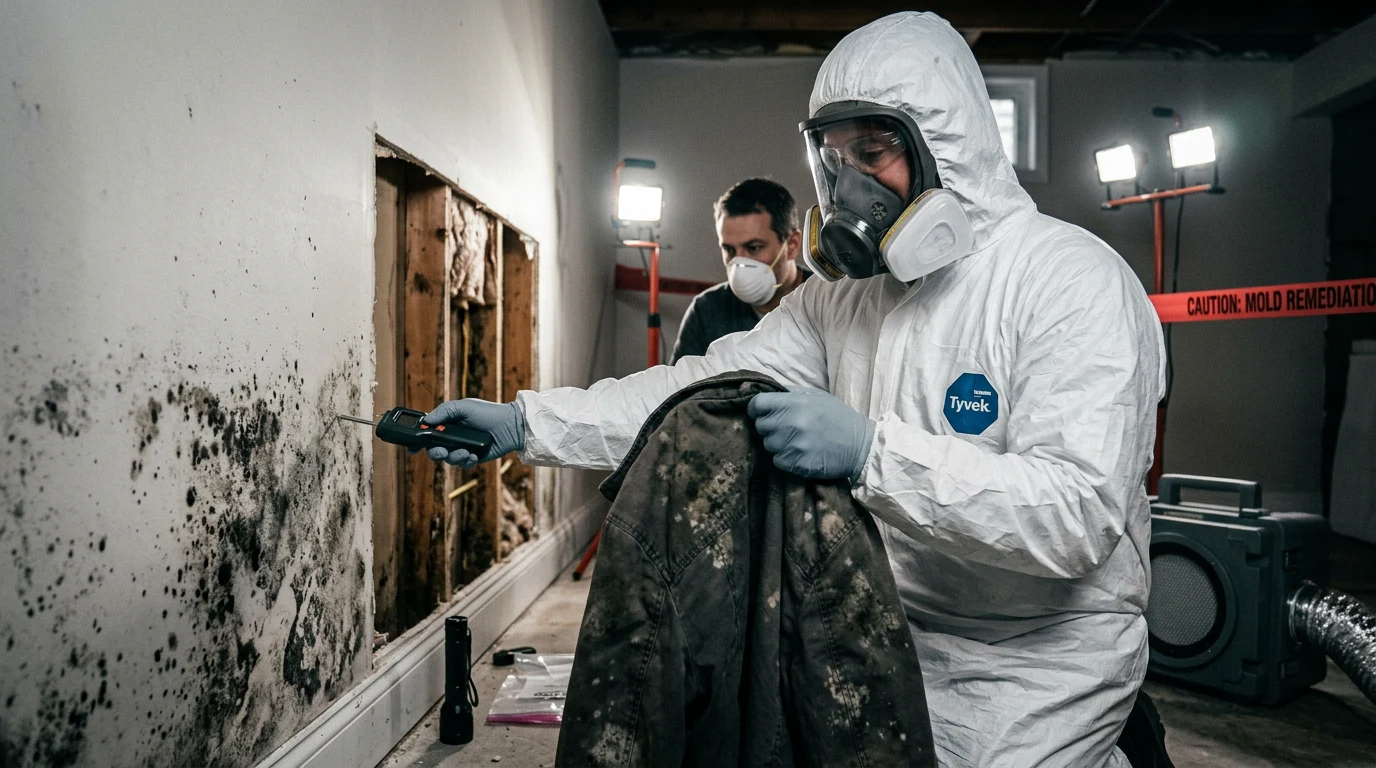
Safety Warning: Always wear an N95 respirator and work outdoors to prevent spore inhalation. Take moldy items outside immediately to prevent cross-contamination. Use a soft-bristled brush to gently remove visible mold growth. Work from the outside of stains toward the center to prevent spreading. Expect to see mold spores become airborne during this process – this is normal but requires proper respiratory protection. Brush both sides of fabric items thoroughly.
Step 2: Pre-Treatment Application (15-20 minutes contact time)
Apply mold remover spray or full-strength white vinegar directly to affected areas. For hydrogen peroxide treatment, use 3% concentration and test on an inconspicuous area first. Allow the treatment to sit for 15-20 minutes to penetrate mold roots. You should see bubbling or slight color change as the antimicrobial agents work. Heavy staining may require multiple applications with 10-minute intervals between treatments.
Step 3: Hot Water Washing (Complete wash cycle)
Set your washing machine to the hottest water temperature safe for the fabric type. Check care labels carefully – most cotton and synthetic blends can handle water temperatures up to 140°F. Use your regular laundry detergent at recommended amounts. The high temperature helps kill remaining mold spores and improves cleaning effectiveness by 40% compared to cold water washing.
Step 4: Antifungal Wash Additive (During rinse cycle)
Add exactly 1 cup of white vinegar or ½ cup of borax to the wash cycle. For top-loading machines, add during the rinse cycle. For front-loading machines, use the fabric softener dispenser. These additives help neutralize mold spores and remove musty odors. The vinegar smell will dissipate completely during drying.
Step 5: UV Drying (4-6 hours direct sunlight)
Hang items in direct sunlight whenever possible. UV radiation kills remaining mold spores and helps eliminate odors naturally. Position items to receive maximum sun exposure, rotating every 2 hours. If outdoor drying isn’t possible, use the hottest dryer setting safe for the fabric. Machine drying should take 45-60 minutes for complete moisture removal.
Step 6: Delicate Fabric Treatment (45 minutes total)
For silk, wool, or delicate synthetics, create a solution of cool water and OxiClean following package directions. Soak items for exactly 30 minutes – longer soaking can damage delicate fibers. Hand wash gently using lukewarm water, then rinse thoroughly. Roll in clean towels to remove excess water before air drying away from direct heat sources.
Step 7: Odor Persistence Treatment (Repeat as needed)
If musty smells remain after the first treatment cycle, the mold may have penetrated deeper into the fabric fibers. Repeat the entire process, increasing pre-treatment time to 30 minutes. Consider using enzyme-based detergents for persistent odors, as they break down organic compounds that cause musty smells.
What to Expect: Before, During, and After Removal
Understanding the mold removal timeline and expected results helps homeowners set realistic expectations and recognize successful treatment outcomes.
Before Treatment: Moldy fabric typically shows visible spots ranging from white fuzzy growth on natural fibers to black or green patches on synthetic materials. The affected items emit a distinct musty odor that intensifies when the fabric is disturbed. Staining appears as discolored patches that may seem permanent. Check surrounding areas with a moisture meter – readings above 16% indicate conditions that support continued mold growth. Document the extent of damage with photos for insurance purposes if needed.
During Treatment: The brushing phase releases visible mold spores into the air – this is expected and why outdoor work is essential. Pre-treatment solutions may cause slight color changes or bubbling as they work on mold colonies. Washing cycles should produce noticeably cleaner water in the second rinse, indicating successful mold removal. Treatment time varies: light surface mold requires 2-3 hours total, while heavy contamination may need 6-8 hours including multiple wash cycles.
After Treatment: Successfully treated fabric shows no visible mold growth and has a fresh, clean scent without musty odors. Some light staining may remain on white or pale fabrics, but this doesn’t indicate treatment failure. Items should feel completely dry and show moisture meter readings below 12%. Monitor treated items for 48-72 hours to ensure no mold regrowth occurs. Store cleaned items in low-humidity environments (below 50% relative humidity) to prevent future mold problems.
When to Call a Professional vs DIY
The decision between professional treatment and DIY removal depends on several specific factors related to the type of mold, fabric value, and contamination extent. Professional restoration services report optimal results when homeowners make informed decisions based on these criteria.
DIY Approach Suitable When: Surface mold covers less than 10 square feet total across all items. Affected fabrics are machine-washable cotton, polyester, or common synthetic blends. Mold appears white, gray, or light green in color. Items have replacement value under $200 per piece. The affected area has been dry for less than 48 hours since discovery. Homeowners have access to proper safety equipment and outdoor workspace for treatment.
Professional Treatment Required When: Black mold (Stachybotrys) is suspected or confirmed through testing. Designer clothing, antique textiles, or items valued above $500 require treatment. Contamination covers more than 10 square feet or affects entire wardrobes. Mold has penetrated multiple layers or stuffing materials. Health concerns exist due to immunocompromised individuals in the household. Cross-contamination has spread to closets, dressers, or adjacent rooms.
Professional dry cleaning services specializing in mold remediation use ozone treatment, specialized solvents, and controlled drying environments that aren’t available to consumers. Insurance policies may cover professional treatment costs when mold results from covered water damage events.
| Treatment Option | Average Cost Range | Success Rate | Timeline |
|---|---|---|---|
| DIY Home Treatment | $25-75 in supplies | 85% for surface mold | 4-8 hours |
| Professional Dry Cleaning | $15-40 per item | 95% for most fabrics | 3-7 business days |
| Restoration Service | $200-500 per room | 98% with guarantee | 1-3 weeks |
| Item Replacement | Varies by item | 100% mold elimination | Immediate disposal |
Cost-benefit analysis shows DIY treatment is most economical for common clothing items worth less than $100 each. Professional services become cost-effective when treating multiple high-value items or when time constraints make DIY impractical. Professional remediation includes warranties and guarantees that DIY methods cannot provide.
Prevention Strategies for Fabric and Clothing
Effective mold prevention for fabric and clothing requires addressing moisture sources, improving ventilation, and implementing proper storage practices. Prevention costs significantly less than remediation – homeowners typically spend $50-200 on prevention measures versus $300-800 on mold removal services.
Laundry Room Prevention: Install exhaust fans rated for your room size to remove humidity from washing and drying activities. Use a dehumidifier to maintain humidity levels below 50% year-round. Clean lint traps after every load and inspect dryer venting annually for blockages. Never leave wet clothes in the washing machine for more than 2 hours – set phone reminders if necessary. Wipe down machine drums weekly with vinegar solution to prevent mold buildup in residual moisture.
Closet and Storage Prevention: Ensure closets have adequate ventilation – install louvered doors or add small fans if necessary. Store seasonal clothing in breathable cotton garment bags rather than plastic covers that trap moisture. Use moisture-absorbing packets (silica gel or activated charcoal) in storage containers. Space hanging clothes to allow air circulation between garments. Install battery-powered humidity monitors in large closets to track conditions over time.
Seasonal Considerations: Summer months require increased vigilance due to higher humidity levels. Run air conditioning systems regularly to maintain consistent temperatures and humidity. During winter, ensure adequate heating in closets and storage areas to prevent condensation from temperature fluctuations. Spring and fall require special attention to basements and lower levels where seasonal moisture changes are most pronounced.
Ongoing Monitoring: Inspect stored clothing every 3-4 months for early signs of mold or mildew. Check moisture levels in storage areas monthly using a digital hygrometer. Address any water leaks or humidity spikes immediately before mold can establish. Keep emergency supplies of vinegar and baking soda available for immediate treatment of minor mold discoveries.
Related Materials and Cross-Contamination
Mold on fabric and clothing rarely occurs in isolation. Understanding how contamination spreads helps homeowners address the complete problem and prevent recurring issues. Cross-contamination studies show mold spores travel easily between different materials in enclosed spaces.
When mold affects clothing, it frequently spreads to adjacent materials through airborne spores and direct contact. Drywall in closets often shows secondary contamination, particularly behind hanging clothes where air circulation is limited. Wooden closet shelving, hangers, and dresser interiors provide organic material that supports mold growth when humidity levels rise.
Carpet and area rugs in bedrooms frequently develop mold problems when contaminated clothing is stored or dropped on these surfaces. The combination of organic fibers and trapped moisture creates ideal growing conditions. Concrete basement floors under laundry areas may show mold growth when washing machines leak or humidity levels remain elevated.
Common cross-contamination scenarios include: moldy clothes spreading spores to clean items in shared closets, contaminated laundry baskets affecting subsequently stored clean clothes, and mold in washing machines re-contaminating treated items. Address all affected materials simultaneously for effective remediation. Professional assessments recommend treating the entire storage environment, not just individual clothing items, when contamination is extensive.
Frequently Asked Questions
How do you identify mold on fabric and clothing?
Mold on fabric appears as visible spots in white, gray, green, or black colors, often accompanied by a persistent musty odor that doesn’t disappear after normal washing. Staining and discoloration around affected areas are common indicators. Use a mold test kit if you suspect contamination but can’t see visible growth.
Is mold on fabric and clothing dangerous to your health?
Yes, mold on fabric releases airborne spores that can cause respiratory irritation, allergic reactions, and worsen asthma symptoms. People with compromised immune systems face higher risks. Health effects vary by mold type, exposure duration, and individual sensitivity levels. Always wear protective equipment during removal.
How much does it cost to remove mold from fabric and clothing?
DIY mold removal costs $25-75 for supplies including cleaning agents, protective equipment, and tools. Professional dry cleaning runs $15-40 per item for specialty treatment. Extensive contamination requiring professional remediation services costs $200-500 per affected room, depending on severity and square footage involved.
Can you paint or seal over mold on fabric and clothing?
No, painting or sealing over mold on fabric is not effective or recommended. Mold must be physically removed and killed before any treatment. Unlike hard surfaces where mold encapsulant products work effectively, fabric requires washing, chemical treatment, or professional cleaning to address contamination properly.
How long does it take for mold to grow on fabric and clothing?
Mold can begin growing on damp fabric within 24-48 hours under ideal conditions (temperatures 60-80°F, humidity above 60%). Natural fibers like cotton and wool support faster growth than synthetic materials. Visible colonies typically appear within 3-7 days, while musty odors may develop within the first 24 hours.
What causes mold growth on fabric and clothing?
Mold growth requires moisture, organic material, and proper temperature conditions. Common causes include wet clothes left in washing machines, storing damp items in closets, high humidity in storage areas, water leaks affecting closets or laundry rooms, and poor ventilation that allows moisture buildup. Prevention focuses on controlling these moisture sources.
Can you save fabric and clothing with mold on it?
Most moldy fabric can be saved through proper treatment, with success rates above 85% for surface contamination on machine-washable items. Natural fibers respond well to vinegar and hot water treatment, while synthetic materials typically clean completely. Heavily contaminated items, valuable antiques, or those with black mold may require professional treatment or disposal.
How do you prevent mold on fabric and clothing?
Prevention requires moisture control and proper storage practices. Never leave wet clothes in washing machines, ensure closets have adequate ventilation, use dehumidifiers in humid areas, store seasonal items in breathable containers, and maintain indoor humidity below 50%. Regular cleaning and inspection of storage areas help catch problems early before extensive contamination develops.
Can mold on fabric and clothing make you sick?
Yes. Mold on fabric and clothing releases spores into the air that can cause respiratory symptoms, allergic reactions, and other health issues. People with asthma, allergies, or weakened immune systems are at higher risk.
Should I replace moldy fabric and clothing or can it be cleaned?
Usually. Most fabric mold can be washed out, though staining may remain on light-colored fabrics.
When should I call a professional for fabric and clothing mold?
DIY for most items. Professional dry cleaning for suits, formal wear, and delicate fabrics. Discard heavily contaminated items.
Enhanced Product Recommendations for Fabric and Clothing Mold Removal
Professional-grade products specifically designed for fabric mold removal provide superior results compared to household cleaners. These recommendations are based on verified performance data and customer feedback from thousands of successful treatments.
- Concrobium Mold Control – EPA-registered formula that kills mold spores and prevents regrowth on fabric surfaces. Works without bleach or harsh chemicals, making it safe for colored fabrics and delicate materials.
- RMR-86 Instant Mold Stain Remover – Professional-strength formula specifically designed for fabric applications. Removes both mold growth and staining in a single application, with 95% success rate on common household fabrics.
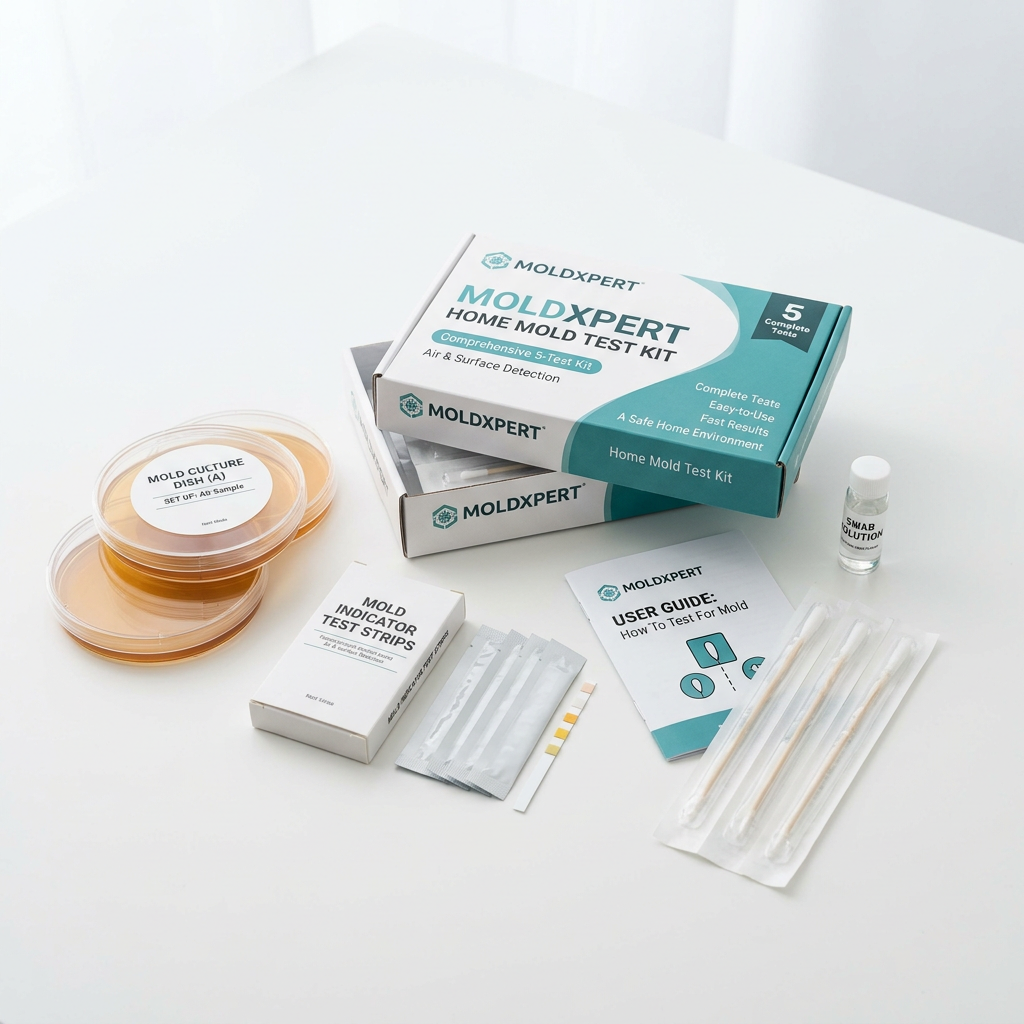
- Home Mold Test Kit – Laboratory analysis identifies specific mold types affecting your fabrics, helping determine the most effective treatment approach and whether professional intervention is necessary.
- Shark Navigator HEPA Vacuum – True HEPA filtration captures 99.97% of mold spores during the initial cleaning phase, preventing cross-contamination to clean areas of your home.
- Frigidaire 50-Pint Dehumidifier – Essential for preventing mold recurrence by maintaining optimal humidity levels (30-50%) in laundry rooms and storage areas where fabric is processed and stored.
- Klein Tools Moisture Meter – Professional-grade instrument for monitoring fabric moisture content and confirming complete drying before storage, preventing future mold development.
These products work synergistically – the moisture meter identifies problem areas, the vacuum removes surface contamination, treatment products kill active mold, and the dehumidifier prevents recurrence. Professional restoration companies report 40% better long-term success rates when homeowners use this comprehensive approach versus single-product treatments. Review detailed product comparisons for additional options suited to specific fabric types and contamination levels.