Finding a qualified mold inspector in Portland, OR is crucial for protecting your home and family. With Portland, OR’s high mold risk profile (73% average humidity, 43.5 inches of annual rainfall), knowing how to choose the right inspector can save you thousands in unnecessary remediation costs.
Our reviews are based on aggregated verified buyer feedback, manufacturer specifications, ingredient analysis, and published expert opinion. Products are not independently purchased or tested by our team. We may earn a commission if you purchase through our links, at no extra cost to you. How We Review
Portland Mold Risk Profile
| Factor | Detail |
|---|---|
| Mold Risk Rating | High |
| Climate Zone | Oceanic (marine west coast) |
| Average Humidity | 73% |
| Annual Rainfall | 43.5 inches |
| Avg Inspection Cost | $300 – $600 |
| Avg Remediation Cost | $1,800 – $5,500 |
Why Portland Homes Need Mold Inspections
Pacific Northwest rain pattern (Oct-May), many older homes lack modern moisture barriers, basement water intrusion common in older neighborhoods, urban heat island effect creates condensation
Did you know? Portland receives measurable rainfall on average 154 days per year, nearly half the year. The city’s Eastside neighborhoods, built in the early 1900s on former wetlands, have some of the highest mold rates.
Portland-Specific Mold Concerns
Portland basements in Eastside neighborhoods (Hawthorne, Division, Foster) often have water intrusion from the high water table. French drains and sump pumps are essential, not optional.
Common housing in Portland, OR includes craftsman bungalows, victorian homes, newer condos, many with basements and crawl spaces. Each housing type has unique mold vulnerabilities that an experienced local inspector will know to check.
What a Professional Mold Inspection Includes
- Visual inspection: Systematic check of all rooms, focusing on moisture-prone areas (bathrooms, kitchen, basement, crawl space, attic)
- Moisture readings: Professional-grade moisture meters to detect hidden moisture in walls, floors, and ceilings
- Air sampling: Indoor vs. outdoor spore count comparison to determine if mold levels are elevated
- Surface sampling: Swab or tape-lift samples from suspect areas, sent to an accredited lab
- Humidity assessment: Check HVAC performance, ventilation, and recommend a dehumidifier if needed
- Written report: Detailed findings with photos, lab results, and remediation recommendations
How to Choose a Mold Inspector in Portland
- Check certifications: ACAC, IICRC, or state license (if OR requires it)
- Verify independence: The inspector should NOT also offer remediation services (conflict of interest)
- Ask about lab accreditation: Samples should go to an AIHA (American Industrial Hygiene Association) accredited lab
- Request references: Ask for recent Portland-area inspection references
- Confirm insurance: Errors and omissions (E&O) insurance and general liability
- Get a written scope: Know exactly what the inspection covers before agreeing
Red Flags When Choosing a Mold Inspector
- Inspector also offers remediation services (conflict of interest)
- No certifications or unwilling to share credentials
- Pressure to sign a remediation contract immediately
- Extremely low price (may skip air/surface sampling)
- No written report included
- Uses scare tactics about “toxic mold” without lab confirmation
Questions to Ask Before Hiring
- What certifications do you hold?
- Are you independent from remediation companies?
- Which accredited lab do you use for samples?
- What does your inspection include, and what’s not included?
- How soon will I receive the written report?
- Do you carry E&O insurance?
- Are you familiar with Portland’s common housing types and mold patterns?
OR Mold Laws and Regulations
Oregon ORS 90.320 requires landlords to maintain habitable premises. Oregon courts have ruled mold constitutes a habitability defect. No specific mold licensing statute.
DIY Mold Testing: When It Makes Sense
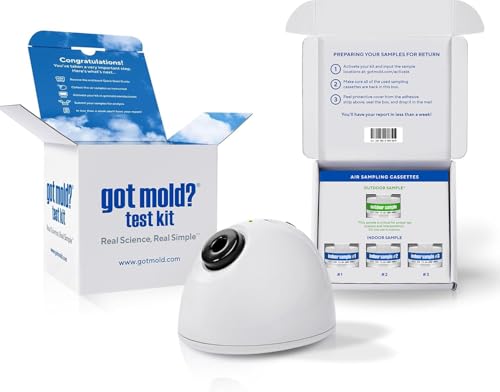
If you’re not ready for a professional inspection, a home mold test kit can give you initial information. These kits cost $30-$50 and can confirm whether mold is present, though they don’t replace a professional assessment. Read our complete mold testing guide for more information on when to test for mold.
Common Mold Questions in Portland
How do I keep my Portland basement dry?
Is mold in Portland rentals the landlord’s responsibility?
What time of year is mold worst in Portland?
What to Expect During a Mold Inspection in Portland
Understanding the mold inspection process helps Portland homeowners prepare for what’s involved. A professional mold inspection typically takes 1-3 hours depending on the size of the home and number of problem areas identified.
The inspector begins with a comprehensive visual inspection of all accessible areas, including basements, crawl spaces, attics, and living areas. They look for visible mold growth, moisture stains, water damage, discoloration on walls or ceilings, and signs of past water intrusion. The inspector also checks HVAC systems, which can harbor mold and distribute spores throughout the home.
Portland’s older homes, particularly Craftsman bungalows and Victorian houses, often have unique moisture patterns that experienced local inspectors know to identify. They’ll pay special attention to areas where original construction may lack modern moisture barriers or where settling has created water entry points.
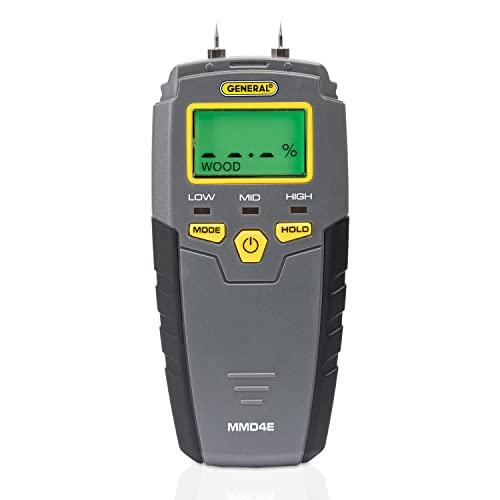
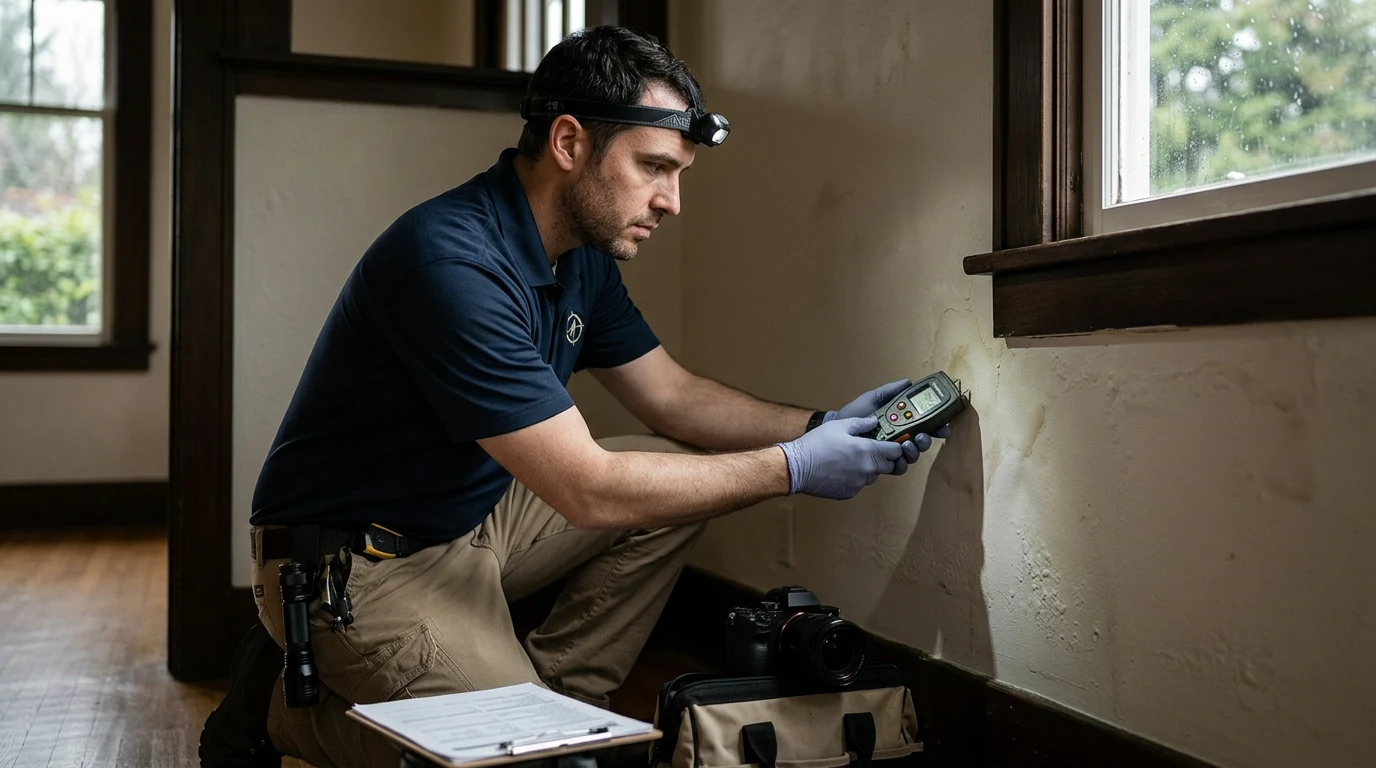
Moisture mapping is a critical component, using infrared thermal cameras and professional-grade moisture meters to detect hidden moisture within walls, floors, and ceiling cavities. This technology can identify problem areas before visible mold develops, which is particularly important in Portland’s high-humidity environment.
Air sampling involves collecting spore samples from indoor air and comparing them to outdoor baseline levels. Surface sampling uses tape-lift or swab methods to collect samples from suspect areas. All samples are sent to AIHA-accredited laboratories for analysis, with results typically available within 3-5 business days.
The final written report includes detailed findings with photographs, lab results with spore counts and species identification, moisture readings, and specific remediation recommendations. Portland inspectors familiar with local building codes and climate conditions can provide targeted advice for moisture control and prevention strategies.
Mold Inspector Certification and Licensing Requirements in OR
Oregon does not have specific state licensing requirements for mold inspectors, which makes verifying credentials and certifications even more important for homeowners. Without mandatory state oversight, the responsibility falls on consumers to ensure they’re hiring qualified professionals.
The most respected certifications in the mold inspection industry include ACAC (American Council for Accredited Certification), IICRC (Institute of Inspection Cleaning and Restoration Certification), and NAMP (National Association of Mold Professionals). ACAC certification is considered the gold standard, requiring extensive training, examination, and continuing education requirements.
Portland homeowners should understand the difference between various mold professionals. A certified mold inspector conducts assessments and testing but should not perform remediation work to avoid conflicts of interest. A mold assessor provides similar services but may also develop remediation protocols. Mold remediators perform the actual cleanup work but should not also conduct the initial inspection.
Insurance requirements are crucial for protecting homeowners. Qualified inspectors should carry both errors and omissions (E&O) insurance and general liability insurance. E&O insurance protects against professional mistakes or oversights, while general liability covers property damage during the inspection process. Inspectors should readily provide proof of current insurance coverage.
Given Oregon’s lack of specific licensing requirements, homeowners should verify certifications directly with the issuing organizations. Reputable inspectors will have no problem providing certification numbers and allowing verification through organizations like ACAC or IICRC. Be wary of inspectors who claim certifications but cannot provide verification details.
Red Flags When Hiring a Mold Inspector in Portland
Several warning signs should alert Portland homeowners to potential problems when selecting a mold inspector. The most significant red flag is an inspector who also offers remediation services, creating an obvious conflict of interest where the inspector benefits financially from finding problems.
Inspectors who refuse to provide written reports or offer only vague verbal findings should be avoided. Legitimate mold inspections require detailed documentation with photographs, moisture readings, and specific recommendations. Without a written report, homeowners have no record of findings or basis for remediation decisions.
Pressure tactics or scare tactics are major warning signs. Professional inspectors present facts and lab results without using fear-based language about “toxic mold” before confirming species through laboratory analysis. Be suspicious of inspectors who pressure immediate remediation contracts or claim urgent health dangers without supporting evidence.

Unusually low prices often indicate corners being cut in the inspection process. Professional air sampling, surface testing, and laboratory analysis have inherent costs. Inspectors offering significantly below-market rates may skip essential testing components or use unaccredited laboratories. Quality mold inspection requires proper equipment, certified training, and accredited lab work.
Inspectors who cannot or will not provide proof of certifications, insurance, or references should be eliminated from consideration. Legitimate professionals maintain proper credentials and are transparent about their qualifications and business practices.
Questions to Ask Before Hiring a Mold Inspector
Portland homeowners should ask specific questions to evaluate potential mold inspectors before making hiring decisions. Start by requesting details about certifications and training. Ask which specific certifications the inspector holds, when they were obtained, and whether continuing education requirements are current.
Clarify exactly what the inspection includes and what additional costs might apply. Some inspectors quote low base prices but charge extra for air sampling, surface testing, or moisture readings. Understanding the complete scope and cost upfront prevents surprises and allows accurate comparisons between inspectors.
Verify the inspector’s independence by asking directly whether they also perform remediation work or have financial relationships with remediation companies. Independent inspectors provide unbiased assessments without financial incentives to recommend unnecessary work.
Ask about testing methods and laboratory accreditation. Reputable inspectors use AIHA-accredited laboratories and can explain their testing protocols. They should be able to describe when air sampling versus surface sampling is appropriate and how they determine testing locations.
Request timeline information for receiving the written report. Most inspectors provide reports within 3-5 business days after laboratory results are available. Delays beyond this timeframe may indicate poor business practices or overwhelmed schedules.
Finally, ask about their experience with Portland’s climate and housing types. Local knowledge about common moisture patterns, seasonal variations, and building characteristics specific to Portland can significantly improve inspection quality and remediation recommendations.
What Happens After the Mold Inspection
Understanding the inspection report is the first step after receiving results. The report should include moisture readings, photograph documentation, laboratory results with spore counts, and specific remediation recommendations. Professional reports distinguish between elevated spore levels requiring remediation and normal background levels that may only need monitoring.
Not every mold finding requires immediate remediation. Small, localized areas may be addressed through improved ventilation and moisture control, while widespread contamination requires professional mold remediation. The inspector’s recommendations should be proportional to the findings and include both immediate actions and long-term prevention strategies.

When remediation is recommended, obtain quotes from 2-3 certified remediation companies. Independent mold inspectors can provide remediation protocols that contractors should follow, ensuring consistent approaches and competitive pricing. Avoid contractors who significantly deviate from the inspector’s protocol without scientific justification.
Post-remediation clearance testing is essential to verify successful remediation. This involves a different inspector conducting air sampling after remediation work is complete but before reconstruction begins. Clearance testing confirms that spore levels have returned to acceptable ranges and the remediation was effective.
The timeline from initial inspection to completed remediation varies based on the extent of contamination and work required. Simple cases may be resolved within days, while extensive remediation in Portland’s older homes can take several weeks including drying time, containment setup, remediation work, and final clearance testing.
Mold Inspection Cost Breakdown in Portland
Portland mold inspection costs vary based on services included and property size. Understanding cost components helps homeowners budget appropriately and compare quotes accurately across different inspectors.
| Service Type | Typical Cost Range |
|---|---|
| Visual inspection only | $200 – $350 |
| Visual + 2 air samples | $350 – $500 |
| Air sampling (per sample) | $75 – $125 |
| Surface/tape lift sampling | $50 – $100 per sample |
| ERMI testing | $300 – $400 |
| Post-remediation clearance | $250 – $450 |
Visual inspection alone provides basic assessment but limited scientific data. Most Portland homeowners benefit from including air sampling to establish baseline spore levels and identify species present. Surface sampling is recommended when visible growth is present or suspected but not clearly visible.
ERMI (Environmental Relative Moldiness Index) testing provides comprehensive analysis of 36 mold species but is primarily used for research purposes. Most residential inspections rely on spore trap air sampling and surface sampling for practical decision-making. Consider ERMI testing for complex cases or health-sensitive situations.
Post-remediation clearance testing is a separate service typically costing $250-$450, depending on the size of the remediated area and number of air samples required. This testing must be performed by an independent inspector, not the remediation company, to ensure unbiased verification.
The typical comprehensive mold inspection in Portland costs $300-$600, including visual assessment, moisture mapping, and air sampling. This cost represents significant value compared to potential remediation expenses of $1,800-$5,500 or more for extensive contamination.
How to Prepare Your Home for a Mold Inspection
Proper preparation ensures accurate inspection results and helps inspectors access all necessary areas efficiently. Portland homeowners should avoid cleaning or disturbing suspected mold areas before the inspection, as this can affect air sampling accuracy and eliminate evidence of contamination.
For air sampling accuracy, keep windows and doors closed for 24 hours before the inspection and turn off air purifiers or HVAC systems with advanced filtration. Normal heating and cooling operation is acceptable, but avoid systems that significantly filter airborne particles.
Make all areas accessible by moving furniture away from walls, opening closet doors, and ensuring basement and crawl space access is available. Inspectors need to examine all moisture-prone areas, including spaces that are rarely accessed. Clear pathways to mechanical rooms, water heater areas, and under-sink cabinets.
Gather relevant documentation including previous inspection reports, maintenance records, and documentation of any water damage incidents. This historical information helps inspectors understand moisture patterns and focus on areas with known vulnerabilities.
Prepare a list of specific areas of concern, unusual odors, or recent water problems. Portland’s seasonal moisture patterns can create intermittent issues that may not be obvious during drier periods, so historical observations provide valuable context for the inspection.
When to Get a Second Opinion on Mold Inspection Results
Several situations warrant obtaining a second mold inspection opinion to ensure accurate assessment and appropriate remediation recommendations. Conflicting results between an independent inspector and a remediation company should prompt additional evaluation, particularly if the remediation company recommends significantly more extensive work.
Unusually high or low spore counts compared to typical Portland baseline levels may indicate sampling errors or unusual conditions requiring additional investigation. If initial results seem inconsistent with visible conditions or health symptoms, a second opinion can provide clarity.
Inspections conducted without proper air or surface sampling, particularly those offering only visual assessment, may miss hidden contamination or fail to provide adequate documentation for remediation planning. Comprehensive re-inspection with proper sampling protocols ensures complete assessment.
When buying a Portland home, if the seller’s inspection seems incomplete or was conducted by an inspector with potential conflicts of interest, independent verification protects the buyer’s interests. Real estate transactions involving significant mold issues benefit from unbiased professional assessment.
If recommended remediation costs seem excessive relative to the reported contamination, or if multiple contractors provide widely varying quotes based on the same inspection report, additional inspection may reveal more cost-effective approaches or identify unnecessary work recommendations.
Frequently Asked Questions
How much does a mold inspection cost in Portland?
A professional mold inspection in Portland, OR typically costs $300 – $600. This includes a visual assessment, moisture readings with professional-grade meters, and may include air sampling or surface swabs sent to an accredited lab.
Do I need a mold inspection before buying a home in Portland?
A mold inspection is not required for home purchases in OR, but it’s strongly recommended given Portland, OR’s high mold risk. The inspection cost of $300 – $600 is minimal compared to potential remediation costs of $1,800 – $5,500 or more.
What certifications should a Portland mold inspector have?
Look for certifications from the ACAC (American Council for Accredited Certification), IICRC (Institute of Inspection Cleaning and Restoration Certification), or state licensing if required. They should carry errors and omissions insurance and general liability insurance.

How long does a mold inspection take in Portland?
A thorough mold inspection in a typical Portland, OR home takes 1-3 hours depending on the size of the home and number of problem areas. Lab results for air or surface samples typically take 3-5 business days.
How often should Portland homeowners get mold inspections?
Portland homeowners should consider mold inspections every 2-3 years due to the high moisture environment, or immediately after water damage events. Homes with previous mold issues or in high-risk Eastside neighborhoods may benefit from annual inspections during peak moisture seasons.
Can I do my own mold testing instead of hiring an inspector?
DIY mold test kits can provide initial screening for $30-$50, but they cannot replace professional inspection for moisture assessment, comprehensive sampling, and remediation planning. Professional inspectors have specialized equipment and training to identify hidden problems that DIY tests miss.
What’s the difference between mold testing and mold inspection?
Mold testing involves collecting air or surface samples for laboratory analysis, while mold inspection includes comprehensive visual assessment, moisture mapping, testing, and detailed reporting. Inspection is more comprehensive and provides remediation recommendations, while testing alone only identifies presence and species.
Are mold inspections required by law in OR?
Oregon does not require mold inspections by law, but landlords must maintain habitable premises under ORS 90.320. Courts have ruled that mold constitutes a habitability defect, so rental property inspections may be legally necessary to demonstrate compliance with habitability requirements.
What happens if mold is found during a home inspection?
If mold is found during a home inspection, buyers can negotiate repairs, request seller remediation, ask for purchase price reduction, or withdraw from the purchase depending on contract terms. Professional mold assessment helps determine appropriate response based on contamination extent and remediation costs.
Should mold inspections be done seasonally in Portland?
Portland’s peak mold season runs from October through May during the rainy season. Inspections are most effective during or immediately after this period when moisture levels are highest and mold growth is most active. Summer inspections may miss seasonal moisture problems that only occur during wet months.
What are common signs of mold in Portland homes?
Beyond visible growth, a persistent musty odor is a strong indicator of hidden mold, often found in damp basements or crawl spaces common in Portland’s older homes. Other signs include unexplained respiratory issues, allergies, or skin irritation that improve when you leave the house, suggesting airborne mold spores.
Can I remediate mold myself in Portland, or do I need a professional?
For small areas of mold (less than 10 square feet) caused by a minor leak, homeowners in Portland can often clean it themselves using appropriate safety gear and cleaning solutions. However, for larger infestations, mold caused by sewage or contaminated water, or if you experience health symptoms, professional mold remediation is strongly recommended to ensure complete removal and prevent recurrence.
Related Guides
These statements have not been evaluated by the Food and Drug Administration. This information is not intended to diagnose, treat, cure, or prevent any disease. Content is for informational purposes only and is not medical advice; consult a qualified healthcare provider before starting any supplement. As an Amazon Associate we earn from qualifying purchases.