Finding a qualified mold inspector in Phoenix, AZ is crucial for protecting your home and family. With Phoenix, AZ’s low mold risk profile (31% average humidity, 8.0 inches of annual rainfall), knowing how to choose the right inspector can save you thousands in unnecessary remediation costs.
Our reviews are based on aggregated verified buyer feedback, manufacturer specifications, ingredient analysis, and published expert opinion. Products are not independently purchased or tested by our team. We may earn a commission if you purchase through our links, at no extra cost to you. How We Review
Phoenix Mold Risk Profile
| Factor | Detail |
|---|---|
| Mold Risk Rating | Low |
| Climate Zone | Hot desert |
| Average Humidity | 31% |
| Annual Rainfall | 8.0 inches |
| Avg Inspection Cost | $200 – $450 |
| Avg Remediation Cost | $1,000 – $3,000 |
Why Phoenix Homes Need Mold Inspections
Desert climate is naturally inhospitable to mold, but AC condensation issues, monsoon season flooding (July-September), poorly sealed stucco, and evaporative cooler moisture can create localized problems
Did you know? Phoenix averages only 36 rainy days per year, but the July-September monsoon season can dump several inches in hours, causing flash flooding that catches homeowners off guard.
Phoenix-Specific Mold Concerns
Phoenix monsoon season (July-September) can cause sudden flooding. Ensure your AC condensate drain line is clear (clogged lines are the #1 cause of indoor moisture in Phoenix homes) and check stucco for cracks after monsoons.
Common housing in Phoenix, AZ includes stucco/block construction, slab foundations, many newer communities. Each housing type has unique mold vulnerabilities that an experienced local inspector will know to check.
What a Professional Mold Inspection Includes
- Visual inspection: Systematic check of all rooms, focusing on moisture-prone areas (bathrooms, kitchen, basement, crawl space, attic)
- Moisture readings: Professional-grade moisture meters to detect hidden moisture in walls, floors, and ceilings
- Air sampling: Indoor vs. outdoor spore count comparison to determine if mold levels are elevated
- Surface sampling: Swab or tape-lift samples from suspect areas, sent to an accredited lab
- Humidity assessment: Check HVAC performance, ventilation, and recommend a dehumidifier if needed
- Written report: Detailed findings with photos, lab results, and remediation recommendations
How to Choose a Mold Inspector in Phoenix
- Check certifications: ACAC, IICRC, or state license (if AZ requires it)
- Verify independence: The inspector should NOT also offer remediation services (conflict of interest)
- Ask about lab accreditation: Samples should go to an AIHA (American Industrial Hygiene Association) accredited lab
- Request references: Ask for recent Phoenix-area inspection references
- Confirm insurance: Errors and omissions (E&O) insurance and general liability
- Get a written scope: Know exactly what the inspection covers before agreeing
Red Flags When Choosing a Mold Inspector
- Inspector also offers remediation services (conflict of interest)
- No certifications or unwilling to share credentials
- Pressure to sign a remediation contract immediately
- Extremely low price (may skip air/surface sampling)
- No written report included
- Uses scare tactics about “toxic mold” without lab confirmation
Questions to Ask Before Hiring
- What certifications do you hold?
- Are you independent from remediation companies?
- Which accredited lab do you use for samples?
- What does your inspection include, and what’s not included?
- How soon will I receive the written report?
- Do you carry E&O insurance?
- Are you familiar with Phoenix’s common housing types and mold patterns?
AZ Mold Laws and Regulations
Arizona has no specific mold statute. Arizona Residential Landlord and Tenant Act (A.R.S. § 33-1324) requires habitable conditions. Maricopa County has additional housing regulations.
DIY Mold Testing: When It Makes Sense
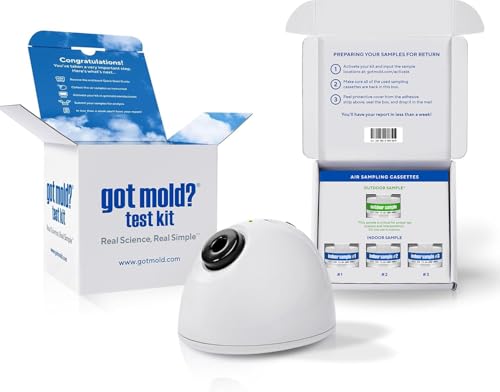
If you’re not ready for a professional inspection, a home mold test kit can give you initial information. These kits cost $30-$50 and can confirm whether mold is present, though they don’t replace a professional assessment. Read our complete mold testing guide for more information on when to test for mold.
Common Mold Questions in Phoenix
Can mold really grow in Phoenix?
Does monsoon season cause mold in Phoenix?
How does my AC affect mold risk in Phoenix?
What to Expect During a Mold Inspection in Phoenix
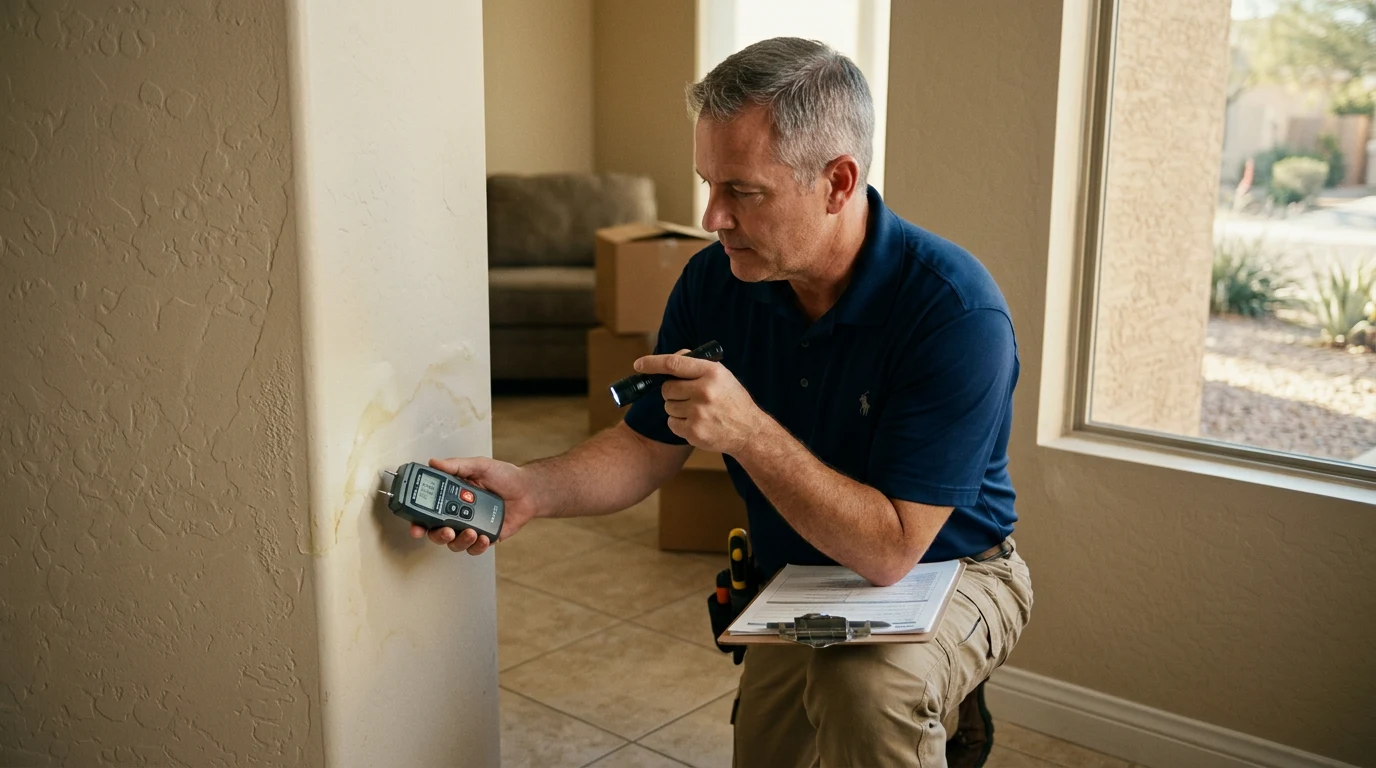
A professional mold inspection in Phoenix follows a systematic approach designed to identify potential moisture sources and mold growth in your home. The process typically begins with a thorough visual assessment, where the inspector examines all accessible areas including bathrooms, kitchens, basements, crawl spaces, and attics. In Phoenix homes, special attention is paid to HVAC systems, particularly AC condensate drain lines which are notorious for creating moisture problems in the desert climate.
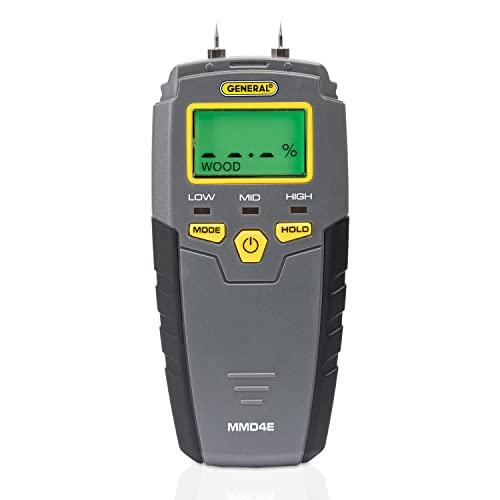
The inspector uses professional-grade moisture meters and infrared cameras to create a moisture map of your home. These tools detect hidden moisture behind walls, under flooring, and in ceiling areas that may not be visible to the naked eye. In Phoenix’s stucco and block construction homes, this technology is crucial for identifying water intrusion through cracks or failed seals that commonly occur after monsoon season flooding.
Air sampling involves collecting indoor air samples using specialized equipment and comparing spore counts to outdoor baseline levels. The inspector typically takes samples from multiple rooms, including areas of concern and control areas. Surface sampling may be performed using tape-lift or swab methods on suspected mold growth areas. These samples are sent to an accredited laboratory following American Industrial Hygiene Association standards for analysis.
The entire inspection process takes 1-3 hours depending on the size of your home and the number of areas requiring detailed assessment. The inspector documents findings with photographs and detailed notes. Within 24-48 hours, you’ll receive a comprehensive written report that includes lab results, moisture readings, photographic evidence, and specific recommendations for remediation if mold is found. The report also provides a remediation protocol that certified contractors can follow if professional cleanup is needed.
Mold Inspector Certification and Licensing Requirements in AZ
Arizona does not currently require state licensing for mold inspectors, which makes it even more important for homeowners to verify professional certifications. The most recognized certification is from the American Council for Accredited Certification (ACAC), which offers the Certified Microbial Consultant (CMC) credential. This certification requires extensive training, testing, and continuing education in mold assessment and indoor air quality.
The Institute of Inspection Cleaning and Restoration Certification (IICRC) offers the Applied Microbial Remediation Technician (AMRT) certification, though this is more commonly held by remediation professionals. The National Association of Mold Professionals (NAMP) provides another respected certification program that covers mold inspection protocols and industry standards.
It’s crucial to understand the difference between a certified mold inspector, mold assessor, and mold remediator. Mold inspectors conduct initial assessments to determine if mold is present, while mold assessors typically handle more complex industrial or commercial assessments. Mold remediators perform the actual cleanup work. In Phoenix, the same company should never provide both inspection and remediation services to avoid conflicts of interest.
Professional mold inspectors should carry both errors and omissions (E&O) insurance and general liability insurance. E&O insurance protects you if the inspector makes mistakes in their assessment that lead to additional costs. General liability covers property damage that might occur during the inspection process. Always request proof of insurance before hiring an inspector, and verify that coverage is current and adequate for your property value.
Red Flags When Hiring a Mold Inspector in Phoenix
The biggest red flag when hiring a mold inspector is finding one who also offers remediation services. This creates an inherent conflict of interest where the inspector has financial incentive to find mold problems that require expensive cleanup. Legitimate mold inspectors maintain independence from remediation companies and should provide unbiased assessments based solely on scientific evidence.
Be wary of inspectors who cannot or will not share their certifications and credentials. Professional mold inspectors are proud of their training and should readily provide proof of certification, insurance, and references from recent Phoenix-area inspections. Unlicensed or uncertified inspectors may lack the knowledge to properly assess Phoenix’s unique mold challenges, particularly issues related to monsoon flooding and HVAC condensation problems.

High-pressure tactics or scare tactics about “toxic mold” without proper laboratory confirmation are major warning signs. Professional inspectors present findings objectively and let laboratory results guide their recommendations. They don’t use fear-based language to pressure homeowners into immediate action or expensive remediation contracts.
Unusually low prices often indicate corners being cut in the inspection process. A thorough mold inspection requires time, professional equipment, and laboratory analysis. Inspectors offering significantly below-market rates may skip air sampling, surface testing, or comprehensive moisture mapping. Remember that the cost of a proper inspection ($200-$450) is minimal compared to potential remediation costs if problems are missed or misdiagnosed.
Questions to Ask Before Hiring a Mold Inspector
Start by asking about certifications and credentials. A professional inspector should hold current certifications from recognized organizations like ACAC, IICRC, or NAMP. Ask to see proof of certification and verify that continuing education requirements are being met. In Phoenix, also ask about the inspector’s experience with desert climate mold issues and familiarity with common construction types in the area.
Confirm that the inspector is completely independent from remediation companies. Ask directly: “Do you or your company also perform mold remediation?” The answer should be a clear “no.” Also inquire about any financial relationships with remediation contractors, as some inspectors may receive referral fees that could influence their recommendations.
Understand exactly what the inspection includes. Ask about visual inspection scope, moisture testing methods, air sampling procedures, and surface testing protocols. Clarify what is not included in the base fee, such as additional air samples, ERMI testing, or follow-up clearance testing after remediation.
Inquire about the laboratory used for sample analysis and confirm it meets AIHA accreditation standards. Ask about turnaround time for results and what the written report will include. A comprehensive report should contain photographs, moisture readings, lab results, and specific remediation protocols if mold is found. Finally, confirm insurance coverage and request proof of both E&O and general liability insurance before scheduling the inspection.
What Happens After the Mold Inspection
Once laboratory results are complete, typically within 3-5 business days, the inspector provides a comprehensive written report detailing all findings. The report includes spore counts, moisture readings, photographic documentation, and specific recommendations based on the severity of any mold issues discovered. In Phoenix’s low-humidity environment, minor mold findings may only require addressing moisture sources and monitoring rather than full remediation.
If significant mold is found, the inspector provides a detailed remediation protocol that certified contractors can follow. It’s important to get quotes from 2-3 different mold remediation companies to ensure fair pricing and appropriate scope of work. Remember that the inspector who found the mold should not be involved in the cleanup to maintain objectivity.
After remediation is complete, post-remediation verification testing (also called clearance testing) confirms that the cleanup was successful. This involves air sampling to verify that spore counts have returned to normal levels. The clearance testing should be performed by an independent inspector, not the remediation company that performed the work.

The timeline from initial inspection to completed remediation varies depending on the scope of work needed. Minor issues like small bathroom mold might be resolved within a week, while extensive water damage remediation could take several weeks. In Phoenix, most residential mold issues are relatively minor due to the dry climate, so remediation is often completed quickly once moisture sources are addressed.
Mold Inspection Cost Breakdown in Phoenix
Understanding the cost structure of mold inspections helps Phoenix homeowners budget appropriately and avoid overpaying for services. Basic visual inspections with moisture readings typically cost $200-$300 and provide valuable information about potential problem areas. However, visual inspection alone cannot definitively identify mold species or concentration levels.
| Service Type | Cost Range | What’s Included |
|---|---|---|
| Visual Inspection Only | $150 – $250 | Moisture readings, written report |
| Air Sampling (per sample) | $75 – $125 | Spore trap analysis, lab results |
| Surface/Tape Lift Sampling | $50 – $100 | Species identification, concentration |
| ERMI Testing | $300 – $400 | Comprehensive mold analysis |
| Post-Remediation Clearance | $200 – $350 | Verification air sampling |
| Complete Inspection Package | $300 – $500 | Visual + air + surface sampling |
Air sampling using spore traps provides quantitative data about mold spore concentrations in your home’s air. Most inspectors take 2-3 air samples (indoor and outdoor control) at $75-$125 per sample. Surface sampling helps identify specific mold species and is particularly useful when visible growth is present.
ERMI (Environmental Relative Moldiness Index) testing is a more comprehensive analysis that looks for 36 different mold species and provides a moldiness score for your home. This testing costs $300-$400 but provides the most detailed information about your home’s mold ecology. Post-remediation clearance testing ensures that cleanup efforts were successful and typically costs $200-$350, depending on the number of areas that need verification.
How to Prepare Your Home for a Mold Inspection
Proper preparation ensures the most accurate inspection results and helps the inspector work efficiently. If you suspect mold growth in specific areas, do not attempt to clean or disturb these areas before the inspection. Cleaning can remove surface mold that provides important clues about moisture sources and contamination extent.
For air sampling accuracy, keep windows and doors closed for at least 24 hours before the inspection. This allows indoor air to stabilize and provides more representative spore count readings. Turn off air purifiers and avoid using cleaning products or air fresheners that might affect air quality readings.
Make all areas of your home accessible to the inspector. Move furniture away from walls in suspect areas, open closet doors, and ensure access to utility rooms, basements, and attic spaces. Clear pathways to HVAC equipment, water heaters, and other mechanical systems that the inspector needs to examine.
Gather relevant documentation including maintenance records, previous inspection reports, insurance claims for water damage, and notes about any areas of concern. If you’ve noticed musty odors, water stains, or other potential mold indicators, make a list to share with the inspector. This background information helps focus the inspection on the most likely problem areas and ensures nothing important is overlooked.
When to Get a Second Opinion on Mold Inspection Results
Consider seeking a second opinion if there are significant discrepancies between your inspector’s findings and recommendations from remediation contractors. Sometimes remediation companies may suggest more extensive work than necessary, while other times an inspector might miss problems that contractors identify during their assessment.
Unusually high or low spore counts compared to typical Phoenix levels warrant additional investigation. Phoenix’s desert climate naturally suppresses mold growth, so extremely high indoor spore counts may indicate significant moisture problems or testing errors. Conversely, if you have obvious moisture issues but testing shows normal spore levels, the sampling may not have captured the full extent of the problem.
If an inspection was performed without proper air or surface sampling, particularly if only a visual assessment was conducted, consider getting more comprehensive testing. Visual inspection alone cannot definitively identify mold species or concentration levels. When buying a home, if the seller’s mold inspection seems incomplete or was performed by someone with potential conflicts of interest, an independent second opinion protects your investment.
Trust your instincts if recommended remediation seems excessive for Phoenix’s typically minor mold issues. In the desert climate, most residential mold problems are localized and relatively easy to address once moisture sources are controlled. Recommendations for extensive remediation costing tens of thousands of dollars should be carefully scrutinized and verified through independent assessment.
Frequently Asked Questions
How much does a mold inspection cost in Phoenix?
A professional mold inspection in Phoenix, AZ typically costs $200 – $450. This includes a visual assessment, moisture readings with professional-grade meters, and may include air sampling or surface swabs sent to an accredited lab.
Do I need a mold inspection before buying a home in Phoenix?
A mold inspection is not required for home purchases in AZ, but it’s strongly recommended given Phoenix, AZ’s low mold risk. The inspection cost of $200 – $450 is minimal compared to potential remediation costs of $1,000 – $3,000 or more.
What certifications should a Phoenix mold inspector have?
Look for certifications from the ACAC (American Council for Accredited Certification), IICRC (Institute of Inspection Cleaning and Restoration Certification), or state licensing if required. They should carry errors and omissions insurance and general liability insurance.
How long does a mold inspection take in Phoenix?
A thorough mold inspection in a typical Phoenix, AZ home takes 1-3 hours depending on the size of the home and number of problem areas. Lab results for air or surface samples typically take 3-5 business days.

How often should Phoenix homeowners get mold inspections?
Due to Phoenix’s low humidity and minimal rainfall, routine mold inspections are generally not necessary unless there’s been water damage, HVAC problems, or monsoon flooding. Most Phoenix homeowners only need inspections when buying a home, after water incidents, or if mold symptoms are suspected.
Can I do my own mold testing instead of hiring an inspector?
DIY mold test kits can provide basic information about mold presence for $30-$50, but they cannot replace professional inspection. Professional inspectors have specialized equipment, training, and access to accredited laboratories that provide more comprehensive and accurate results than home test kits.
What’s the difference between mold testing and mold inspection?
Mold testing typically refers to laboratory analysis of air or surface samples to identify mold species and concentrations. Mold inspection is a comprehensive assessment that includes visual examination, moisture detection, and may include testing. Professional inspections provide context and recommendations that testing alone cannot offer.
Are mold inspections required by law in Arizona?
Arizona has no specific laws requiring mold inspections. However, the Arizona Residential Landlord and Tenant Act requires habitable conditions, and Maricopa County has additional housing regulations. Real estate transactions may require mold inspections depending on lender or contract requirements.
What happens if mold is found during a home inspection?
If mold is discovered during a home inspection, the inspector provides a detailed remediation protocol. Buyers can negotiate with sellers for remediation costs, request professional cleanup before closing, or adjust the purchase price. In Phoenix’s dry climate, most residential mold issues are relatively minor and easily addressed.
Should the same company do both mold inspection and remediation?
No, the same company should never perform both mold inspection and remediation services as this creates a conflict of interest. Independent inspectors provide unbiased assessments, while remediation companies should be selected separately based on the inspection findings and remediation protocol.
What are common signs of mold in a Phoenix home?
In Phoenix’s dry climate, visible mold growth often appears as discolored patches (black, green, or white) on walls, ceilings, or around plumbing fixtures, especially in areas with infrequent air conditioning use or water leaks. A persistent musty odor, even without visible mold, is another strong indicator, particularly in enclosed spaces like cabinets or attics where humidity might be trapped.
Can I get a mold inspection if I only suspect mold, but don’t see it?
Absolutely, many professional mold inspections in Phoenix are conducted based solely on a musty smell or unexplained allergy symptoms, even without visible mold. Inspectors use specialized equipment like moisture meters and thermal cameras to detect hidden moisture sources that often precede or accompany unseen mold growth, particularly behind walls or under flooring.
Related Guides
These statements have not been evaluated by the Food and Drug Administration. This information is not intended to diagnose, treat, cure, or prevent any disease. Content is for informational purposes only and is not medical advice; consult a qualified healthcare provider before starting any supplement. As an Amazon Associate we earn from qualifying purchases.