Best Mold Inspectors in Orlando, FL: How to Choose (2026)
Finding a qualified mold inspector in Orlando, FL is crucial for protecting your home and family. With Orlando, FL’s high mold risk profile (73% average humidity, 50.7 inches of annual rainfall), knowing how to choose the right inspector can save you thousands in unnecessary remediation costs.
Our reviews are based on aggregated verified buyer feedback, manufacturer specifications, ingredient analysis, and published expert opinion. Products are not independently purchased or tested by our team. We may earn a commission if you purchase through our links, at no extra cost to you. How We Review
Orlando Mold Risk Profile
| Factor | Detail |
|---|---|
| Mold Risk Rating | High |
| Climate Zone | Humid subtropical |
| Average Humidity | 73% |
| Annual Rainfall | 50.7 inches |
| Avg Inspection Cost | $300 – $600 |
| Avg Remediation Cost | $1,500 – $5,000 |
Why Orlando Homes Need Mold Inspections
Summer rainy season with daily afternoon storms, high water table, many lakes raise ambient humidity, AC systems run 8+ months per year
Did you know? Orlando averages 233 sunny days per year, but also receives more rain than Seattle. The daily summer thunderstorm pattern creates a cycle of intense moisture and heat that’s ideal for mold growth.
Orlando-Specific Mold Concerns
Orlando’s afternoon thunderstorms raise humidity dramatically. If your AC struggles to keep up, it may not be removing enough moisture. Consider adding a whole-home dehumidifier supplementing your HVAC.
Common housing in Orlando, FL includes block construction, stucco finish, many newer communities, townhomes and condos. Each housing type has unique mold vulnerabilities that an experienced local inspector will know to check.
What a Professional Mold Inspection Includes
- Visual inspection: Systematic check of all rooms, focusing on moisture-prone areas (bathrooms, kitchen, basement, crawl space, attic)
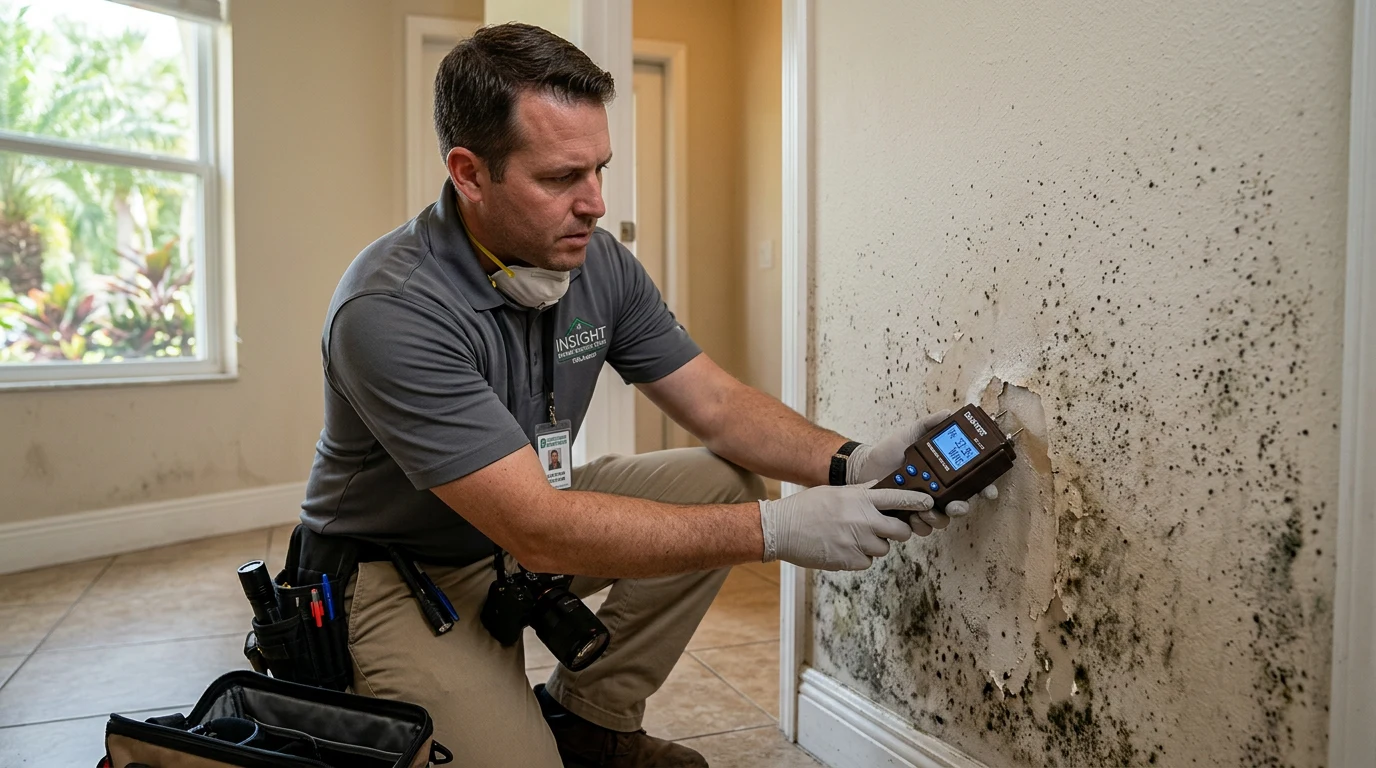
- Moisture readings: Professional-grade moisture meters to detect hidden moisture in walls, floors, and ceilings
- Air sampling: Indoor vs. outdoor spore count comparison to determine if mold levels are elevated
- Surface sampling: Swab or tape-lift samples from suspect areas, sent to an accredited lab
- Humidity assessment: Check HVAC performance, ventilation, and recommend a dehumidifier if needed
- Written report: Detailed findings with photos, lab results, and remediation recommendations
How to Choose a Mold Inspector in Orlando
- Check certifications: ACAC, IICRC, or state license (if FL requires it)
- Verify independence: The inspector should NOT also offer remediation services (conflict of interest)
- Ask about lab accreditation: Samples should go to an AIHA (American Industrial Hygiene Association) accredited lab
- Request references: Ask for recent Orlando-area inspection references
- Confirm insurance: Errors and omissions (E&O) insurance and general liability
- Get a written scope: Know exactly what the inspection covers before agreeing
Red Flags When Choosing a Mold Inspector
- Inspector also offers remediation services (conflict of interest)
- No certifications or unwilling to share credentials
- Pressure to sign a remediation contract immediately
- Extremely low price (may skip air/surface sampling)
- No written report included
- Uses scare tactics about “toxic mold” without lab confirmation
Questions to Ask Before Hiring
- What certifications do you hold?
- Are you independent from remediation companies?
- Which accredited lab do you use for samples?
- What does your inspection include, and what’s not included?
- How soon will I receive the written report?
- Do you carry E&O insurance?
- Are you familiar with Orlando’s common housing types and mold patterns?
FL Mold Laws and Regulations
Florida Statute 404.056 requires licensed mold assessors and remediators. Condo associations have specific mold disclosure obligations.
DIY Mold Testing: When It Makes Sense
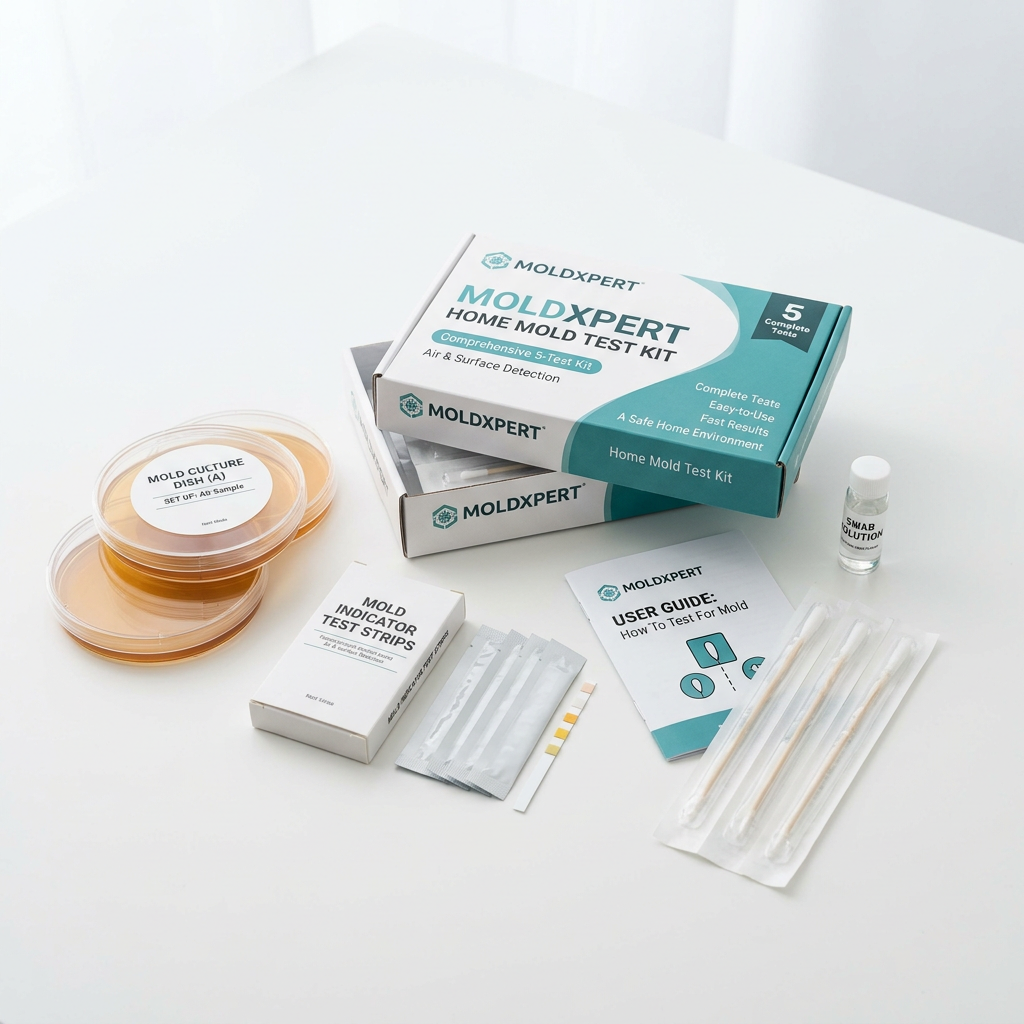
If you’re not ready for a professional inspection, a home mold test kit can give you initial information. These kits cost $30-$50 and can confirm whether mold is present, though they don’t replace a professional assessment. Read our complete mold testing guide for more information on when to test for mold.
What to Expect During a Mold Inspection in Orlando
A professional mold inspection in Orlando follows a systematic approach to identify potential mold issues. Understanding the process helps homeowners prepare and know what to expect from qualified inspectors.
The inspection begins with a visual assessment of all accessible areas. Inspectors systematically examine each room, paying special attention to moisture-prone areas common in Orlando homes. They look for visible mold growth, water stains, discoloration on walls or ceilings, and signs of water damage around windows, doors, and HVAC systems. In Orlando’s block construction homes, inspectors focus on areas where moisture can penetrate through exterior walls or accumulate due to poor ventilation.
Professional moisture meters and infrared cameras help detect hidden moisture behind walls, under flooring, and in ceiling cavities. This technology is particularly valuable in Orlando, where afternoon thunderstorms can cause water intrusion that isn’t immediately visible. Moisture mapping creates a comprehensive picture of current and potential problem areas throughout the home.
Air sampling typically involves collecting indoor and outdoor samples to compare spore counts. This helps determine if indoor mold levels are elevated compared to the natural outdoor environment. Surface sampling through tape lifts or swabs may be taken from suspect areas to identify specific mold species present. An ERMI test might be recommended for comprehensive species identification in some cases.
The entire inspection process typically takes 1-3 hours depending on the home’s size and number of areas requiring detailed examination. Inspectors document findings with photographs and detailed notes. The written report, usually delivered within 3-5 business days, includes all findings, lab results, moisture readings, and specific recommendations for addressing any issues identified.
Mold Inspector Certification and Licensing Requirements in FL
Florida has specific requirements for mold professionals that homeowners should understand when selecting an inspector. Florida Statute 404.056 establishes licensing requirements for mold assessors and remediators, ensuring qualified professionals handle mold-related services.
Certified mold inspectors should hold credentials from recognized organizations. The American Council for Accredited Certification (ACAC) offers the Council-Certified Microbial Consultant (CMC) credential, widely recognized in the industry. The Institute of Inspection, Cleaning and Restoration Certification (IICRC) provides the Applied Microbial Remediation Technician (AMRT) certification. The National Association of Mold Professionals (NAMP) also offers respected certifications.
Understanding the difference between roles is important. A mold inspector or assessor evaluates properties and identifies mold issues but doesn’t perform remediation work. This separation prevents conflicts of interest. Mold remediators handle the actual cleanup and removal process. Some professionals hold multiple certifications, but ethical practice requires they remain independent when providing inspection services.
Professional mold inspectors should carry errors and omissions (E&O) insurance and general liability insurance. E&O insurance protects homeowners if the inspector makes errors in their assessment or recommendations. General liability insurance covers property damage that might occur during the inspection process.
Florida homeowners should always verify credentials before hiring a mold inspector. Request to see certification documents and insurance certificates. Legitimate professionals willingly share their qualifications and provide references from recent inspections in the Orlando area.
Red Flags When Hiring a Mold Inspector in Orlando
Several warning signs indicate an unqualified or unethical mold inspector. The most significant red flag is an inspector who also offers remediation services. This creates an obvious conflict of interest, as the inspector profits more by finding problems that require expensive remediation. Reputable inspectors maintain independence from remediation companies.
Avoid inspectors who refuse to provide a detailed written report. Professional inspections always include comprehensive documentation with photographs, moisture readings, lab results, and specific recommendations. Verbal assessments or vague findings suggest the inspector lacks proper training or is cutting corners.
Pressure tactics and scare tactics are major warning signs. Legitimate inspectors present findings objectively without using fear-based language about “toxic mold” or demanding immediate remediation contracts. They provide facts and recommendations, allowing homeowners to make informed decisions.
Unusually low prices often indicate shortcuts in the inspection process. While competitive pricing is normal, prices significantly below the Orlando average of $300-$600 may mean the inspector skips important steps like air sampling or surface testing. Quality inspections require time, proper equipment, and laboratory analysis, all of which have associated costs.
Lack of proper insurance or bonding poses financial risks to homeowners. Uninsured inspectors cannot cover damages or errors, leaving property owners vulnerable to losses from inadequate or incorrect assessments.
Questions to Ask Before Hiring a Mold Inspector
Asking the right questions helps identify qualified, professional mold inspectors. Start by requesting specific information about certifications and training. Ask which organizations provided their credentials and when certifications were last renewed. Legitimate inspectors proudly share their qualifications and continuing education efforts.
Confirm the inspection scope and what services are included in the quoted price. Ask whether air sampling, surface sampling, moisture readings, and a written report are part of the standard inspection. Some inspectors charge additional fees for laboratory testing or detailed reports, so clarify all costs upfront.
Verify that the inspector operates independently from remediation companies. Ask directly if they provide remediation services or receive referral fees from specific remediation companies. Ethical inspectors maintain clear boundaries between assessment and remediation services.
Inquire about their testing methods and laboratory partnerships. Professional inspectors use accredited laboratories for sample analysis and can explain their sampling protocols. Ask how long results take and what the report will include.
Request references from recent Orlando-area inspections. Qualified inspectors maintain good relationships with past clients and can provide contact information for references. Also ask about their experience with Orlando’s specific housing types and common mold issues in the region.
What Happens After the Mold Inspection
Understanding the post-inspection process helps homeowners navigate next steps effectively. The written report arrives within 3-5 business days and contains detailed findings, photographs, laboratory results, and specific recommendations. Take time to thoroughly review all sections before making decisions.
Not every mold finding requires immediate remediation. Minor surface mold in bathrooms might be addressed with proper cleaning and improved ventilation. However, extensive growth, elevated air samples, or mold in HVAC systems typically require professional remediation. The inspector’s report should clearly distinguish between issues requiring professional attention and those homeowners can address themselves.
When professional mold remediation is recommended, obtain quotes from 2-3 qualified remediation companies. Compare not just pricing but also proposed work scope, timeline, and warranties offered. Reputable remediators provide detailed written protocols based on the inspection findings.
Post-remediation verification testing, also called clearance testing, confirms successful remediation. This should be performed by an independent inspector, not the remediation company. Clearance testing typically costs $200-$400 and ensures the remediation was effective before reconstruction begins.
The timeline from initial inspection to completed remediation varies significantly based on the extent of mold issues. Minor remediation might be completed in 2-3 days, while extensive problems could require 1-2 weeks or more. Factor in time for obtaining permits, insurance approvals, and scheduling all necessary work phases.
Mold Inspection Cost Breakdown in Orlando
Understanding mold inspection pricing helps Orlando homeowners budget appropriately and identify fair pricing from qualified inspectors. Costs vary based on home size, inspection scope, and testing requirements, but typical ranges provide useful guidance.
| Inspection Type | Orlando Cost Range | What’s Included |
|---|---|---|
| Visual Inspection Only | $200 – $350 | Visual assessment, moisture readings, basic report |
| Standard Inspection + Air Sampling | $350 – $500 | Visual assessment, 2-3 air samples, lab analysis |
| Comprehensive Inspection | $450 – $650 | Visual assessment, air samples, surface samples, detailed report |
| Additional Air Sample | $75 – $125 | Per additional sample beyond standard package |
| Surface/Tape Lift Sample | $50 – $100 | Per surface sample for species identification |
| ERMI Testing | $300 – $500 | Environmental Relative Moldiness Index test |
| Post-Remediation Clearance | $250 – $400 | Verification testing after remediation |
Visual inspections alone provide limited value, as they cannot detect hidden mold or quantify airborne spore levels. Most Orlando homeowners benefit from standard inspections including air sampling, which provides objective data about indoor air quality compared to outdoor baseline levels.
ERMI testing offers comprehensive analysis of 36 mold species but costs significantly more than standard air sampling. This specialized testing is typically recommended for homes with chronic mold issues, health concerns, or when detailed species identification is needed for insurance or legal purposes.
Post-remediation clearance testing is essential after professional mold remediation. While it adds to overall costs, clearance testing provides objective verification that remediation was successful and the property is safe for reoccupation.
How to Prepare Your Home for a Mold Inspection
Proper preparation ensures accurate inspection results and maximizes the value of professional assessment. Start by avoiding cleaning or disturbing suspected mold areas for at least 48 hours before the inspection. Cleaning can temporarily reduce surface mold and airborne spores, potentially masking problems the inspector needs to identify.
Close all windows and exterior doors 24 hours before air sampling to stabilize indoor conditions. Turn off air purifiers, fans, and any air cleaning devices during this period. These devices can artificially reduce airborne spore counts, leading to inaccurate test results.
Make all areas of the home accessible to the inspector. Move furniture away from exterior walls, open closet doors, and clear access to utility areas, attics, and crawl spaces. Inspectors need to examine all areas where mold typically develops, including spaces that are normally closed off.
Gather relevant documentation including maintenance records, previous inspection reports, insurance claims for water damage, and any history of plumbing leaks or roof repairs. This information helps inspectors understand the property’s moisture history and focus attention on previously problematic areas.
Note any areas of concern to discuss with the inspector, such as musty odors, visible discoloration, or rooms where family members experience respiratory symptoms. Your observations provide valuable context for the professional assessment.
When to Get a Second Opinion on Mold Inspection Results
Second opinions are valuable when inspection results seem inconsistent or recommendations appear excessive. If a remediation company’s assessment differs significantly from an independent inspector’s findings, seek additional evaluation from another certified professional.
Unusually high or low spore counts warrant verification, especially if they don’t align with visible conditions or occupant symptoms. Laboratory errors, sampling mistakes, or contaminated samples can produce misleading results that affect remediation decisions and costs.
When inspection results recommend extensive remediation costing thousands of dollars, independent verification protects against unnecessary work. Some unethical companies use inflated findings to justify expensive remediation projects, making second opinions a wise investment.
Home purchase situations often benefit from independent inspection verification, especially if the seller’s inspection seems incomplete or if buyers have concerns about the thoroughness of previous assessments. The cost of a second opinion is minimal compared to potential remediation expenses or health risks from undetected mold issues.
Common Mold Questions in Orlando
Why is mold so common in Orlando homes?
Orlando’s combination of high humidity (73% average), frequent rainfall (50.7 inches annually), and warm temperatures creates ideal conditions for mold growth. The daily summer thunderstorm pattern cycles between intense moisture and heat, while AC systems running 8+ months yearly can create condensation issues if not properly maintained. Block construction with stucco finish, common in Orlando, can trap moisture when not adequately sealed or ventilated.
Does my Orlando condo association handle mold issues?
Condo associations in Florida have specific mold disclosure obligations under state law, but responsibility for mold issues depends on location and cause. Associations typically handle mold in common areas, building envelope problems, or issues caused by association-maintained systems like roofing or plumbing. Unit owners usually handle mold within their individual units caused by lifestyle factors, personal property, or unit-specific maintenance issues. Review your condo documents and consult the association board for clarification on specific situations.
How do I prevent mold during Orlando’s rainy season?
Maintain indoor humidity below 60% using dehumidifiers and proper AC operation. Ensure gutters and downspouts direct water away from the foundation. Check and seal windows, doors, and exterior walls regularly. Use exhaust fans in bathrooms and kitchens during and after use. Address any water leaks immediately – in Orlando’s climate, mold can begin growing within 24-48 hours. Consider adding a whole-home dehumidifier if your AC system struggles to control humidity during afternoon storms.
Frequently Asked Questions
How much does a mold inspection cost in Orlando?
A professional mold inspection in Orlando, FL typically costs $300 – $600. This includes a visual assessment, moisture readings with professional-grade meters, and may include air sampling or surface swabs sent to an accredited lab.
Do I need a mold inspection before buying a home in Orlando?
A mold inspection is not required for home purchases in FL, but it’s strongly recommended given Orlando, FL’s high mold risk. The inspection cost of $300 – $600 is minimal compared to potential remediation costs of $1,500 – $5,000 or more.
What certifications should a Orlando mold inspector have?
Look for certifications from the ACAC (American Council for Accredited Certification), IICRC (Institute of Inspection Cleaning and Restoration Certification), or state licensing if required. They should carry errors and omissions insurance and general liability insurance.
How long does a mold inspection take in Orlando?
A thorough mold inspection in a typical Orlando, FL home takes 1-3 hours depending on the size of the home and number of problem areas. Lab results for air or surface samples typically take 3-5 business days.
How often should Orlando homeowners get mold inspections?
Orlando homeowners should consider mold inspections annually due to the high humidity and frequent storms. However, inspections are most important after water damage, before home purchases, when selling a home, or if occupants experience unexplained respiratory symptoms. Homes with previous mold issues may benefit from more frequent monitoring.
Can I do my own mold testing instead of hiring an inspector?
While home mold test kits can provide basic information about mold presence, they cannot replace professional inspections. DIY tests don’t include visual assessment by trained professionals, moisture mapping, or comprehensive reporting. For Orlando’s complex mold challenges, professional inspection provides better value and more accurate results.
What’s the difference between mold testing and mold inspection?
Mold testing typically refers to laboratory analysis of air or surface samples to identify mold species and concentrations. Mold inspection is a comprehensive assessment that includes visual examination, moisture detection, testing when appropriate, and professional interpretation of results. A complete mold inspection provides more value than testing alone.
Are mold inspections required by law in FL?
Florida law does not require mold inspections for home sales or ownership. However, Florida Statute 404.056 requires licensed professionals for mold assessment and remediation services. Condo associations have specific disclosure obligations regarding mold issues, and some insurance policies may require professional inspection before covering mold-related claims.
What happens if mold is found during a home inspection?
If mold is discovered during a home inspection, the inspector will document findings and may recommend professional mold assessment for detailed evaluation. Buyers can request seller remediation, negotiate price reductions, or withdraw offers depending on contract terms. In Orlando’s high-risk environment, professional evaluation helps determine if issues are minor cosmetic problems or significant concerns requiring remediation.