Mold in HVAC Ducts: Detection, Cleaning, and Prevention
Dealing with mold in air ducts is a common challenge for homeowners. HVAC Ducts is found throughout homes, and when moisture gets involved, mold can take hold quickly. This guide covers everything you need to know about identifying, removing, and preventing mold on hvac ducts, including when you can handle it yourself and when to call a professional. According to EPA Mold Testing Guide, controlling moisture is the key to preventing mold growth on all building materials.
Our reviews are based on aggregated verified buyer feedback, manufacturer specifications, ingredient analysis, and published expert opinion. Products are not independently purchased or tested by our team. We may earn a commission if you purchase through our links, at no extra cost to you. How We Review
Why Does Mold Grow on HVAC Ducts?
HVAC ducts carry conditioned air, and condensation forms when warm air meets cool duct surfaces. Dust and debris inside ducts provide food. Flexible ductwork sags and collects moisture. Dirty evaporator coils and drain pans spread mold spores throughout the system.
How to Identify Mold on HVAC Ducts
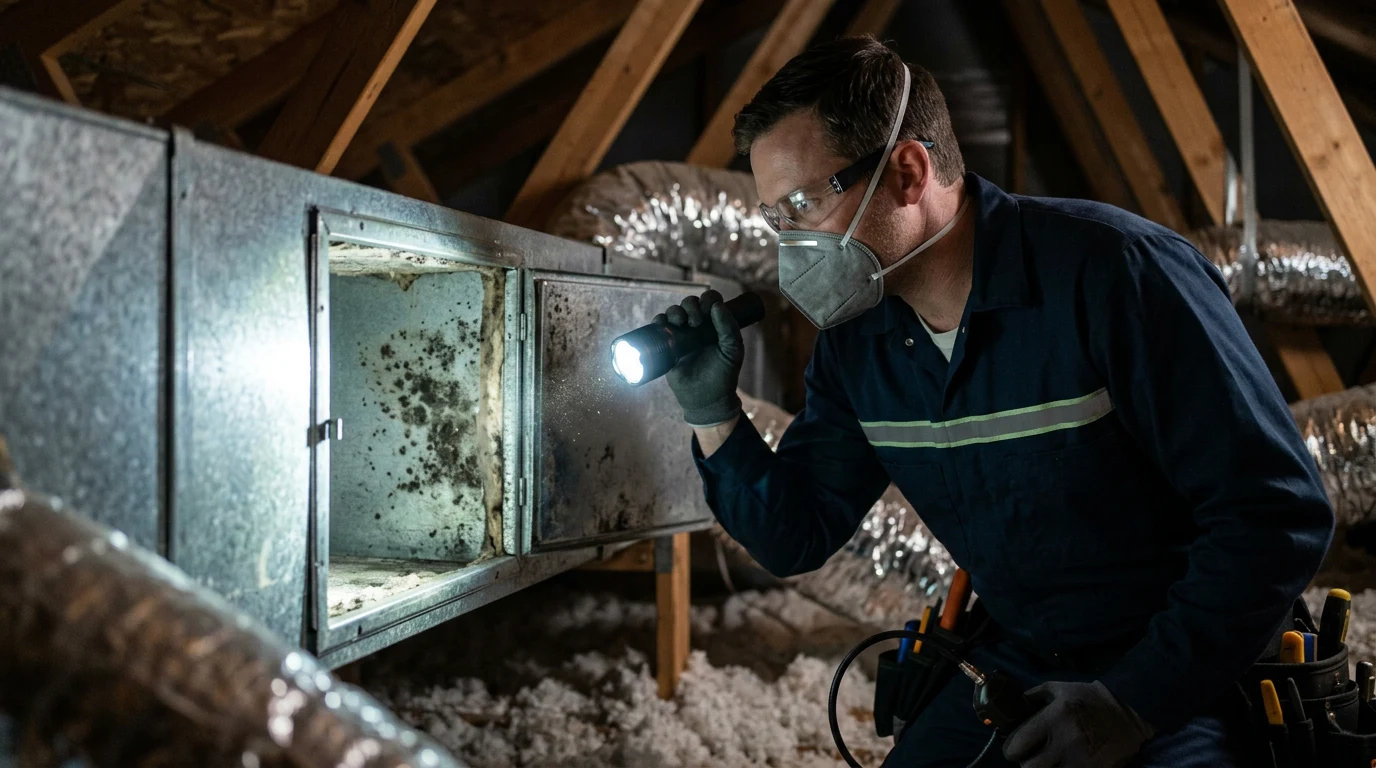
Musty smell when HVAC runs, visible mold around supply vents or return grilles, black spots on vent covers, allergy symptoms that worsen when HVAC is operating. Professional duct inspection with a camera is the definitive test.
Removal difficulty: High (professional recommended)
Can You Save Moldy HVAC Ducts?
Metal ductwork can be cleaned and treated. Flexible ductwork (flex duct) with mold should usually be replaced, as the interior lining can’t be fully cleaned.
How to Remove Mold from HVAC Ducts: Step-by-Step
Follow these steps carefully to remove mold from hvac ducts safely and effectively. Always prioritize safety by wearing appropriate protective gear.
Step 1: Turn off the HVAC system
Step 2: Have a professional HVAC contractor inspect ducts with a camera
Step 3: If mold is confirmed, professional duct cleaning with HEPA vacuum and antimicrobial treatment
Step 4: Replace flex duct if contaminated
Step 5: Clean evaporator coil and drain pan (often the source)
Step 6: Install UV-C light in the air handler to prevent future growth
Step 7: Replace air filter and upgrade to MERV-13 minimum
Recommended Products for HVAC Ducts Mold Removal
These products are recommended for treating mold on hvac ducts based on verified buyer reviews and manufacturer specifications:
How to Prevent Mold on HVAC Ducts
Change HVAC filters regularly (monthly during heavy use). Have evaporator coils and drain pan cleaned annually. Insulate ducts in unconditioned spaces to prevent condensation. Consider UV-C light installation in the air handler.
DIY vs. Professional Remediation
Professional recommended. DIY is limited to cleaning vent covers and changing filters. Full duct cleaning requires specialized equipment.
Tools and Materials You’ll Need
HVAC duct mold remediation requires specialized equipment that most homeowners don’t have access to. While professional remediation is strongly recommended, these tools and materials are essential for any work involving mold-contaminated ductwork. Safety equipment is particularly critical since disturbing mold in ducts can release spores throughout the entire home’s air system.
| Tool/Material | Purpose | Where to Buy |
|---|---|---|
| N95 Respirator | Protects against inhaling mold spores during inspection and cleaning | Amazon |
| HEPA Vacuum | Essential for removing mold spores without spreading contamination | Amazon |
| Moisture Meter | Measures moisture levels in ducts and surrounding areas to identify source | Amazon |
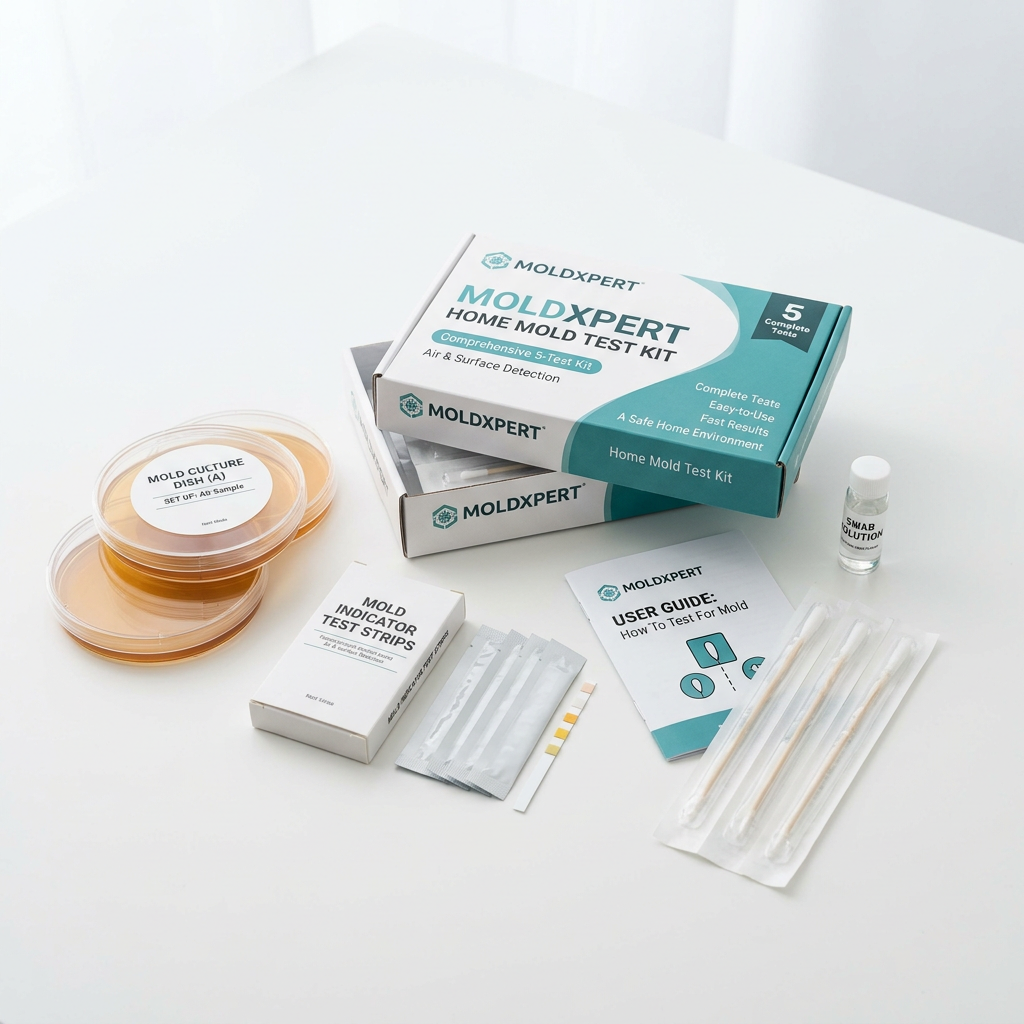
| Mold Test Kit | Confirms presence of mold before beginning expensive remediation process | Amazon |
| Concrobium Mold Control | Professional-grade antimicrobial treatment for metal ductwork surfaces | Amazon |
| Dehumidifier | Controls moisture levels during and after remediation process | Amazon |
Professional HVAC contractors will also use specialized duct cleaning equipment including rotary brushes, compressed air tools, and commercial-grade HEPA filtration systems that aren’t available to consumers. The complexity and expense of proper equipment is one reason why professional remediation is recommended for HVAC duct mold issues.
Detailed Step-by-Step Removal Process for HVAC Ducts
Professional HVAC duct mold remediation follows a systematic process designed to eliminate contamination while preventing cross-contamination to clean areas. Each step requires specific techniques and safety precautions that only trained professionals can properly execute.
Step 1: System Shutdown and Assessment (30-60 minutes)
The HVAC system must be completely shut down at the main electrical panel, not just the thermostat, to prevent air circulation during the process. Warning: Never attempt remediation with the system running, as this will spread spores throughout the entire home. Professionals use moisture meters to identify the source of water intrusion and document moisture levels exceeding 16% in surrounding materials.
Step 2: Professional Camera Inspection (1-2 hours)
Licensed HVAC contractors insert specialized cameras through access panels to visually inspect the entire ductwork system. This process identifies the extent of mold growth, structural damage to flex ducts, and contamination of the air handler components. Expect to see footage of the interior duct surfaces, with mold appearing as dark patches or fuzzy growth on duct linings.
Step 3: Containment and HEPA Cleaning (4-8 hours)
Professional remediation involves sealing contaminated sections with plastic sheeting and setting up negative air pressure using HEPA vacuum systems. Specialized rotary brushes agitate mold growth while industrial HEPA units capture spores. Warning: Consumer-grade equipment cannot achieve the air changes per hour required for safe remediation. Antimicrobial treatments like Concrobium Mold Control are fogged throughout the system at manufacturer-specified concentrations.
Step 4: Flex Duct Replacement (2-4 hours per section)
Contaminated flexible ductwork cannot be adequately cleaned and must be completely replaced. Professionals carefully remove old flex ducts in sealed plastic bags to prevent spore release. New ductwork is installed with proper support to prevent sagging and future moisture accumulation. Expect 100% replacement of flex ducts with any visible mold growth.
Step 5: Air Handler Component Cleaning (2-3 hours)
The evaporator coil requires specialized coil cleaners and high-pressure washing that can only be performed by licensed HVAC technicians. Drain pans are disinfected with EPA-registered antimicrobials, and condensate lines are cleared and treated. This step often reveals the primary source of mold contamination and requires immediate repair of drainage issues.
Step 6: UV-C Light Installation (1-2 hours)
Professional-grade UV-C lights are installed in the air handler to provide ongoing mold prevention. Proper installation requires electrical work and positioning for maximum effectiveness while ensuring safe operation. These systems typically require annual lamp replacement and professional maintenance.
Step 7: Filter Upgrade and System Testing (30 minutes)
High-efficiency MERV-13 or higher filters are installed to capture mold spores during normal operation. The system is tested for proper airflow, as restrictive filters may require blower motor adjustments. Professional verification ensures the system operates efficiently with the new filtration requirements.
What to Expect: Before, During, and After Removal
Before Remediation: Homeowners typically notice musty odors when the HVAC system operates, increased allergy symptoms, and visible mold growth around supply vents or return grilles. Black or green discoloration on vent covers indicates significant contamination within the ductwork. Professional assessment may reveal moisture readings above 20% in areas surrounding the ductwork, confirming active water intrusion issues that require immediate attention.
During Remediation: The process typically takes 1-3 days depending on the extent of contamination and system size. Expect significant noise from industrial HEPA units and air scrubbers running continuously. The home’s HVAC system will be completely non-functional during this period, requiring alternative heating or cooling arrangements. Contractors will seal off work areas with plastic sheeting, and residents may need to temporarily relocate if contamination is extensive. Daily progress updates should include moisture readings and photographic documentation of cleaned areas.
After Remediation: Successfully remediated ductwork shows no visible mold growth, neutral odors when the system operates, and moisture readings below 15% throughout the system. Post-remediation air quality testing should show spore counts within normal ranges compared to outdoor samples. The HVAC system should operate more efficiently with improved airflow and reduced energy consumption. Homeowners typically report immediate improvement in indoor air quality and reduction in allergy symptoms within 1-2 weeks of completion.
When to Call a Professional vs DIY
HVAC duct mold remediation almost always requires professional intervention due to the specialized equipment needed and the risk of spreading contamination throughout the entire home’s air system. However, understanding the specific criteria for professional remediation versus limited DIY maintenance helps homeowners make informed decisions about their situation.
DIY Approach is Limited to: Cleaning visible mold from exterior vent covers using mold remover sprays, replacing HVAC filters monthly with MERV-13 rated filters, and maintaining proper humidity levels below 50% using dehumidifiers. Homeowners can also perform visual inspections of accessible ductwork and monitor for recurring odors or symptoms. These preventive measures cost approximately $100-300 annually but cannot address existing mold growth within the duct system.
Professional Remediation Required for: Any visible mold growth inside ductwork, musty odors when the HVAC system operates, confirmed mold contamination through professional testing, or health symptoms that correlate with HVAC operation. Professional remediation is also necessary when moisture intrusion affects more than 10 square feet of ductwork or when flex ductwork shows any signs of mold contamination. The specialized equipment required includes commercial HEPA units, rotary brush systems, and antimicrobial fogging equipment that costs tens of thousands of dollars.
| Remediation Type | Cost Range | Timeline | Effectiveness |
|---|---|---|---|
| DIY Prevention Only | $100-300 annually | Ongoing maintenance | Prevents future growth only |
| Professional Duct Cleaning | $800-1,500 | 1-2 days | Effective for metal ducts |
| Full System Remediation | $2,000-5,000 | 2-3 days | Complete contamination removal |
| Duct Replacement | $3,000-8,000 | 3-5 days | Eliminates all contamination |
The cost difference between professional remediation and replacement becomes minimal when extensive flex duct replacement is required. Insurance may cover remediation costs when mold growth results from covered water damage events, making professional intervention more affordable than homeowners initially expect. The ACAC Certification Council recommends professional remediation for any HVAC mold contamination due to the high risk of cross-contamination during improper DIY attempts.
Prevention Strategies for HVAC Ducts
Preventing mold growth in HVAC ducts requires consistent maintenance and moisture control measures that address the root causes of contamination. The enclosed environment of ductwork creates ideal conditions for mold growth when moisture and organic materials combine, making prevention far more cost-effective than remediation.
Monthly Filter Maintenance: High-efficiency filters rated MERV-13 or higher capture mold spores before they can circulate through the system, but they must be replaced monthly during peak heating and cooling seasons. Dirty filters reduce airflow, causing temperature differentials that promote condensation formation on duct surfaces. Homeowners should mark filter replacement dates on calendars and keep spare filters readily available to maintain consistent air filtration.
Annual Professional Maintenance: Licensed HVAC technicians should clean evaporator coils and drain pans annually, as these components are the most common sources of moisture that leads to duct contamination. Professional maintenance includes clearing condensate lines, checking for proper drainage, and inspecting accessible ductwork for early signs of mold growth. This preventive service typically costs $150-300 annually but prevents thousands in remediation costs.
Seasonal Insulation Inspection: Ducts located in unconditioned spaces like attics, basements, and crawl spaces require adequate insulation to prevent condensation formation. Moisture control strategies include sealing duct joints with mastic sealant and ensuring vapor barriers remain intact. Spring and fall inspections should focus on identifying areas where insulation has shifted or degraded, creating cold spots where condensation commonly occurs.
Continuous Monitoring: Installing whole-house humidity monitors helps maintain optimal moisture levels between 30-50% year-round. Dehumidifiers may be necessary in humid climates or homes with inadequate ventilation. UV-C light systems installed in air handlers provide ongoing mold prevention by destroying spores before they can establish growth, with annual lamp replacement ensuring continued effectiveness.
Related Materials and Cross-Contamination
Mold contamination in HVAC ducts rarely occurs in isolation and commonly spreads to adjacent building materials through air circulation and moisture migration. Understanding these contamination patterns helps homeowners address the full scope of mold issues rather than treating only the visible symptoms in ductwork.
Drywall and Insulation Contamination: Moisture from contaminated HVAC ducts frequently spreads to surrounding drywall and insulation materials, particularly around air handler units and duct connections. The combination of high humidity from the HVAC system and organic materials in these building components creates extensive mold growth that requires coordinated remediation efforts. Homeowners often discover that duct mold issues are symptoms of larger moisture problems affecting multiple materials.
Wood Framing and Structural Elements: Wood framing around HVAC equipment and ductwork provides an ideal food source for mold when moisture levels exceed 20%. Condensation from uninsulated ducts commonly affects floor joists, wall studs, and roof rafters in unconditioned spaces. The structural implications of mold damage to wooden components often exceed the cost of duct remediation, requiring comprehensive moisture control solutions.
Carpet and Flooring Issues: HVAC ducts located beneath floors can contaminate carpet and subflooring materials when condensation drips from uninsulated ductwork. Air circulation from contaminated ducts also spreads mold spores to carpeting throughout the home, requiring professional cleaning or replacement even after duct remediation is completed. The porous nature of carpet makes it particularly susceptible to cross-contamination from HVAC systems.
Concrete and Masonry Surfaces: Basement ductwork commonly affects adjacent concrete surfaces when moisture accumulates around air handler units or duct connections. The alkaline nature of concrete provides some mold resistance, but organic dust accumulation and consistent moisture create favorable growth conditions. Remediation efforts must address both the HVAC system and affected masonry surfaces to prevent recurring contamination issues.
Frequently Asked Questions
How do I identify mold on HVAC ducts?
Mold in HVAC ducts typically presents as musty odors when the system operates, visible dark spots around supply vents or return grilles, and worsening allergy symptoms when heating or cooling runs. Professional camera inspection of the ductwork interior provides definitive identification, revealing fuzzy growth or discoloration on duct surfaces that isn’t visible from exterior inspections.
Is mold on HVAC ducts dangerous?
Yes, mold in HVAC ducts poses significant health risks because the air circulation system distributes spores throughout the entire home. Exposure can cause respiratory symptoms, allergic reactions, asthma exacerbation, and other health issues, particularly for children, elderly individuals, and those with compromised immune systems. The enclosed duct environment often allows toxic mold species to thrive in concentrated amounts.
How much does it cost to remove mold from HVAC ducts?
Professional HVAC duct mold remediation typically costs $800-1,500 for cleaning metal ductwork, while full system remediation including flex duct replacement ranges from $2,000-5,000. Complete duct system replacement due to extensive contamination can cost $3,000-8,000 depending on home size and complexity. These costs often prove more affordable than ongoing health issues and property damage from untreated mold contamination.
Can you paint or seal over mold on HVAC ducts?
No, painting or sealing over mold in HVAC ducts is not an effective remediation strategy and violates most professional standards for mold remediation. Mold growth must be physically removed and the underlying moisture source eliminated before any encapsulation treatments can be applied. Attempting to seal over active mold growth will result in continued contamination and potential health risks.
How long does it take for mold to grow on HVAC ducts?
Mold can begin growing in HVAC ducts within 24-48 hours when moisture levels exceed 60% humidity and temperatures remain between 68-86°F. Visible growth typically appears within 1-2 weeks under ideal conditions, though spore production begins much earlier. The enclosed, dark environment of ductwork accelerates mold growth compared to exposed building materials.
What causes mold on HVAC ducts?
Mold grows in HVAC ducts due to condensation formation when warm air contacts cool duct surfaces, moisture from dirty evaporator coils and clogged drain pans, dust and debris accumulation that provides food sources, and flexible ductwork that sags and traps moisture. Poor insulation in unconditioned spaces and inadequate system maintenance create ideal conditions for sustained mold growth.
Can you save HVAC ducts with mold on them?
Metal HVAC ductwork can often be saved through professional cleaning with HEPA vacuums and antimicrobial treatments, provided the contamination hasn’t caused structural damage. However, flexible ductwork (flex ducts) with mold growth typically require complete replacement since the interior lining cannot be adequately cleaned. The decision depends on contamination extent, duct material, and cost comparison between remediation and replacement.
How do I prevent mold on HVAC ducts?
Prevent mold in HVAC ducts by changing high-efficiency filters monthly during peak seasons, scheduling annual professional maintenance to clean coils and drain pans, insulating ducts in unconditioned spaces to prevent condensation, and maintaining indoor humidity levels between 30-50%. Installing UV-C lights in the air handler and ensuring proper system sizing also help prevent moisture accumulation that leads to mold growth.
When should I call a professional for HVAC duct mold?
Professional remediation is recommended for any visible mold growth inside ductwork, persistent musty odors when the HVAC system operates, confirmed contamination through testing, or health symptoms that correlate with system operation. DIY efforts should be limited to exterior vent cleaning and filter replacement, as improper handling of contaminated ductwork can spread spores throughout the entire home and create more extensive contamination problems.
Enhanced Product Recommendations for HVAC Duct Mold Removal
Professional-grade products specifically designed for HVAC system mold remediation provide superior results compared to general-purpose cleaners. These specialized formulations address the unique challenges of treating enclosed ductwork while ensuring safe air quality after remediation completion.
- Concrobium Mold Control – EPA-registered antimicrobial specifically formulated for HVAC systems, providing residual protection against future mold growth on metal ductwork surfaces without toxic fumes or odors.
- Shop-Vac HEPA Vacuum – Commercial-grade filtration system capable of capturing 99.97% of particles 0.3 microns and larger, essential for safely removing mold spores during duct cleaning operations.
- Fiberlock Mold Encapsulant – Professional encapsulation coating designed for metal ductwork surfaces where complete mold removal isn’t possible, providing long-term containment and prevention.
- Klein Tools Moisture Meter – Pinless moisture detection specifically calibrated for HVAC applications, helping identify water intrusion sources and verify successful remediation.
- PRO-LAB Mold Test Kit – Laboratory analysis kit providing species identification and spore count data essential for determining appropriate remediation strategies for HVAC contamination.
- hOmeLabs Dehumidifier – Energy-efficient moisture control for maintaining optimal humidity levels during and after HVAC remediation, preventing recontamination in treated systems.