Author name: Dr. Megan Ross

Author photo: https://moldactionplan.com/wp-content/uploads/2026/03/drmeganross.png

Tenant documenting mold problem in rental property for landlord
Mold Health

Mold in Rental Property: Tenant Rights and Health

Mold in rental health situations affects millions of tenants across the United States every year, creating a collision between housing law, property maintenance, and occupant wellbeing. When mold grows in a rental property, tenants face a dual problem: exposure to a recognized indoor air quality…


Healthy detox supplements and foods for mold exposure recovery
Mold Health

How to Detox from Mold Exposure

A successful mold detox begins not with supplements or special diets, but with a fundamental step most people skip: eliminating ongoing exposure. Environmental medicine physicians estimate that 25% of the population carries HLA-DR gene variants that impair the body’s ability to clear mycotoxins…

Patient consulting doctor about CIRS chronic inflammatory response from mold
Mold Health

CIRS from Mold: Symptoms and Treatment

CIRS mold illness, formally known as Chronic Inflammatory Response Syndrome, is a multi-system condition triggered by exposure to water-damaged buildings and the biotoxins they produce. Unlike a standard mold allergy that causes sneezing and itchy eyes, CIRS involves a runaway inflammatory cascade…

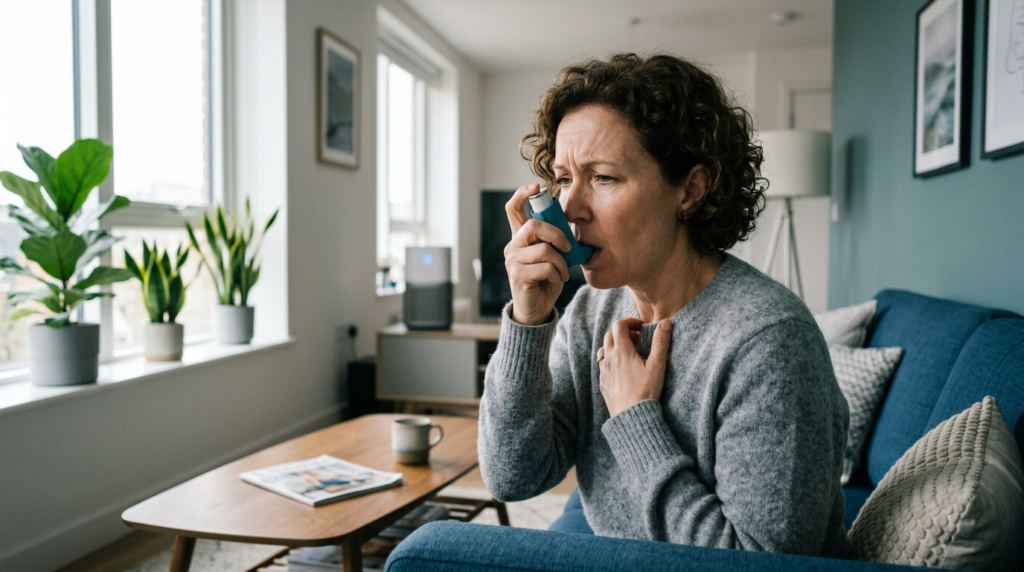
Person using asthma inhaler due to mold-triggered respiratory symptoms
Mold Health

Mold and Asthma: What You Need to Know

The relationship between mold and asthma is one of the most thoroughly documented connections in environmental health research. For the approximately 25 million Americans living with asthma, indoor mold represents a persistent, often underestimated trigger capable of provoking dangerous attacks,…

Patient consulting doctor about long-term mold exposure health effects
Mold Health

Long-Term Effects of Mold Exposure

The long-term effects of mold exposure extend far beyond the sneezing and watery eyes most people associate with indoor mold. Prolonged contact with mold spores and mycotoxins can trigger chronic respiratory disease, neurological symptoms, immune system dysfunction, and a debilitating condition…

Stachybotrys Chartarum Science featured image
Black Mold

Stachybotrys Chartarum: What Science Says

Stachybotrys chartarum is the species most commonly referred to as “toxic black mold,” yet the scientific reality behind this organism is far more nuanced than media headlines suggest. Decades of peer-reviewed research have examined its biology, the mycotoxins it produces, and the health effects…

Mycotoxins and Human Health Guide featured image
Mold Health

Mycotoxins and Human Health: Complete Guide

Mycotoxin exposure symptoms affect millions of people worldwide, yet the connection between toxic mold compounds and chronic illness remains underdiagnosed. Mycotoxins are secondary metabolites produced by certain fungi, and their impact on human health ranges from acute poisoning to debilitating…

Mold Allergy Symptoms and Treatment featured image
Mold Health

Mold Allergy Symptoms and Treatment

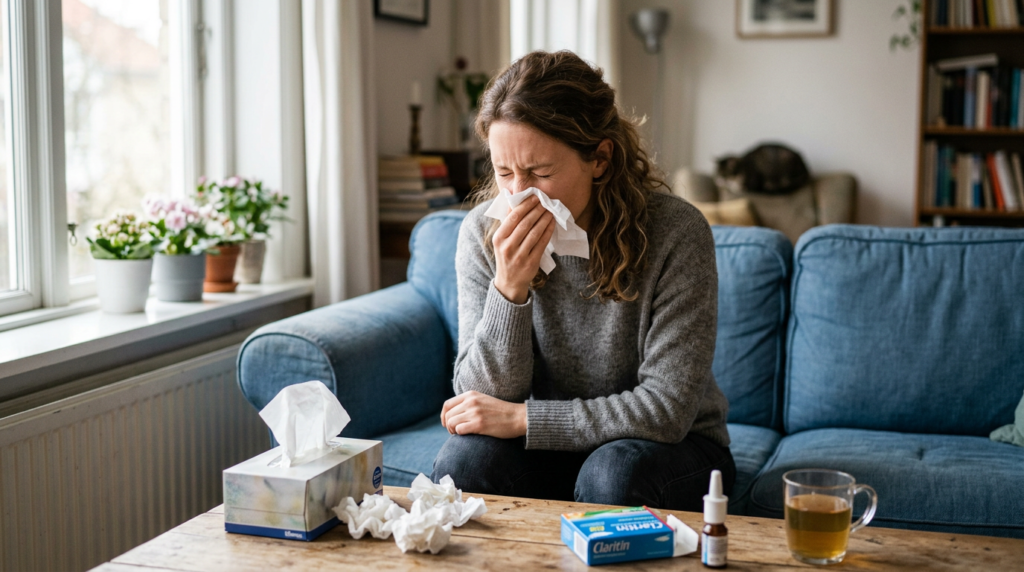
Mold allergy symptoms affect roughly 10% of the U.S. population, making mold one of the most common indoor allergens. If you have been sneezing, dealing with watery eyes, or struggling with a persistent cough that worsens in damp environments, a mold allergy could be the cause. Understanding the…

Can Mold Make You Sick featured image
Mold Health

Can Mold Make You Sick? Evidence-Based Answer

If you have spotted mold in your home, your first question is likely: can mold make you sick? The short answer is yes. Indoor mold exposure is linked to a wide range of health problems, from mild allergic reactions to serious respiratory infections. The science is clear, and multiple federal health…

Scroll to Top