If you have spotted mold in your home, your first question is likely: can mold make you sick? The short answer is yes. Indoor mold exposure is linked to a wide range of health problems, from mild allergic reactions to serious respiratory infections. The science is clear, and multiple federal health agencies agree that mold in living spaces poses real risks to human health.
This guide breaks down exactly what happens to your body when you breathe in mold spores, which types of mold are most dangerous, who faces the highest risk, and what steps you should take if you suspect mold is affecting your health. Every claim below is backed by peer-reviewed research and data from the CDC, EPA, WHO, and NIH.
Our reviews are based on aggregated verified buyer feedback, manufacturer specifications, ingredient analysis, and published expert opinion. Products are not independently purchased or tested by our team. We may earn a commission if you purchase through our links, at no extra cost to you. How We Review
TL;DR: Yes, mold can make you sick. Inhaling mold spores triggers allergic reactions, asthma attacks, and respiratory infections. The CDC confirms that indoor mold exposure causes upper respiratory symptoms in otherwise healthy people, and the WHO estimates that damp, moldy buildings increase the risk of respiratory illness by 30 to 50 percent.
How Mold Makes You Sick: The Biological Mechanism
Mold makes you sick by releasing microscopic spores, volatile organic compounds (MVOCs), and in some species, toxic metabolites called mycotoxins into the air you breathe. These particles enter your respiratory tract and trigger immune responses that range from mild inflammation to severe allergic reactions. The mechanism is well-documented across decades of environmental health research.
When mold spores land on the moist mucous membranes of your nose, throat, and lungs, your immune system identifies them as foreign invaders. In response, your body produces immunoglobulin E (IgE) antibodies, which trigger the release of histamine and other inflammatory chemicals. This is the same allergic cascade responsible for hay fever, but mold allergens can be present year-round in indoor environments.
According to the Centers for Disease Control and Prevention (CDC), exposure to damp indoor environments is associated with upper respiratory tract symptoms, coughing, and wheezing in otherwise healthy individuals. The agency notes that people with mold allergies may experience more severe reactions, and immunocompromised individuals face the risk of mold infections in their lungs.
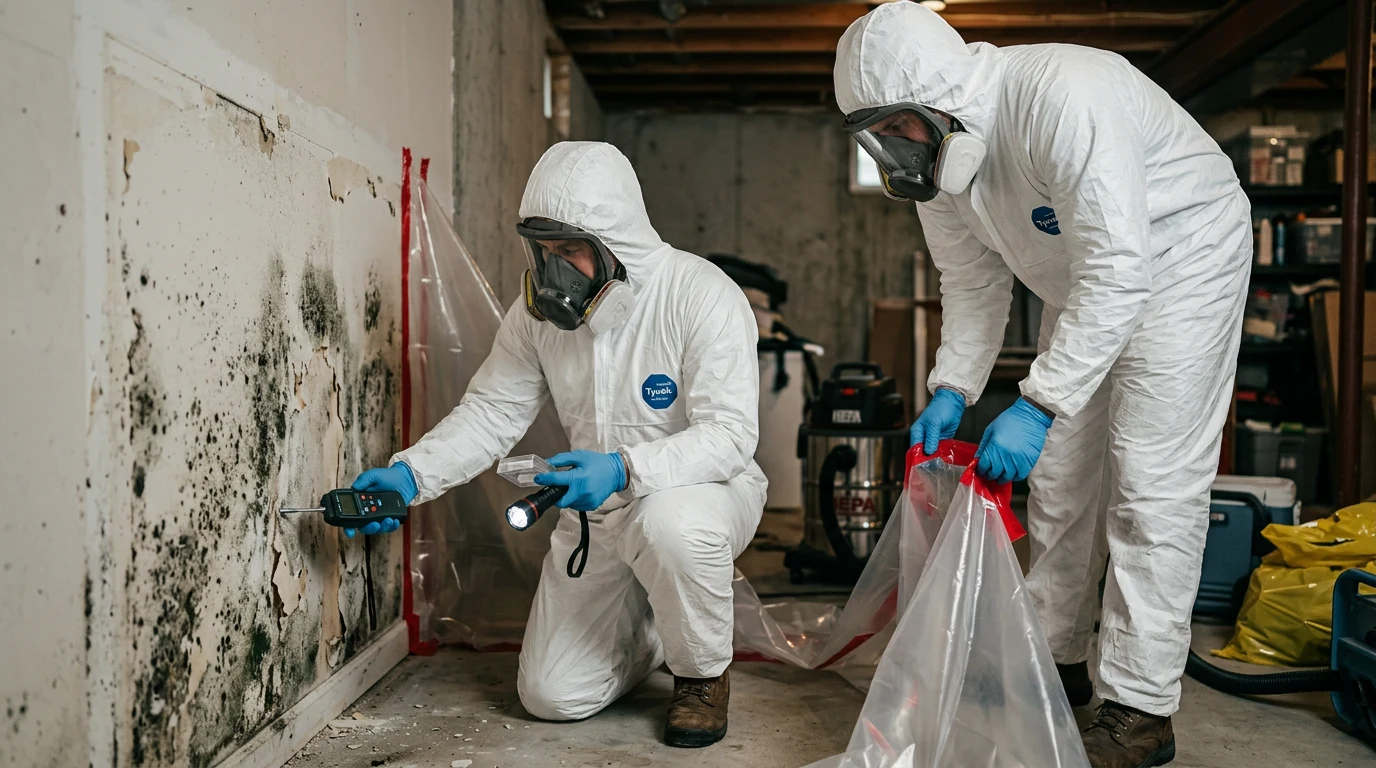
Beyond spores, mold colonies produce microbial volatile organic compounds (MVOCs), which are responsible for the characteristic musty odor in damp buildings. These gaseous byproducts can cause headaches, dizziness, and nausea even when visible mold growth is not present. If you can smell mold, you are inhaling compounds that affect your health.
Certain mold species also produce mycotoxins, which are secondary metabolites with toxic properties. Stachybotrys chartarum (commonly called black mold) is among the most studied mycotoxin-producing species. Satratoxins produced by Stachybotrys are potent enough to cause inflammation, immune suppression, and cellular damage in laboratory studies.
Mold Exposure Symptoms: What to Watch For
The most common mold exposure symptoms include nasal congestion, sneezing, coughing, eye irritation, skin rashes, and worsening asthma. These symptoms can appear within hours of exposure or develop gradually over weeks of living in a mold-contaminated environment. The severity depends on the type of mold, the concentration of spores, and your individual sensitivity.
According to the National Institute of Environmental Health Sciences (NIEHS), mold exposure is a significant environmental trigger for allergic rhinitis and asthma exacerbations. The institute reports that sensitization to mold allergens affects approximately 10 percent of the U.S. population, making mold one of the most common indoor allergens after dust mites.
Symptoms of mold exposure can be grouped into three categories based on severity:
Mild allergic symptoms include sneezing, runny or stuffy nose, itchy or watery eyes, postnasal drip, and dry or scaling skin. These resemble seasonal allergies and are often dismissed or attributed to other causes, which delays proper remediation.
Moderate respiratory symptoms include persistent cough, wheezing, chest tightness, shortness of breath, and sinus infections that recur frequently. These symptoms indicate a stronger immune response and often correlate with higher spore concentrations or prolonged exposure duration.
Severe health effects include hypersensitivity pneumonitis (an inflammatory lung condition), invasive aspergillosis (a fungal lung infection), and significant worsening of pre-existing asthma. These conditions require medical intervention and occur most frequently in immunocompromised individuals.
A useful self-assessment: if your symptoms consistently improve when you leave your home and worsen when you return, indoor mold exposure is a strong possibility. This pattern, sometimes called “sick building syndrome,” is one of the most reliable indicators that your indoor air quality is compromised.
Scientific Evidence: What the Research Says
The link between mold exposure and respiratory illness is supported by over 30 years of epidemiological research from the world’s leading health organizations. This is not a fringe theory or emerging hypothesis. The evidence base is large, consistent, and accepted by the scientific mainstream.
According to the World Health Organization (WHO), occupants of damp or moldy buildings have a 30 to 50 percent increased risk of developing respiratory symptoms compared to occupants of dry buildings. This finding, published in the WHO’s 2009 “Guidelines for Indoor Air Quality: Dampness and Mould,” is based on a comprehensive review of dozens of peer-reviewed studies across multiple countries.
“There is sufficient epidemiological evidence that the occupants of damp or moldy buildings are at increased risk of respiratory symptoms, respiratory infections, and exacerbation of asthma,” states the World Health Organization in its indoor air quality guidelines.
According to the Institute of Medicine (now the National Academy of Medicine), a landmark 2004 report found sufficient evidence of an association between indoor dampness and upper respiratory tract symptoms, cough, wheeze, and asthma symptoms in sensitized persons. The committee also found limited or suggestive evidence linking damp indoor environments to the development of new asthma cases.

A 2012 meta-analysis published in Environmental Health Perspectives analyzed 61 studies involving over 400,000 participants and found that visible mold or dampness was associated with a 49 percent increase in asthma development in children and a 68 percent increase in asthma exacerbation in adults. These are statistically significant findings with consistent results across geographic regions.
The EPA estimates that indoor air pollution, including mold, affects approximately 50 percent of U.S. homes. Given that Americans spend roughly 90 percent of their time indoors, the cumulative exposure to mold spores in residential settings represents a major public health concern.
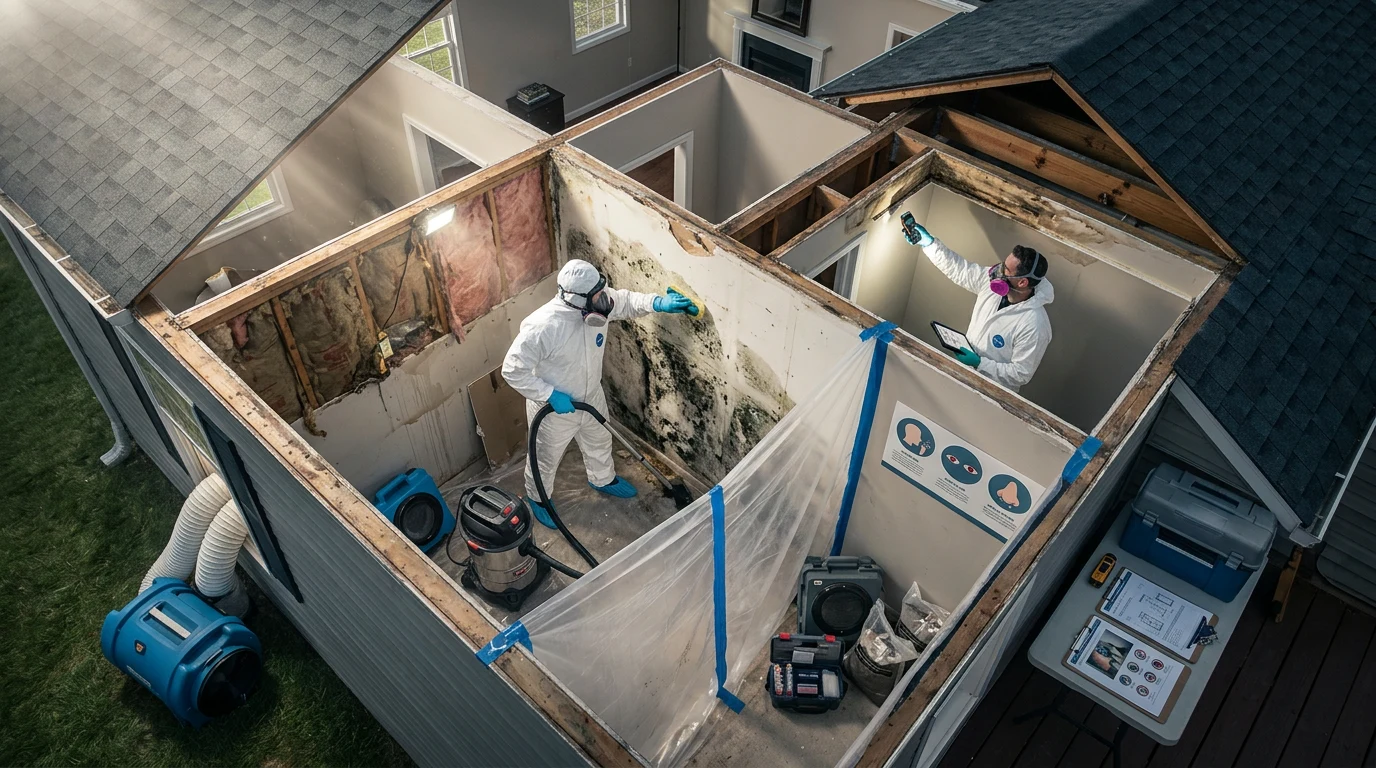
If you suspect mold in your home, the first step is confirming its presence with a reliable mold testing approach. Air quality testing and surface sampling can identify both the species and concentration of mold present.
Who Is Most at Risk From Mold Exposure?
Children under five, adults over 65, people with asthma, individuals with weakened immune systems, and people with chronic lung disease face the highest risk of getting sick from mold. While mold can affect anyone, these groups experience more severe symptoms and face greater potential for serious complications, including hospitalization.
Infants and young children are particularly vulnerable because their respiratory systems are still developing and they breathe at a faster rate relative to body weight than adults. A 2010 study in the journal Pediatrics found that infants exposed to indoor mold during their first year of life had a significantly higher risk of developing asthma by age seven. Early mold exposure during critical developmental windows can shape respiratory health for life.
Older adults face increased risk because immune function naturally declines with age. This immunosenescence means the body is less effective at clearing inhaled mold spores before they cause infection or chronic inflammation. For elderly individuals with pre-existing lung conditions like COPD, mold exposure can trigger acute exacerbations requiring emergency care.
People with asthma are among the most affected populations. According to the CDC, approximately 4.6 million cases of asthma in the United States are attributable to dampness and mold exposure in the home. For these individuals, even low concentrations of mold spores can trigger bronchospasm, mucus production, and airway inflammation that may require corticosteroid treatment.
“Mold exposure is a modifiable risk factor for asthma. Reducing dampness in homes can prevent new cases and reduce the severity of existing asthma,” says Dr. David Mudarri, former EPA environmental scientist, in his analysis of the national burden of mold-attributable asthma published in Environmental Health Perspectives.
Immunocompromised individuals, including organ transplant recipients, cancer patients undergoing chemotherapy, and people living with HIV/AIDS, face the most dangerous mold-related complication: invasive fungal infection. Aspergillus species can colonize lung tissue in these patients, causing invasive pulmonary aspergillosis, a condition with mortality rates ranging from 30 to 95 percent depending on the patient population and speed of diagnosis.
Pregnant women should also exercise caution. While research on mold and pregnancy outcomes is still emerging, maternal exposure to indoor mold has been associated with increased risk of preterm birth and low birth weight in some epidemiological studies. The developing fetus may be sensitive to the inflammatory cytokines produced during the mother’s immune response to mold allergens.
Types of Mold That Make You Sick
Not all mold species pose equal health risks, but any mold growing indoors can cause allergic reactions; the most concerning species include Aspergillus, Stachybotrys chartarum, Penicillium, Cladosporium, and Alternaria. Each species has a different health risk profile based on the allergens, irritants, and toxins it produces.
Aspergillus is the most medically significant genus. With over 180 species, several are common indoors, including A. fumigatus, A. niger, and A. flavus. Aspergillus causes a spectrum of disease ranging from allergic bronchopulmonary aspergillosis (ABPA) to invasive pulmonary aspergillosis. It thrives on a wide variety of building materials and is a leading cause of mold-related hospitalizations worldwide.
Stachybotrys chartarum, widely known as “black mold” or “toxic black mold,” produces satratoxins and other trichothecene mycotoxins. It requires consistently wet conditions to grow (typically water-damaged drywall, ceiling tiles, or wood) and grows more slowly than other common molds. While it is less prevalent than Aspergillus or Penicillium, its mycotoxin production makes it a significant health concern in water-damaged buildings. Learn more in our complete guide to black mold.
Penicillium is one of the most common indoor molds and is frequently found on water-damaged materials, wallpaper, carpet, and food. Several species produce mycotoxins, and Penicillium spores are potent allergens. Because of its rapid growth rate and ability to thrive at moderate humidity levels, it is often the first mold to colonize a damp space.
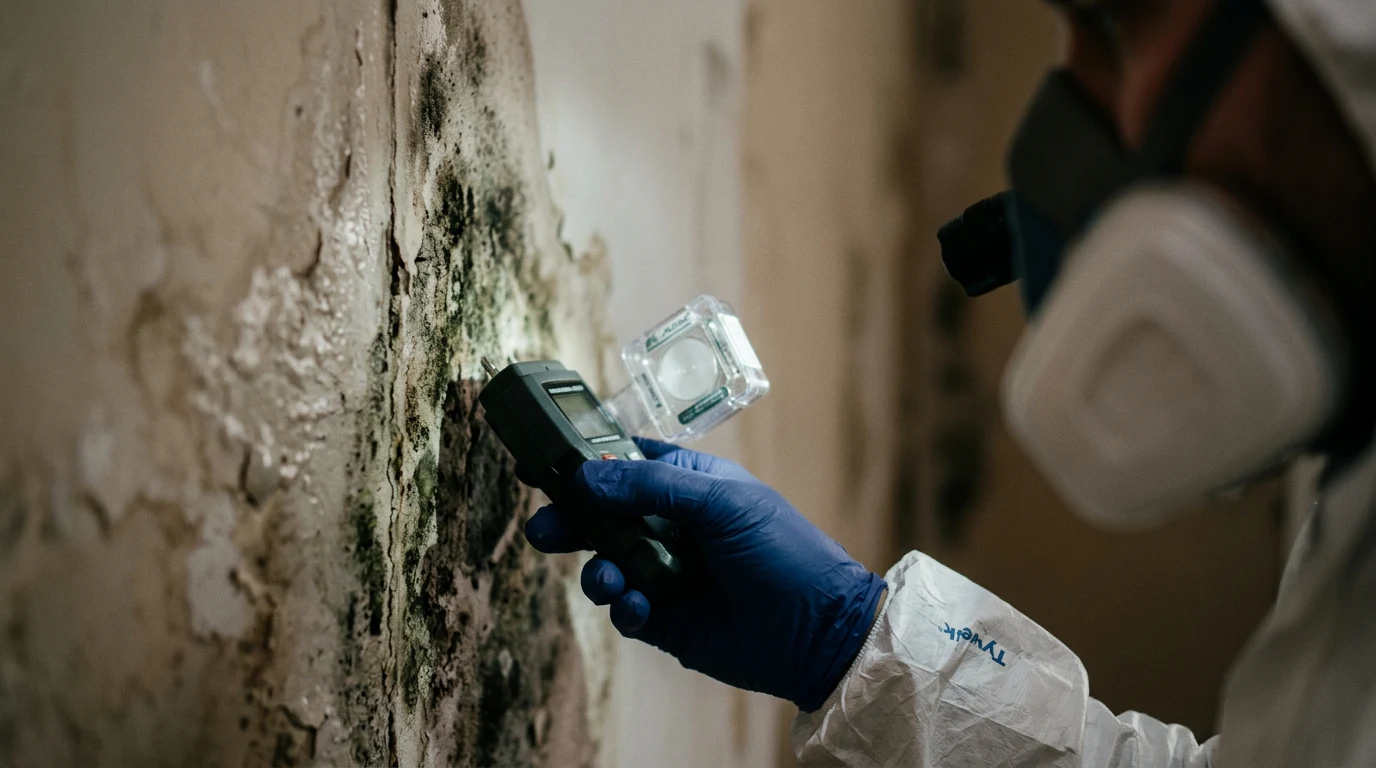
Cladosporium is the most common outdoor mold but also grows readily indoors on textiles, wood, and HVAC systems. While rarely causing invasive infection, it is a significant allergen and a common trigger for allergic rhinitis and asthma. It is unique among common molds for its ability to grow at lower temperatures, including on refrigerated food.
Alternaria is a major allergen and is commonly found in damp areas such as showers, bathtubs, and beneath leaky sinks. According to NIEHS-funded research, sensitization to Alternaria is strongly associated with severe asthma in children and is considered one of the most important fungal allergens in clinical allergy practice.
The presence of any mold species indoors indicates a moisture problem that needs to be resolved. To accurately identify which species are present, consider professional mold testing with lab analysis.
Short-Term vs. Long-Term Health Effects of Mold
Short-term mold exposure typically causes reversible allergic and irritant symptoms, while long-term or chronic exposure can lead to persistent respiratory conditions, sensitization, and in rare cases, neurological symptoms. The duration and intensity of exposure are key factors in determining health outcomes.
Short-term effects (days to weeks) include sneezing, nasal congestion, coughing, eye irritation, skin rashes, and headaches. These symptoms usually resolve within days after the person is removed from the mold-contaminated environment. For most healthy adults, brief mold exposure is uncomfortable but not dangerous.

Medium-term effects (weeks to months) include chronic sinusitis, recurrent bronchitis, persistent cough that does not respond to standard treatments, and worsening asthma control. At this stage, the body’s ongoing inflammatory response begins to cause tissue changes in the airways that can take weeks to months to resolve even after mold removal.
Long-term effects (months to years) include the development of new allergies, chronic obstructive airway changes, hypersensitivity pneumonitis, and potential cognitive effects. A growing body of research has explored the connection between chronic mold exposure and neurological symptoms such as memory difficulties, trouble concentrating, and fatigue, though the mechanisms remain under active investigation.
According to a 2016 review published in the journal Current Allergy and Asthma Reports, chronic indoor mold exposure is associated with the development of new-onset asthma in previously healthy adults. This finding is significant because it demonstrates that mold does not merely aggravate existing conditions; it can create new ones.
The key takeaway: the longer you live with indoor mold, the greater the risk of developing chronic health problems that persist even after remediation. Early action matters.
Can Mold Cause Respiratory Infections?
Yes, mold can cause respiratory infections, particularly in immunocompromised individuals; Aspergillus species are the leading cause of invasive mold infections in humans. While healthy immune systems typically prevent inhaled spores from establishing infection, compromised immunity allows mold to colonize lung tissue and potentially spread to other organs.
Invasive pulmonary aspergillosis (IPA) is the most serious mold infection. It occurs primarily in patients with severely suppressed immune systems: bone marrow transplant recipients, solid organ transplant patients on anti-rejection drugs, cancer patients undergoing intensive chemotherapy, and individuals with advanced AIDS. According to the CDC, invasive aspergillosis causes approximately 15,000 hospitalizations per year in the United States.
Allergic bronchopulmonary aspergillosis (ABPA) is a different condition in which the immune system overreacts to Aspergillus growing within the airways. ABPA affects approximately 1 to 2 percent of people with asthma and up to 15 percent of people with cystic fibrosis. It causes recurrent episodes of wheezing, coughing up brownish mucus plugs, and progressive lung damage if untreated.
Fungal sinusitis, caused by Aspergillus, Alternaria, or other common indoor molds, ranges from allergic fungal sinusitis (chronic, non-invasive) to acute invasive fungal sinusitis (a medical emergency in immunocompromised patients). Symptoms include persistent nasal congestion, facial pain, and thick discolored discharge that does not improve with antibiotics.
Even in healthy individuals, heavy exposure to mold spores during remediation activities without proper respiratory protection can cause a condition called organic dust toxic syndrome (ODTS). This flu-like illness involves fever, chills, muscle aches, and cough that appear 4 to 8 hours after exposure. This is why proper respiratory protection is essential during any mold cleanup.
How to Test for Mold in Your Home
Testing for mold involves air sampling, surface sampling, or a combination of both; professional testing with laboratory analysis provides the most accurate species identification and spore count data. Knowing whether mold is present and at what concentration helps determine the appropriate level of remediation and health protection.
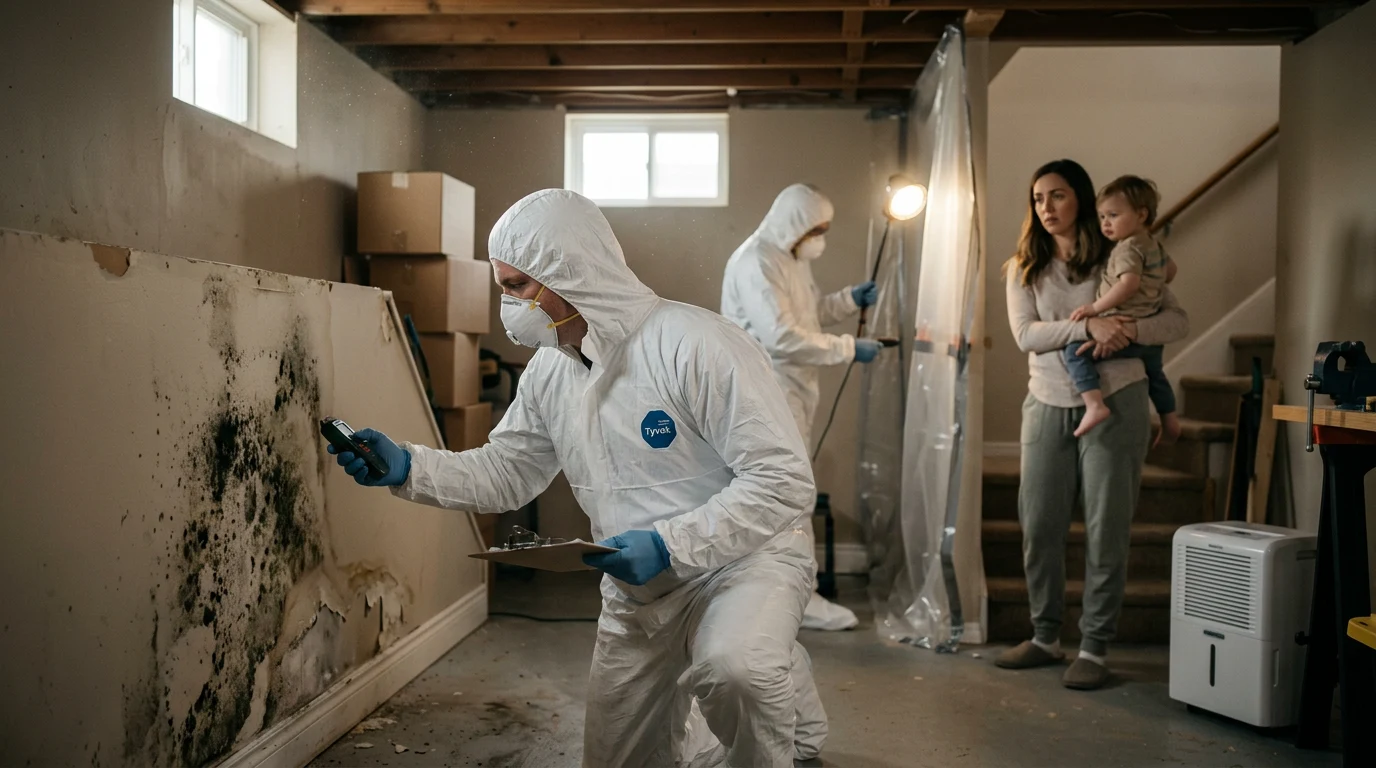
Home mold test kits are a practical first step for homeowners who suspect mold but are unsure. These kits typically include either a settle plate (a petri dish left open to collect spores) or an air cassette that is mailed to a laboratory for analysis. While they cannot replace professional inspection, they provide an initial data point.
Professional mold inspection is recommended when you can see mold growth covering more than 10 square feet, when you smell a persistent musty odor but cannot locate visible mold, after any significant water damage event (flooding, burst pipes, roof leaks), or when occupants are experiencing unexplained respiratory symptoms. Our mold testing guide covers the full range of professional and DIY testing options.
An air quality monitor provides ongoing data about particulate levels, humidity, and volatile organic compounds in your home. Keeping indoor humidity below 50 percent is one of the most effective ways to prevent mold growth, and a monitor helps you track this metric continuously.
Key indicators that suggest mold testing is warranted include visible discoloration on walls or ceilings, a persistent musty smell, condensation on windows, peeling or bubbling paint, warped wood, and any previous water damage. If any of these signs are present alongside health symptoms, testing should be a priority.
When to See a Doctor for Mold Exposure
You should see a doctor if mold-related symptoms persist for more than two weeks, if you experience difficulty breathing, or if you are in a high-risk group and have any respiratory symptoms. Most mild allergic reactions to mold can be managed with over-the-counter antihistamines and avoidance, but some situations require professional medical evaluation.
Seek medical attention promptly if you experience any of the following: wheezing or shortness of breath that is new or worsening, chest tightness or pain, coughing up blood or discolored sputum, fever combined with respiratory symptoms, or sinus symptoms lasting more than 10 days. These may indicate a more serious mold-related condition that requires diagnostic testing and treatment.
Your doctor may order allergy testing (skin prick test or specific IgE blood test) to confirm mold sensitization, pulmonary function tests to assess airway obstruction, chest imaging to evaluate for lung infiltrates, and sputum cultures if fungal infection is suspected. A specialist referral to an allergist or pulmonologist is appropriate for complex cases.
For mild symptoms in otherwise healthy adults, reasonable self-management includes taking over-the-counter antihistamines (cetirizine, loratadine) for nasal and eye symptoms, using saline nasal irrigation, running a HEPA air purifier in the bedroom, and addressing the underlying moisture source. If symptoms do not improve within two weeks of reducing mold exposure, medical evaluation is advised.
Immunocompromised individuals should not attempt self-management. Any respiratory symptoms in a person with a weakened immune system should be evaluated by a physician immediately because invasive fungal infections progress rapidly and require antifungal medication to treat.

How to Reduce Mold Exposure and Protect Your Health
Reducing mold exposure requires controlling indoor humidity, improving ventilation, removing existing mold growth, and using air filtration; these steps can significantly lower spore counts and reduce health symptoms. Prevention and remediation are both necessary for a comprehensive approach.
Control humidity. The EPA recommends keeping indoor relative humidity between 30 and 50 percent. Use a dehumidifier in damp areas such as basements, crawl spaces, and bathrooms. Fix plumbing leaks within 24 to 48 hours. Ensure clothes dryers vent to the outside. Monitor humidity with a hygrometer or air quality monitor.
Improve ventilation. Run exhaust fans in bathrooms during and for 30 minutes after showers. Use range hoods while cooking. Open windows when weather permits. Ensure HVAC systems are properly maintained with clean filters. Stagnant, humid air is the primary condition that allows mold colonies to establish and grow.
Remove existing mold. For areas smaller than 10 square feet, homeowners can typically handle cleanup with appropriate precautions: an N95 respirator, gloves, eye protection, and proper cleaning solutions. For larger areas, or if mold is in the HVAC system, professional remediation is recommended. Our mold removal guide covers both DIY and professional approaches.
Filter your air. HEPA air purifiers capture 99.97 percent of particles 0.3 microns and larger, which includes all mold spores (typically 1 to 30 microns). Running a HEPA purifier in bedrooms and main living areas can reduce airborne spore counts by 50 to 90 percent. See our recommendations for the best air purifiers for mold.
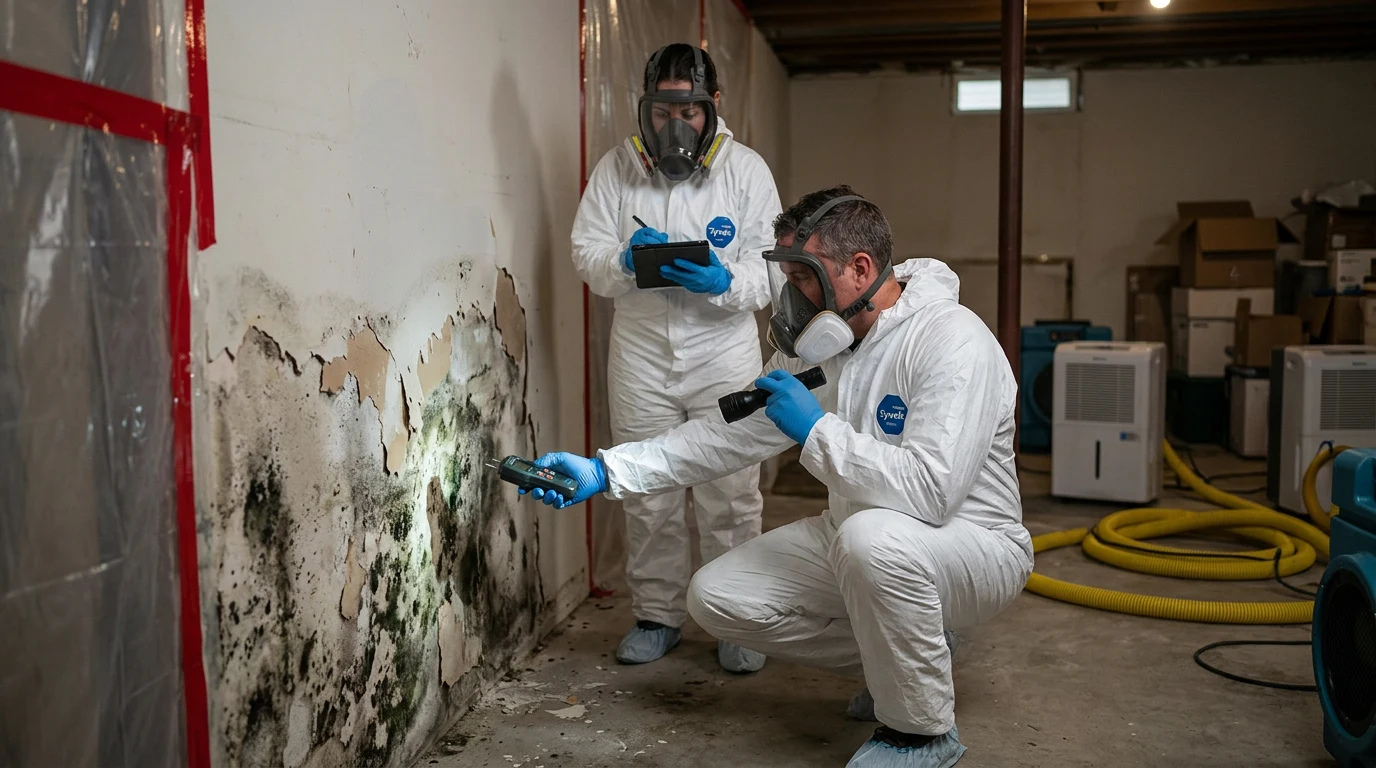
Address water intrusion. Mold cannot grow without moisture. Every mold problem is fundamentally a moisture problem. Inspect your roof, windows, foundation, and plumbing annually. Grade soil away from the foundation. Ensure gutters and downspouts direct water at least 6 feet from the building. Waterproof basements if groundwater intrusion is present.
Common Myths About Mold and Health
Several persistent myths about mold confuse homeowners and sometimes lead to either excessive panic or dangerous complacency; understanding the evidence-based reality helps you make better decisions. Let’s address the most common misconceptions directly.
Myth: Only “black mold” is dangerous. Reality: All indoor mold can cause allergic reactions and respiratory irritation. Stachybotrys chartarum receives disproportionate media attention, but Aspergillus, Penicillium, and Alternaria cause more total illness because they are far more prevalent. Color alone does not determine toxicity; many harmless molds are dark, and many harmful molds are green, white, or gray.
Myth: A small amount of mold is harmless. Reality: There is no established safe threshold for indoor mold exposure. The EPA states that all mold should be removed regardless of the species. Even small colonies produce spores that become airborne and circulate through HVAC systems, potentially affecting rooms far from the visible growth.
Myth: Bleach kills mold permanently. Reality: Bleach can kill surface mold on non-porous materials, but it does not penetrate porous surfaces like drywall, wood, or grout. The water content in bleach can actually feed mold roots (hyphae) that have penetrated beneath the surface, leading to regrowth. Professional remediation uses specialized antimicrobial treatments and, when necessary, removes contaminated materials entirely.
Myth: You can always see or smell mold. Reality: Mold frequently grows in hidden locations such as behind walls, above ceiling tiles, beneath flooring, and inside HVAC ducts. Not all mold species produce a detectable musty odor. If you have symptoms consistent with mold exposure but no visible mold, hidden growth should be investigated through professional testing.
Myth: Once mold is removed, health problems disappear immediately. Reality: Allergic sensitization and airway inflammation can persist for weeks or months after mold exposure ends. Some individuals develop chronic rhinosinusitis or asthma that requires ongoing management. Complete resolution of symptoms depends on the duration and severity of exposure, individual sensitivity, and whether all mold sources were successfully remediated.
Frequently Asked Questions
Can mold make you sick if you can’t see it?
Yes. Mold frequently grows in hidden spaces such as behind drywall, under flooring, inside HVAC ducts, and above ceiling tiles. These hidden colonies release spores into the air that you breathe, causing symptoms even when no visible mold is present. If you have unexplained respiratory symptoms and your home has a history of water damage or elevated humidity, hidden mold should be investigated through professional air quality testing.
How quickly can mold make you sick?
Allergic reactions to mold can begin within minutes to hours of exposure, similar to other airborne allergens. People with existing mold sensitization may notice sneezing, nasal congestion, or eye irritation almost immediately upon entering a mold-contaminated space. More significant symptoms such as persistent cough, wheezing, or sinus infections typically develop after days to weeks of repeated exposure.
What does mold sickness feel like?
Mold-related illness typically presents as chronic allergy symptoms that do not respond to standard treatments. Common complaints include a persistent stuffy or runny nose, scratchy throat, frequent sneezing, itchy or watery eyes, headaches, fatigue, and difficulty concentrating. In more severe cases, people experience wheezing, shortness of breath, chest tightness, and recurring respiratory infections.

Can mold cause cancer?
Certain mycotoxins, particularly aflatoxins produced by Aspergillus flavus and Aspergillus parasiticus, are classified as Group 1 carcinogens by the International Agency for Research on Cancer (IARC). However, aflatoxin exposure is primarily a food contamination concern (contaminated grains, nuts, and spices), not an indoor air concern. There is currently no strong evidence linking typical indoor mold exposure to cancer risk.
Is it safe to stay in a house with mold?
For healthy adults, brief exposure to small amounts of indoor mold is unlikely to cause serious health problems, though allergic symptoms are possible. However, living in a home with significant mold growth (especially for weeks or months) increases the risk of developing chronic respiratory conditions. If you or a household member are in a high-risk group (young children, elderly, immunocompromised, asthmatic), you should minimize exposure until the mold is fully remediated.
How do I know if mold is making me sick?
The strongest indicator is a pattern where symptoms improve when you spend time away from your home (vacation, staying with friends or family) and return when you come back. Other clues include symptoms that are worse in specific rooms, the presence of visible mold or a musty odor, recent water damage, or consistently high indoor humidity. Your doctor can confirm mold sensitization through allergy testing.
Can mold exposure cause long-term damage?
Prolonged mold exposure can lead to chronic conditions including persistent asthma, chronic rhinosinusitis, allergic bronchopulmonary aspergillosis (ABPA), and hypersensitivity pneumonitis. In immunocompromised individuals, untreated invasive mold infections can cause permanent lung damage. The risk of long-term effects increases with the duration and intensity of exposure, which is why prompt remediation is always recommended.
What are the most common health effects of mold exposure?
The most common health effects of mold exposure are respiratory symptoms, such as coughing, wheezing, and shortness of breath, particularly in individuals with asthma or allergies. Evidence suggests these are primarily due to allergic reactions to mold spores and fragments.
Can mold cause serious illnesses like neurological problems or cancer?
Current scientific evidence does not support a causal link between typical indoor mold exposure and serious illnesses like neurological problems or cancer. While some molds produce mycotoxins, the concentrations typically found in indoor environments are generally too low to cause such severe systemic effects.
Are some people more susceptible to mold-related illnesses than others?
Yes, individuals with pre-existing respiratory conditions like asthma, allergies, or compromised immune systems are generally more susceptible to mold-related health effects. Young children and the elderly may also experience more pronounced symptoms due to their developing or aging immune systems.
How quickly do mold-related symptoms appear after exposure?
Mold-related symptoms, particularly allergic reactions, can appear relatively quickly, often within minutes to hours of exposure, depending on the individual’s sensitivity and the concentration of mold in the air. For chronic exposure, symptoms may develop gradually over time.
Does visible mold always mean I will get sick?
Not necessarily. While visible mold indicates a potential for exposure, whether you get sick depends on factors like the type of mold, the extent of growth, the duration of exposure, and your individual sensitivity. Many people can be exposed to mold without experiencing adverse health effects.
What should I do if I suspect mold is making me sick?
If you suspect mold is making you sick, it’s advisable to consult a healthcare professional for diagnosis and treatment of your symptoms. Simultaneously, identifying and remediating the mold source in your environment is crucial to prevent further exposure and improve your health outcomes.
The Bottom Line: Take Mold Exposure Seriously
The scientific evidence is clear: mold can make you sick, and the health risks increase with the duration and severity of exposure, your age, and the strength of your immune system. This is not speculation. Decades of research from the CDC, WHO, EPA, NIH, and the National Academy of Medicine all confirm that indoor mold exposure causes real health problems.
The good news is that mold-related health problems are largely preventable and reversible when addressed early. Control moisture, fix leaks promptly, maintain good ventilation, test when symptoms suggest a problem, and remediate any mold you find. For homes where mold is a recurring issue, investing in an air purifier, dehumidifier, and air quality monitor provides ongoing protection.
If you or someone in your household is experiencing symptoms consistent with mold exposure, don’t wait. Test your home, address the moisture source, remove the mold, and consult a doctor if symptoms persist. The cost of inaction is measured in chronic illness, reduced quality of life, and potentially serious medical complications that could have been prevented.
These statements have not been evaluated by the Food and Drug Administration. This information is not intended to diagnose, treat, cure, or prevent any disease. Content is for informational purposes only and is not medical advice; consult a qualified healthcare provider before starting any supplement. As an Amazon Associate we earn from qualifying purchases.