Mold needs two things to thrive: moisture and organic material. Every home provides the organic material. The question is whether your indoor environment also provides the moisture and poor air quality that allow mold colonies to establish, spread, and release millions of spores into the air you breathe. When homeowners discover a mold problem or want to prevent one, the first purchasing decision usually comes down to a choice between an air purifier and a dehumidifier. Both devices fight mold, but they attack the problem from entirely different angles.
An air purifier captures airborne mold spores, mycotoxins, and volatile organic compounds before they reach your lungs or settle on new surfaces. A dehumidifier removes excess moisture from the air, eliminating the environmental condition mold needs to grow in the first place. Understanding which device addresses your specific mold situation, or whether you need both, can save hundreds of dollars and months of frustration.
This guide compares air purifiers and dehumidifiers across every factor that matters for mold prevention and remediation: how each device works, what it costs to buy and operate, which mold scenarios each device handles best, and the evidence behind each recommendation. By the end, you will know exactly which device to buy first for your situation.
Our reviews are based on aggregated verified buyer feedback, manufacturer specifications, ingredient analysis, and published expert opinion. Products are not independently purchased or tested by our team. We may earn a commission if you purchase through our links, at no extra cost to you. How We Review
TL;DR: Buy a dehumidifier first if your indoor humidity consistently exceeds 50%, because removing moisture stops mold growth at the source. Buy an air purifier first if you have active mold symptoms (allergies, respiratory irritation) or visible mold you cannot immediately remove. For the best protection, use both devices together: the dehumidifier prevents new growth while the air purifier captures existing airborne spores.
How Air Purifiers and Dehumidifiers Fight Mold Differently
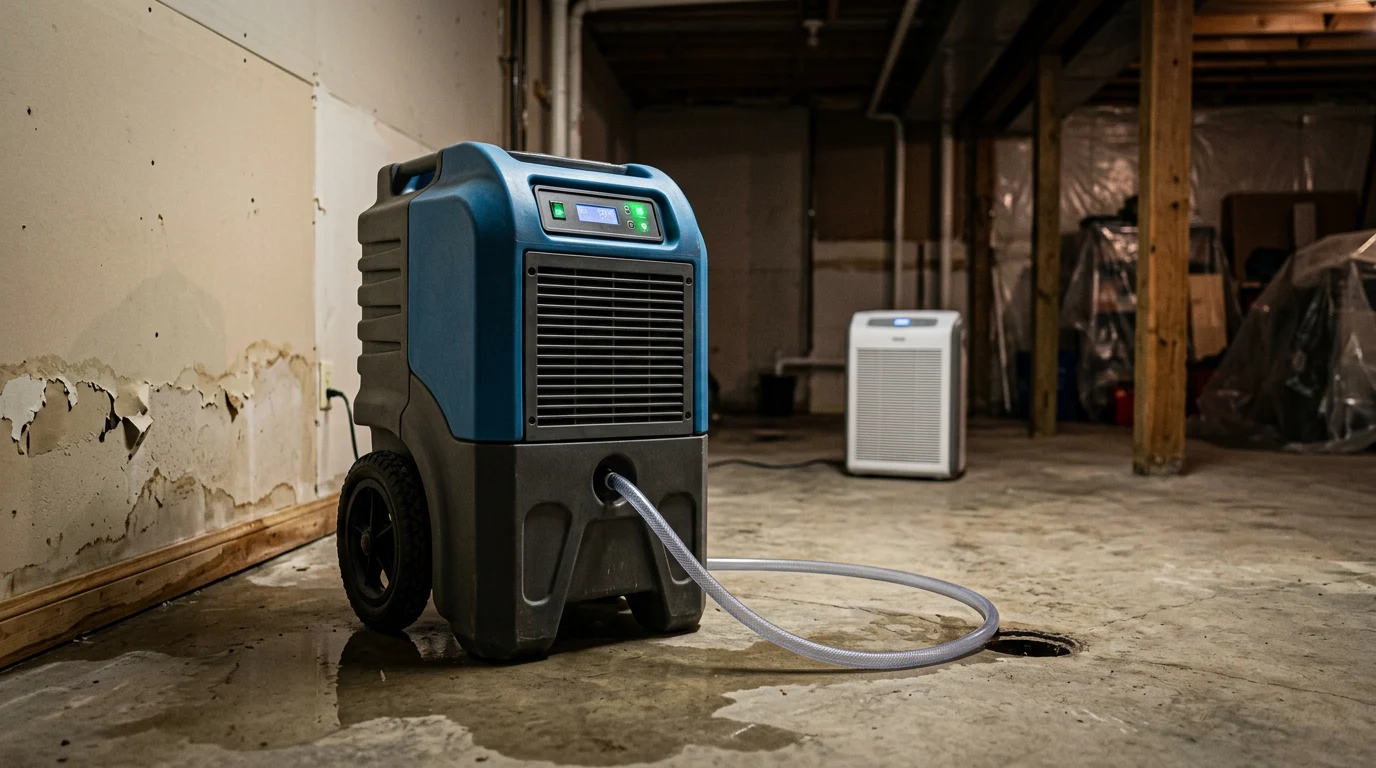
Air purifiers and dehumidifiers target completely different stages of the mold lifecycle, which is why comparing them requires understanding what each device actually does. An air purifier draws room air through a series of filters, trapping mold spores, fragments, mycotoxins, and odor-causing volatile organic compounds (VOCs). A dehumidifier pulls moisture out of the air, collecting it as water in a reservoir or draining it through a hose. These are fundamentally different interventions for the same problem.
Mold reproduces by releasing microscopic spores into the air. A single mold colony can release millions of spores per day, and these spores remain viable for months or even years under the right conditions. A true HEPA air purifier captures 99.97% of particles at 0.3 microns, and since most mold spores range from 1 to 30 microns in diameter, HEPA filtration is highly effective at removing them from indoor air. Activated carbon filters in quality air purifiers also adsorb the gaseous mycotoxins and musty-smelling MVOCs (microbial volatile organic compounds) that HEPA alone cannot capture.
A dehumidifier does not filter or capture anything. Instead, it reduces the relative humidity of the room, making the environment inhospitable for mold growth. According to the EPA’s indoor air quality guidelines, maintaining indoor relative humidity between 30% and 50% is one of the most effective strategies for preventing mold. When humidity drops below 50%, most common indoor mold species (Aspergillus, Penicillium, Cladosporium, and Stachybotrys) cannot establish new colonies or sustain active growth. The existing mold may go dormant, but it stops spreading.
The critical distinction: an air purifier manages the symptoms and health impacts of mold (airborne spores and toxins), while a dehumidifier addresses one of the root causes (excess moisture). Neither device kills existing mold on surfaces. For active mold removal, consult a mold remediation guide.
Air Purifier vs Dehumidifier: Side-by-Side Comparison
This comparison table breaks down the key differences between air purifiers and dehumidifiers for mold control across seven critical factors. Use it as a quick reference when deciding which device to prioritize for your specific situation.
| Factor | Air Purifier | Dehumidifier |
|---|---|---|
| Primary Function | Captures airborne mold spores, mycotoxins, and odors | Removes excess moisture from indoor air |
| How It Fights Mold | Filters spores out of air before inhalation or surface settlement | Lowers humidity below 50% RH to prevent mold growth |
| Cost Range | $100 to $600 for quality HEPA units | $150 to $400 for 30-70 pint capacity |
| Annual Maintenance | $40 to $120 for replacement HEPA and carbon filters | $0 to $20 (filter cleaning, occasional coil maintenance) |
| Energy Use | 30 to 100 watts (continuous operation) | 300 to 700 watts (cycles on and off) |
| Best Room Size | Match CADR rating to room: 200+ sq ft typical | Match pint capacity to room and moisture level |
| Best For | Allergy and respiratory symptom relief, spore reduction, odor removal | Preventing new mold growth, damp basements, high-humidity climates |
| Limitations | Does not reduce humidity or prevent growth; does not kill mold on surfaces | Does not remove airborne spores; does not address existing mold or odors |
The comparison reveals a complementary relationship. Air purifiers excel at managing what is already in the air. Dehumidifiers excel at preventing what could grow next. The right choice depends entirely on your current situation, which the following sections address in detail.
When an Air Purifier Is the Better Choice for Mold
An air purifier should be your first purchase when you are experiencing health symptoms from mold exposure or when you have active mold that cannot be immediately removed. The primary value of an air purifier in a mold situation is immediate symptom relief. It captures the airborne spores and mycotoxins that trigger allergic reactions, respiratory distress, and other mold exposure symptoms.
Verified buyer reviews of HEPA air purifiers used in mold-affected homes consistently report noticeable improvements within 24 to 72 hours. Reduced nasal congestion, fewer headaches, better sleep quality, and elimination of musty odors are the most frequently cited benefits. For households with asthma sufferers, the American College of Allergy, Asthma, and Immunology notes that reducing airborne mold spore counts can significantly decrease asthma attack frequency.
Key data: True HEPA filters (rated H13) capture 99.97% of particles at 0.3 microns. Common indoor mold spores range from 1 to 30 microns, meaning HEPA filtration removes effectively all airborne mold spores passing through the filter. The Association of Home Appliance Manufacturers (AHAM) certifies Clean Air Delivery Rate (CADR) as the standard measure of air purifier performance.
Choose an air purifier for mold as your first device when any of these conditions apply:
- You or household members are experiencing allergy symptoms, respiratory issues, or headaches that may be mold-related
- You have visible mold that cannot be remediated immediately (rental property, awaiting professional service, financial constraints)
- Your home has a musty odor but humidity levels are already within the 30-50% range
- You live in a region with high outdoor mold spore counts (humid subtropical climates, areas near forests or agricultural land)
- You are undergoing or have recently completed mold remediation and need to clear residual airborne spores
For air purifier selection, prioritize units with true HEPA filtration and a substantial activated carbon filter. The CADR rating should match your room size: a general rule is that the smoke CADR number in cubic feet per minute should be at least two-thirds of the room’s square footage. Running the purifier continuously on a medium setting provides far better results than running it intermittently on high. For specific product recommendations, see the best air purifiers for mold guide.
When a Dehumidifier Is the Better Choice for Mold
A dehumidifier should be your first purchase when your indoor humidity consistently exceeds 50% relative humidity, because high moisture is the single most controllable factor in mold growth. While mold also requires organic material and moderate temperatures, moisture is the variable that homeowners can most directly influence. Reducing relative humidity below 50% halts the growth cycle of virtually all common indoor mold species.
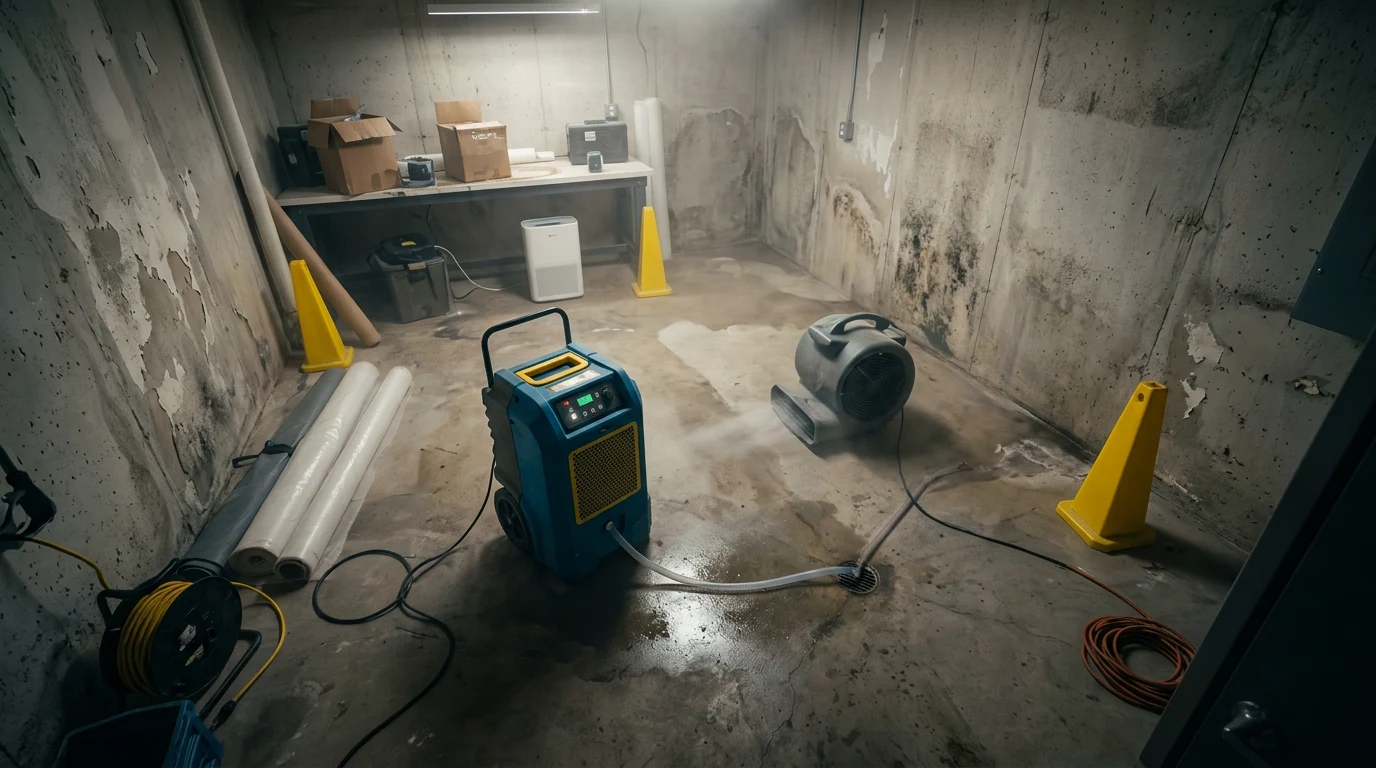
Key data: The EPA recommends maintaining indoor relative humidity between 30% and 50% to prevent mold growth. Research published in environmental health studies consistently shows that mold growth rates increase exponentially above 60% relative humidity. At 70% RH and above, Stachybotrys chartarum (black mold) can begin colonizing drywall, ceiling tiles, and other cellulose-based building materials within 24 to 48 hours.
The distinction between an air purifier and a dehumidifier becomes clearest in chronically damp environments. A basement that consistently registers 65% to 75% relative humidity is a mold incubator regardless of how many air purifiers run inside it. The air purifier will catch spores, but new colonies will keep forming on every damp surface. A dehumidifier in this same basement, pulling 30 to 50 pints of moisture per day, can drop humidity into the safe range and stop the growth cycle entirely.
Choose a dehumidifier for mold prevention as your first device when these conditions apply:
- Your hygrometer consistently reads above 50% relative humidity in one or more rooms
- You see condensation on windows, pipes, or walls, especially in cooler months
- Your basement or crawl space feels damp or has a persistent musty smell without visible mold
- You live in a humid climate (Southeast US, Gulf Coast, Pacific Northwest, coastal regions)
- You want to prevent mold before it starts rather than manage existing contamination
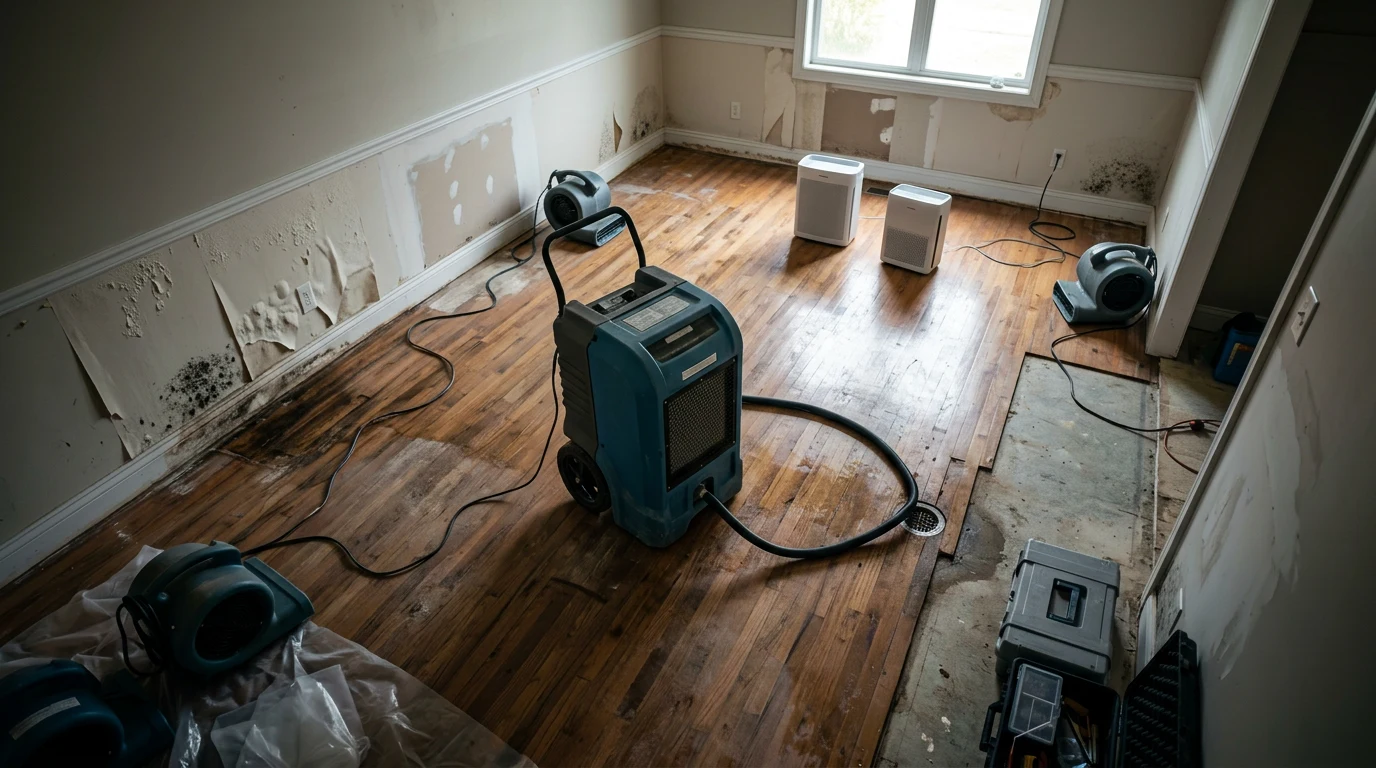
- You have experienced water damage or flooding and need to dry out the space
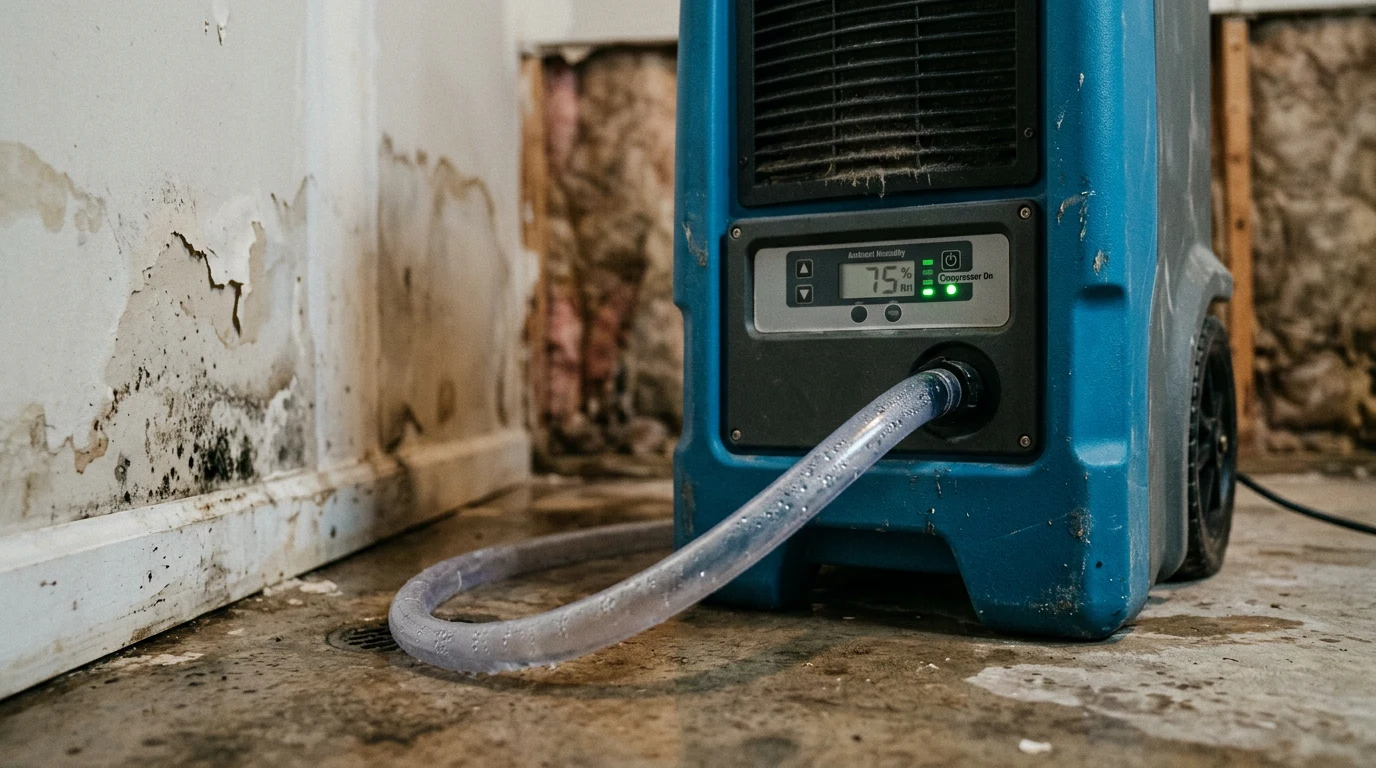
For dehumidifier sizing, the general formula is: a 30-pint unit handles moderately damp rooms up to 1,500 square feet, a 50-pint unit handles wet rooms or larger spaces up to 2,500 square feet, and a 70-pint unit handles very wet conditions or whole-basement applications. Models with a built-in humidity sensor (humidistat) automatically cycle on and off to maintain your target humidity level, typically set between 40% and 45% for optimal mold prevention.
When You Need Both an Air Purifier and a Dehumidifier
Using both an air purifier and a dehumidifier together provides the most complete mold defense strategy, addressing both the cause (moisture) and the consequence (airborne spores) simultaneously. Environmental health professionals consistently recommend this dual-device approach for homes with active mold contamination or chronic moisture problems. The dehumidifier stops new growth; the air purifier removes what is already circulating.
“Moisture control and air filtration work on different parts of the mold problem. Reducing humidity prevents new colonies from forming, but it doesn’t remove the millions of spores already suspended in the air from existing growth. For homes with active mold, both interventions are needed to protect occupant health while remediation is planned.” — Dr. Harriet Burge, former Chair of the American Academy of Allergy, Asthma & Immunology aerobiology committee
The dual-device approach is especially important in these scenarios:
- Active mold with high humidity: You have visible mold growth AND indoor humidity above 50%. The dehumidifier addresses the moisture; the air purifier protects your breathing air.
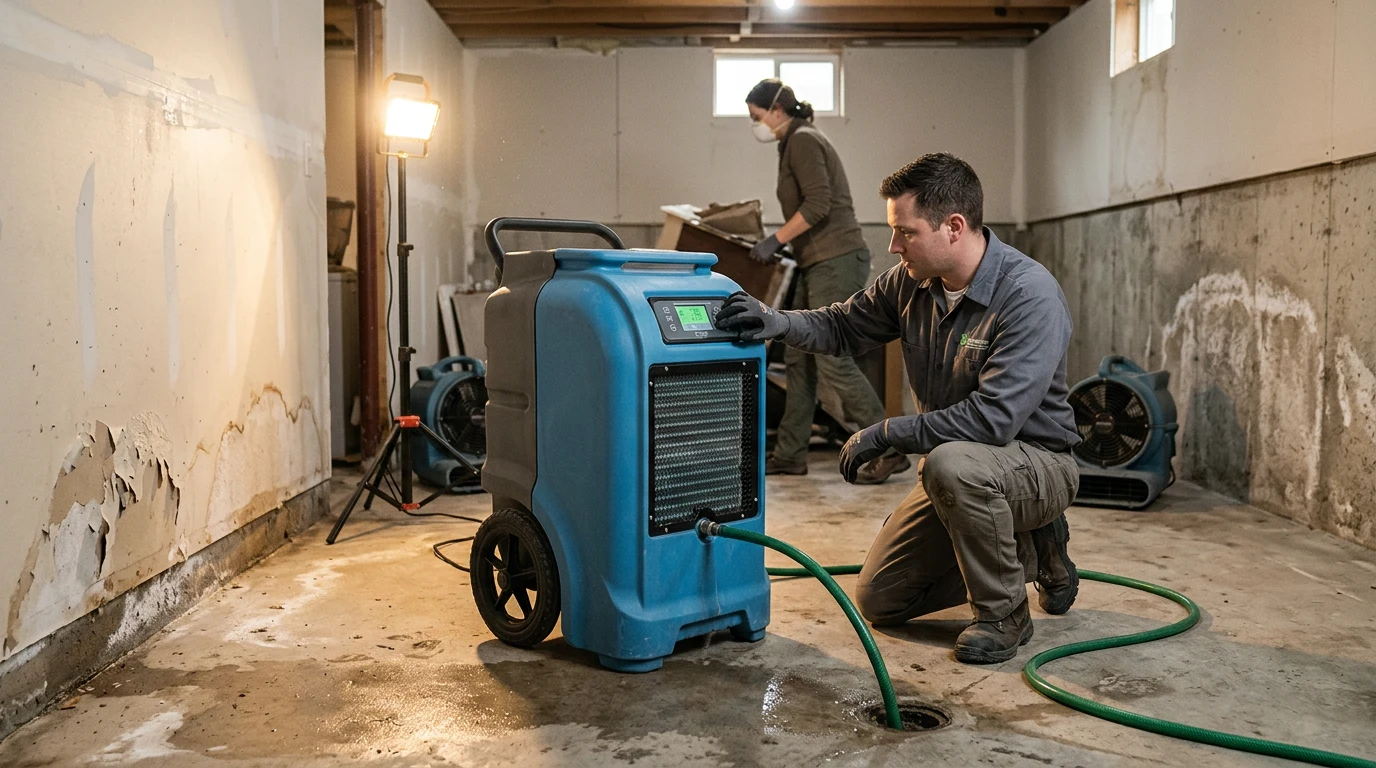
- During and after remediation: Professional mold removal disturbs colonies and releases massive quantities of spores. Running both devices during and for 2 to 4 weeks after remediation accelerates return to healthy indoor air quality.
- Basement or crawl space environments: These areas combine high humidity, limited ventilation, and abundant organic material (drywall, wood framing, stored items). Dual protection is the standard recommendation for finished basements.
- Household members with mold allergies or asthma: When health is at stake, a single line of defense is insufficient. The combination provides both prevention and symptom relief.
- Chronic moisture intrusion you cannot fully resolve: Foundation seepage, old plumbing, poor ventilation in bathrooms. If the root cause cannot be eliminated immediately, both devices serve as ongoing protection.
When running both devices in the same room, place the dehumidifier near the dampest area (often near exterior walls or below-grade sections) and the air purifier in the area where people spend the most time. This configuration maximizes moisture removal at the source while providing the cleanest breathing air where it matters most. An air quality monitor can help track particulate levels and confirm that your air purifier is making measurable progress.
Cost Comparison: Air Purifier vs Dehumidifier for Mold
The total cost of ownership over three years differs significantly between air purifiers and dehumidifiers, primarily due to filter replacement costs for purifiers versus higher energy consumption for dehumidifiers. Understanding these ongoing costs is essential for making an informed decision, especially for budget-conscious homeowners who need effective mold control without overspending.
| Cost Factor | Air Purifier | Dehumidifier |
|---|---|---|
| Purchase Price | $150 to $500 (quality HEPA models) | $180 to $350 (30-70 pint models) |
| Annual Filter/Maintenance | $50 to $120 (HEPA + carbon replacement) | $0 to $20 (washable filter, coil cleaning) |
| Annual Energy Cost | $25 to $75 (50W avg, continuous) | $50 to $150 (400W avg, cycling) |
| 3-Year Total Cost | $375 to $1,085 | $330 to $860 |
| Expected Lifespan | 5 to 8 years | 5 to 10 years |
Air purifiers have lower energy costs because they use less wattage, but the recurring filter expense adds up. HEPA filters typically need replacement every 12 to 18 months, and activated carbon filters every 6 to 12 months. Dehumidifiers draw more electricity (especially older compressor models), but their washable filters and minimal maintenance keep recurring costs low. Newer Energy Star-rated dehumidifiers use 15% to 30% less energy than non-rated models, which narrows the gap considerably.
If budget forces a choice of one device, the dehumidifier often provides better long-term value for mold prevention because it addresses the root cause. However, if health symptoms are the primary concern, the air purifier delivers faster and more direct relief. The best investment decision depends on whether you are trying to prevent mold or manage the health effects of existing mold.
The Science Behind Mold Growth and Indoor Humidity
Mold growth is directly governed by moisture availability, and the relationship between relative humidity and mold colonization follows a well-documented threshold pattern. Understanding this science explains why humidity control is such a powerful mold prevention tool and why air purification alone cannot stop mold from recurring in damp environments.
Key data: Research in building science and mycology shows that most indoor mold species require a minimum surface moisture content (water activity) of 0.80 aw to germinate and grow. For common building materials like drywall and wood, this corresponds to approximately 80% equilibrium relative humidity at the material surface. However, because microclimates near cold surfaces (windows, exterior walls) can be 10-20% higher in humidity than room center readings, the EPA’s 30-50% RH guideline provides a safety margin that accounts for these localized humidity spikes.
Different mold species have different moisture requirements. Xerophilic (dry-loving) species like Aspergillus restrictus can grow at relative humidity as low as 65%, while hydrophilic species like Stachybotrys chartarum require sustained humidity above 90% or direct water contact. The most common indoor mold genera, including Aspergillus, Penicillium, and Cladosporium, colonize surfaces when sustained relative humidity exceeds 60% to 70%. Maintaining indoor RH below 50% inhibits virtually all common indoor mold species.
Temperature also plays a role. Most indoor mold species grow optimally between 68 and 86 degrees Fahrenheit, which conveniently overlaps with typical indoor temperature settings. Since temperature is difficult to adjust for mold prevention without creating uncomfortable living conditions, humidity control remains the most practical intervention. A moisture meter can help identify specific surfaces and materials where moisture levels are elevated, allowing targeted dehumidification rather than whole-house humidity reduction.
How to Determine Which Device Your Home Needs First
The right starting device depends on two simple diagnostic measurements: your indoor relative humidity and whether you currently have mold-related health symptoms. A $10 to $30 hygrometer placed in your most problematic room for 48 to 72 hours will give you the humidity data you need. A professional or DIY mold test can confirm whether airborne spore counts are elevated.
Use this decision framework based on your measurements:
Scenario 1: Humidity above 50% + no health symptoms. Buy a dehumidifier first. Your priority is stopping mold before it starts or before existing growth worsens. Set the humidistat to 40-45% and monitor for two weeks. If humidity stabilizes in the safe range and no symptoms develop, the dehumidifier alone may be sufficient.
Scenario 2: Humidity below 50% + active health symptoms. Buy an air purifier first. Your humidity is already in a safe range, so the problem is likely existing mold contamination releasing spores into the air. A HEPA air purifier with activated carbon filtration will provide the fastest symptom relief while you investigate and address the mold source.
Scenario 3: Humidity above 50% + active health symptoms. Buy both devices. High humidity means mold will continue growing regardless of air filtration, and health symptoms mean you need immediate spore reduction. If budget requires staggering the purchases, start with the dehumidifier to halt growth, then add the air purifier within two to four weeks for symptom management.
Scenario 4: Humidity below 50% + no symptoms + musty odor. Buy an air purifier with strong activated carbon filtration. Musty odors indicate microbial volatile organic compounds (MVOCs) from mold activity, even if spore counts are not yet high enough to trigger symptoms. The activated carbon filter adsorbs these gaseous compounds. Simultaneously, investigate for hidden mold behind walls, under flooring, or in HVAC ductwork.
Key Features to Look for in Each Device
Selecting the right air purifier or dehumidifier for mold requires attention to specific features that directly impact mold-fighting effectiveness. Generic buying guides often focus on brand reputation or aesthetics, but for mold control, the technical specifications determine whether the device will actually solve your problem.
Air Purifier Features That Matter for Mold
- True HEPA (H13 or H14) filtration: Captures 99.97% of particles at 0.3 microns. Avoid “HEPA-type” or “HEPA-style” filters, which may only capture 85-90% of particles.
- Activated carbon filter with substantial media: Look for 2 to 5 pounds of granular activated carbon, not a thin carbon-impregnated mesh. This is what removes mycotoxins, MVOCs, and musty odors.
- CADR rating matched to room size: The smoke CADR number should be at least two-thirds of your room’s square footage. A 300 square foot room needs a minimum smoke CADR of 200.
- Multiple fan speeds with a quiet low setting: Continuous operation is critical for mold spore control. A noisy unit that gets turned off at night provides zero protection during the 8 hours you are most vulnerable.
- Filter replacement indicators: Overdue filter replacement dramatically reduces effectiveness. Smart sensors or timer-based indicators help maintain consistent performance.
Dehumidifier Features That Matter for Mold
- Adequate pint capacity for your space: 30-pint for moderately damp rooms up to 1,500 sq ft. 50-pint for wet rooms or 1,500 to 2,500 sq ft. 70-pint for very wet conditions or larger areas.
- Built-in humidistat: Automatically cycles the unit to maintain your target humidity (set to 40-45% for mold prevention). Eliminates the need for manual monitoring.
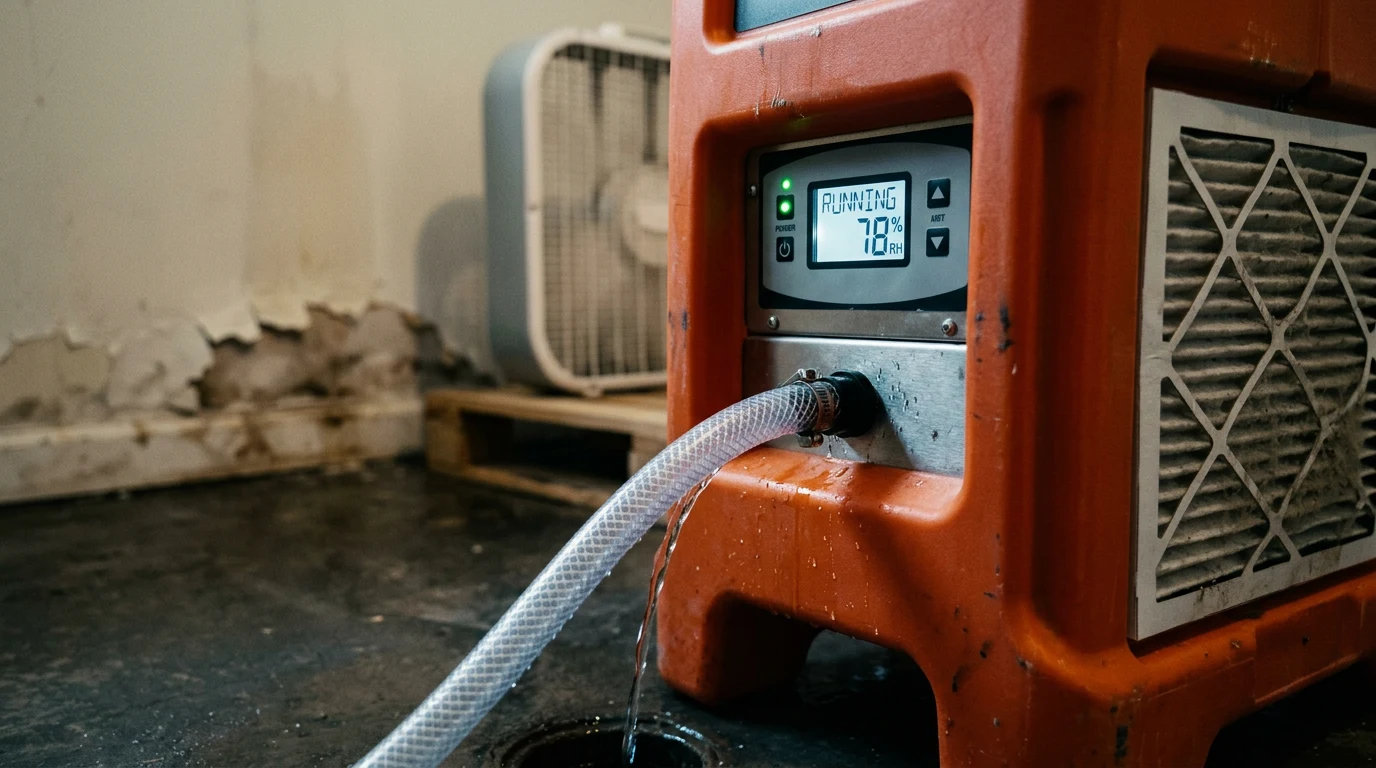
- Continuous drain option: A gravity drain or pump drain hose eliminates the need to empty the water reservoir. Essential for basements and unattended operation.
- Auto-restart after power outage: In regions with frequent storms (which also bring humidity spikes), auto-restart ensures the dehumidifier resumes operation without manual intervention.
- Energy Star certification: Certified models use 15-30% less energy, which matters because dehumidifiers are high-wattage devices that may run for extended periods during humid seasons.
Common Mistakes When Choosing Between Air Purifiers and Dehumidifiers
Several widespread misconceptions lead homeowners to buy the wrong device first or to have unrealistic expectations about what a single device can accomplish against mold. Avoiding these mistakes saves money and prevents the frustration of investing in a solution that does not address the actual problem.
“The most common mistake I see is homeowners buying an air purifier for a basement with 70% humidity and wondering why mold keeps coming back. An air purifier in a high-humidity environment is like bailing water out of a boat without plugging the hole. You have to address moisture first.” — Michael Rubino, environmental wellness expert and founder of HomeCleanse
Mistake 1: Buying an air purifier for a humidity problem. If your indoor humidity is above 50%, an air purifier will capture airborne spores but cannot prevent new mold from growing on damp surfaces. The mold will continue producing spores faster than any purifier can filter them. Always check humidity first with a hygrometer.
Mistake 2: Assuming a dehumidifier removes mold spores from air. A dehumidifier does not filter the air. It removes moisture. Existing airborne spores remain in circulation until they settle on surfaces or are captured by filtration. If you have elevated spore counts and health symptoms, a dehumidifier alone will not provide relief.
Mistake 3: Undersizing the device for the space. An air purifier rated for 150 square feet will not adequately serve a 400 square foot basement. A 20-pint dehumidifier will struggle in a 2,000 square foot finished basement with chronic moisture. Undersized devices run continuously at maximum capacity, wear out faster, consume more energy, and fail to achieve target conditions.
Mistake 4: Running the device only when you are home. Mold does not stop growing or releasing spores when you leave for work. Both air purifiers and dehumidifiers should run continuously (or on auto-cycle for dehumidifiers) for effective mold control. The cost difference between 8-hour and 24-hour operation is minimal compared to the cost of mold remediation.
Mistake 5: Neglecting the root cause. Neither device is a substitute for fixing the underlying moisture source. Leaking pipes, poor drainage, inadequate ventilation, and foundation cracks all introduce moisture that overwhelms any consumer appliance. Address the source first, then use devices for ongoing prevention and air quality management.
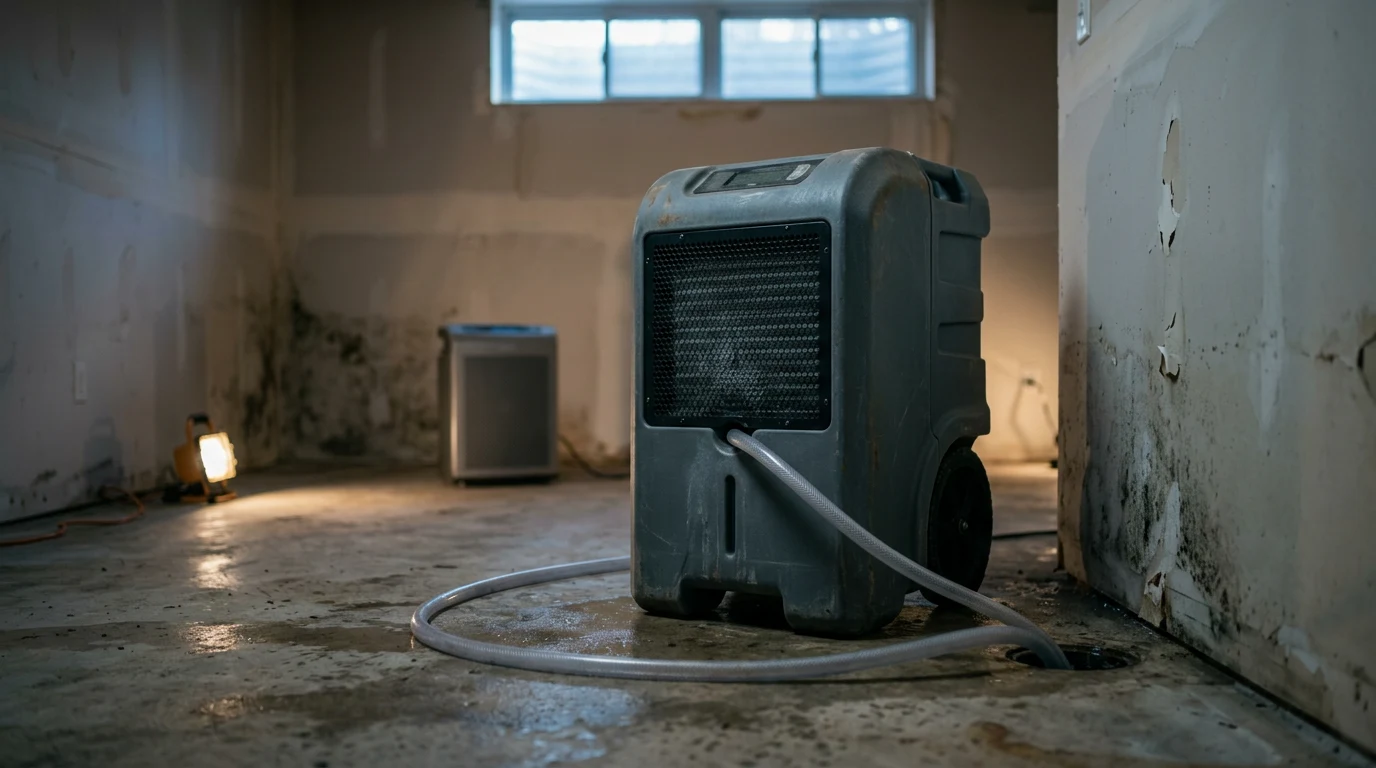
Do Combination Air Purifier-Dehumidifier Units Work for Mold?
Combination units that claim to offer both air purification and dehumidification exist, but they consistently underperform compared to dedicated devices in both functions. This matters significantly for mold control because partial effectiveness from either function leaves gaps in your defense. Buying a combo unit often means spending similar money for inferior results in both categories.
The core engineering problem is that effective HEPA filtration requires significant fan pressure to push air through dense filter media, while effective dehumidification requires a separate refrigeration cycle with condenser coils. Combining both into one chassis forces design compromises. Verified buyer reviews of combo units frequently cite reduced CADR ratings compared to standalone HEPA purifiers and lower moisture extraction rates compared to standalone dehumidifiers of the same price point.
In practical terms, a $300 combination unit typically delivers air purification equivalent to a $100 standalone purifier and dehumidification equivalent to a $120 standalone dehumidifier. For general air quality improvement in a slightly damp room, a combo unit may suffice. For serious mold prevention or remediation, two dedicated devices will always outperform a single combo unit. The slight convenience of one plug and one device does not offset the performance gap when mold is the concern.
Room-by-Room Recommendations for Mold Control
Different rooms in a home present different mold challenges, and the optimal device choice varies by location. This room-by-room guide helps match the right equipment to the specific moisture and air quality conditions in each space.
Basement
Priority: Dehumidifier first, air purifier second. Basements are the most common site for residential mold growth due to below-grade moisture intrusion, limited ventilation, and cooler temperatures that promote condensation. A 50 to 70-pint dehumidifier with continuous drain capability is the foundation of basement mold prevention. Add an air purifier if the basement is used as living space or if mold has been an ongoing issue.
Bathroom
Priority: Ventilation first, dehumidifier for persistent issues. Bathrooms generate acute humidity spikes from showers and baths. A properly functioning exhaust fan (vented to the exterior, not the attic) running for 20 to 30 minutes after each shower is the first line of defense. If humidity remains elevated despite proper ventilation, a small portable dehumidifier can supplement. Air purifiers are generally not needed in bathrooms unless the space connects to a bedroom where someone sleeps.
Bedroom
Priority: Air purifier, especially for allergy sufferers. Bedrooms are where occupants spend 6 to 9 hours breathing the same air. If anyone in the household has mold allergies, asthma, or unexplained nighttime congestion, a HEPA air purifier in the bedroom provides the highest-impact single intervention. Choose a unit with a noise level below 35 decibels on the low setting for undisturbed sleep.
Kitchen
Priority: Ventilation and spot dehumidification. Cooking generates moisture and organic particles. A range hood vented to the exterior addresses most kitchen moisture. Under-sink areas and behind refrigerators are common hidden mold sites; a moisture meter check of these areas can identify problems before they become visible.
Crawl Space
Priority: Dehumidifier (commercial-grade if accessible). Crawl spaces with exposed earth floors can generate enormous moisture loads. A commercial dehumidifier rated for crawl space use, combined with vapor barrier installation on the floor, is the standard recommendation. Air purifiers are impractical in crawl spaces since these are not occupied living areas. The goal is purely moisture control to prevent mold from migrating into the living space above.

Monitoring Your Indoor Environment for Mold Risk
Ongoing monitoring is what separates homes that successfully prevent mold from homes that repeatedly deal with mold problems. Both air purifiers and dehumidifiers work best as part of a monitoring-informed strategy where you track conditions and adjust device settings based on real data rather than assumptions.
At minimum, place a digital hygrometer in every room where mold risk is a concern. Models in the $15 to $30 range provide humidity accuracy within 2-3% and temperature readings. Check readings at different times of day and in different seasons, as humidity patterns vary significantly. A room that reads 42% humidity in winter may spike to 65% in summer when conditions change.
For more comprehensive monitoring, an air quality monitor that tracks particulate matter (PM2.5 and PM10) provides a proxy measurement for airborne mold spore concentrations. While these consumer monitors cannot specifically identify mold spores, a sudden spike in fine particulate readings in a room with known mold history strongly suggests increased spore release. If readings spike, increase air purifier fan speed and investigate whether humidity levels have risen.
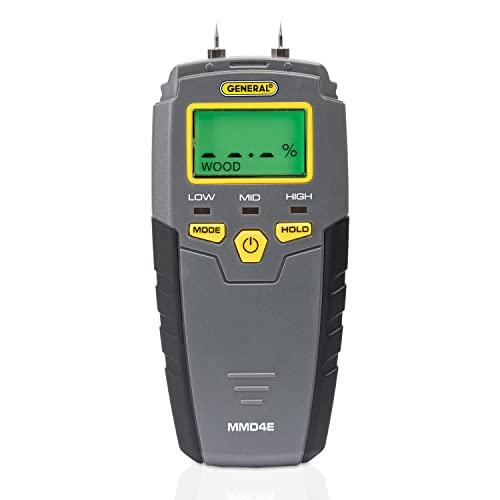
A moisture meter allows targeted investigation of walls, floors, ceilings, and other building materials. Readings above 15-17% moisture content in wood or drywall indicate conditions favorable for mold growth, even if room humidity seems acceptable. Moisture meters are particularly useful for detecting hidden leaks, rising damp, and condensation inside wall cavities that a hygrometer in the room center would miss.
Frequently Asked Questions About Air Purifiers and Dehumidifiers for Mold
These are the most common questions homeowners ask when deciding between an air purifier and a dehumidifier for mold control. Each answer is designed to stand alone as a complete response.
Can an air purifier prevent mold growth?
An air purifier does not prevent mold growth. It captures airborne mold spores, which reduces the number of spores available to land on surfaces and start new colonies. However, if moisture conditions are favorable (above 50% relative humidity), mold will continue growing from existing colonies and from spores that settle before passing through the purifier. An air purifier is a symptom management tool, not a prevention tool. For prevention, humidity control through dehumidification is more effective.
Does a dehumidifier kill mold?
A dehumidifier does not kill mold. It removes moisture from the air, which makes the environment unfavorable for active mold growth. Existing mold colonies may go dormant when humidity drops below 50%, but they remain viable and can resume growth if moisture returns. To actually eliminate existing mold, physical removal (cleaning, remediation) is necessary. A dehumidifier prevents future growth; it does not address current contamination. See the complete mold removal guide for elimination strategies.
What humidity level prevents mold?
The EPA recommends maintaining indoor relative humidity between 30% and 50% to prevent mold growth. Most indoor mold species require sustained humidity above 60% at the surface level to colonize building materials. Setting a dehumidifier to maintain 40-45% provides an effective safety margin that accounts for localized humidity variations near cold surfaces, windows, and exterior walls where condensation can occur even when room-center readings appear safe.
Can you use an air purifier and dehumidifier in the same room?
Yes, and this is the recommended approach for rooms with active mold problems or high mold risk. The two devices do not interfere with each other. Place the dehumidifier near the moisture source (exterior wall, window, or below-grade section) and the air purifier near the area where people spend time. Running both simultaneously provides the most complete protection: the dehumidifier prevents growth while the air purifier removes airborne spores and odors.
How long does an air purifier take to remove mold spores from a room?
A properly sized HEPA air purifier can significantly reduce airborne mold spore concentrations within 30 to 60 minutes of continuous operation in a sealed room. The AHAM recommends that air purifiers cycle the entire room volume at least 4 to 5 times per hour for effective particulate removal. However, if mold is actively growing and releasing new spores, the air purifier must run continuously to maintain reduced spore levels. Turning it off allows concentrations to rebuild within hours.
Which is more cost-effective for mold: air purifier or dehumidifier?
Over a three-year period, a dehumidifier is slightly more cost-effective overall because it has lower maintenance costs (no filter replacements), though it uses more electricity. More importantly, a dehumidifier is more cost-effective at mold prevention because it addresses the root cause. However, if you already have a mold problem causing health symptoms, the air purifier provides more immediate value per dollar spent because it directly reduces the exposure causing your symptoms. The most cost-effective long-term strategy is investing in both.
Do HEPA air purifiers remove mycotoxins?
HEPA filters capture mycotoxin particles that are bound to mold spore fragments and dust particles larger than 0.3 microns. However, some mycotoxins can exist as free-floating gaseous compounds that pass through HEPA media. This is why air purifiers intended for mold should include activated carbon filtration in addition to HEPA. The carbon adsorbs gaseous mycotoxins, MVOCs, and other volatile mold byproducts that cause musty odors and may contribute to health effects.
What size dehumidifier do I need for mold prevention?
Size a dehumidifier based on room area and moisture severity. For moderately damp spaces (slight musty smell, damp feeling) up to 1,500 square feet, a 30-pint unit is adequate. For wet spaces (visible condensation, wet spots) or areas up to 2,500 square feet, a 50-pint unit is recommended. For very wet conditions (standing water history, chronic flooding, large basements), a 70-pint unit provides the necessary extraction capacity. In all cases, a model with a built-in humidistat allows automatic cycling to maintain your target humidity level.
For more information on identifying and addressing mold in your home, explore the mold testing guide to understand your current exposure level, or review the complete black mold guide if you suspect toxic mold contamination.
Can an air purifier effectively remove mold spores after remediation?
Yes, an air purifier with a HEPA filter can effectively capture airborne mold spores, significantly reducing their concentration in the air post-remediation. This helps to prevent re-colonization and improves indoor air quality by removing microscopic particles that contribute to respiratory issues.
Is a dehumidifier alone sufficient to prevent mold growth?
A dehumidifier is crucial for preventing mold growth by reducing indoor humidity levels to below 60%, which is inhospitable for most mold species. However, it does not remove existing mold or airborne spores, making it a preventative tool rather than a remediation solution.

Should I use an air purifier or a dehumidifier if I see visible mold?
If visible mold is present, neither an air purifier nor a dehumidifier is a primary solution; the mold must first be physically removed. After remediation, a dehumidifier helps prevent recurrence by controlling moisture, and an air purifier can capture any remaining airborne spores.

What type of air purifier is best for mold spores?
For mold spores, an air purifier equipped with a true HEPA filter is essential, as these filters are designed to capture 99.97% of particles 0.3 microns in size, including mold spores. Models with activated carbon filters can also help remove musty odors associated with mold.

Can a dehumidifier help with the musty smell of mold?
While a dehumidifier can reduce the musty smell by drying out the environment and inhibiting further mold growth, it does not eliminate odors already absorbed into porous materials. For persistent odors, an air purifier with an activated carbon filter or professional cleaning may be necessary after mold removal.

When is it appropriate to use both an air purifier and a dehumidifier for mold issues?
Using both an air purifier and a dehumidifier is ideal after mold remediation, especially in damp environments. The dehumidifier will control humidity to prevent future growth, while the air purifier will continuously remove any lingering airborne mold spores and other allergens, optimizing indoor air quality.
These statements have not been evaluated by the Food and Drug Administration. This information is not intended to diagnose, treat, cure, or prevent any disease. Content is for informational purposes only and is not medical advice; consult a qualified healthcare provider before starting any supplement. As an Amazon Associate we earn from qualifying purchases.
