If you’re dealing with mold in your Seattle, WA home, understanding the costs involved is the first step toward getting it resolved. Seattle, WA has a high mold risk rating due to its oceanic (marine west coast) climate, 73% average humidity, and 37.1 inches of annual rainfall. This guide breaks down exactly what mold removal costs in Seattle, what factors affect pricing, and whether you should DIY or hire a professional.
Our reviews are based on aggregated verified buyer feedback, manufacturer specifications, ingredient analysis, and published expert opinion. Products are not independently purchased or tested by our team. We may earn a commission if you purchase through our links, at no extra cost to you. How We Review
Seattle at a Glance: Mold Risk Profile
| Factor | Detail |
|---|---|
| Population | 737,015 (metro: 4,018,762) |
| Average Home Price | $790,000 |
| Climate Zone | Oceanic (marine west coast) |
| Average Humidity | 73% |
| Annual Rainfall | 37.1 inches |
| Mold Risk Rating | High |
| Common Housing Types | Craftsman bungalows, mid-century ranches, modern townhomes, many with crawl spaces |
Average Mold Removal Costs in Seattle
| Service | Cost Range |
|---|---|
| Mold Inspection | $350 – $650 |
| Small Area Remediation (under 10 sq ft) | $500 – $1,500 |
| Standard Remediation | $2,000 – $6,000 |
| Whole-House Remediation | $5,000 – $15,000+ |
| Post-Remediation Air Testing | $200 – $400 |
Why Mold Is Common in Seattle
Persistent drizzle and overcast skies (8+ months), homes rarely dry out completely, many crawl spaces with poor vapor barriers, Puget Sound moisture
Local insight: Despite Seattle’s rainy reputation, it actually receives less rainfall than Houston, New York, and Miami. However, Seattle’s 150+ cloudy days per year mean moisture rarely evaporates, creating persistent damp conditions.
Seattle Housing and Mold: What to Know
Seattle Craftsman homes (1910-1940) often have minimal eave overhangs and no gutters on the original design. Retrofit gutters and extend downspouts at least 6 feet from your foundation.
Factors That Affect Mold Removal Cost in Seattle
- Size of affected area: Small bathroom mold vs. entire basement requires different approaches and costs
- Type of mold: Common mold is straightforward; suspected toxic mold (Stachybotrys) requires additional testing and containment
- Location: Accessible areas cost less than mold in crawl spaces, attics, or inside walls
- Cause of moisture: Fixing the underlying moisture issue (plumbing leak, drainage, humidity) adds to total cost
- Materials affected: Drywall replacement costs more than surface cleaning of tile or concrete
- Licensing requirements: Washington RCW 59.18.060 requires landlords to maintain habitable conditions. Seattle’s Just Cause Eviction Ordinance prevents retaliation for mold complaints. Washington requires mold disclosure in real estate transactions.
DIY vs. Professional Mold Removal in Seattle
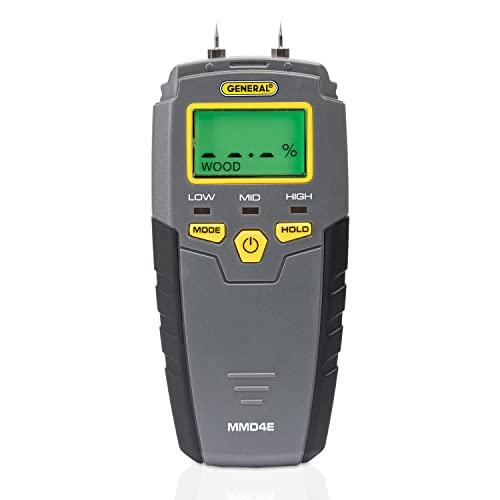
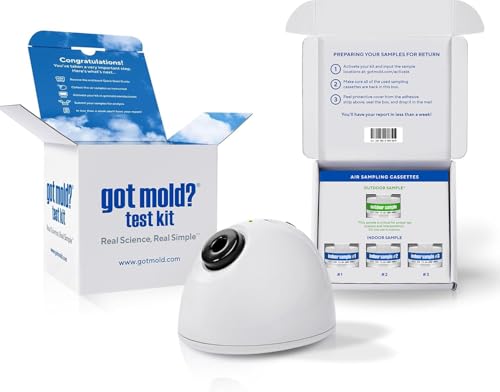
For small mold areas (under 10 square feet), DIY removal can save you $1,000-$3,000. You’ll need a N95 respirator, mold remover spray, and a moisture meter to verify the area is dry after treatment. For a basic DIY assessment, start with a home mold test kit.
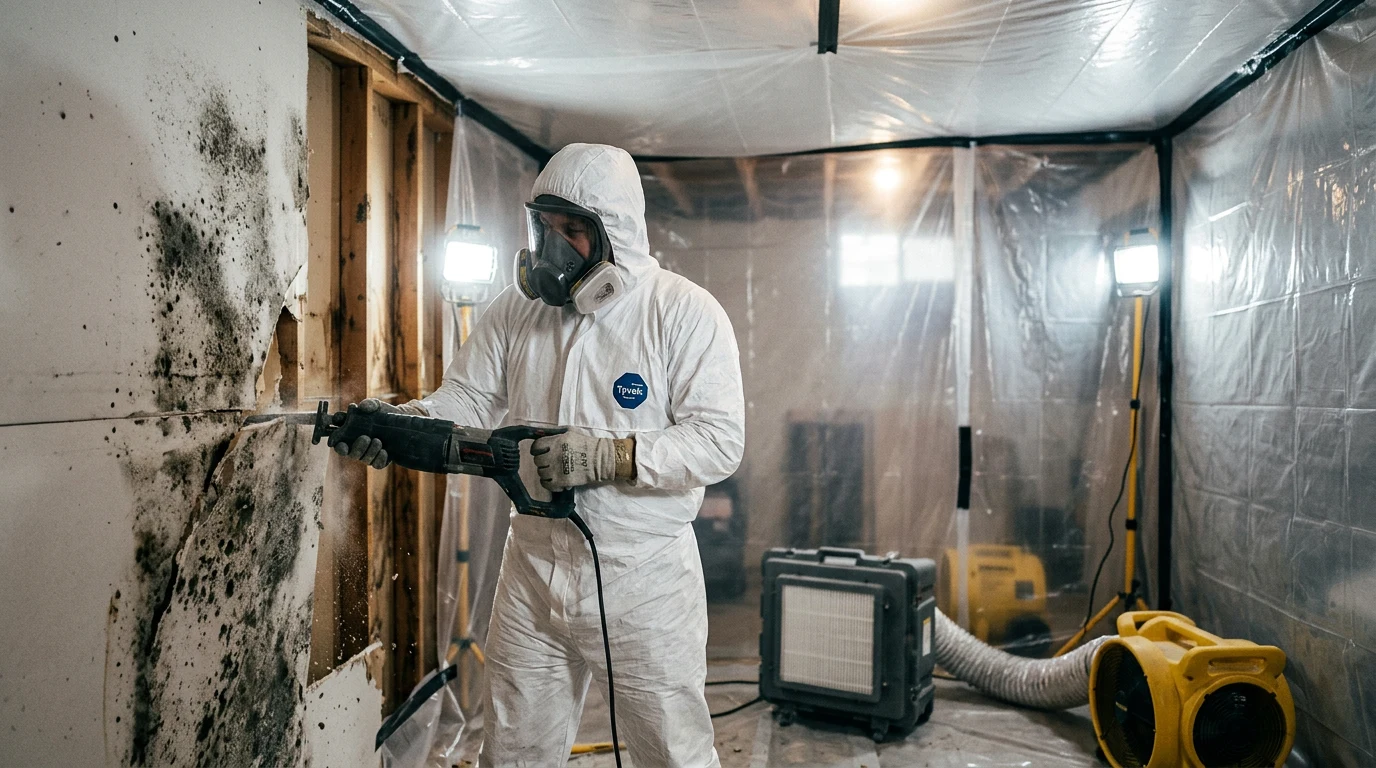
Hire a professional in Seattle when the affected area is larger than 10 square feet, mold is in your HVAC system, you suspect mold behind walls, or anyone in the household has respiratory health issues. Use our complete DIY mold removal guide for small projects and our guide on when to test for mold to determine if you need professional help.
How to Find a Reputable Mold Remediation Company in Seattle
- Verify licensing and insurance (check WA requirements)
- Get at least 3 written estimates
- Ask for references from recent Seattle-area jobs
- Ensure they follow IICRC S520 mold remediation standards
- Use a different company for testing and remediation (avoids conflict of interest)
- Get a written scope of work before any work begins
Common Mold Questions in Seattle
Is mold inevitable in Seattle?
How do I prevent mold in my Seattle crawl space?
Does Seattle’s building code address mold prevention?
Mold Removal Cost Breakdown by Room
Seattle homeowners typically face different mold remediation costs depending on which room is affected. The location impacts accessibility, moisture sources, and the complexity of treatment required. Here’s how costs break down by room in the Seattle area:
| Room/Area | Typical Cost Range | Notes |
|---|---|---|
| Bathroom | $800 – $2,500 | Common due to humidity, usually surface mold on tile/grout |
| Kitchen | $1,000 – $3,500 | Under-sink leaks, behind appliances most common |
| Basement | $1,500 – $4,000 | Foundation moisture, poor ventilation issues |
| Crawl Space | $2,000 – $6,000 | High in Seattle due to vapor barrier problems |
| Attic | $1,200 – $3,000 | Roof leaks, poor ventilation in Seattle’s wet climate |
| Whole House | $8,000 – $20,000 | Major water damage or long-term moisture issues |
Bathroom mold in Seattle homes is particularly common during the region’s extended wet season from October through May. Most bathroom mold cases involve surface growth on tile, grout, or around fixtures and can be addressed with standard remediation techniques. Kitchen mold often occurs behind dishwashers, under sinks, or around windows where condensation builds up.
Basement and crawl space mold remediation costs are typically higher in Seattle due to the prevalence of these spaces in older homes and the region’s high groundwater levels. Many Seattle Craftsman homes built between 1910-1940 have crawl spaces with inadequate vapor barriers, leading to chronic moisture problems. Professional remediation in these areas often requires installing new vapor barriers, improving drainage, and upgrading ventilation systems.
How Seattle’s Climate Affects Mold Growth and Costs
Seattle’s oceanic climate creates unique challenges for mold prevention and drives remediation costs higher than in drier regions. The city’s 73% average humidity level remains consistently above the 60% threshold where mold growth accelerates. This persistent humidity means that even minor moisture intrusions can quickly develop into significant mold problems.
The region’s 37.1 inches of annual rainfall, while less than many eastern cities, falls over 150+ days per year. This extended precipitation pattern prevents homes from fully drying out between rain events. Seattle’s marine west coast climate means temperatures rarely reach the extremes that naturally kill mold spores, allowing colonies to survive year-round.
These climate factors increase remediation costs in several ways. First, Seattle homes often have multiple moisture entry points that must be addressed simultaneously, increasing project scope. Second, the persistent humidity means that standard drying techniques take longer, extending project timelines. Finally, many Seattle homes require ongoing moisture control systems like enhanced ventilation or dehumidification, adding $1,000-$3,000 to total project costs.
The proximity to Puget Sound also contributes to elevated humidity levels throughout the metro area. Homes within five miles of the water typically experience 5-10% higher humidity levels than inland properties, requiring more aggressive moisture control measures during and after remediation. For more guidance, EPA provides expert resources on mold guidance.
Seasonal Considerations for Mold Removal in Seattle
Seattle’s mold problems peak during the extended wet season from October through April, when humidity levels consistently exceed 75% and indoor moisture accumulation reaches its highest levels. Most homeowners discover mold problems in late winter or early spring when they begin opening windows and increasing ventilation after months of sealed indoor conditions.
The optimal time for mold remediation in Seattle is during the drier months from May through September, when outdoor humidity drops to 60-65% and natural ventilation can assist the drying process. Summer projects typically complete 20-30% faster than winter remediation due to better drying conditions and easier access for equipment and materials.
Seasonal pricing in Seattle’s mold remediation market shows modest variation. Spring and early summer see the highest demand as homeowners address winter moisture damage, potentially increasing costs by 10-15%. Late fall projects may receive slight discounts as contractors prepare for slower winter periods, though emergency remediation maintains premium pricing year-round.
Winter remediation projects in Seattle face unique challenges including limited ventilation options, slower material drying times, and potential heating system complications. Homeowners scheduling winter remediation should expect 25-40% longer project timelines and may need temporary heating or dehumidification equipment, adding $200-$500 to project costs.
What to Expect During Professional Mold Remediation
Professional mold remediation in Seattle follows EPA guidelines and IICRC S520 standards to ensure safe and effective treatment. The process typically begins with a detailed assessment and moisture mapping using thermal imaging and moisture meters to identify all affected areas and moisture sources.
Containment setup involves sealing the affected area with plastic sheeting and establishing negative air pressure using HEPA-filtered fans. This prevents mold spores from spreading to unaffected areas during removal. Seattle remediation companies typically use double containment barriers for projects larger than 30 square feet due to the region’s high baseline humidity levels.
The removal phase includes safely disposing of contaminated materials, HEPA vacuuming all surfaces, and treating remaining materials with antimicrobial solutions. Structural materials like drywall are removed when contamination exceeds surface levels. Seattle projects often require additional structural drying time due to the climate’s naturally high humidity levels.
Timeline expectations for Seattle mold remediation range from 2-5 days for standard residential projects. Small bathroom projects may complete in 1-2 days, while whole-house remediation can extend 7-14 days. Post-remediation air testing occurs 24-48 hours after completion to verify successful spore reduction before reoccupying treated areas.
Homeowners should prepare by removing personal items from affected areas, arranging temporary accommodations if needed, and ensuring contractors have clear access to work areas. Most Seattle remediation companies provide detailed preparation checklists and can coordinate with restoration contractors for repair work following successful remediation.
DIY vs Professional Mold Removal in Seattle
DIY mold removal in Seattle is appropriate for small, surface-level contamination under 10 square feet where the moisture source is identified and easily controlled. Common DIY scenarios include bathroom tile mold, small window condensation issues, or minor basement seepage affecting concrete surfaces. Successful DIY projects require proper safety equipment including N95 respirators, gloves, and eye protection.
Professional remediation becomes necessary when contamination exceeds 10 square feet, affects porous materials like drywall or insulation, or involves HVAC systems. Seattle’s high humidity levels mean that small problems often indicate larger hidden moisture issues requiring professional moisture mapping and structural assessment.
Cost comparison shows DIY projects typically cost $50-$300 for supplies and equipment rental, while professional remediation ranges from $1,500-$6,000 for the same area. However, inadequate DIY treatment often leads to mold return, requiring professional intervention that costs 20-30% more than initial proper treatment.
Safety considerations are particularly important in Seattle due to the prevalence of older homes that may contain asbestos or lead paint. Professional contractors carry proper insurance and certifications to handle these materials safely. Use our mold removal guide to determine if your project is suitable for DIY treatment, and always use a home mold test to verify successful treatment regardless of approach.
Insurance Coverage for Mold Removal in WA
Washington state homeowner’s insurance policies typically cover mold damage when it results from a covered peril such as burst pipes, appliance leaks, or storm damage. However, coverage excludes mold caused by maintenance neglect, long-term leaks, or flooding. Most WA policies include specific mold coverage limits ranging from $10,000-$25,000 per occurrence.
Washington’s disclosure requirements mean that any mold damage or remediation must be reported during real estate transactions. This creates additional incentive for homeowners to address mold problems promptly and document professional remediation for future buyers. Insurance companies may require professional assessment and remediation for claims exceeding $5,000.
Filing a successful mold claim requires documenting the initial water source, photographing damage before cleanup, and obtaining professional estimates. Seattle homeowners should contact their insurance provider immediately upon discovering water damage to ensure coverage eligibility. Some policies require notification within 48-72 hours of initial damage discovery.
Additional mold coverage endorsements are available for purchase in Washington, typically costing $75-$200 annually for expanded coverage limits up to $50,000. These endorsements may be worthwhile for Seattle homeowners given the region’s high mold risk profile and elevated home values averaging $790,000.
Frequently Asked Questions
How much does mold removal cost in Seattle?
The average mold remediation cost in Seattle, WA ranges from $2,000 – $6,000 depending on the size of the affected area, type of mold, and accessibility. Small bathroom mold removal may cost $500-$1,000, while whole-house remediation can exceed $10,000.
How much does a mold inspection cost in Seattle?
A professional mold inspection in Seattle, WA typically costs $350 – $650. This usually includes a visual assessment, moisture readings, and may include air or surface sampling.
Does homeowner’s insurance cover mold removal in WA?
Most homeowner’s insurance policies in WA cover mold damage if it results from a covered peril (like a burst pipe). Mold from maintenance neglect, flooding, or humidity is typically not covered. Check your specific policy.
Can I remove mold myself in Seattle?
For small areas (under 10 square feet), DIY removal is feasible with proper PPE. For larger areas or if you have health concerns, hire a professional mold remediation company in Seattle, WA. WA may require licensed professionals for certain projects.
Is mold inevitable in Seattle homes?
While Seattle’s climate creates high mold risk, proper moisture control can prevent most mold problems. Key prevention strategies include maintaining indoor humidity below 60%, ensuring proper ventilation, promptly repairing leaks, and using exhaust fans in bathrooms and kitchens.
What should I do immediately after finding mold in my Seattle home?
Stop using the affected area, avoid disturbing the mold, identify and fix any obvious moisture sources, document the damage with photos, and contact a professional for assessment if the area exceeds 10 square feet. Use a mold test kit to determine the type and concentration if considering DIY removal.
How long does mold remediation take in Seattle?
Small mold remediation projects in Seattle typically take 1-3 days, while larger projects may require 5-10 days. Seattle’s high humidity can extend drying times by 20-30% compared to drier climates. Emergency water damage response can begin within 24 hours to prevent mold development.
Do Seattle building codes address mold prevention?
Seattle follows Washington State Building Code requirements for moisture control, including vapor barriers in crawl spaces, proper ventilation systems, and moisture-resistant materials in bathrooms. The city has additional requirements for historic district renovations and multi-family housing moisture control.
What’s the best way to prevent crawl space mold in Seattle?
Install a 6-mil plastic vapor barrier covering all soil, seal foundation vents during wet months, ensure proper grading directs water away from the foundation, install exhaust ventilation, and maintain crawl space humidity below 60%. Many Seattle homes benefit from crawl space encapsulation due to high groundwater levels.
Should I test for mold before or after remediation in Seattle?
Testing before remediation helps identify the extent and type of contamination, while post-remediation testing verifies successful treatment. Seattle’s humid climate makes post-remediation air quality testing particularly important to ensure spore levels have returned to normal background levels before reoccupancy.
Related Guides
- DIY Mold Removal Guide
- Complete Mold Testing Guide
- Mold Exposure Health Risks
- How to Prevent Mold After Water Damage
Frequently Asked Questions
What factors will most significantly influence the cost of mold removal in Seattle in 2026?
In 2026, the primary factors driving mold remediation costs in Seattle will be the extent of the mold growth, the type of mold present (e.g., black mold often requires more intensive treatment), and the accessibility of the affected area. Additionally, the need for structural repairs or specialized containment will increase overall expenses.
How much should I budget for a typical mold remediation project in a Seattle home in 2026?
For a typical, moderate mold issue in a Seattle home in 2026, homeowners should anticipate budgeting anywhere from $1,500 to $6,000. This range accounts for standard remediation services, including containment, removal, and post-remediation verification, but excludes extensive structural damage.

Are there specific Seattle regulations or climate considerations that might impact mold removal costs?
Yes, Seattle’s consistently damp climate contributes to higher mold prevalence, potentially increasing the frequency and scope of remediation projects. Furthermore, local permitting requirements for extensive structural work related to mold damage could add administrative costs and extend project timelines.
Will insurance cover mold removal costs in Seattle in 2026?
Insurance coverage for mold remediation in Seattle in 2026 largely depends on the cause of the mold. Most standard homeowner policies will cover mold if it results from a sudden and accidental peril, like a burst pipe, but typically exclude mold caused by neglect or long-term moisture issues.
What preventative measures can Seattle homeowners take to reduce future mold remediation expenses?
Seattle homeowners can significantly reduce future mold remediation expenses by regularly monitoring for leaks, improving ventilation in bathrooms and kitchens, and maintaining proper indoor humidity levels (ideally below 60%). Promptly addressing any water intrusion is crucial in preventing extensive mold growth.

How does the size of the affected area impact the 2026 cost of mold removal in Seattle?
The size of the affected area directly correlates with the 2026 cost of mold removal in Seattle, as larger areas require more labor, materials, and specialized equipment for containment and removal. For instance, remediating a small bathroom corner will be considerably less expensive than addressing mold spread across an entire basement.
These statements have not been evaluated by the Food and Drug Administration. This information is not intended to diagnose, treat, cure, or prevent any disease. Content is for informational purposes only and is not medical advice; consult a qualified healthcare provider before starting any supplement. As an Amazon Associate we earn from qualifying purchases.