If you’re dealing with mold in your Charlotte, NC home, understanding the costs involved is the first step toward getting it resolved. Charlotte, NC has a high mold risk rating due to its humid subtropical climate, 67% average humidity, and 43.6 inches of annual rainfall. This guide breaks down exactly what mold removal costs in Charlotte, what factors affect pricing, and whether you should DIY or hire a professional.
Our reviews are based on aggregated verified buyer feedback, manufacturer specifications, ingredient analysis, and published expert opinion. Products are not independently purchased or tested by our team. We may earn a commission if you purchase through our links, at no extra cost to you. How We Review
Charlotte at a Glance: Mold Risk Profile
| Factor | Detail |
|---|---|
| Population | 874,579 (metro: 2,756,038) |
| Average Home Price | $370,000 |
| Climate Zone | Humid subtropical |
| Average Humidity | 67% |
| Annual Rainfall | 43.6 inches |
| Mold Risk Rating | High |
| Common Housing Types | New construction subdivisions, brick ranch homes, many with crawl spaces |
Average Mold Removal Costs in Charlotte
| Service | Cost Range |
|---|---|
| Mold Inspection | $275 – $500 |
| Small Area Remediation (under 10 sq ft) | $500 – $1,500 |
| Standard Remediation | $1,400 – $4,000 |
| Whole-House Remediation | $5,000 – $15,000+ |
| Post-Remediation Air Testing | $200 – $400 |
Why Mold Is Common in Charlotte
Clay soil, humid summers, rapid construction sometimes cuts corners on moisture barriers, many vented crawl spaces
Local insight: Charlotte has grown by over 20% in the last decade, and rapid construction has led to an increase in building envelope defects that contribute to mold growth.
Charlotte Housing and Mold: What to Know
Many Charlotte-area new builds use spray foam insulation that can trap moisture if the building envelope isn’t properly sealed. Check attic spaces for condensation on the underside of roof sheathing.
Factors That Affect Mold Removal Cost in Charlotte
- Size of affected area: Small bathroom mold vs. entire basement requires different approaches and costs
- Type of mold: Common mold is straightforward; suspected toxic mold (Stachybotrys) requires additional testing and containment
- Location: Accessible areas cost less than mold in crawl spaces, attics, or inside walls
- Cause of moisture: Fixing the underlying moisture issue (plumbing leak, drainage, humidity) adds to total cost
- Materials affected: Drywall replacement costs more than surface cleaning of tile or concrete
- Licensing requirements: North Carolina has no specific mold statute. General landlord obligations under N.C.G.S. § 42-42 require fit and habitable premises. Tenant remedy includes rent withholding after proper notice.
DIY vs. Professional Mold Removal in Charlotte
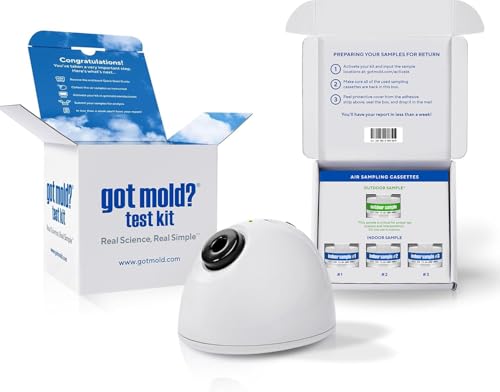
For small mold areas (under 10 square feet), DIY removal can save you $1,000-$3,000. You’ll need a N95 respirator, mold remover spray, and a moisture meter to verify the area is dry after treatment. For a basic DIY assessment, start with a home mold test kit.
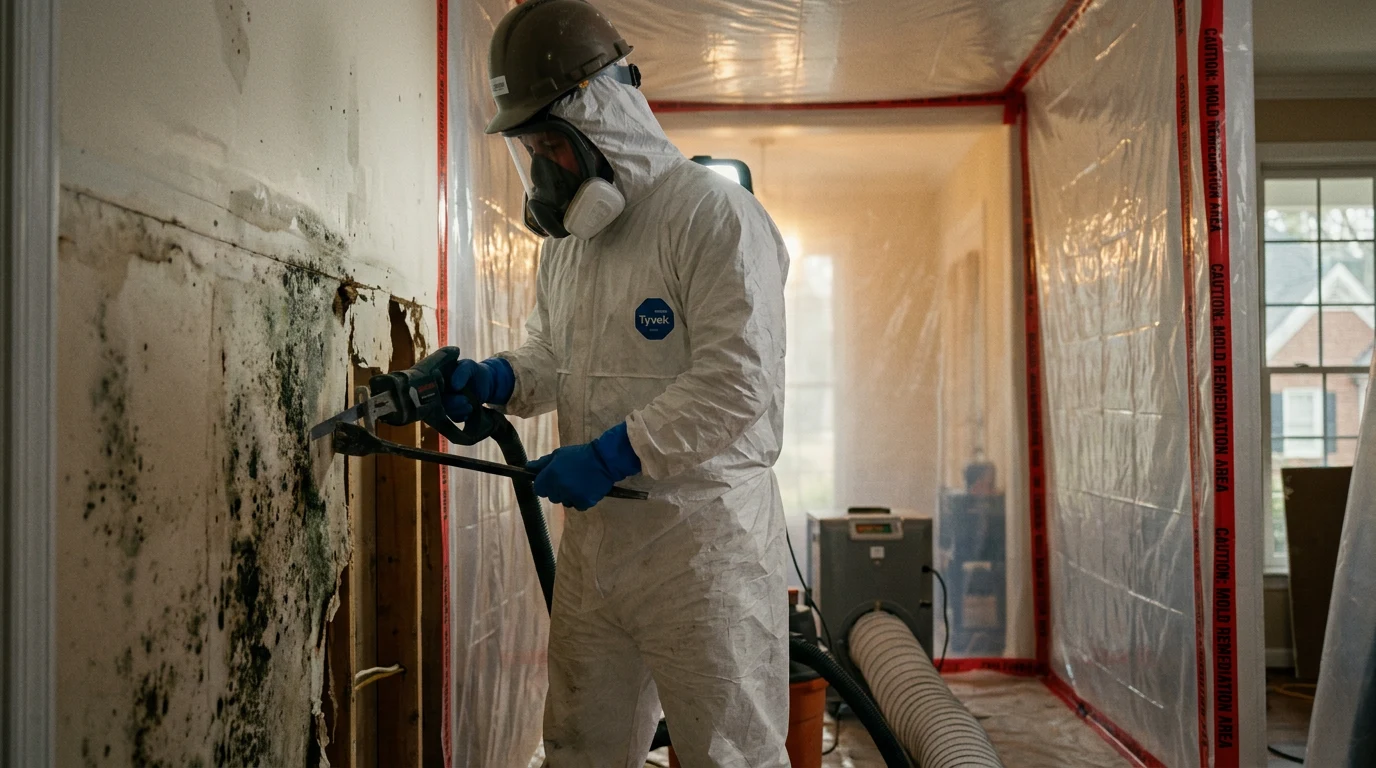
Hire a professional in Charlotte when the affected area is larger than 10 square feet, mold is in your HVAC system, you suspect mold behind walls, or anyone in the household has respiratory health issues. Use our complete DIY mold removal guide for small projects and our guide on when to test for mold to determine if you need professional help.
How to Find a Reputable Mold Remediation Company in Charlotte
- Verify licensing and insurance (check NC requirements)
- Get at least 3 written estimates
- Ask for references from recent Charlotte-area jobs
- Ensure they follow IICRC S520 mold remediation standards
- Use a different company for testing and remediation (avoids conflict of interest)
- Get a written scope of work before any work begins
Common Mold Questions in Charlotte
Is mold common in Charlotte new construction?
Should I get a mold inspection before buying in Charlotte?
Mold Removal Cost Breakdown by Room
Different areas of Charlotte homes face unique mold challenges due to the city’s humid subtropical climate and common building practices. Understanding room-specific costs helps homeowners budget effectively for remediation projects.

| Room/Area | Cost Range | Common Issues |
|---|---|---|
| Bathroom | $600 – $2,000 | Poor ventilation, shower moisture |
| Kitchen | $700 – $2,500 | Under-sink leaks, humidity from cooking |
| Basement/Crawl Space | $1,500 – $5,000 | Clay soil moisture, poor drainage |
| Attic | $1,200 – $4,000 | Roof leaks, condensation on sheathing |
| Living Areas | $1,000 – $3,500 | HVAC issues, window condensation |
| Whole House | $5,000 – $15,000+ | Building envelope defects |
Charlotte’s rapid construction boom has led to increased basement and crawl space mold issues, particularly in new subdivisions where proper moisture barriers may have been overlooked. Bathroom mold is especially common due to inadequate ventilation in both older brick ranch homes and newer construction. The clay soil prevalent throughout Charlotte retains moisture, making basement and crawl space remediation more complex and expensive than in other regions.
Kitchen mold remediation costs vary significantly based on cabinet replacement needs. Many Charlotte homes built on slabs experience under-sink moisture issues that can spread to adjacent cabinetry. Attic mold problems are increasingly common in newer builds using spray foam insulation without proper air sealing, leading to condensation issues during Charlotte’s humid summers.
How Charlotte’s Climate Affects Mold Growth and Costs
Charlotte’s humid subtropical climate creates ideal conditions for mold growth, directly impacting both the frequency and cost of remediation services. With an average humidity of 67% and annual rainfall of 43.6 inches, the region experiences moisture levels that support mold growth throughout most of the year.
The high humidity levels mean that Charlotte homeowners face elevated baseline moisture conditions that require more aggressive containment and dehumidification during remediation. Professional companies typically need to run dehumidifiers longer and more frequently than in drier climates, adding $200-$500 to total project costs. The extended drying time also means longer project timelines, potentially increasing labor costs.
Charlotte’s substantial annual rainfall contributes to both direct water intrusion issues and elevated ground moisture levels. The clay soil common throughout the region retains water, creating persistent moisture pressure against foundations and crawl spaces. This geological factor means that moisture source remediation often requires more extensive waterproofing and drainage solutions, typically adding $1,000-$3,000 to comprehensive mold remediation projects.
Summer temperatures combined with high humidity create challenging conditions for outdoor drying and disposal of contaminated materials. Professional crews may need to use more containment measures and climate-controlled drying areas, which can increase project costs by 15-25% compared to projects in less humid climates.
Seasonal Considerations for Mold Removal in Charlotte
Charlotte’s seasonal weather patterns significantly influence both mold growth cycles and optimal timing for remediation projects. Understanding these patterns can help homeowners save money and achieve better results.
Mold growth peaks during Charlotte’s summer months (June through August) when humidity levels regularly exceed 70% and temperatures remain consistently warm. This is also when most homeowners discover mold problems due to increased air conditioning use and closed-up homes. However, summer is actually the most expensive time for remediation due to high demand and challenging working conditions for contractors.
Fall and early winter (October through February) represent the optimal window for mold remediation in Charlotte. Lower humidity levels speed drying times, reducing project duration and costs. Contractor availability is typically better, potentially offering 10-20% cost savings compared to peak summer rates. The cooler, drier air also makes containment more effective and reduces the risk of cross-contamination.
Spring brings increased rainfall that can complicate remediation projects, particularly those involving exterior moisture control. Late spring scheduling should account for potential weather delays. Many Charlotte homeowners benefit from conducting mold testing in early spring to identify issues before the high-growth summer season begins.
What to Expect During Professional Mold Remediation
Professional mold remediation in Charlotte follows established protocols designed to address the region’s specific climate challenges. Understanding the process helps homeowners prepare and ensures project success.
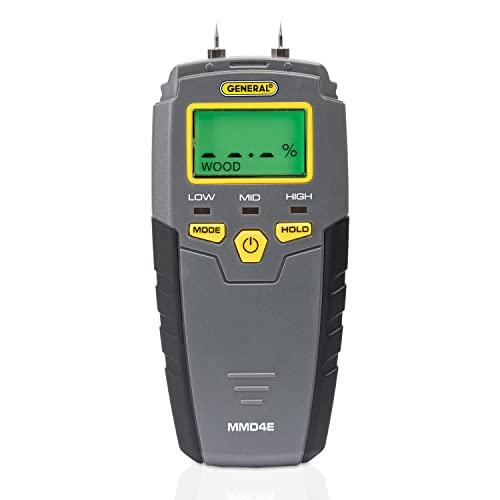
The initial assessment typically takes 2-4 hours and includes moisture mapping using moisture meters, visual inspection, and often air sampling. Charlotte’s clay soil and high humidity mean technicians pay special attention to ground-level moisture intrusion and HVAC system contamination. Following IICRC standards, contractors establish containment barriers before beginning removal work.
Active remediation typically takes 3-7 days for standard projects in Charlotte homes. The process includes removing contaminated materials, HEPA vacuuming all surfaces, applying antimicrobial treatments, and running industrial dehumidifiers. Charlotte’s humidity requires extended drying periods, often 24-48 hours longer than in drier climates. Contractors use HEPA air purifiers throughout the process to maintain air quality.
Post-remediation verification includes clearance testing and final moisture readings. Charlotte contractors typically recommend follow-up inspections within 30 days due to the region’s moisture challenges. Homeowners should expect to keep affected areas unoccupied during active work and maintain temporary dehumidification for several days after completion.

DIY vs Professional Mold Removal in Charlotte
Charlotte’s humid climate presents unique challenges that affect the viability of DIY mold removal. While small projects under 10 square feet may be manageable for homeowners, the region’s persistent moisture conditions require careful consideration of when to hire professionals.
DIY removal is appropriate for surface mold on non-porous materials like tile or glass, small bathroom areas, and situations where the moisture source is easily identified and controlled. Essential supplies include proper respirators, mold remover sprays, and a mold test kit to verify successful treatment. Charlotte homeowners can expect to spend $200-$500 on proper DIY supplies and equipment rental.
Professional remediation becomes necessary when dealing with areas larger than 10 square feet, mold in HVAC systems, suspected contamination behind walls, or when household members have respiratory sensitivities. Charlotte’s building practices, particularly vented crawl spaces and spray foam insulation issues, often require professional expertise to address underlying moisture problems effectively.
The cost difference in Charlotte ranges from $200-$500 for DIY small projects versus $1,400-$4,000 for professional remediation. However, Charlotte’s climate conditions mean that inadequate moisture control during DIY attempts often leads to mold regrowth within 30-90 days, ultimately requiring professional intervention and increasing total costs.
Insurance Coverage for Mold Removal in NC
North Carolina homeowner’s insurance policies typically follow national standards for mold coverage, but understanding state-specific regulations and common policy exclusions is crucial for Charlotte homeowners facing remediation costs.
Most NC policies cover mold damage resulting from covered perils such as burst pipes, appliance malfunctions, or storm damage. However, mold from maintenance neglect, flooding, or long-term humidity issues is typically excluded. Charlotte homeowners should review their policies for specific mold coverage limits, which often range from $5,000-$10,000 per incident.
Filing successful mold claims in NC requires prompt notification and documentation. Insurance companies typically require professional inspection within 48-72 hours of discovery and may mandate specific contractors or procedures. Charlotte homeowners should photograph affected areas, maintain records of attempted repairs, and preserve samples if recommended by their insurer.

Given Charlotte’s high mold risk, some homeowners opt for additional mold coverage or separate endorsements. These typically cost $200-$500 annually but can provide coverage up to $25,000 for mold remediation. Consider additional coverage if the home has a history of moisture issues, is located in a flood-prone area, or has construction features common to Charlotte (crawl spaces, clay soil foundation conditions).
Frequently Asked Questions
How much does mold removal cost in Charlotte?
The average mold remediation cost in Charlotte, NC ranges from $1,400 – $4,000 depending on the size of the affected area, type of mold, and accessibility. Small bathroom mold removal may cost $500-$1,000, while whole-house remediation can exceed $10,000.
How much does a mold inspection cost in Charlotte?
A professional mold inspection in Charlotte, NC typically costs $275 – $500. This usually includes a visual assessment, moisture readings, and may include air or surface sampling.
Does homeowner’s insurance cover mold removal in NC?
Most homeowner’s insurance policies in NC cover mold damage if it results from a covered peril (like a burst pipe). Mold from maintenance neglect, flooding, or humidity is typically not covered. Check your specific policy.
Can I remove mold myself in Charlotte?
For small areas (under 10 square feet), DIY removal is feasible with proper PPE. For larger areas or if you have health concerns, hire a professional mold remediation company in Charlotte, NC. NC may require licensed professionals for certain projects.
Is mold common in Charlotte new construction homes?
Yes, mold is increasingly common in Charlotte new construction due to rapid building practices that sometimes overlook proper moisture barriers. Charlotte has grown over 20% in the last decade, and building envelope defects from rushed construction contribute to mold growth. Many new builds use spray foam insulation that can trap moisture if not properly sealed.
Should I get a mold inspection before buying a home in Charlotte?
A mold test is highly recommended before buying in Charlotte due to the city’s high mold risk rating. Focus especially on homes with crawl spaces, those built on clay soil, or new construction from the past decade. An inspection typically costs $275-$500 but can identify costly issues before purchase.
How humid does Charlotte get in summer?
Charlotte averages 67% humidity year-round, but summer humidity regularly exceeds 70-80%. Combined with the region’s 43.6 inches of annual rainfall and humid subtropical climate, these conditions create ideal mold growth environments from June through August.
What types of mold are most common in Charlotte homes?
Charlotte homes commonly experience Aspergillus and Penicillium due to high humidity, plus Stachybotrys (black mold) in areas with chronic moisture problems. Chaetomium is also found in Charlotte’s clay soil areas where ground moisture affects basements and crawl spaces. An ERMI test can identify specific species.
How long does mold remediation take in Charlotte?
Standard mold remediation in Charlotte takes 3-7 days, but the city’s high humidity often extends drying time by 24-48 hours compared to drier climates. Small bathroom projects may take 2-3 days, while whole-house remediation can take 2-3 weeks. Extended drying periods are necessary due to Charlotte’s 67% average humidity.
What health risks does mold exposure pose in Charlotte?
Mold exposure can cause respiratory issues, allergic reactions, headaches, and fatigue. Charlotte residents face higher exposure risks due to the region’s consistent mold growth conditions. Those with asthma, compromised immune systems, or existing respiratory conditions should take extra precautions. Learn more about mold health risks and consider professional remediation for any suspected exposure.
What factors specifically influence mold remediation costs in Charlotte beyond the scope of a basic inspection?
In Charlotte, specific factors like the type of mold (e.g., Stachybotrys chartarum often requires more specialized handling), the extent of structural damage to materials common in local homes (like drywall or subflooring), and the need for post-remediation air quality testing mandated by some Charlotte property managers or insurers can significantly increase costs. Additionally, accessibility challenges in older Charlotte homes or crawl spaces can add labor complexity and expense.
How does Charlotte’s climate specifically impact the likelihood and recurrence of mold, potentially affecting long-term remediation costs?
Charlotte’s humid subtropical climate, characterized by hot, muggy summers and mild, damp winters, creates an ideal environment for mold growth, particularly in poorly ventilated areas. This persistent humidity means that even after professional remediation, without addressing underlying moisture issues like leaky roofs or foundation cracks common in older Charlotte properties, mold is more likely to recur, potentially necessitating future remediation efforts and increasing overall long-term costs.
Related Guides
- DIY Mold Removal Guide
- Complete Mold Testing Guide
- Mold Exposure Health Risks
- How to Prevent Mold After Water Damage
These statements have not been evaluated by the Food and Drug Administration. This information is not intended to diagnose, treat, cure, or prevent any disease. Content is for informational purposes only and is not medical advice; consult a qualified healthcare provider before starting any supplement. As an Amazon Associate we earn from qualifying purchases.