Finding a qualified mold inspector in Washington, DC is crucial for protecting your home and family. With Washington, DC’s moderate-high mold risk profile (64% average humidity, 40.8 inches of annual rainfall), knowing how to choose the right inspector can save you thousands in unnecessary remediation costs.
Our reviews are based on aggregated verified buyer feedback, manufacturer specifications, ingredient analysis, and published expert opinion. Products are not independently purchased or tested by our team. We may earn a commission if you purchase through our links, at no extra cost to you. How We Review
Washington Mold Risk Profile
| Factor | Detail |
|---|---|
| Mold Risk Rating | Moderate-High |
| Climate Zone | Humid subtropical |
| Average Humidity | 64% |
| Annual Rainfall | 40.8 inches |
| Avg Inspection Cost | $350 – $700 |
| Avg Remediation Cost | $2,000 – $6,000 |
Why Washington Homes Need Mold Inspections
Humid summers, many below-grade garden apartments, aging row house construction with shared walls, Potomac River proximity increases humidity
Did you know? Washington DC was literally built on a swamp. The city’s Foggy Bottom neighborhood gets its name from the fog that rose from the marshy terrain, and below-grade apartments in this area remain highly mold-prone.
Washington-Specific Mold Concerns
DC row houses share party walls, meaning moisture issues in one home can migrate to neighbors. If your adjoining neighbor has water damage, inspect your shared wall for moisture.
Common housing in Washington, DC includes row houses, brownstones, garden-level apartments, many with stone/brick foundations. Each housing type has unique mold vulnerabilities that an experienced local inspector will know to check.
What a Professional Mold Inspection Includes
- Visual inspection: Systematic check of all rooms, focusing on moisture-prone areas (bathrooms, kitchen, basement, crawl space, attic)
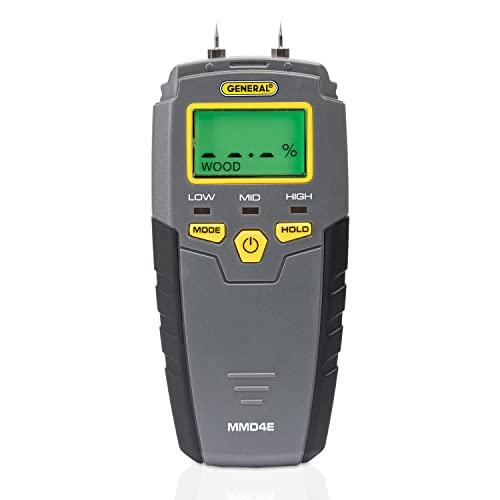
- Moisture readings: Professional-grade moisture meters to detect hidden moisture in walls, floors, and ceilings
- Air sampling: Indoor vs. outdoor spore count comparison to determine if mold levels are elevated
- Surface sampling: Swab or tape-lift samples from suspect areas, sent to an accredited lab
- Humidity assessment: Check HVAC performance, ventilation, and recommend a dehumidifier if needed
- Written report: Detailed findings with photos, lab results, and remediation recommendations
How to Choose a Mold Inspector in Washington
- Check certifications: ACAC, IICRC, or state license (if DC requires it)
- Verify independence: The inspector should NOT also offer remediation services (conflict of interest)
- Ask about lab accreditation: Samples should go to an AIHA (American Industrial Hygiene Association) accredited lab
- Request references: Ask for recent Washington-area inspection references
- Confirm insurance: Errors and omissions (E&O) insurance and general liability
- Get a written scope: Know exactly what the inspection covers before agreeing
Red Flags When Choosing a Mold Inspector
- Inspector also offers remediation services (conflict of interest)
- No certifications or unwilling to share credentials
- Pressure to sign a remediation contract immediately
- Extremely low price (may skip air/surface sampling)
- No written report included
- Uses scare tactics about “toxic mold” without lab confirmation
Questions to Ask Before Hiring
- What certifications do you hold?
- Are you independent from remediation companies?
- Which accredited lab do you use for samples?
- What does your inspection include, and what’s not included?
- How soon will I receive the written report?
- Do you carry E&O insurance?
- Are you familiar with Washington’s common housing types and mold patterns?
DC Mold Laws and Regulations
DC Code § 42-3501 covers tenant rights. DC Housing Code requires landlords to maintain habitable conditions. DC has some of the strongest tenant protection laws in the US.
DIY Mold Testing: When It Makes Sense
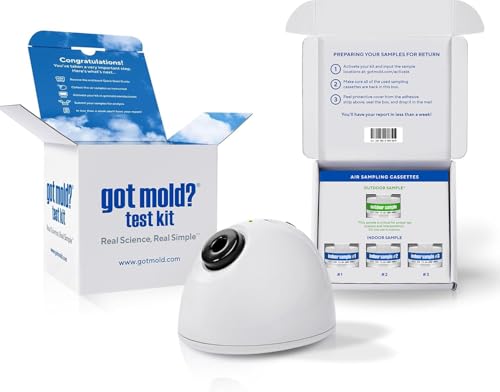
If you’re not ready for a professional inspection, a home mold test kit can give you initial information. These kits cost $30-$50 and can confirm whether mold is present, though they don’t replace a professional assessment. Read our complete mold testing guide for more information on when to test for mold.
Common Mold Questions in Washington
What to Expect During a Mold Inspection in Washington
Understanding the inspection process helps homeowners prepare and know what they’re paying for. A professional mold inspection in Washington DC follows a systematic approach designed to identify visible mold, hidden moisture problems, and elevated spore levels that could indicate mold growth.
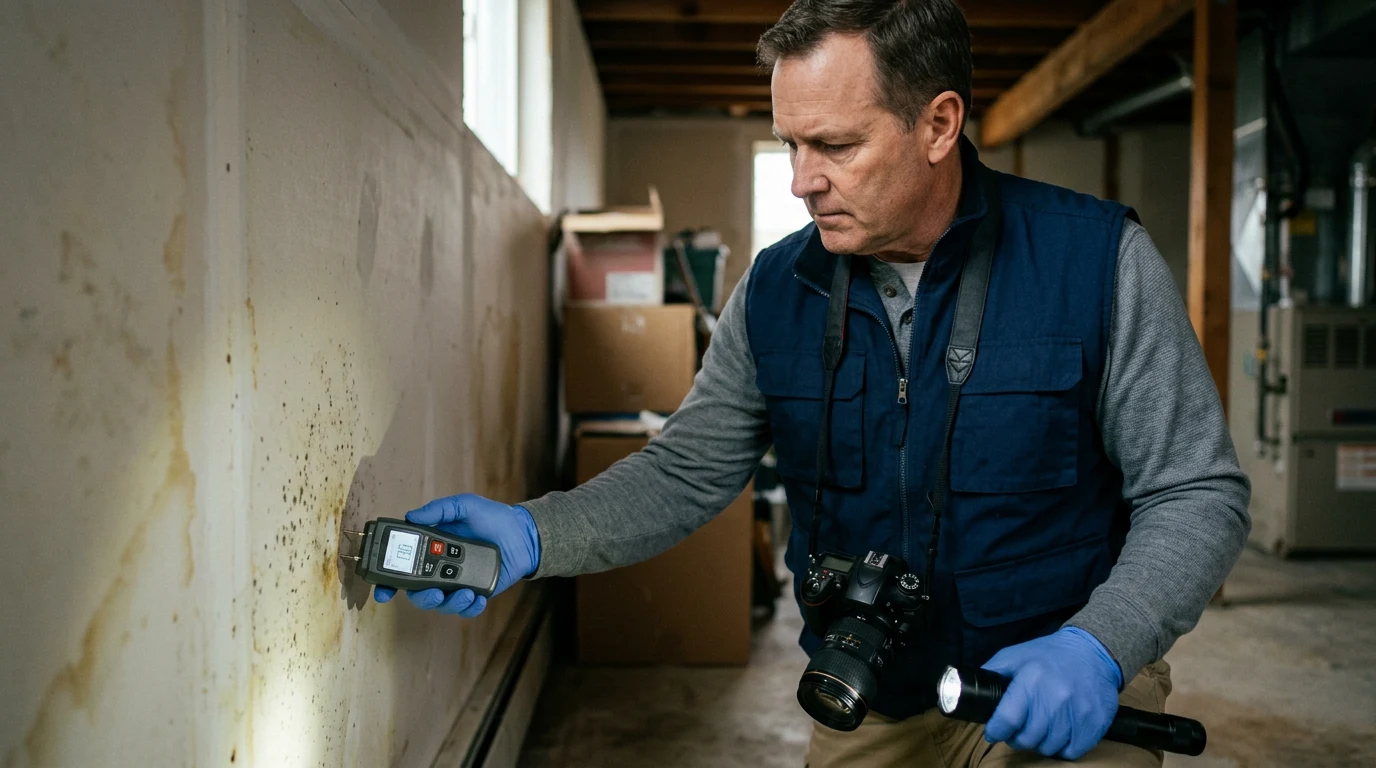
The visual inspection phase begins with the inspector examining all accessible areas of the home, paying particular attention to moisture-prone zones. In Washington’s row houses and brownstones, inspectors focus on shared walls, basement areas with stone foundations, and garden-level apartments where humidity naturally accumulates. The inspector looks for visible mold growth, water stains, discoloration, warped materials, and musty odors that indicate mold activity.
Moisture mapping represents a critical component of the inspection process. Professional inspectors use infrared thermal cameras and calibrated moisture meters to detect hidden moisture in walls, floors, and ceilings. This technology reveals moisture patterns invisible to the naked eye, particularly important in DC’s brick and stone construction where water intrusion can travel along hidden pathways.
Air sampling procedures involve collecting indoor air samples using specialized pumps and spore traps, comparing indoor spore counts to outdoor baseline levels. Surface sampling uses tape-lift or swab methods to collect samples from suspect areas for laboratory analysis. These samples go to AIHA-accredited laboratories for identification and quantification of mold species present.
Most comprehensive mold inspections in Washington DC take 1-3 hours depending on the home’s size and complexity. The inspector documents findings with digital photography and detailed notes. Within 3-5 business days, homeowners receive a written report containing laboratory results, moisture readings, photographic evidence, and specific recommendations for addressing any issues discovered. This report serves as the roadmap for any necessary mold remediation work.
Mold Inspector Certification and Licensing Requirements in DC
Washington DC does not currently require specific state licensing for mold inspectors, making it essential for homeowners to verify professional certifications and training. Without mandatory licensing, the quality and expertise of mold inspectors can vary significantly, making proper credential verification crucial for protecting homeowners’ interests.
The most respected certifications include ACAC (American Council for Accredited Certification), which offers the Certified Microbial Investigator (CMI) credential requiring extensive training and continuing education. IICRC (Institute of Inspection Cleaning and Restoration Certification) provides Applied Microbial Remediation Technician (AMRT) and Water Damage Restoration (WRT) certifications. NAMP (National Association of Mold Professionals) offers additional specialized training in mold assessment protocols.
Understanding the difference between various mold professionals helps homeowners choose appropriate services. Certified mold inspectors focus solely on assessment and testing without financial interest in remediation. Mold assessors perform similar functions but may have different training backgrounds. Mold remediators handle the actual removal and cleanup process but should remain separate from the inspection function to avoid conflicts of interest.
Insurance requirements protect both inspectors and homeowners from potential liabilities. Professional mold inspectors should carry Errors and Omissions (E&O) insurance covering mistakes in assessment or reporting, plus general liability insurance for property damage during inspection activities. Homeowners should request proof of current insurance coverage and verify policy limits match the potential risks involved.
DC homeowners benefit from verifying credentials through certifying organizations’ websites, which maintain databases of certified professionals. This verification process ensures inspectors maintain current training, follow established protocols, and adhere to professional standards that protect consumers from inadequate or biased assessments.
Red Flags When Hiring a Mold Inspector in Washington
Several warning signs indicate potential problems with mold inspection services, and recognizing these red flags protects homeowners from inadequate assessments or fraudulent practices. The most serious conflict of interest occurs when inspectors also offer remediation services, creating financial incentives to find problems whether they exist or not.
Inspectors who refuse to provide written reports or offer only vague verbal findings lack accountability for their assessments. Professional mold inspection requires detailed documentation with photographs, moisture readings, and specific recommendations. Pressure tactics or scare tactics about “toxic mold” without laboratory confirmation indicate unprofessional practices designed to generate fear rather than provide accurate assessment.
Unusually low prices often signal corners being cut in the inspection process. Comprehensive mold assessment requires expensive equipment, laboratory analysis, and professional expertise. Prices significantly below the Washington DC average of $350-$700 may indicate visual inspection only, skipping crucial air sampling or moisture detection that reveals hidden problems.

Lack of proper insurance or bonding exposes homeowners to liability risks if problems occur during inspection. Professional inspectors readily provide proof of insurance and certifications, while unlicensed operators may be evasive about credentials or claim certifications that cannot be verified through official channels.
Questions to Ask Before Hiring a Mold Inspector
Asking the right questions before hiring helps homeowners identify qualified professionals and understand exactly what services they’re purchasing. Start by requesting specific certification details and verification numbers that can be confirmed through certifying organizations’ databases.
Understanding what the inspection includes prevents surprises and additional charges. Professional inspections should specify whether air sampling, surface sampling, moisture detection, and written reports are included in the quoted price. Clarify additional costs for extra sampling locations or specialized testing like ERMI testing.
Confirm the inspector’s independence from remediation companies to ensure unbiased assessment. Ask which accredited laboratory processes samples and typical turnaround time for results. Understanding the timeline from inspection to final report helps homeowners plan next steps appropriately.
Professional inspectors should provide remediation protocols when mold issues are identified, offering guidance on proper cleanup procedures without recommending specific remediation companies. This approach maintains objectivity while providing homeowners with information needed to address problems effectively.
What Happens After the Mold Inspection
Receiving the inspection report marks the beginning of the decision-making process about addressing any identified issues. Professional reports contain laboratory results showing specific mold species and concentration levels, moisture readings indicating problem areas, and photographic documentation of findings. Understanding these results helps homeowners make informed decisions about next steps.
Not all mold findings require immediate remediation. Small amounts of common mold species may simply need monitoring and moisture control improvements. However, elevated levels or toxic species typically warrant professional remediation. The inspection report should clearly distinguish between situations requiring immediate action versus ongoing monitoring approaches.
When remediation is recommended, homeowners should obtain 2-3 quotes from independent remediation companies to compare approaches and pricing. Washington DC’s average remediation costs range from $2,000-$6,000, but extensive problems in large homes can exceed these estimates. Quotes should specify work scope, materials, and timeline for completion.
Post-remediation verification testing, also called clearance testing, confirms successful completion of cleanup work. This independent testing by a different company than the remediator ensures objective verification that mold levels have returned to acceptable ranges. The timeline from initial inspection to completed remediation typically spans 2-4 weeks depending on problem severity and contractor availability.
Mold Inspection Cost Breakdown in Washington
Understanding cost components helps homeowners budget appropriately and identify potential overcharging or underpriced services that may indicate quality issues. Washington DC mold inspection pricing reflects the local market’s higher costs of living while remaining competitive with other major metropolitan areas.

| Service Type | Washington DC Cost Range |
|---|---|
| Basic Visual Inspection | $200 – $300 |
| Air Sampling (per sample) | $75 – $125 |
| Surface/Tape Lift Sampling | $50 – $100 per sample |
| ERMI Testing | $300 – $400 |
| Post-Remediation Clearance | $300 – $500 |
| Comprehensive Inspection | $350 – $700 |
Visual inspection alone provides limited value since many mold problems remain hidden behind walls or in HVAC systems. Comprehensive inspections including air sampling provide much better value for identifying invisible mold problems that could affect indoor air quality. Most Washington homeowners benefit from mid-range comprehensive inspections rather than choosing the cheapest visual-only options.
ERMI testing costs significantly more but provides detailed analysis of 36 mold species commonly found in homes, offering more comprehensive information about indoor mold ecology. This testing proves especially valuable in homes with sensitive occupants or unexplained health symptoms potentially related to mold exposure.
Post-remediation clearance testing represents a separate cost but provides essential verification that cleanup work was successful. This independent testing protects homeowners’ investment in remediation by confirming mold levels have returned to acceptable ranges before final payment to remediation contractors.
How to Prepare Your Home for a Mold Inspection
Proper preparation ensures accurate inspection results and maximizes the value of professional assessment services. Avoid cleaning or disturbing suspected mold areas before inspection, as this can reduce spore levels temporarily and mask the true extent of contamination.
For accurate air sampling, keep windows and doors closed for 24 hours before inspection to allow indoor conditions to stabilize. Turn off air purifiers and avoid activities that might artificially affect air quality, such as vacuuming or using cleaning products immediately before the inspection.
Make all areas of the home accessible by moving furniture away from walls, opening closet doors, and ensuring the inspector can reach basement, crawl space, and attic areas safely. Having maintenance records, previous inspection reports, and documentation of past water damage readily available helps inspectors understand the home’s history and focus on potentially problematic areas.
Prepare a list of specific areas of concern, unusual odors, or health symptoms that occupants have experienced. This information guides the inspector’s attention to potentially problematic areas and ensures comprehensive assessment of all areas that might contribute to indoor air quality problems.
When to Get a Second Opinion on Mold Inspection Results
Certain situations warrant seeking additional professional assessment to verify initial findings or resolve conflicting information. Significant discrepancies between inspector findings and remediation company assessments may indicate bias or competency issues requiring independent third-party evaluation.
Unusually high or low spore counts compared to typical ranges for Washington DC’s climate should prompt verification testing. Inspection results showing extensive remediation needs in newer homes or recently renovated properties may benefit from second opinion assessment to confirm the scope of necessary work.
When purchasing a home, seller-provided inspections may lack objectivity or thoroughness that protects buyer interests. Independent inspection by buyer-selected professionals ensures unbiased assessment focused on protecting the purchaser’s investment and future indoor air quality.
If recommended remediation costs seem excessive relative to the apparent problem scope, second opinion inspection can verify whether the proposed work scope matches the actual contamination extent. This verification protects homeowners from unnecessary expense while ensuring adequate cleanup of genuine problems.
Frequently Asked Questions
Can I withhold rent for mold in DC?
Under DC tenant protection laws, tenants may be able to withhold rent for significant habitability issues including serious mold problems that affect health and safety. However, specific procedures must be followed, including proper notice to landlords and documentation of the mold problem. Consulting with a tenant rights attorney is recommended before withholding rent.
Is mold common in DC garden-level apartments?
Yes, garden-level apartments in DC are particularly susceptible to mold due to their below-grade location, limited natural light, and increased moisture exposure from ground contact. Poor drainage around window wells and inadequate ventilation compound these risks. Regular monitoring and professional inspection help identify problems early in these high-risk units.
How does the Potomac affect indoor humidity in DC?
The Potomac River’s proximity contributes to Washington DC’s elevated humidity levels, particularly during summer months. River moisture combines with the city’s swamp foundation to create naturally humid conditions that promote mold growth indoors. Properties near the river or in areas like Foggy Bottom experience especially high humidity levels requiring aggressive moisture control.
How much does a mold inspection cost in Washington?
A professional mold inspection in Washington, DC typically costs $350 – $700. This includes a visual assessment, moisture readings with professional-grade meters, and may include air sampling or surface swabs sent to an accredited lab.
Do I need a mold inspection before buying a home in Washington?
A mold inspection is not required for home purchases in DC, but it’s strongly recommended given Washington, DC’s moderate-high mold risk. The inspection cost of $350 – $700 is minimal compared to potential remediation costs of $2,000 – $6,000 or more.
What certifications should a Washington mold inspector have?
Look for certifications from the ACAC (American Council for Accredited Certification), IICRC (Institute of Inspection Cleaning and Restoration Certification), or state licensing if required. They should carry errors and omissions insurance and general liability insurance.
How long does a mold inspection take in Washington?
A thorough mold inspection in a typical Washington, DC home takes 1-3 hours depending on the size of the home and number of problem areas. Lab results for air or surface samples typically take 3-5 business days.
How often should Washington homeowners get mold inspections?
Homeowners should consider mold inspections after water damage events, during home purchases, or when experiencing unexplained health symptoms. In Washington’s humid climate, proactive inspections every 2-3 years can help identify problems before they become extensive, especially in older row houses and garden-level apartments.
Can I do my own mold testing instead of hiring an inspector?
DIY mold test kits can provide preliminary information but cannot replace professional assessment. These kits lack the moisture detection equipment, sampling protocols, and expertise needed to identify hidden problems common in Washington DC’s complex housing structures like shared walls in row houses.
What’s the difference between mold testing and mold inspection?
Mold testing focuses on collecting samples for laboratory analysis, while mold inspection includes comprehensive visual assessment, moisture detection, and environmental evaluation. Professional mold inspection combines both testing and assessment to provide complete understanding of indoor air quality issues.

Are mold inspections required by law in DC?
Washington DC does not legally require mold inspections for home sales or rentals. However, landlords must maintain habitable conditions under DC Housing Code, which may necessitate mold assessment and remediation when problems are identified. Tenants have strong legal protections regarding mold issues affecting habitability.
What happens if mold is found during a home inspection?
When mold is discovered during home inspection, buyers can request seller remediation, negotiate price reductions, or withdraw from purchase contracts depending on agreement terms. Professional assessment helps determine whether issues are minor maintenance problems or major remediation projects requiring significant investment.
Can garden-level apartments in DC be tested for mold?
Yes, garden-level apartments benefit greatly from professional mold inspection due to their below-grade location and increased moisture exposure. These units require special attention to foundation moisture, window well drainage, and ventilation systems that affect indoor humidity levels.
Related Guides
These statements have not been evaluated by the Food and Drug Administration. This information is not intended to diagnose, treat, cure, or prevent any disease. Content is for informational purposes only and is not medical advice; consult a qualified healthcare provider before starting any supplement. As an Amazon Associate we earn from qualifying purchases.