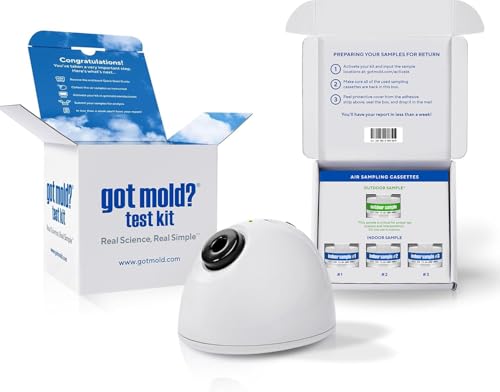
Dealing with mold on plywood is a common challenge for homeowners. Plywood and OSB is found throughout homes, and when moisture gets involved, mold can take hold quickly. This guide covers everything you need to know about identifying, removing, and preventing mold on plywood and osb, including when you can handle it yourself and when to call a professional. According to EPA Mold Cleanup Guide, controlling moisture is the key to preventing mold growth on all building materials.
Our reviews are based on aggregated verified buyer feedback, manufacturer specifications, ingredient analysis, and published expert opinion. Products are not independently purchased or tested by our team. We may earn a commission if you purchase through our links, at no extra cost to you. How We Review
Why Does Mold Grow on Plywood and OSB?
Plywood and OSB (oriented strand board) are wood products bonded with adhesive. They absorb moisture readily, especially at cut edges. OSB is more vulnerable than plywood because the compressed strands create more surface area for moisture absorption.
How to Identify Mold on Plywood and OSB
Dark staining on surface, fuzzy growth (white, green, or black), swelling or delamination of layers, soft spots. OSB that has swollen along edges (‘edge swell’) indicates significant moisture exposure.
Removal difficulty: Moderate
Can You Save Moldy Plywood and OSB?
Plywood with surface mold can often be treated. OSB with edge swell or delamination should be replaced. Structural plywood (subfloor, roof sheathing) should be evaluated by a professional.
How to Remove Mold from Plywood and OSB: Step-by-Step
Follow these steps carefully to remove mold from plywood and osb safely and effectively. Always prioritize safety by wearing appropriate protective gear.
Step 1: Sand surface mold with 80-100 grit sandpaper
Step 2: HEPA vacuum sanding dust

Step 3: Apply borax solution or commercial wood mold cleaner
Step 4: Allow to dry completely
Step 5: Apply mold-resistant primer and sealant
Step 6: For subfloor: apply encapsulant after treatment
Recommended Products for Plywood and OSB Mold Removal
These products are recommended for treating mold on plywood and osb based on verified buyer reviews and manufacturer specifications:
How to Prevent Mold on Plywood and OSB
Seal all cut edges of plywood and OSB. Keep sheets dry during storage and construction. Use exterior-grade plywood in moisture-prone areas. Apply waterproof sealant to subfloors in basements and bathrooms.
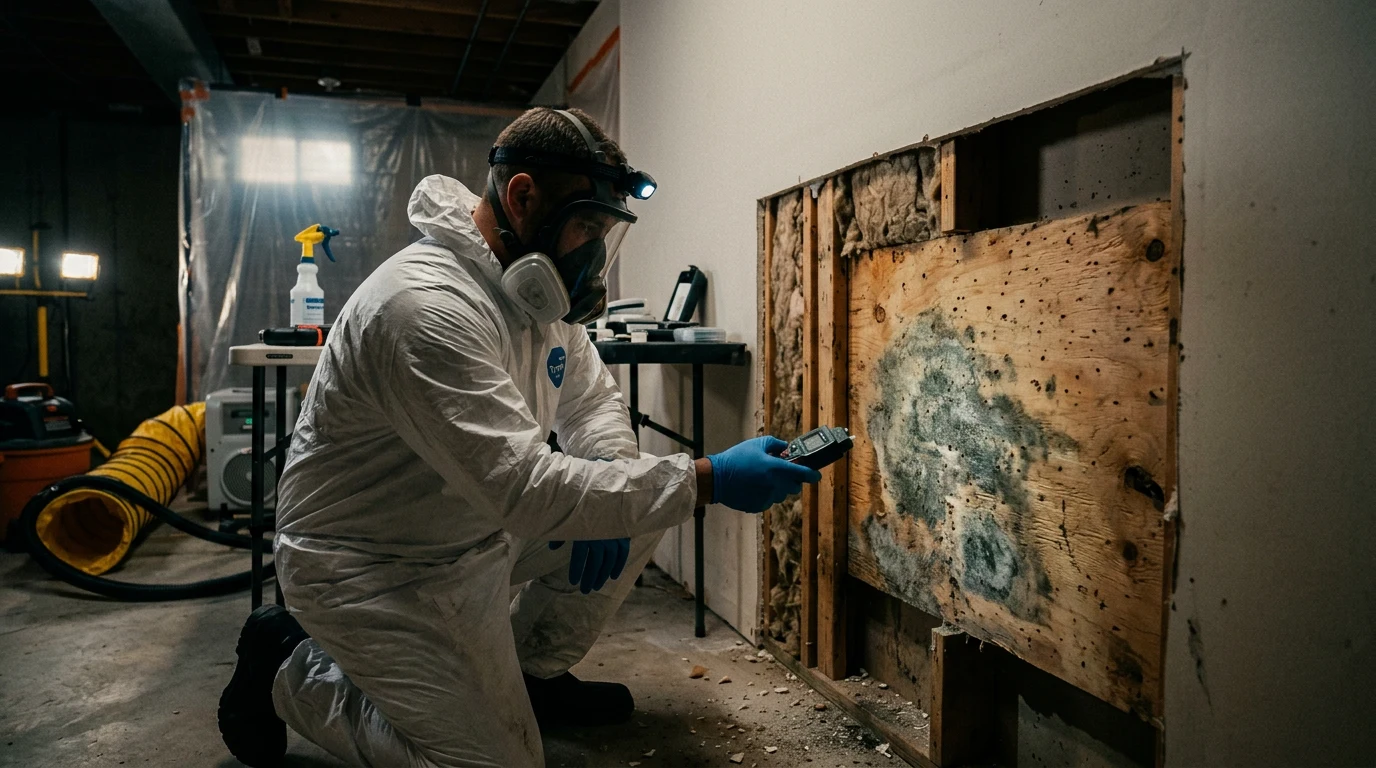
DIY vs. Professional Remediation
DIY for accessible surface mold. Professional for structural sheathing (roof, subfloor) or if OSB has delaminated.
Tools and Materials You’ll Need
Proper preparation is essential for safe and effective mold removal from plywood and OSB. Having the right tools and materials ensures the job is done thoroughly while protecting your health. The following table outlines the essential items needed for DIY mold removal on these engineered wood products.
| Tool/Material | Purpose | Where to Buy |
|---|---|---|
| N95 Respirator | Protects lungs from mold spores during removal | Amazon Link |
| HEPA Vacuum | Removes sanding dust and mold spores safely | Amazon Link |
| Mold Remover Spray | Kills mold and prevents regrowth on wood surfaces | Amazon Link |
| Moisture Meter | Tests moisture content before and after treatment | Amazon Link |
| 80-100 Grit Sandpaper | Removes surface mold from plywood and OSB | Local hardware store |
| Mold Encapsulant | Seals treated surfaces to prevent future growth | Amazon Link |
Additional materials include plastic sheeting for containment, disposable cleaning cloths, and rubber gloves. Professional-grade equipment may be necessary for extensive contamination or structural applications. Always check moisture meter readings to confirm wood moisture content is below 16% before beginning treatment.

Detailed Step-by-Step Removal Process for Plywood and OSB
This comprehensive process expands on the basic removal steps to provide detailed guidance for safely treating mold on plywood and OSB surfaces. Each step includes specific timing, techniques, and safety considerations based on professional mold remediation standards.
Step 1: Sand Surface Mold (15-30 minutes per square foot)
Use 80-100 grit sandpaper to remove visible mold growth from the surface. Work in overlapping circular motions, applying moderate pressure. Warning: Always wear an N95 respirator and eye protection during sanding. Sand until clean wood appears, typically removing 1/16 to 1/8 inch of surface material. For OSB, be especially careful around edges where delamination may occur. If sanding reveals mold penetration deeper than 1/4 inch, the material should be replaced.
Step 2: HEPA Vacuum Sanding Dust (5-10 minutes)
Immediately vacuum all sanding dust using a HEPA vacuum to prevent spore dispersal. Use the brush attachment for surface cleaning and crevice tool for edges and joints. Vacuum surrounding areas within 6 feet of the work zone. Empty the vacuum bag or canister into a sealed plastic bag and dispose of as contaminated waste. Never use a regular vacuum as it will spread mold spores throughout the home.
Step 3: Apply Borax Solution or Commercial Cleaner (10-15 minutes application, 15-30 minutes contact time)
Mix borax solution using 1 cup borax per gallon of water, or use Concrobium Mold Control for commercial treatment. Apply liberally using a pump sprayer or brush, ensuring complete coverage of treated areas plus 2 inches beyond visible contamination. Allow 15-30 minutes contact time for the solution to penetrate and kill remaining mold. For OSB, avoid over-saturation which can cause additional swelling.
Step 4: Allow Complete Drying (24-72 hours)
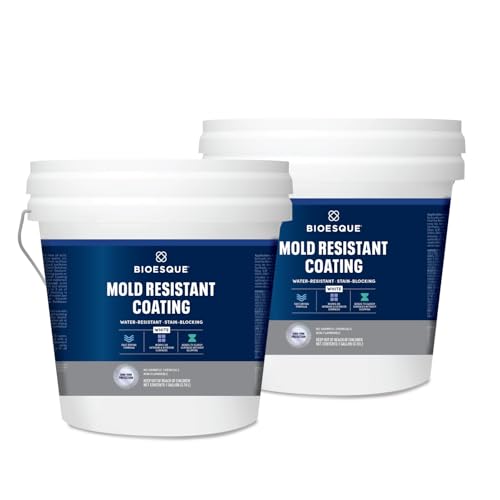
Use fans and dehumidifiers to accelerate drying. Monitor with a moisture meter until readings consistently show less than 16% moisture content. Plywood typically dries faster than OSB due to its layered construction. Do not proceed to sealing until completely dry, as trapped moisture will cause mold regrowth.
Step 5: Apply Mold-Resistant Primer and Sealant (30-45 minutes)
Use a high-quality mold-resistant primer specifically designed for wood substrates. Apply in thin, even coats using a brush or roller. Pay special attention to cut edges and joints where moisture infiltration is most likely. Allow primer to cure according to manufacturer specifications before applying topcoat or encapsulant.
Step 6: Subfloor Encapsulation (Additional 30 minutes for subfloor applications)
For subflooring applications, apply mold encapsulant as a final protective layer. This creates a moisture barrier and provides long-term mold resistance. Use a roller for large areas and brush for detailed work around penetrations and edges. Ensure complete coverage with no thin spots or holidays that could allow moisture penetration.
What to Expect: Before, During, and After Removal
Understanding the mold removal timeline helps homeowners prepare for the process and recognize successful remediation. Each phase has distinct characteristics and duration based on contamination severity and environmental conditions.
Before Treatment: Mold on plywood appears as dark staining, fuzzy growth, or discoloration. OSB may show edge swelling, delamination, or soft spots indicating deep moisture penetration. Use a moisture meter to assess moisture content – readings above 20% indicate active moisture problems requiring source remediation before surface treatment. Document the affected area with photos for insurance purposes and to track remediation progress.
During Treatment: Expect 4-6 hours of active work time for every 100 square feet of affected material, plus 24-72 hours drying time. Sanding will create dust and require containment measures. Chemical treatments may produce mild odors requiring ventilation. Monitor moisture readings throughout the process – they should steadily decrease during drying phases. Some OSB edges may continue swelling initially before stabilizing as moisture equalizes.

After Successful Removal: Treated surfaces should show no visible mold growth and maintain moisture readings below 16%. The wood surface may appear lighter where sanded, but should be structurally sound. Encapsulated areas will have a slight sheen from sealant application. Monitor treated areas weekly for the first month, then monthly for six months to ensure no recurrence. Any new growth indicates incomplete treatment or ongoing moisture issues requiring professional evaluation.
When to Call a Professional vs DIY
The decision between DIY treatment and professional remediation depends on several critical factors including contamination extent, structural involvement, and safety considerations. Understanding these criteria helps homeowners make informed decisions about mold remediation approaches.
DIY Appropriate When: Surface mold covers less than 10 square feet, contamination is limited to non-structural elements, and the affected area is easily accessible. Homeowners can handle surface mold on interior plywood paneling, small sections of subflooring, or cabinet components. Moisture source has been identified and corrected, and no health symptoms are present in occupants. Materials show no structural damage or delamination.
Professional Required When: Contamination exceeds 10 square feet, involves structural elements like roof sheathing or load-bearing members, or OSB shows significant delamination. Professional intervention is necessary for crawl space or attic applications, when occupants experience health symptoms, or if previous DIY attempts failed. Hidden mold in wall cavities or beneath flooring requires professional assessment and specialized equipment.
| Service Type | Typical Cost Range | Scope of Work |
|---|---|---|
| DIY Treatment | $150-$400 | Materials, tools, 10-50 sq ft surface treatment |
| Professional Inspection | $300-$600 | Assessment, testing, remediation plan |
| Professional Remediation | $500-$1,500 | 50-200 sq ft treatment, containment, disposal |
| Structural Replacement | $2,000-$5,000 | Remove/replace compromised subflooring or sheathing |
Professional remediation costs average $10-15 per square foot for surface treatment, while structural replacement can reach $25-40 per square foot including materials and labor. DIY approaches cost $3-8 per square foot in materials but require significant time investment and carry risks of incomplete treatment or personal exposure.
Prevention Strategies for Plywood and OSB
Effective prevention focuses on moisture control and material protection throughout the building lifecycle. Engineered wood products like plywood and OSB require specific strategies due to their vulnerability to edge moisture absorption and delamination under sustained humidity.
Material-Specific Prevention: Seal all cut edges immediately after installation using polyurethane or specialized edge sealants. Store materials off the ground and cover with breathable tarps during construction. Apply primer to all surfaces within 30 days of installation, especially in basement and bathroom applications. Use exterior-grade or marine-grade plywood in high-moisture environments. Install vapor barriers appropriately – warm side in cold climates, cool side in hot climates.
Seasonal Considerations: Monitor humidity levels year-round, maintaining 30-50% relative humidity using dehumidifiers or humidifiers as needed. Increase ventilation during spring and fall when temperature differentials create condensation risks. Inspect vulnerable areas before and after winter freeze-thaw cycles that can create moisture infiltration paths. Clean gutters and improve drainage to prevent seasonal water intrusion.

Ongoing Monitoring: Check moisture levels monthly in basements, crawl spaces, and attics using a moisture meter. Look for early warning signs like musty odors, discoloration, or minor edge swelling. Install moisture alarms in high-risk areas for early detection. Maintain HVAC systems and ensure proper air circulation to prevent stagnant humid conditions that promote mold growth.
Recommended prevention products include moisture-resistant primers, edge sealants, and monitoring devices. Regular application of preventive treatments costs significantly less than remediation and extends material lifespan considerably.
Related Materials and Cross-Contamination
Mold on plywood and OSB rarely exists in isolation. These engineered wood products often interface with other building materials, creating pathways for mold spread and requiring coordinated treatment approaches. Understanding these relationships is crucial for comprehensive remediation.
Common Material Combinations: Plywood subflooring typically contacts drywall, carpet padding, and floor joists. OSB roof sheathing interfaces with roofing materials, insulation, and structural framing. Wall sheathing connects to foundation walls, house wrap, and interior finishes. Mold can migrate through these connections via airborne spores, moisture wicking, or direct contact transfer.
Cross-Contamination Pathways: Edge swelling in OSB can compress against adjacent materials, creating moisture traps. Delaminated layers can harbor mold that spreads to touching surfaces. Sanding contaminated wood releases spores that settle on nearby wood framing or tile surfaces. Moisture migration through unsealed edges can activate dormant mold in adjacent building cavities.
Comprehensive remediation requires treating all affected materials simultaneously and inspecting adjacent areas within 6 feet of visible contamination. This integrated approach prevents recontamination from overlooked sources and ensures long-term success. Professional assessment is recommended when multiple materials show mold growth, as the contamination likely indicates broader moisture management issues requiring systematic correction.
Frequently Asked Questions
How do you identify mold on plywood and OSB?
Look for dark staining, fuzzy growth (white, green, or black), swelling or delamination of layers, and soft spots. OSB edge swell is a key indicator of moisture exposure. Use a moisture meter to detect elevated moisture content above 16%. Musty odors and visible discoloration are early warning signs that require immediate investigation.
Is mold on plywood and OSB dangerous to health?
Yes, mold releases airborne spores that can cause respiratory symptoms, allergic reactions, headaches, and other health issues. People with asthma, allergies, or compromised immune systems face higher risks. Prolonged exposure may lead to more serious health complications. Always wear protective equipment during inspection and remediation activities.
How much does it cost to remove mold from plywood and OSB?
DIY treatment costs $150-$400 for materials and tools to treat 10-50 square feet. Professional remediation ranges from $500-$1,500 for 50-200 square feet, while structural replacement can cost $2,000-$5,000. Professional inspection typically costs $300-$600. Costs vary based on accessibility, contamination extent, and regional labor rates.

Can you paint or seal over mold on plywood and OSB?
No, never paint or seal over existing mold growth. The mold will continue growing underneath and eventually break through the coating. Proper remediation requires removing the mold first through sanding and chemical treatment, then applying mold-resistant primer and sealant to clean, dry surfaces. Encapsulants can only be used after successful mold removal.
How long does it take for mold to grow on plywood and OSB?
Mold can begin growing within 24-48 hours when moisture content exceeds 20% and temperatures are between 68-86°F. Visible growth typically appears within 3-7 days under favorable conditions. OSB is more susceptible than plywood due to its compressed strand construction creating more surface area for moisture absorption and mold colonization.
What causes mold growth on plywood and OSB?
Mold grows when these wood products absorb moisture from leaks, flooding, high humidity, or condensation. Common sources include roof leaks, plumbing failures, poor ventilation, and unsealed cut edges. OSB is particularly vulnerable because compressed strands create more surface area for moisture absorption. Maintaining moisture content below 16% prevents mold growth.
Can you save plywood and OSB with mold damage?
Plywood with surface mold can often be treated successfully through sanding, chemical treatment, and sealing. OSB with edge swell or delamination should typically be replaced as the structural integrity is compromised. Structural elements like subflooring or roof sheathing require professional evaluation to determine if treatment or replacement is appropriate for safety.
How do you prevent mold on plywood and OSB?
Seal all cut edges immediately after cutting, store materials dry during construction, use exterior-grade products in moisture-prone areas, and apply waterproof sealant to subfloors in basements and bathrooms. Maintain indoor humidity between 30-50%, ensure proper ventilation, and address water leaks immediately. Regular moisture monitoring helps catch problems early.
When should you call a professional for plywood and OSB mold removal?
Call professionals for contamination over 10 square feet, structural applications (roof sheathing, subflooring), when OSB shows delamination, if occupants have health symptoms, or when DIY attempts fail. Professional intervention is also recommended for hard-to-access areas like crawl spaces or attics, and when multiple building materials are affected simultaneously.
Recommended Products for Plywood and OSB Mold Removal
Based on professional recommendations and verified buyer feedback, these products provide effective treatment for mold on engineered wood products. Each product addresses specific aspects of the remediation process from initial treatment through long-term protection.
- Concrobium Mold Control – Professional-grade treatment that kills mold and prevents regrowth without harsh chemicals. Particularly effective on porous wood surfaces and safe for indoor use.
- Mold Armor Instant Mold Remover – Fast-acting spray for surface mold removal. Contains bleaching agents that remove stains while killing mold spores on contact.
- FIBERLOCK Mold Encapsulant – Creates a durable moisture barrier over treated surfaces. Essential for subfloor applications and long-term mold prevention on structural elements.
- General Tools MMD4E Moisture Meter – Pin-type meter designed for wood products. Provides accurate moisture readings to confirm treatment success and monitor future conditions.
- WORKSHOP Wet Dry Vac with HEPA Filter – Essential for safe removal of sanding dust and mold debris without dispersing spores throughout the home.
- TOSOT Dehumidifier – Maintains optimal humidity levels for prevention and accelerates drying during treatment. Particularly important in basements and crawl spaces prone to moisture issues.
Related Guides
These statements have not been evaluated by the Food and Drug Administration. This information is not intended to diagnose, treat, cure, or prevent any disease. Content is for informational purposes only and is not medical advice; consult a qualified healthcare provider before starting any supplement. As an Amazon Associate we earn from qualifying purchases.