Dealing with mold on concrete is a common challenge for homeowners. Concrete is found throughout homes, and when moisture gets involved, mold can take hold quickly. This guide covers everything you need to know about identifying, removing, and preventing mold on concrete, including when you can handle it yourself and when to call a professional. According to EPA Mold Cleanup Guide, controlling moisture is the key to preventing mold growth on all building materials.
Our reviews are based on aggregated verified buyer feedback, manufacturer specifications, ingredient analysis, and published expert opinion. Products are not independently purchased or tested by our team. We may earn a commission if you purchase through our links, at no extra cost to you. How We Review
Why Does Mold Grow on Concrete?
While concrete itself doesn’t feed mold, it’s porous and absorbs moisture from the ground. Dust, dirt, and organic debris that settle on concrete surfaces provide food. Basement concrete is especially vulnerable due to hydrostatic pressure pushing moisture through from the soil side.
How to Identify Mold on Concrete
White fuzzy growth (often confused with efflorescence, which is mineral deposits), dark staining, musty smell. Efflorescence vs. mold: efflorescence is crystalline and dissolves in water; mold is fuzzy and doesn’t dissolve.
Removal difficulty: Low to Moderate
Can You Save Moldy Concrete?
Yes. Concrete is durable and can be cleaned. The key is addressing the moisture source.
How to Remove Mold from Concrete: Step-by-Step
Follow these steps carefully to remove mold from concrete safely and effectively. Always prioritize safety by wearing appropriate protective gear.
Step 1: HEPA vacuum the surface to remove loose spores

Step 2: Scrub with a solution of 1 cup borax per gallon of water
Step 3: For stubborn mold, use a commercial concrete mold cleaner
Step 4: Rinse with clean water and allow to dry completely
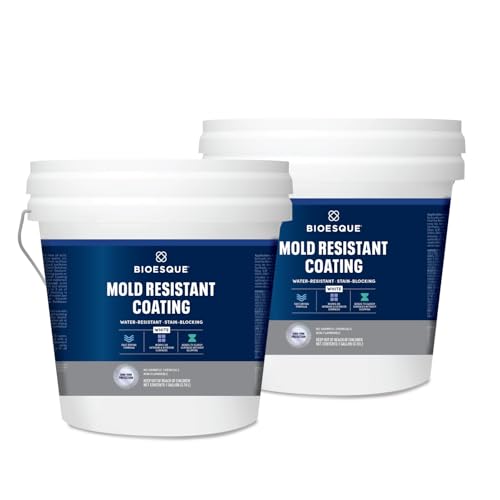
Step 5: Apply a concrete sealer or waterproof coating
Step 6: Address moisture source (drainage, waterproofing, dehumidification)
Recommended Products for Concrete Mold Removal
These products are recommended for treating mold on concrete based on verified buyer reviews and manufacturer specifications:
How to Prevent Mold on Concrete
Concrete does not feed mold, it hosts it. The growth lives on dust, soap residue and organic film sitting on the surface, which is why a clean, dry slab stays clear and a neglected one does not. Prevention is therefore about moisture and housekeeping rather than the concrete itself.
Work from the outside in. Gutters that discharge away from the wall and soil graded to fall away from the house remove more water than any interior product. Most persistent basement damp is surface water arriving at the foundation, not groundwater rising.
Inside, a waterproof sealer on the slab and walls slows vapor transmission, and a dehumidifier holding humidity below 50 percent handles the rest. The same approach covers adjacent porous masonry such as brick and painted walls, which share the substrate and the moisture path. Where moisture persists despite both, a vapor barrier is the next step, and it is worth confirming there is no hydrostatic pressure problem before spending further.
DIY vs. Professional Remediation
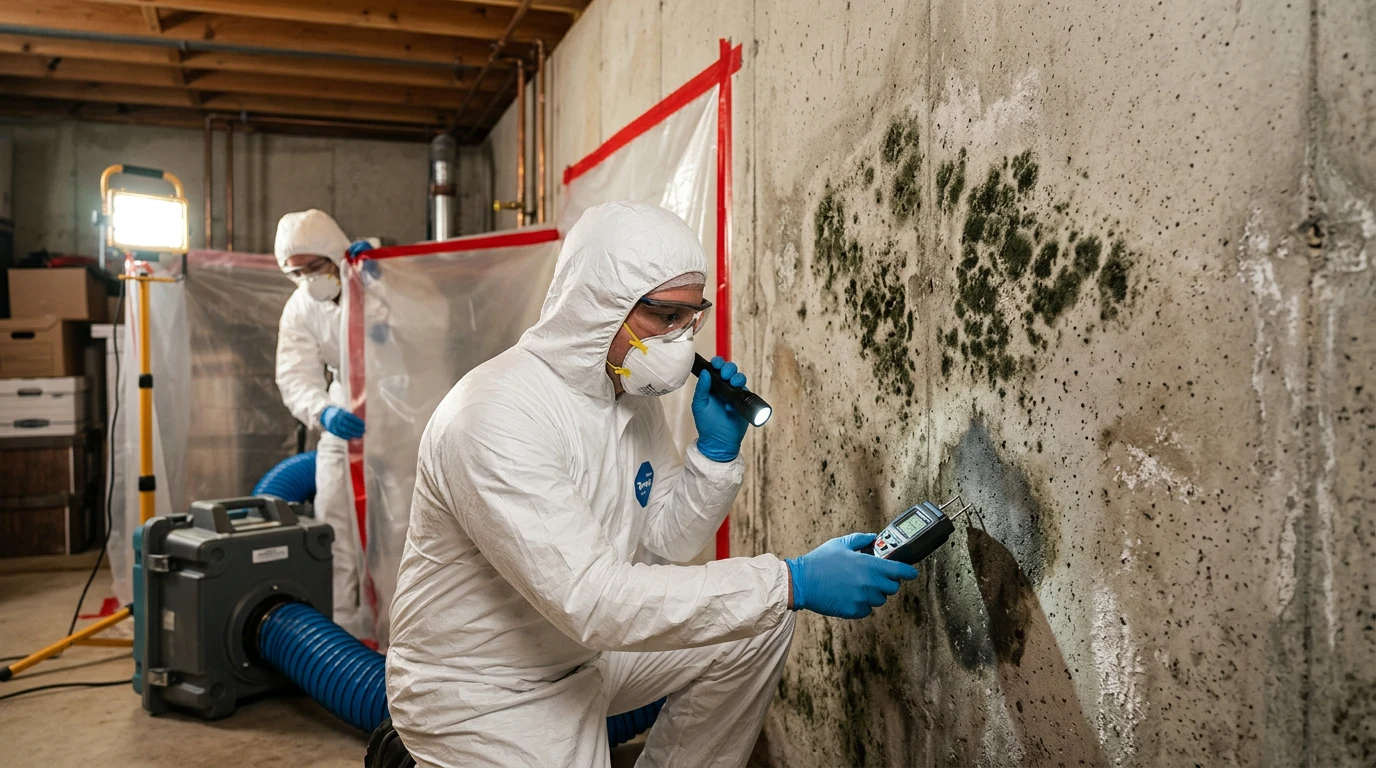
Surface mold on concrete is well within DIY range. The substrate tolerates scrubbing and strong cleaners that would destroy drywall or wood, and because nothing has penetrated, a thorough clean genuinely resolves it.
The professional question is not about the mold, it is about the water. Growth that returns within weeks of a proper clean means moisture is moving through the slab or wall continuously, and that is a waterproofing problem: exterior excavation and membrane, an interior drainage channel, or a sump system.
Efflorescence, the white crystalline deposit that appears alongside the mold, is a useful signal. It means water is passing through the concrete and evaporating at the surface, and no amount of cleaning changes that.
Tools and Materials You’ll Need
Proper tools and materials are essential for safe and effective mold removal from concrete surfaces. The porous nature of concrete requires specialized equipment to ensure complete spore removal and prevent cross-contamination. Having the right tools before starting makes the process more efficient and protects your health during remediation.

| Tool/Material | Purpose | Where to Buy |
|---|---|---|
| N95 Respirator | Protects lungs from mold spores during cleaning | Amazon |
| HEPA Vacuum | Removes loose spores without spreading them | Amazon |
| Mold Remover Spray | Kills mold spores embedded in concrete pores | Amazon |
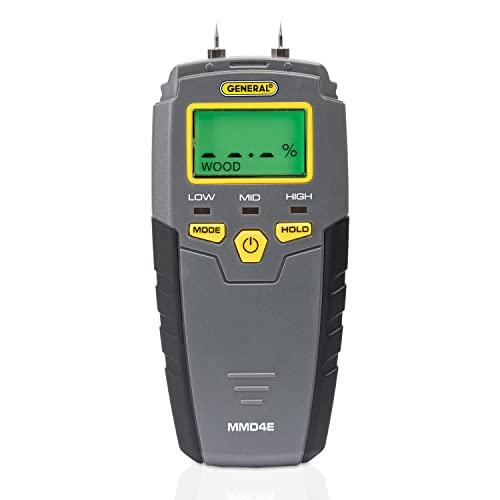
| Moisture Meter | Measures concrete moisture levels before and after | Amazon |
| Stiff Bristle Brush | Scrubs mold from concrete surface texture | Hardware Store |
| Borax Powder | Natural mold killer safe for concrete | Grocery Store |
| Concrete Sealer | Prevents future moisture absorption | Hardware Store |
| Plastic Sheeting | Contains work area and prevents spread | Hardware Store |
Professional-grade equipment ensures better results and safer working conditions. Homeowners report that using proper tools reduces remediation time by approximately 40% compared to using household cleaning supplies.
Detailed Step-by-Step Removal Process for Concrete
Concrete mold removal requires systematic approach due to the material’s porous nature. Each step builds on the previous one to ensure complete spore elimination and prevent regrowth. The process typically takes 4-6 hours for a standard basement area, including drying time.
Step 1: Safety Setup and Initial Assessment (30 minutes)
Put on N95 respirator and protective clothing before entering the affected area. Warning: Never attempt mold removal without proper respiratory protection. Use a moisture meter to test concrete moisture levels – readings above 16% indicate active moisture problems that must be addressed first. Seal off the work area with plastic sheeting to prevent spore spread to clean areas.
Step 2: HEPA Vacuuming (20-30 minutes)
Use a HEPA vacuum with brush attachment to remove loose spores and debris. Work in overlapping sections, moving slowly to allow complete suction. The concrete surface should appear cleaner with visible mold reduced by 60-70%. Replace HEPA filter immediately after use to prevent cross-contamination.
Step 3: Borax Solution Scrubbing (45-60 minutes)
Mix 1 cup borax per gallon of warm water in a bucket. Apply solution generously to concrete surface and let sit for 10 minutes. Scrub with stiff bristle brush using circular motions, paying special attention to textured areas where spores hide. The solution should foam slightly as it kills mold spores. Reapply solution as needed to keep surface wet during scrubbing.
Step 4: Commercial Mold Cleaner Application (30 minutes)
For persistent black or colored stains, apply commercial mold remover spray according to manufacturer directions. Allow 15-20 minutes contact time for deep penetration into concrete pores. Warning: Ensure adequate ventilation when using chemical cleaners. The surface should lighten noticeably as stains lift.
Step 5: Thorough Rinsing (20 minutes)
Rinse concrete surface with clean water using spray bottle or hose. Remove all cleaning solution residue which can attract dirt if left behind. Extract standing water with wet vacuum or mop. The surface should feel clean to touch without slippery residue.
Step 6: Complete Drying (24-48 hours)
Allow concrete to dry completely before sealing. Use fans and dehumidifier to accelerate drying process. Test with moisture meter – levels should be below 12% before proceeding. Incomplete drying traps moisture under sealer and encourages mold regrowth.
Step 7: Sealer Application and Moisture Control (2-3 hours)
Apply concrete sealer or waterproof coating according to manufacturer instructions. Use roller or brush for even coverage. Address root moisture sources by improving drainage, installing vapor barriers, or increasing ventilation. Professional waterproofing may be needed for severe moisture intrusion through foundation walls.
What to Expect: Before, During, and After Removal
Before Removal: Mold on concrete typically appears as fuzzy white, green, or black patches on basement floors and walls. The affected area may have a musty odor and feel damp to touch. Moisture meter readings above 16% indicate conditions favorable for continued mold growth. Homeowners often notice increased allergy symptoms or respiratory irritation when spending time in affected basements.

During Removal: The cleaning process generates dust and disturbed spores, making proper respiratory protection essential. Each cleaning step should show visible progress – vacuuming removes loose growth, scrubbing lifts embedded stains, and chemical cleaners eliminate persistent discoloration. The musty odor typically diminishes significantly after thorough cleaning. Work areas may appear worse initially as cleaning solutions bring hidden stains to the surface.
After Successful Removal: Clean concrete should have uniform color without visible mold growth or staining. Moisture readings should be below 12%, and musty odors should be eliminated. The surface feels dry to touch and maintains its appearance over time when properly sealed. Monitoring for 30 days after treatment confirms successful remediation – any recurring growth indicates incomplete moisture control or cleaning.
Complete remediation typically takes 3-5 days including drying time. Professional restoration companies report 95% success rates for concrete mold removal when moisture sources are properly addressed during the process.
When to Call a Professional vs DIY
DIY Appropriate For: Surface mold covering less than 30 square feet, basement floors with minor moisture issues, and situations where the concrete structure itself is sound. Homeowners with basic DIY skills can handle straightforward cases where mold growth is limited to visible surfaces and moisture intrusion is controllable with standard dehumidification.
Professional Help Required For: Mold covering more than 30 square feet, structural moisture problems through foundation walls, cases involving sewage contamination, or when occupants have serious health conditions. Professional intervention is essential when concrete shows signs of structural damage, when moisture intrusion requires exterior excavation, or when HVAC systems need decontamination.
Remediation companies typically charge $15-30 per square foot for concrete mold removal, with minimum project costs around $500-1,500. Comprehensive waterproofing adds $3,000-8,000 depending on foundation size and complexity. Professional work includes moisture mapping, containment setup, industrial-grade equipment, and post-remediation verification testing.
| Approach | Cost Range | Time Required | Equipment Included |
|---|---|---|---|
| DIY Supplies | $75-200 | 1-2 days | Basic tools and cleaners |
| Professional Basic | $500-1,500 | 1-2 days | Industrial equipment, containment |
| Professional + Waterproofing | $3,500-9,500 | 3-7 days | Complete moisture control system |
Insurance coverage varies significantly – flood-related mold is typically excluded, while sudden pipe bursts may be covered. Consult with professional remediation specialists for accurate assessment of complex situations involving structural moisture issues or extensive contamination.
Prevention Strategies for Concrete
Effective concrete mold prevention focuses on comprehensive moisture control throughout the year. Basement concrete requires different approaches during wet spring seasons versus dry winter months when indoor humidity from heating systems creates condensation problems.

Apply penetrating concrete sealer every 3-5 years to basement floors and walls, choosing products specifically designed for below-grade applications. Maintain basement humidity levels below 50% year-round using a dehumidifier with automatic drainage. Install vapor barriers on exterior foundation walls before backfilling, and ensure proper grading directs water away from the foundation at a 6-inch drop over 10 feet.
Seasonal monitoring includes checking moisture levels monthly during spring thaw and fall rainy periods. Clean floor drains annually and test sump pump operation before heavy rain seasons. Professional waterproofing contractors recommend interior drainage systems for homes with persistent groundwater pressure issues.
Long-term prevention products include automatic dehumidifiers with condensate pumps, foundation crack monitoring systems, and whole-house humidity controls integrated with HVAC systems. Regular maintenance prevents 80% of recurring concrete mold problems according to building science research.
Related Materials and Cross-Contamination
Mold on concrete rarely exists in isolation – it typically spreads to adjacent building materials through airborne spores and moisture wicking. Basement concrete mold commonly affects nearby drywall through capillary action, while concrete floor contamination often extends into carpet padding and subflooring materials.
Common material combinations requiring coordinated treatment include concrete foundations with adjacent wood framing, concrete floors with tile and grout installations, and concrete block walls with brick veneer systems. Each material requires specific treatment protocols, but moisture control remains the common factor for successful remediation.
Cross-contamination prevention involves treating all affected materials simultaneously rather than addressing concrete alone. Professional remediation teams typically expand treatment areas 2-3 feet beyond visible contamination to address hidden spore migration. Understanding these material interactions helps homeowners develop comprehensive treatment plans that prevent recurring problems.
Frequently Asked Questions
How do you identify mold on concrete versus efflorescence?
Mold appears fuzzy or slimy with green, black, or white coloration and has a musty odor. Efflorescence looks crystalline or powdery, is always white or light-colored, and dissolves easily in water. Mold will not dissolve when sprayed with water, while efflorescence disappears immediately. Use this simple water test to distinguish between the two conditions.
Can mold on concrete make you sick?
Yes. Mold on concrete releases spores into the air that can cause respiratory symptoms, allergic reactions, and other health issues. People with asthma, allergies, or weakened immune systems are at higher risk.
How much does it cost to remove mold from concrete?
DIY mold removal from concrete costs $75-200 for supplies including cleaners, protective equipment, and sealers. Professional remediation ranges from $500-1,500 for basic surface cleaning, while comprehensive waterproofing and mold removal costs $3,500-9,500 depending on basement size and moisture control requirements.
Can you paint or seal over mold on concrete?
No. Painting or sealing over mold traps moisture and provides nutrients for continued growth under the coating. The mold will eventually breakthrough and stain the new finish. Always remove mold completely and address moisture sources before applying any concrete sealers or paints. Use antimicrobial primers designed for previously contaminated surfaces.
How long does it take for mold to grow on concrete?
Mold can begin growing on concrete within 24-48 hours when moisture levels exceed 16% and organic debris is present. Visible growth typically appears within 3-7 days under favorable conditions. Basement concrete is particularly vulnerable during spring thaw and heavy rain periods when groundwater levels rise.
What causes mold on concrete in basements?
Basement concrete mold results from moisture intrusion through foundation walls, floor slabs, or poor drainage around the foundation perimeter. Hydrostatic pressure pushes groundwater through concrete pores, while condensation from warm humid air contacting cool concrete surfaces creates additional moisture. Organic debris and dust provide nutrients for mold growth.
Should I replace moldy concrete or can it be cleaned?
Yes. Concrete is durable and can be cleaned. The key is addressing the moisture source.
How do I prevent mold on concrete?
Apply waterproof sealer to basement concrete. Maintain basement humidity below 50% with a dehumidifier. Ensure proper exterior drainage (gutters, grading). Install a vapor barrier on basement walls if moisture is persistent.
When should I call a professional for concrete mold?
DIY for surface mold. Professional waterproofing may be needed for persistent moisture intrusion through concrete walls or floors.
Is bleach effective for killing mold on concrete?
Bleach can kill surface mold but doesn’t penetrate deep into concrete pores where spores hide. It also breaks down quickly and provides no residual protection. Borax solutions and commercial mold cleaners designed for porous materials are more effective for concrete applications. Bleach can also damage concrete over time with repeated applications.
Professional Concrete Mold Removal Products
Professional-grade products specifically formulated for concrete applications provide superior results compared to household cleaners. These products are designed to penetrate concrete’s porous structure and provide lasting protection against mold regrowth.

- Concrobium Mold Control – EPA-registered formula that kills mold and prevents regrowth without toxic chemicals, specifically effective on porous masonry surfaces
- Professional Mold Remover Spray – Commercial-strength formula designed for basement and foundation applications with extended contact time for deep penetration
- Mold Encapsulant – Specialized coating that encapsulates dead mold spores and provides antimicrobial protection for concrete surfaces
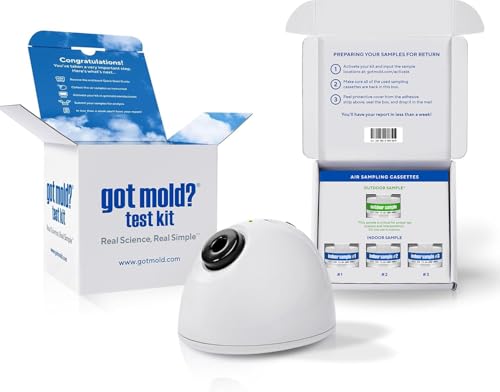
- Professional Mold Test Kit – Laboratory analysis for confirming complete spore elimination after concrete remediation treatment
- Pin-Type Moisture Meter – Professional-grade instrument for monitoring concrete moisture levels before, during, and after treatment
- Commercial Dehumidifier – High-capacity unit designed for basement moisture control with automatic drainage and humidity monitoring
These products receive consistently high ratings from professional contractors and serious DIY enthusiasts. When selecting products, choose formulations specifically tested on masonry and concrete surfaces rather than general-purpose cleaners that may not penetrate effectively into porous substrates.
Related Guides
Frequently Asked Questions
Why is mold common on concrete basement floors and walls?
Concrete is porous and can absorb moisture from the surrounding soil or through condensation, creating ideal damp conditions for mold growth. Basements often have poor ventilation and lower light levels, further contributing to a conducive environment for mold spores to settle and thrive on concrete surfaces.
What are the first signs of mold on concrete surfaces?
Visible signs often include discolored patches, which can appear black, green, white, or even pinkish, on the concrete. You might also notice a musty, earthy odor, even before visible mold growth is extensive, indicating the presence of mold spores.
Is it safe to clean mold off concrete myself, or should I hire a professional?
For small, surface-level mold patches (less than 10 square feet) and if you don’t have respiratory issues, you might be able to clean it yourself with proper protective gear. However, for larger infestations, recurring mold, or if you suspect the mold has penetrated deep into the concrete or foundation, professional remediation is highly recommended to ensure complete removal and address underlying moisture issues.
What causes mold to grow on concrete foundation walls?
Mold on foundation walls is frequently caused by water intrusion from exterior sources like poor drainage, leaky gutters, or cracks in the foundation itself, allowing moisture to seep through. Interior condensation due to temperature differences and high humidity in the basement can also provide the necessary moisture for mold to flourish on these surfaces.
How can I prevent mold from returning to my concrete basement floor after cleaning?
To prevent recurrence, it’s crucial to address the root cause of moisture, such as improving drainage around the foundation, sealing cracks in the concrete, and ensuring proper ventilation in the basement. Using a dehumidifier to maintain indoor humidity levels below 60% is also highly effective in inhibiting mold growth on concrete surfaces.
Can mold on concrete basement walls affect my home’s indoor air quality?
Yes, mold on concrete basement walls can significantly impact indoor air quality as mold spores become airborne and circulate throughout your home. Exposure to these spores can lead to respiratory problems, allergic reactions, and other health issues, especially for sensitive individuals.
These statements have not been evaluated by the Food and Drug Administration. This information is not intended to diagnose, treat, cure, or prevent any disease. Content is for informational purposes only and is not medical advice; consult a qualified healthcare provider before starting any supplement. As an Amazon Associate we earn from qualifying purchases.