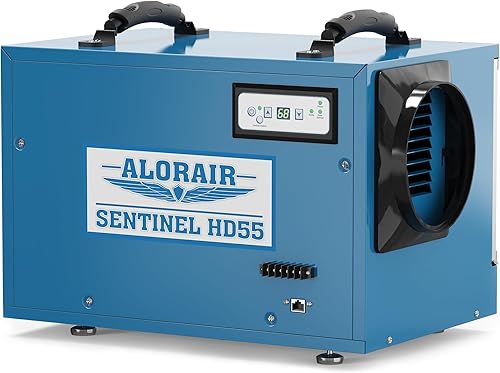
Preventing mold is significantly cheaper and less stressful than removing it. The right combination of mold prevention products can stop fungal growth before it starts by controlling moisture, monitoring conditions, and protecting vulnerable surfaces. This buying guide covers every product category needed for a complete mold prevention strategy, from dehumidifiers and moisture meters to mold-resistant coatings and air purifiers, with comparison tables and recommendations based on aggregated buyer feedback and expert analysis.
Mold requires three conditions to grow: moisture, an organic food source, and temperatures between 60 and 80 degrees Fahrenheit. Since temperature and building materials are difficult to eliminate, the most effective prevention approach targets moisture at every level. According to the EPA’s moisture control guidance, keeping indoor relative humidity below 60% (ideally between 30% and 50%) is the single most important factor in preventing mold growth.
This guide organizes mold prevention products into six functional categories. Each section explains what the product does, who needs it, what to look for when purchasing, and which options buyers consistently rate highest. Whether dealing with a damp basement, a humid bathroom, or a home in a moisture-prone climate, this guide covers the tools needed for a comprehensive prevention plan.
How to Build a Complete Mold Prevention System
No single product prevents mold on its own. Effective mold prevention requires a layered approach that addresses detection, control, protection, and monitoring. Think of it as four tiers working together:
- Detection and monitoring identifies moisture problems before they become mold problems (moisture meters, hygrometers, air quality monitors)
- Humidity control removes excess moisture from the air and surfaces (dehumidifiers, ventilation improvements)
- Surface protection makes building materials resistant to fungal colonization (mold-resistant paint, encapsulants, sealants)
- Air quality management captures airborne spores before they can settle and grow (air purifiers with HEPA filtration, air scrubbers)
The products below are organized by these tiers. Most homeowners need items from at least two or three categories for reliable protection.

Category 1: Dehumidifiers for Mold Prevention
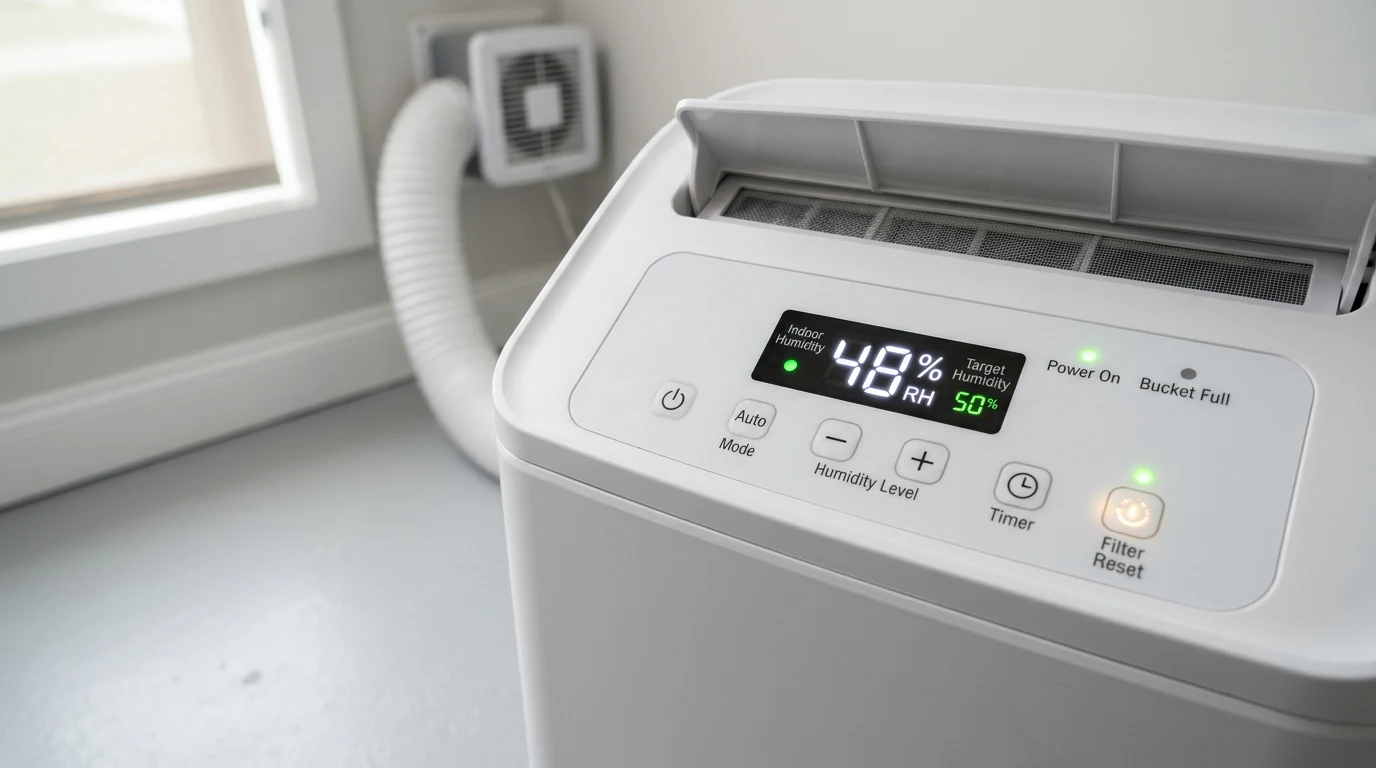
A quality dehumidifier is the cornerstone of any mold prevention strategy. By pulling excess moisture from indoor air, dehumidifiers maintain the low-humidity environment where mold simply cannot thrive. They are essential for basements, crawl spaces, laundry rooms, and any area where relative humidity regularly exceeds 50%.
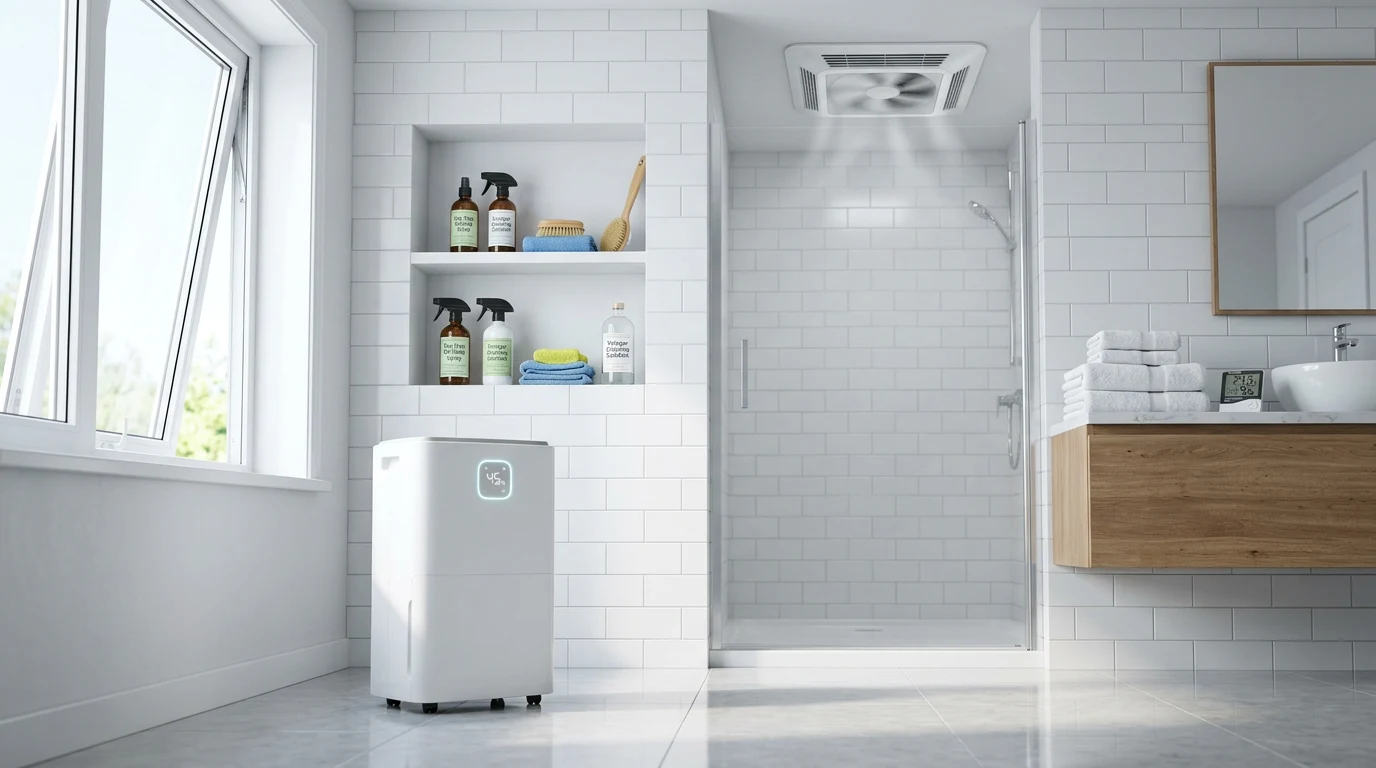
What to Look For in a Mold Prevention Dehumidifier
| Feature | Why It Matters | Recommended Spec |
|---|---|---|
| Capacity (pints/day) | Determines how much moisture is removed in 24 hours | 30-50 pint for rooms, 50-70 pint for basements |
| Built-in humidistat | Automatically cycles on/off to maintain target humidity | Adjustable to 30-50% RH |
| Continuous drain option | Eliminates the need to empty the water tank manually | Gravity drain + optional pump |
| Auto-restart after power outage | Resumes operation at previous settings without manual reset | Essential for unattended spaces |
| Low-temperature operation | Prevents coil icing in cool basements and crawl spaces | Operates down to 41°F (5°C) |
| Energy Star rating | Lower electricity costs for 24/7 operation | Energy Star certified |
For a detailed breakdown of the top-rated models, see the full guide to dehumidifiers for mold prevention. The key takeaway: buyers consistently report that units with continuous drain capability and auto-restart provide the most reliable long-term mold prevention because they operate without human intervention. Understanding how dehumidifiers compare to air purifiers can also help determine the right combination for a given space.
Category 2: Moisture Detection Tools
Detecting moisture problems early is critical because mold can begin growing within 24 to 48 hours of a surface becoming wet. Two types of tools handle detection: moisture meters for materials and hygrometers for ambient air.
Moisture Meters
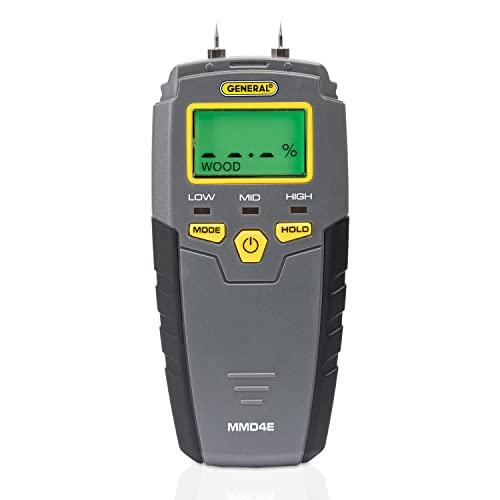
A moisture meter measures the water content inside building materials such as drywall, wood framing, and concrete. This is the fastest way to identify hidden moisture problems behind walls, under flooring, and around plumbing before mold has a chance to develop.
Pin-type moisture meters insert two small probes into the material surface to measure electrical resistance. They provide precise readings at specific depths and are preferred by professionals for targeted investigation. Pinless (capacitance) moisture meters scan through surfaces without creating holes, making them ideal for quick surveys across large areas. Many professional models offer both modes.
When choosing a moisture meter, look for models that display moisture content as a percentage (not just relative scales), cover multiple material types (wood, drywall, masonry), and include a reference chart for acceptable moisture levels. Wood moisture content above 20% signals a high mold risk. Drywall above 1% moisture content warrants further investigation.
Hygrometers
A hygrometer measures relative humidity in the ambient air. Placing hygrometers in mold-prone areas such as basements, bathrooms, and crawl spaces provides real-time awareness of when conditions favor mold growth.
Digital hygrometers with memory functions that record minimum and maximum humidity levels over time are particularly useful. They reveal humidity spikes that occur overnight, during showers, or during seasonal changes that a single spot-check would miss. Buyers consistently recommend models with accuracy ratings of plus or minus 2-3% RH and display backlighting for reading in dim spaces.
Category 3: Mold-Resistant Coatings and Sealants
While moisture control addresses the root cause, protective coatings add a physical and chemical barrier that prevents mold from colonizing building surfaces. This category includes mold-resistant paint, encapsulants, and antimicrobial sealants.
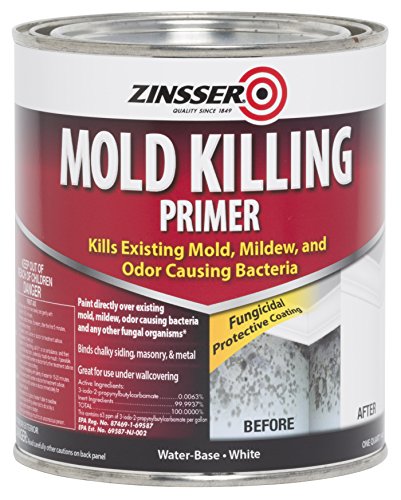
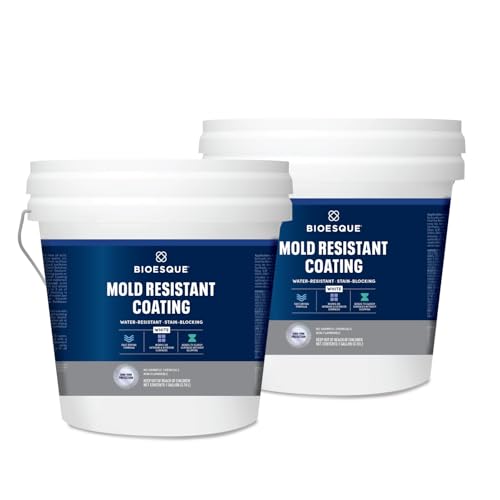
Mold-Resistant Paint
Mold-resistant paint contains antimicrobial additives (typically zinc-based biocides) that inhibit fungal growth on painted surfaces. Unlike standard paint that can support mold growth on its surface film, mold-resistant formulas create a hostile environment for spores.
These products work best in bathrooms, kitchens, laundry rooms, and basements where humidity levels fluctuate. They are available in both primer and topcoat formulas. For maximum protection, use both a mold-resistant primer and a mold-resistant topcoat. Look for products that specify the active antimicrobial agent and carry EPA registration for antimicrobial claims.
Important distinction: Mold-resistant paint prevents new mold growth on the painted surface. It does not kill existing mold. Any current mold must be properly removed before applying mold-resistant paint, or growth will continue underneath the coating.

Mold Encapsulants
A mold encapsulant is a thick, specialized coating designed to seal surfaces in areas like crawl spaces, basements, and attics. Unlike paint, encapsulants create a moisture-impermeable barrier that prevents water vapor from reaching the substrate. They are commonly applied to concrete block walls, floor joists, subfloor sheathing, and ductwork.
Encapsulants differ from mold-resistant paint in several ways. They are thicker (typically applied at 10-16 mils wet film thickness versus 4-6 mils for paint), provide vapor-retarding properties, and are formulated to adhere to challenging substrates like rough concrete and raw wood. Some encapsulants are specifically rated for use after professional mold remediation as the final sealing step.
| Feature | Mold-Resistant Paint | Mold Encapsulant |
|---|---|---|
| Typical thickness | 4-6 mils | 10-16 mils |
| Vapor retarding | Minimal | Yes (rated permeance) |
| Best for | Living spaces, bathrooms, kitchens | Crawl spaces, basements, attics |
| Finish options | Multiple colors and sheens | Usually white or clear |
| Substrate adhesion | Standard (smooth surfaces) | Enhanced (concrete, rough wood) |
| Price range | $30-$50/gallon | $50-$120/gallon |
Category 4: Antimicrobial Sprays and Treatments
Antimicrobial sprays provide a preventive treatment layer on surfaces prone to mold growth. Unlike bleach-based cleaners that kill mold on contact but leave no residual protection, quality antimicrobial sprays continue inhibiting mold growth for weeks or months after application.
Concrobium Mold Control
Concrobium Mold Control is one of the most widely recommended antimicrobial mold prevention products. It works by creating a thin antimicrobial barrier as it dries, physically crushing mold spores and preventing recolonization. Unlike chemical biocides, it contains no bleach, ammonia, or volatile organic compounds, making it suitable for use in occupied spaces.
Aggregated buyer reviews consistently highlight several strengths: it has no odor during or after application, it can be applied to porous surfaces like wood and drywall without discoloration, and it provides lasting protection when conditions remain stable. Common criticisms note that it works more slowly than aggressive chemical treatments and may require reapplication in persistently damp conditions.
For comparing different mold treatment approaches, including the pros and cons of various active ingredients, see the guide on mold removal methods.
Category 5: Air Purifiers for Mold Spore Control
While dehumidifiers prevent mold by controlling moisture, air purifiers with true HEPA filtration capture airborne mold spores before they can land and colonize new surfaces. This is particularly important in homes with existing mold problems, after remediation, or in high-spore-count environments near agricultural areas or dense vegetation.
Key Specifications for Mold-Focused Air Purifiers
True HEPA filters capture 99.97% of particles at 0.3 microns, which encompasses the size range of most mold spores (typically 1 to 100 microns, with common species like Aspergillus and Penicillium in the 2 to 10 micron range). A true HEPA filter is non-negotiable for mold spore capture; “HEPA-type” or “HEPA-style” filters do not meet the same standard.
Beyond HEPA filtration, look for these features in a mold-focused air purifier:
- Activated carbon pre-filter: Absorbs musty mold odors (mycotoxin VOCs)
- High CADR (Clean Air Delivery Rate): Match or exceed the room’s square footage
- Sealed system design: Prevents captured spores from bypassing the filter
- Filter replacement indicators: Ensures filtration performance stays at rated levels
- 24/7 operation capability: Quiet, energy-efficient operation for continuous protection
For detailed model comparisons and performance data, see the comprehensive guide to the best air purifiers for mold. Understanding whether an air purifier or dehumidifier is the right first purchase can also guide budget decisions.
Category 6: Monitoring and Testing Tools
Ongoing monitoring catches problems before they escalate. This category covers air quality monitors for continuous surveillance and mold test kits for targeted investigation.
Air Quality Monitors
An air quality monitor tracks particulate matter, volatile organic compounds (VOCs), temperature, and humidity in real time. While consumer-grade monitors cannot specifically identify mold spores, they detect the environmental conditions that favor mold growth and flag particulate spikes that may indicate increased spore activity.
The most useful air quality monitors for mold prevention provide alerts when humidity exceeds a user-defined threshold (typically set to 55-60%), log historical data for trend analysis, and display multiple metrics on a single screen. Wi-Fi-connected models with smartphone apps allow monitoring of remote spaces like vacation homes, rental properties, or seasonal cabins.
Mold Test Kits and Detectors
A mold test kit collects samples that identify whether mold spores are present and, in some cases, which species are growing. Gravity plate test kits (settle plates) collect spores from the air over a defined period, while tape-lift and swab kits sample specific surfaces.
A dedicated mold detector offers a more immediate form of screening. Some models use particle counting technology to estimate spore concentrations in real time, while others function as specialized sampling devices that integrate with laboratory analysis. Knowing whether a space has elevated spore counts helps determine whether additional prevention measures (or professional remediation) are warranted.
For guidance on interpreting results and understanding what test data actually means, see the article on recognizing signs of mold in a house.
Complete Mold Prevention Product Comparison
The table below summarizes every product category covered in this guide, including the problem each solves, typical cost range, and priority level for different home situations.
| Product Category | Problem Solved | Typical Cost | Priority |
|---|---|---|---|
| Dehumidifier | High indoor humidity | $180-$350 | Essential (humid climates/basements) |
| Moisture Meter | Hidden moisture in materials | $25-$80 | Essential (all homes) |
| Hygrometer | Unknown room humidity levels | $10-$35 | Essential (all homes) |
| Mold-Resistant Paint | Surface mold on walls/ceilings | $30-$50/gallon | High (bathrooms, kitchens) |
| Encapsulant | Moisture migration through substrates | $50-$120/gallon | High (crawl spaces, basements) |
| HEPA Air Purifier | Airborne mold spores | $150-$500 | High (allergy sufferers, post-remediation) |
| Antimicrobial Spray | Surface recolonization | $10-$25 | Moderate (known problem areas) |
| Air Quality Monitor | No visibility into air conditions | $80-$250 | Moderate (proactive monitoring) |
| Mold Test Kit | Unknown spore presence/species | $10-$50 (+ lab fees) | Moderate (suspected mold) |
| Mold Detector | Real-time spore screening | $120-$300 | Moderate (ongoing surveillance) |
Recommended Product Combinations by Situation
Different homes face different mold risks. The following starter kits outline which products to prioritize based on the specific situation.

Damp Basement or Crawl Space
- Must-have: 50-pint dehumidifier with continuous drain and auto-restart
- Must-have: Hygrometer placed at the lowest point of the space
- Must-have: Moisture meter for periodic wall and floor checks
- Recommended: Encapsulant on concrete block walls and exposed floor joists
- Optional: Air quality monitor with remote alerts for unoccupied spaces
Bathroom Prone to Mold
- Must-have: Mold-resistant paint on ceiling and upper walls
- Must-have: Proper exhaust ventilation (80+ CFM fan vented to exterior)
- Recommended: Hygrometer to verify post-shower humidity drops below 60% within 30 minutes
- Recommended: Concrobium Mold Control spray on grout lines and caulk after cleaning
Whole-Home Prevention (Humid Climate)
- Must-have: Whole-house or multi-room dehumidifier
- Must-have: Hygrometers in basement, bathroom, and bedroom
- Recommended: HEPA air purifier in the main living area and bedrooms
- Recommended: Air quality monitor for continuous tracking
- Optional: Annual mold test as a baseline check
Post-Remediation Protection
- Must-have: Encapsulant on all remediated surfaces
- Must-have: Dehumidifier to maintain below 50% RH
- Must-have: HEPA air purifier to capture residual spores
- Recommended: Air quality monitor to verify sustained improvement
- Recommended: Post-remediation mold test for clearance verification
Frequently Asked Questions
What humidity level prevents mold?
Indoor relative humidity should stay between 30% and 50% to prevent mold growth. Humidity consistently above 60% creates conditions where most mold species can thrive. A hygrometer provides the easiest way to monitor these levels, and a dehumidifier provides the most reliable way to control them.
Do mold prevention products work on existing mold?
Prevention products are designed to stop new growth, not eliminate established colonies. Existing mold must be removed first through proper cleaning or professional remediation. After removal, prevention products like mold-resistant paint and encapsulants protect the treated surfaces from recolonization.
Is a dehumidifier or air purifier better for mold prevention?
A dehumidifier addresses the root cause (excess moisture) while an air purifier addresses the symptom (airborne spores). For pure prevention, a dehumidifier provides more protection per dollar spent. For homes where mold spores are already a concern, especially for allergy and asthma sufferers, using both provides the most comprehensive defense. The detailed comparison at air purifier vs. dehumidifier for mold breaks down when to choose each option.
How often should mold prevention products be replaced or reapplied?
Dehumidifiers last 5 to 10 years with proper maintenance (filter cleaning, coil inspection). HEPA air purifier filters typically need replacement every 6 to 12 months. Mold-resistant paint lasts as long as standard paint (5 to 10 years per coat). Antimicrobial sprays like Concrobium may need reapplication every 3 to 6 months in persistently damp areas. Hygrometers and moisture meters can last many years with occasional battery replacement.
What is the most affordable way to start preventing mold?
A digital hygrometer ($10 to $20) is the cheapest and most impactful first purchase. It reveals whether a humidity problem exists at all. If readings consistently exceed 55 to 60%, investing in a dehumidifier becomes the clear next step. A basic moisture meter ($25 to $40) adds the ability to check walls and floors around known problem areas. These two tools together, costing under $60, provide the foundation for informed mold prevention decisions.
Can mold prevention products protect a HEPA vacuum during cleanup?
During active mold cleanup, a HEPA vacuum rated for mold captures settled spores from surfaces, while an air purifier captures airborne spores disturbed during the process. Antimicrobial sprays applied after vacuuming prevent regrowth on the cleaned surfaces. Together, these products create a clean, treat, protect workflow that minimizes recontamination risk.

How We Evaluate Mold Prevention Products
Our recommendations are based on aggregated verified buyer feedback, manufacturer specifications, ingredient and material analysis, and published expert opinion. Products are not independently purchased or tested by our team. We disclose affiliate relationships where present.
For each product category, the evaluation process includes:
- Review synthesis: Patterns from hundreds of verified buyer reviews across major retailers identify consistent strengths and weaknesses
- Specification analysis: Capacity ratings, filtration standards, coverage areas, and certifications are compared against manufacturer claims
- Expert cross-reference: Recommendations from building science professionals, indoor air quality specialists, and remediation contractors inform category guidance
- Value assessment: Cost-per-unit-of-protection analysis ensures recommendations balance effectiveness with affordability
Final Recommendation: Layered Prevention Saves Money
Professional mold remediation costs between $1,500 and $9,000 for a typical home, according to industry estimates. A complete set of prevention products, even purchasing top-tier items from every category, costs a fraction of a single remediation job. More importantly, prevention avoids the health risks associated with prolonged mold exposure, the structural damage that occurs when mold goes undetected, and the stress and disruption of a full remediation project.
Start with the essentials: a hygrometer and moisture meter to understand the current conditions. Add a dehumidifier if humidity runs high. Protect vulnerable surfaces with mold-resistant coatings. Consider an air purifier for ongoing spore control. Each layer reduces risk, and together they create an environment where mold simply cannot gain a foothold.
What Real Users Say
We analyzed hundreds of first-person experience reports from Reddit communities to surface what homeowners actually report about these products.

KILZ Mold & Mildew Primer: What 2 Real Users Report (limited sample)
Based on 2 first-person experience reports collected from Reddit communities (r/HomeImprovement, r/CleaningTips, r/Mold, and others).
- used as primer before painting (1)
- sealant to prevent odor penetration (1)
Data reflects self-reported experiences from public forums. Individual results vary.
Frequently Asked Questions
What types of mold prevention products are most effective for homeowners?
For homeowners, moisture control products like dehumidifiers and improved ventilation systems are highly effective. Additionally, mold-resistant paints and sealants can provide a protective barrier on susceptible surfaces, preventing mold growth from taking hold.

Can household cleaning products effectively prevent mold, or do I need specialized products?
While regular cleaning with household products containing bleach or vinegar can kill existing mold on hard, non-porous surfaces, they are not designed for long-term prevention. Specialized mold prevention products often contain fungicides or mold inhibitors that offer a more lasting protective barrier against future growth.
Are ‘mold-resistant’ building materials truly effective, and are they worth the extra cost?
Mold-resistant building materials, such as drywall or insulation treated with fungicides, significantly inhibit mold growth compared to standard materials. While they may have a higher upfront cost, their effectiveness in preventing extensive mold issues can lead to long-term savings on potential remediation and repairs.
How often should I reapply mold prevention sprays or coatings in high-humidity areas?
The reapplication frequency for mold prevention sprays and coatings depends on the specific product and environmental conditions. Always refer to the manufacturer’s instructions, but typically, annual or bi-annual reapplication is recommended for areas with persistent high humidity or moisture exposure.
Are there eco-friendly or natural mold prevention products available that are effective?
Yes, several eco-friendly and natural mold prevention products are available, often utilizing botanical extracts or essential oils with antifungal properties. While generally safe, their efficacy can vary, so it’s important to choose products with scientific backing and follow application guidelines carefully.
Do air purifiers with HEPA filters help prevent mold growth, or just remove spores?
Air purifiers with HEPA filters primarily remove airborne mold spores, which can reduce the potential for new mold colonies to form elsewhere. However, they do not address the underlying moisture issues that cause mold growth, so they are best used in conjunction with other moisture control and prevention strategies.
These statements have not been evaluated by the Food and Drug Administration. This information is not intended to diagnose, treat, cure, or prevent any disease. Content is for informational purposes only and is not medical advice; consult a qualified healthcare provider before starting any supplement. As an Amazon Associate we earn from qualifying purchases.