Mold in rental health situations affects millions of tenants across the United States every year, creating a collision between housing law, property maintenance, and occupant wellbeing. When mold grows in a rental property, tenants face a dual problem: exposure to a recognized indoor air quality hazard and uncertainty about who bears responsibility for identification, remediation, and medical costs. According to the U.S. Environmental Protection Agency (EPA), indoor mold growth is directly linked to respiratory illness, allergic reactions, and worsening of pre-existing conditions such as asthma, making prompt action essential for any renter living in a mold-affected unit.
The legal landscape around tenant mold rights varies by state, but certain federal guidelines and common-law principles apply broadly. The implied warranty of habitability, a legal doctrine recognized in nearly every U.S. jurisdiction, generally requires landlords to maintain rental properties in a condition fit for human occupancy. When mold contamination compromises indoor air quality or damages living spaces, tenants have legal options ranging from written repair demands to rent withholding, lease termination, and civil litigation. Understanding both the health implications and the legal framework empowers tenants to protect themselves effectively.
Legal and Medical Disclaimer: This article is for informational purposes only and does not constitute legal or medical advice. Tenant rights vary significantly by state, county, and municipality. Consult a licensed attorney in your jurisdiction for legal guidance and a qualified healthcare provider for medical concerns related to mold exposure. The information below is based on federal guidelines from the EPA, HUD, and CDC, along with widely recognized common-law housing principles.
[table-of-contents]How Mold in Rental Properties Affects Tenant Health
Mold in a rental unit is not merely a cosmetic problem. The health consequences of living in a mold-contaminated apartment or house range from mild allergic symptoms to severe respiratory illness, depending on the species present, the extent of contamination, the duration of exposure, and the individual’s immune status. The Centers for Disease Control and Prevention (CDC) identifies indoor mold as a significant contributor to poor indoor air quality and a trigger for multiple health conditions.
Respiratory Health Effects
The most common health impact of mold exposure in rental housing involves the respiratory system. When mold colonies release spores into indoor air, occupants inhale these microscopic particles with every breath. The EPA notes that mold spore concentrations inside a water-damaged building can exceed outdoor levels by 10 to 100 times, creating chronic inhalation exposure for tenants who spend the majority of their time at home.
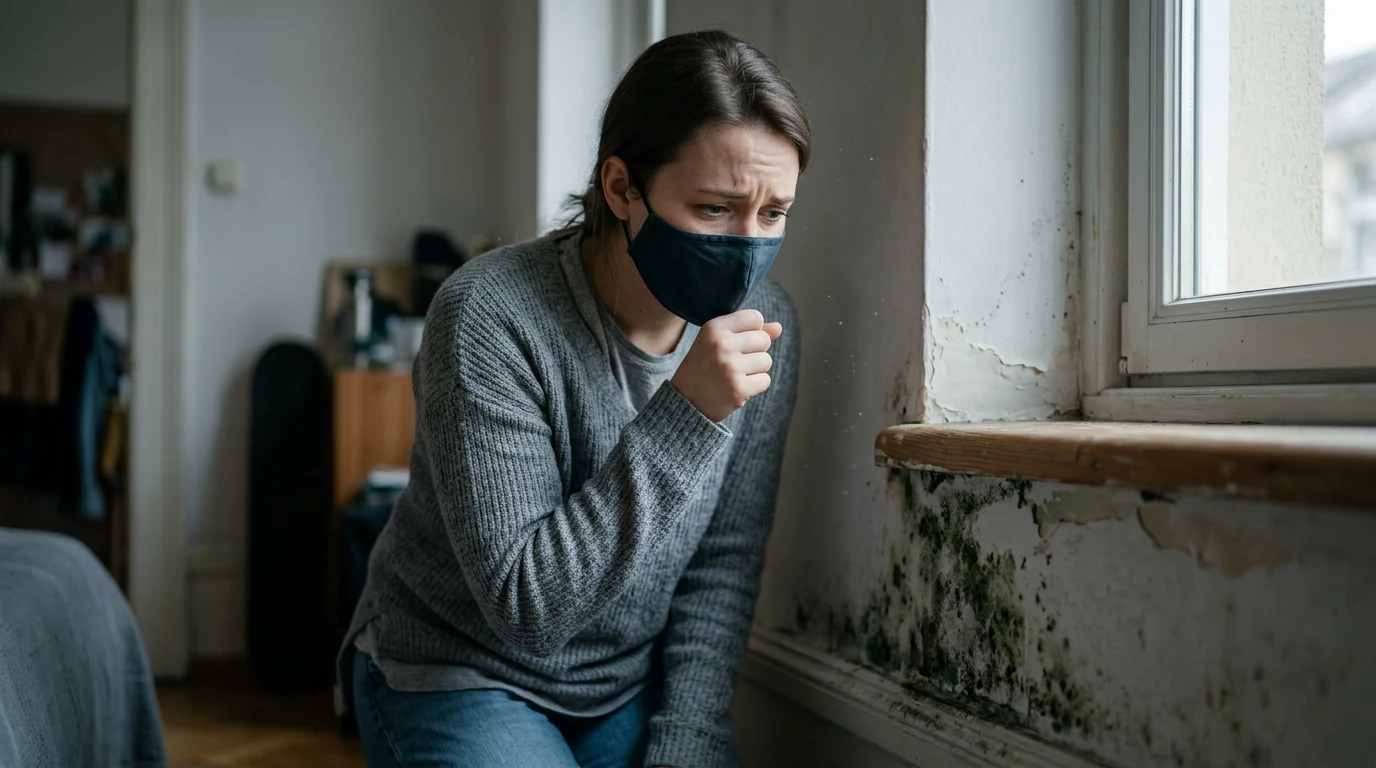
Respiratory symptoms commonly reported by tenants in mold-affected rentals include persistent coughing, wheezing, nasal congestion, sinus pressure, sore throat, and shortness of breath. Tenants with pre-existing asthma frequently experience increased attack frequency and severity. A study published in the American Journal of Respiratory and Critical Care Medicine found that living in a damp, mold-affected home increases the risk of asthma development by 30% to 50%. For a deeper look at how mold triggers illness, see the guide on whether mold can make you sick.
Allergic Reactions and Sensitization
Mold is a potent allergen. Exposure to species such as Aspergillus, Penicillium, Cladosporium, and Alternaria can trigger immunoglobulin E (IgE)-mediated allergic responses. Symptoms include sneezing, itchy or watery eyes, nasal drip, skin rashes, and hives. Prolonged exposure can lead to allergic sensitization, a condition where the immune system develops an increasingly aggressive response to mold antigens over time. Once sensitized, a tenant may react to lower and lower concentrations of spores, making even minor mold presence a health concern.
Toxic Mold and Mycotoxin Exposure
Certain mold species produce secondary metabolites called mycotoxins. Stachybotrys chartarum (commonly called “black mold“) produces satratoxins and other trichothecene mycotoxins that have been associated with neurological symptoms, fatigue, headaches, and immune suppression in case studies. While the scientific community continues to research the dose-response relationship between mycotoxin inhalation and human illness, the World Health Organization (WHO) and the Institute of Medicine (IOM) both recommend treating any visible mold growth as a potential health hazard requiring remediation, regardless of species identification.
Vulnerable Populations in Rental Housing
Certain tenant populations face disproportionate health risks from mold exposure. Children, elderly residents, pregnant individuals, and immunocompromised occupants (including those with HIV/AIDS, organ transplant recipients, or individuals undergoing chemotherapy) are all at elevated risk for severe mold-related illness. The CDC specifically warns that infants exposed to high levels of mold spores may develop respiratory conditions that persist into childhood. For detailed information on pediatric risks, see the article on mold exposure symptoms.
Common Sources of Mold in Rental Properties
Understanding where mold typically originates in rental housing helps tenants identify problems early and strengthens documentation efforts when pursuing remediation. Mold requires three conditions to grow: a moisture source, an organic food substrate, and temperatures between roughly 40 and 100 degrees Fahrenheit. In rental properties, the moisture source is almost always the critical factor.
Water Intrusion and Leaks
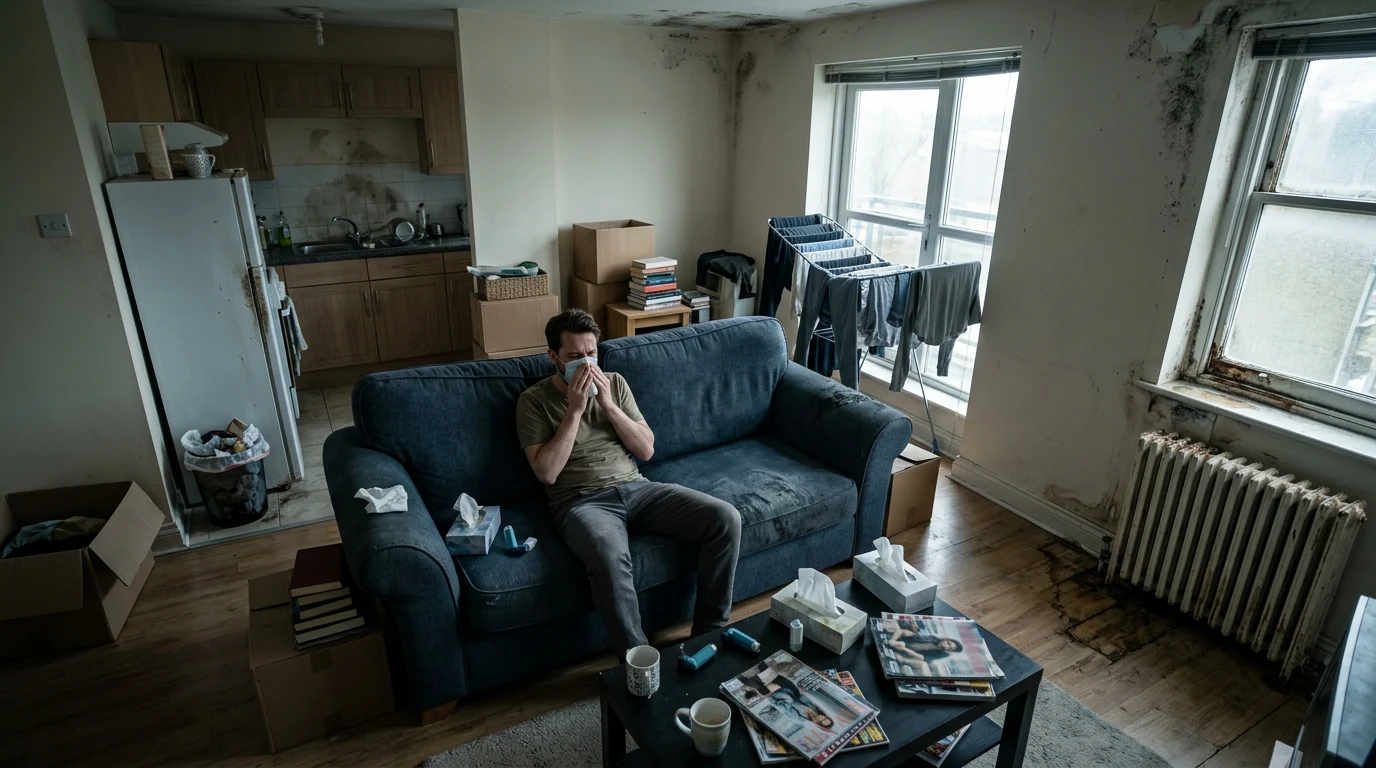
Roof leaks, plumbing failures, window seal degradation, and foundation cracks allow water into the building envelope. When this moisture reaches drywall, ceiling tiles, carpet padding, or wood framing, mold colonization can begin within 24 to 48 hours. In multi-unit apartment buildings, a leak in one unit can travel through shared walls, ceilings, and floors, affecting neighboring units. Tenants may discover mold growing behind kitchen cabinets, under bathroom vanities, along baseboards, or inside closets on exterior walls.
HVAC System Contamination
Heating, ventilation, and air conditioning systems in rental properties can serve as both a source and a distribution mechanism for mold spores. Condensation on evaporator coils, standing water in drain pans, and mold growth inside ductwork can spread spores throughout an entire unit or building every time the system cycles. Poorly maintained HVAC filters allow spores to bypass filtration and enter living spaces at elevated concentrations. A portable air quality test can help determine whether mold spore levels in a rental unit exceed normal background concentrations.
Structural Moisture Problems
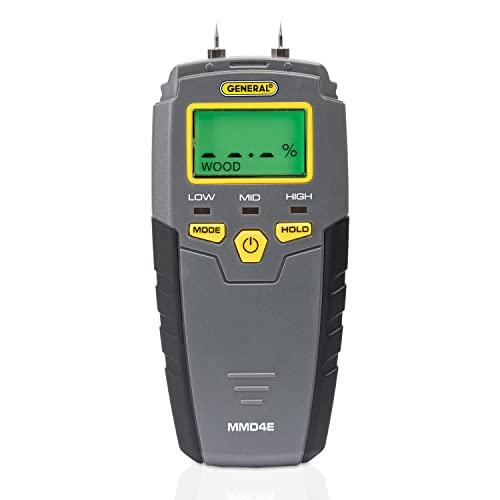
Inadequate ventilation in bathrooms and kitchens, missing or non-functional exhaust fans, poor exterior drainage grading, and deferred maintenance on building envelopes all contribute to chronic moisture conditions. Basement and ground-floor apartments are particularly vulnerable due to hydrostatic pressure pushing moisture through concrete foundations. A moisture meter allows tenants to take readings on suspect walls and document elevated moisture levels as evidence. For guidance on recognizing early warning signs, see signs of mold in a house.
Tenant Rights: The Legal Framework for Mold in Rentals
No single federal law in the United States specifically addresses mold in rental housing. However, a combination of federal guidelines, state statutes, local housing codes, and common-law doctrines creates a legal framework that protects tenants. The U.S. Department of Housing and Urban Development (HUD) provides guidance on mold in residential properties and connects mold to the broader standard of healthy housing conditions.
Implied Warranty of Habitability
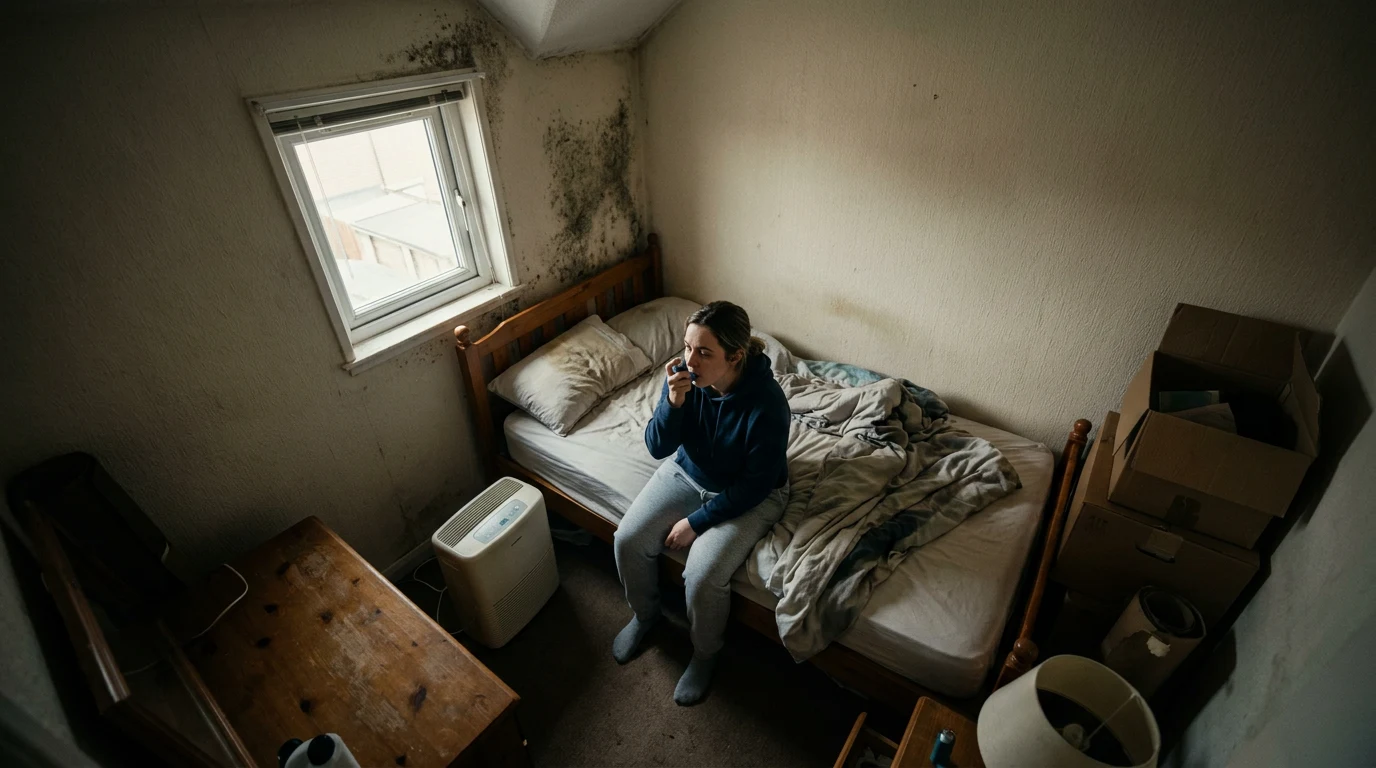
The implied warranty of habitability is a legal doctrine, recognized in nearly every state, that requires landlords to maintain rental units in a condition reasonably fit for human habitation. While most state habitability statutes do not explicitly mention mold, courts have increasingly held that significant mold contamination caused by unaddressed water damage, plumbing failures, or structural deficiencies constitutes a breach of this warranty. The reasoning is straightforward: a unit with active mold growth that causes or threatens to cause illness is not “fit for human habitation” under any reasonable interpretation.
States with explicit mold-related housing provisions include California (Health and Safety Code Section 17920.3, which lists visible mold as a substandard condition), Texas (Property Code Section 92.052, requiring landlords to remedy conditions affecting health and safety), and New York (which addresses mold through local housing maintenance codes in New York City). Even in states without specific mold statutes, the implied warranty of habitability generally covers mold when it results from a landlord’s failure to address water intrusion or maintain the building envelope.
Landlord Duty to Repair
In most jurisdictions, once a landlord receives written notice of a mold problem or the underlying moisture condition causing mold, a duty to investigate and repair is triggered. This duty typically requires the landlord to:
- Identify and eliminate the moisture source (plumbing repair, roof repair, improved ventilation)
- Assess the extent of mold contamination
- Remediate the mold according to accepted industry standards (EPA guidelines or state-specific regulations)
- Restore damaged building materials
- Verify that the problem has been resolved
The timeframe for completing repairs varies by jurisdiction. Some states specify a “reasonable time” standard (typically 14 to 30 days for non-emergency repairs), while others impose shorter deadlines for conditions that pose an immediate health risk. Emergency situations involving sewage backups or flooding that lead to rapid mold growth may require a 24- to 48-hour response.
Federal Housing Standards (HUD and Section 8)
For tenants in federally subsidized housing, including Section 8 Housing Choice Voucher units and public housing, HUD’s Housing Quality Standards (HQS) require that units meet minimum health and safety conditions. HUD inspectors can cite mold-related deficiencies under provisions addressing “hazards” and “sanitary condition.” A failed HQS inspection due to mold can result in the landlord being required to remediate within a specified period or lose the housing subsidy payment, giving federally assisted tenants significant leverage.
States with Specific Mold Laws
A growing number of states have enacted legislation directly addressing mold in rental housing. Key examples include:
- California: Visible mold classified as a substandard condition; landlords must disclose known mold; tenants may use “repair and deduct” remedy
- Texas: Landlords must address conditions materially affecting health and safety; tenants have a structured notice-and-repair process under Property Code Chapter 92
- New York: NYC Local Law 55 (2018) established mold as a Class C housing code violation (immediately hazardous); landlords must remediate within specific timelines
- Maryland: Landlords must provide a written mold disclosure at lease signing
- Indiana: Includes mold in the definition of conditions requiring landlord remediation under habitability standards
- New Jersey: Multiple municipalities have adopted mold-specific housing code provisions
Step-by-Step: What to Do When You Find Mold in Your Rental
Tenants who discover mold in their rental unit should follow a structured approach that protects both their health and their legal rights. The following steps align with guidance from the EPA, HUD, and tenant advocacy organizations.
Step 1: Document Everything
Documentation is the single most important step a tenant can take. Before cleaning, moving items, or contacting the landlord, create a thorough record of the mold condition.
- Photographs and video: Capture the mold growth from multiple angles with a date/time stamp enabled on the camera. Include wide shots showing the room context and close-ups showing the extent and color of growth.
- Written description: Note the location, approximate size of affected area, color and texture of the mold, any musty odor, and any visible water damage or moisture.
- Health symptom log: Begin recording any symptoms experienced by household members, including dates of onset, severity, and whether symptoms improve when away from the unit.
- Environmental readings: If available, use a moisture meter to document moisture levels on affected walls and surrounding areas. Readings above 17% on drywall indicate conditions conducive to mold growth.
Step 2: Notify the Landlord in Writing
Written notice is a legal prerequisite in nearly every jurisdiction before tenants can exercise remedies such as rent withholding or repair-and-deduct. Send a dated letter or email to the landlord (or property management company) that includes:

- A clear description of the mold condition and its location
- Reference to any suspected moisture source (leaking pipe, roof leak, condensation)
- Attached photographs
- A request for inspection and remediation within a specific timeframe
- A statement that the condition may affect the health and safety of occupants
Send the notice via certified mail (return receipt requested) or email with delivery confirmation. Retain copies of all correspondence. This paper trail establishes that the landlord had actual knowledge of the condition, which is a necessary element in most habitability claims.
Step 3: Get the Mold Tested
While the EPA states that all mold should be removed regardless of species, testing serves important purposes in a tenant rights context. A positive test result from a credible source provides objective evidence of contamination, and species identification can strengthen a health-related claim, particularly if toxigenic species such as Stachybotrys or Chaetomium are identified.
Tenants have several testing options. A home mold test kit provides an affordable starting point for surface and air sampling. For more comprehensive results, consider a professional-grade air quality test that measures airborne spore concentrations and identifies species. For guidance on interpreting results, see the complete mold testing guide.
For the strongest possible evidence, hire an independent certified mold inspector (not one recommended by the landlord). A professional mold inspection provides a written report from a credentialed third party, which carries significant weight in legal proceedings, insurance claims, and housing code complaints. A mold detector can supplement professional testing by providing ongoing monitoring of air quality between inspections.
Step 4: Seek Medical Attention
If any household member is experiencing health symptoms that may be related to mold exposure, schedule an appointment with a healthcare provider. Mention the mold exposure and provide your symptom log. Medical documentation linking symptoms to mold exposure in the rental unit strengthens both health insurance claims and legal claims against the landlord. Request that the physician include the suspected mold exposure in the medical record.
Step 5: File a Complaint with Local Housing Authority
If the landlord fails to respond to written notice within a reasonable time (or refuses to remediate), tenants should file a complaint with the local building department, housing code enforcement agency, or health department. An official inspection and code violation citation creates a government record of the condition and often compels landlord action more effectively than tenant requests alone.

Legal Remedies Available to Tenants
When a landlord fails to address mold contamination after receiving proper notice, tenants in most jurisdictions have access to several legal remedies. The availability and procedural requirements of each remedy vary by state and local law.
Repair and Deduct
In states that permit this remedy (including California, Massachusetts, and others), tenants may hire a licensed mold remediation professional, pay for the work, and deduct the cost from future rent payments. Strict procedural requirements apply: tenants must typically provide written notice, allow the landlord a reasonable period to make repairs, obtain a reasonable number of repair estimates, and ensure the total cost does not exceed a specified threshold (often one or two months’ rent).
Rent Withholding and Escrow
Some jurisdictions allow tenants to withhold rent or deposit rent into an escrow account when a landlord fails to maintain habitable conditions. This approach is legally risky without proper documentation and adherence to state-specific procedures. Tenants considering rent withholding should consult a local tenant rights attorney before proceeding, as incorrect execution can lead to eviction proceedings.
Lease Termination
When mold contamination renders a rental unit uninhabitable and the landlord refuses or fails to remediate, tenants in many states have the right to terminate the lease without penalty. This remedy, sometimes called “constructive eviction,” requires the tenant to demonstrate that the condition substantially impairs the use and enjoyment of the premises. Courts have found mold-related constructive eviction claims valid when tenants can show significant health effects, documented contamination, proper notice to the landlord, and a reasonable period of landlord inaction.
Civil Litigation and Damages
Tenants may file civil lawsuits against landlords for damages resulting from mold exposure. Recoverable damages may include:
- Medical expenses: Treatment costs for mold-related illness
- Property damage: Replacement cost of personal belongings damaged by mold (furniture, clothing, electronics)
- Relocation costs: Moving expenses if the unit becomes uninhabitable
- Rent abatement: Partial refund of rent paid during the period the unit was contaminated
- Pain and suffering: Compensation for physical discomfort and emotional distress
- Punitive damages: In cases involving landlord fraud, concealment of known mold, or willful neglect (available in some jurisdictions)
Retaliation Protections
Federal and state anti-retaliation laws protect tenants from being evicted, having rent increased, or losing services as punishment for reporting mold or exercising their legal rights. If a landlord takes adverse action within a specified period (typically 6 to 12 months) after a tenant files a complaint, reports a code violation, or exercises a legal remedy, a rebuttable presumption of retaliation applies. Tenants who believe they are facing retaliatory action should document the timeline and consult an attorney.

How to Build a Strong Mold Case as a Tenant
Whether pursuing a code enforcement complaint, an insurance claim, or a civil lawsuit, the strength of a tenant’s mold case depends on the quality of documentation. The following evidence types are most valuable.
Photographic and Environmental Evidence
- Date-stamped photographs and videos of all visible mold growth
- Photographs of water damage, staining, peeling paint, or warped materials
- Moisture meter readings with date, location, and measurement values recorded
- Mold test results from an accredited laboratory (AIHA or EMLAP accredited preferred)
- Air quality test results showing elevated indoor spore counts compared to outdoor baseline
Communication Records
- Copies of all written notices sent to the landlord (with proof of delivery)
- Landlord responses (or documented lack of response)
- Maintenance request records from tenant portals or management company systems
- Records of phone calls (date, time, who spoke, what was discussed)
- Correspondence with local housing authority or code enforcement
Medical Documentation
- Medical records linking health symptoms to mold exposure
- Physician letters or reports
- Prescription records for medications treating mold-related symptoms
- Health symptom diary with dates and severity ratings
Financial Records
- Receipts for mold testing, professional inspection, or remediation costs paid by the tenant
- Receipts for damaged personal property
- Receipts for temporary housing if relocation was necessary
- Rent payment records and lease agreement
Landlord Obligations: What the Law Requires
While the specific duties vary by jurisdiction, landlords generally bear the following obligations when mold is present or reasonably suspected in a rental property.
Disclosure Requirements
Several states require landlords to disclose known mold conditions to prospective tenants before lease signing. California, Maryland, Indiana, and San Francisco (through local ordinance) all have disclosure mandates. Even in states without explicit disclosure laws, failure to disclose a known hazardous condition may constitute fraud or misrepresentation, exposing the landlord to liability.
Maintenance and Remediation Standards
When mold remediation is required, the EPA recommends that areas larger than 10 square feet be handled by a professional mold remediation contractor. Several states have adopted this threshold into their regulations. Proper remediation requires source moisture elimination, containment of the work area, HEPA filtration, removal of contaminated materials, and post-remediation verification. Landlords who attempt to address mold by simply painting over it, spraying bleach, or other cosmetic measures are not fulfilling their remediation obligations and remain liable for ongoing health effects.
Preventive Maintenance
The duty to maintain habitable conditions includes preventive measures that reduce mold risk. Landlords should maintain functioning exhaust ventilation in bathrooms and kitchens, repair plumbing leaks promptly, maintain the building envelope (roof, windows, exterior walls), ensure adequate drainage around the foundation, and maintain HVAC systems in good working order. Failure to perform routine preventive maintenance that leads to mold growth generally supports tenant habitability claims. For estimated costs associated with professional remediation, see the mold removal cost and pricing guide.
Mold in Rental Properties: Prevention Strategies for Tenants
While landlords bear primary responsibility for maintaining the building, tenants can take proactive steps to minimize mold risk within their control. These measures also demonstrate good faith if a dispute arises over the cause of mold growth.
- Control humidity: Keep indoor relative humidity below 60% (ideally 30% to 50%). Use a dehumidifier in damp basements or during humid seasons.
- Ventilate properly: Run bathroom exhaust fans during and for 30 minutes after showers. Open kitchen vent hoods while cooking. If exhaust fans are broken or missing, report to landlord in writing.
- Report leaks immediately: Any water leak, condensation on windows, or water stain should be reported in writing to the landlord as soon as discovered.
- Monitor moisture: Use a moisture meter to periodically check walls in bathrooms, kitchens, basements, and areas near exterior walls.
- Avoid blocking air circulation: Keep furniture a few inches away from exterior walls. Do not block heating/cooling vents with furniture or drapes.
- Clean promptly: Wipe condensation from windows and other surfaces. Clean minor surface mold on hard, non-porous surfaces (tile, glass) with appropriate cleaning products and report the underlying moisture condition to the landlord.
Printable kit: Renter Mold Letter Kit ($12)
Three ready-to-fill letters and a documentation log for getting a landlord to deal with mold, in writing, with dates.
See what is inside, or get every kit in the Mold Crisis Kit ($29).
Frequently Asked Questions: Mold in Rental Properties
The following questions address the most common tenant concerns about mold in rental housing.
Is a landlord legally required to remove mold?
In most jurisdictions, yes. While few states have laws that specifically name “mold,” the implied warranty of habitability and general landlord maintenance obligations require landlords to address conditions that threaten tenant health and safety. Mold caused by building deficiencies (leaks, poor ventilation, plumbing failures) falls squarely within the landlord’s responsibility. The landlord’s duty is typically triggered once they receive written notice of the condition.

Can I withhold rent because of mold?
Rent withholding for mold is permitted in some states but subject to strict procedural requirements. Tenants must generally provide written notice, allow a reasonable repair period, and in some jurisdictions deposit withheld rent into an escrow account. Withholding rent without following proper procedures can result in eviction, even if the mold complaint is valid. Consulting a tenant rights attorney before withholding rent is strongly recommended.

Can I break my lease because of mold?
Tenants may have the right to terminate a lease early when mold contamination renders the unit uninhabitable, the landlord has been given proper notice, and the landlord has failed to remediate within a reasonable time. This is known as constructive eviction. The standard for uninhabitability is fact-specific, but significant visible mold growth combined with documented health effects typically supports a constructive eviction claim. Medical records, mold test results, and a record of landlord inaction strengthen the case.
What if the landlord says mold is the tenant’s fault?
Landlords sometimes claim that tenant behavior (not running exhaust fans, not opening windows, drying clothes indoors) caused the mold. While tenant behavior can contribute to moisture conditions, the landlord retains responsibility for building-level deficiencies. If the mold is caused by a leaking pipe, roof failure, inadequate ventilation systems, or structural moisture intrusion, the landlord cannot shift liability to the tenant. Documentation of the moisture source through photographs, moisture readings, and professional inspection reports helps rebut this defense.
How long does a landlord have to fix a mold problem?
Timeframes vary by jurisdiction. Many states require landlords to begin repairs within 14 to 30 days of receiving written notice for non-emergency conditions. Emergency situations involving active water intrusion, sewage, or conditions posing an imminent health risk may require a 24- to 72-hour response. Check your state’s landlord-tenant statute for specific deadlines. If the landlord fails to act within the required period, tenants may proceed with available remedies (code complaint, repair and deduct, lease termination, or litigation).
Should I get a mold test before contacting my landlord?
Testing is not legally required before notifying the landlord, and the EPA recommends removing all visible mold regardless of test results. However, testing provides objective evidence that strengthens your position in any dispute. A home mold test kit is an affordable first step for surface sampling. For air quality concerns, a professional air quality test measures airborne spore concentrations and identifies species, providing more comprehensive evidence for legal or insurance purposes.
Can I sue my landlord for mold-related health problems?
Yes. Tenants can file civil lawsuits for damages caused by landlord negligence in addressing mold. Successful claims typically require evidence that mold was present, the landlord knew or should have known about the condition, the landlord failed to remediate, and the tenant suffered actual damages (medical costs, property damage, relocation expenses, or pain and suffering). Many mold attorneys offer free initial consultations and work on contingency fee arrangements.
Resources for Tenants Dealing with Rental Mold
The following organizations and resources provide free guidance for tenants facing mold in their rental housing.
Can a tenant be held responsible for mold if they caused the moisture issue?
Yes, if a tenant’s actions or negligence directly led to the moisture problem causing mold, they may be held responsible for remediation costs. This typically applies to issues like consistently overflowing bathtubs or neglecting to report a known leak that worsens over time due to their inaction.
What are the typical steps a landlord should take for mold remediation in a rental property?
A landlord should first identify and fix the moisture source, then contain the affected area to prevent spore spread. Professional mold remediation is often necessary for areas larger than 10 square feet, followed by thorough drying and replacement of damaged materials.
Can a tenant break their lease without penalty due to unresolved mold issues?
In many jurisdictions, if a landlord fails to address significant mold issues that render the property uninhabitable after proper notice, a tenant may have grounds to break their lease without penalty. This is often covered under constructive eviction doctrines, but legal advice is recommended to ensure proper procedure.
Are there specific legal thresholds for what constitutes a ‘hazardous’ mold level in rental properties?
Currently, there are no universally accepted federal standards or legal thresholds for what constitutes a ‘hazardous’ mold level in indoor air quality. However, some states and local health departments have guidelines or regulations that landlords must follow regarding visible mold and its remediation.
What documentation should a tenant keep if they suspect mold in their rental property?
Tenants should meticulously document all communication with their landlord, including dates, times, and content of notices and responses. Additionally, photographs or videos of the mold, medical records if health is affected, and any professional inspection reports are crucial evidence.
Can a tenant withhold rent if their landlord fails to address mold issues?
Withholding rent due to mold issues is a complex legal matter and is generally not recommended without first consulting legal counsel and understanding local laws. In many areas, tenants must follow specific ‘repair and deduct’ or ‘rent escrow’ procedures, which require proper notice and may involve depositing rent into an escrow account.
- EPA Mold Resources: epa.gov/mold provides comprehensive guidance on mold identification, cleanup, and prevention
- HUD Healthy Homes: hud.gov/healthy_homes addresses mold in the context of overall housing health standards
- Local Legal Aid: The Legal Services Corporation (lsc.gov) can connect low-income tenants with free legal representation for housing disputes
- State Attorney General: Most state AG offices have a tenant rights division or consumer protection unit that handles housing complaints
- Local Housing Authority: Municipal building departments and code enforcement agencies conduct inspections and cite violations
Taking Action to Protect Your Health and Rights
Mold in rental housing is a problem that sits at the intersection of health, housing law, and tenant advocacy. The health risks are real and well-documented by the CDC, EPA, and WHO. The legal protections, while varying by jurisdiction, broadly support tenants who take the proper steps to document the condition, notify the landlord, and pursue available remedies. Tenants who suspect mold in their rental should act promptly: document the condition, send written notice, get tested, seek medical attention if symptomatic, and consult legal resources if the landlord fails to act. Early action protects both health outcomes and legal standing.
These statements have not been evaluated by the Food and Drug Administration. This information is not intended to diagnose, treat, cure, or prevent any disease. Content is for informational purposes only and is not medical advice; consult a qualified healthcare provider before starting any supplement. As an Amazon Associate we earn from qualifying purchases.
