CIRS from Mold: Symptoms, Diagnosis, and Treatment
CIRS mold illness, formally known as Chronic Inflammatory Response Syndrome, is a multi-system condition triggered by exposure to water-damaged buildings and the biotoxins they produce. Unlike a standard mold allergy that causes sneezing and itchy eyes, CIRS involves a runaway inflammatory cascade that affects the brain, lungs, joints, gut, and hormonal system simultaneously. Approximately 24% of the general population carries a genetic susceptibility (specific HLA-DR gene variants) that prevents the body from clearing mold-derived biotoxins, causing inflammation to persist long after the exposure ends. Without proper diagnosis and a structured treatment protocol, CIRS patients can remain symptomatic for years, often cycling through dozens of specialists without answers.
The condition was first characterized by Dr. Ritchie Shoemaker, a physician who spent over two decades studying biotoxin illness in patients exposed to water-damaged buildings. His peer-reviewed research, published through the Surviving Mold clinical framework, established the diagnostic criteria, biomarker panels, and stepwise treatment protocol now used by hundreds of practitioners worldwide. According to the Government Accountability Office, an estimated 50% of U.S. buildings have water damage, placing millions of occupants at risk of biotoxin exposure capable of triggering CIRS in genetically susceptible individuals.
What Is CIRS? Understanding the Mechanism
Chronic Inflammatory Response Syndrome is an innate immune disorder, not an allergy. In a healthy immune response, biotoxins from mold (including mycotoxins, beta-glucans, volatile organic compounds, and microbial fragments) are tagged by the immune system, processed through the liver, and eliminated. In individuals with susceptible HLA-DR haplotypes, this clearance process fails. The biotoxins remain in circulation, continuously activating the innate immune system and triggering a chronic inflammatory response that becomes self-perpetuating.
The key distinction between CIRS and a mold allergy is the immune pathway involved. Mold allergies operate through the adaptive immune system (IgE-mediated), producing localized symptoms like rhinitis and asthma. CIRS operates through the innate immune system, producing systemic inflammation that disrupts multiple organ systems simultaneously. This is why CIRS patients present with such a wide and seemingly unrelated cluster of symptoms, from brain fog and chronic fatigue to joint pain and gastrointestinal dysfunction. For a broader overview of how mold affects health, see the guide on whether mold can make you sick.
The Role of HLA-DR Genetics
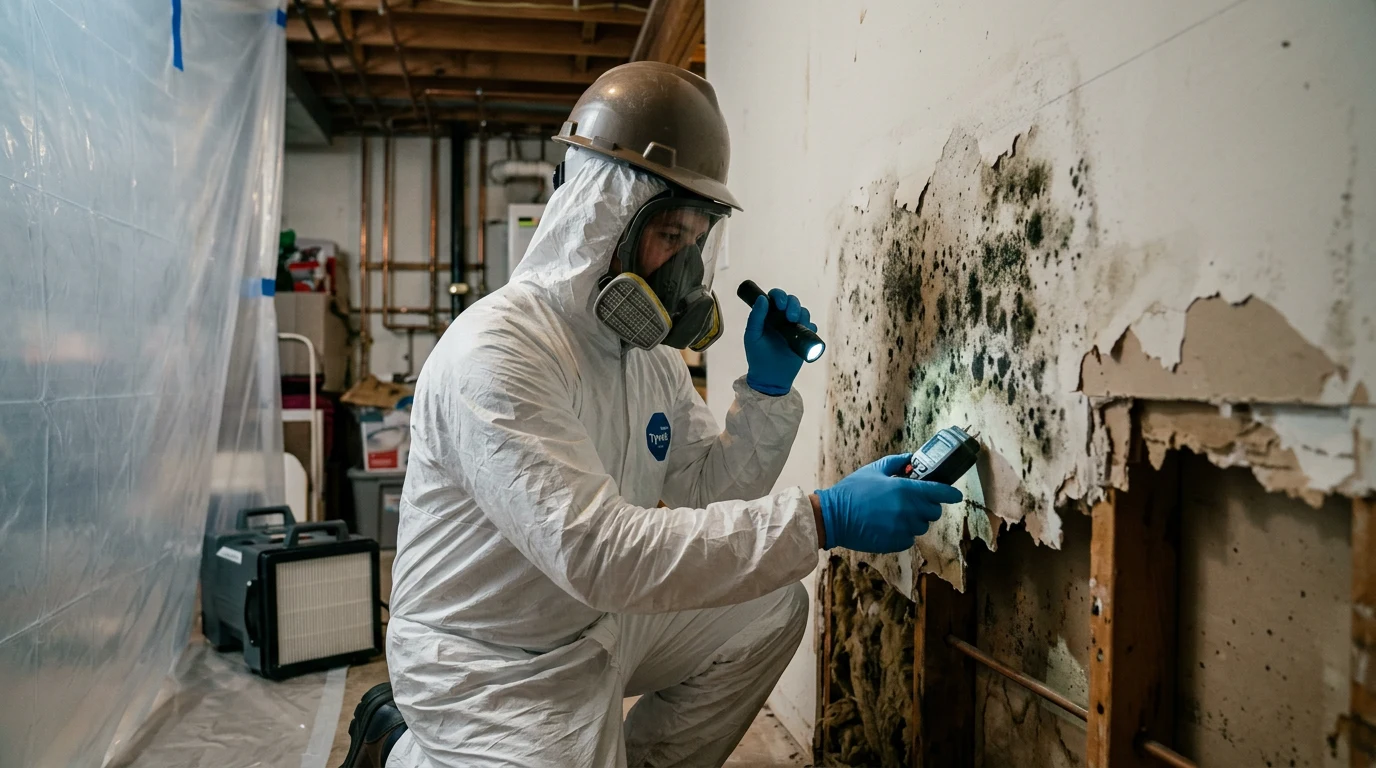
Human Leukocyte Antigen (HLA) genes control how the immune system identifies and responds to foreign substances. Specific HLA-DR/DQ gene combinations reduce the body’s ability to recognize and clear biotoxins produced by mold and other organisms found in water-damaged buildings. Laboratory testing for HLA-DR haplotypes is available through standard blood work and can confirm genetic susceptibility. The most commonly implicated haplotypes in CIRS include 4-3-53, 11-3-52B, 12-3-52B, and the “dreaded” multisusceptible 4-3-53 combined with 11/12-3-52B, which confers vulnerability to multiple biotoxin classes.
Genetic susceptibility does not guarantee developing CIRS. It means the body lacks an efficient clearance mechanism for biotoxins. When a genetically susceptible person experiences significant or prolonged exposure to a water-damaged building, the probability of developing CIRS increases dramatically. Conversely, individuals without susceptible HLA-DR types can still develop mold-related health problems, but they typically resolve once exposure ends.
CIRS Symptoms: The Multi-System Pattern
CIRS from mold exposure produces symptoms across at least eight organ systems. Dr. Shoemaker’s research identified 37 symptoms organized into 13 clusters. A patient experiencing symptoms in at least 8 of the 13 clusters, combined with a history of exposure to a water-damaged building, meets the initial screening criteria for CIRS. This multi-system presentation is what distinguishes CIRS from other mold-related conditions and is the reason many patients are misdiagnosed with fibromyalgia, chronic fatigue syndrome, depression, or irritable bowel syndrome before the true cause is identified. For a comprehensive symptom breakdown, visit the mold exposure symptoms guide.
Neurological and Cognitive Symptoms
Cognitive impairment is one of the most debilitating aspects of CIRS mold illness. Patients commonly report “brain fog,” a subjective sense of mental cloudiness that reflects measurable deficits in executive function, short-term memory, processing speed, and word retrieval. The Visual Contrast Sensitivity (VCS) test, a neuro-optical screening tool, is abnormal in approximately 92% of confirmed CIRS patients. VCS testing measures the ability to distinguish between contrasting patterns and serves as a surrogate marker for neuroinflammation caused by biotoxin exposure.
Additional neurological symptoms include headaches (often described as a constant pressure rather than migraine-type pain), numbness and tingling in the extremities, vertigo, light sensitivity, difficulty concentrating, and mood disturbances including anxiety and depression. NeuroQuant MRI volumetric analysis, which measures the size of specific brain structures, has documented atrophy patterns in the caudate nucleus, putamen, and cortical grey matter of CIRS patients, providing objective neuroimaging evidence of the condition’s impact on brain structure.
Respiratory Symptoms
While CIRS is distinct from mold allergy, respiratory involvement is common. Patients frequently experience shortness of breath that is disproportionate to physical exertion, chronic cough without infection, sinus congestion that does not respond to standard allergy treatments, and a sensation of chest tightness. Pulmonary function testing may show reduced diffusion capacity (DLCO) even when standard spirometry appears normal. This occurs because CIRS-related inflammation affects the gas exchange membranes in the alveoli without necessarily causing airway obstruction. Many CIRS patients have been diagnosed with “exercise-induced asthma” or “adult-onset asthma” before the underlying inflammatory mechanism is identified.
Musculoskeletal Symptoms
Joint pain, morning stiffness, and generalized body aches are reported by the majority of CIRS patients. Unlike rheumatoid arthritis, the joint pain in CIRS is typically migratory (moving from joint to joint), non-erosive, and does not produce the specific autoantibodies (RF, anti-CCP) seen in autoimmune arthritis. Muscle cramps, particularly in the calves and feet, are another common complaint. The musculoskeletal symptoms of CIRS overlap significantly with fibromyalgia, and many CIRS patients carry a fibromyalgia diagnosis for years before the biotoxin connection is discovered.
Gastrointestinal Symptoms
CIRS-related inflammation disrupts gut function through multiple mechanisms. Vasoactive Intestinal Peptide (VIP) deficiency, a hallmark of advanced CIRS, impairs gut motility and mucosal immunity. Patients commonly experience abdominal pain, bloating, diarrhea, appetite changes, and food sensitivities that develop after mold exposure began. Some researchers have documented increased intestinal permeability (“leaky gut”) in CIRS patients, which may explain the new-onset food sensitivities and the systemic absorption of gut-derived endotoxins that further amplify the inflammatory response.

Hormonal and Endocrine Disruption
The hypothalamic-pituitary axis (HPA) is particularly vulnerable to biotoxin-driven inflammation. CIRS patients frequently show dysregulated cortisol patterns, reduced levels of Melanocyte Stimulating Hormone (MSH), low Vasoactive Intestinal Peptide (VIP), and Antidiuretic Hormone (ADH) abnormalities that cause chronic dehydration, frequent urination, and excessive thirst. MSH deficiency is especially significant because MSH regulates cytokine production, pain perception, sleep cycles, and mucosal immunity. When MSH levels drop below the normal range, patients experience increased pain sensitivity, disrupted sleep architecture, chronic sinus and skin infections (including antibiotic-resistant staph colonization), and heightened inflammatory cytokine production.
Other Common Symptoms
- Chronic fatigue that does not improve with rest
- Temperature dysregulation including night sweats and cold sensitivity
- Static shocks and increased sensitivity to electrical stimulation
- Skin rashes and dermatographia
- Blurred vision and red eyes
- Excessive thirst with frequent urination (ADH dysregulation)
- Metallic taste in the mouth
- Weight gain resistant to diet and exercise (leptin resistance)
- Insomnia or non-restorative sleep
Diagnosing CIRS: The Shoemaker Protocol Criteria
CIRS diagnosis follows a structured clinical framework rather than a single test. Dr. Shoemaker’s diagnostic criteria require the presence of multiple elements that, taken together, establish the diagnosis with high specificity. No single biomarker confirms CIRS in isolation, which is part of the reason the condition is underdiagnosed in conventional medical settings where physicians may not be familiar with the full diagnostic panel.
Step 1: Exposure History
The patient must have a documented or plausible history of exposure to a water-damaged building. This can be confirmed through environmental testing such as an ERMI (Environmental Relative Moldiness Index) assessment, which uses DNA-based analysis to identify and quantify mold species in settled dust. An ERMI score above 2 indicates a moldy environment relative to national norms. HERTSMI-2, a simplified scoring system derived from ERMI data, focuses on the five most pathogenic mold species and provides a more clinically relevant assessment. An ERMI test kit can be used to collect dust samples at home for laboratory analysis. For additional context on environmental testing, see the mold testing guide.
Step 2: Symptom Cluster Assessment
The patient must report symptoms from at least 8 of the 13 defined symptom clusters. The clusters span fatigue, weakness, body aches, memory/concentration issues, respiratory symptoms, sinus congestion, joint pain, gastrointestinal symptoms, mood changes, skin sensitivity, temperature regulation problems, excessive thirst/urination, and vision changes. This clustering approach helps differentiate CIRS from other conditions where symptoms may overlap in 2 to 3 clusters but not 8 or more.
Step 3: Visual Contrast Sensitivity (VCS) Testing
The VCS test is a simple, inexpensive screening tool that detects neurotoxin-related visual impairment. The test presents a series of images with decreasing contrast levels and measures the patient’s ability to distinguish between light and dark bands. A positive (failed) VCS result in the context of mold exposure and multi-system symptoms strongly supports a CIRS diagnosis. VCS testing is available online through several validated platforms and can be performed at home in approximately 10 minutes. While not diagnostic by itself, a failed VCS combined with exposure history and symptom clusters provides a strong clinical foundation.
Step 4: Biomarker Panel
The definitive diagnostic step involves blood and urine testing for specific inflammatory biomarkers. These tests must be ordered by a physician and processed through specialized laboratories (LabCorp and Quest handle most of the panel). The key biomarkers in CIRS diagnosis include:
| Biomarker | Normal Range | CIRS Pattern | Significance |
|---|---|---|---|
| C4a | 0-2,830 ng/mL | Elevated (often 5,000-20,000+) | Complement activation, innate immune trigger |
| TGF-beta-1 | <2,380 pg/mL | Elevated (often 5,000-15,000+) | Fibrosis risk, autoimmune trigger |
| MMP-9 | 85-332 ng/mL | Elevated | Blood-brain barrier disruption, tissue remodeling |
| MSH (Melanocyte Stimulating Hormone) | 35-81 pg/mL | Low (<35) | Pain, sleep, mucosal immunity, cytokine regulation |
| VIP (Vasoactive Intestinal Peptide) | 23-63 pg/mL | Low (<23) | Gut function, pulmonary artery pressure, inflammation control |
| ADH (Antidiuretic Hormone) | 1.0-13.3 pg/mL | Dysregulated | Fluid balance, dehydration, osmolality |
| Osmolality | 280-300 mOsm/kg | Dysregulated | Often inversely correlates with ADH |
| VEGF | 31-86 pg/mL | Elevated or suppressed | Capillary hypoperfusion, oxygen delivery |
| Leptin | 0.5-13.8 ng/mL (male) | Elevated | Weight gain resistance, leptin resistance |
| ACTH/Cortisol | Varies | Dysregulated ratio | HPA axis disruption |
A pattern of abnormalities across multiple biomarkers, combined with exposure history, symptom clusters, and a positive VCS test, establishes the CIRS diagnosis. HLA-DR genetic testing further confirms susceptibility and helps predict the patient’s likely response to treatment.
Step 5: Mycotoxin Urine Testing
While not part of the original Shoemaker protocol, urine mycotoxin testing has become a common supplementary diagnostic tool. Laboratories such as RealTime Laboratories and Great Plains Laboratory (now Mosaic Diagnostics) offer panels that detect specific mycotoxins including ochratoxin A, aflatoxin, trichothecenes, and gliotoxin in urine samples. A mycotoxin test kit allows at-home collection of a first-morning urine sample that is then shipped to the laboratory for analysis. Positive mycotoxin findings in urine confirm that the body has absorbed and is metabolizing mycotoxins, providing additional evidence of biotoxin exposure. For more on how mycotoxins affect the body, read the mycotoxins and human health guide.
CIRS Treatment: The Shoemaker Protocol
Treatment of CIRS follows a sequential, stepwise protocol developed by Dr. Shoemaker based on over 20 years of clinical research and thousands of treated patients. The steps must be completed in order because each step addresses a specific aspect of the inflammatory cascade, and skipping ahead typically results in treatment failure or symptom relapse. The full protocol contains 11 steps, though many patients achieve significant improvement within the first 4 to 6 steps.
Step 1: Remove from Exposure
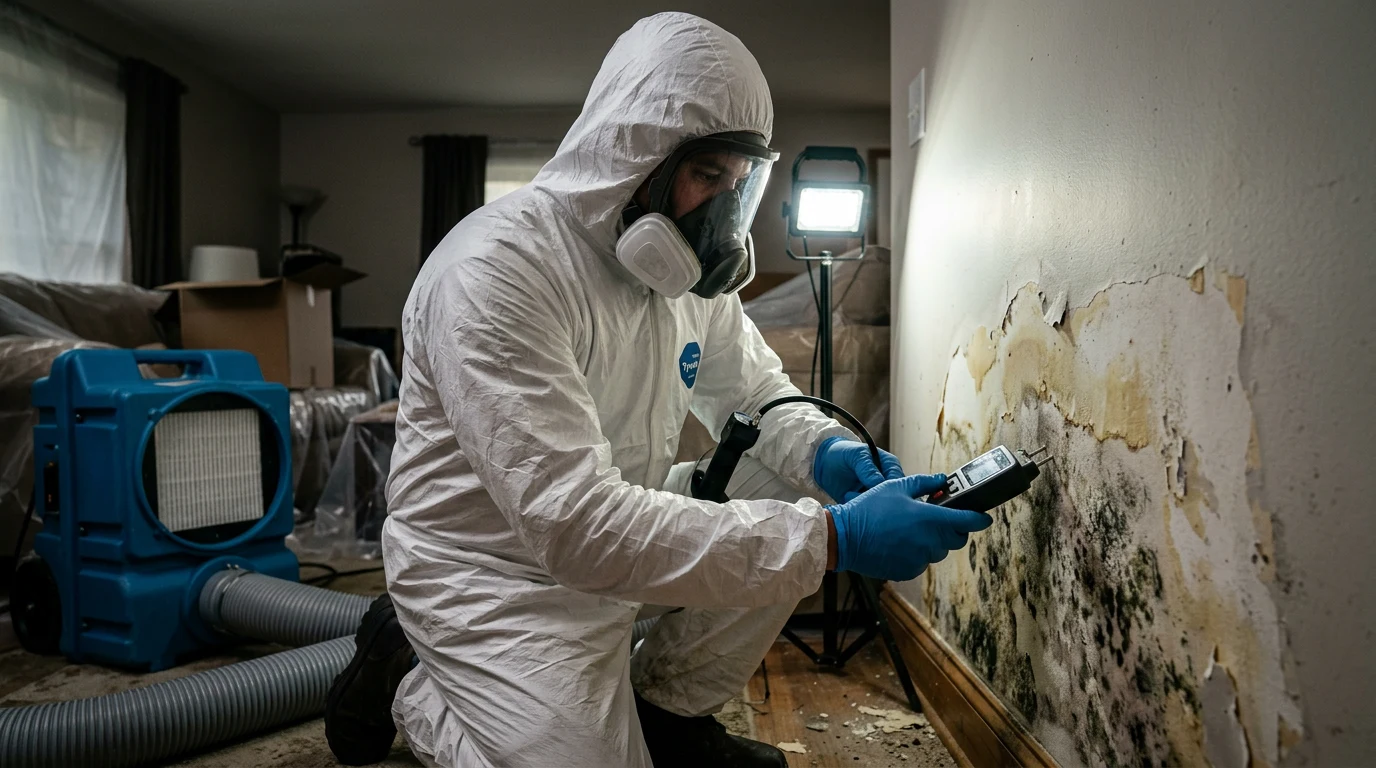
No treatment protocol can succeed while the patient remains in a contaminated environment. The first and most critical step is identifying and eliminating the source of biotoxin exposure. This requires professional environmental assessment, ERMI/HERTSMI-2 testing of the home and workplace, and either remediation of the water-damaged building or relocation to a clean environment. Many CIRS practitioners consider a HERTSMI-2 score below 11 as the target for a safe living environment. Monitoring indoor air quality with an air quality monitor provides ongoing verification that the remediated or new environment remains safe.
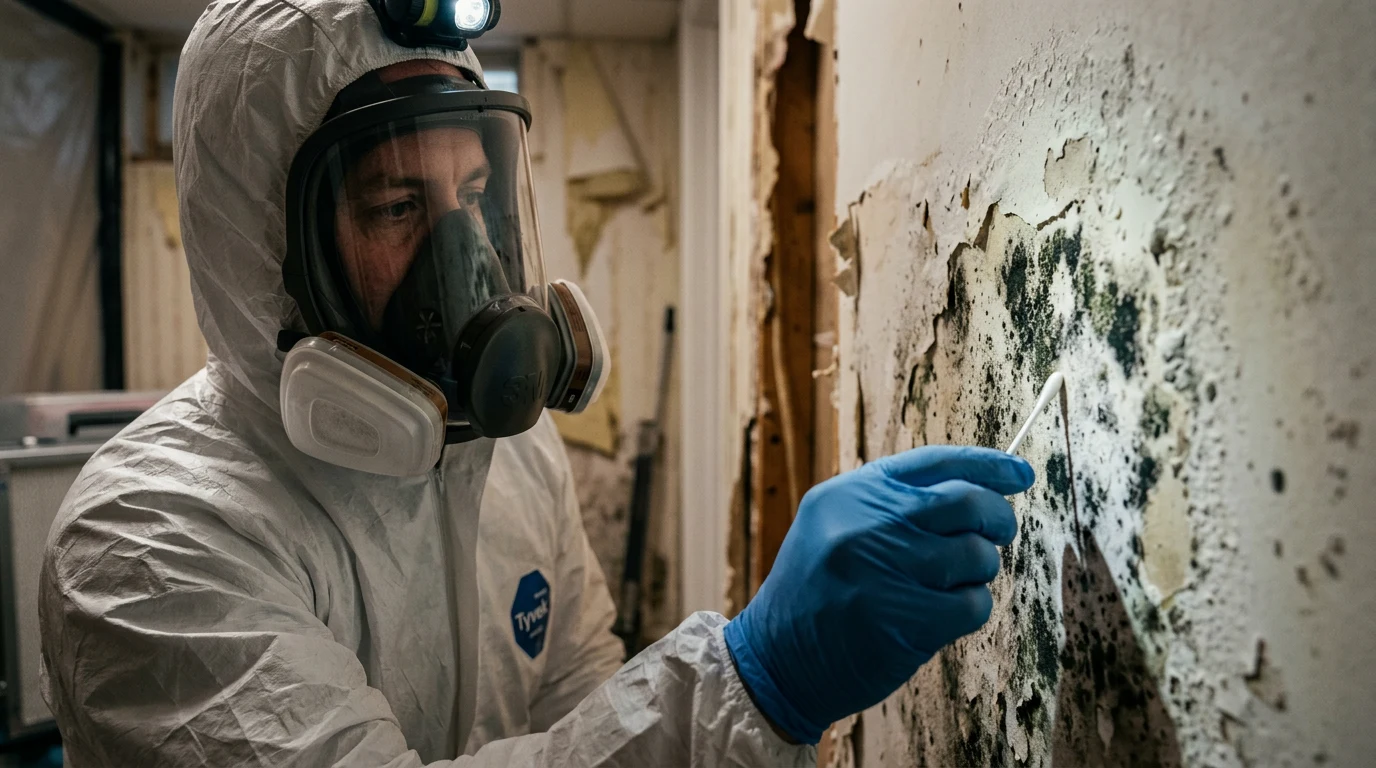
During remediation and recovery, running a high-quality HEPA air purifier reduces airborne mold spore counts and helps prevent ongoing inhalation exposure. An air purifier rated for mold should be placed in the bedroom and primary living areas. For guidance on selecting the right model, see the best air purifiers for mold review.

Step 2: Cholestyramine (CSM) or Welchol
Cholestyramine (brand name Questran) is a bile acid sequestrant originally developed for cholesterol management. In CIRS treatment, it functions as a biotoxin binder. Biotoxins from mold are recirculated through the enterohepatic cycle (liver to bile to gut and back to liver). Cholestyramine binds these biotoxins in the gastrointestinal tract and prevents their reabsorption, allowing the body to excrete them in stool. The standard dosing protocol is 4 grams four times daily, taken 30 minutes before meals, for a minimum of 30 days. Welchol (colesevelam) is an alternative binder used for patients who cannot tolerate cholestyramine’s taste or side effects, though it is considered somewhat less effective.
Common side effects of cholestyramine include constipation, bloating, and gastrointestinal discomfort. These typically resolve within the first two weeks. VCS testing is repeated after 30 days of binder therapy to assess response. Improvement in VCS scores indicates that biotoxin levels are decreasing and neuroinflammation is resolving.
Step 3: Eliminate MARCoNS
Multiple Antibiotic Resistant Coagulase Negative Staphylococci (MARCoNS) is a deep nasal colonization of antibiotic-resistant staph bacteria that develops in the majority of CIRS patients due to MSH deficiency. Low MSH impairs the antimicrobial defenses of the nasal mucosa, allowing resistant staph to establish a biofilm in the deep nasal passages. MARCoNS organisms produce exotoxins that further suppress MSH production, creating a vicious cycle. Testing involves a deep nasal swab (API Staph culture), and treatment typically uses BEG spray (Bactroban, EDTA, and Gentamicin compounded as a nasal spray) for 30 days. Eradication of MARCoNS is essential before proceeding to hormonal correction steps because the biofilm-associated exotoxins block MSH recovery.
Step 4: Correct Antigliadin Antibodies
Some CIRS patients develop elevated antigliadin antibodies (AGA), indicating an immune reaction to gluten proteins. This is not celiac disease in most cases, but rather a biotoxin-induced loss of immune tolerance. Patients with elevated AGA are placed on a gluten-free diet for 3 to 6 months, after which antibodies are retested. In many patients, AGA normalizes after biotoxin levels decrease and inflammation subsides, at which point gluten can be reintroduced cautiously.
Step 5: Correct ADH and Osmolality
Antidiuretic Hormone (ADH) dysregulation is extremely common in CIRS. When ADH is low relative to osmolality, patients experience chronic dehydration despite adequate fluid intake, producing excessive thirst, frequent urination, and electrolyte imbalance. Desmopressin (DDAVP) nasal spray is used to replace deficient ADH when levels are consistently low. Fluid and electrolyte management is also addressed during this step.
Steps 6-11: Advanced Corrections
The remaining steps of the Shoemaker Protocol address increasingly specific hormonal and inflammatory markers:
- Step 6: Correct MMP-9. High-dose omega-3 fatty acids and a low-amylose diet reduce elevated MMP-9 levels, protecting the blood-brain barrier and reducing tissue remodeling.
- Step 7: Correct VEGF. Vascular Endothelial Growth Factor abnormalities affect capillary blood flow and oxygen delivery. Treatment varies based on whether VEGF is elevated or suppressed.
- Step 8: Correct C3a. Elevated complement C3a indicates ongoing immune activation and is addressed through high-dose statins (when biomarkers support their use).
- Step 9: Correct C4a. If C4a remains elevated after completing prior steps, it may indicate ongoing exposure or reactivation of dormant triggers. Erythropoietin (EPO) has been used in some protocols for persistently elevated C4a.
- Step 10: Correct TGF-beta-1. Elevated TGF-beta-1 increases the risk of autoimmune disease and tissue fibrosis. Losartan, an angiotensin receptor blocker, has been shown to lower TGF-beta-1 levels in CIRS patients.
- Step 11: VIP Replacement. Vasoactive Intestinal Peptide nasal spray is the final step, reserved for patients who have completed all prior corrections. VIP replacement addresses residual fatigue, pulmonary symptoms, and hormonal imbalances. It is considered only after the environment is clean, biomarkers have normalized, and MARCoNS is eradicated, because administering VIP in a contaminated environment or with active MARCoNS can worsen inflammation.
CIRS vs. Mold Allergy vs. Mycotoxicosis: Key Differences
Understanding the distinctions between these three mold-related conditions is essential for proper diagnosis and treatment. They involve different immune pathways, produce different symptom patterns, and require different treatment approaches. For a deeper exploration of mold allergies specifically, see the mold allergy symptoms and treatment guide.
| Feature | Mold Allergy | Mycotoxicosis | CIRS |
|---|---|---|---|
| Immune pathway | Adaptive (IgE-mediated) | Direct toxicity (no immune mediation) | Innate immune (complement, cytokines) |
| Genetic component | Atopic predisposition | None required | HLA-DR susceptibility (24% of population) |
| Primary symptoms | Rhinitis, asthma, hives | Organ-specific damage (liver, kidney, lungs) | Multi-system (8+ symptom clusters) |
| Duration after removal | Resolves within days to weeks | Resolves as toxins clear (weeks to months) | Persists indefinitely without treatment |
| Diagnosis | Skin prick test, IgE panels | Mycotoxin urine testing | Shoemaker biomarker panel + VCS + symptom clusters |
| Treatment | Antihistamines, immunotherapy | Remove exposure, supportive care | Shoemaker Protocol (11-step sequential) |
Finding a CIRS-Literate Physician
One of the greatest challenges for CIRS patients is finding a physician who understands the condition. Most conventional doctors receive no training on biotoxin illness, and the multi-system nature of CIRS means patients are often referred to individual specialists (neurologist, pulmonologist, rheumatologist, gastroenterologist) who each address their organ system in isolation without recognizing the unifying inflammatory mechanism.
CIRS-trained physicians can be found through several directories. The Surviving Mold website maintains a list of certified Shoemaker Protocol practitioners. The International Society for Environmentally Acquired Illness (ISEAI) also maintains a practitioner directory. Functional medicine physicians, naturopathic doctors, and integrative medicine practitioners are more likely to be familiar with CIRS than conventional internists or family practitioners. When selecting a physician, look for practitioners who routinely order the full Shoemaker biomarker panel, understand ERMI/HERTSMI-2 scoring, and follow the sequential treatment protocol rather than cherry-picking individual steps.
Recovery Timeline and Prognosis
Recovery from CIRS is possible, but it requires patience, strict environmental control, and adherence to the stepwise treatment protocol. The timeline varies significantly based on the duration and severity of exposure, genetic susceptibility pattern, the presence of MARCoNS, and the patient’s overall health status at the time of diagnosis.
| Phase | Timeframe | What to Expect |
|---|---|---|
| Environmental removal | Immediate | Some symptom reduction within 1-2 weeks of leaving contaminated building |
| Binder therapy (CSM/Welchol) | 1-3 months | Gradual improvement in brain fog, fatigue, and VCS scores |
| MARCoNS eradication | 1-2 months | Reduced sinus infections, improved mucosal health |
| Hormonal corrections | 3-6 months | Improved sleep, reduced pain, better fluid balance |
| Full protocol completion | 6-18 months | Resolution of most symptoms, normalized biomarkers |
| VIP therapy (final step) | 1-3 months additional | Addresses residual fatigue, pulmonary, and hormonal issues |
Studies of patients who complete the full Shoemaker Protocol show high rates of symptom resolution and biomarker normalization. However, relapse can occur if patients return to a water-damaged environment or experience a new exposure event. Ongoing environmental monitoring and periodic biomarker testing are recommended for at least 1 to 2 years after completing treatment.
Common Misdiagnoses Before CIRS Is Identified
Because CIRS affects multiple organ systems and produces symptoms that overlap with numerous other conditions, patients often carry several incorrect diagnoses before CIRS is identified. Recognizing these patterns can help patients and physicians consider biotoxin illness earlier in the diagnostic process.

- Fibromyalgia. The widespread pain, fatigue, and cognitive dysfunction of CIRS closely mimic fibromyalgia. Many CIRS patients have been told they have fibromyalgia for years.
- Chronic Fatigue Syndrome (ME/CFS). Debilitating fatigue that does not improve with rest is a cardinal feature of both CFS and CIRS.
- Depression and anxiety. Neuroinflammation from CIRS directly affects mood regulation, and patients are frequently prescribed antidepressants or anxiolytics that do not address the underlying cause.
- Irritable Bowel Syndrome (IBS). Gastrointestinal symptoms from VIP deficiency and gut inflammation are commonly labeled as IBS.
- Multiple Sclerosis. White matter changes visible on MRI and neurological symptoms like numbness and tingling can lead to MS workups that return negative for MS-specific markers.
- Lupus or rheumatoid arthritis. Joint pain and elevated inflammatory markers prompt autoimmune evaluations that often return equivocal results.
- Hypothyroidism. Fatigue, weight gain, brain fog, and cold sensitivity overlap with thyroid dysfunction, but thyroid function tests in CIRS patients are often normal or borderline.
Preventing CIRS: Environmental Vigilance
Prevention of CIRS centers on controlling indoor moisture and addressing water damage promptly. Because genetic susceptibility cannot be changed, the controllable variable is exposure. Maintaining indoor relative humidity below 50%, repairing water leaks within 24 to 48 hours, using exhaust ventilation in bathrooms and kitchens, and conducting regular inspections of basements, crawl spaces, and HVAC systems are the foundations of prevention.
For individuals who know they carry susceptible HLA-DR haplotypes, environmental monitoring becomes especially important. Periodic ERMI testing of the home environment provides early detection of mold amplification before it reaches levels likely to trigger CIRS. Continuous air quality monitoring provides real-time data on particulate matter levels that can indicate elevated spore counts even before visible mold growth appears.
Printable kit: Mold Symptom & Exposure Tracker ($5)
Eight weeks of daily logs that show your doctor when symptoms flare, where you were, and what changed when you left the building.
See what is inside, or get every kit in the Mold Crisis Kit ($29).
Frequently Asked Questions About CIRS and Mold
What is CIRS from mold?
CIRS (Chronic Inflammatory Response Syndrome) is a multi-system inflammatory condition triggered by biotoxin exposure from water-damaged buildings. It affects genetically susceptible individuals (approximately 24% of the population) whose immune systems cannot properly clear mold-derived biotoxins, causing chronic systemic inflammation that persists even after exposure ends.
How is CIRS diagnosed?
CIRS is diagnosed through a combination of exposure history, symptoms in at least 8 of 13 defined clusters, a positive Visual Contrast Sensitivity (VCS) test, and abnormal results on a panel of blood biomarkers including C4a, TGF-beta-1, MMP-9, MSH, VIP, ADH, and others. HLA-DR genetic testing confirms susceptibility.
Can CIRS be cured?
CIRS can be effectively treated and symptoms resolved using the Shoemaker Protocol, an 11-step sequential treatment plan. Most patients achieve significant improvement within 6 to 18 months. However, relapse can occur with new mold exposure, making ongoing environmental vigilance essential for long-term health.
What is the difference between CIRS and a mold allergy?
Mold allergy is an IgE-mediated adaptive immune response causing localized symptoms like rhinitis and asthma that resolve quickly after exposure ends. CIRS is an innate immune dysfunction producing systemic inflammation across multiple organ systems that can persist indefinitely without treatment.
What does a CIRS blood test show?
CIRS blood testing typically shows elevated C4a, TGF-beta-1, and MMP-9 alongside low MSH and VIP. ADH and osmolality are often dysregulated, VEGF may be abnormal, and leptin may be elevated. The simultaneous pattern of multiple abnormalities distinguishes CIRS from other conditions.
How long does CIRS treatment take?
The full Shoemaker Protocol typically takes 6 to 18 months to complete. Binder therapy alone takes 1 to 3 months. MARCoNS treatment adds 1 to 2 months. Hormonal corrections require 3 to 6 additional months. Many patients feel significant improvement within the first few months of treatment.
Is CIRS recognized by mainstream medicine?
CIRS is recognized by a growing number of physicians in functional, integrative, and environmental medicine. Dr. Shoemaker has published multiple peer-reviewed studies. However, most conventional doctors have not been trained on CIRS, contributing to widespread underdiagnosis and years of misdiagnosis for many patients.
What HLA-DR genes are linked to CIRS susceptibility?
The HLA-DR haplotypes most associated with CIRS include 4-3-53, 11-3-52B, 12-3-52B, and the multisusceptible combination of 4-3-53 with 11/12-3-52B. These gene variants impair the immune system’s ability to clear mold biotoxins, leading to chronic inflammation in susceptible individuals.
Key Takeaways
- CIRS is a chronic innate immune disorder triggered by biotoxin exposure in water-damaged buildings, distinct from mold allergies and mycotoxicosis.
- Approximately 24% of the population carries HLA-DR gene variants that impair biotoxin clearance, making them susceptible to CIRS.
- Diagnosis requires exposure history, multi-system symptoms (8+ of 13 clusters), positive VCS testing, and a specific panel of blood biomarkers.
- The Shoemaker Protocol is the established treatment framework: remove from exposure, bind biotoxins with cholestyramine, eradicate MARCoNS, and correct hormonal abnormalities sequentially.
- Recovery typically takes 6 to 18 months with proper treatment, and relapse prevention requires ongoing environmental monitoring.
- Common misdiagnoses include fibromyalgia, chronic fatigue syndrome, depression, IBS, and autoimmune conditions.
These statements have not been evaluated by the Food and Drug Administration. This information is not intended to diagnose, treat, cure, or prevent any disease. Content is for informational purposes only and is not medical advice; consult a qualified healthcare provider before starting any supplement. As an Amazon Associate we earn from qualifying purchases.