Searching for a mold inspector near me is one of the most common steps homeowners take after spotting visible growth, smelling a persistent musty odor, or experiencing unexplained respiratory symptoms. The challenge is that mold inspection is an unregulated industry in most states, which means virtually anyone can advertise these services regardless of training, equipment, or experience. Choosing the wrong inspector can lead to missed contamination, inflated remediation quotes, or thousands of dollars spent on unnecessary work. Knowing exactly what qualifications to look for, what questions to ask, and what red flags to avoid is the difference between actionable results and wasted money.
According to the American Council for Accredited Certification (ACAC), a qualified mold inspector should hold recognized third-party certifications, use calibrated sampling equipment, and follow standardized assessment protocols. Yet fewer than half of inspectors advertising online meet these baseline criteria. This guide breaks down exactly how to evaluate mold inspection professionals, what a thorough inspection should include, how much it typically costs, and when a professional inspection is worth the investment versus a DIY mold test kit.
What Does a Mold Inspector Actually Do?
A mold inspector (also called a mold assessor or indoor environmental professional) evaluates properties for evidence of mold growth, moisture intrusion, and conditions that promote fungal contamination. The scope of work goes well beyond simply looking at visible mold on walls. A competent inspector conducts a systematic investigation that includes visual assessment, moisture mapping, thermal imaging, air sampling, surface sampling, and documentation of findings in a detailed written report.
The inspection process typically follows standards established by organizations like the IICRC (Institute of Inspection, Cleaning and Restoration Certification) under their S520 Standard for Professional Mold Remediation and the AIHA (American Industrial Hygiene Association) guidelines for fungal assessment. These protocols ensure consistent, defensible results that can support remediation planning, insurance claims, and real estate transactions.
Visual Assessment and Building Diagnostics
Every professional mold inspection begins with a thorough visual assessment of the entire property. The inspector examines walls, ceilings, floors, HVAC systems, attics, crawl spaces, basements, bathrooms, kitchens, and any area where moisture problems are likely. Inspectors look for visible mold growth, water staining, peeling paint, warped materials, efflorescence on masonry, condensation patterns, and musty odors. This visual survey guides decisions about where to collect samples and what further diagnostic tools to deploy.
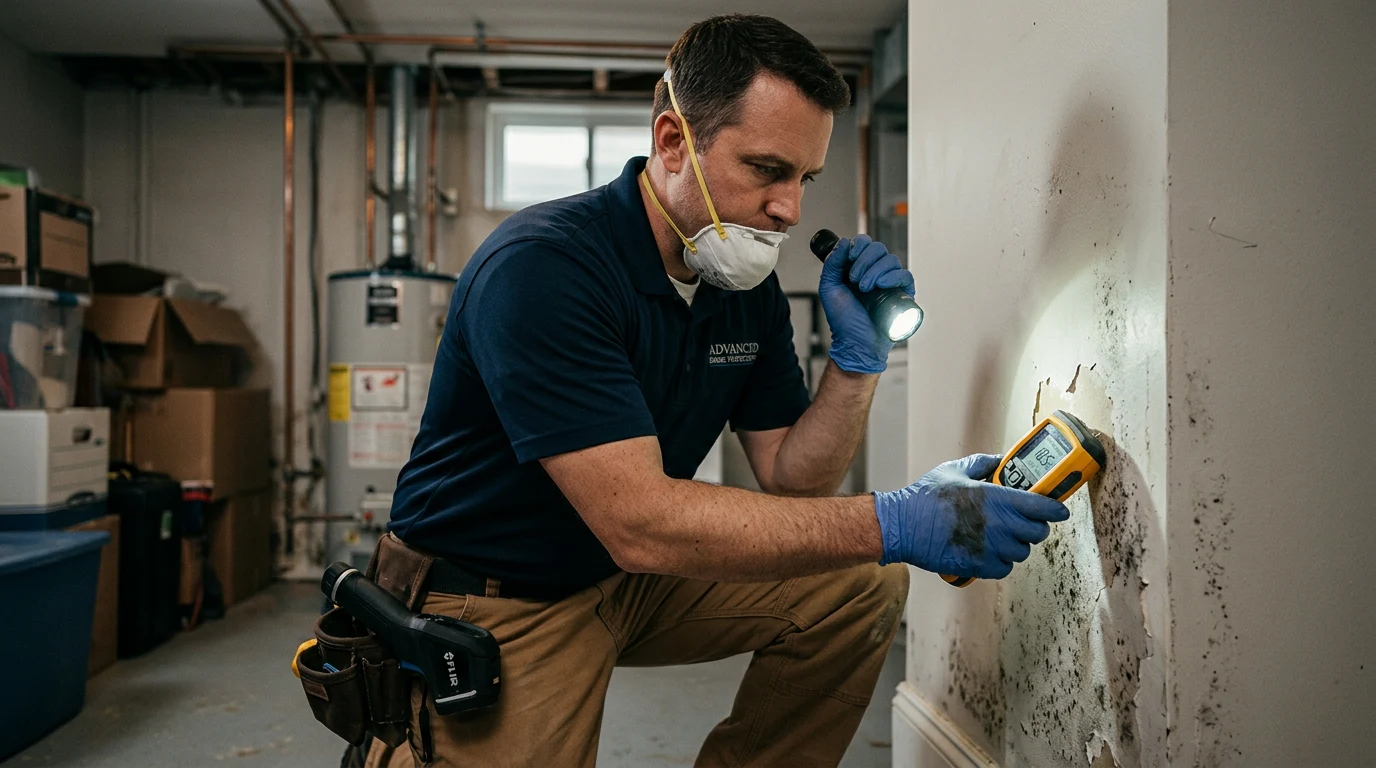
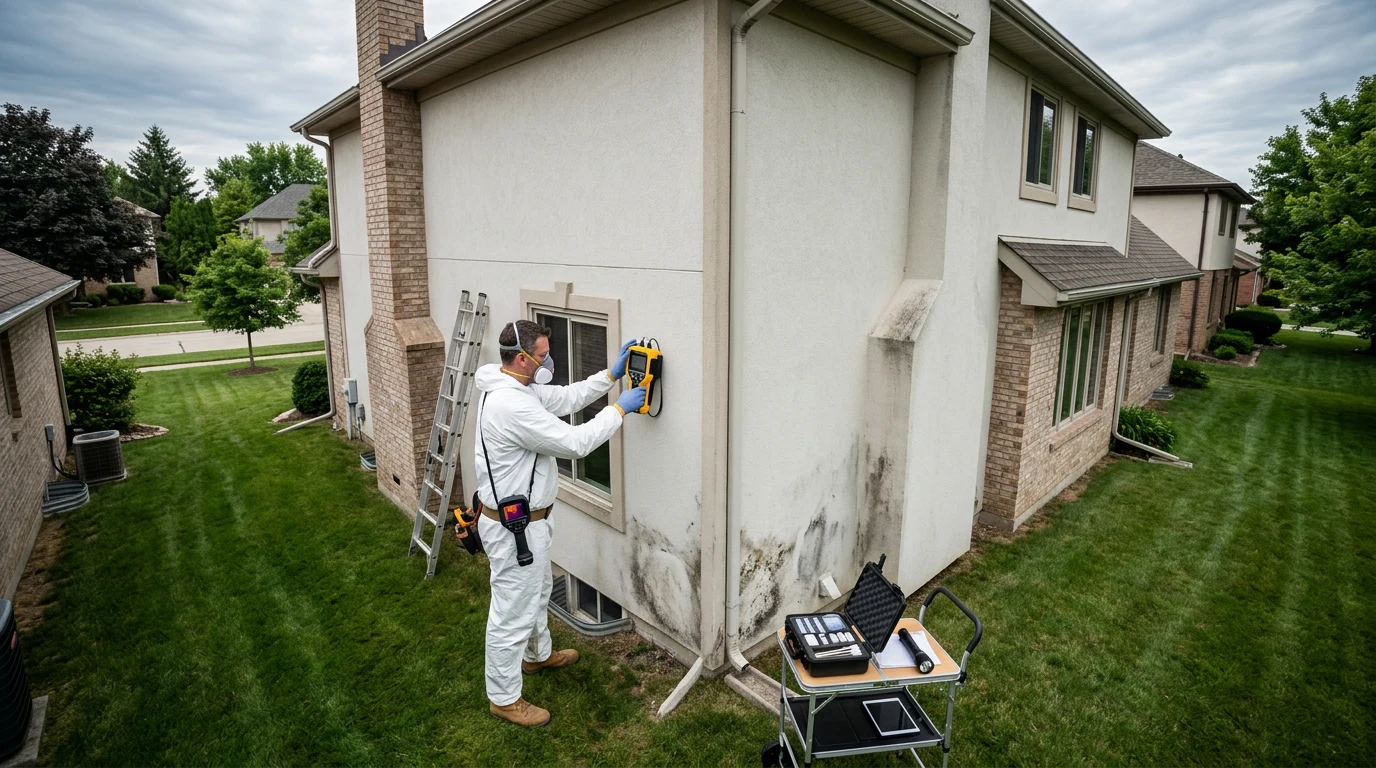
Building diagnostics extend beyond surface observation. A qualified inspector evaluates the building envelope for moisture entry points, checks grading and drainage around the foundation, inspects plumbing for leaks, and examines HVAC ductwork for contamination. Understanding moisture pathways is critical because mold is always a symptom of a water problem. For more on recognizing warning signs before calling an inspector, see the guide on signs of mold in your house.
Moisture Mapping with Specialized Equipment
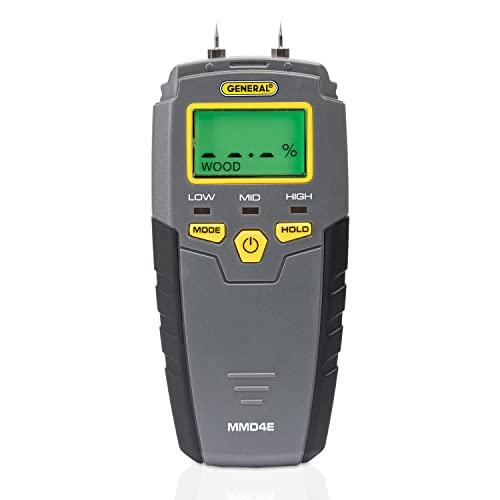
Professional mold inspectors use non-invasive moisture detection equipment to identify hidden water damage that is not visible to the naked eye. A professional-grade moisture meter measures moisture content in drywall, wood, and other building materials. Pin-type meters provide precise readings at specific points, while pinless (capacitance) meters scan larger areas quickly without penetrating surfaces.
Thermal imaging cameras (infrared cameras) detect temperature differentials in walls, ceilings, and floors. Wet building materials conduct heat differently than dry materials, creating thermal patterns that indicate hidden moisture behind finished surfaces. A qualified inspector combines thermal imaging with moisture meter confirmation to create a moisture map of the property, identifying areas where mold growth is likely even when no mold is yet visible.
Air and Surface Sampling
When conditions warrant laboratory analysis, inspectors collect air samples and surface samples using standardized methods. Air sampling involves drawing a measured volume of indoor air through a spore trap cassette, which captures airborne mold spores on a sticky collection surface. An outdoor control sample is always collected simultaneously for comparison. For a detailed breakdown of air testing methods and costs, see the complete mold testing guide.
Surface sampling methods include tape lifts (pressing adhesive tape onto a surface and sending it to a lab), swab samples (using a sterile swab to collect material from a surface), and bulk samples (cutting out a small piece of contaminated material). Each method serves a different purpose: tape lifts identify surface mold species, swab samples work on irregular surfaces, and bulk samples reveal mold penetration depth within materials.
Essential Certifications for Mold Inspectors
The single most important factor when searching for a mold inspector near you is certification. Because mold inspection is not a licensed trade in most states (only Texas, Florida, Louisiana, Maryland, and a few others require state licensing), third-party certifications serve as the primary indicator of professional competence. The following certifications are recognized industry-wide and should be considered minimum qualifications.
ACAC Certifications
The American Council for Accredited Certification (ACAC) offers the most widely respected credentials in the mold inspection industry. ACAC certifications require passing a proctored exam, documenting field experience, and completing continuing education. Key ACAC certifications include:
- CMI (Certified Mold Inspector): Covers mold identification, sampling methodology, moisture assessment, and report writing. Requires documented inspection experience and passing a comprehensive exam.
- CMRS (Certified Mold Remediation Supervisor): Focused on remediation oversight rather than assessment. An inspector holding both CMI and CMRS can assess and oversee remediation, though combining these roles in the same project creates a conflict of interest.
- CIE (Council-certified Indoor Environmentalist): A broader credential covering mold, moisture, ventilation, allergens, and indoor air quality. Inspectors with this certification bring a more comprehensive understanding of building health.
IICRC Certifications
The Institute of Inspection, Cleaning and Restoration Certification (IICRC) publishes the S520 Standard for Professional Mold Remediation and offers related training certifications. While IICRC certifications lean more toward remediation than assessment, inspectors with IICRC training understand remediation protocols, which improves the quality of their inspection reports and scope-of-work recommendations.
State Licensing Requirements
In states that require licensing, a mold inspector must hold a valid state-issued license in addition to any voluntary certifications. Texas requires a Mold Assessment Technician (MAT) or Mold Assessment Consultant (MAC) license through the Texas Department of Licensing and Regulation. Florida requires a Mold Assessor license through the Department of Business and Professional Regulation. Always verify that an inspector’s license is current and in good standing by checking the issuing agency’s online database.
| Certification | Issuing Organization | Focus Area | Exam Required | Continuing Ed |
|---|---|---|---|---|
| CMI (Certified Mold Inspector) | ACAC | Mold assessment and sampling | Yes (proctored) | Yes (annual) |
| CIE (Council-certified Indoor Environmentalist) | ACAC | Broad indoor environmental quality | Yes (proctored) | Yes (annual) |
| CMRS (Certified Mold Remediation Supervisor) | ACAC | Remediation oversight | Yes (proctored) | Yes (annual) |
| IICRC WRT/AMRT | IICRC | Water restoration / mold remediation | Yes (course-based) | Yes (biennial) |
| State Mold Assessor License | State agency (TX, FL, etc.) | Legal authorization to inspect | Varies by state | Varies by state |
How to Find a Mold Inspector Near You
Finding a qualified mold inspector near you requires more than a quick online search. The goal is to identify inspectors who are genuinely certified, carry proper insurance, use professional-grade equipment, and operate independently from remediation companies. The following sources produce the most reliable results.
ACAC Inspector Directory
The ACAC maintains a searchable directory of certified professionals on their website. Searching by zip code returns inspectors holding CMI, CIE, or other ACAC credentials within a specified radius. Because ACAC verifies certification status, this directory eliminates inspectors who claim credentials they do not actually hold. This is the single most reliable starting point for finding a qualified mold inspector in any area.
IICRC Locator Tool
The IICRC also offers a “Find a Certified Firm” search tool. While this tends to surface remediation companies rather than independent inspectors, firms listed here have at least one IICRC-certified technician on staff. Cross-referencing IICRC results with ACAC listings helps identify firms that hold certifications from both organizations.
State Licensing Databases
In regulated states, the licensing agency publishes a searchable database of licensed mold assessors. These databases show license status, expiration dates, disciplinary actions, and complaint history. Even in states that do not require licensing, many inspectors voluntarily obtain out-of-state licenses to demonstrate competence.
Insurance Company Referrals
Homeowners insurance companies often maintain lists of approved environmental consultants. If a mold claim may be filed, using an insurance-approved inspector can streamline the claims process. However, be aware that insurance-referred inspectors may have financial incentives to minimize findings. Always review the inspector’s credentials independently.
Real Estate Transaction Referrals
During real estate transactions, home inspectors, real estate agents, and attorneys often refer mold inspectors. These referrals can be valuable because the referring professional has a reputation at stake. However, always verify certifications independently rather than relying solely on referral reputation.
10 Questions to Ask Before Hiring a Mold Inspector
Before scheduling an appointment, ask every prospective mold inspector the following questions. Their answers reveal whether they follow industry standards, carry proper insurance, and operate with integrity.
- “What certifications do you hold, and can you provide documentation?” Acceptable answers include ACAC CMI, CIE, or state licensing. Ask for certificate numbers and verify them directly with the issuing organization.
- “Do you also perform mold remediation?” The correct answer is no. An inspector who also offers remediation has a financial incentive to find problems and then sell the fix. Independent inspectors provide unbiased assessments. This separation is required by law in Texas, Florida, and several other states.
- “What does your inspection include?” A complete inspection should include a visual assessment of the entire accessible property, moisture mapping with a meter, thermal imaging, air sampling (at minimum one indoor and one outdoor control), and a detailed written report.
- “Which laboratory do you use, and is it accredited?” Labs should hold AIHA EMLAP (Environmental Microbiology Laboratory Accreditation Program) accreditation. This ensures the lab follows standardized analytical methods and participates in proficiency testing.
- “What type of air sampling equipment do you use?” Professional inspectors use calibrated air sampling pumps (such as Zefon Bio-Pump or SKC pumps) with spore trap cassettes. Ask how recently the pump was calibrated. Annual calibration is the minimum standard.
- “How many samples will you collect, and where?” At minimum, expect one outdoor control sample and one indoor sample per affected area. A thorough inspection of a standard-sized home typically involves 3 to 6 air samples total.
- “Do you carry errors and omissions insurance?” Professional liability insurance (E&O) protects homeowners if the inspector misses significant contamination. General liability insurance covers property damage during the inspection. Both are essential.
- “Will you provide a written report, and when?” Reports should include sampling results, laboratory analysis, photographs, moisture readings, a summary of findings, and recommendations. Turnaround time for the full report is typically 3 to 5 business days after laboratory results are available.
- “What is your fee structure?” Inspectors who offer “free inspections” are almost always remediation companies using the inspection as a sales tool. Expect to pay $300 to $700 for a standard residential inspection. Fees based on square footage or number of samples are both common pricing models.
- “Can you provide references from recent clients?” Established inspectors should be able to provide references or point to verified reviews. Check Google Business profiles, Better Business Bureau listings, and industry-specific review platforms.
Mold Inspection Cost Breakdown
Understanding typical mold inspection costs prevents overpaying and helps identify suspiciously low quotes that may indicate corner-cutting. Costs vary based on property size, number of samples collected, geographic location, and the complexity of the investigation. The following table reflects 2025-2026 national averages based on aggregated pricing data from environmental consulting firms.
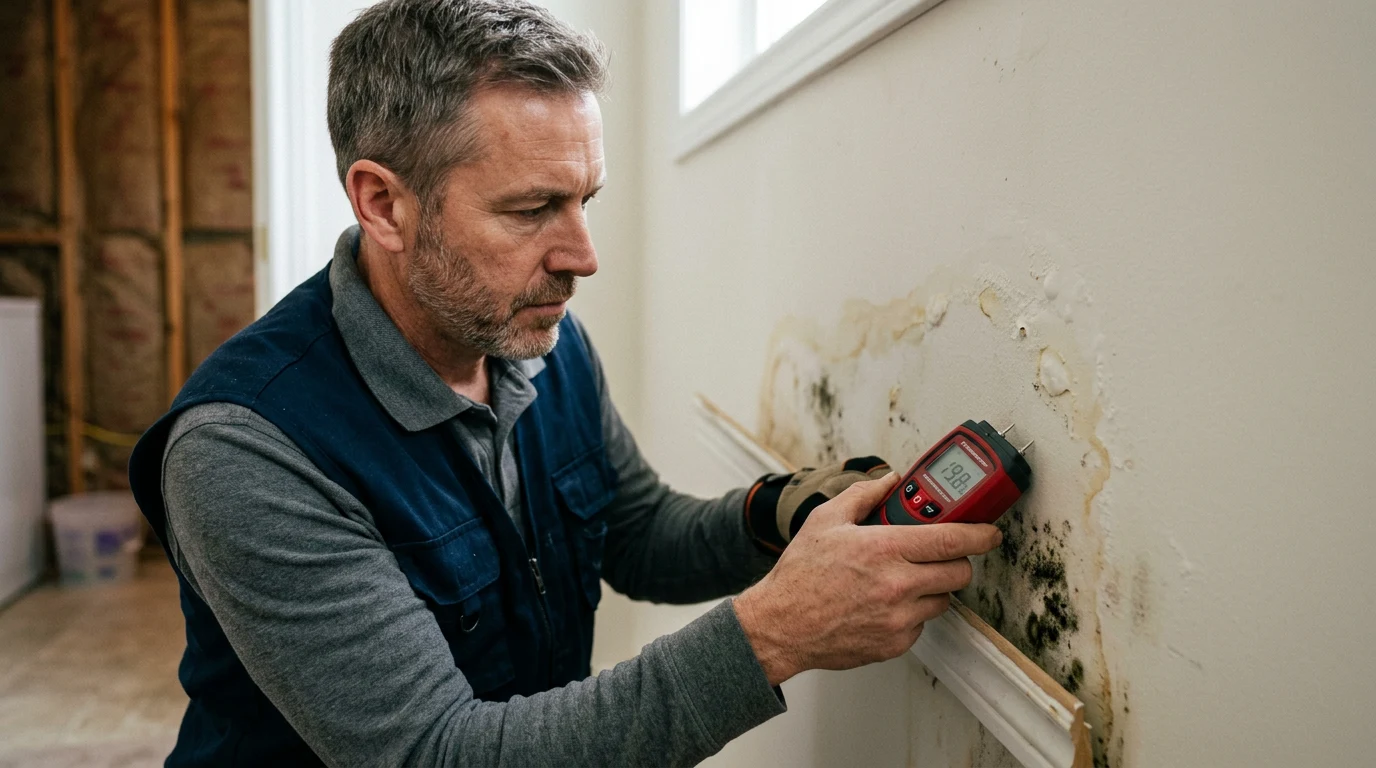
| Service Component | Typical Cost Range | What It Includes |
|---|---|---|
| Visual inspection only (no sampling) | $150 – $300 | Walk-through assessment, moisture readings, verbal findings |
| Standard inspection with air sampling (3-5 samples) | $300 – $600 | Visual assessment, moisture mapping, air samples, written report |
| Comprehensive inspection with thermal imaging | $400 – $700 | Full visual, thermal imaging, moisture mapping, air samples, report |
| Additional air samples (per sample) | $50 – $100 | Extra sampling locations beyond the standard scope |
| Surface/tape lift samples (per sample) | $30 – $75 | Lab analysis of surface mold species |
| ERMI dust sample analysis | $250 – $400 | DNA-based analysis of 36 mold species from dust |
| Post-remediation clearance testing | $200 – $450 | Verification sampling after mold removal is complete |
| Large property or commercial inspection | $700 – $2,000+ | Extended scope for properties over 3,000 sq ft or commercial buildings |
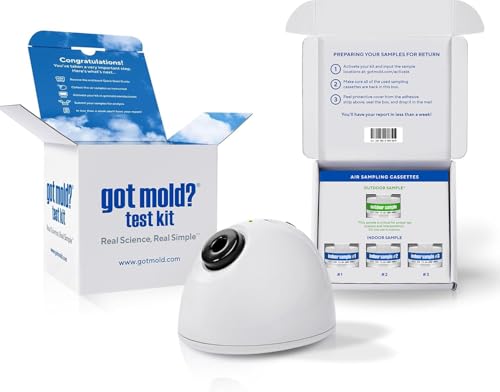
For homeowners who want preliminary data before committing to a professional inspection, a home mold test kit provides an affordable first step. DIY kits cannot replace a professional assessment, but they can confirm whether elevated mold levels exist and help prioritize which rooms to focus on during a professional inspection. For a detailed comparison, see DIY mold tests vs. professional inspection.
What a Mold Inspection Report Should Include
The inspection report is the deliverable that justifies the cost of hiring a professional. A thorough report serves as documentation for remediation planning, insurance claims, legal proceedings, and real estate negotiations. Incomplete or vague reports are a red flag indicating the inspector may lack experience or proper training.
Essential Report Components
- Executive summary: A plain-language overview of findings and recommendations that non-technical readers can understand.
- Scope of work: What areas were inspected, what methods were used, and any limitations (areas that were inaccessible, for example).
- Visual findings: Photographs and descriptions of all visible mold growth, water damage, moisture intrusion points, and contributing conditions.
- Moisture data: Moisture meter readings and thermal images with annotations showing wet areas, dry areas, and areas of concern.
- Laboratory results: Original lab reports showing spore counts, species identified, and methodology used. Indoor results should be compared against the outdoor control sample.
- Interpretation of results: Explanation of what the lab data means in context. Are indoor levels significantly elevated above outdoor levels? Are toxigenic species present? What is the likely source?
- Recommendations: Specific next steps, which may include remediation, additional investigation, moisture source repair, or monitoring. Recommendations should reference industry standards (IICRC S520, AIHA guidelines).
- Inspector qualifications: The inspector’s name, certification numbers, and signature.
Red Flags When Hiring a Mold Inspector
The mold inspection industry attracts unqualified operators because barriers to entry are low in unregulated states. Recognizing warning signs before hiring saves money and prevents reliance on unreliable results.
Inspectors Who Also Offer Remediation
This is the most significant red flag. When the same company inspects for mold and also performs remediation, there is an inherent conflict of interest. The inspector is financially motivated to find problems that require remediation services. States that regulate mold work (Texas, Florida, Louisiana, Maryland) explicitly prohibit the same entity from performing both assessment and remediation on the same project. Even in unregulated states, ethical inspectors maintain this separation.
Free Inspections
A legitimate mold inspection requires professional equipment, certified personnel, laboratory analysis, and report preparation. These services have real costs. Inspectors offering free inspections are almost always remediation companies using the assessment as a loss leader to sell expensive remediation contracts. The “free” inspection is a sales call, not an objective evaluation.
Scare Tactics and Pressure to Remediate Immediately
Phrases like “black mold is extremely dangerous and must be removed immediately” or “your family is in serious danger” are designed to create urgency and bypass informed decision-making. While some mold situations do require prompt attention, a qualified inspector presents findings objectively, explains what the data shows, and lets the homeowner make an informed decision about next steps. For context on when mold is genuinely urgent, see when to call a professional mold inspector.
No Laboratory Analysis
Inspectors who identify mold species visually without collecting samples and sending them to an accredited laboratory are guessing. While experienced inspectors can recognize certain growth patterns, definitive species identification requires microscopic or molecular analysis. Any inspector who claims to identify mold species on sight alone is either overstating their abilities or cutting corners.

Vague or Missing Certifications
Claims like “certified mold specialist” or “trained in mold detection” without specifying the certifying organization are meaningless. Numerous online mills sell weekend certifications that require no examination, no field experience, and no continuing education. Legitimate certifications come from ACAC, IICRC, or state licensing boards. Verify every claimed credential directly with the issuing organization.
Professional Inspection vs. DIY Testing: When Each Makes Sense
Not every mold concern requires a $500 professional inspection. Understanding when a DIY approach is sufficient and when professional expertise is necessary helps homeowners allocate their budget effectively.
When DIY Testing Is Sufficient
- Confirming suspicion of elevated mold levels: A home air quality test kit can determine whether indoor spore counts are abnormally high, helping decide whether a professional inspection is warranted.
- Routine monitoring: Homeowners who have completed remediation may want periodic checks to confirm mold has not returned.
- Small, visible mold patches: Mold growth smaller than 10 square feet on non-porous surfaces (tile, glass, metal) can often be addressed without professional assessment. A home mold test kit can confirm what species are present.
- Baseline testing in a new home: Establishing baseline indoor air quality levels after moving into a new property. An ERMI test kit provides comprehensive DNA-based analysis that homeowners can collect themselves.
When Professional Inspection Is Necessary
- Health symptoms without visible mold: Respiratory issues, chronic congestion, headaches, or allergic reactions with no identified cause may indicate hidden mold contamination that requires professional detection equipment to locate.
- Mold affecting more than 10 square feet: EPA guidelines recommend professional involvement for mold growth exceeding 10 square feet. This threshold indicates a moisture problem significant enough to require expert diagnosis.
- Real estate transactions: Buyers and sellers benefit from independent inspection reports that carry professional credibility. Inspection findings can affect sale price, repair negotiations, and liability.
- Post-remediation verification: After professional mold removal, clearance testing by an independent inspector (not the remediation company) confirms that contamination has been successfully resolved. For cost context, see the mold removal cost guide.
- Insurance claims and legal disputes: Insurance adjusters and courts require documentation from certified professionals. DIY test results are generally not accepted as evidence in claims or litigation.
- HVAC system contamination: Mold inside ductwork, air handlers, or other HVAC components requires specialized access and sampling techniques beyond what DIY kits can provide.
What to Expect During a Mold Inspection
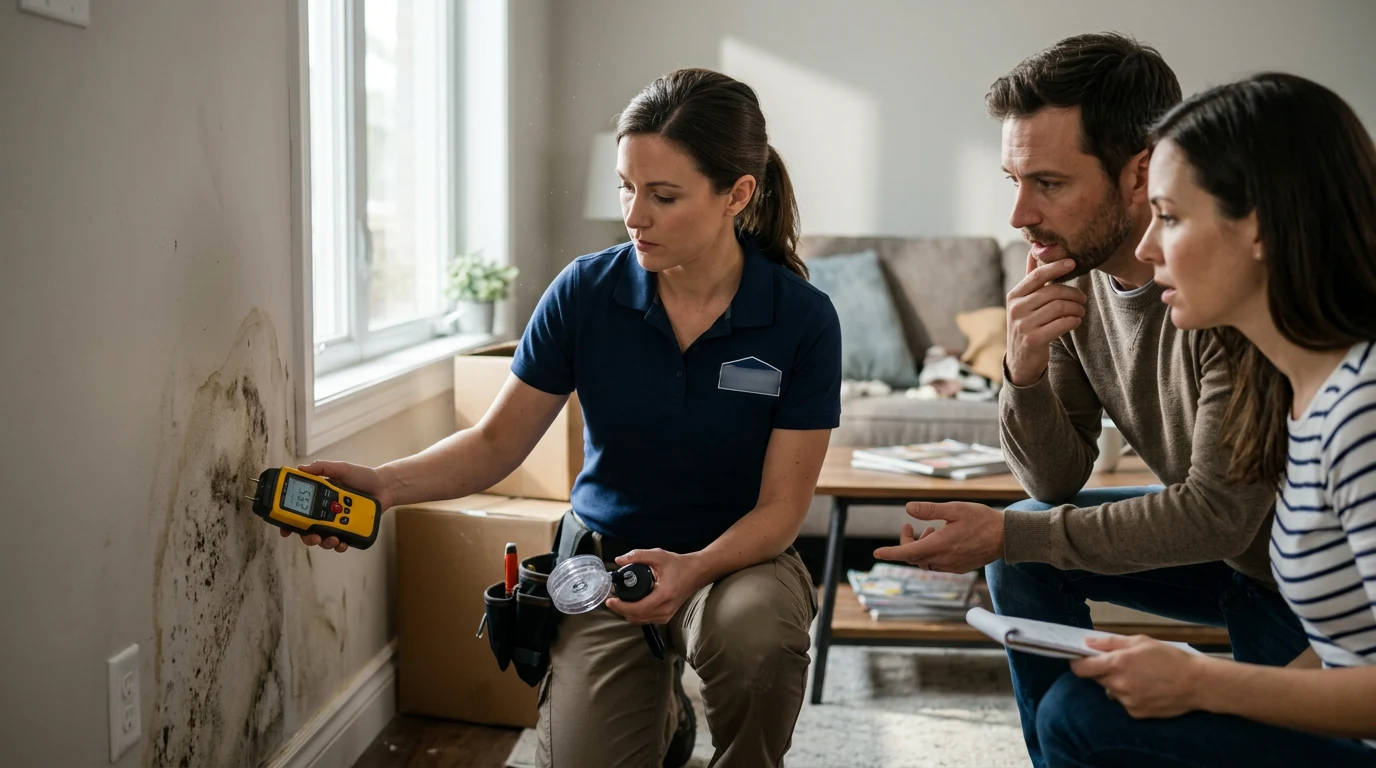
Knowing what happens during a professional mold inspection eliminates surprises and helps homeowners prepare. A standard residential inspection for a home under 2,500 square feet typically takes 2 to 3 hours on site, with the full report delivered within 3 to 7 business days.
Before the Inspection
The inspector will ask about the history of the property, including any known water damage events (floods, pipe leaks, roof leaks), previous mold remediation, renovation work, HVAC maintenance history, and the specific symptoms or concerns that prompted the inspection. Homeowners should ensure all areas of the property are accessible, including attics, crawl spaces, closets, and areas behind large furniture. Windows and doors should remain closed for at least 12 hours before air sampling to prevent outdoor spores from skewing results.
During the Inspection
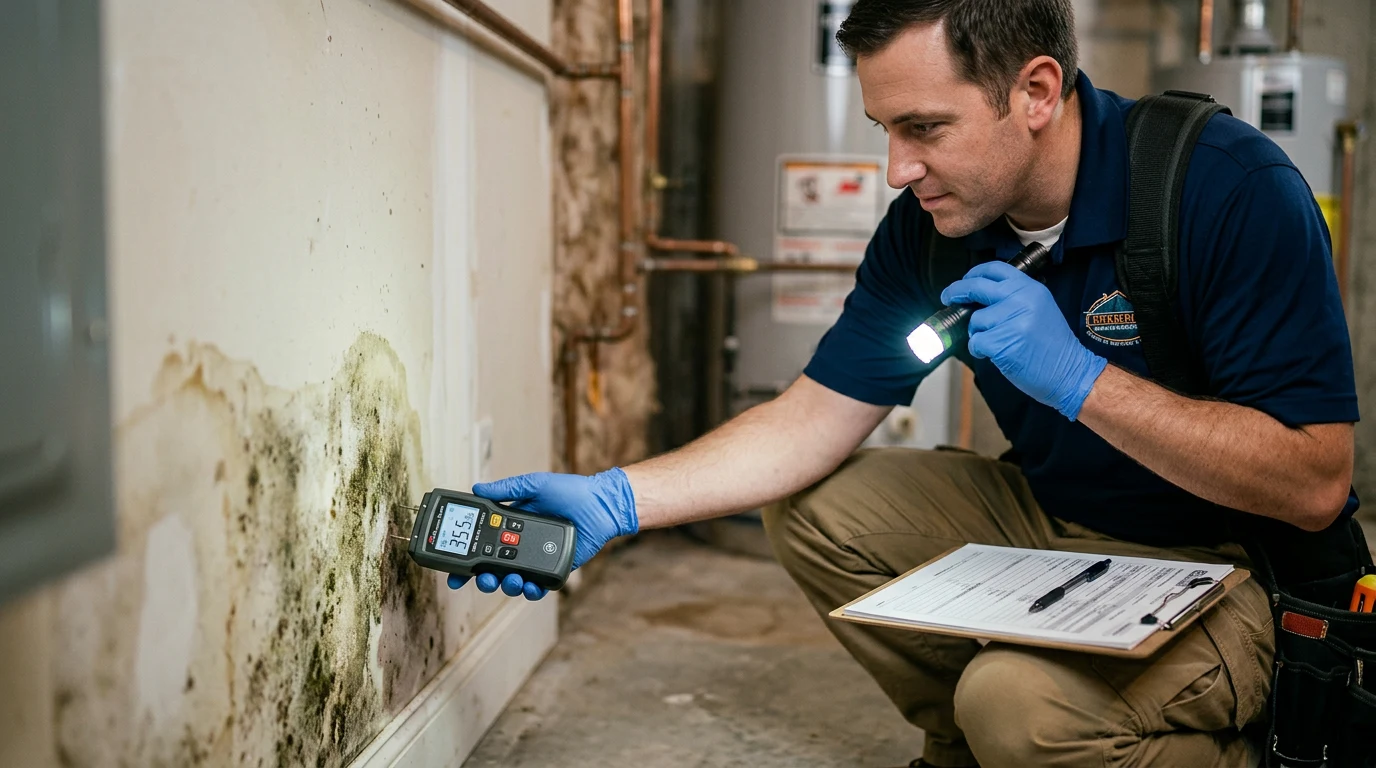
The inspector begins with a systematic walk-through of the property, documenting conditions with photographs and notes. Moisture meters are used throughout to test walls, floors, and ceilings for hidden moisture. Thermal imaging may be used to scan for temperature anomalies that indicate moisture behind finished surfaces. Air sampling pumps are set up in areas of concern and run for 5 to 10 minutes per location. The inspector typically collects samples in the areas where symptoms are reported, areas where moisture is detected, and at least one outdoor control sample.
After the Inspection
Air samples and any surface samples are shipped to an accredited laboratory for analysis. Lab turnaround ranges from 2 to 5 business days for standard non-viable analysis, longer for culture-based or PCR testing. Once lab results are available, the inspector prepares the written report, interprets the data, and provides recommendations. Many inspectors offer a phone consultation to walk homeowners through the findings and answer questions.
How to Evaluate and Compare Mold Inspectors
When multiple inspectors are available in your area, comparing them systematically ensures the best choice. The following evaluation criteria, ranked by importance, provide a framework for comparison.
| Evaluation Criteria | Weight | What to Verify |
|---|---|---|
| Third-party certification (ACAC CMI, CIE, or state license) | Critical | Verify directly with issuing body |
| Independence from remediation companies | Critical | Confirm no remediation services offered |
| Professional liability (E&O) insurance | High | Request certificate of insurance |
| Accredited laboratory partnership | High | Confirm AIHA EMLAP accreditation |
| Years of experience | Medium | Ask about number of inspections performed |
| Equipment quality and calibration | Medium | Ask about pump calibration schedule |
| Report quality and detail | Medium | Request a sample report |
| Online reviews and references | Medium | Check Google, BBB, and industry directories |
| Pricing transparency | Low | Written quote with scope of work before arrival |
State-by-State Licensing Requirements
Mold inspection regulation varies dramatically across the United States. The following states have specific mold assessor licensing or registration requirements as of 2026. In all other states, mold inspection is unregulated, making third-party certifications even more important.
| State | License Required | Regulating Agency | Key Requirement |
|---|---|---|---|
| Texas | Yes (MAT or MAC) | TX Dept. of Licensing and Regulation | Separate assessment and remediation licenses; cannot hold both on same project |
| Florida | Yes (Mold Assessor) | FL Dept. of Business and Professional Regulation | Must carry general liability and professional liability insurance |
| Louisiana | Yes | State Licensing Board for Contractors | Separate assessment and remediation licensing |
| Maryland | Yes | MD Dept. of the Environment | Lead and mold abatement combined licensing |
| New York | Yes (for NYC) | NYC Dept. of Labor | Local Law 55 requires licensed mold assessment for properties within NYC |
| Virginia | Registration | VA DPOR | Mold inspector registration with documented training |
After the Inspection: Next Steps Based on Results
Inspection results fall into a few common categories, each requiring different action. Understanding what the results mean prevents both overreaction and underreaction.
Results Within Normal Range
If indoor spore counts are at or below outdoor levels and no water-indicator species (such as Stachybotrys, Chaetomium, or Fusarium) are detected indoors, the property is considered normal. No remediation is needed. Address any minor moisture issues identified during the visual inspection to prevent future problems.
Moderately Elevated Results
Indoor counts moderately higher than outdoor levels (generally 2x to 5x outdoor counts for common species like Cladosporium or Aspergillus/Penicillium) may indicate a minor moisture problem or inadequate ventilation. The inspector may recommend additional investigation to locate the moisture source, improved ventilation, or targeted cleaning of identifiable mold growth. Full-scale remediation may not be necessary.
Significantly Elevated or Toxigenic Species Present
Indoor counts significantly exceeding outdoor levels (5x or more), the presence of water-damage indicator species at any level, or detection of toxigenic species like Stachybotrys chartarum typically warrants professional remediation. The inspector’s report should include a scope of work or protocol that outlines what needs to be done. Use this protocol to obtain quotes from independent remediation companies. Never use a remediation company recommended by an inspector who has a financial relationship with that company.
Frequently Asked Questions
The following questions represent the most common concerns from homeowners searching for mold inspection services.
How much does a mold inspector cost?
A standard residential mold inspection with air sampling costs between $300 and $600 for homes under 2,500 square feet. Larger homes, commercial properties, and inspections requiring additional samples or specialized testing (ERMI, PCR) cost $700 to $2,000 or more. Visual-only inspections without laboratory sampling cost $150 to $300 but provide less definitive information.
How long does a mold inspection take?
The on-site inspection portion takes 1.5 to 3 hours for a standard residential property. Larger homes and commercial buildings may take 4 to 8 hours. Laboratory analysis adds 2 to 5 business days for non-viable sampling or 7 to 14 days for culture-based analysis. The complete report is typically delivered 3 to 7 business days after the on-site visit.

Should a mold inspector and mold remediator be the same company?
No. This is a conflict of interest. A company that both inspects and remediates is financially motivated to find problems requiring remediation services. In states with mold licensing laws (Texas, Florida, Louisiana, Maryland), the same entity is prohibited from performing both assessment and remediation on the same project. Even in unregulated states, hiring separate companies for inspection and remediation ensures objective results.
Can I test for mold myself instead of hiring an inspector?
DIY mold test kits provide useful preliminary data. A home mold test kit can confirm whether elevated spore levels exist and may identify broad categories of mold species. However, DIY kits cannot locate hidden moisture sources, identify mold inside wall cavities or HVAC systems, or provide the detailed assessment needed for insurance claims, real estate transactions, or remediation planning. DIY testing works well as a screening step before deciding whether to invest in a professional inspection.
What certifications should a mold inspector have?
At minimum, look for ACAC CMI (Certified Mold Inspector) or CIE (Council-certified Indoor Environmentalist) credentials. In states that require licensing (Texas, Florida, Louisiana, Maryland, New York City, Virginia), a valid state license is also required. IICRC certifications are valuable supplementary credentials. Avoid inspectors whose only credentials come from online certificate mills or in-house training programs.
When should I get a mold inspection?
Schedule a mold inspection when visible mold covers more than 10 square feet, a persistent musty odor exists without an identifiable source, occupants experience unexplained respiratory symptoms that improve when leaving the building, after any significant water damage event (flood, burst pipe, roof leak), before purchasing a home (especially older properties or those with known moisture history), and after mold remediation to verify successful completion.
Does homeowners insurance cover mold inspection costs?
Most standard homeowners insurance policies do not cover mold inspection as a standalone expense. However, if mold results from a covered peril (sudden pipe burst, storm damage, appliance failure), the inspection may be included in the overall claim. Some policies offer optional mold coverage riders for an additional premium. Review your specific policy language or consult your insurance agent before assuming coverage.
Summary: Choosing the Right Mold Inspector
Finding a qualified mold inspector near you comes down to verifying five critical factors: recognized third-party certification (ACAC CMI or CIE preferred), independence from remediation companies, professional liability insurance, use of accredited laboratories, and transparent pricing with a clear scope of work. Avoid inspectors offering free assessments, those who also sell remediation services, and anyone who cannot provide verifiable certification credentials.
A professional mold inspection is an investment in accurate data. That data drives every subsequent decision, from whether remediation is needed, to how extensive it should be, to whether insurance will contribute to the cost. Cutting corners on the inspection stage almost always costs more in the long run through missed contamination, unnecessary remediation, or failed clearance tests. Start with the ACAC inspector directory, verify credentials independently, and ask every question on the checklist before scheduling an appointment.
Should I get a mold inspection if I can already see mold?
Even if you can see visible mold, a professional inspection can determine the extent of the contamination, identify hidden mold growth, and pinpoint the moisture source. This comprehensive assessment is crucial for effective remediation planning and preventing recurrence.
What qualifications should I look for in a mold inspector?
Look for inspectors certified by reputable organizations such as the ACAC (American Council for Accredited Certification) or IICRC (Institute of Inspection, Cleaning and Restoration Certification). These certifications indicate that the inspector has met rigorous standards for knowledge and experience in mold assessment.
How long does a typical mold inspection take?
The duration of a mold inspection varies depending on the size of the property and the suspected extent of the issue, but typically ranges from 1 to 3 hours. A thorough inspection involves visual assessment, moisture readings, and potentially air or surface sampling.
Will a mold inspector also perform the remediation?
Reputable mold inspectors generally do not perform remediation services themselves to avoid a conflict of interest. Their role is to provide an unbiased assessment of the mold problem and a detailed report that can be used to guide remediation efforts by a separate company.
What kind of report should I expect from a mold inspection?
A comprehensive mold inspection report should include findings on visible mold, moisture readings, laboratory results from any samples taken, and a detailed remediation protocol. This protocol outlines the specific steps needed to safely and effectively remove the mold and address its source.
Can a mold inspection help with real estate transactions?
Yes, a mold inspection can be highly beneficial during real estate transactions, especially if there are concerns about water damage or musty odors. It provides both buyers and sellers with an objective assessment of the property’s mold status, which can impact negotiations and future liability.
These statements have not been evaluated by the Food and Drug Administration. This information is not intended to diagnose, treat, cure, or prevent any disease. Content is for informational purposes only and is not medical advice; consult a qualified healthcare provider before starting any supplement. As an Amazon Associate we earn from qualifying purchases.