Mold exposure symptoms affect an estimated 4.6 million people in the United States alone, according to research published in the Journal of Allergy and Clinical Immunology. From mild nasal congestion to debilitating chronic inflammatory conditions, the health effects of mold exposure vary widely depending on the type of mold, duration of exposure, and individual susceptibility. This guide covers every major symptom category, explains the science behind mold-related illness, and provides a clear framework for knowing when professional medical help is necessary.
Medical Disclaimer: This article is for informational purposes only and does not constitute medical advice. If you suspect mold-related illness, consult a qualified healthcare provider. The information presented here is based on peer-reviewed research and public health guidelines from the CDC and other authoritative sources.
How Mold Exposure Affects the Human Body
Mold reproduces by releasing microscopic spores into the air. When inhaled, ingested, or contacted through the skin, these spores can trigger a cascade of immune responses. The severity depends on three primary factors: the species of mold involved, the concentration of spores, and the individual’s immune status.
The most common indoor mold species responsible for health complaints include Stachybotrys chartarum (commonly called “black mold“), Aspergillus, Penicillium, Cladosporium, and Alternaria. Each produces different combinations of allergens, irritants, and in some cases, mycotoxins, which are toxic secondary metabolites that can cause systemic health effects beyond simple allergic reactions.
The body’s response to mold spores typically begins in the respiratory system. Mold proteins bind to IgE antibodies on mast cells in the nasal passages and lungs, triggering histamine release. This histamine response produces the familiar allergy symptoms: sneezing, runny nose, watery eyes, and nasal congestion. In more severe cases, the immune response extends deeper into the lungs and even into systemic circulation. For a full overview of the most dangerous species, see our complete guide to black mold.
Common Mold Exposure Symptoms by Body System
Mold exposure symptoms span multiple organ systems. Recognizing the full range of potential effects is the first step toward proper diagnosis and treatment.
Respiratory Symptoms
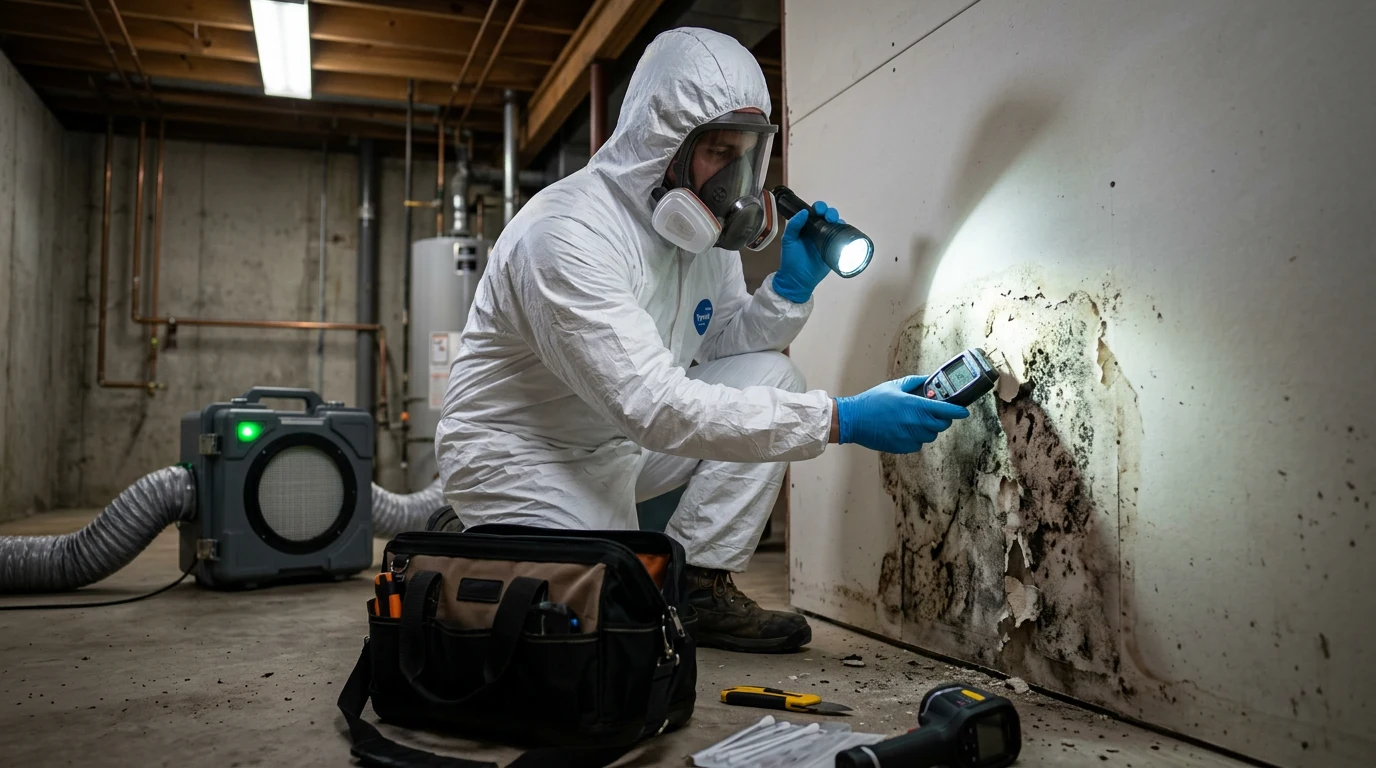
The respiratory system bears the greatest burden during mold exposure. The CDC reports that mold exposure can cause nasal stuffiness, throat irritation, coughing, and wheezing in virtually anyone, regardless of pre-existing conditions. Clinical studies published in Environmental Health Perspectives have documented the following respiratory effects:
- Persistent coughing (dry or productive)
- Wheezing and shortness of breath
- Nasal congestion and chronic sinusitis
- Postnasal drip and throat irritation
- Chest tightness, especially in individuals with asthma
- Recurrent upper respiratory infections
- Nosebleeds in cases of heavy exposure
Mold and asthma have a particularly well-documented relationship. A 2007 study by the Institute of Medicine found sufficient evidence linking indoor mold exposure to asthma exacerbation in sensitized individuals, and suggestive evidence linking it to new-onset asthma in previously healthy people.
Neurological and Cognitive Symptoms
Mycotoxins produced by species like Stachybotrys and Aspergillus can cross the blood-brain barrier. Research published in Toxicology and Applied Pharmacology has shown that chronic mycotoxin exposure affects neurotransmitter function, leading to:
- Persistent headaches and migraines
- Difficulty concentrating (“brain fog”)
- Memory problems and word-finding difficulties
- Mood changes, including anxiety and depression
- Dizziness and balance problems
- Numbness or tingling in extremities
- Light sensitivity
These cognitive effects are sometimes dismissed as stress-related, which delays proper diagnosis. Monitoring indoor air quality with a reliable mold air quality monitor can help establish whether environmental conditions correlate with symptom patterns.
Skin and Eye Symptoms
Direct contact with mold or its spores can trigger dermatological reactions. The histamine response that causes respiratory symptoms also affects the skin and eyes:
- Red, itchy, or watery eyes
- Skin rashes and hives
- Contact dermatitis at sites of direct mold exposure
- Eczema flare-ups in predisposed individuals
Digestive and Systemic Symptoms
Ingestion of mycotoxins through contaminated food or through mucociliary clearance of inhaled spores can produce gastrointestinal effects. Systemic symptoms often appear in chronic exposure scenarios:
- Nausea and loss of appetite
- Abdominal cramping and diarrhea
- Unexplained weight changes
- Joint pain and muscle aches
- Chronic fatigue that does not improve with rest
- Increased susceptibility to infections
Mold Exposure Symptoms by Duration: Acute vs. Chronic
How long someone has been exposed to mold dramatically changes the symptom profile. The following table summarizes the clinical progression documented in environmental medicine literature:
| Exposure Duration | Typical Symptoms | Severity | Reversibility |
|---|---|---|---|
| Acute (hours to days) | Sneezing, runny nose, watery eyes, throat irritation, mild cough, skin rash | Mild to moderate | Usually resolves within 24-48 hours after removal from source |
| Short-term (1-4 weeks) | Persistent cough, sinus pressure, headaches, mild fatigue, worsening asthma, sleep disruption | Moderate | Resolves within 1-2 weeks after remediation |
| Chronic (1-6 months) | Brain fog, chronic fatigue, recurring sinus infections, joint pain, digestive issues, anxiety, light sensitivity | Moderate to severe | May take weeks to months to resolve; some individuals require treatment |
| Prolonged (6+ months) | CIRS symptoms, immune dysregulation, hormone disruption, neuropathy, significant cognitive decline, chemical sensitivities | Severe | Often requires medical intervention; full recovery can take 6-18 months |
If you suspect indoor mold but are not sure, a home mold test kit can confirm the presence and type of mold species before symptoms escalate. Our mold testing guide covers the full range of testing options available to homeowners.
CIRS and Chronic Mold Illness: The Underdiagnosed Condition
Chronic Inflammatory Response Syndrome (CIRS) represents the most severe end of the mold illness spectrum. First described by Dr. Ritchie Shoemaker, CIRS is a multi-system inflammatory condition triggered by biotoxin exposure, with mold and mycotoxins being the most common source.
CIRS is estimated to affect approximately 25% of the population who carry the HLA-DR gene variants that impair biotoxin clearance. In these genetically susceptible individuals, the immune system cannot properly identify and eliminate mycotoxins. Instead, the toxins circulate repeatedly, triggering ongoing inflammatory cascades that affect virtually every organ system.
How CIRS Develops
The progression from mold exposure to CIRS typically follows this pathway:
- Biotoxin exposure: Inhalation or ingestion of mycotoxins from water-damaged buildings
- Immune recognition failure: HLA-DR susceptible individuals cannot tag the biotoxin for removal
- Chronic inflammation: Cytokines (including C4a, TGF-beta 1, MMP-9) remain elevated
- Hormonal disruption: Leptin resistance develops, MSH (melanocyte-stimulating hormone) drops, leading to fatigue, pain sensitivity, and sleep disruption
- Multi-system breakdown: Immune, neurological, endocrine, and gastrointestinal systems all show measurable dysfunction
Distinguishing CIRS from Mold Allergy
Standard mold allergy is mediated by IgE antibodies and produces classic allergic symptoms. CIRS, by contrast, involves innate immune dysfunction and produces a much broader symptom set. Key differences include:
- Mold allergy: Sneezing, congestion, itchy eyes. Responds to antihistamines. Improves quickly when away from the source.
- CIRS mold illness: Multi-system symptoms including cognitive impairment, chronic fatigue, muscle pain, abdominal issues, ice-pick headaches, metallic taste, static shocks, and excessive thirst. Does NOT respond to standard allergy medication. Persists even after leaving the contaminated environment.
The Shoemaker Protocol for CIRS
The Shoemaker Protocol is the most widely referenced treatment framework for CIRS. Published across multiple peer-reviewed papers, it involves a stepwise approach:
- Remove from exposure: Leave the water-damaged building and ensure ERMI/HERTSMI-2 testing confirms safe environments
- Cholestyramine (CSM) binding: An FDA-approved bile acid sequestrant used off-label to bind biotoxins in the gut
- Correct MARCoNS: Treat multiply antibiotic-resistant coagulase-negative staphylococci colonizing the nasal passages
- Correct inflammatory markers: Target elevated C4a, TGF-beta 1, MMP-9 through specific protocols
- Restore hormonal balance: Address low MSH, VIP (vasoactive intestinal peptide), and ADH imbalances
CIRS diagnosis requires specific lab work, including HLA-DR genetic testing, visual contrast sensitivity (VCS) testing, and a panel of inflammatory biomarkers. Patients who suspect CIRS should seek a physician trained in the Shoemaker Protocol or integrative environmental medicine.
Who Is Most at Risk for Mold Health Effects?
While mold exposure can affect anyone, certain populations face significantly higher risk of severe toxic mold exposure outcomes. The CDC identifies several vulnerable groups:
| At-Risk Group | Why They Are Vulnerable | Primary Risks |
|---|---|---|
| Infants and young children | Developing immune systems, higher breathing rate relative to body weight, more time spent on floors where spores settle | Asthma development, recurrent respiratory infections, developmental delays with prolonged exposure |
| Elderly adults (65+) | Weakened immune response, higher prevalence of chronic lung conditions, reduced mucociliary clearance | Pneumonia, aspergillosis, worsening of COPD and heart failure |
| Immunocompromised individuals | HIV/AIDS, chemotherapy, organ transplant recipients, autoimmune conditions on immunosuppressants | Invasive aspergillosis (life-threatening), systemic fungal infections |
| Asthma and allergy sufferers | Pre-existing airway hyperresponsiveness, elevated baseline IgE levels | Severe asthma attacks, allergic bronchopulmonary aspergillosis (ABPA), chronic sinusitis |
| People with HLA-DR susceptibility | Genetic variants affecting biotoxin clearance (estimated 25% of population) | CIRS development, chronic multi-system illness |
| Workers in high-exposure occupations | Agriculture, construction, remediation, HVAC technicians | Hypersensitivity pneumonitis, organic dust toxic syndrome |
What Are the Symptoms of Mold in Your Lungs?
Pulmonary mold involvement represents one of the most serious categories of mold health effects. Depending on the individual’s immune status and the concentration of exposure, mold in the lungs can manifest as several distinct conditions:
Allergic Bronchopulmonary Aspergillosis (ABPA)
ABPA occurs when Aspergillus species colonize the airways and trigger a severe allergic response. Research published in Clinical Microbiology Reviews describes symptoms including recurrent wheezing, brownish mucus plugs, fever, and progressive lung damage. ABPA primarily affects people with asthma or cystic fibrosis and requires antifungal treatment combined with corticosteroids.
Hypersensitivity Pneumonitis
This is an immune-mediated lung disease caused by repeated inhalation of mold spores. Symptoms include dry cough, shortness of breath, fever, chills, and fatigue. Chronic cases can lead to pulmonary fibrosis (permanent scarring of lung tissue). The condition is sometimes referred to as “farmer’s lung” when caused by thermophilic mold in hay.
Invasive Aspergillosis
The most dangerous form of pulmonary mold disease, invasive aspergillosis occurs almost exclusively in severely immunocompromised patients. Aspergillus spores invade lung tissue and can spread to the brain, heart, and kidneys. Mortality rates range from 30% to 95% depending on the patient population, according to data published by the Mycoses Study Group.
For anyone experiencing persistent respiratory symptoms at home, testing the air for mold spores is a critical first step. A quality air quality monitor provides continuous readings, while a professional inspection gives definitive species identification.
How Do You Know If Mold Is Making You Sick?
Identifying mold as the cause of illness can be challenging because mold exposure symptoms overlap with many other conditions. The following indicators strongly suggest mold-related illness:
The Location Test
The single most revealing diagnostic clue is whether symptoms improve when away from a specific building. Track your symptoms over a period when you spend 3-5 days away from home or your workplace. If symptoms significantly decrease and then return upon re-entry, environmental triggers including mold should be investigated immediately.
The Cluster Pattern
Mold illness rarely presents as a single symptom. Multiple household members developing similar respiratory, cognitive, or fatigue symptoms points toward a shared environmental cause rather than individual illness.
The Timeline Correlation
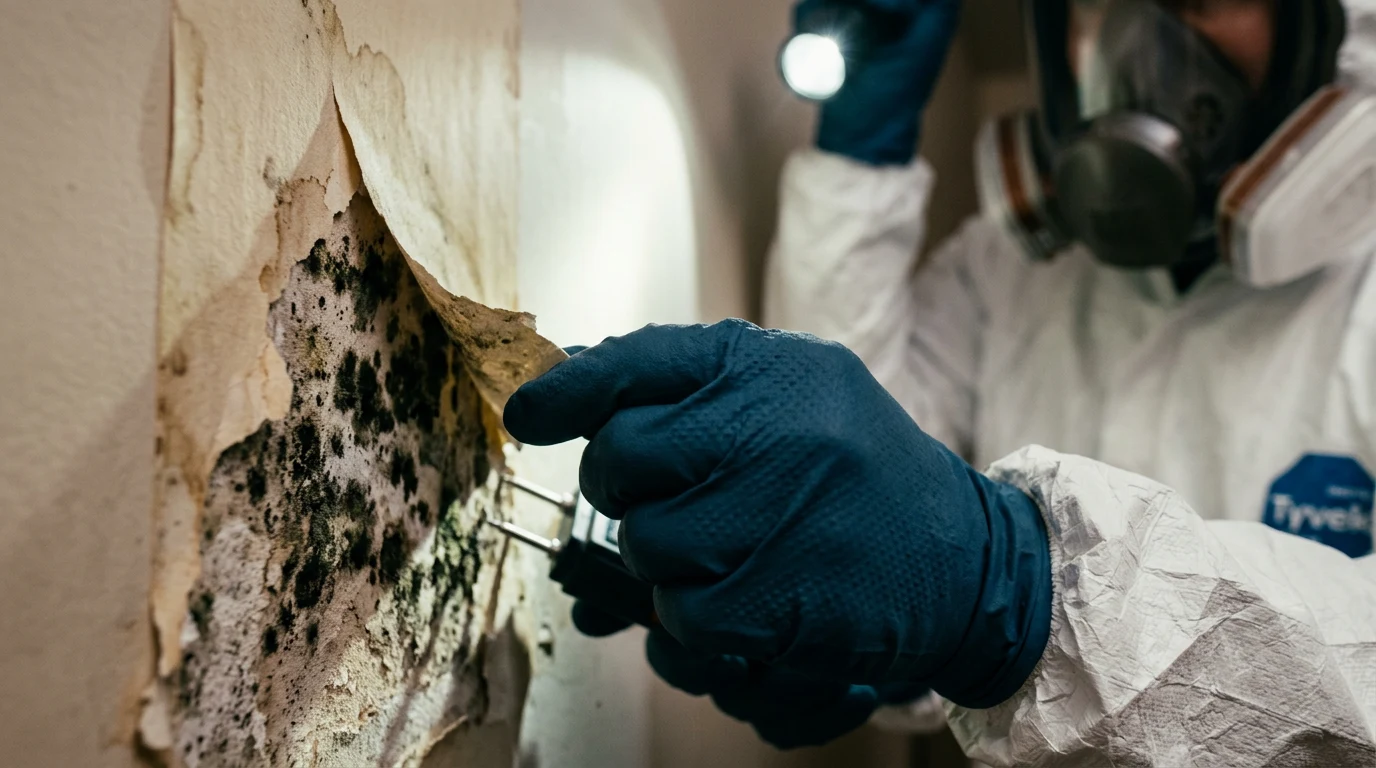
Symptoms that began after a water damage event, flooding, roof leak, or visible mold growth carry a strong environmental correlation. Even if the water damage was repaired, hidden mold behind walls, under flooring, or in HVAC systems can continue releasing spores for months or years.
If you suspect mold but cannot see it, our comprehensive mold testing guide walks through every option from DIY test kits to professional ERMI testing.
Mold Exposure Treatment Options
Treatment for mold-related illness follows a two-track approach: eliminate the source and treat the symptoms. Neither alone is sufficient.
Step 1: Source Removal
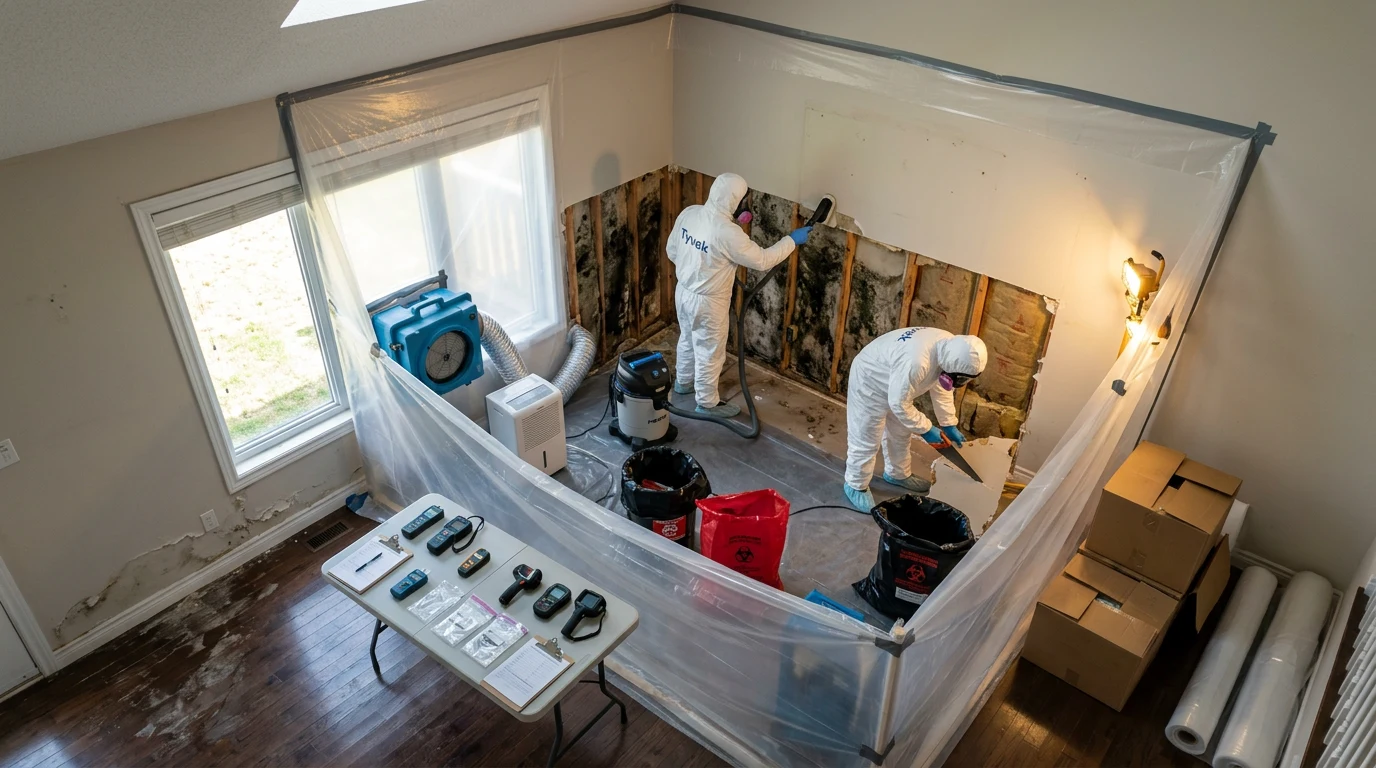
No treatment protocol will produce lasting improvement if mold exposure continues. Source removal involves professional mold remediation when growth exceeds 10 square feet, or targeted cleanup for smaller affected areas. Our guide on how to get rid of mold covers both DIY and professional approaches in detail.
Step 2: Air Quality Improvement
During and after remediation, air purification plays a vital role in symptom relief. HEPA-grade air purifiers capture mold spores as small as 0.3 microns. Activated carbon filters address mycotoxin-carrying volatile organic compounds (VOCs). Our review of the best air purifiers for mold covers units tested specifically for spore and VOC removal. A quality HEPA air purifier with carbon filtration can significantly reduce airborne spore counts within hours of deployment.
Step 3: Medical Treatment
Medical treatment depends on the type and severity of mold illness:
- Allergic rhinitis and mild symptoms: Nasal corticosteroid sprays, antihistamines, saline irrigation
- Mold-triggered asthma: Inhaled corticosteroids, bronchodilators, leukotriene modifiers
- Sinus infections: Antibiotics for secondary bacterial infections, sometimes antifungal nasal rinses
- ABPA: Oral corticosteroids combined with antifungal medication (itraconazole)
- CIRS: Shoemaker Protocol (cholestyramine binding, MARCoNS treatment, hormone restoration) or similar integrative approach
- Invasive aspergillosis: Aggressive IV antifungal therapy (voriconazole first-line)
Can Mold Exposure Cause Permanent Damage?
The potential for lasting health effects depends on the type of exposure, duration, and the individual’s baseline health. Research from the American Journal of Respiratory and Critical Care Medicine provides important context:
- Short-term allergic reactions: Fully reversible in the vast majority of cases once exposure ends
- Moderate chronic exposure: Most symptoms resolve within weeks to months after remediation and treatment. Some individuals report lingering fatigue or cognitive effects for 3-6 months
- Hypersensitivity pneumonitis (chronic form): Can cause irreversible pulmonary fibrosis if exposure continues over years without treatment
- Invasive aspergillosis: Can cause permanent organ damage and is potentially fatal in immunocompromised patients
- CIRS: With proper treatment (source removal plus the Shoemaker Protocol), the vast majority of patients achieve significant improvement. However, recovery timelines of 6-18 months are common, and some patients develop heightened sensitivity to future exposures
The critical takeaway is that early intervention matters. The longer mold exposure continues without action, the more difficult and prolonged recovery becomes. Studies consistently show that people who address mold problems within the first few months of symptom onset have better outcomes than those who endure years of exposure before taking action.
When to See a Doctor: A Decision Framework
Not every mold encounter requires a doctor visit. Use this framework to determine the appropriate level of response:
Self-Care Is Appropriate When:
- Symptoms are limited to mild sneezing, runny nose, or eye irritation
- Symptoms resolve within 24-48 hours of leaving the affected space
- Over-the-counter antihistamines provide relief
- You have no underlying respiratory conditions
Schedule a Doctor Appointment When:
- Symptoms persist for more than 2 weeks despite avoiding the suspected mold source
- You develop recurring sinus infections (3+ per year)
- Existing asthma worsens or requires increased medication
- You experience new onset brain fog, chronic fatigue, or joint pain alongside respiratory symptoms
- Multiple household members develop similar unexplained symptoms
Seek Urgent Medical Care When:
- You have severe difficulty breathing or chest pain
- You are immunocompromised and have been exposed to visible mold
- You are coughing up blood
- You develop high fever with respiratory symptoms after mold exposure
- A child under 2 shows respiratory distress in a home with known mold
When visiting your doctor, bring documentation of any mold testing results, a timeline of symptom onset, and a log of whether symptoms improve when away from home. This information dramatically speeds up proper diagnosis.
How Long Do Mold Exposure Symptoms Last?
Recovery timelines vary based on exposure type and individual health factors:
- Allergic reactions from brief exposure: 24 hours to 1 week after leaving the environment
- Moderate exposure (weeks to months): 2-6 weeks after remediation for most respiratory symptoms. Fatigue may linger 1-3 months
- Chronic exposure with CIRS: 6-18 months with active medical treatment. Some patients require ongoing management
- Post-exposure sensitivity: Some individuals develop heightened reactivity to mold after significant exposure. This sensitivity may persist indefinitely but can be managed with environmental controls and air purification
The most important factor in recovery speed is complete removal from the mold source. Clinical studies consistently show that patients who continue living or working in contaminated environments have dramatically slower recovery, regardless of medical treatment.
Preventing Mold-Related Health Problems
Prevention is significantly more effective and less costly than treatment. The following measures reduce mold risk in any indoor environment:
- Maintain indoor humidity below 50%: Use dehumidifiers in basements, bathrooms, and any space with poor ventilation
- Fix water intrusion immediately: Address leaks within 24-48 hours. Mold begins colonizing damp materials within 24-72 hours of water exposure
- Ensure adequate ventilation: Run exhaust fans during and for 30 minutes after showering and cooking
- Monitor continuously: A mold-capable air quality monitor alerts you to elevated particle counts before visible growth appears
- Inspect HVAC systems: Change filters every 60-90 days and have ducts inspected annually in humid climates
- Use mold-resistant materials: When renovating, choose mold-resistant drywall, paint, and insulation in moisture-prone areas
Frequently Asked Questions About Mold Exposure Symptoms
How do you know if mold is making you sick?
The strongest indicator is the “location test.” If your symptoms (respiratory issues, headaches, fatigue, brain fog) improve significantly when you spend several days away from a specific building and return when you go back, mold or another indoor environmental factor is the likely cause. Testing the building for mold with a professional inspection or home test kit can confirm the suspicion.
What are the symptoms of mold in your lungs?
Pulmonary mold involvement causes persistent coughing (sometimes producing brownish mucus), wheezing, shortness of breath, chest tightness, and recurrent respiratory infections. In severe cases, it can cause allergic bronchopulmonary aspergillosis (ABPA), hypersensitivity pneumonitis, or invasive aspergillosis. Any persistent respiratory symptoms lasting more than two weeks warrant medical evaluation.
Can mold exposure cause permanent damage?
Most mold-related health effects are reversible once exposure ends and proper treatment begins. However, chronic hypersensitivity pneumonitis can cause irreversible pulmonary fibrosis, and invasive aspergillosis can cause permanent organ damage. CIRS typically responds to treatment but may require 6-18 months for full recovery. Early intervention is the best way to prevent lasting effects.
How long do mold exposure symptoms last?
Mild allergic symptoms resolve within hours to days after leaving the moldy environment. Moderate chronic exposure symptoms typically clear within 2-6 weeks after successful remediation. CIRS and severe mold illness may require 6-18 months of medical treatment for full recovery. The single biggest factor affecting recovery speed is complete separation from the mold source.
Is black mold more dangerous than other types?
Stachybotrys chartarum (black mold) produces potent mycotoxins called satratoxins, which can cause more severe symptoms than many common molds. However, the CDC notes that all molds should be treated as potential health hazards. Some Aspergillus species can cause life-threatening invasive infections in immunocompromised individuals, making species identification less important than addressing any mold growth promptly.
Can mold cause autoimmune disease?
Research published in Clinical Reviews in Allergy and Immunology suggests that chronic mycotoxin exposure may trigger or exacerbate autoimmune conditions in genetically susceptible individuals. The mechanism appears to involve mycotoxin-induced immune dysregulation, particularly through disruption of regulatory T-cell function. While mold does not directly “cause” autoimmune disease, it may act as an environmental trigger in predisposed individuals.
Should I get blood tests for mold exposure?
For standard mold allergies, an allergist can perform IgE-specific blood tests or skin prick tests for common mold species. For suspected CIRS, a broader panel is recommended: HLA-DR genotyping, C4a, TGF-beta 1, MMP-9, MSH, VIP, and VEGF. Visual contrast sensitivity (VCS) testing is a useful screening tool that can be done online. Discuss these options with a physician experienced in environmental medicine.
Last updated: March 2026. This article is reviewed and updated quarterly to reflect the latest research on mold exposure symptoms and treatment options.
What are the most common symptoms of mold exposure?
Common symptoms of mold exposure often resemble allergy symptoms, including sneezing, runny nose, red eyes, skin rash, and a scratchy throat. Individuals may also experience coughing, wheezing, and difficulty breathing, especially those with pre-existing respiratory conditions like asthma.
Can mold exposure cause long-term health problems?
While many acute symptoms of mold exposure resolve once the source is removed, prolonged or severe exposure can potentially lead to more persistent health issues. These may include chronic respiratory problems, fatigue, and in rare cases, neurological symptoms, particularly in vulnerable populations.
Are some people more susceptible to mold-related health issues?
Yes, certain groups are more vulnerable to the health effects of mold exposure. These include infants and young children, the elderly, individuals with compromised immune systems, and those with pre-existing respiratory conditions such as asthma or allergies.

Can mold exposure lead to serious respiratory conditions like asthma?
Mold exposure can exacerbate existing asthma symptoms and, in some susceptible individuals, has been linked to the development of new asthma. The spores act as allergens, triggering inflammatory responses in the airways that can worsen or initiate respiratory distress.

What should I do if I suspect my symptoms are due to mold exposure?
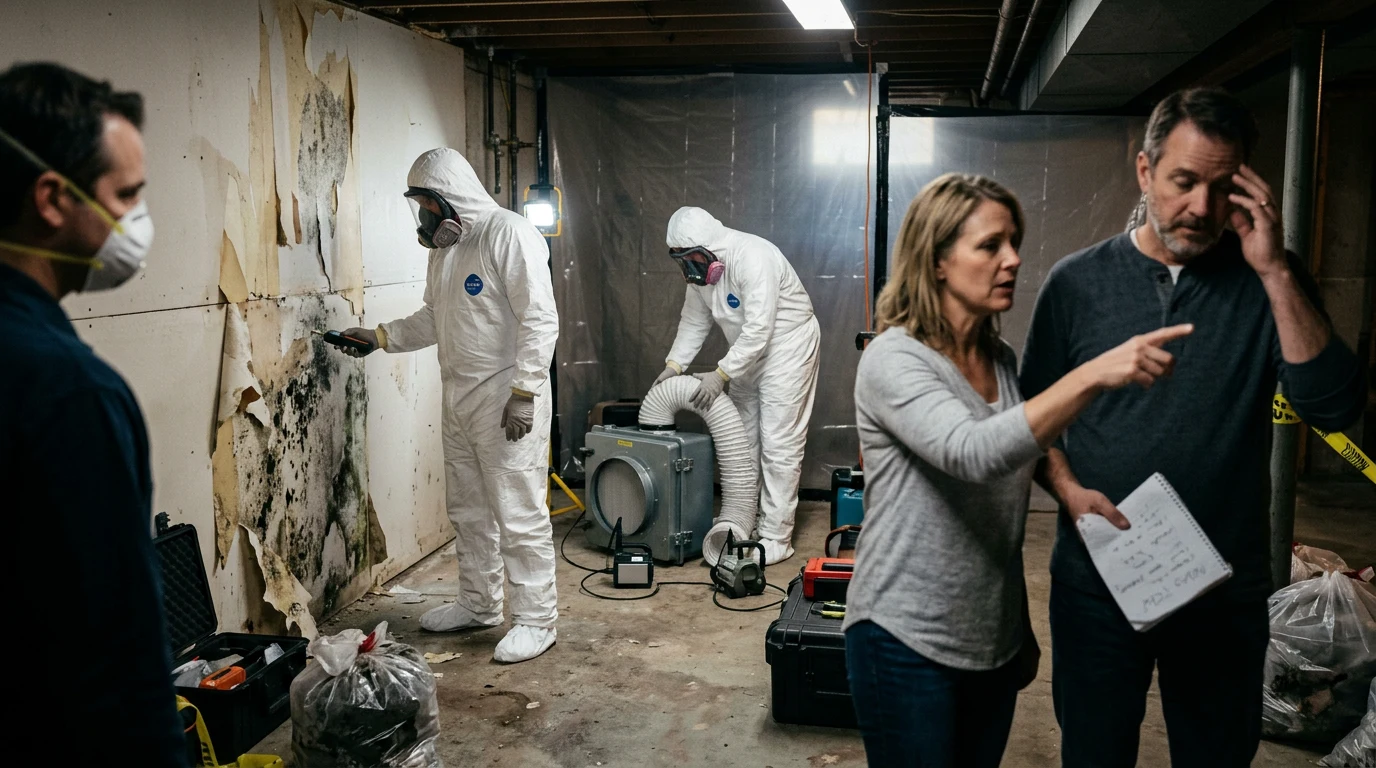
If you suspect your symptoms are related to mold exposure, it’s crucial to consult a healthcare professional for diagnosis and treatment. Simultaneously, investigate your environment for visible mold and consider professional mold remediation to eliminate the source of exposure.

Can ‘toxic mold’ cause unique or more severe health effects?
While certain molds, often referred to as ‘toxic molds’ (like Stachybotrys chartarum), produce mycotoxins, the health effects are generally similar to those caused by other molds, primarily involving allergic and irritant responses. The term ‘toxic mold’ can be misleading as the severity of health effects depends more on individual sensitivity and duration of exposure than on a specific mold species.
These statements have not been evaluated by the Food and Drug Administration. This information is not intended to diagnose, treat, cure, or prevent any disease. Content is for informational purposes only and is not medical advice; consult a qualified healthcare provider before starting any supplement. As an Amazon Associate we earn from qualifying purchases.